
Review: Akram Khan’s Giselle with English National Ballet – a triumph and danced with skill and understanding by an impressive cast
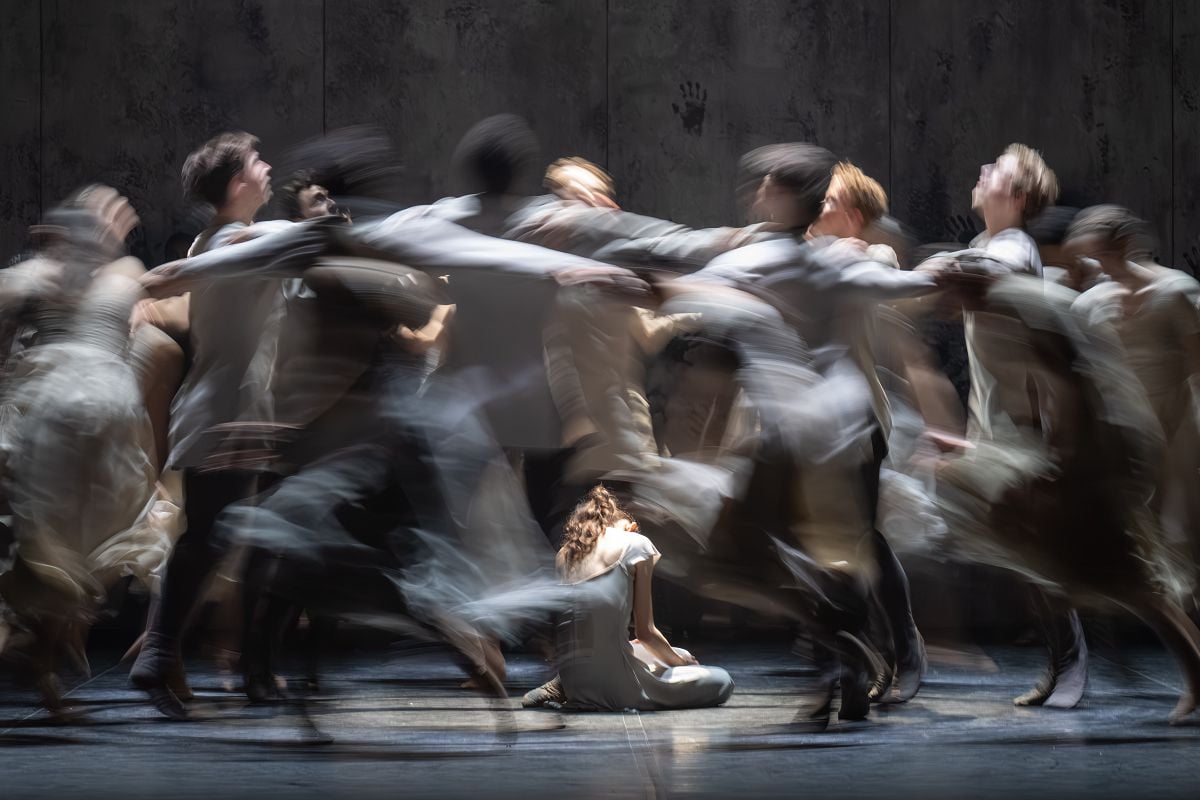
Lydia Wharf sees Akram Khan’s Giselle, and ten years on is moved to tears by this overwhelmingly enjoyable ballet.
| Title | Giselle |
| Company | English National Ballet |
| Venue | London Coliseum |
| Date | 15 January 2026 |
| Reviewer | Lydia Wharf |
If you’re not already aware, #2016 is a social media trend with a very simple premise – post a picture of yourself from 2016. Whilst fellow Gen X-ers might be keen to share a young, fresh selfie from ten years ago, there’s something more interesting than vanity at play here – a sense of collective wonder that, whilst 2016 might feel like yesterday, somehow it’s a whole decade ago. Not only did we look different in 2016, but we also inhabited a different era, another world entirely, where a pandemic was the stuff of science fiction and Donald Trump securing a second presidency was too surreal for a Simpsons’ storyline.
September 2016 saw the premiere of Akram Khan‘s Giselle by English National Ballet in Manchester. I was excited to catch its London debut at Sadler’s Wells later that year. Fast forward ten years, and I’m pretty thrilled to be watching it again – this time at the rather grand London Coliseum. Will it have aged well? Will the radically changed context impact my experience of watching it? Can #2016 still be relevant?
The notion of re-imagining a familiar classical ballet in a contemporary style or genre was not new ten years ago – in fact, Giselle has been ‘re-worked’ pretty much endlessly since Jean Coralli and Jules Perrot created it in 1841. However, for UK audiences, it was very much alive in repertoire as a beloved romantic ballet. Khan’s 2016 re-telling felt particularly interesting because his own meteoric rise to fame involved ‘breaking through’ as a contemporary artist trained in Indian classical dance, not classical ballet. Khan had already worked with English National Ballet before to create Dust in 2014, noting how different his choreographic vocabulary looked on classically trained dancers. But creating a new version of one of the company’s most cherished ballets was a gear change, even for a choreographer who’d had an MBE under his belt for over a decade. It was, of course, a huge critical and commercial success, hailed as a ‘masterpiece’, winning accolades and touring extensively.
And so to 2026 where, in a cost-of-living crisis, a top-tier ticket to see Khan’s Giselle at the Coliseum will set you back around £120.
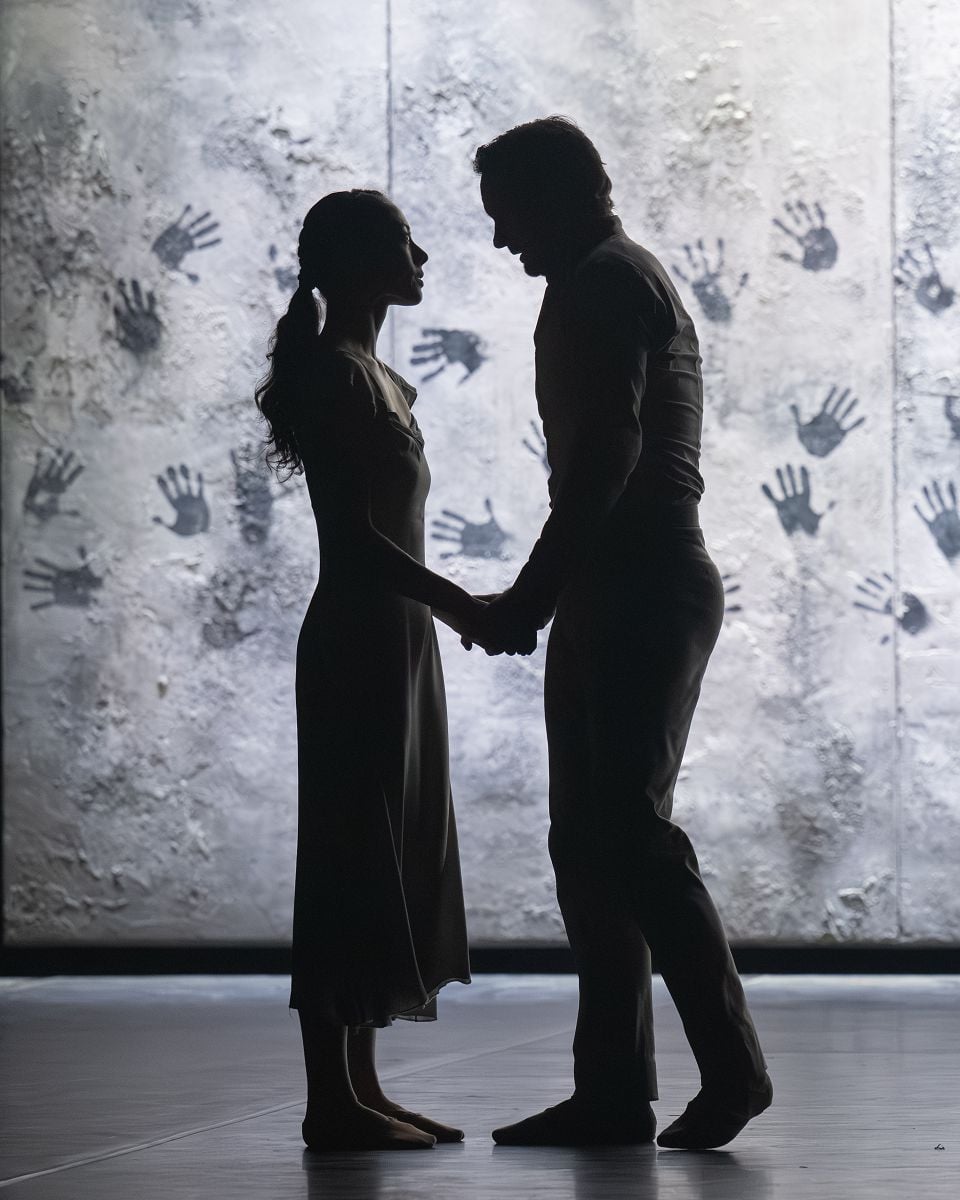
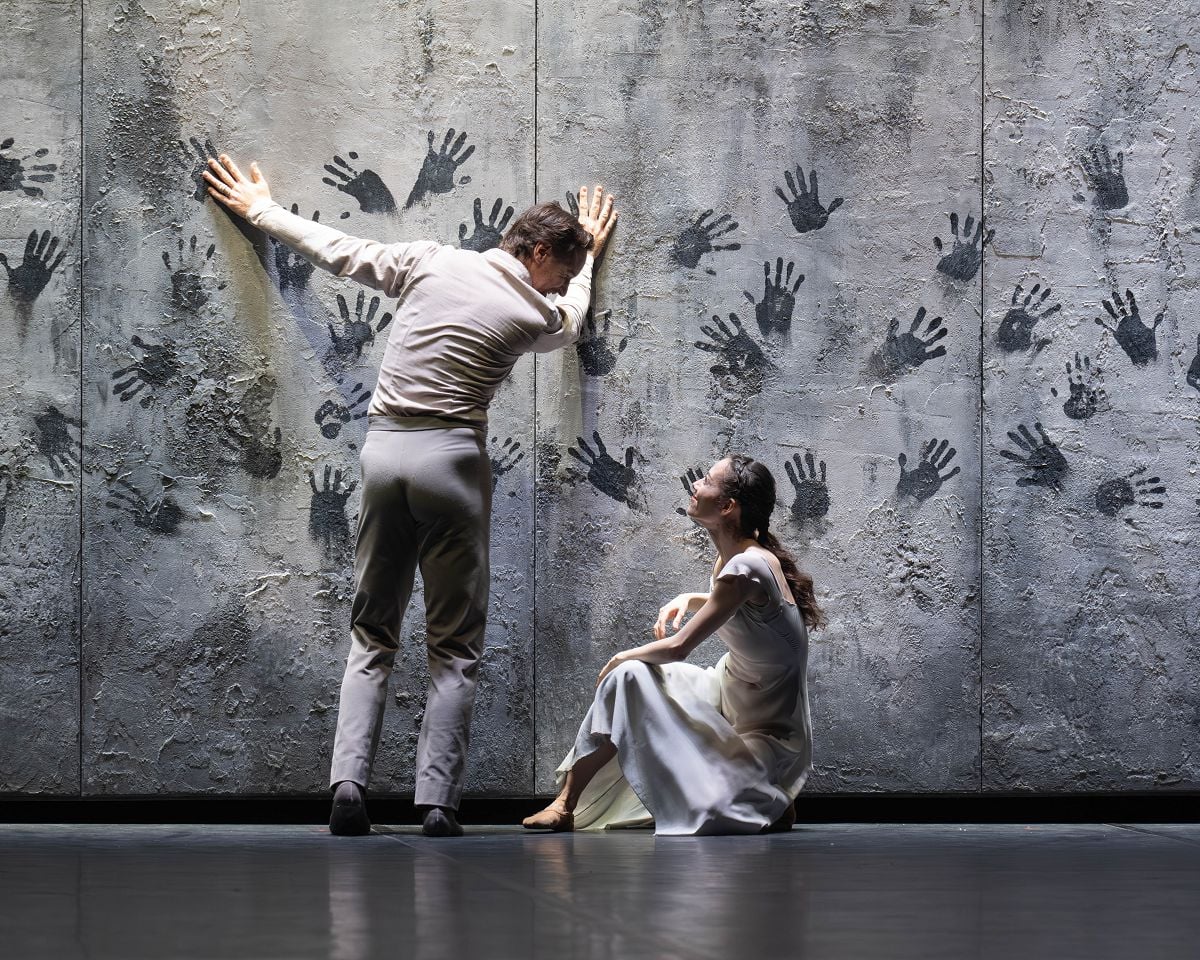
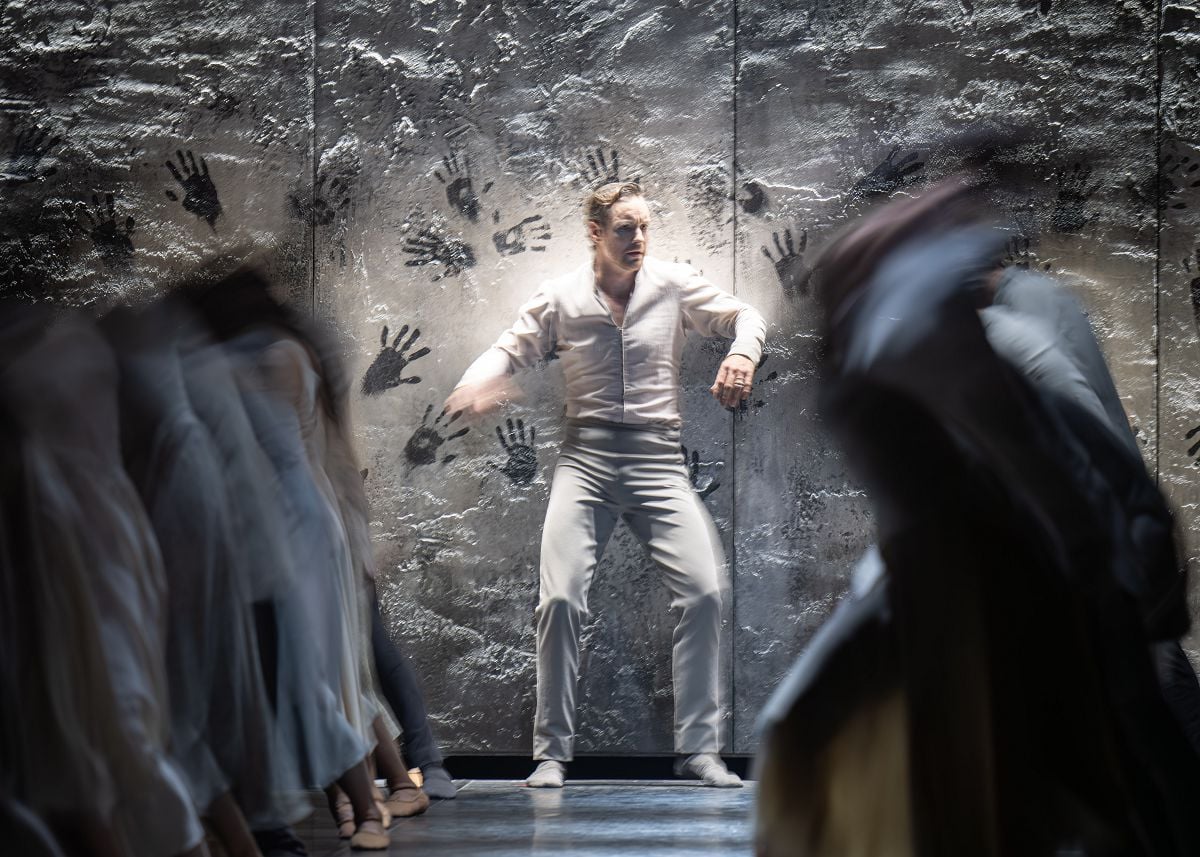
In many aspects, this re-telling remains true to the original, and so the central themes of love, betrayal, revenge and forgiveness are its solid foundations – their relevance is universal and timeless. Khan’s interpretation turns up the heat on the inherent class divide between the young lovers Giselle and Albrecht by setting Act 1 in a factory amid a large community of migrant workers. Emerging from the dimness, they push against a vast, grey factory wall. Their handprints, perhaps the handprints of their forebears too, are embedded into the vast grey barrier, emblematic of struggle and oppression.
Dancing together, often in unison, there’s an unnerving uniformity to the shapes and patterns of the group. Even when they leap joyfully around the space, they are as one, united against a common enemy. Giselle and Albrecht dance among them, but there’s a subtle difference – romance gives their movements full body extension and fluidity, and they reach and yearn. Perhaps this is what hope looks like. Eventually he lifts her to touch a part of the wall that others haven’t reached. There’s a chill-inducing siren and the wall rotates slowly and spectacularly on its axis to reveal the stark opulence of the world of The Landlords. The inescapable inequality that forms the backdrop of this relationship, and dooms it from the start, is hammered home. Back in 2016, when this work was made, the UK had endured 6 years of Tory austerity – social mobility had stagnated, and arts funding was reaching crisis point. The next six years, of course, delivered more of the same and worse, so the themes of oppression, inequity and division resonate more today than ever. Although how exactly this lands with the extraordinarily well-heeled audience at The Coliseum I cannot say.
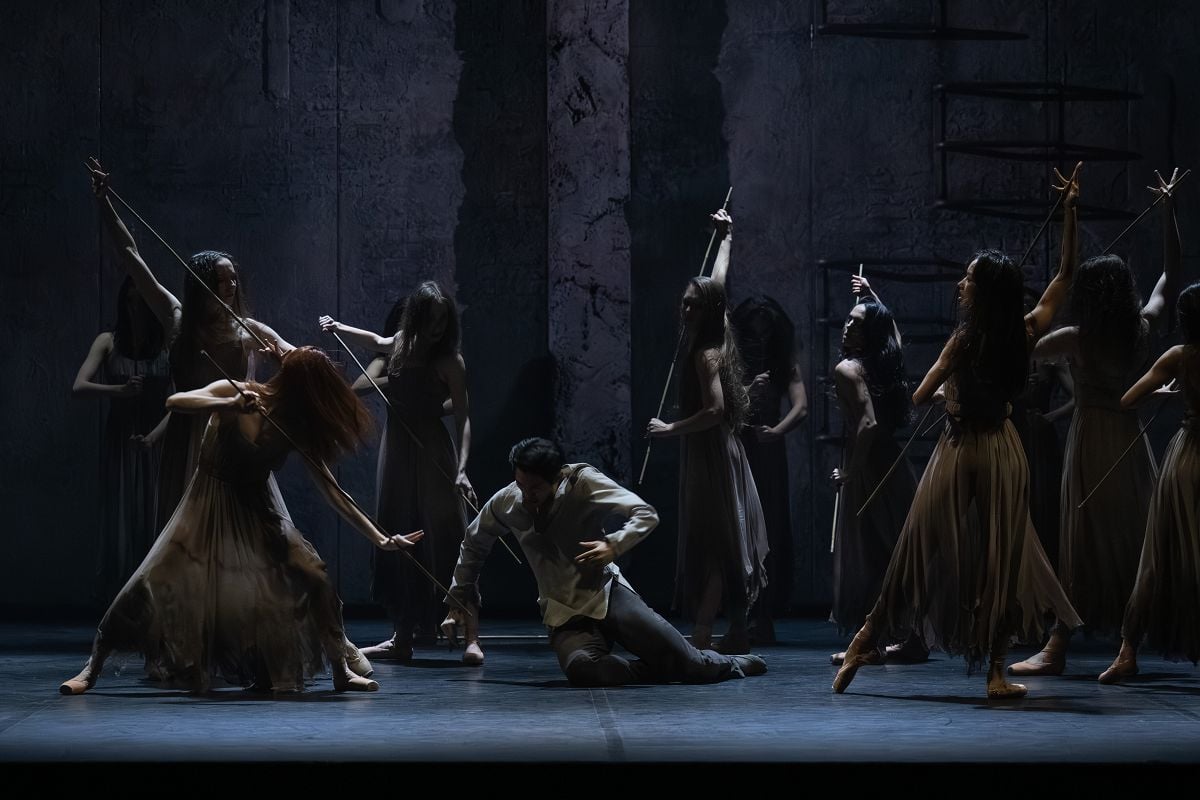
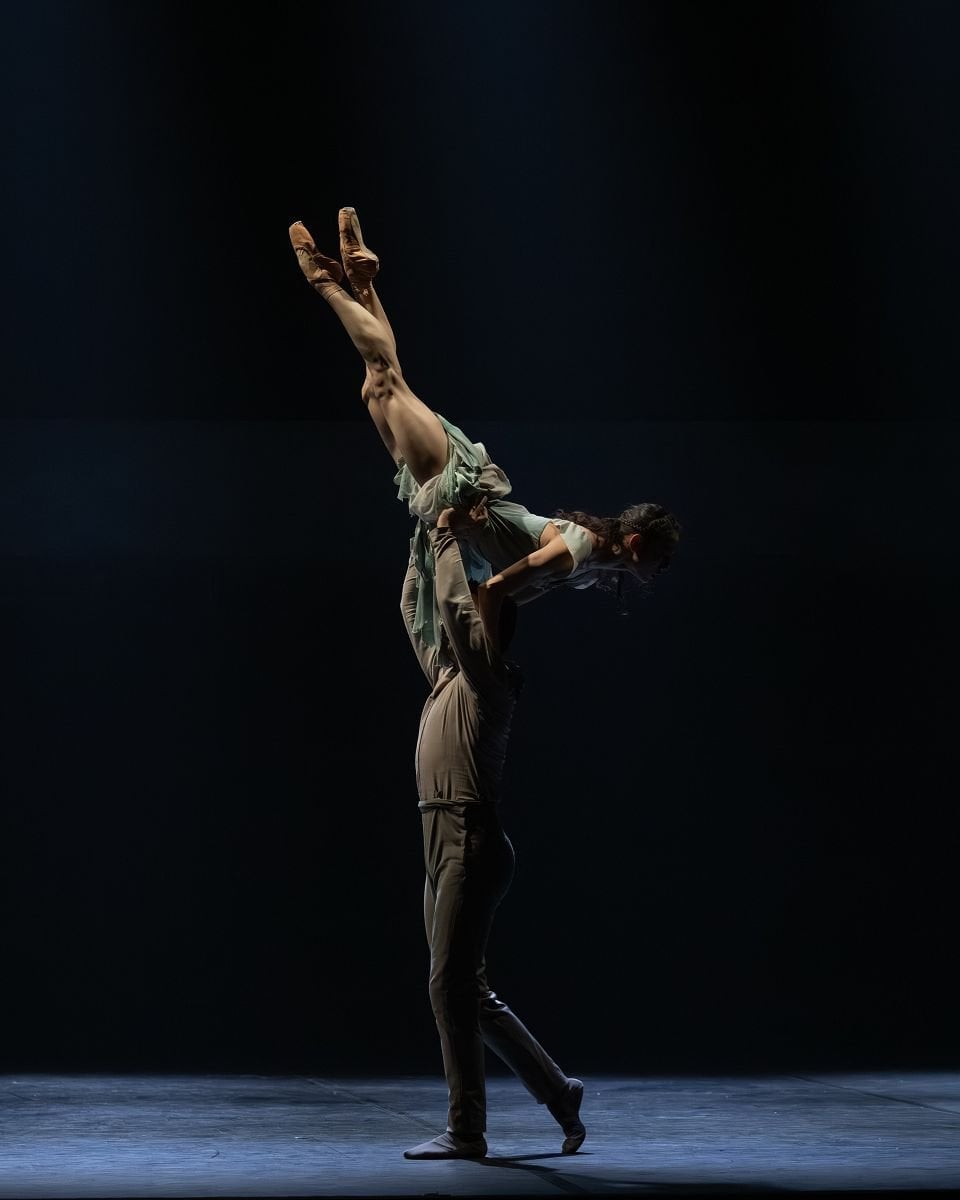
The production is easy to love – Khan emancipates the ENB dancers from the strictures of classical form to find a rich, earthy physicality and a depth of expression that is emotionally loaded, making sense of the story, both understated and sophisticated. Vincenzo Lamagna’s extraordinary musical score juxtaposes sweet, drifting fragments of the original Adolphe Adam motifs with the rhythmic whirring of a terrifying machine. Tim Yip’s lighting adds dimension and depth, and the prop-free stage pulses with energy. Momentum builds with a particularly throbbing intensity around the tragic death scene, which ends the first act, and I feel unexpectedly moved to tears as I watch the community of migrant workers cluster and spin around Giselle as she dies, lifting her, swallowing her, unable to save her. All artistic elements align to swell the senses – it’s a genuinely poignant experience.
In Act 2, Khan finds another brilliant mechanism with which to bring relevance to Giselle – he makes sense of pointe work, just as the original might have. The usually waifish wilis, traditionally ‘floating’ on their toes in white tulle, are replaced with a terrifying army of long-haired wraiths, pointe shoes adding menace rather than an aesthetic otherworldliness. Emerging from the shadows, wielding razor-sharp sticks, their feet drum angrily at the ground to create the buzz of upset bees, led by their queen. Pointe shoes also enable Giselle to ultimately resist Myrta’s power and impose her own will; by rising above Queen Myrtha like an animal rearing, she exudes presence and power – no longer a tragic, lovelorn spectre, she spares Albrecht in an act of forceful mercy.
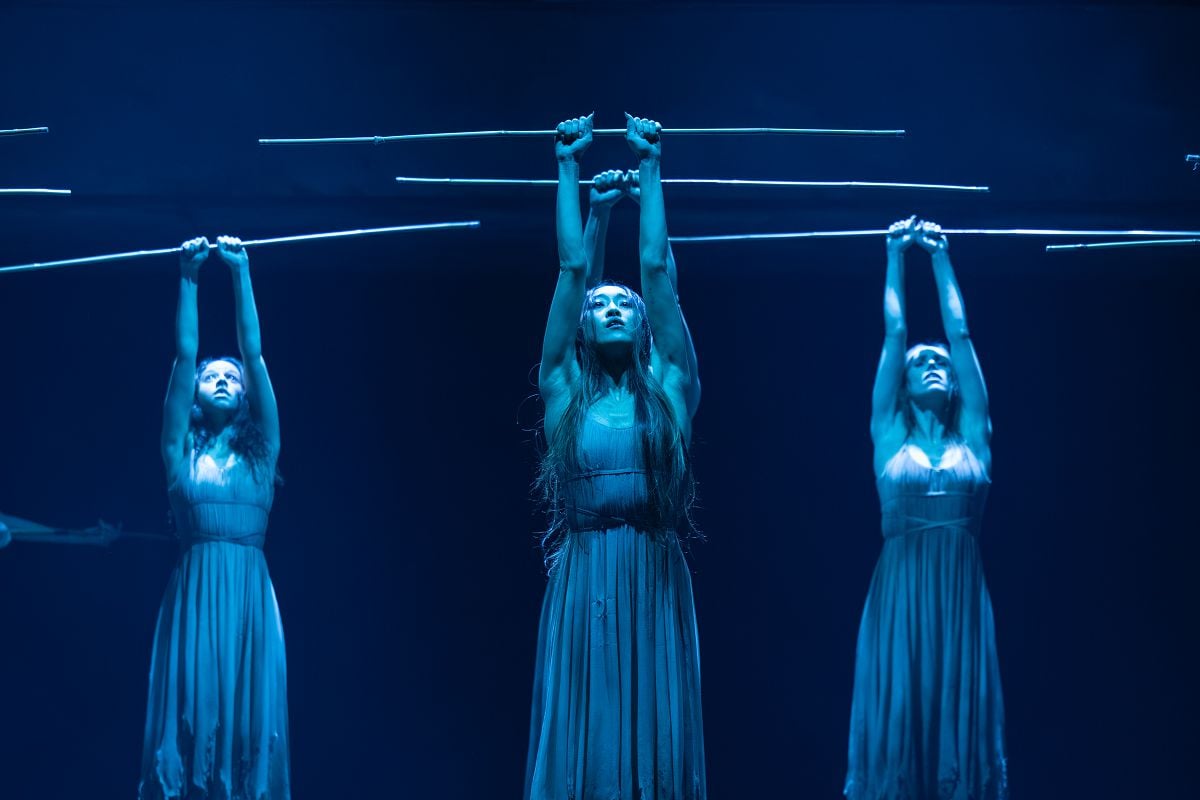
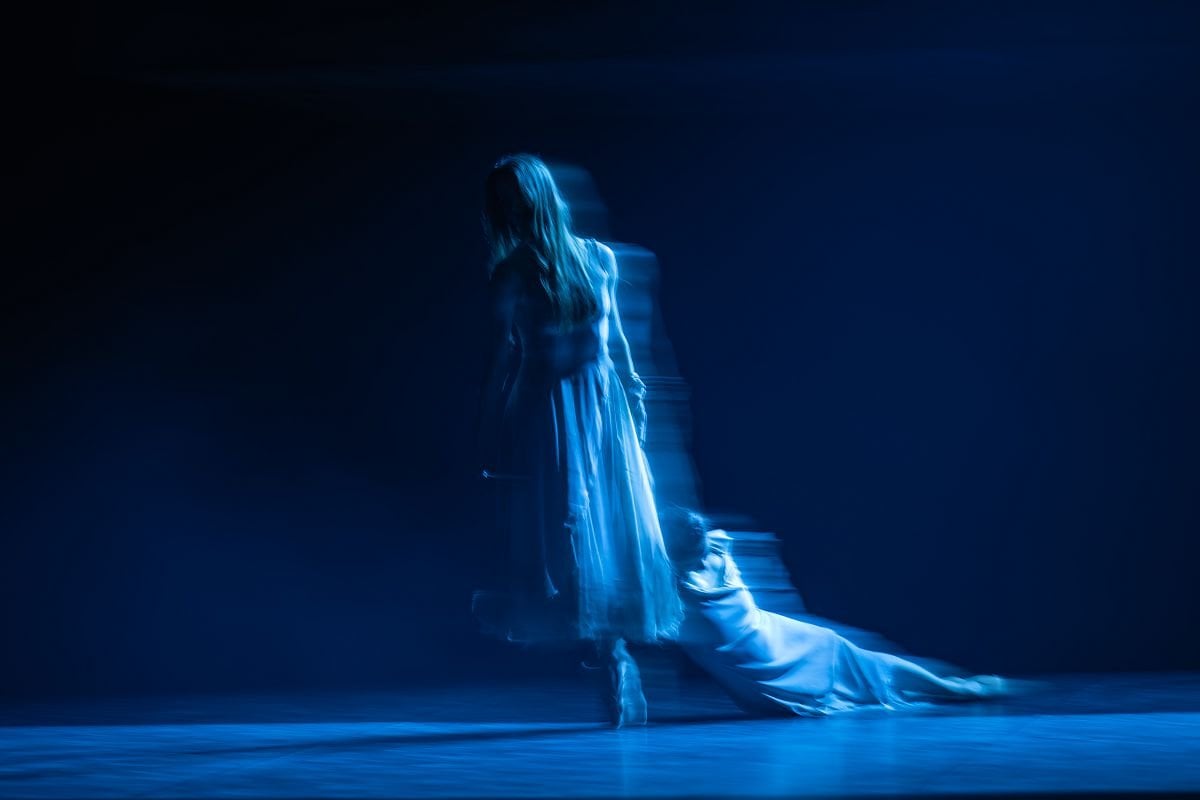
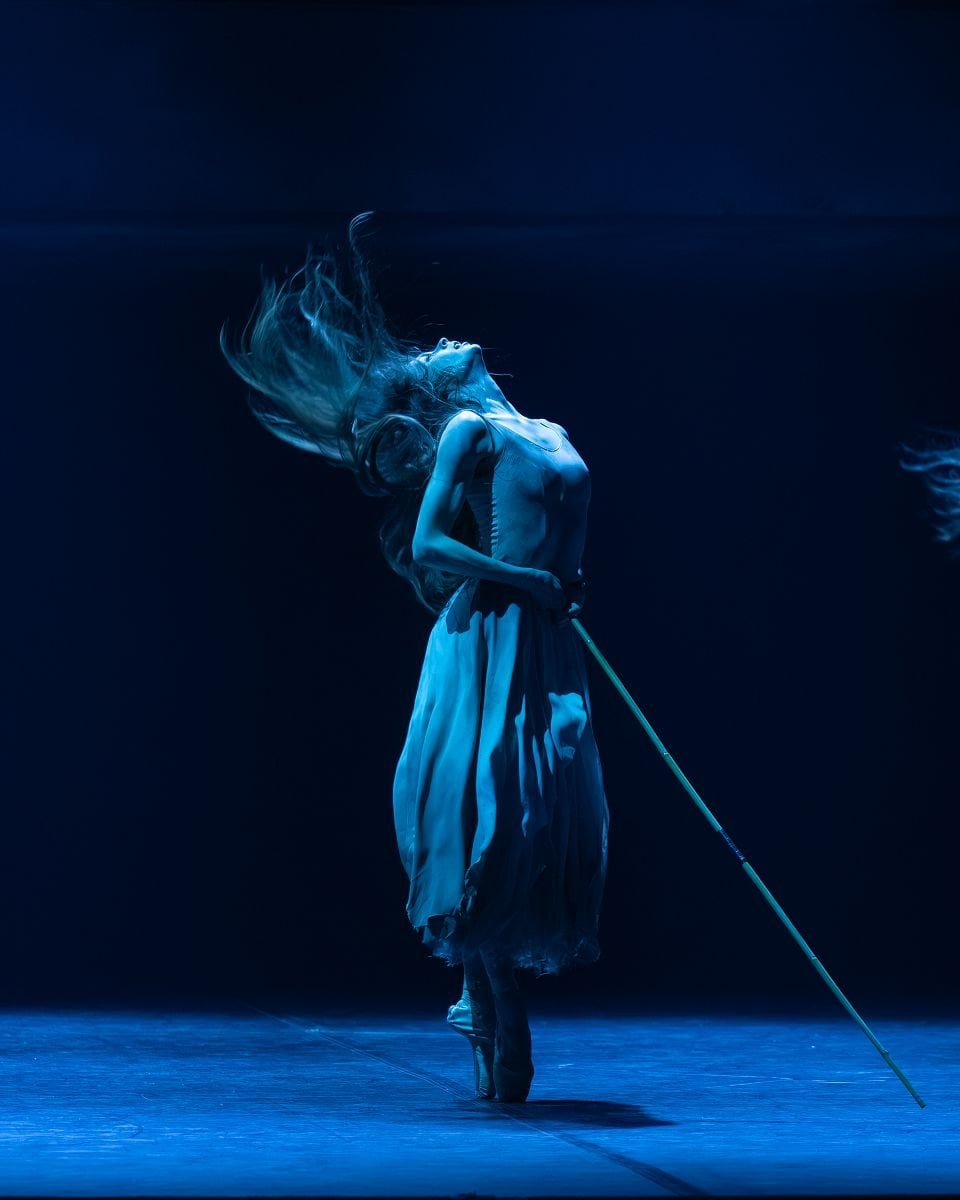
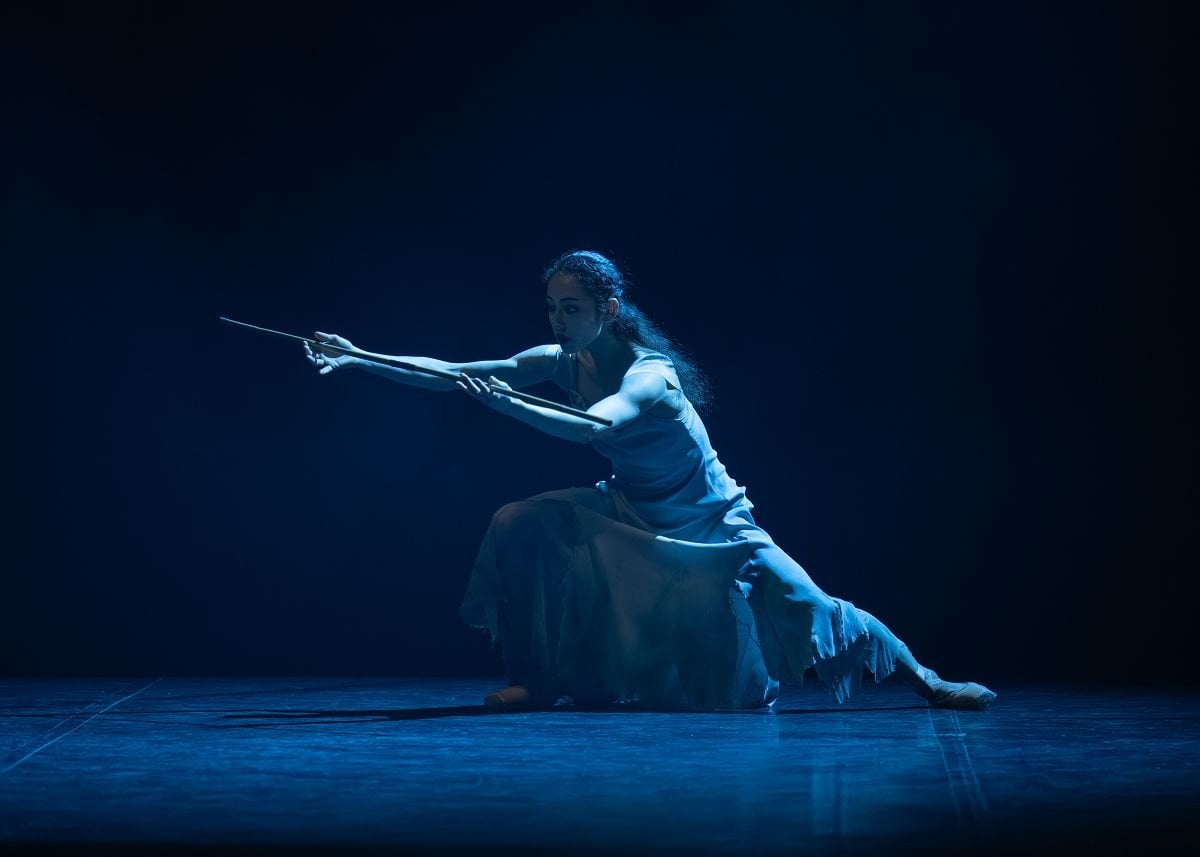
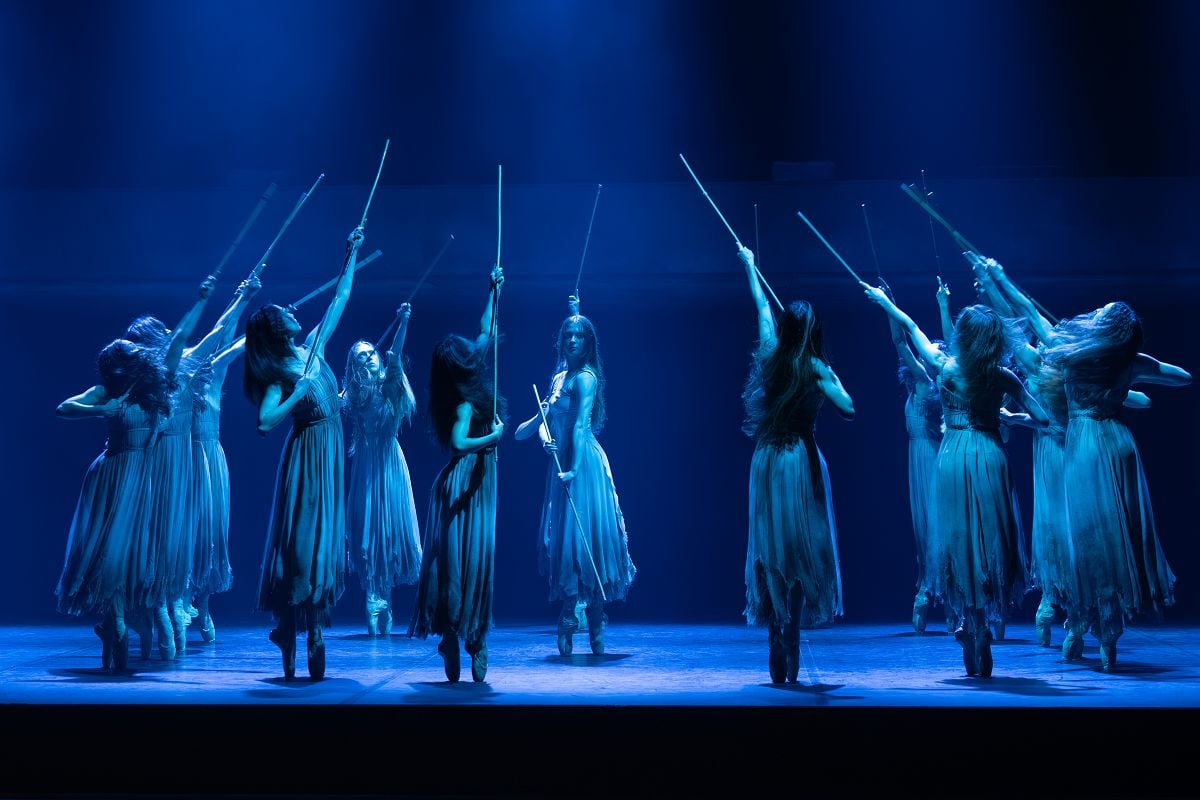
Khan’s Giselle is a triumph in so many ways. It is danced with skill and understanding by an impressive cast – the close synthesis of creative elements generates a spectacle that’s overwhelmingly enjoyable. There’s none of the tweeness of the romantic ballet – Khan embraces and fully employs the darkness of the story, which makes it feel very much of the moment. But perhaps what the work offers most clearly to today’s audience is a sense of quiet hope. Inequality, he tells us, may be an inescapable reality, more so now than ever before, but Giselle’s powerful resistance, her capacity to eschew vengeance in favour of love and forgiveness, is what wins.
Lydia wharf is an independent producer working in contemporary dance theatre, tending to specialise in practices of care, access and inclusion.
She works directly with a range of artists and companies, most recently BirdGang Ltd, Dance Umbrella, Julie Cunningham & Company and Stuart Waters. Lydia has a long, twisty relationship with dance, as performer, writer, advocate and producer.


NO!
BUT WHY?