Interview: The Royal Ballet’s William Bracewell on his journey to Mayerling

| Lily Hyde talks to William Bracewell on preparing to play Prince Rudolf in The Royal Ballet’s Mayerling, his acting process, and an unlikely source of inspiration. |
William Bracewell’s journey to Mayerling was a long one. Born in Swansea, he trained at the Royal Ballet School and joined Birmingham Royal Ballet after graduation. He cut his teeth with MacMillan’s best-known ballet, Romeo and Juliet, as Romeo in 2016, and established himself as a regal presence dancing Oberon in Frederick Ashton’s The Dream and as Louis XIV in David Bintley’s The Sun King, the latter of which he won the National Dance Award for Outstanding Male Performance (Classical) in 2015.
He joined the Royal Ballet in 2017 and was promoted to Principal in 2022. Though he missed out on the company’s revival of Mayerling in the 22/23 season, he quickly established himself as one of the company’s most intelligent dancers in roles like Hamlet, Siegfried, and Albrecht. When I saw Bracewell’s debut as Crown Prince Rudolf in Mayerling, there was a glimmer of Laurence Olivier in his manic brow, and I perhaps expected him to be solemn and interior, but sitting down with him a couple of weeks after his performance, he was gregarious, chatty, and effortlessly warm.
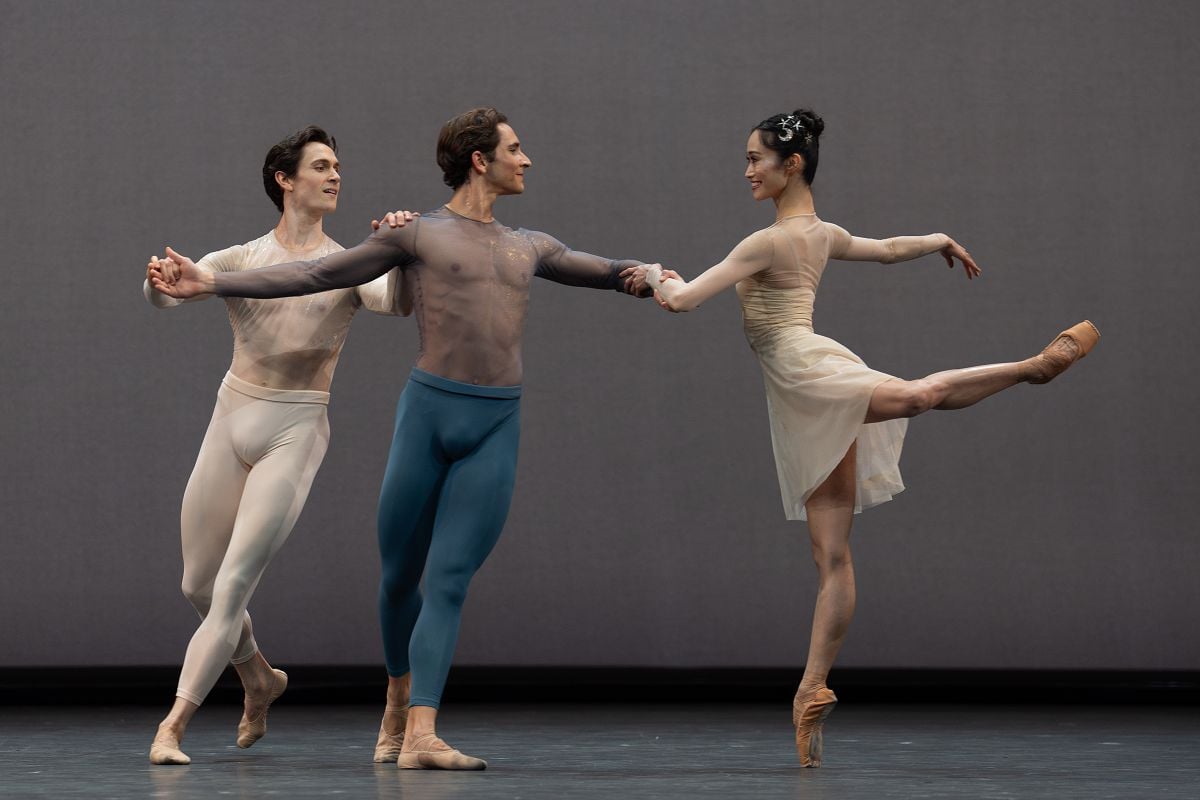
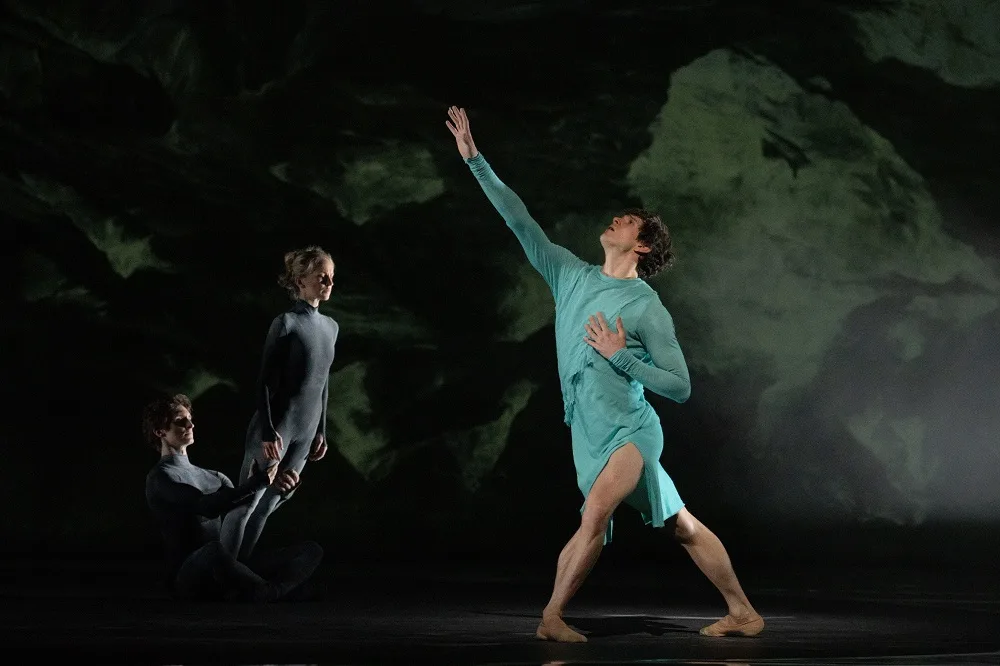
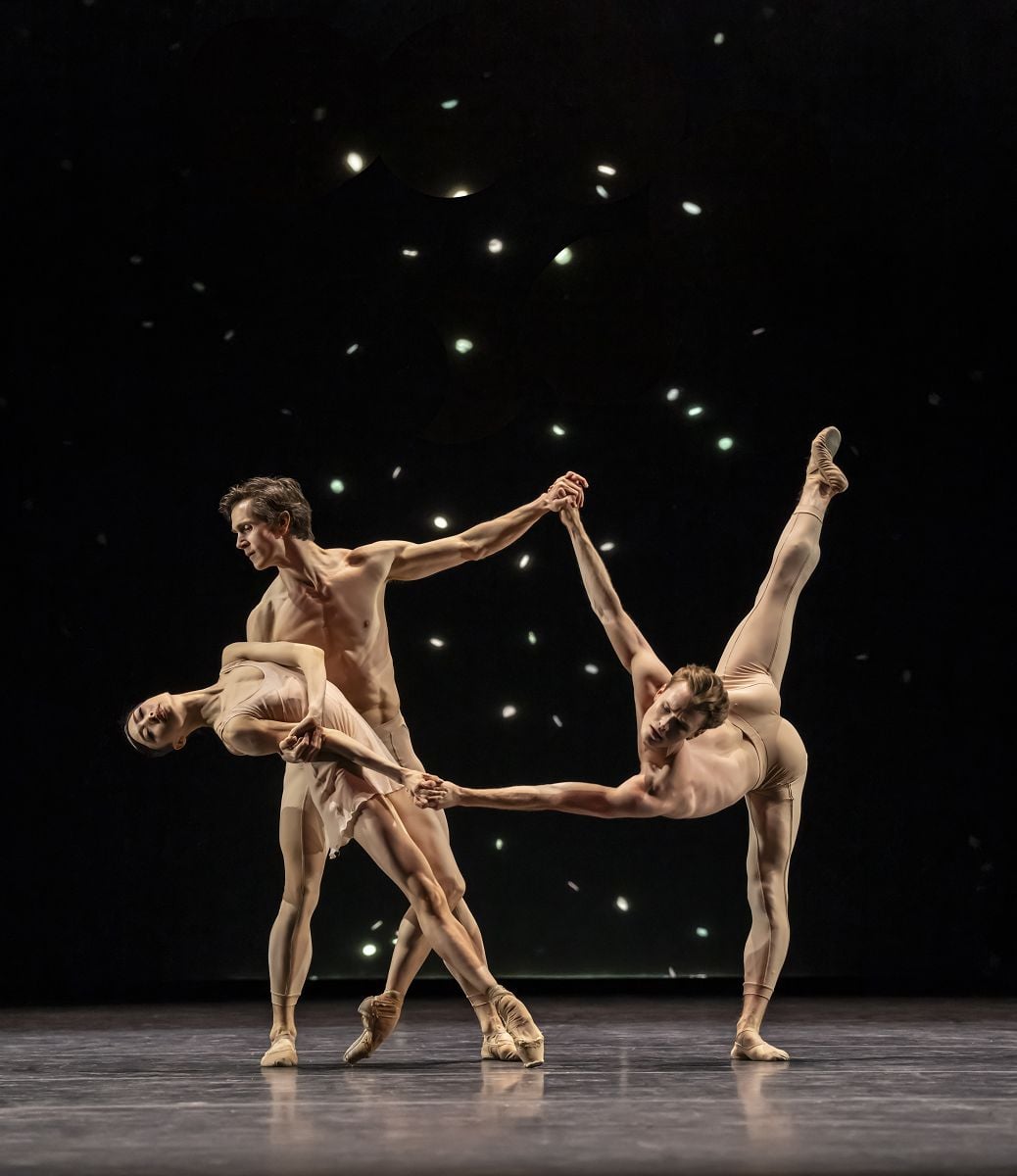
Fresh from the final rehearsal of Wayne McGregor’s Alchemies, we spoke about Bracewell’s journey to Mayerling, his acting process, and an unlikely source of inspiration.
This has been a season of debuts for you, William. How have you found it?
Really intense. When the next season was announced, a part of me was relieved that a good deal of it I’d done before, if not here, then at Birmingham Royal Ballet. This season, there were some real big hitters I’d never done, like Giselle and Mayerling, which are such staples of the ballet world.
Knowing the debuts you were going to make, were you happy that Mayerling landed at this point of the season?
Obviously, dancers have no control over the structure of a season, but at the end of last season, I met with Kevin (O’Hare), and we talked through this one. Both of us said, “That’s quite a lot of things. In fact, that’s everything.” There was a point where I was also going to do Different Drummer in the Linbury, but we realised it was probably physically impossible.
We had to ask, “Is this sensible?” but I thought, I feel fit, and I want to do all of these things, and with ballets like Giselle and Mayerling, they do come back, but I don’t know when; it might be another four years until we do Mayerling again, and I’d be in my late thirties. I’d love a couple of runs at it, because there’s so much in there.

Speaking of scheduling, you were promoted to Principal at the end of the 21/22 season, but the following 22/23 season opened with Mayerling, which you didn’t do. Was that your decision?
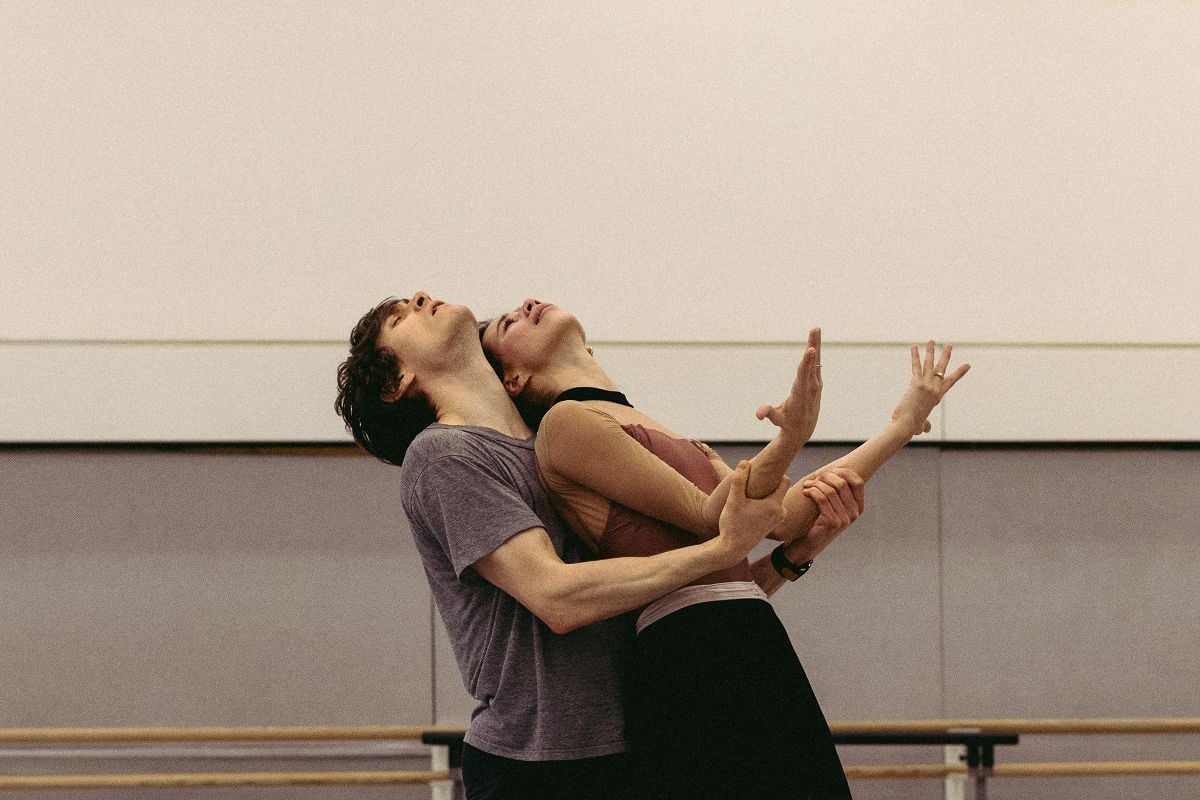
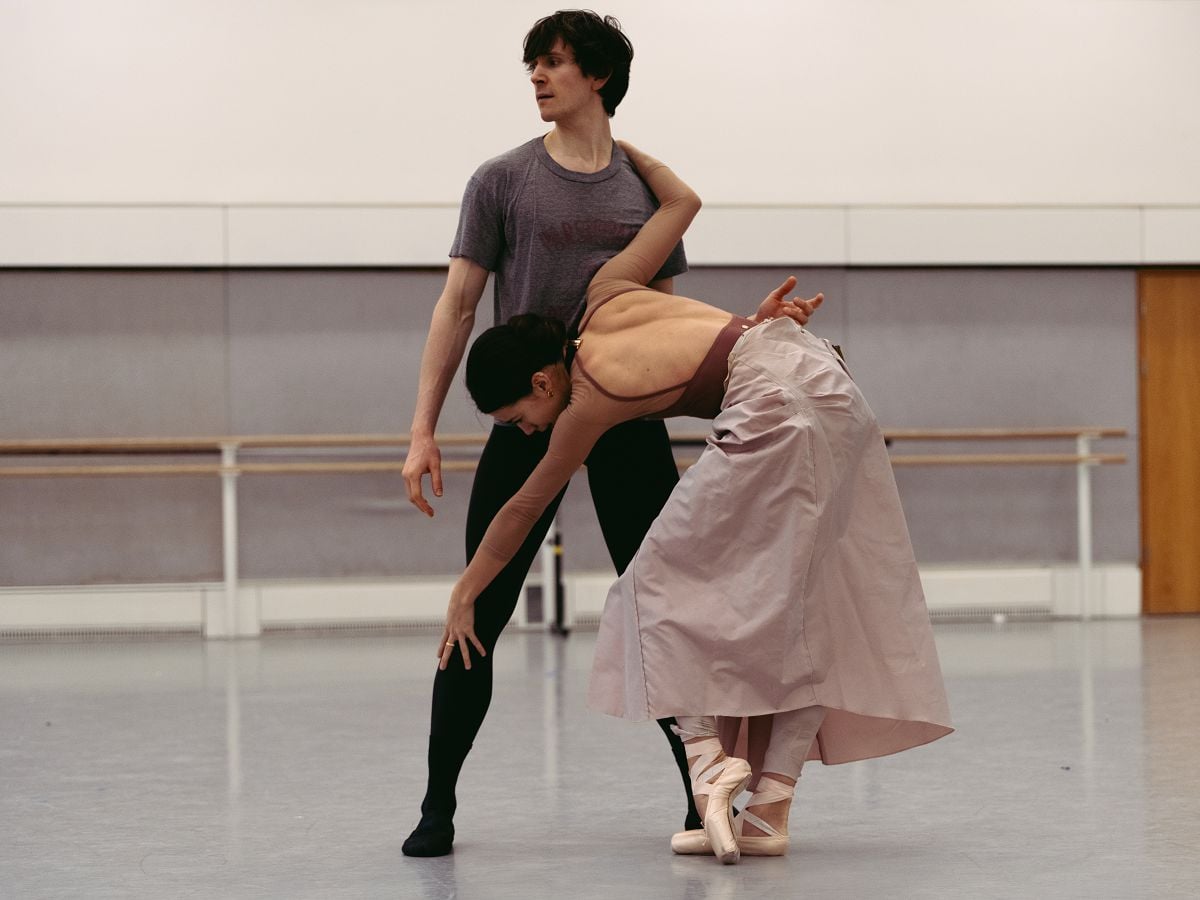
No, I wanted to do it, but there were only a certain number of shows, and I completely understood that it wasn’t my turn yet. Having waited, I’m sure I could have given it a good go, but I felt really ready this time, more confident, and like I’ve done things and learned things which have really informed what I did.
Knowing that you wanted to do it for such a long time, did you have any thoughts on what you wanted to do with your Crown Prince Rudolf?
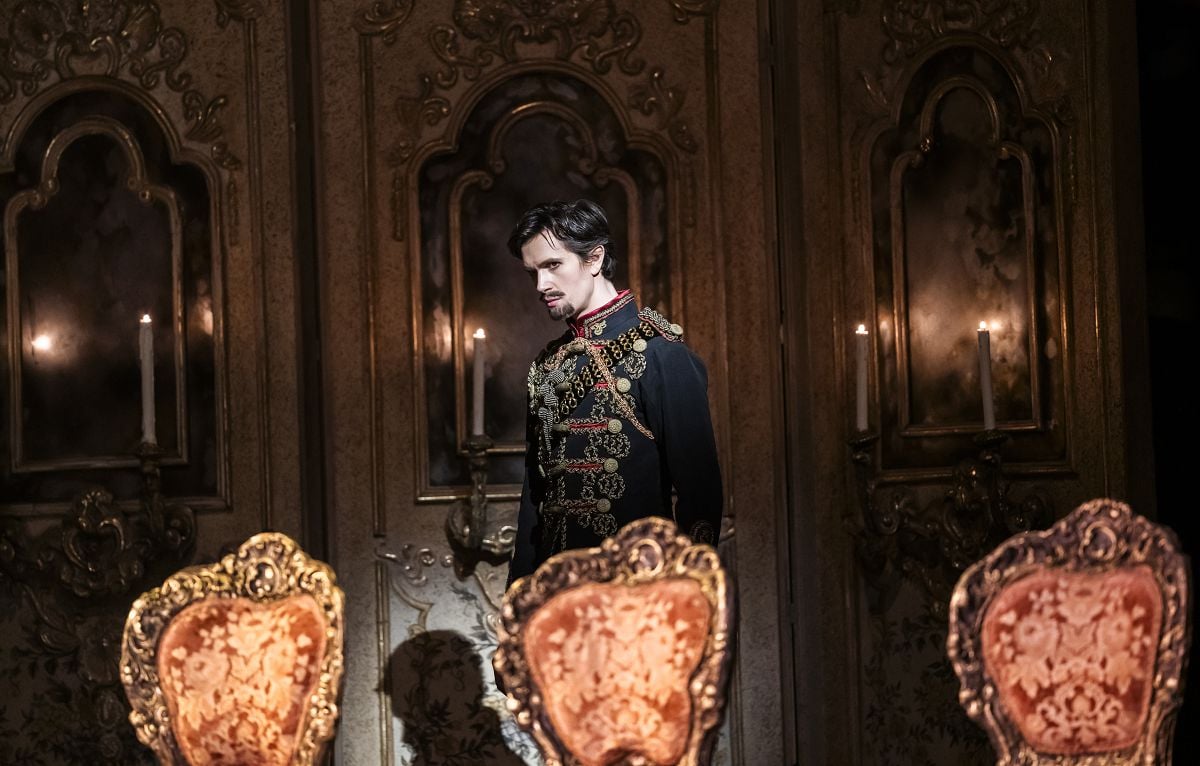
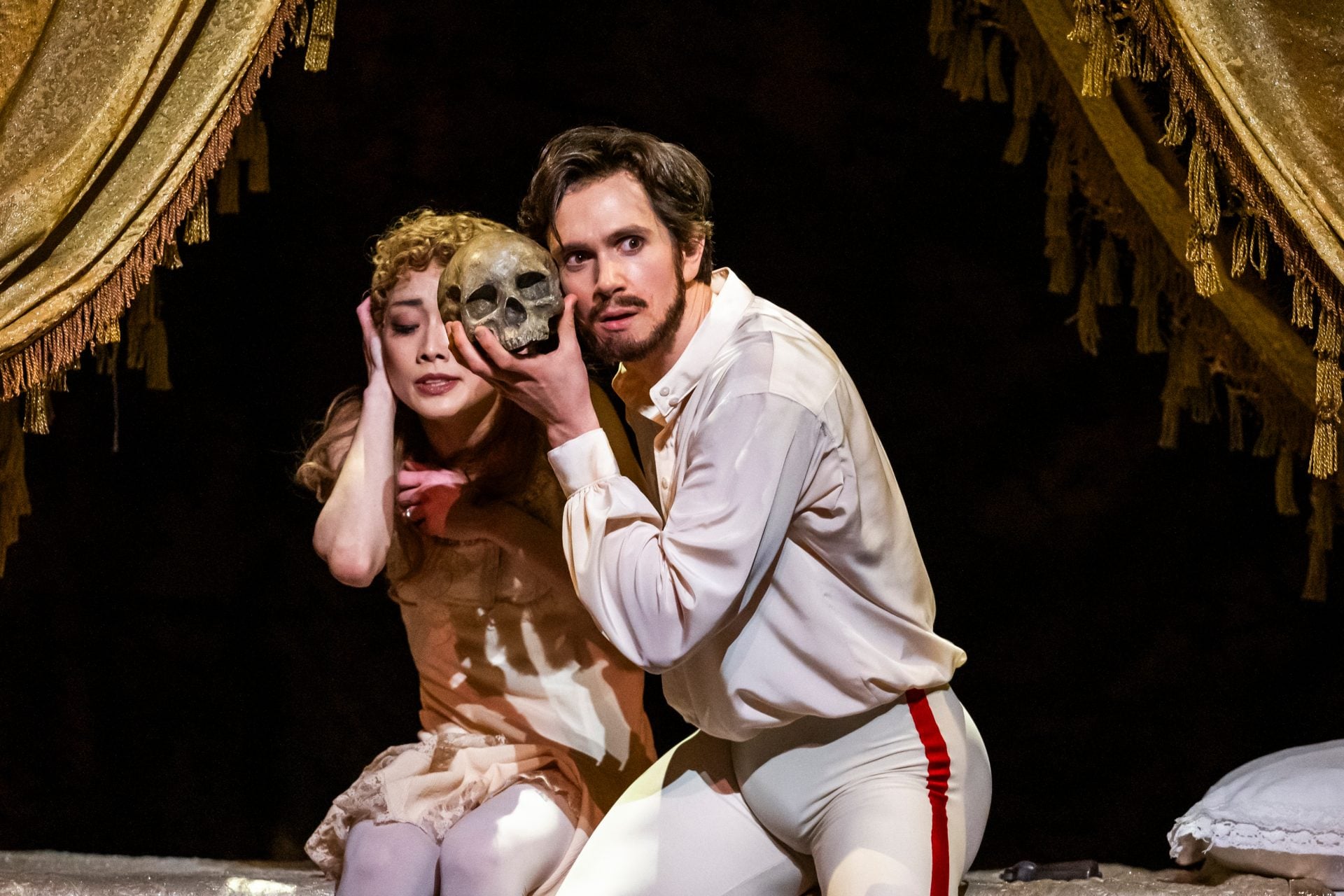
Going into most of my roles, I want to try and make my audience empathise with my character, even if they’re doing things that aren’t perceived as particularly humane or likeable. But, for my first performance as Rudolf, I didn’t necessarily want the audience to like him, because I don’t think he’s a likeable person.
I think I am less suited to this type of character – at least that’s my perspective – but I wonder if, going into the next shows, I’m going to try and show him as more of the result of his circumstances and his upbringing, and at the beginning ask if there is a bit of sympathy to be felt for him?
There’s so much to be mined in that ballet, and there are so many people to interact with, with such rich histories of their own. I felt so lucky with the cast I had, with so many experienced character performers, like Chris Saunders and Tom Whitehead, that I was almost overwhelmed by the amount of choices I could make. It will be nice to get a few more under my belt and really see what else is going on.
You’re an incredible actor – what is your approach to acting through ballet?
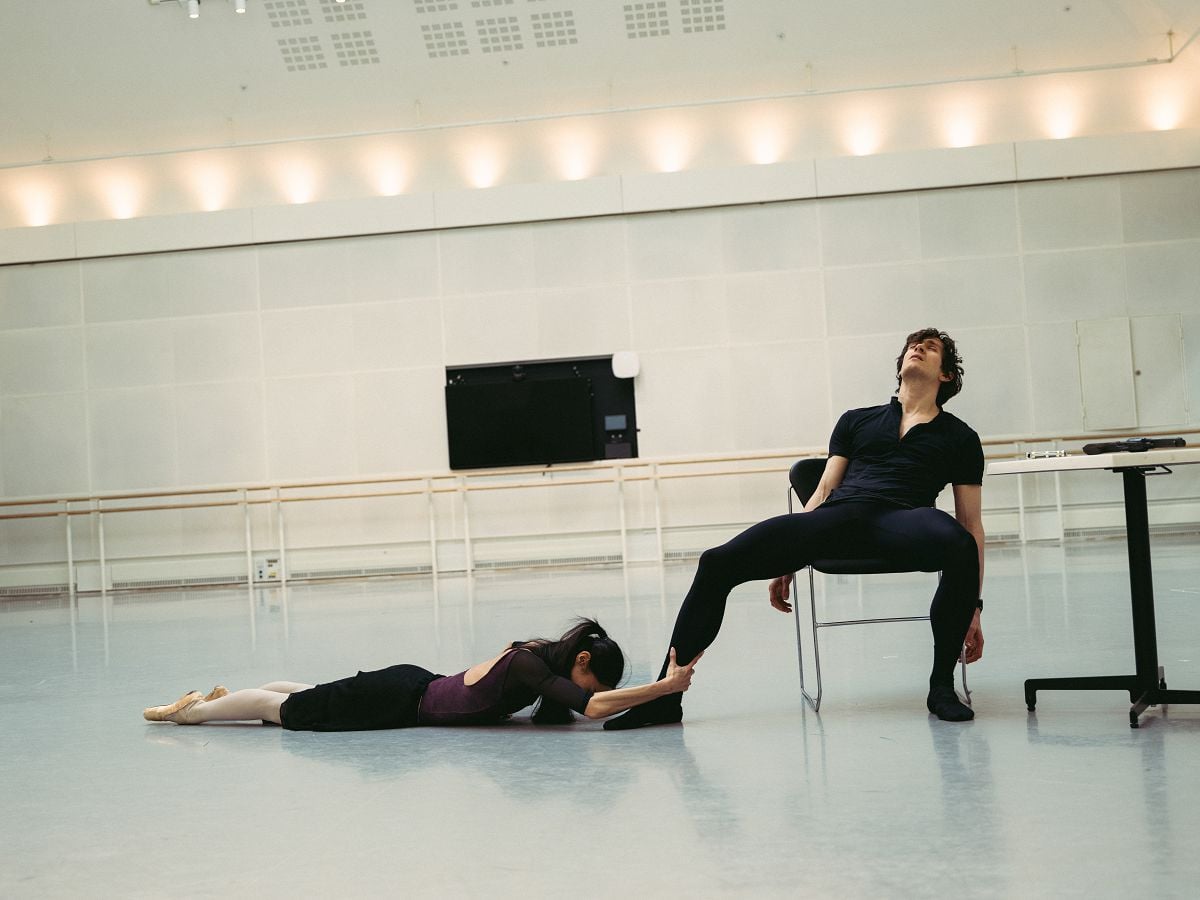
I’ve come at it from multiple angles. With MacMillan, learning the choreography is the biggest part, because it says so much. Gathering all that information from Ed Watson, Laura Morera, and other coaches is so key. I also worked with an acting coach, Sarah Walton, who was a company dancer who went on to study at RADA. She teaches acting through movement, and acting through your voice, and that’s helpful to talk through narrative arcs and how you really say something with your body.
The other way I like to find my way in is thinking of other people or characters from film, theatre, or books that I would associate with this character, which was quite hard with Rudolf, because he is quite unique.
Are there any you could name?
There’s the royalty aspect, and understanding the ousted son. One character that came to mind was Tommy Lee Royce from Happy Valley, because he was so terrifying, and there’s something really sinister about him that I really enjoyed. Obviously, I’m not directly trying to recreate that performance, but I was trying to think of actors who I thought had played really excellent, awful humans.
And then, once you’re on stage, you really have to trust yourself. What I’ve learned with Mayerling is that you can set what you’re going to do, because there are too many variables. Something that made sense in a studio might not make sense on stage. Trusting yourself to make a different decision from the one you had rehearsed is key.
And how was working with Ed?
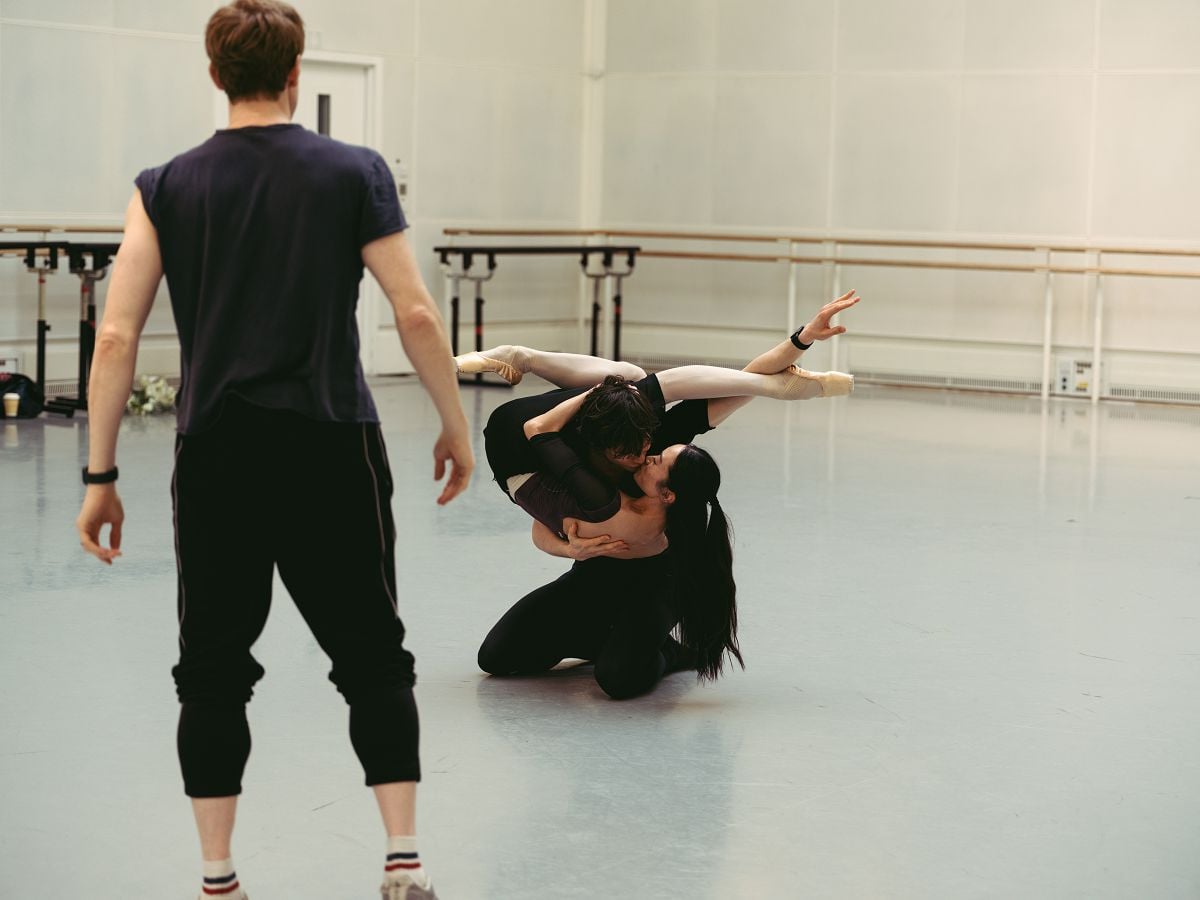
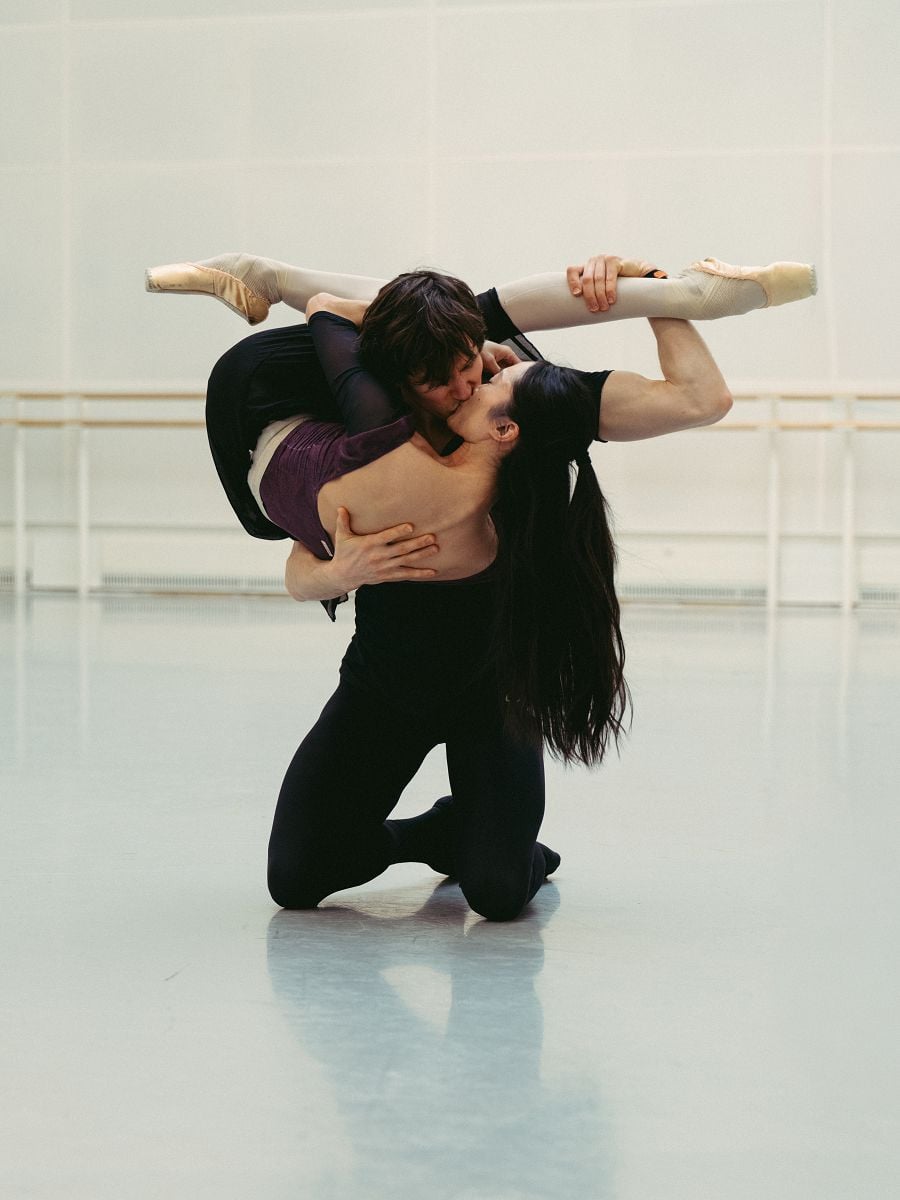
It was great. He worked with David Wall, the original Crown Prince Rudolf, so he had some amazing insights into how Kenneth worked with David. Having danced this ballet so many times, he’s got such vast knowledge. Not only was his technical help amazing, but his patience too – I can’t imagine what I looked like at the beginning! With a lot of MacMillan ballets, you’ve seen them done so well for so many years, and then you try them, and you just look terrible, because they’re just so hard.
Is that because MacMillan’s work is very primal and naturalistic, and therefore, you assume it might be easy?
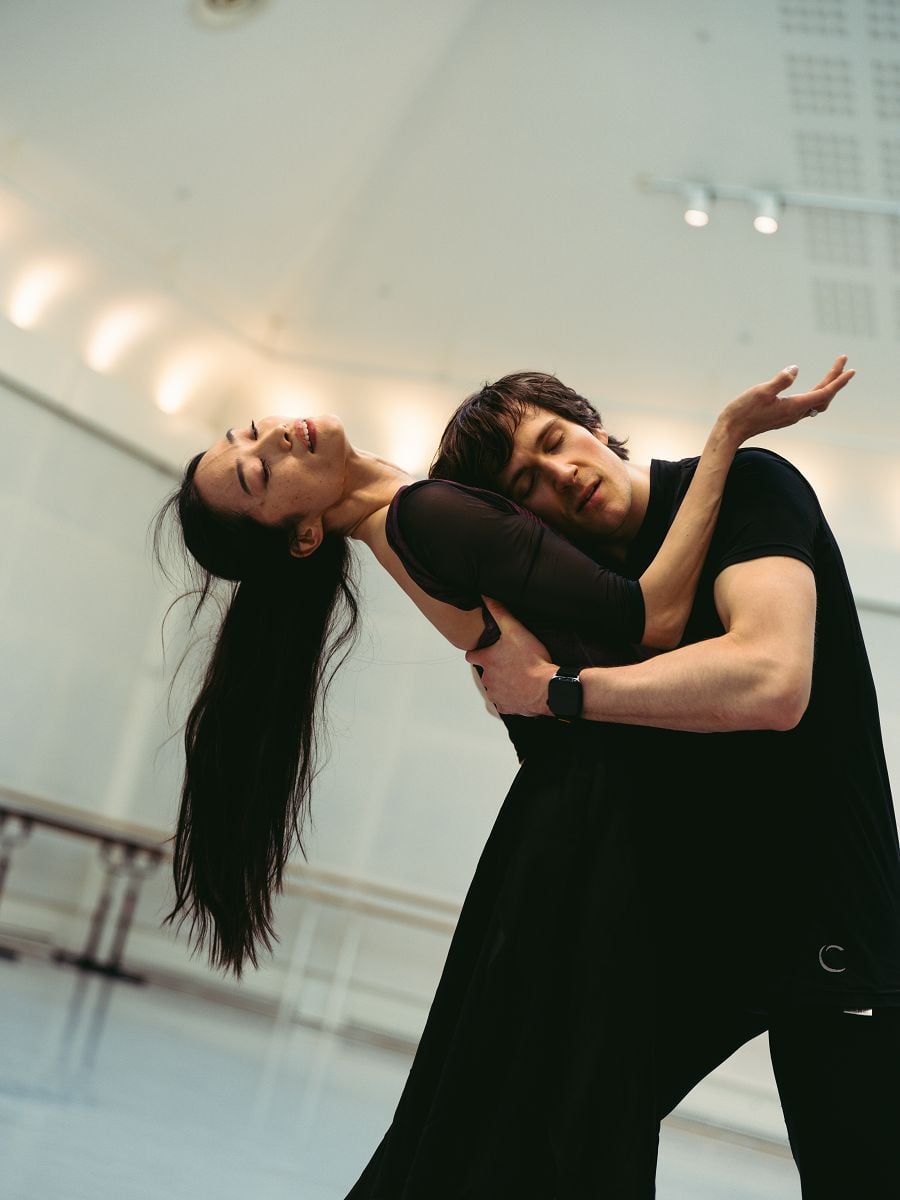
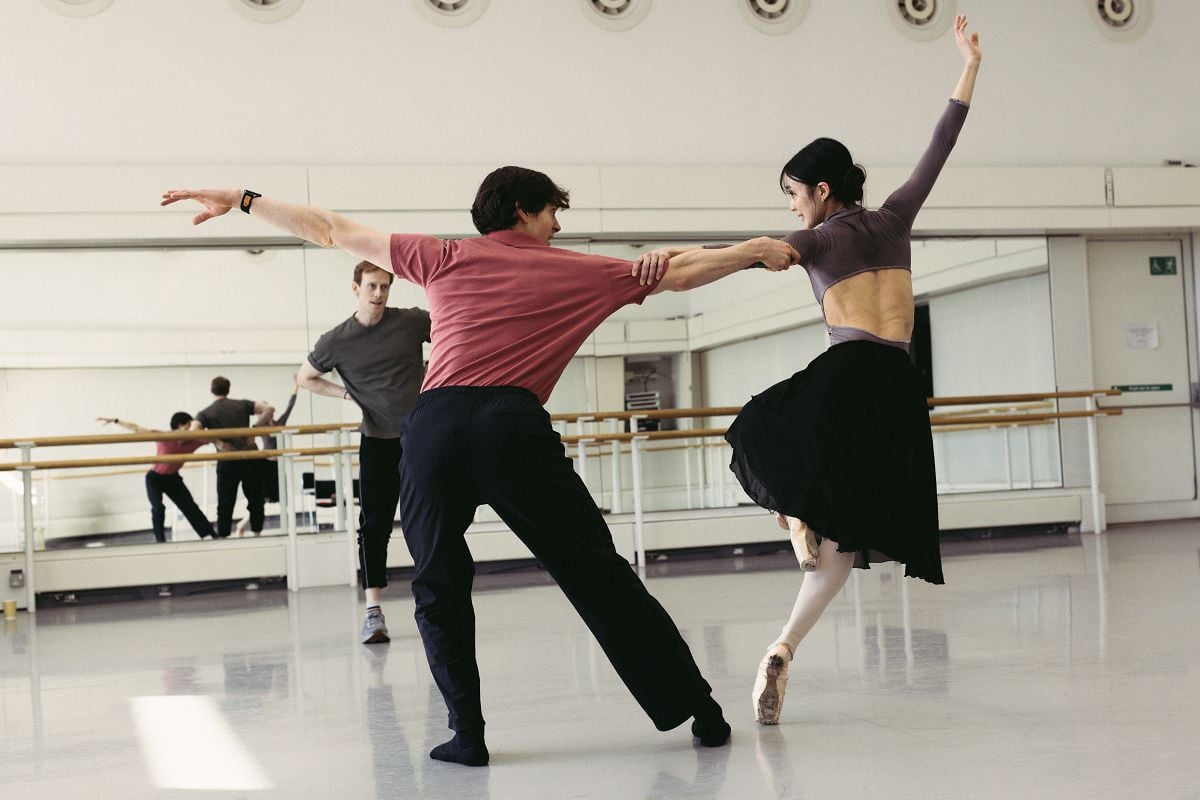
Yes, and you have to start the work very properly and cleanly, which is so hard, because all you want to do is run and be free, particularly with those last pas de deux, but actually, you have to be quite clinical in the way that you rehearse them. With the Stephanie pas de deux at the end of Act I, you have to be very precise and technical, and then you allow it to unravel on stage.
From playing Louis XIV in The King Dances all the way back in 2015, to more recent roles like Oberon in The Dream and Siegfried in Swan Lake, you’ve always struck me as having a very natural regal presence. Is there anything you’ve brought with you from these roles on this journey to playing Rudolf?
It’s a really interesting insight. With all of them, I try not to make them 2D, which I think is quite easy. I really try to give them a backstory, even if it’s not there. With princes, it’s just a lot about the posture and the way you hold yourself and the way you see yourself. It’s really kind of you to say that it comes naturally, because you don’t always feel it, and you do have to take up a persona for those kinds of characters.
And at what point during the performance or the run-up to it, did you feel that you became Rudolf?
Before the show, I’ve tried to find the walk and the posture. I’ve shut my eyes and understood how my body feels in that place. Before the first show of Mayerling, it was right before, and I would maybe like to find that calm place a little sooner. Act One was a bit overwhelming. MacMillan’s Act Ones are some of the most physically demanding things I’ve danced.
They’re long.
They’re long! But once you’ve done Act One, it’s all good.
You bring such affection to your partnering. How did it feel to do a complete 180?
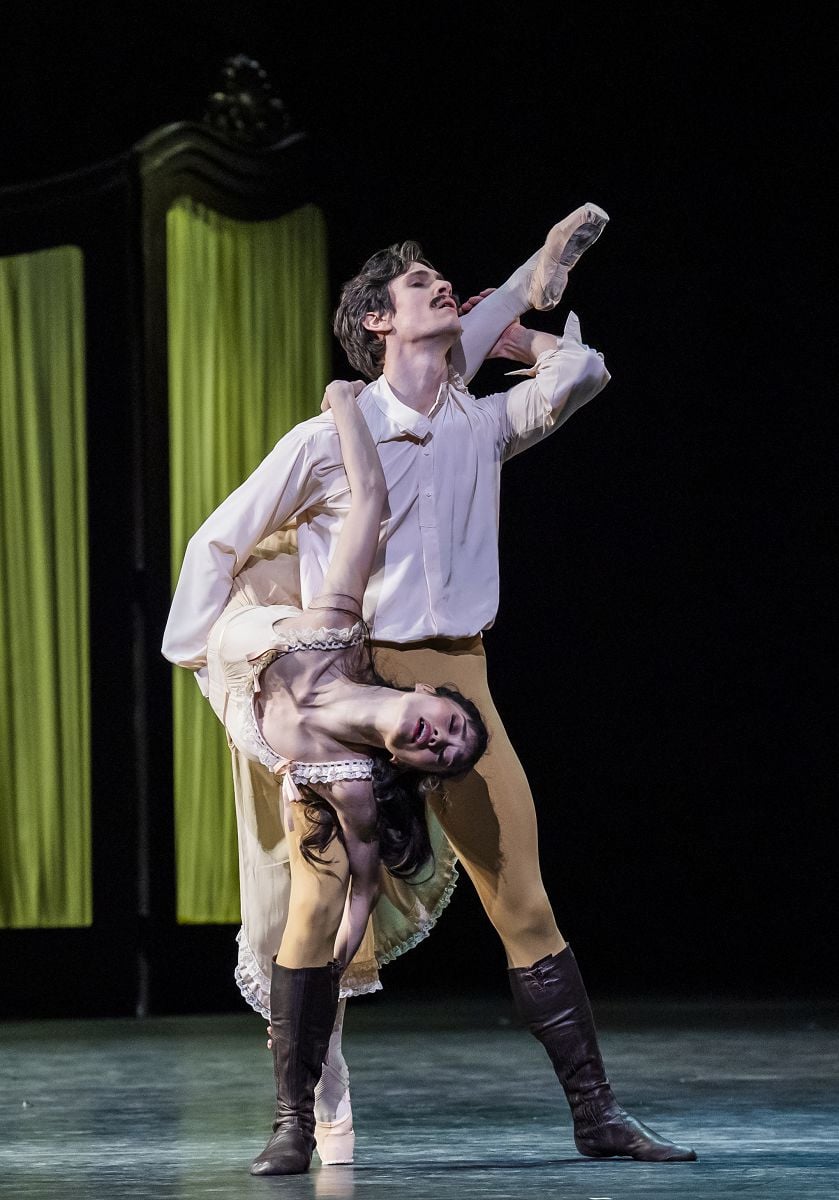
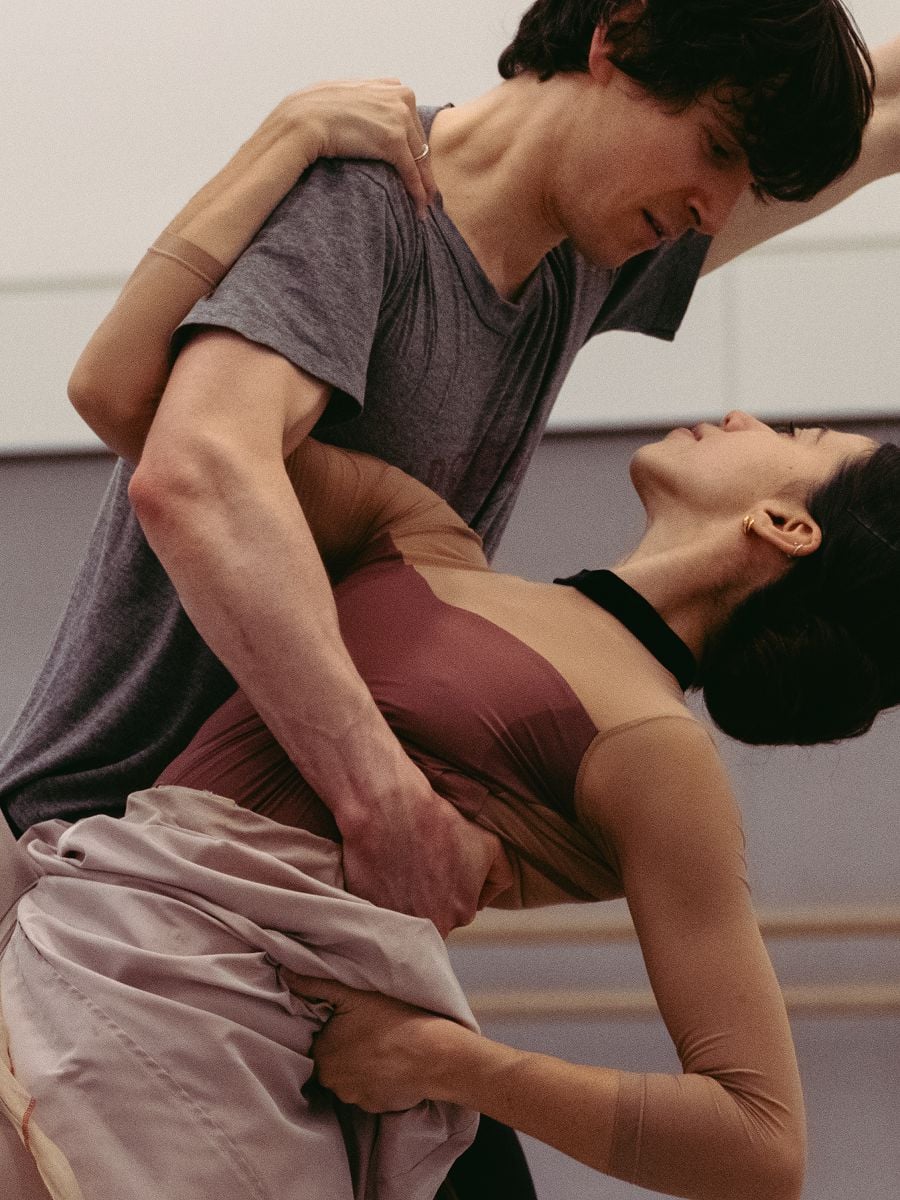
The hardest thing about Mayerling was the way I had to treat the women I was dancing with. It was so much more difficult than I thought – and I knew it was going to be hard – because he’s (Rudolf) just so violent, and has so much deranged passion, but it’s not an understandable human passion. It’s so extreme.
For all the pas de deux, particularly the one with Stephanie, it was so hard to be so physically violent. I have so much respect for Sae (Maeda), and I’m in awe of all of the ballerinas that I work with. They made my life as easy as possible, but it was really hard. That doesn’t mean that when you find it, it isn’t really exhilarating.
I’m not saying it’s a horrible thing to do – it’s a strange combination where it makes you feel horrible, but also kind of amazing. It’s the complete opposite of me.
And having had such an established partnership with Fumi Kaneko, how was it making your debut alongside her?
Amazing. She’s just incredible. Everyone I know who comes to see me dance with Fumi asks, “Who is that woman?” I’m completely obsessed. She’s ethereal and a goddess, but in the same breath, she feels like my sister – I feel that close to her.
In this ballet, you’re exploring a very extreme tone and a very aggressive form of partnering. Did your relationship with Fumi develop?
Yes, absolutely. I knew she would be able to hold her own and find where we would need to go, but it’s still amazing when you feel like you’re getting there. It just deepened our level of trust in each other.
I know that Fumi found it quite difficult to see me in that state, which was so endearing and lovely. Sometimes I could see her concern, which was so heartwarming, but then Ed and Laura would say, ‘No, you have to be more brutal with him!’
How was opening night for you?
It’s hard for dancers to say this, but I was really proud of what I did. I think it’s important to acknowledge that, and I’m not saying there’s not loads of work to do, because there absolutely is, and there is just so much more to be found there, but I was really happy.





It’s coming up to four years since you were promoted to Principal. How are you feeling within that role?
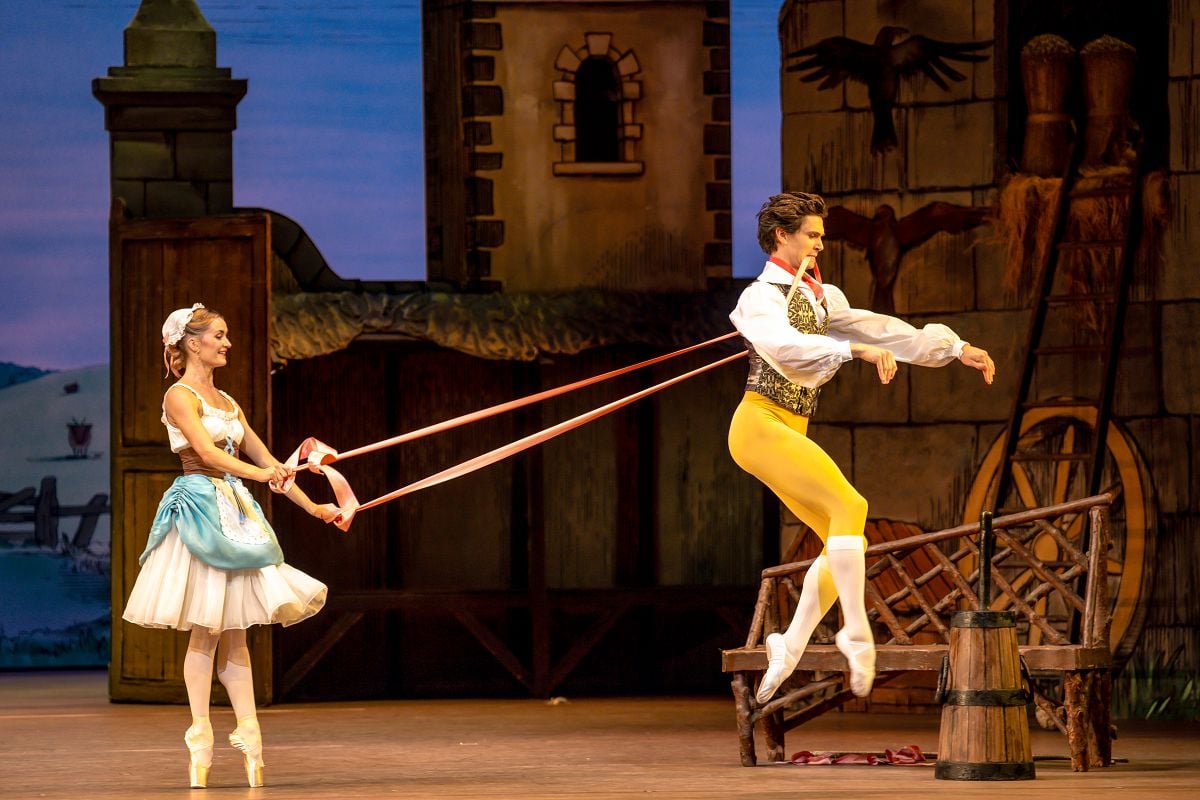
I love it. I feel like being a Principal almost affords you the ability to put all of your energy into the craft of what you’re doing, and I think the conversations that it affords you, with Kevin, for example, around what we dance, and even just planning your season, is wonderful. I feel really lucky to be in a place where I’m one of the Principals who does a wide range of the rep that we dance, which is really why I wanted to come to the Royal Ballet.
What are you looking forward to next?
I have the project, Once more to this star, that I’m doing with Pam Tanowitz next season, which is something I’ve wanted to do for a really long time. I’ve wanted a venture where I had more input in the artistic decisions, and this project with Pam just came from a place of loving being in the studio with her, and asking if she wanted to do something together.
From there, her saying yes, and then Emma Southworth, who runs the programming for the Linbury, saying yes, I’ve just felt so lucky that people thought it was a good idea and were so supportive. I’m really, really, really excited for that.

Lily Hyde is a cultural and dance writer based in London. Her writing has appeared in The Fence and The Creative Independent, and she runs the cultural newsletter, Falling Upwards. She is currently writing her first novel.