Interview: Of Renewals and Returns – Helen Pickett, visionary choreographer and creative

| Kathrina Farrugia-Kriel talks with choreographer Helen Pickett on the eve of the opening of her ballet Emma Bovary – “Be the rebel. Be daring. Take Risk.” |
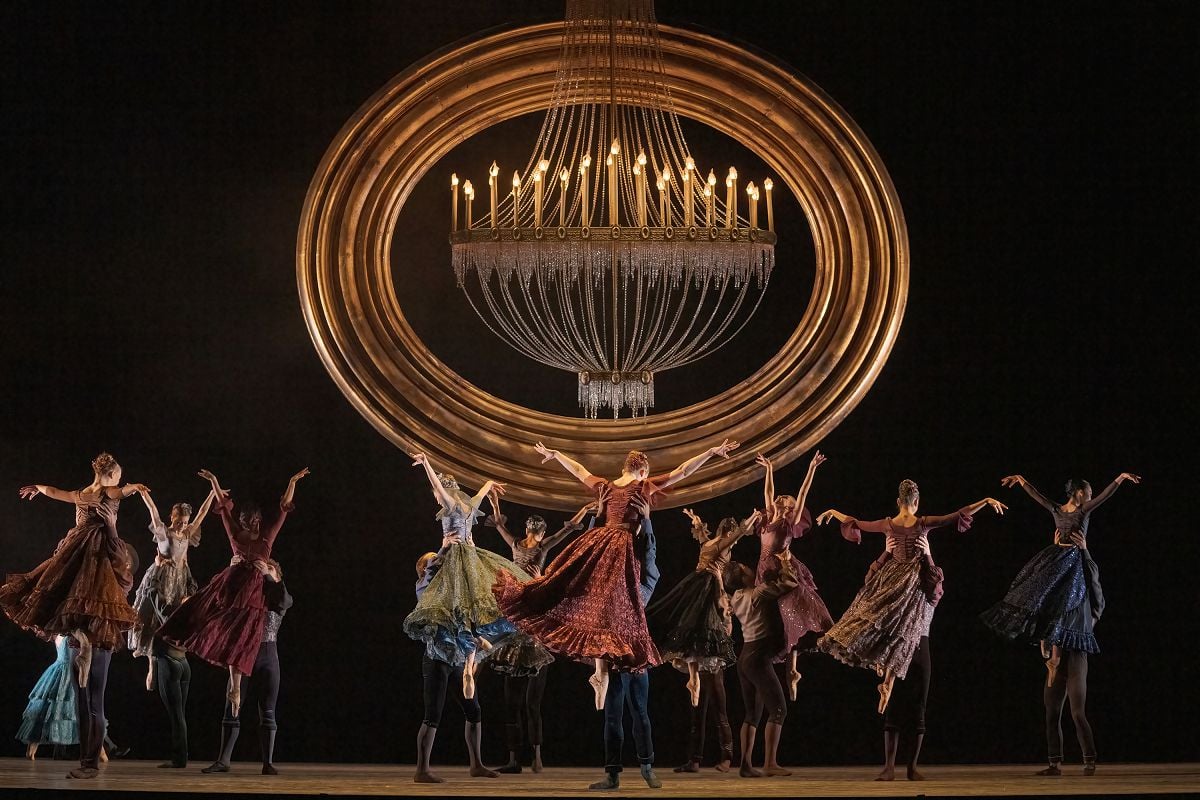
Helen Pickett‘s Emma Bovary (2023), with dramaturgy by James Bonas, returns to the stage of The National Ballet of Canada on 29 May in Toronto. Emma, in Pickett’s words, is “a woman ahead of her time, taking her chance at happiness”.
“Gustav Flaubert wrote a female character, like a man… she was vilified for her actions and took her life,” says Pickett. “Nevertheless, Emma blazed while she lived. She wanted more than was offered at that time.”
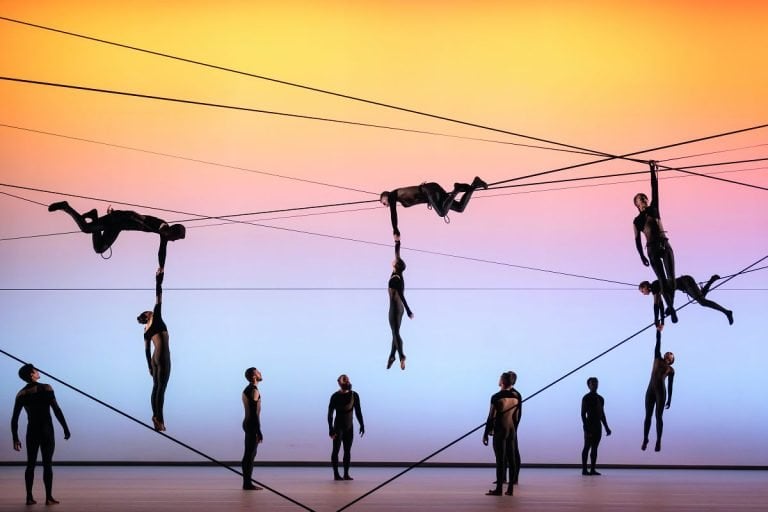
Pickett is no stranger to retelling the stories of women who have largely been sidelined in literature, marginalised, or even silenced. In Lady Macbeth (2025), for Dutch National Ballet, Pickett and Bonas focused on her strength: “The strength in this person was remarkable – a tactician. Lady Macbeth was completely ready for power, at all costs. A partner with her husband, until her husband decided it was his power. Their choices drove both mad.” In Scottish Ballet’s The Crucible (2018), the focus is on the courage and redemption of Elizabeth Proctor’s spirit.

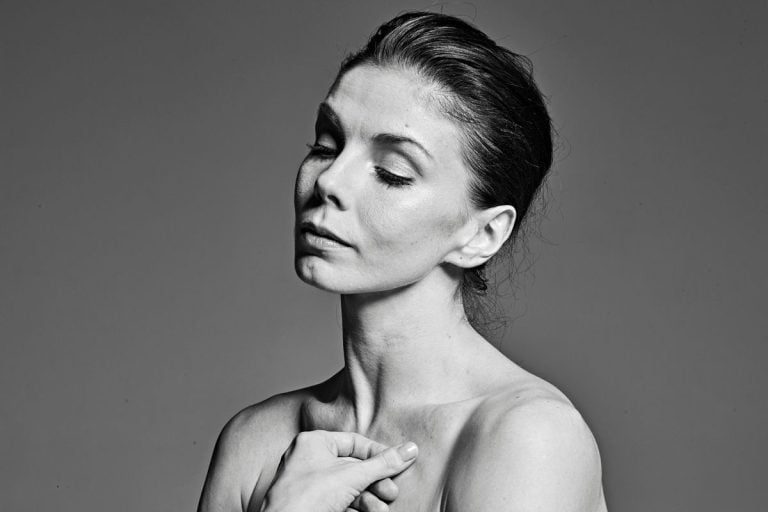
Pickett has spent over two decades creating ballets that offer intersections of social themes, putting women at the heart of the work, and creating new narratives along those lines. Choreographically, Pickett’s process is about finding and forming character with the dancers. “Taking the time for this discovery, asking the dancers to read the book or play. Finding their identity through/between/ in the characters they are dancing. Making choices with the character at the centre.”
The value and freedom of ‘choice making’ is key to her work. The phrase, “First choice, best choice”, coined in Pickett’s Choreographic Essentials workshop, became the ‘jumping off’ point of getting familiar with choice-making. “And it did not mean these first choices stand; it meant that for that moment, that choice was the one to go with, and it could change later. It could alter and grow or be discarded. The point was to learn to embrace decision-making.”
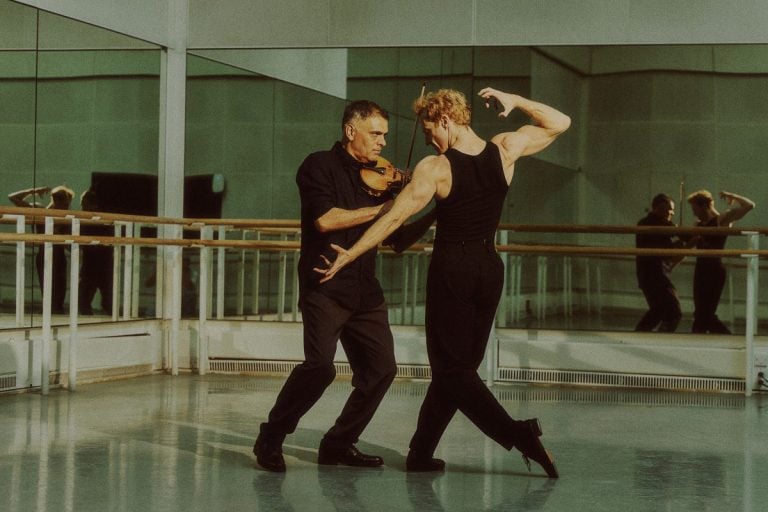
The creative process for Emma Bovary explored understanding this cooperation of thought that happens in the studio. At the hands of Pickett’s creativity, it in turn etches its way into the human being, so that the dancers find more of themselves, or the roles they are creating with Pickett. “This is the responsibility of the role and the kernel of that responsibility is choice making. … It is not always easy to convey the benefits of choice.” For choreographers, this approach can sometimes be perceived as a weakness, rather than presenting them as authorities who tell dancers what to do and how to be/react. “I strive to leave space for the dancers’ own choices.” In the studio, there are challenges in creating tactile moments that emerge from the literature, pushing dancers to explore the narrative through choices around dramaturgy, choreography and the dancers’ sensitivities.
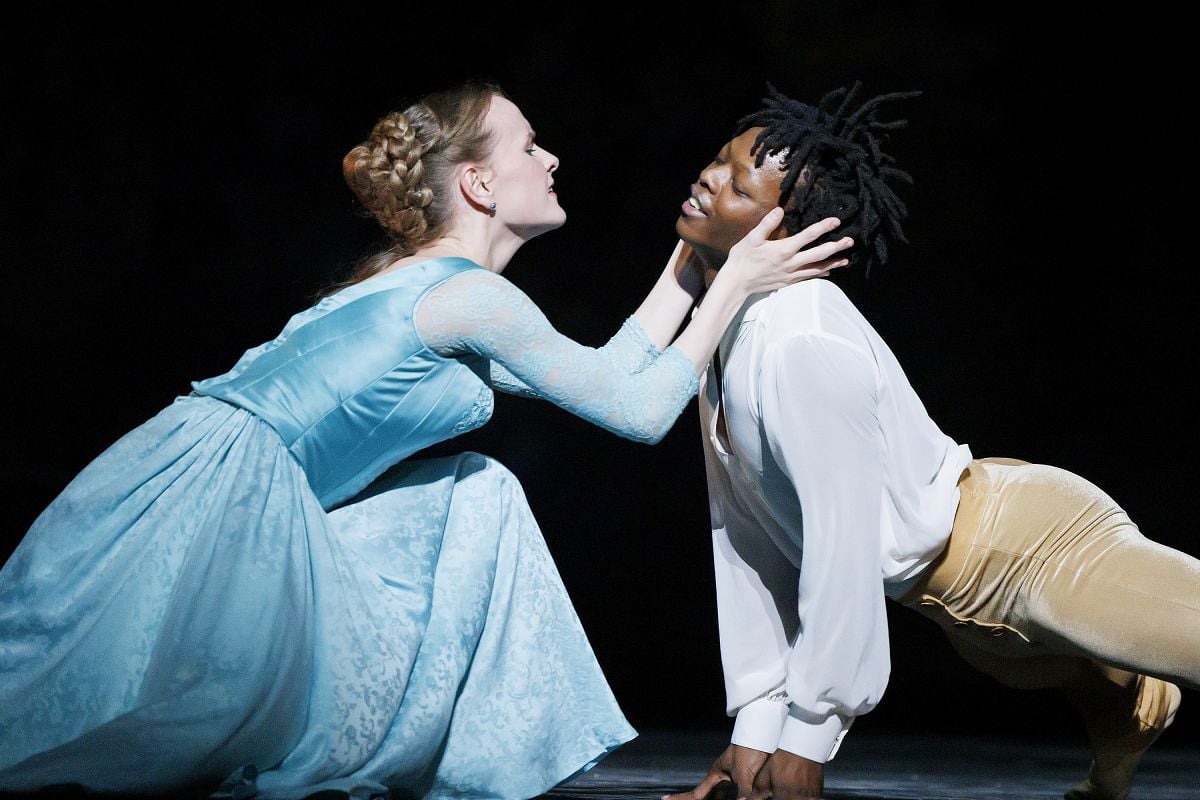
Pickett’s career was shaped by her time at Ballett Frankfurt (1987-1998), directed by William Forsythe, followed by five years with the Wooster Group and two years at a film acting school, working with directors Toni Dove, Eve Sussman, and Laurie Simmons. Pickett acknowledges this eclectic mix: “These influences of mixing media, folding ideas into each other so they support whatever story I am creating. The idea of tipping narrative ballets into theatre, weaving dramatic human condition into ballet, doesn’t have to be ‘pretty’.” Pickett was given the opportunity to make choices at a younger age; “In truth, it was also thorny for me. I did not understand or want this responsibility. But, after realising, it was this way or the highway, I ‘made’ myself learn to enjoy the task. And it feels like a task for most people.” But this set Pickett up for the direction in which her career was propelled into adapting and devising new narratives from literature that has stood the test of time.
This spring, Pickett returned to the National Ballet of Canada to restage Emma Bovary. Seeing the editing process as a lynchpin, Pickett believes in the value of re-editing. “The work premieres, and then the re-edit happens the next time it comes around. It is a reversal of sorts to previews in the theatre. Change is the constant. Make friends with this fact. If we cannot roll with the eventual changes in our lives, we get stuck. This ‘stuckness’ is exactly opposite of living in a state of choice. Choice is fluid, choice is plastic. Choice is presence. This is life.”
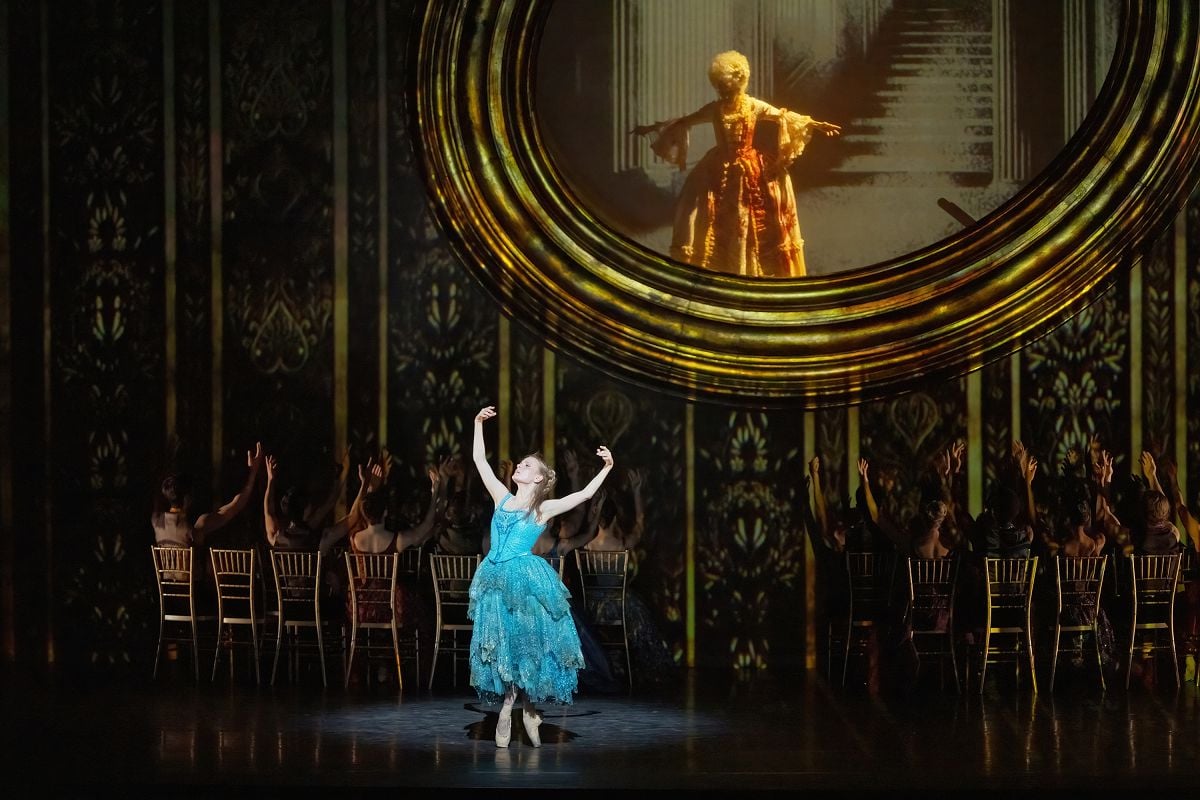
Pickett believes there is something about the idea of ‘arriving’ as an artist that she has never understood. “I think it reflects the culture I was a part of in Ballett Frankfurt; it could be the result of the tenets of life I was given as a young person, by my late father, also an artist. Whatever the way it was planted, I believe that one can never arrive and should not strive to arrive.” For Pickett, art is an ever-long journey. “We will never know our art completely, like we will never know another person completely, and that mystery is so important. It keeps us hungry to find more, to learn more, to be surprised by the art. To be ready to be surprised. To live in that state of choice. Be the rebel. Be daring. Take Risk.”
Emma Bovary is on until 4 June 2026 at the Four Seasons Centre in Toronto.