Review: Ballet Black at 25 – ‘…all towards hope’ and ‘Ingoma’
Hope Boykin’s new commission finds sublime moments in individual dancers, but Mthuthuzeli November’s drama Ingoma remains the jewel of Ballet Black’s repertoire.
| Title | …all towards hope | Ingoma |
| Company | Ballet Black |
| Venue | Sadler’s Wells, London |
| Date | 14 October 2026 |
| Reviewer | Kathrina Farrugia-Kriel |
Ballet Black celebrated its silver anniversary at Sadler’s Wells with a double bill that reminded audiences about struggle and the importance of hope. ‘…all towards hope’, a new commission to celebrate the company’s milestone, showcased the dancers in a stop-start suite of dances by Hope Boykin, the celebrated former Alvin Ailey American Dance Theater dancer and now artist in residence at the Glorya Kaufman School of Dance at the University of Southern California.
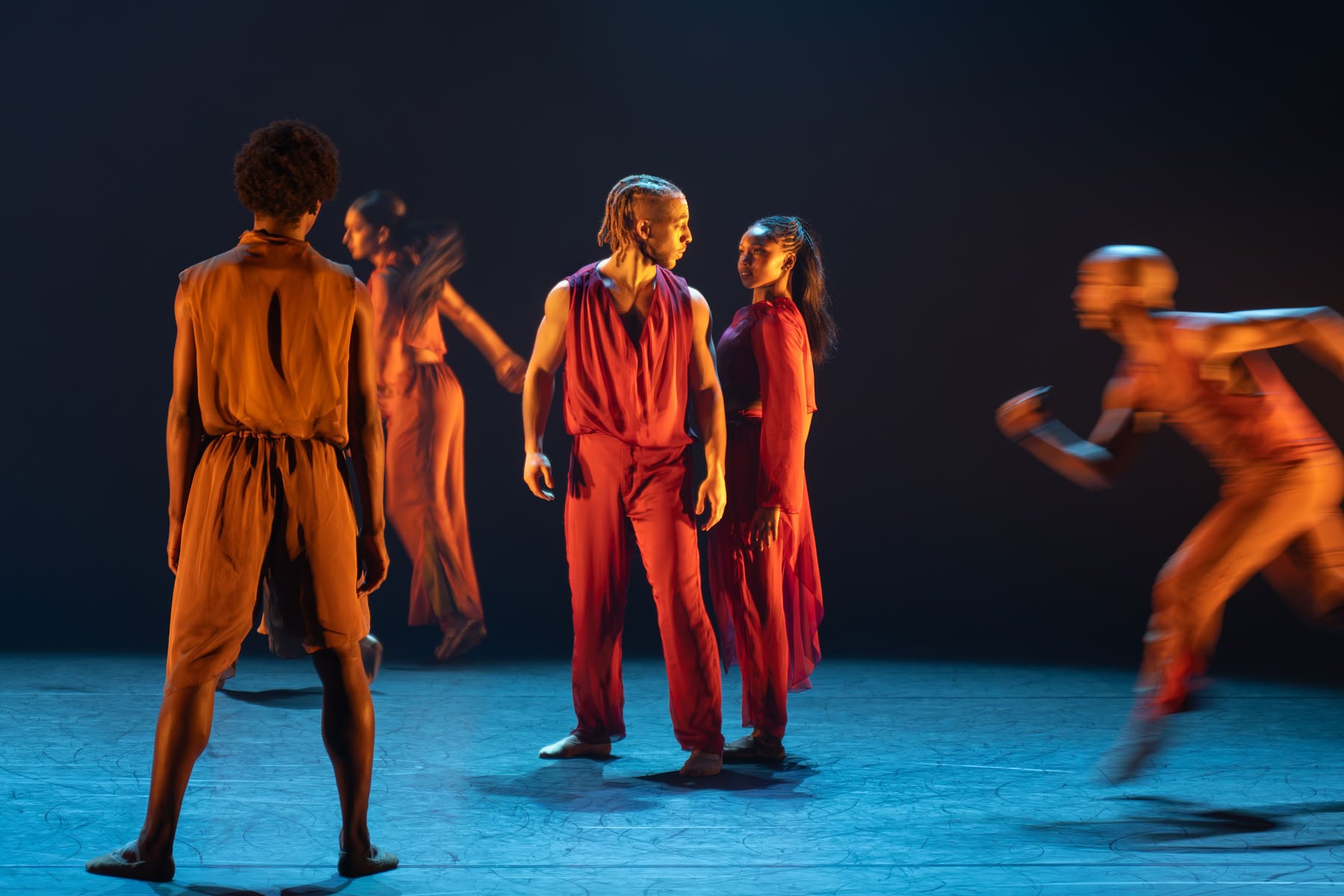
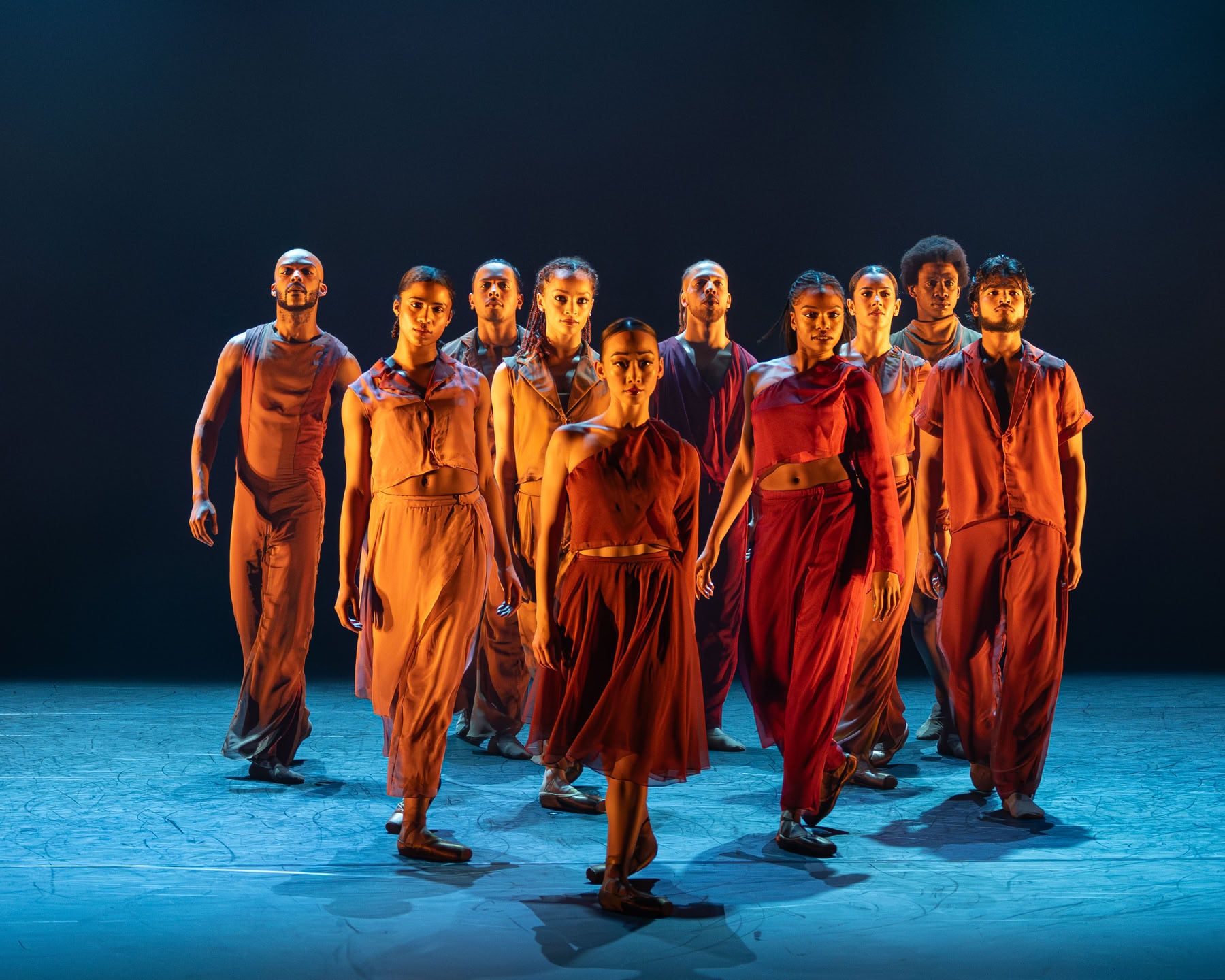
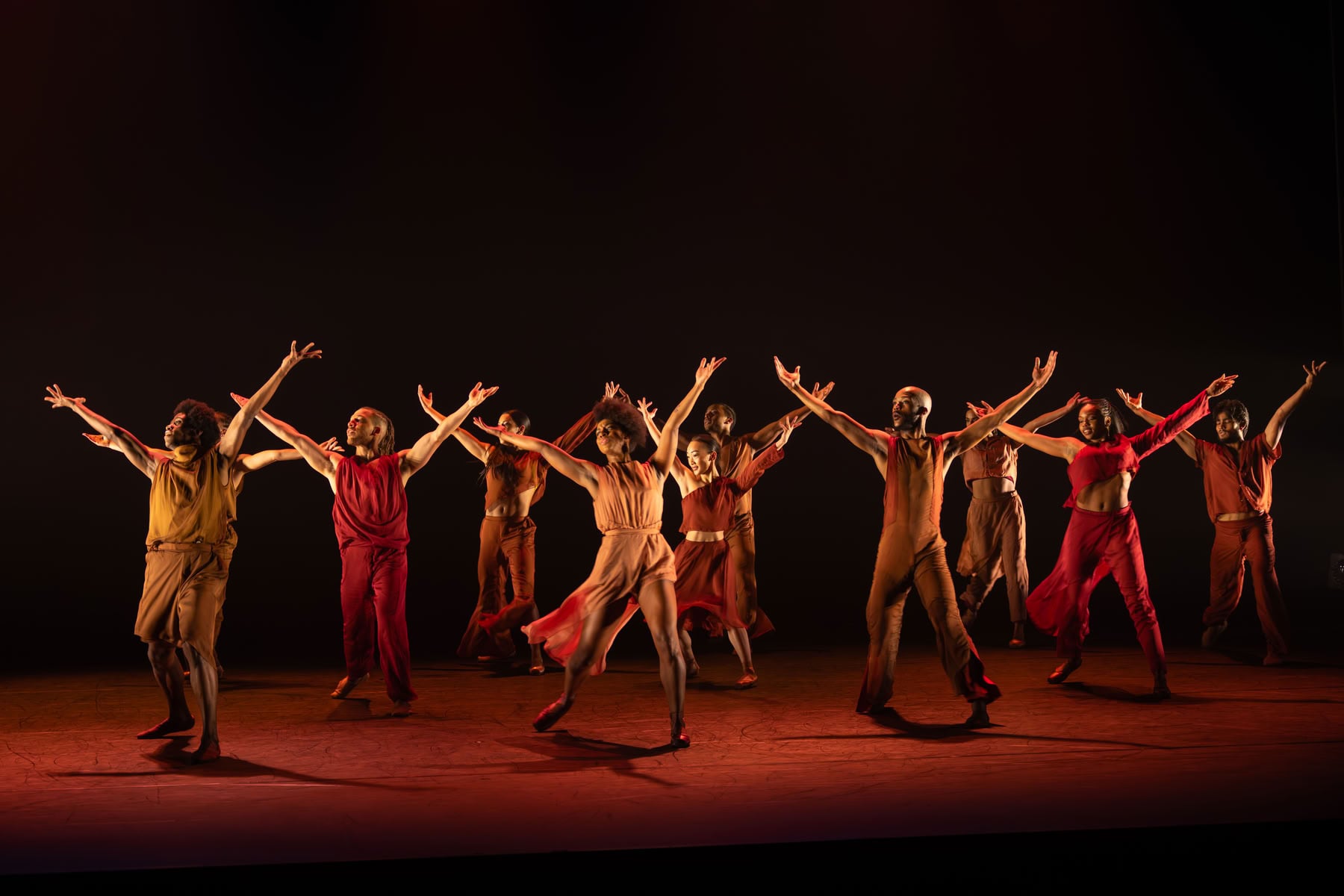
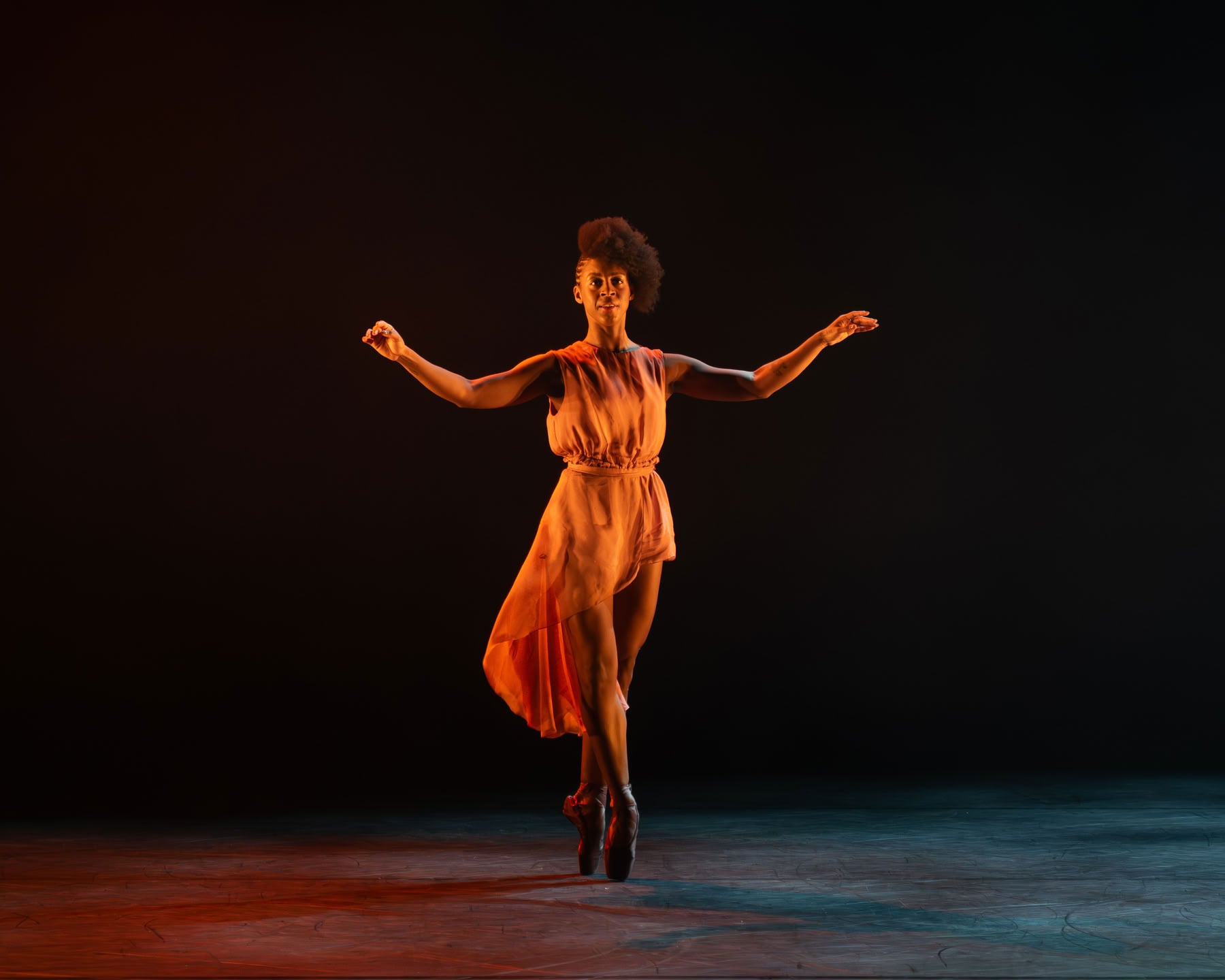
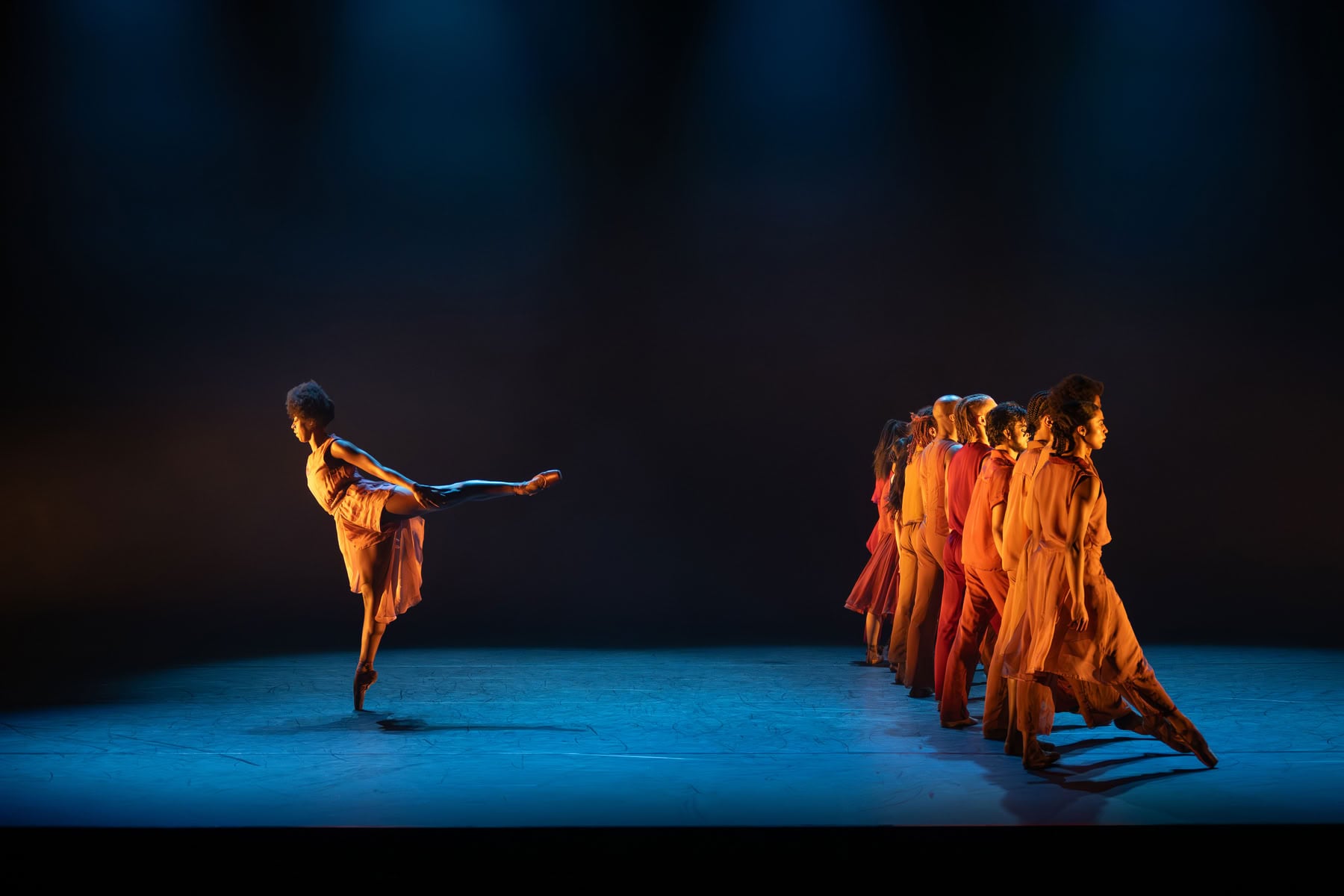
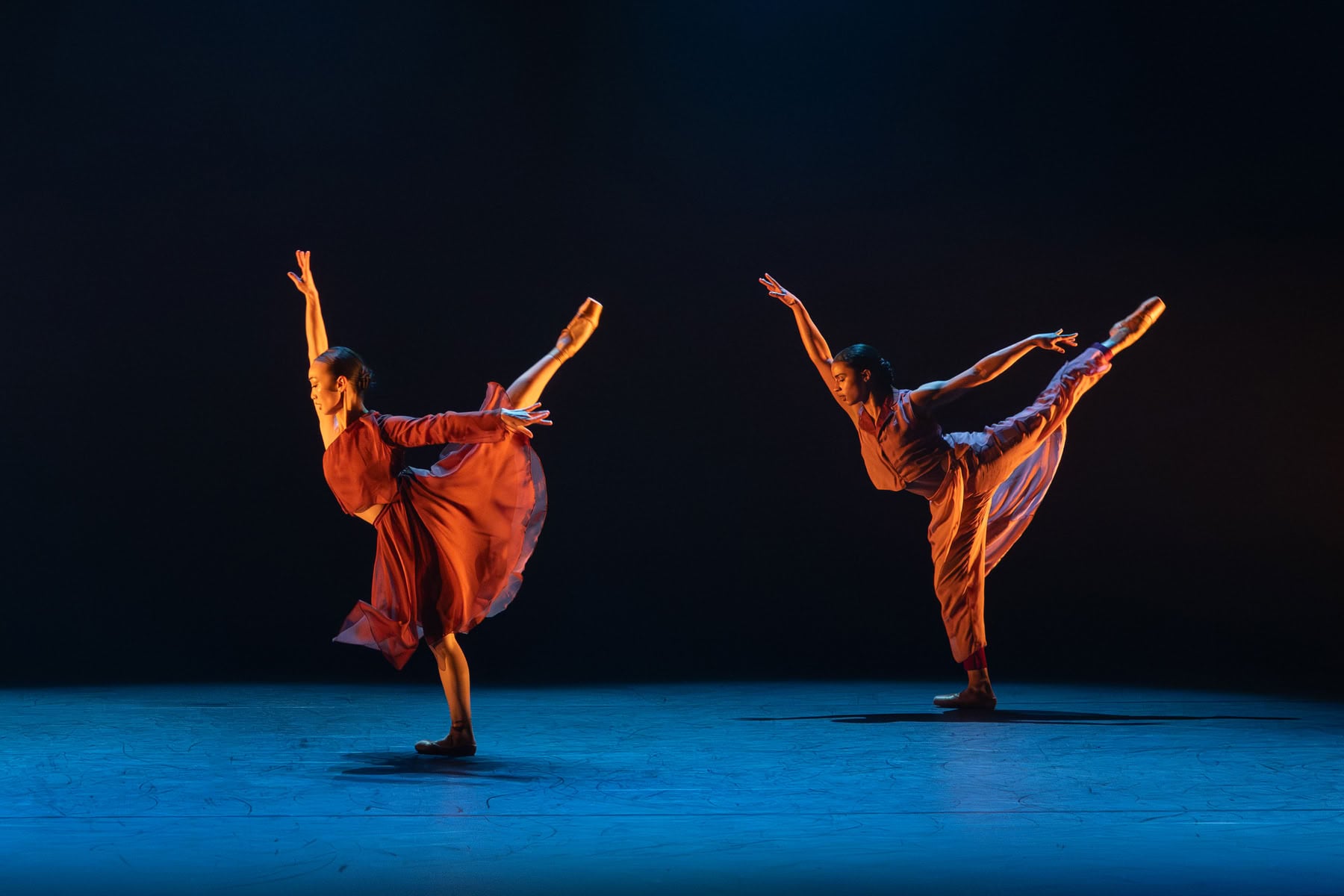
I wasn’t taken by the several chunks of choreographic threads (mostly starting and stopping), but what Boykin achieves with the individual dancers is sublime. Love Kotiya shines through his extensions as he swivels in and out of a turn in second position. His moves are captivating and he has really found his feet, forgive the pun, in Boykin’s choreography. Isabela Coracy and Ebony Thomas, both senior artists, also carry the work through their sincere commitment to Boykin’s ideas. Thematically, the choreography draws on groupings reflective of Boykin’s legacy as a dancer: there are fleeting moments that recall Ailey’s work, but there are also glimmers of Boykin’s extensive knowledge of choreographers whose work has arguably left traces in her movement palette (Mauro Bigonzetti, to mention but one). The theme of ‘hope’, by ‘Hope’, is accompanied by Boykin’s narration of her writings and articulations. Her voice and the programme note spotlight radical love, standing up to injustice and the pursuit of a better life, probably the most recognisable thoughts for a contemporary audience. Some further editorial work on the choreographic groupings and regroupings and on the dated lighting designs would really develop Boykin’s voice as a dancemaker.
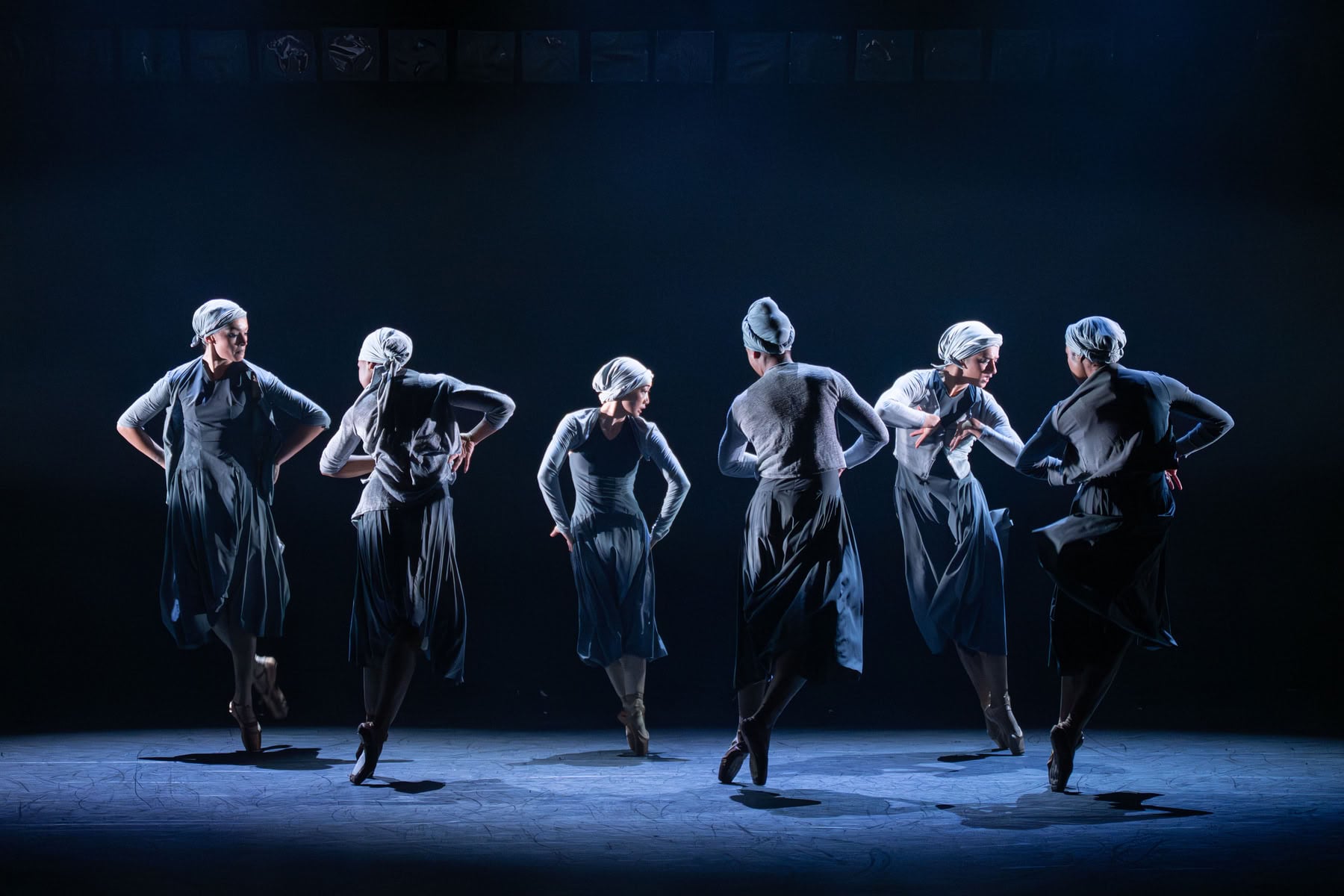
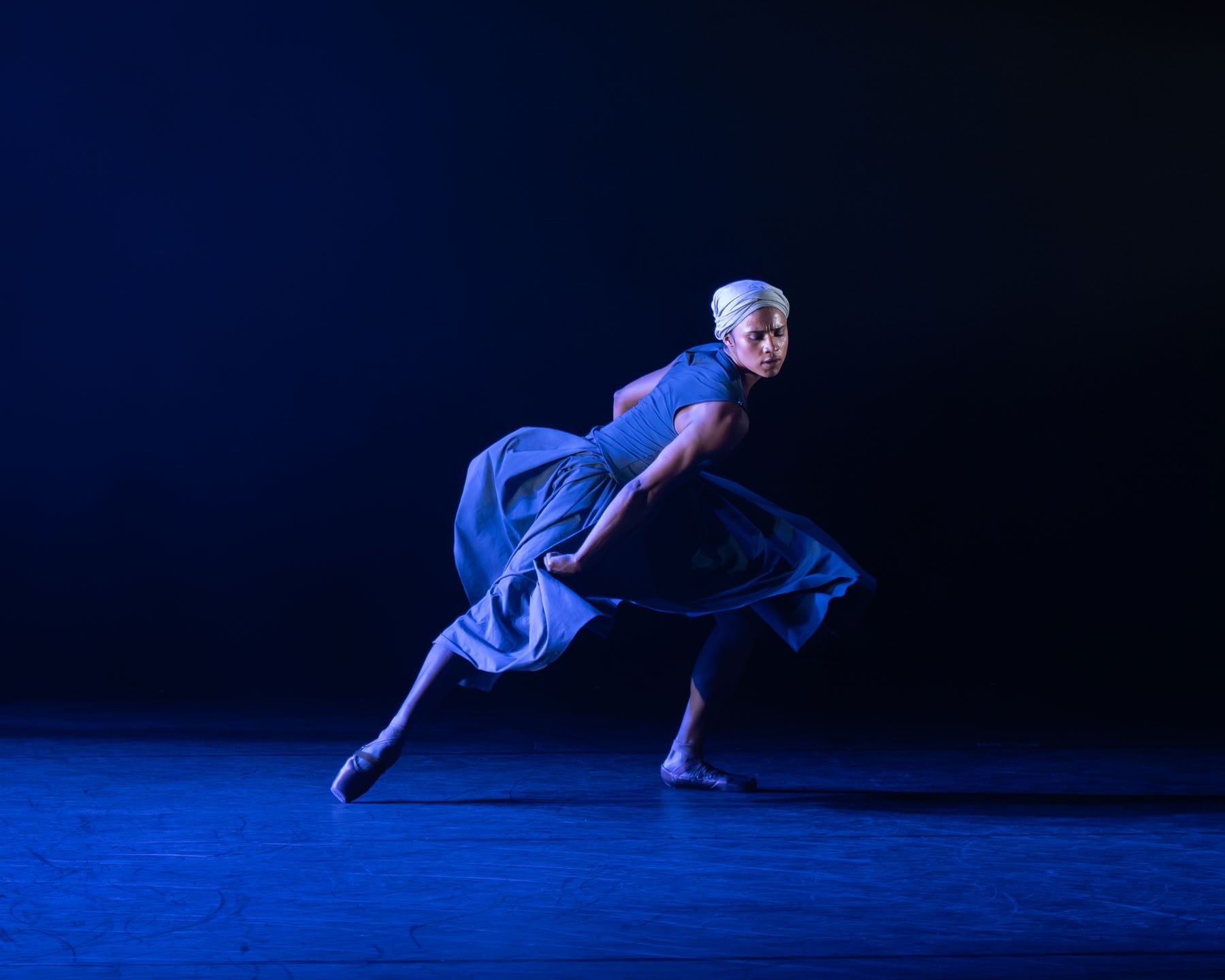
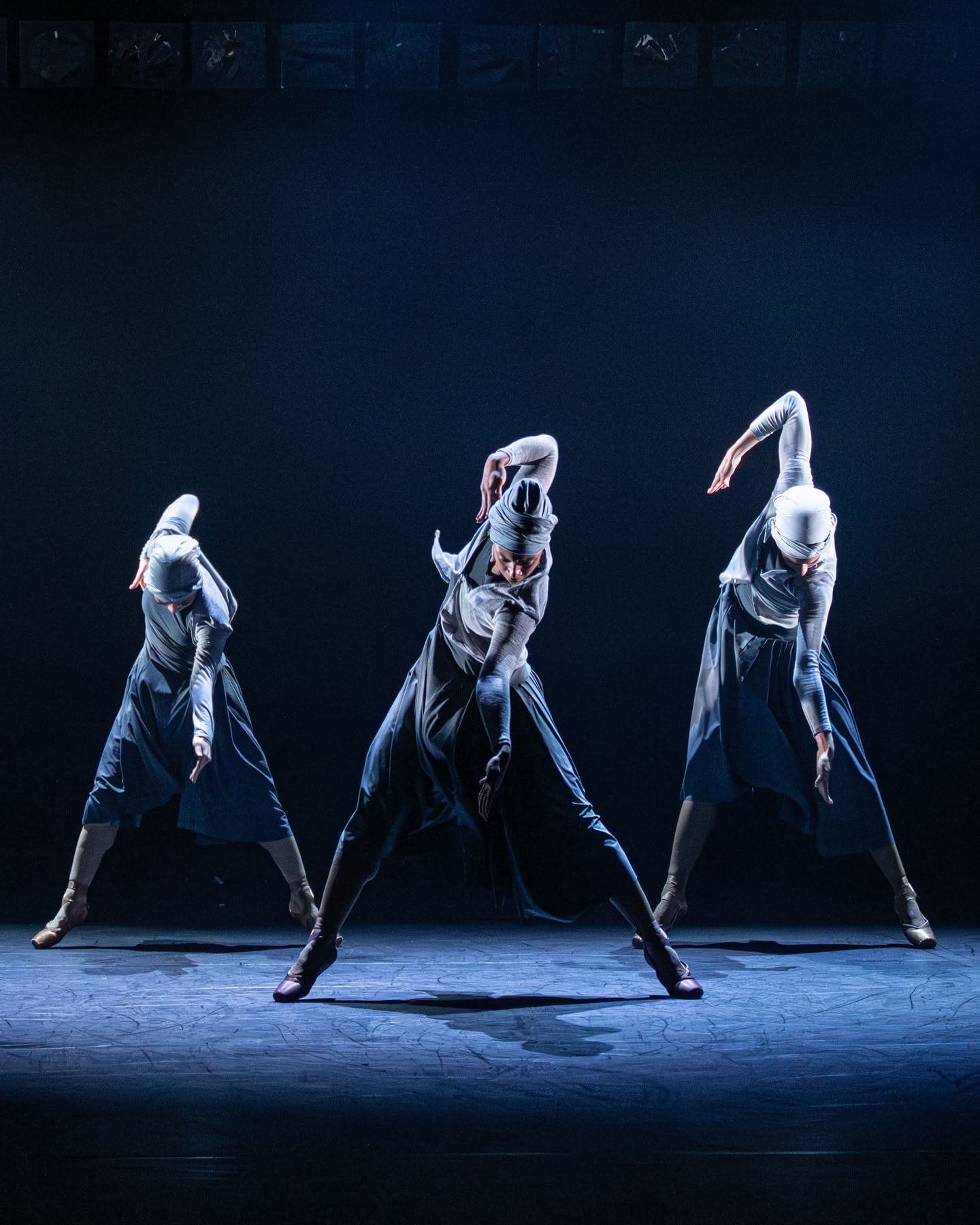
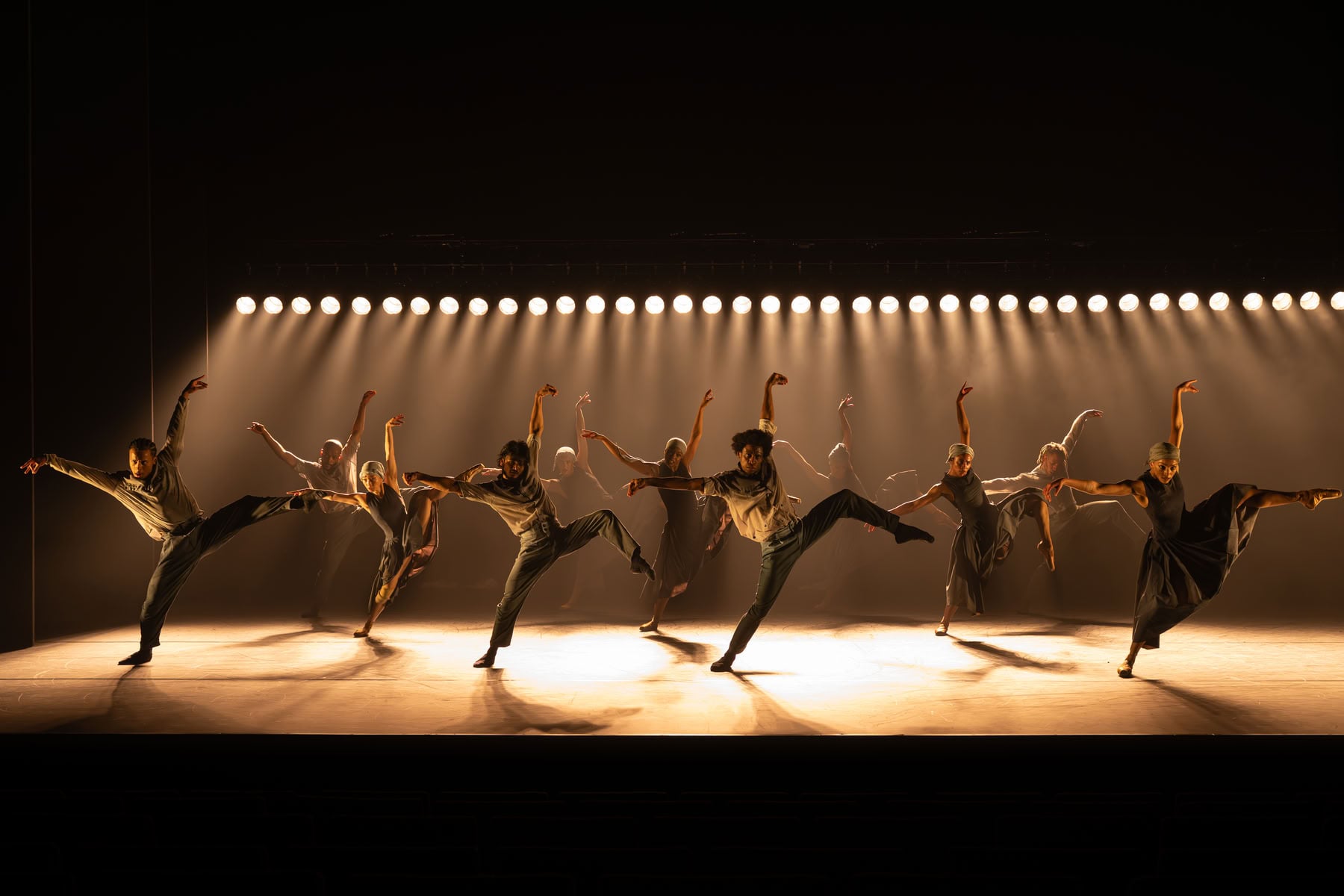
Ingoma, choreographed in 2019 by the South African powerhouse Mthuthuzeli November, who has since created works for The Royal Ballet, Charlotte Ballet and the Paris Opera Ballet, remains a jewel in Ballet Black’s repertoire. The choreography sits well in the dancers’ bodies; they stamp and slap their gumboots with clear recognition of the strife and struggles of the miners and their loved ones.
November’s choreography does two things most effectively: it tells a story without words, and it showcases a small company’s ability to explore a contemporary use of ballet vocabulary without any gimmicks or reliance on changing the audience’s attention. Basking in the intense lighting by David Plater, we sit with the plight of Ebony Thomas’s ‘husband’, and Isabela Coracy’s pathos as she punctuates pointework with aplomb and despair. The mines were not for the faint of heart, nor were black South Africans treated fairly on the eve of post-war apartheid; it was labour that was taken for granted, and at great cost. Thomas holds the narrative in every sinew of his body; he lives the intensity as though he were embodying the stories of November’s ancestors. Ingoma was a sombre way to close a celebratory evening. But it was November’s choreographic prowess and ingenuity that rightly closed the evening.
It was a shame that a third, shorter work wasn’t scheduled for the company to shift from a double bill into something a little more expansive. Therein lies the next step for the company.