Review: London City Ballet’s Ghost Light haunts, but Firebird fails to ignite
Alina Cojocaru haunts John Neumeier’s Ghost Light as a confused Odette, but Glen Tetley’s Firebird is dramatic gymnastics with not much else going on.
| Title | Ghost Light | Firebird |
| Company | London City Ballet |
| Venue | Sadler’s Wells, London |
| Date | 22 October 2026 |
| Reviewer | Matthew Paluch |
London City Ballet, and in particular its artistic director Christopher Marney, continue to make brave choices, and this should be applauded.
The company returns to Sadler’s Wells with a double bill for its third season, with two pieces by male choreographers: Ghost Light by John Neumeier and Firebird by Glen Tetley. Both men are heavy hitters in the dance world, so one can understand Marney’s thinking.
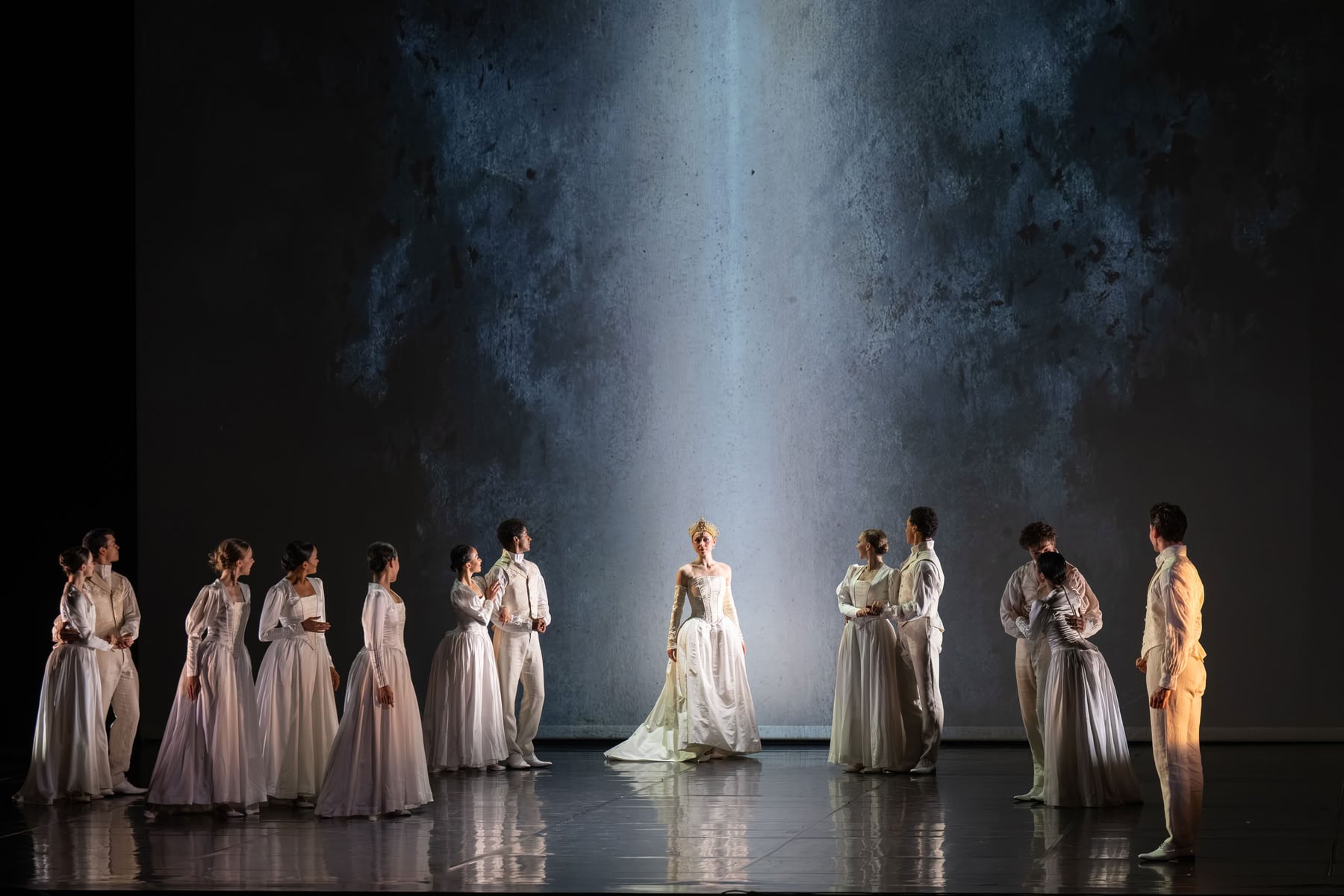
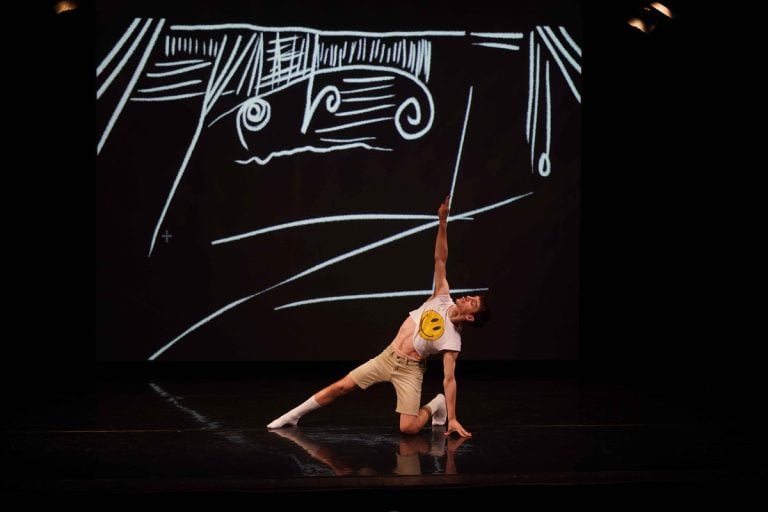
Firebird closed the evening, and, I’m afraid, it didn’t work for me. After the Neumeier it felt like a lot of empty dancing – very good dancing, but a form of dramatic gymnastics with not much else going on.
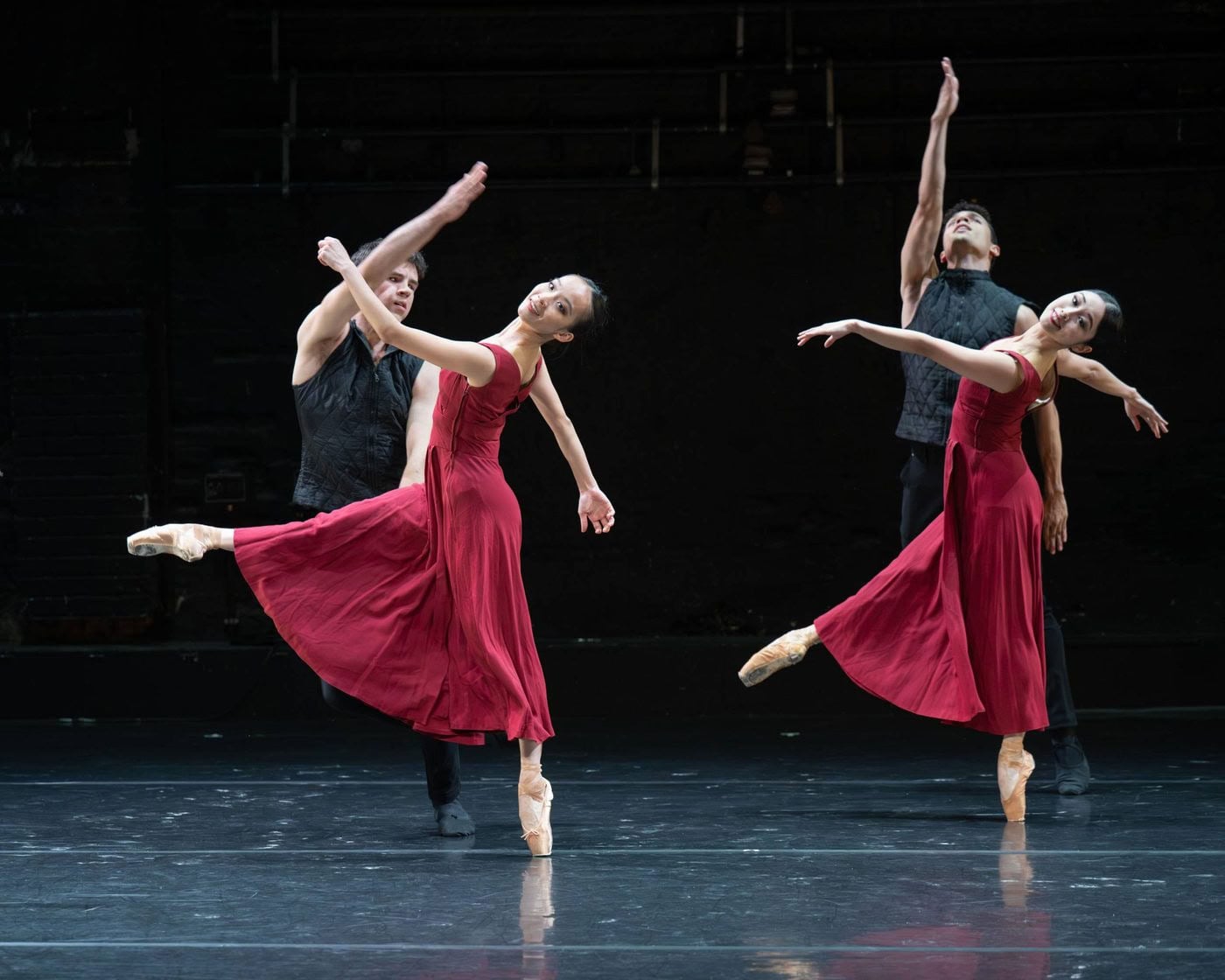
Tetley reframed the Russian folklore narrative as one of female emancipation. A young woman breaks free from the shackles of a repressive family into the arms of a young man, and then some shady characters arrive to complicate matters.
Tetley doesn’t really offer much foreplay. The main protagonist is costumed very sombrely for the first few minutes, before being undressed to reveal a fire-embellished Lycra all-in-one. From here she dives into endless sensual pas de deux and group numbers of resistance, before wrapping the whole thing up with an empowered(?) white wedding.
In reality it’s a bizarre work, very much of its time, but I don’t think that’s a compliment in the end.
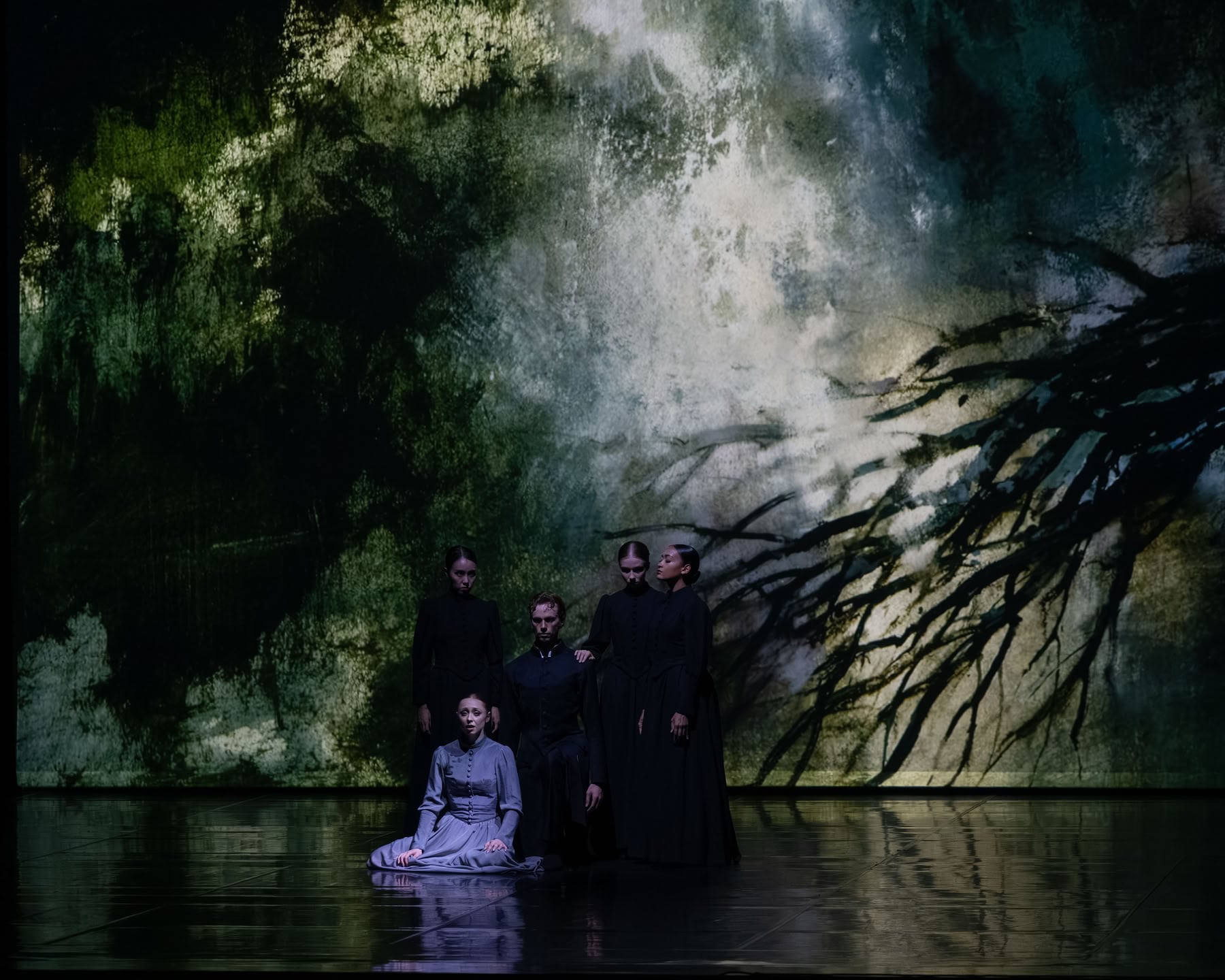
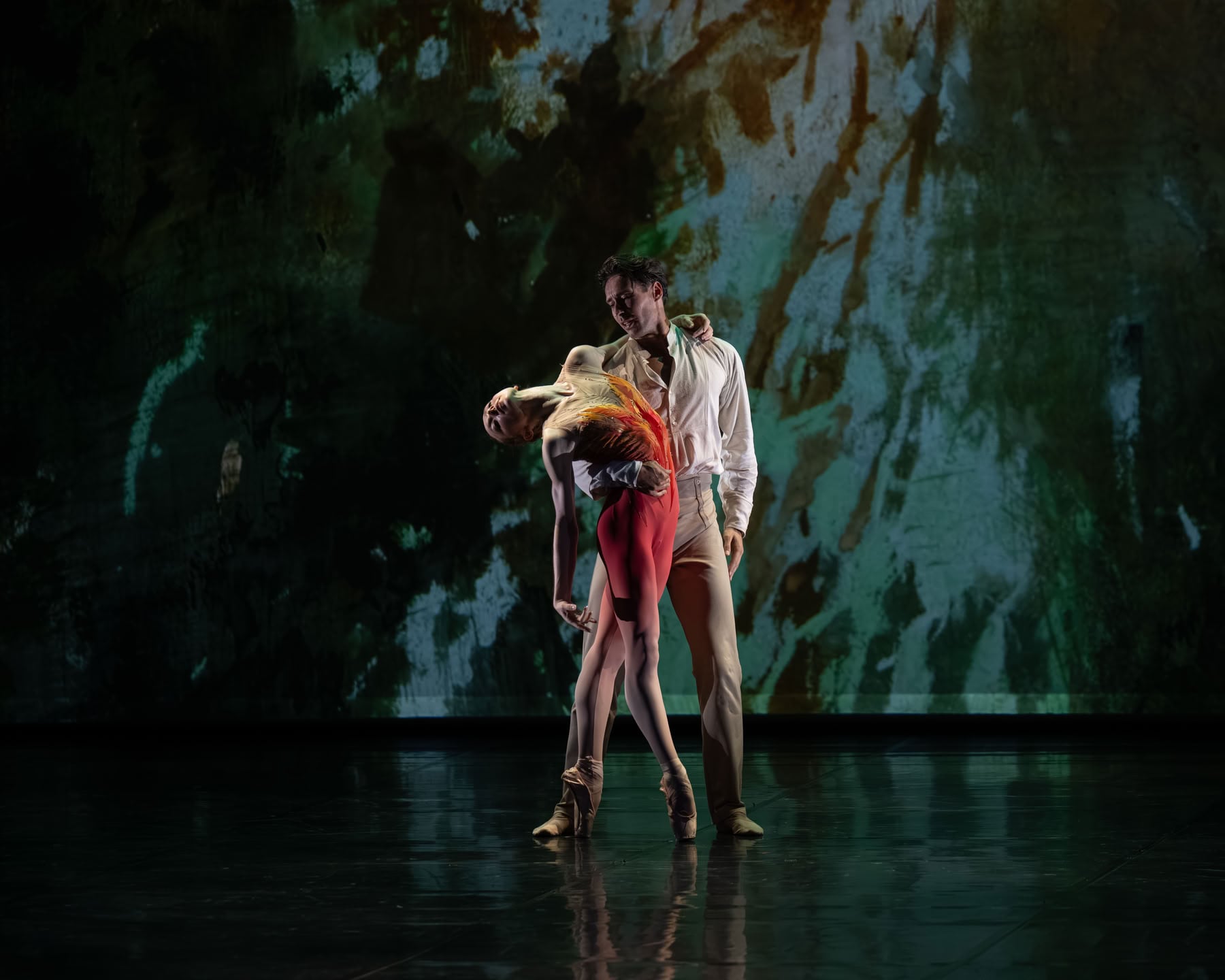
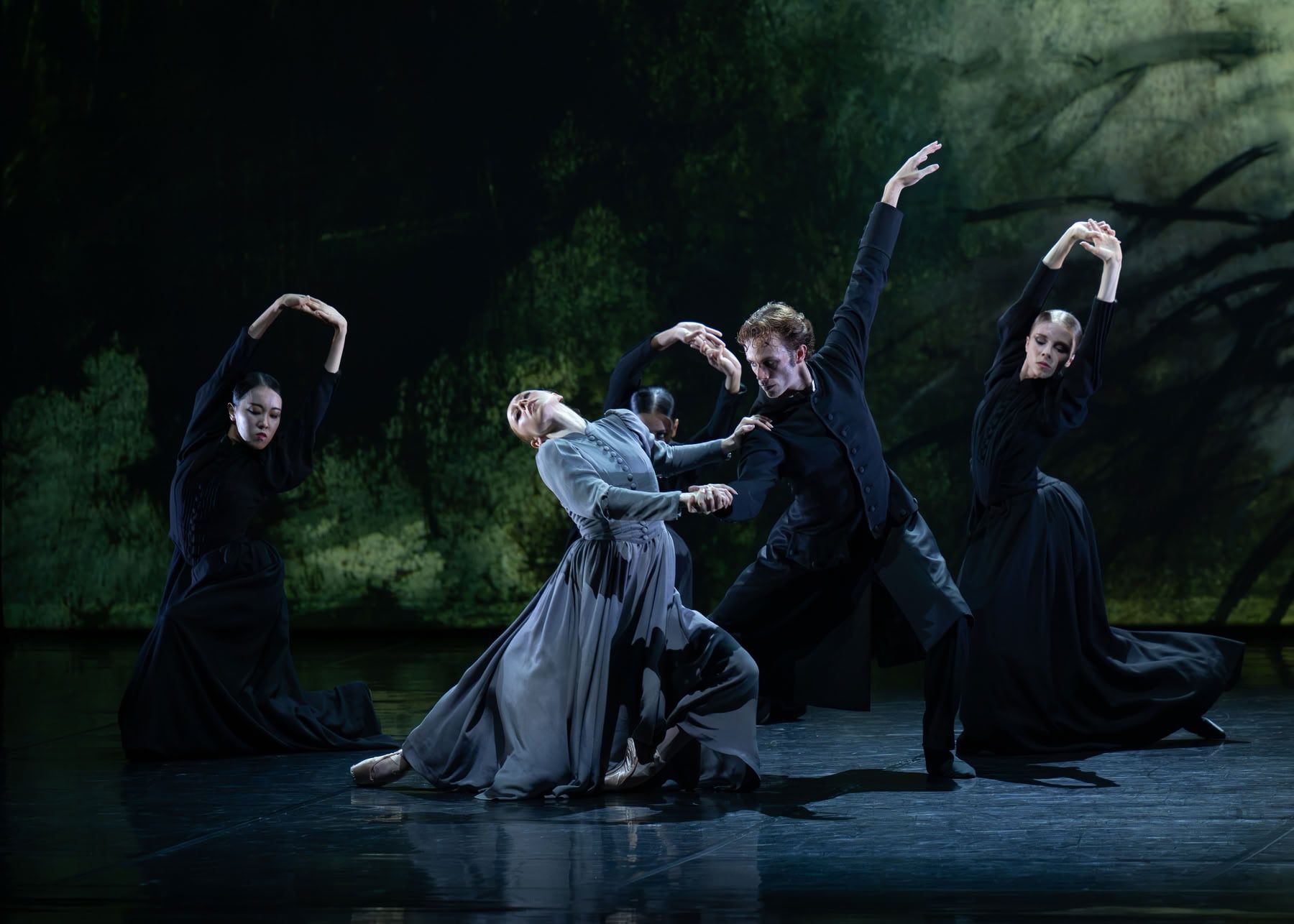
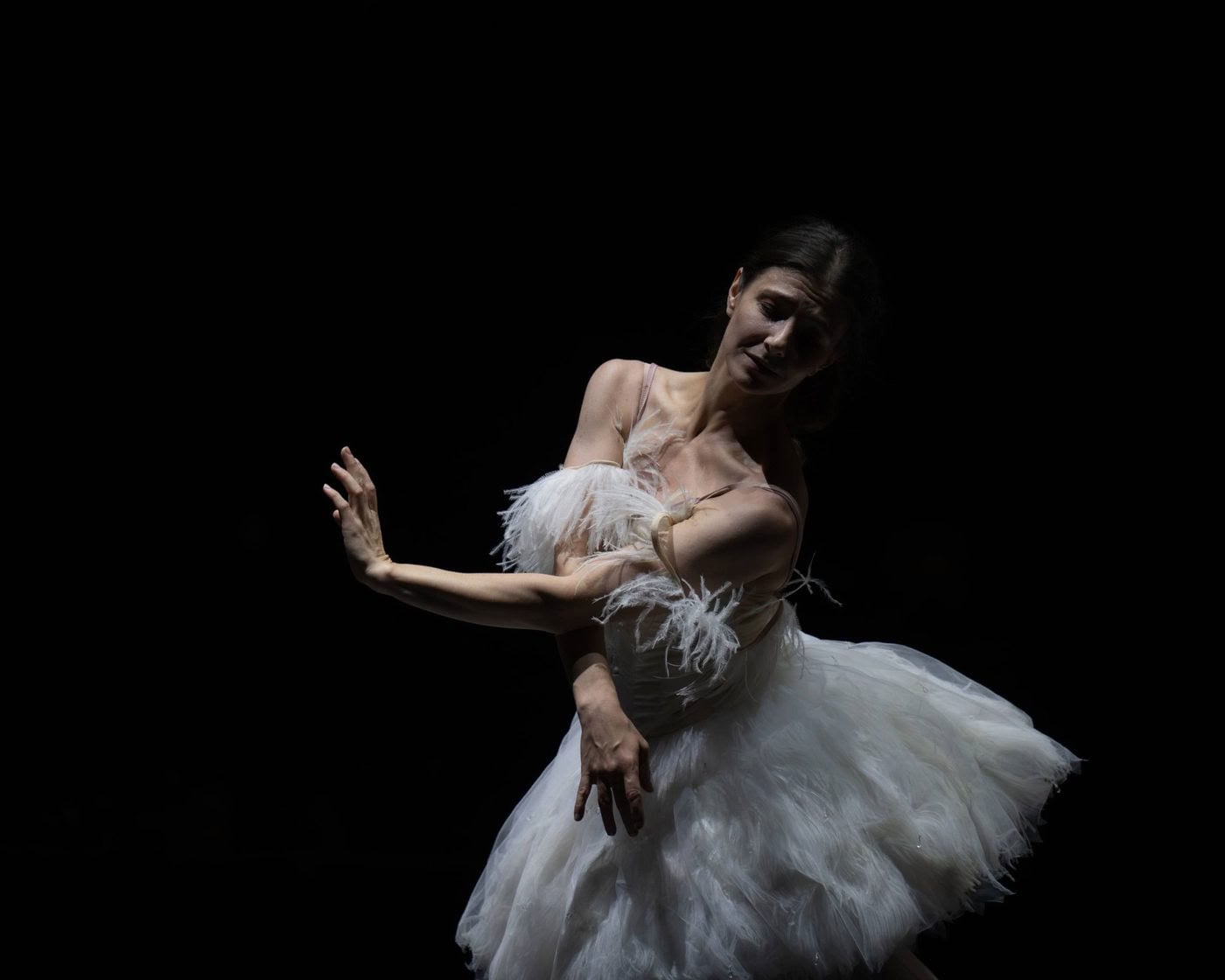
Opening the programme is Neumeier’s Ghost Light. This is a reworked version for London City Ballet and sees Neumeier working with one of his muses, Alina Cojocaru.
The work has no fixed narrative but looks at the ghosts of former dancers. Cojocaru enters as a confused Odette; later we see a Sylph in the background, elsewhere a mix of presences that feel both real and like figments of the imagination.
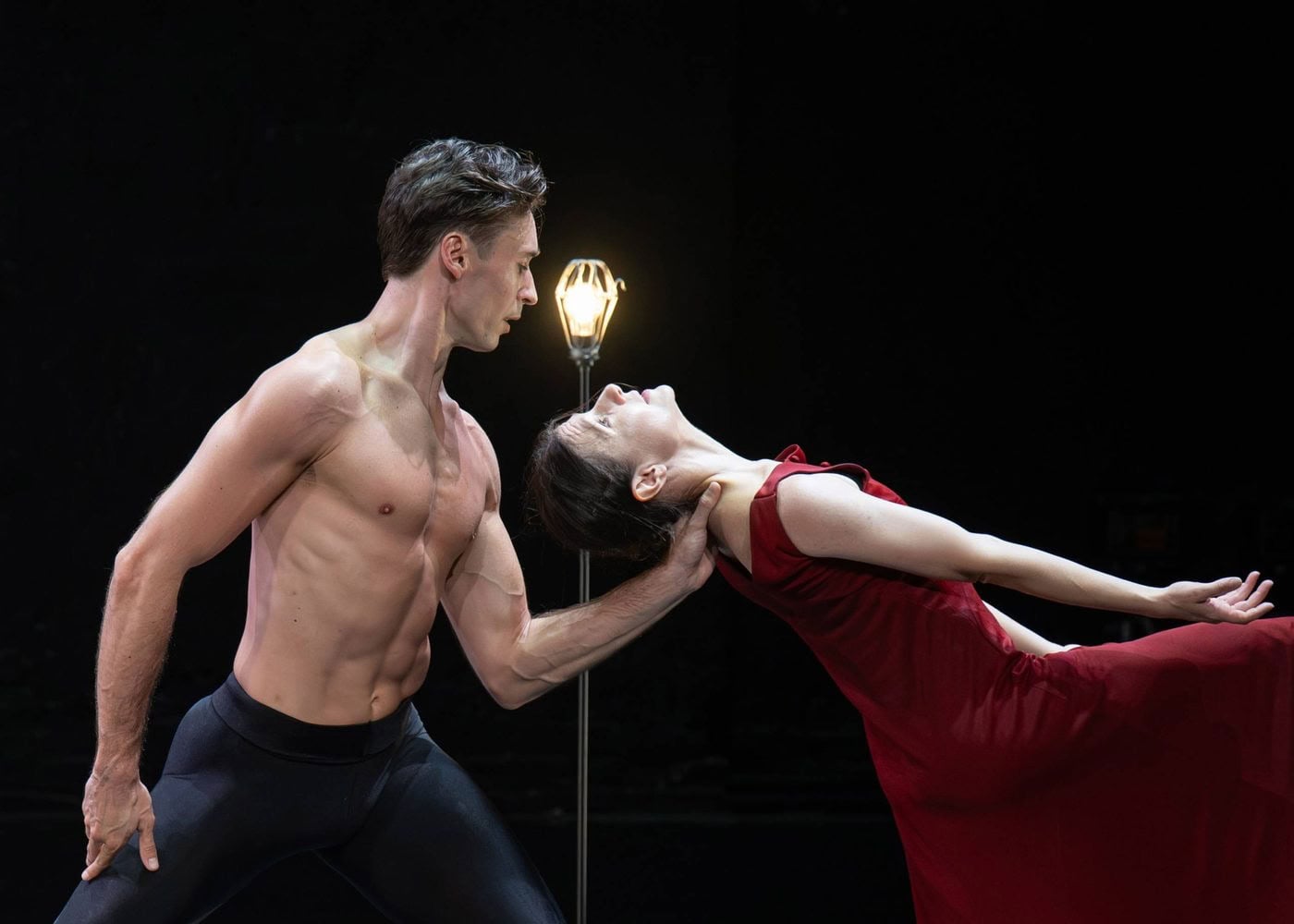
The work takes place in a black box set,with a lone light placed off centre, as individuals come and go. The lighting is minimal and draws you in: shadowplay at work, meetings of significance, emotions swirling.
The men in Neumeier ballets dance, also together, and I always appreciate this. His language is more classical than contemporary, but it’s full of originality, tension and weight. You can see the dancers revel in the layered meaning.
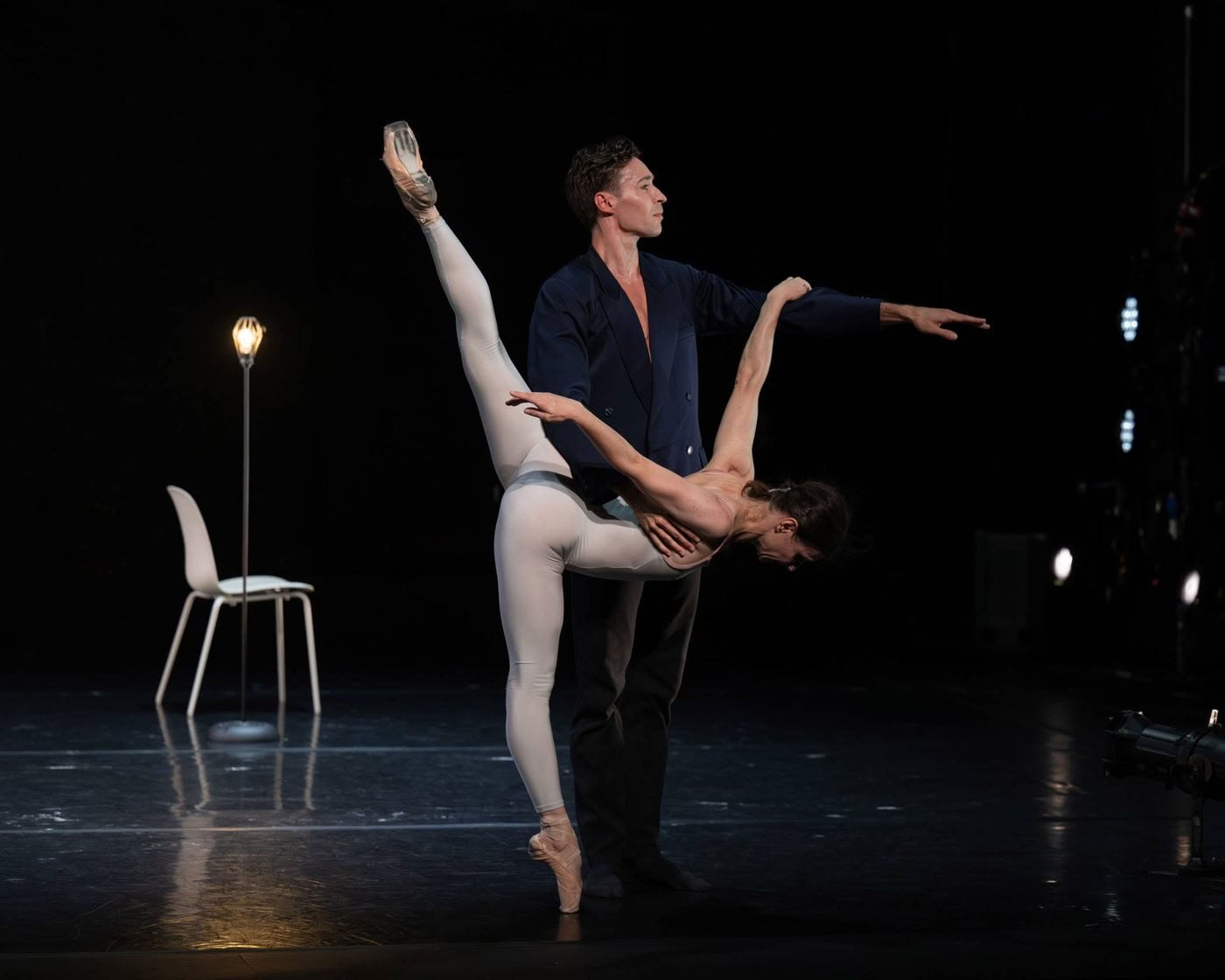
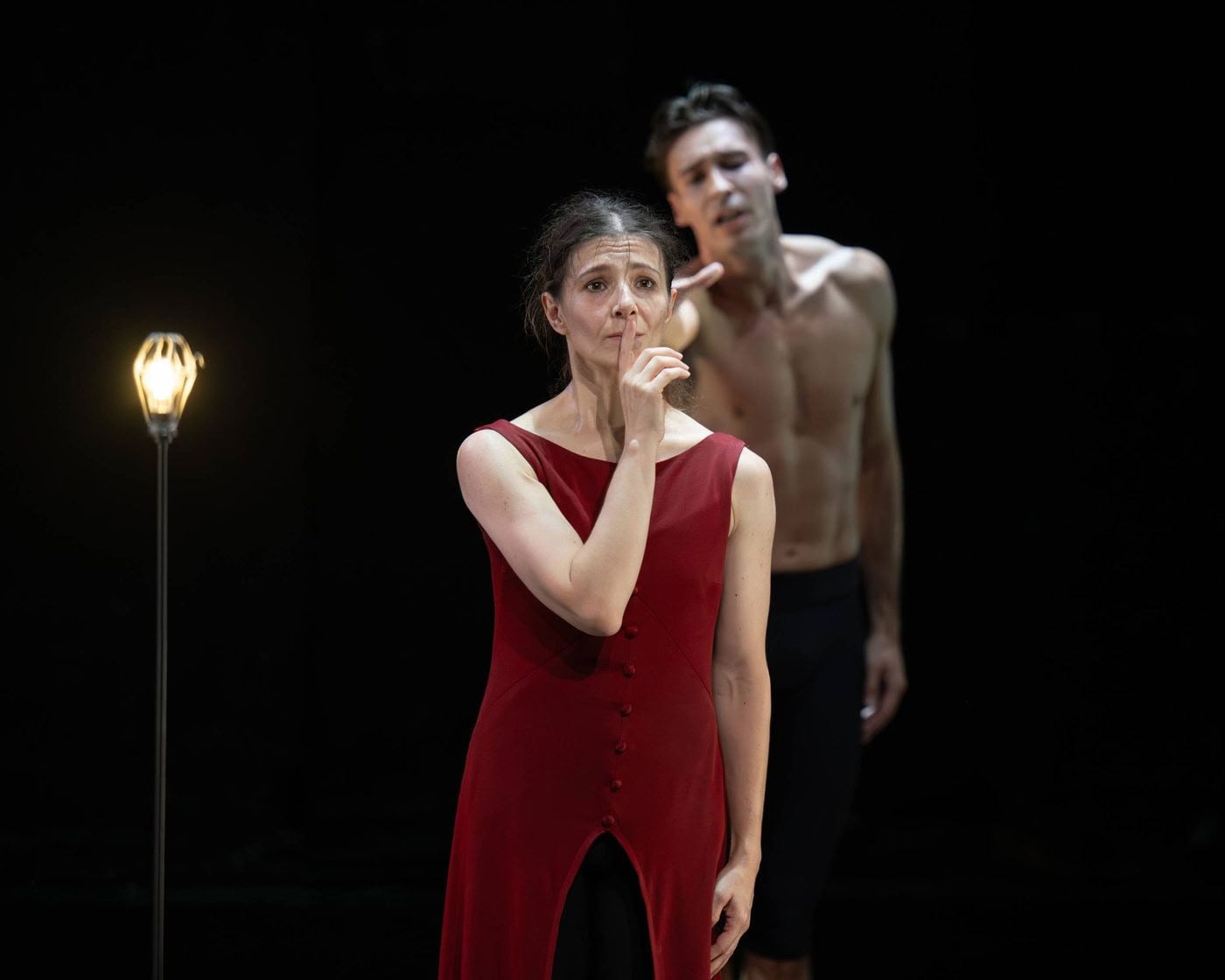
The pas de deux are extremely powerful. I found Neumeier offered two types. When Cojocaru danced with Joseph Taylor it felt like they were apparitions. You didn’t see the usual eye contact or connection, yet they danced in perfect harmony, both in search of something: comfort? Times gone by?
The duet between Francesca Velicu and Nicolas Gläsmann felt different. More connected in the moment, more human. This also had a yearning quality, with all the movement informed by the Schubert score. The music has a magical balance of being melancholy without tipping over into the depressing – it’s a very delicate line.
Neumeier is a powerful man in the choreographic sphere, so I suspect he doesn’t have anyone telling him what to do. I haven’t seen masses of his work, but I often feel the same by the end. Things start slowly, build to a place of craft and appreciation, then go on too long. I’d propose Ghost Light could lose around 15 of its 70-odd minutes. Keep the key moments, but question the value of some of the group sections.
This double bill isn’t a commercial venture, and one always runs a risk in restaging period work. Firebird didn’t work for me, but the Neumeier was a truly interesting piece to watch. It’s not often we see such subtle work in London, work that demands focus and patience.