Interview: Alonzo King and James Gaffigan on rethinking Graham’s and Nijinsky’s ballets with the San Francisco Symphony
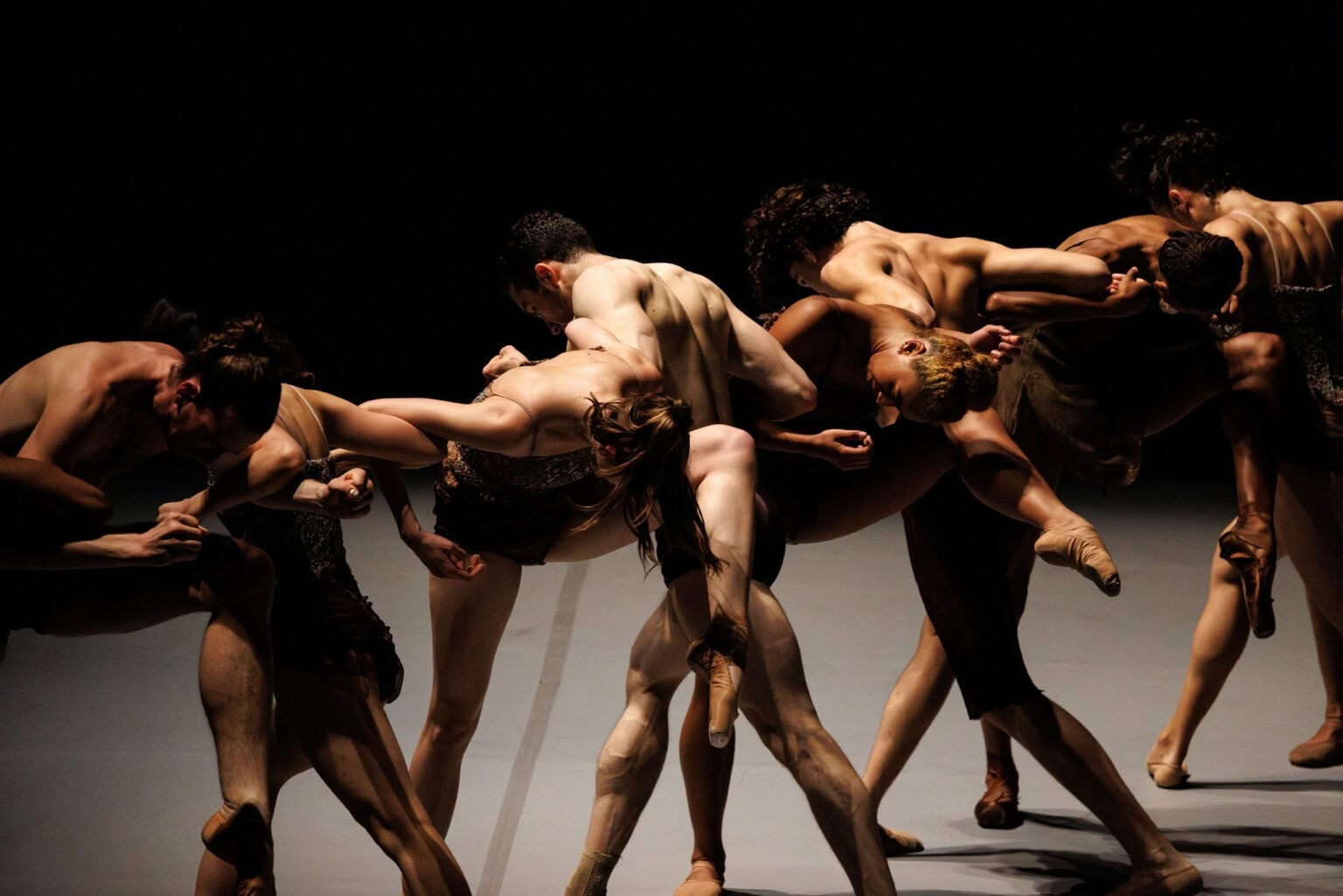
King’s new Appalachian Spring and L’Après-midi d’un faune are about struggle: the Shakers’ battle with the body, and nymphs who are neither weak nor passive.
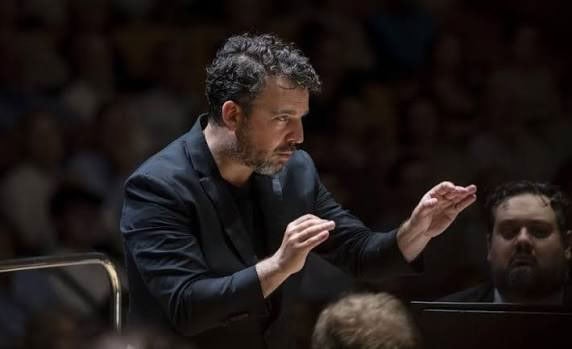
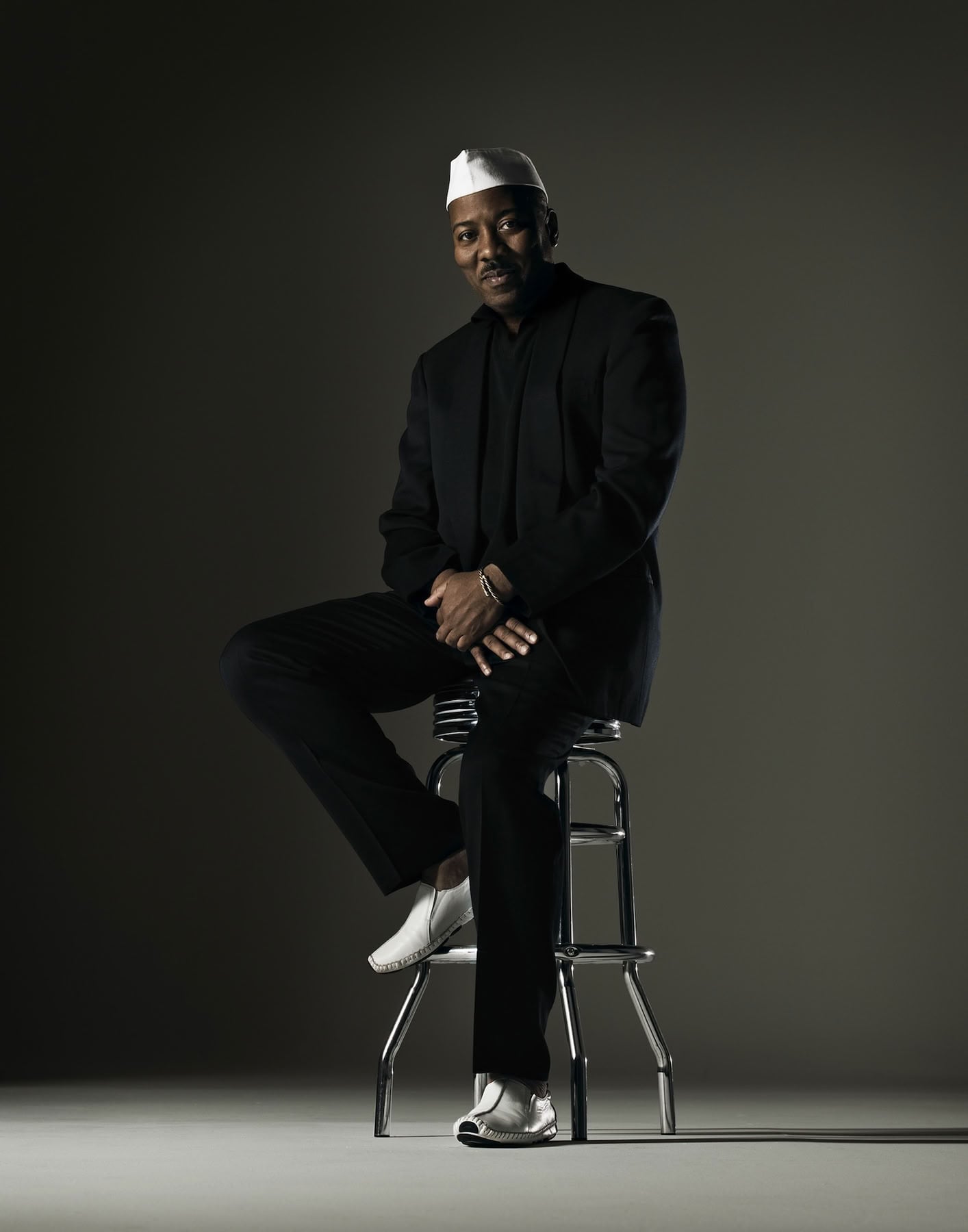
For their fifth collaboration with the San Francisco Symphony, choreographer Alonzo King and his LINES Ballet bring new, contemporary interpretations to music closely identified with iconic ballets by Martha Graham and Vaslav Nijinsky. Guest conductor James Gaffigan leads the symphony for the world premiere of King’s reconsideration of Aaron Copland’s Appalachian Spring and Claude Debussy’s L’Après-midi d’un faune at San Francisco‘s Davies Symphony Hall on 19–21 November.
Copland’s 1944 composition was commissioned for Martha Graham and originally titled A Ballet for Martha. Appalachian Spring is set in a Shaker community or frontier village on the day of a wedding. Graham danced the lead, and it became a signature work that remains in the repertoire. Copland picked up a Pulitzer Prize for the composition and it became a regular on concert programmes, yet the music was so identified with Graham that only a few choreographers have tried to reinterpret it.
Debussy’s Faune is another matter. Inspired by a Stéphane Mallarmé poem, Debussy’s approximately ten-minute tone poem has drawn many choreographers since its 1894 premiere. Vaslav Nijinsky’s 1912 version for the Ballets Russes is best known, an intentionally archaic interpretation in which a sensuous Faune chases Nymphs but settles for satisfaction of another kind. Jerome Robbins created a duet for the New York City Ballet in 1953. Other versions came from Thierry Malandain, Christopher Aponte, Mustapha Barkati and Tim Rushton, and even the Ice Theatre of New York drew on the Debussy score.
The choreographer took time from rehearsals in San Francisco to speak with dance writer Ann Haskins about the new ballets. The conductor also spoke with Haskins from Europe, where he is based.
Taking on one iconic ballet is ambitious, even for a choreographer as proven as King. Taking on two iconic dances takes it to a whole different level.
King described how the decision to create two new ballets emerged from early discussions between LINES and the symphony about which works fitted the symphony’s season. In addition to the two ballets, Gaffigan selected Sergei Prokofiev’s Sinfonia Concertante with SF Symphony principal cellist Rainer Eudeikis to complete the programme.
King and Gaffigan had conversations about everything from the tempo for the two ballets to a programme order that allowed the dancers to catch their breath.
Choreography developed between LINES’ busy touring schedule. Gaffigan provided a recording of himself conducting the music, which allowed the dancers to rehearse at an approximate tempo until the actual rehearsals with the symphony this week. King and Gaffigan agreed that the fine-tuning will happen in rehearsals, with the orchestra and dancers together.
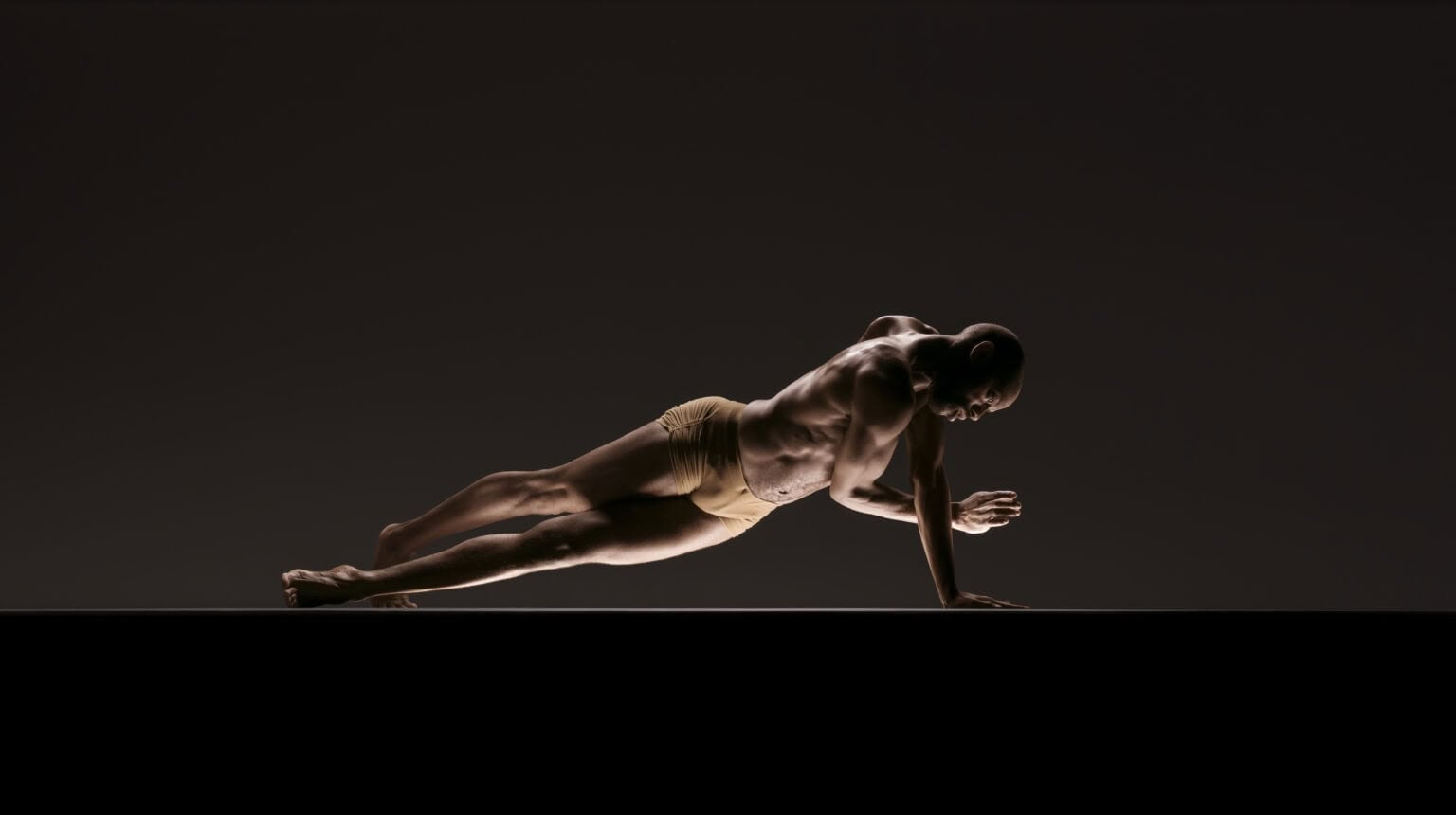
Asked about his new Appalachian Spring, King started by paying tribute to the original.
“First of all, I think Martha Graham’s is beautiful,” King began. “I just wanted less narrative and to feel more involved in the music.” He described the new ballet as having lovers and also dealing with the concept that the body is evil.
“Puritanical America brought the image and texture that the body is evil, stained with sin. How to get rid of the stain was part of the Shakers trying to get into ecstasy and leave the body consciousness, putting it through intensity that they thought would bring it to a higher level of consciousness,” King explained. “Their devotion, their equanimity, their God rapture led to the simplicity of their philosophy that went into their furniture making, nothing superfluous or decorative, just the essence. It’s one of the reasons Shaker furniture is so imitated all over the world.”
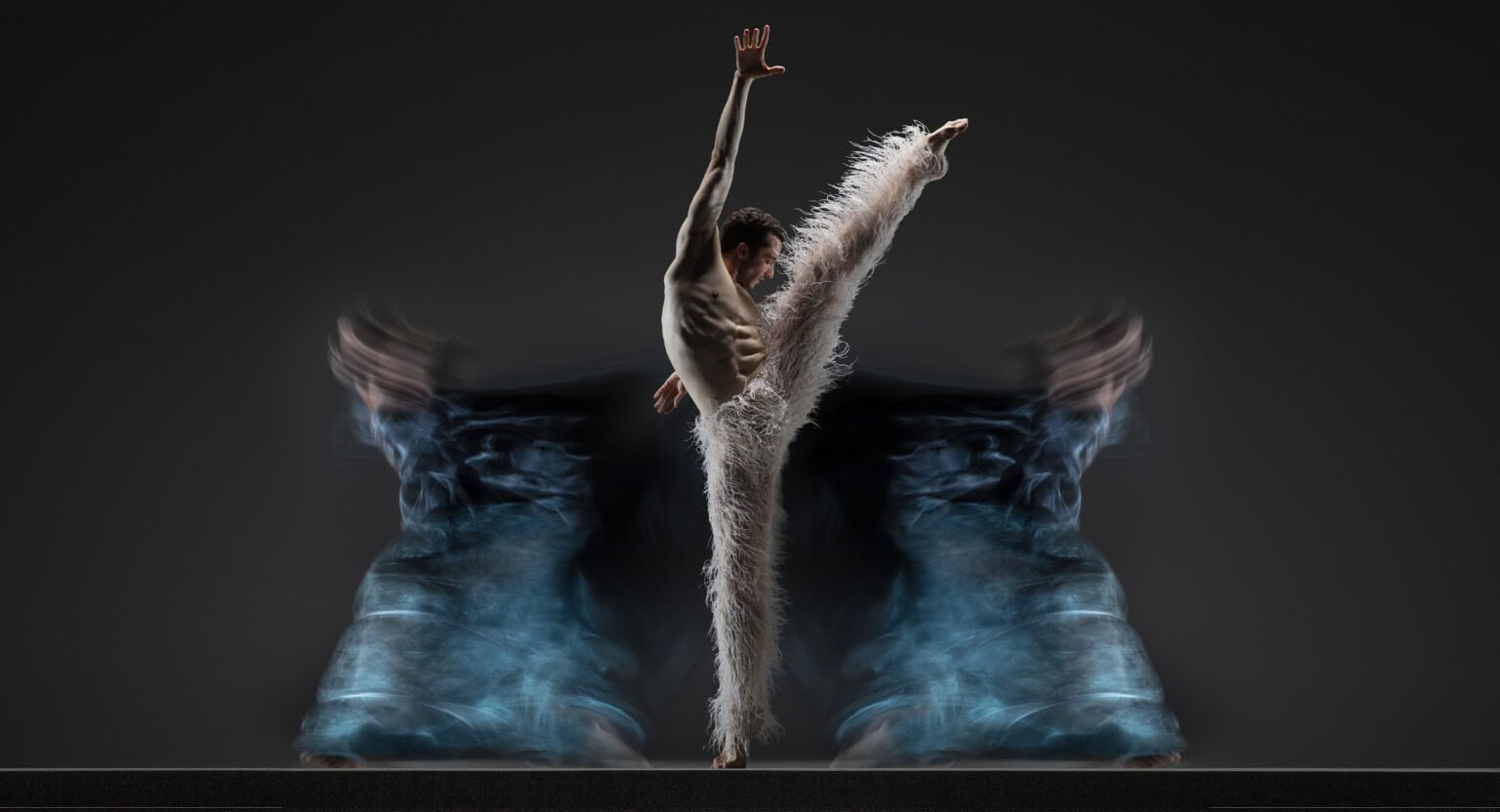
Talking about L’Après-midi d’un faune, King also found themes of grappling with physicality and the attitudes towards it.
“For one thing, I don’t believe that the nymphs were weak and passive. They weren’t simply little ladies traipsing around the Nijinsky Faune and then running off, frightened. The poem that inspired Debussy also inspired many painters and composers. These are powerful women, and not easily intimidated, and so that’s one way my approach is different. There is a fight, a struggle with carnality. There’s also the Faune questioning, wondering if this is real or am I imagining it? Back to the original poem, there was a reticence to give in to the carnality, and so that struggle and that conflict and that play between the Nymph and the Faune is just that. It’s a contrast, and they play with and against each other, which is kind of interesting,” King said.
This week, Alonzo King LINES Ballet announced that Appalachian Spring (without the symphony orchestra) will be part of LINES’ April 2027 season in San Francisco. However, neither new work features in the Southern California tours scheduled for spring 2027, at least so far.
This weekend’s concerts mark the fifth time Alonzo King LINES Ballet has performed with the symphony and Gaffigan’s tenth as guest conductor, but the first time the two have worked together. King and Gaffigan both credit Michael Tilson Thomas, the symphony’s former music director, affectionately known as MTT, for their relationship with the SF Symphony and, now, for bringing them together.
MTT’s frequent attendance at LINES Ballet performances led to the ongoing relationship between LINES and the San Francisco Symphony. Discussions about the company and the symphony doing something together were taking shape when the Covid shutdown shifted the conversations to producing films, with the company dancing as the symphony played at Davies Symphony Hall without an audience. When Esa-Pekka Salonen became music director, he also extended invitations for LINES to partner with the symphony, leading to more performances, both live and in front of an audience.
Gaffigan’s conducting career started with the San Francisco Symphony, where he too was mentored by Michael Tilson Thomas.
“In 2006, I was sort of in between being an assistant to the orchestra and being a fully professional conductor. MTT really wanted me there with the orchestra and designed a special position for me as associate conductor,” Gaffigan explained. “I owe him a lot for that.” Gaffigan has returned over the years from Europe and may return more often as he spends more time in the US, where he is helming Houston Grand Opera. He estimates this is his tenth return to San Francisco as a guest conductor and his first working with Alonzo King LINES Ballet, but not his first rodeo with an orchestra and live dance.
Most major ballet companies have their own dedicated orchestra and conductors adept at balancing the demands of the music with the needs of the dancers. Gaffigan acknowledges it is rare for a dance company to perform with a symphony orchestra, and believes it should happen more often. The collaboration needed between an orchestra and dancers involves similar issues to those of conducting an opera, where there is often dancing, and collaboration is the conductor’s role.
“Many operas have ballet or modern dance depending on the opera and the production. I am fascinated working with choreographers and dancers because conductors are something in between music and dance. What we do in an orchestra is sort of choreographed, but in a sound world, and also physically, because we are kind of where the light shines through to show the orchestra certain information that can help them agree on the same interpretation. So what we do as conductors is very similar to what dancers do,” Gaffigan said. “We’re just not in the same kind of shape that dancers are in,” he chuckled.
For a glimpse at Appalachian Spring in rehearsal:
LINES in rehearsal
More LINES in rehearsal
Alonzo King LINES Ballet with the San Francisco Symphony
conducted by James Gaffigan at Davies Symphony Hall, 201 Van Ness Ave., San Francisco
Thursday–Saturday, 19–21 November, 7.30pm.
Tickets at Alonzo King LINES Ballet/San Francisco Symphony