Stravinsky’s The Rake’s Progress returns to Rome after 58 years to open the Opera season
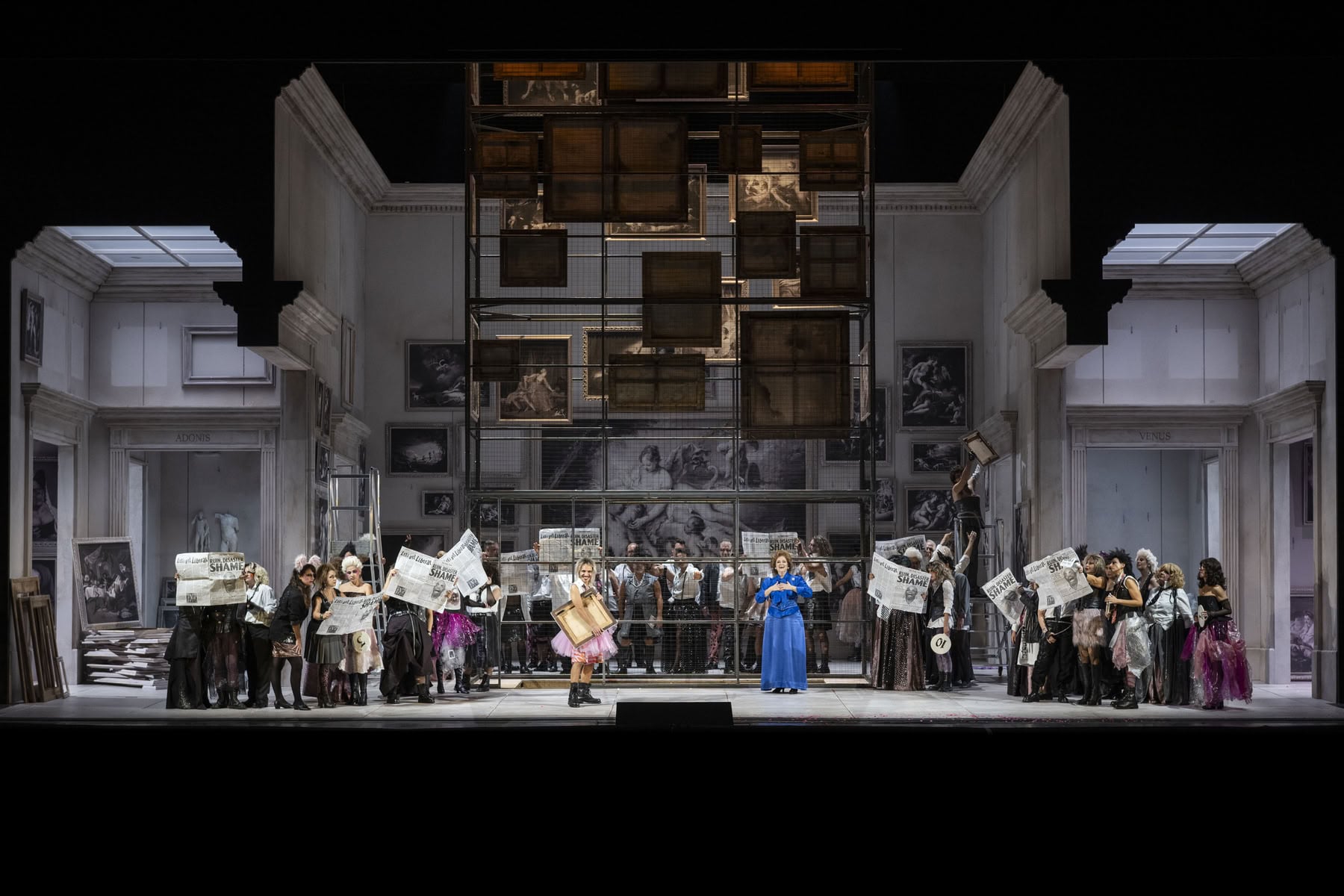
Rafael R. Villalobos stages Stravinsky’s opera in a Picture Room inspired by Sir John Soane’s Museum, with Michele Mariotti conducting and Lawrence Brownlee as Tom Rakewell.
Stravinsky’s The Rake’s Progress returns to the Teatro dell’Opera di Roma for the first time in 58 years to open the 2026/27 season on Friday 27 November at 7pm. The new production is directed by the Spanish director Rafael R. Villalobos, who also designs the costumes, and conducted by Michele Mariotti, music director of the Rome Opera. Both are tackling Stravinsky’s masterpiece, with its libretto by W.H. Auden and Chester Kallman, for the first time.
The opera has been staged at the Teatro Costanzi only once before, in 1968, when the Hamburg State Opera and the Hamburg State Philharmonic visited under Charles Mackerras, in a production directed by Gian Carlo Menotti.
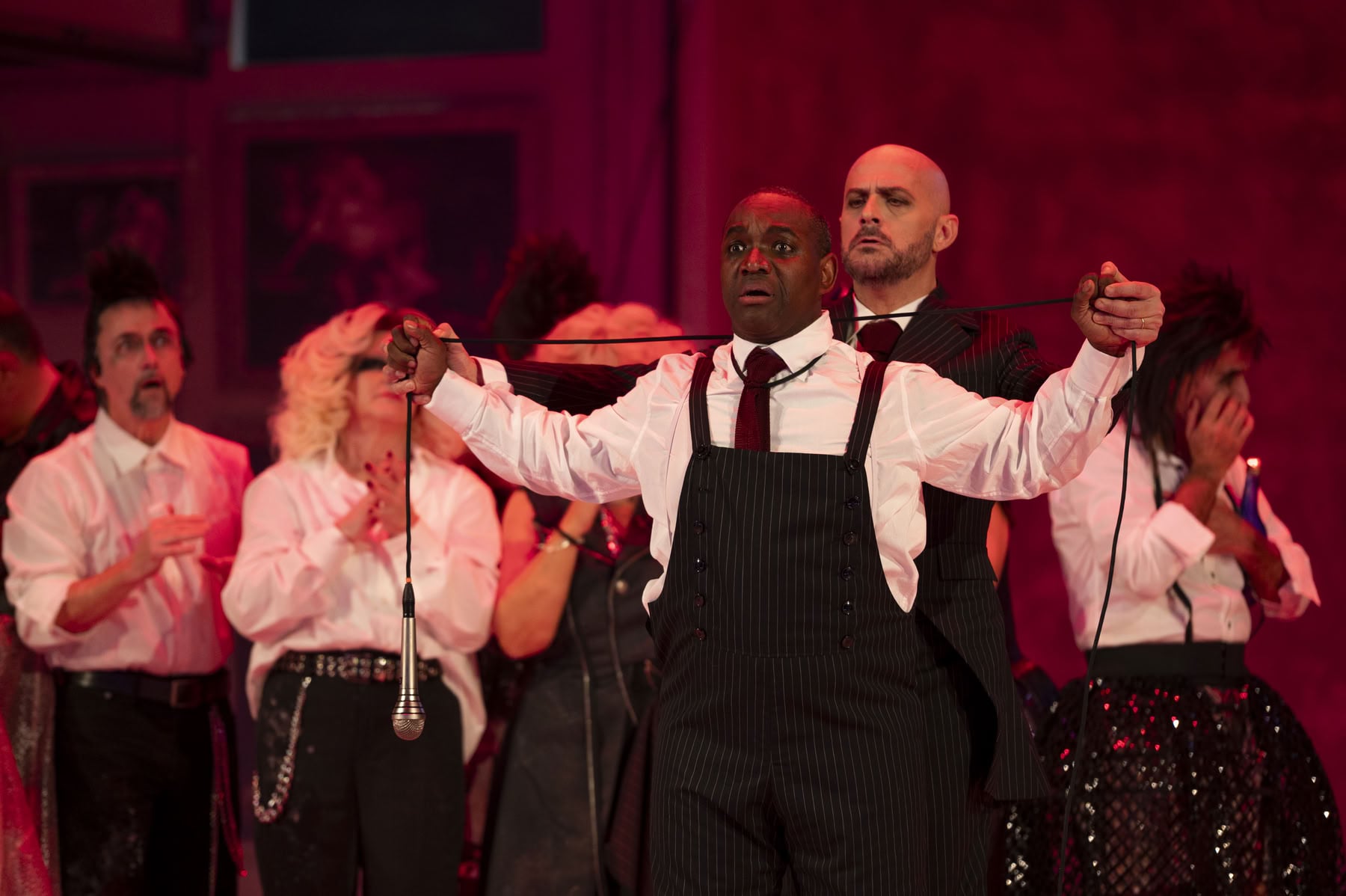
A cast led by Lawrence Brownlee
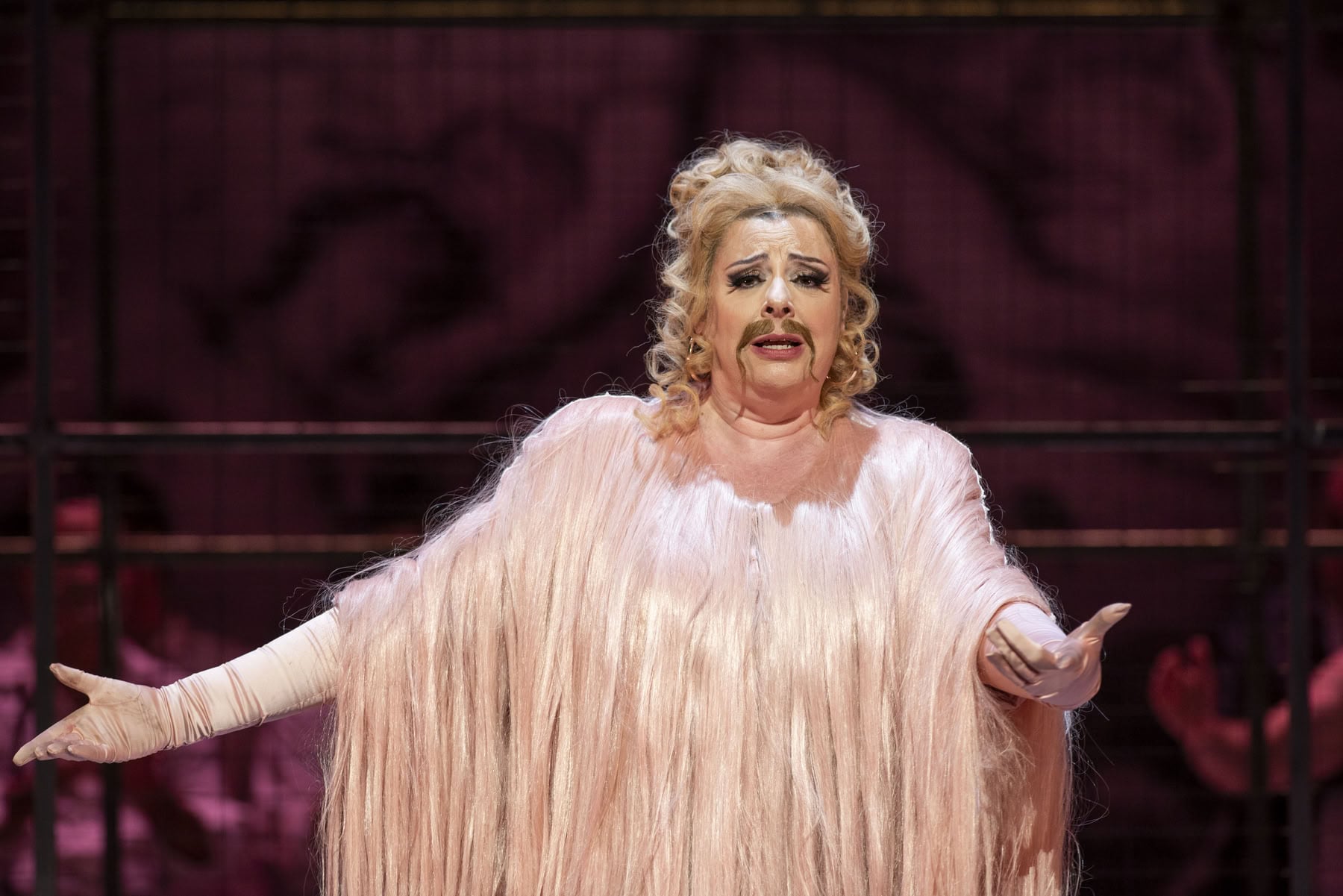
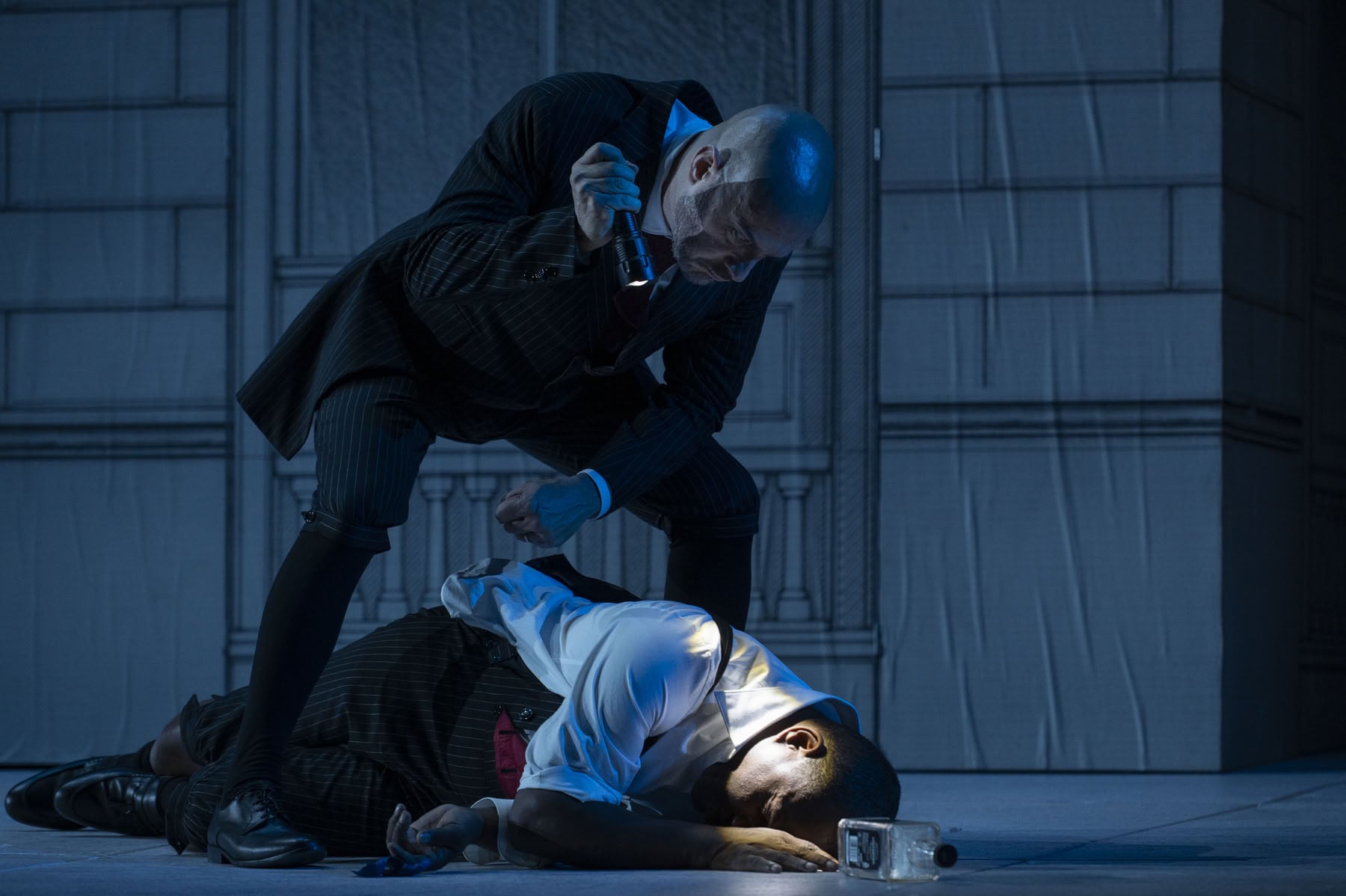
The American tenor Lawrence Brownlee, named Male Singer of the Year at the 2026 International Opera Awards, makes his role debut as Tom Rakewell. Rosalia Cid sings Anne Trulove for the first time, and Alex Esposito, celebrated for his demonic roles, is Nick Shadow. Jennifer Larmore is Mother Goose and Daniela Barcellona, known for her trouser roles, is the ‘monstrous’ Baba the Turk. Simone Alberghini (Trulove), Ya-Chung Huang (Sellem) and Alejo Alvarez Castillo (the Keeper) complete the cast. The Orchestra and Chorus of the Teatro dell’Opera di Roma perform, with the chorus prepared by Ciro Visco.
A Picture Room inspired by Sir John Soane’s Museum
Born in 1987, Villalobos is one of the most eclectic figures on the European stage today. He makes his Rome Opera debut alongside two of his regular collaborators, the set designer Pablo Chaves Maza and the lighting designer Felipe Ramos, who are also new to the house. Video is by Cachito Vallés and movement by Jose Ruiz.
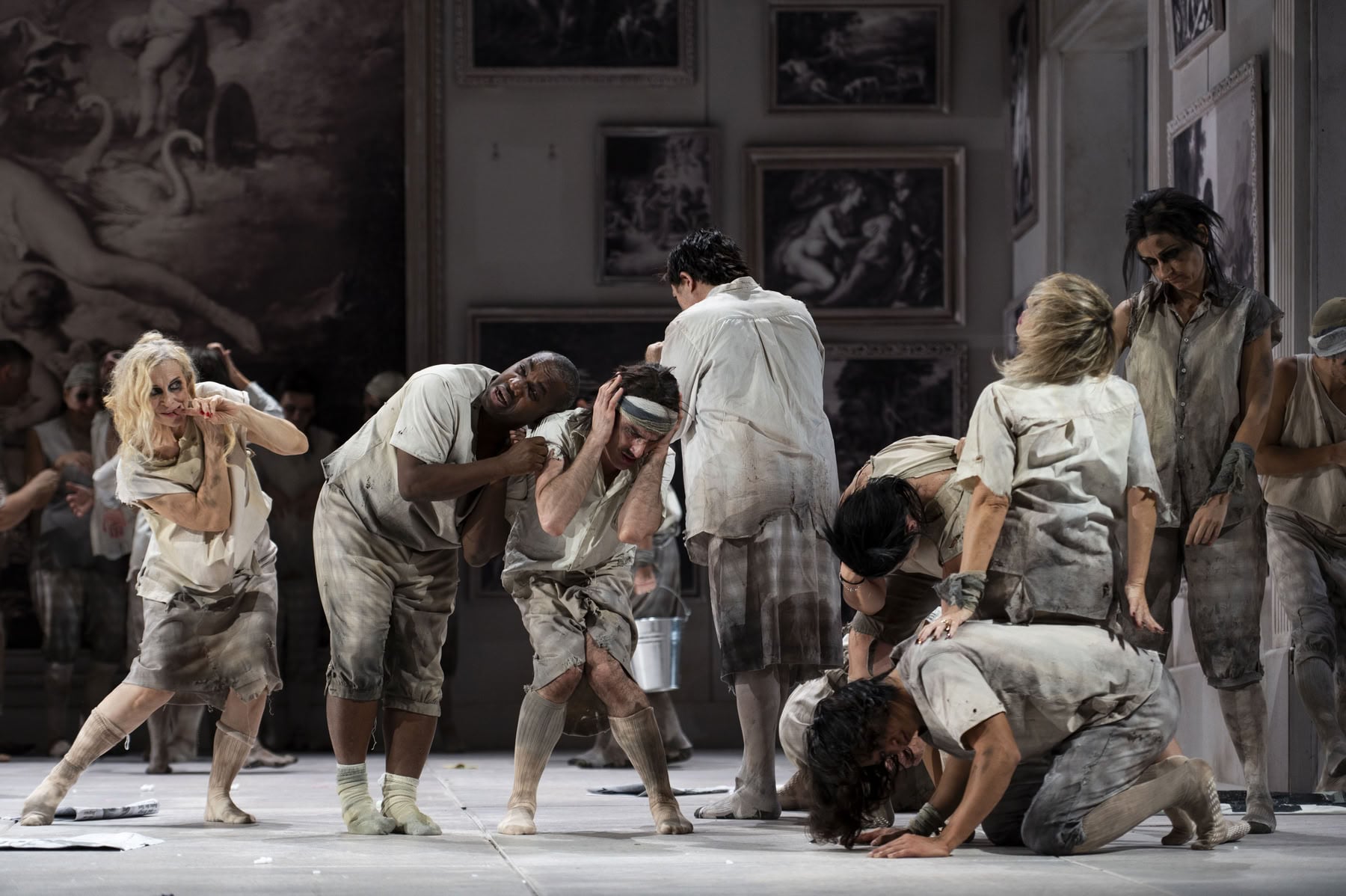
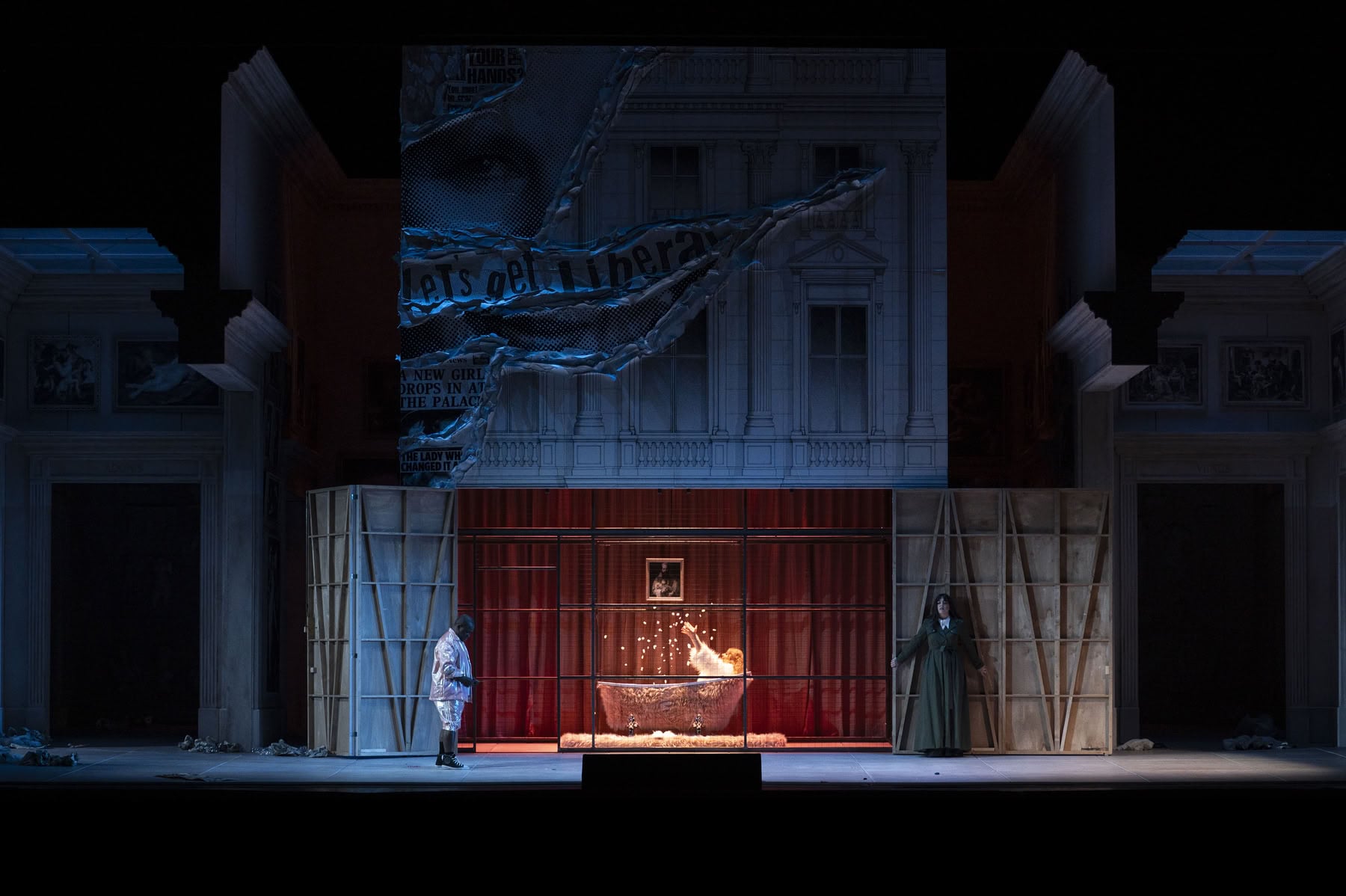
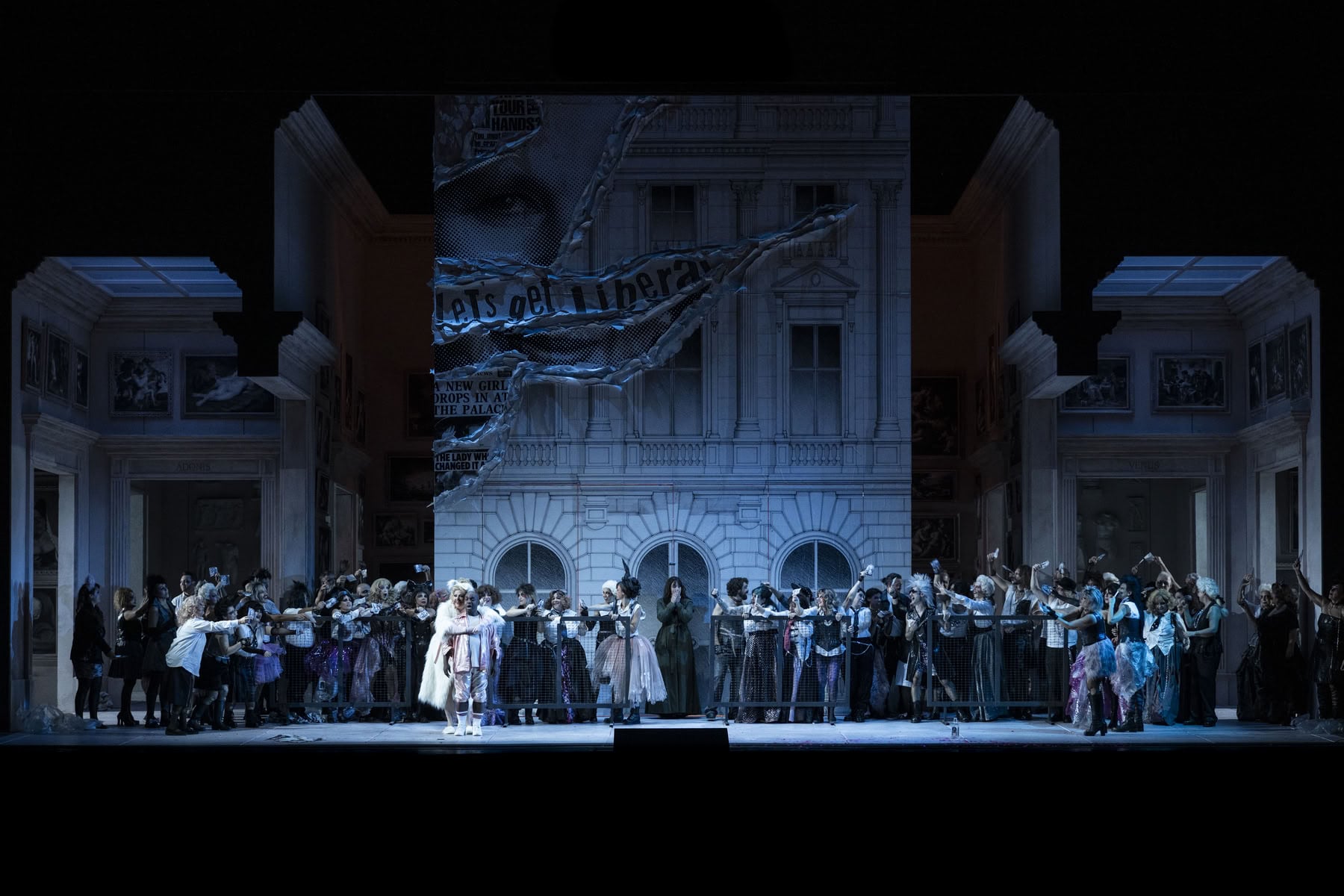
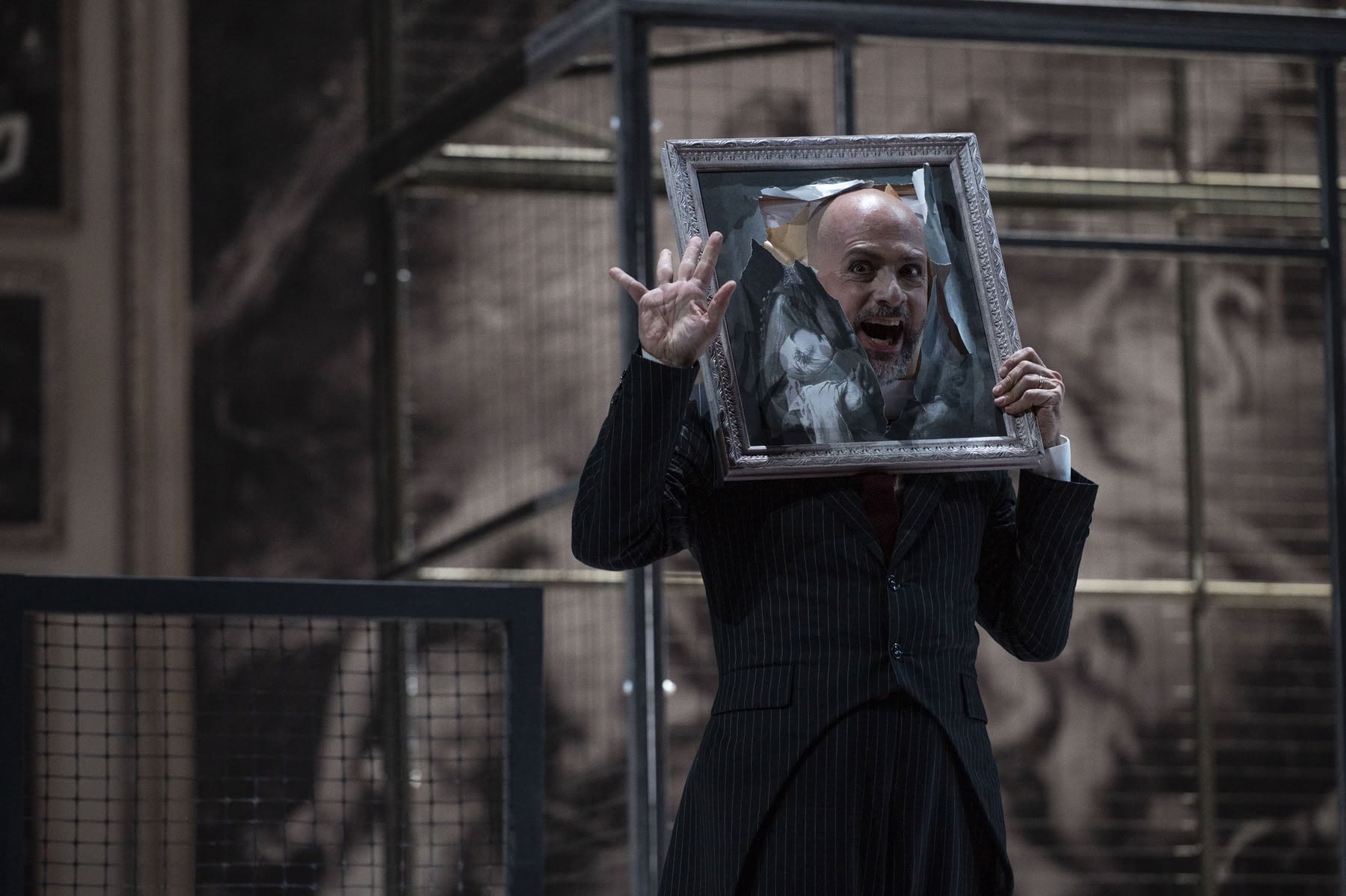
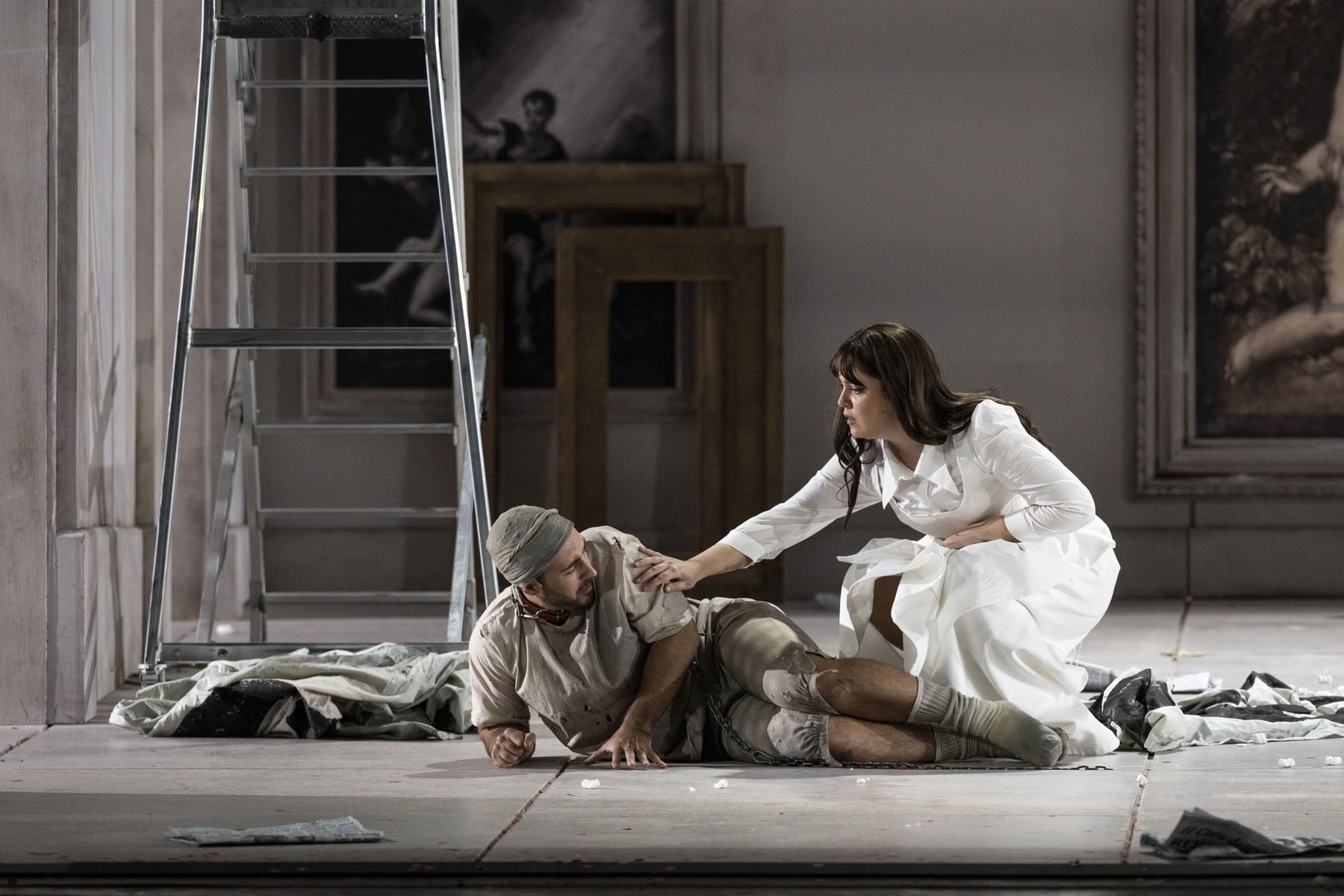
Stravinsky wrote The Rake’s Progress for La Biennale di Venezia in 1951, drawing on the series of 18th-century engravings by the English satirical painter William Hogarth. Villalobos sets it in a cabinet of curiosities inspired by Sir John Soane’s Museum in London. In this Picture Room the walls are not fixed but made of large movable panels covered in paintings on both sides. As they open, they multiply the space theatrically, revealing ever more hidden wonders.
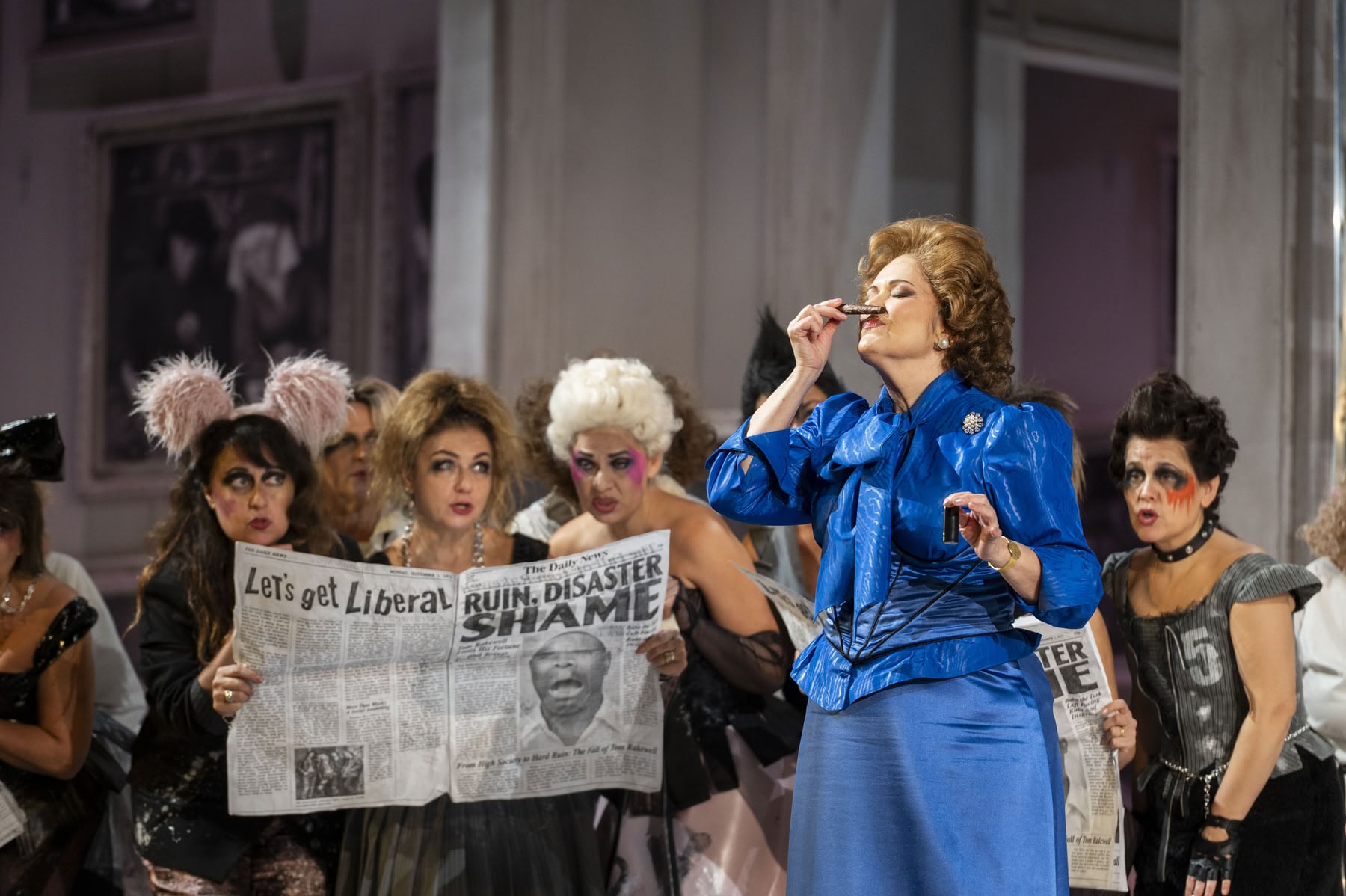
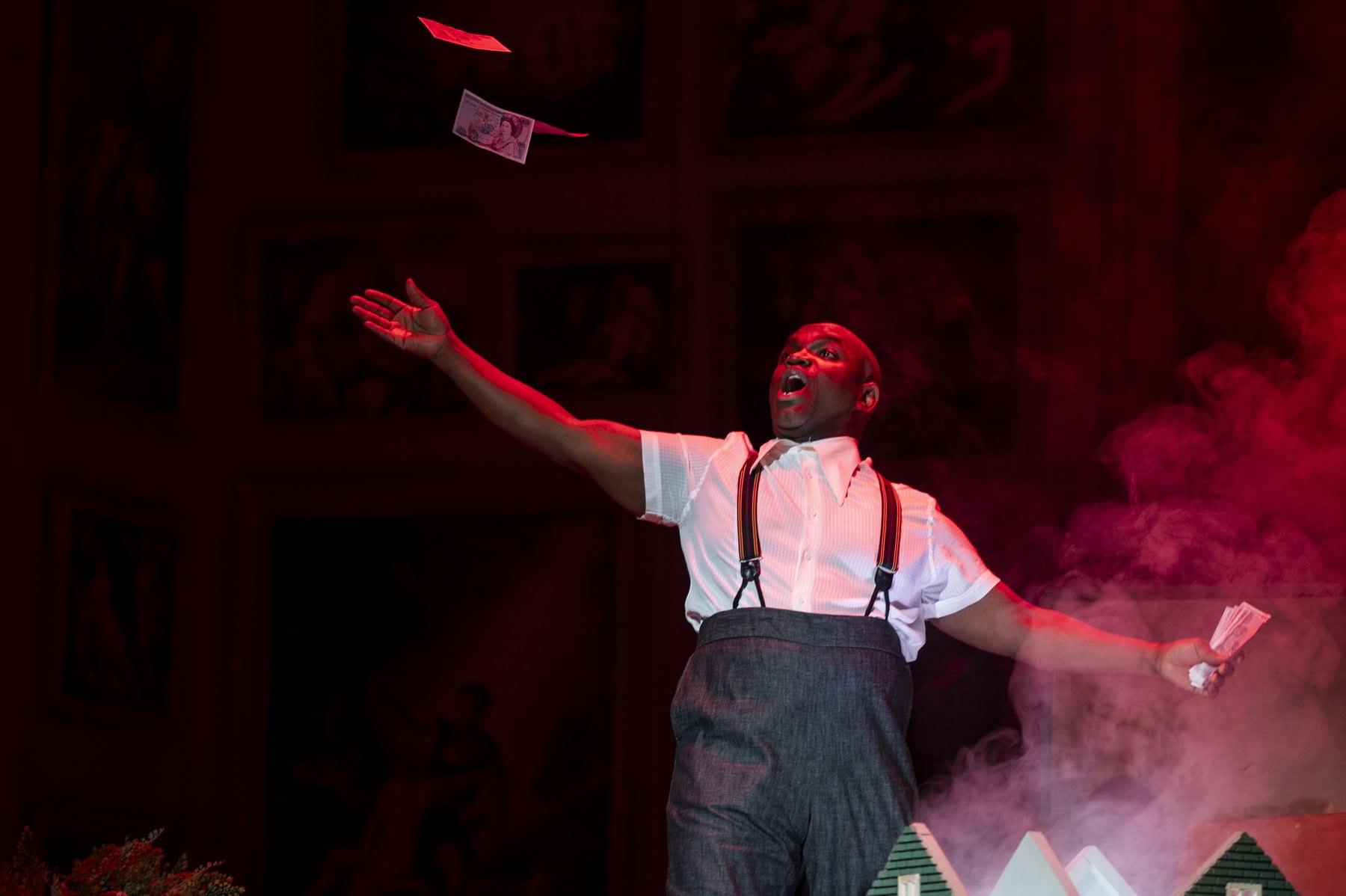
Through wooden crates, trapdoors and curtains that open, and staircases, panels and drapes that slide into place, the staging becomes a reflection on the commodification of art, the aesthetic paradox of quantity versus quality, and the public and private enjoyment of art. The sets and costumes begin in a neoclassical white; then, to mirror Tom Rakewell’s moral decline, they shift into an unsettling mash-up of 18th-century painting and the punk and underground art of 1970s London.
Mariotti: ‘a perfect work’
For Michele Mariotti, Stravinsky’s Neoclassicism is the key to the opera:
The Rake’s Progress is a perfect work – a remarkable synthesis of the music of the preceding centuries, especially Mozart’s 18th century, that only one of the greatest geniuses of the 20th century could have produced. Stravinsky’s Neoclassicism takes forms and structures from tradition and filters them through a wholly modern sensibility. The result is a masterpiece that goes beyond the story of moral decay it tells, touching the deepest and most universal facets of the human soul. It is an opera that does tell the story of a poor innocent corrupted by the devil, but it becomes a profound reflection on individual responsibility – which is also our own.
Villalobos: ‘Freedom is a question of responsibility’
Rafael R. Villalobos explains how his reading began with the words themselves:
Freedom is a question of responsibility. To approach The Rake’s Progress, I started from a premise: three very similar concepts – freedom, liberalism and libertinism (from the Latin libertas, liberalis, libertinus) – share the semantic root liber, yet not only do they have different meanings, but from a certain point on the confusion and distortion of these terms becomes almost a political issue. And so, in the middle of the 20th century, playing on this ambiguity, a concept such as free trade tried to pass itself off as a synonym for freedom.
Villalobos says that since Stravinsky’s masterpiece is a satire inspired by the codes of the 18th century – a century marked by the growth of both liberalism and free thought, culminating in the French Revolution – The Rake’s Progress becomes a burningly topical work, at a time when the debate on the limits of individual freedom is so relevant.
The production is a constant exchange of mirrors between the 18th century and the so-called Seventies, the turbulent decade that gave rise to the punk movement as a reaction to neoliberalism – which eventually prevailed in the United Kingdom – and that also brought art into that revolution and counter-revolution. Are cabinets of curiosities and art galleries crammed with works perhaps also a result of that acquisitive frenzy? We cannot help asking, then, from what perspective we look – and look at ourselves – when we contemplate the great masterpieces, whether of painting or of music!
Hogarth’s engravings at the Costanzi
From 24 November to 31 December, the eight engravings of William Hogarth’s A Rake’s Progress, the cycle that inspired Stravinsky, are on display in the Sala Mostre on the third floor of the Teatro Costanzi. The plates are lent by the Historical Archive of the Teatro Regio di Torino, which has collaborated on the exhibition.
Performances and broadcasts
The opening night is broadcast live on Rai Radio 3 and filmed by Rai Cultura, which will show it on Rai 5 on Thursday 3 December at 10.20pm. After the premiere there are four more performances: Sunday 29 November at 4.30pm, Tuesday 1 and Thursday 3 December at 8pm, and Saturday 5 December at 6pm. It is sung in English with Italian and English surtitles.