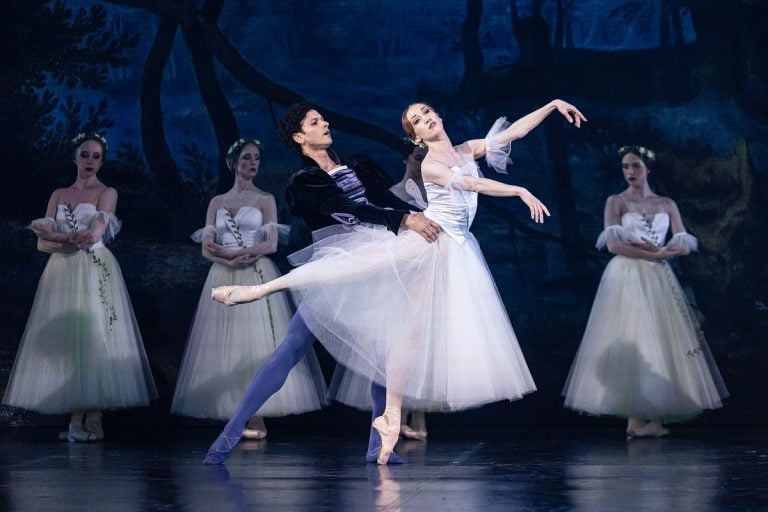
From Nottingham to Naples: the theatres left in the dark
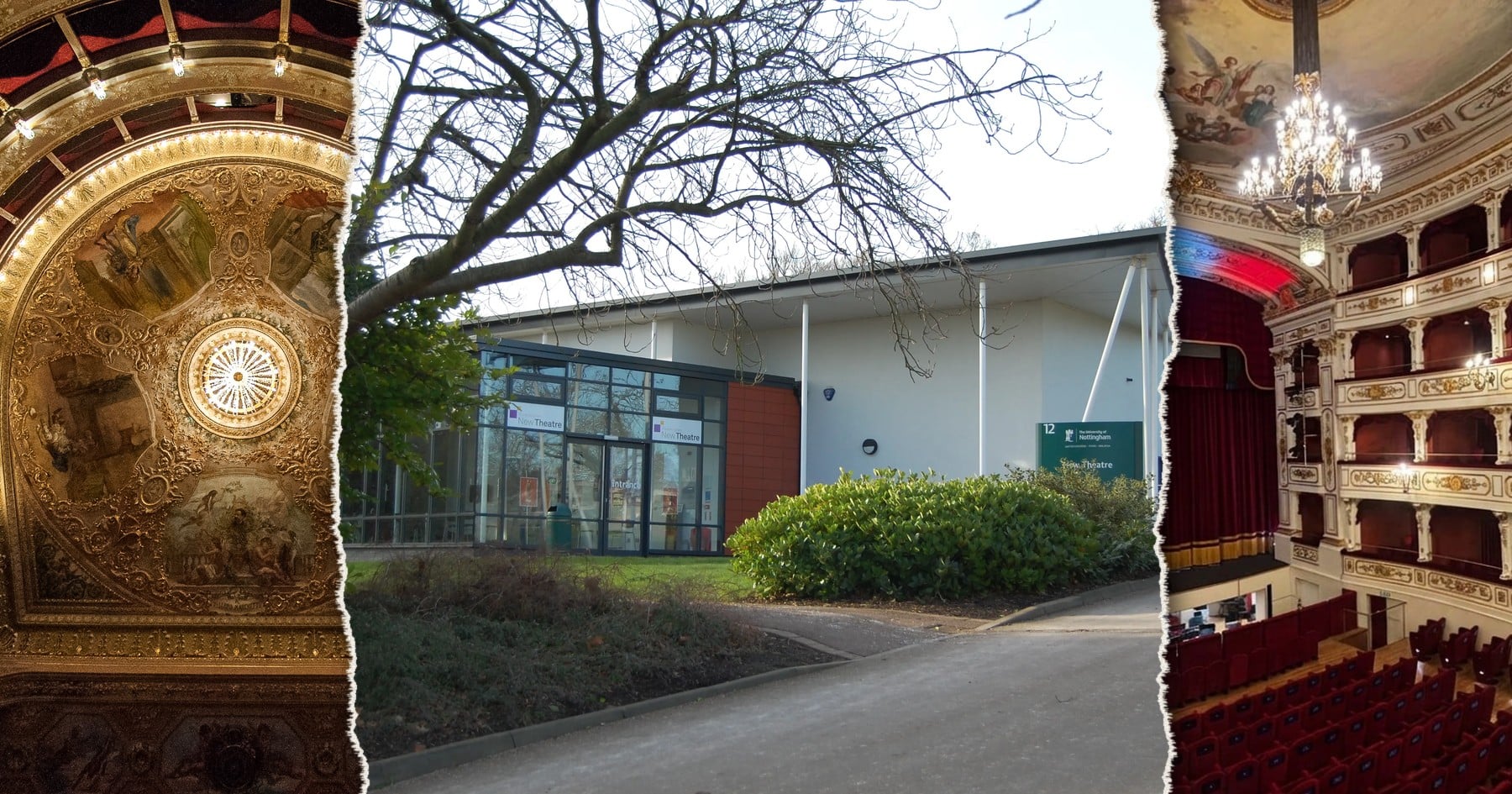
A student theatre closed since 2023 sent me looking at Italy – Rome and L’Aquila have got their theatres back this autumn, but from the fire-gutted Sannazaro to some 20 earthquake-hit stages in the Marche, many more are still waiting.
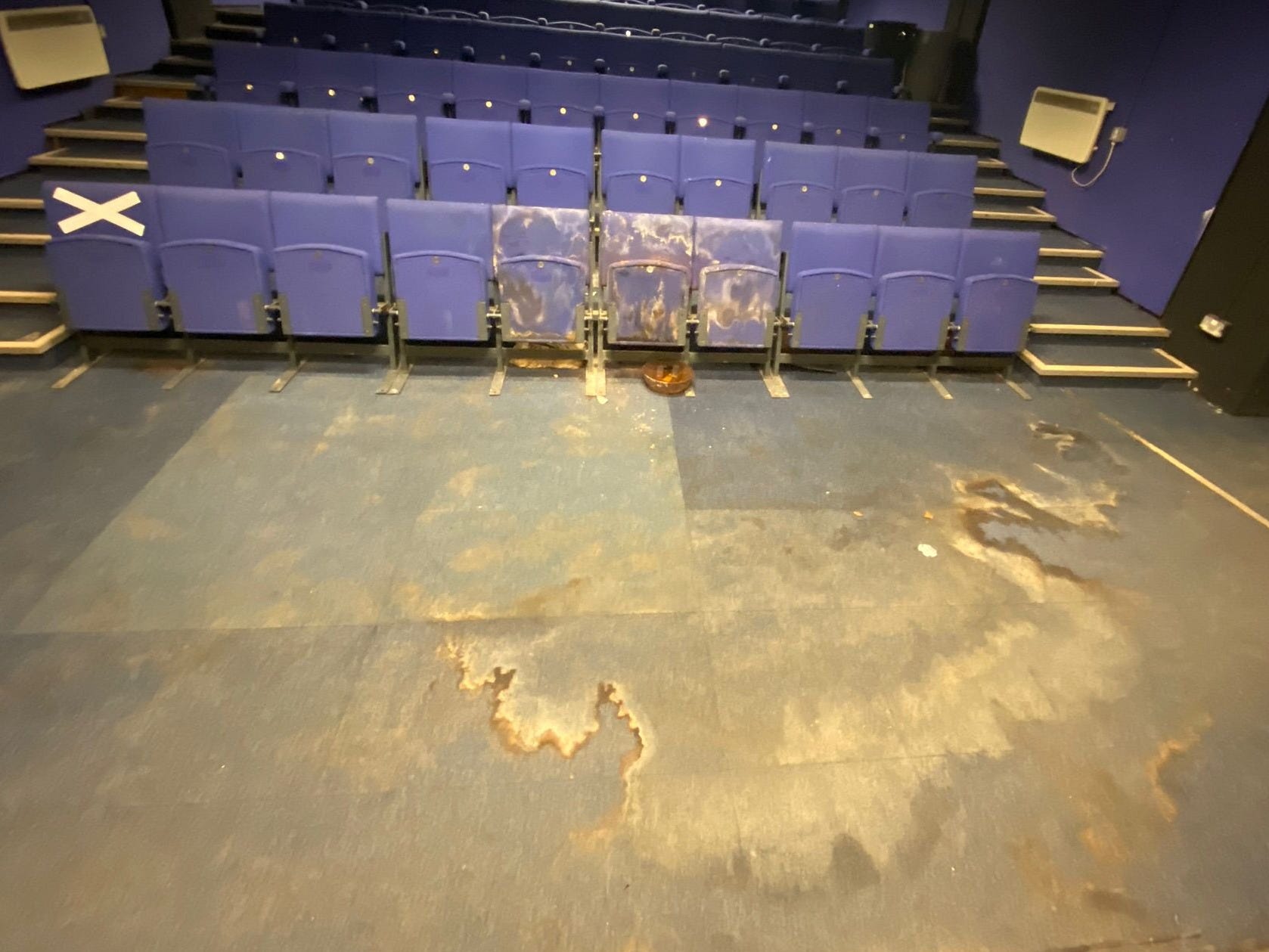
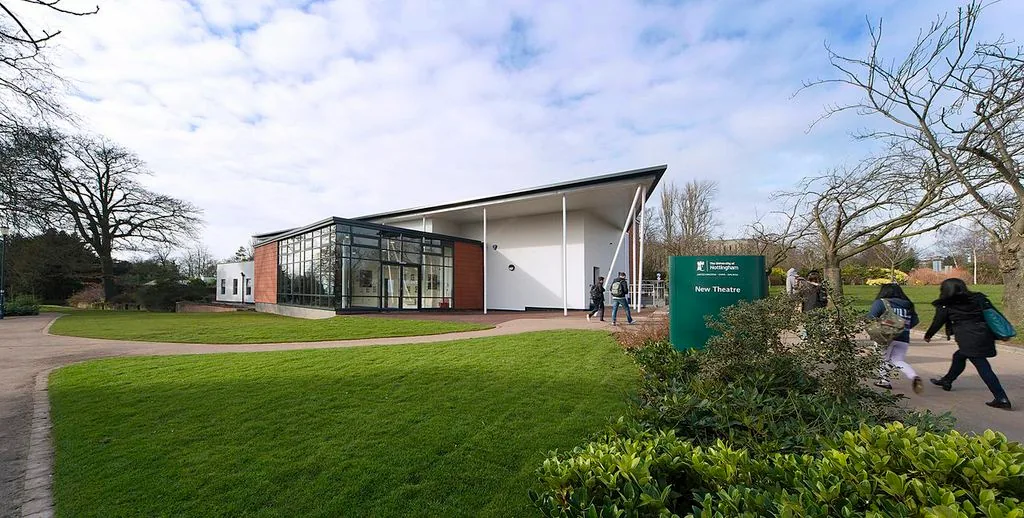
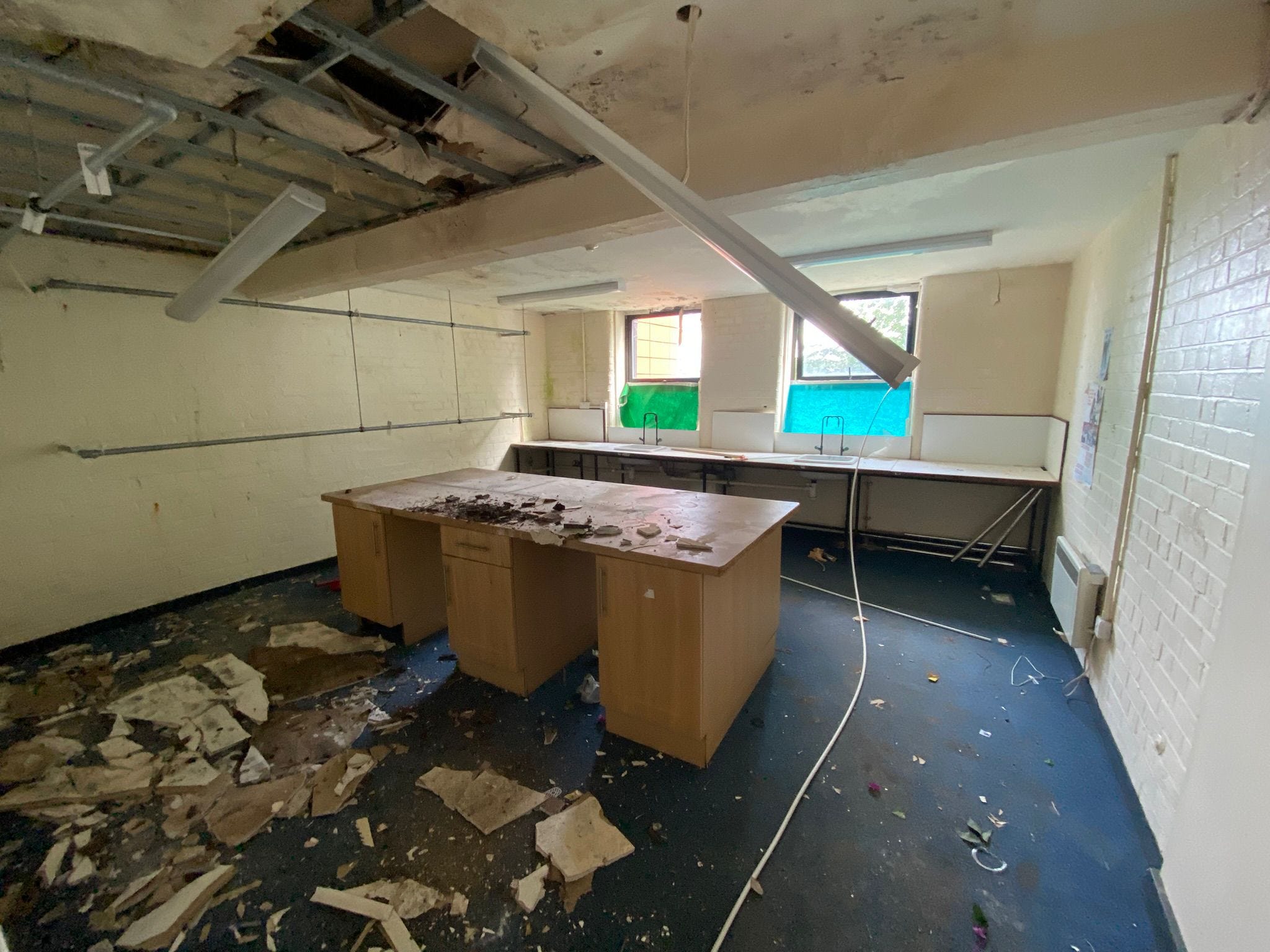
I began thinking about closed theatres for a personal reason. My nephew, an aspiring actor, is studying at the University of Nottingham, whose student theatre has been shut since 2023. The Nottingham New Theatre, founded in 1969, is entirely run by students and has launched plenty of careers. Campaigners say water getting into the building made it unsafe; the university, pointing to the financial pressures facing higher education, has said it will not reopen the site, with repairs reportedly estimated at £2 million.
Its alumni have not given up.
Well-known actors such as Theo James (The White Lotus, The Gentlemen) and Olivier Award winning actress Ruth Wilson are among hundreds of former members backing a campaign, led by the UK broadcaster Matthew Bannister, to save it. Bannister said that finding the theatre shut was “like learning that your home was being closed down”. Hearing about the Nottingham New Theatre made me wonder how many theatres in Italy, where I am based, are standing empty too.
The answer is a great many – even though this autumn has been unusually kind to Italian theatregoers. In the space of a few weeks, Rome got back the Teatro Valle and the Eliseo, and L’Aquila finally reopened the theatre that the 2009 earthquake had shut. Yet for every curtain that rises, many more stay down. Across the country, theatres – from 18th-century jewel boxes to modest town halls with a stage – sit dark because they were damaged by earthquake, fire or flood, or because nobody has found the money to make them safe.
Nobody knows quite how many. The figure most often quoted – 428 venues closed, abandoned or turned to other uses – comes from a survey curated for AGIS, the Italian performing arts association, back in 2008. There has been no official census since. Owners point to the same obstacles again and again: the high cost of bringing old buildings up to modern safety standards, too little public money, and a bureaucracy that turns every restoration into a marathon.
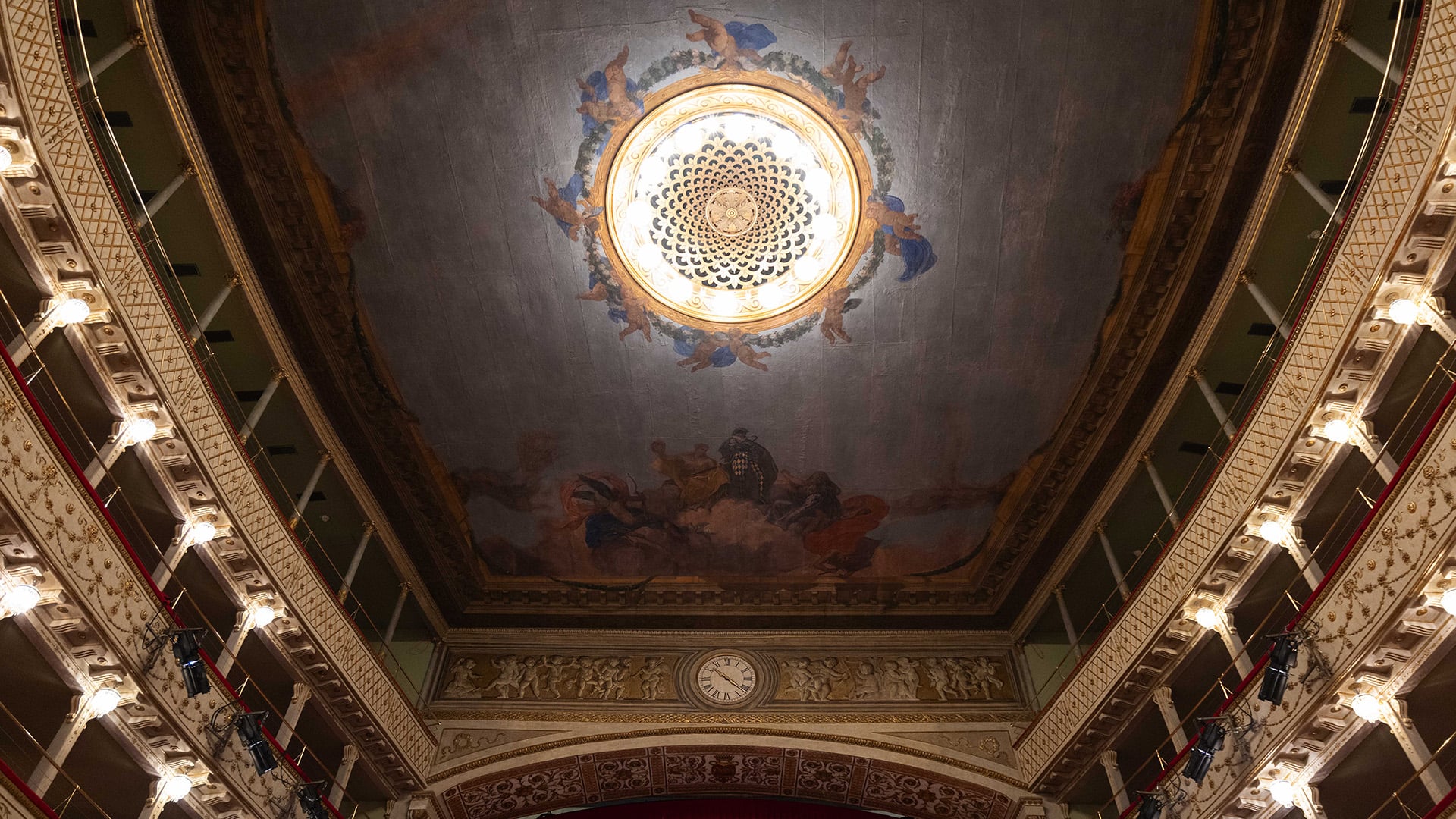
A season of reopenings
Rome’s good news came in a rush. The Piccolo Eliseo reopened on 2 October and the main Eliseo theatre on via Nazionale on 28 October, after six years of closure. The Eliseo, more than a century old and one of the city’s most important private theatres, had at one point been put up for sale for €24 million.
In between, on 16 October, the Teatro Valle reopened after a major restoration. Dark since 2010 – and occupied by theatre workers for three years after that – the 18th-century house is now run by the Teatro di Roma as a ‘Casa della Drammaturgia Contemporanea’, a home for new writing. It reopened with Francesco Piccolo’s La sera della prima, which revisits the riotous evening in 1921 when Pirandello’s Sei personaggi in cerca d’autore had its premiere on that very stage.
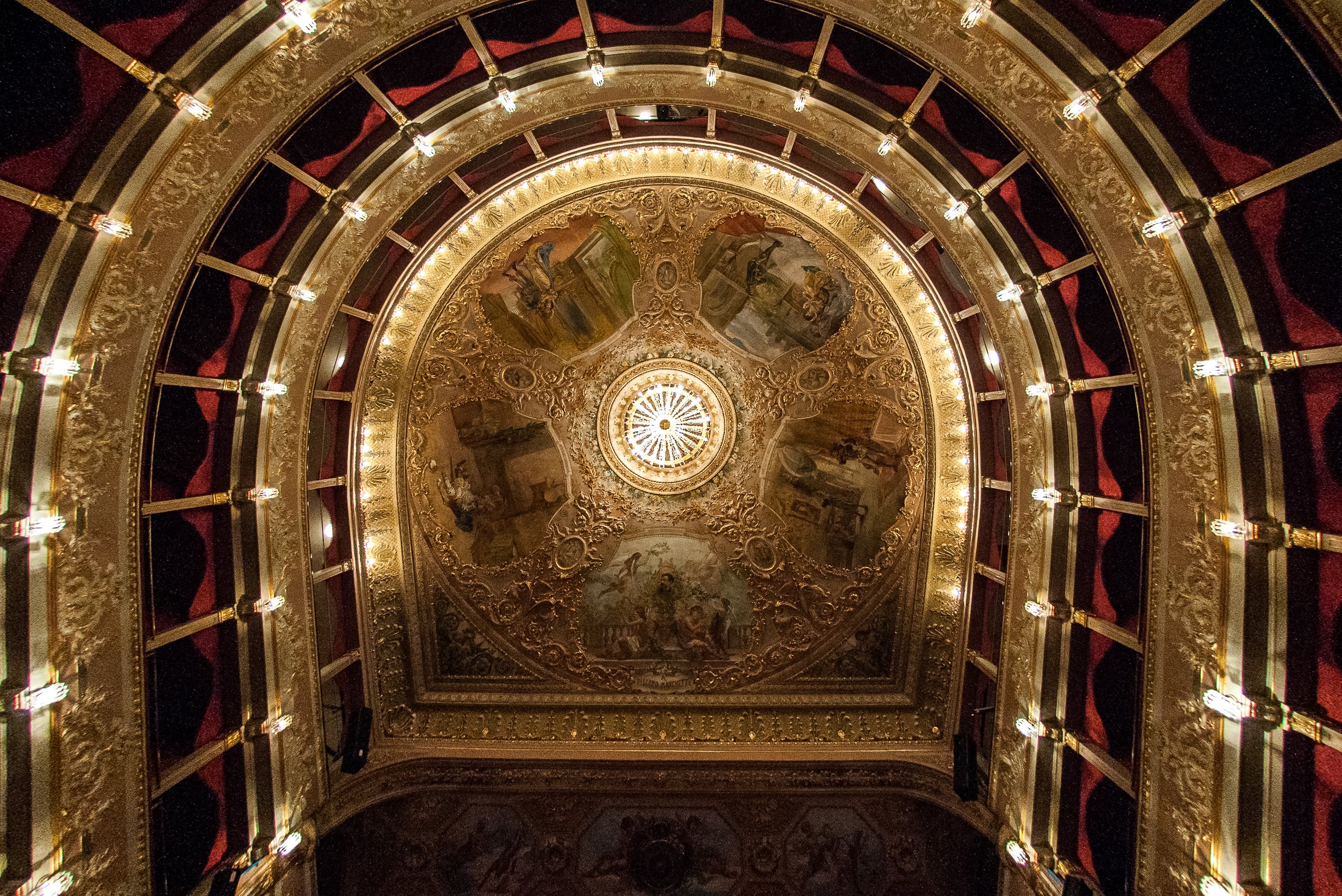
In Abruzzo, the Teatro Comunale ‘Nazzareno De Angelis’ in L’Aquila reopened on 17 November, 17 years after the earthquake of 6 April 2009 brought down its foyer ceiling and toppled the cornice on its façade. The neoclassical theatre, which first opened in 1873 with a masked ball, has 600 seats in the main house; its restoration cost more than €25 million. Culture minister Alessandro Giuli called the reopening “a promise kept”. It is a fitting gift in the year L’Aquila is Italy’s Capital of Culture – and a measure of how long these things take.
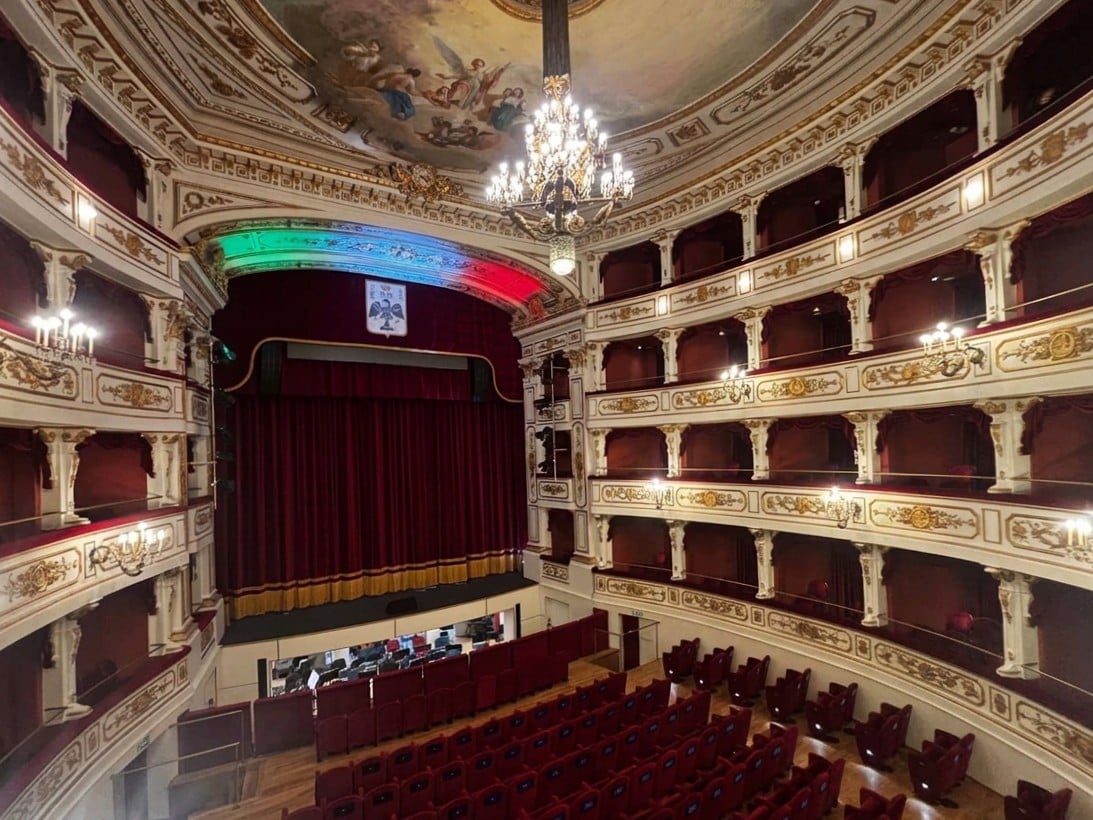
Naples: the Sannazaro after the fire
The year’s worst loss came in Naples. In the early hours of 17 February, fire swept through the Teatro Sannazaro, the 180-year-old home of Neapolitan comedy. The dome collapsed into the stalls, families in neighbouring flats had to be evacuated, and early estimates put the damage at €60–70 million. Prosecutors opened an investigation into the cause.
Within a month, the Ministry of Culture announced that the state would buy the theatre to guarantee its future. In the meantime, the company has moved its 2026/27 season to the Teatro Mediterraneo. Naples mayor Gaetano Manfredi said the aim of bringing the theatre back to its historic home “remains firm”. Nobody has yet put a date on it: the rebuilding of La Fenice in Venice took eight years, and Bari’s Petruzzelli was dark for 18.
Opera houses in the builders’ hands
Some closures are planned, which does not make them painless. Bologna’s Teatro Comunale, built in 1763, has been shut since November 2022, when the last performance of Lohengrin ended. The company has spent more than three years at the Comunale Nouveau, a temporary home at the BolognaFiere exhibition centre. The original plan was to reopen in the first half of 2026; it is now set for 14 February 2027, and the theatre has been appealing to private sponsors to pay for extra work on the historic Bibiena auditorium. The Bibiena family was a multi-generational Italian dynasty of Baroque and early Neoclassical architects and stage designers who transformed European theatre design across the 17th and 18th centuries
In Sicily, the Teatro Massimo Bellini in Catania closed on 11 May for safety work due to last until 31 December. The €1.3 million project covers fire prevention, new systems and better escape routes – including a new emergency exit on the fifth tier, so that every seat at that level can be sold. A further €3.3 million façade restoration is expected to follow. Meanwhile opera and ballet have moved to the Teatro Metropolitan. The theatre’s superintendent, Giovanni Cultrera, says the work will put right four decades of problems; the 2027 season is due to open back at the Bellini in early March.
Reopened – and shut again
Lecco’s Teatro della Società shows how messy it can get. After about eight and a half years of closure and renovation, it reopened in November 2025 and was used until July. In September, the new mayor, Filippo Boscagli, announced it was closed again, saying safety could not be guaranteed until work on the box office, stalls, boxes and stage was finished. The prose season was frozen and ten autumn events had to find other venues. The case has become a political row – the opposition insists the theatre was safe – and a legal one, with the council settling a dispute with the restoration contractor.
Smaller venues are just as exposed. In June, the Teatro Roi in Cavazzale, near Vicenza, was closed with immediate effect after inspectors found it had no emergency plan and was missing other safety certifications.
The earthquake belt
The deepest pool of dark theatres is in central Italy. The Marche has 62 historic Italian-style theatres, built between the 18th and 19th centuries – a density unmatched anywhere else in the country – and in July, eight of them were included in UNESCO’s World Heritage listing of central Italy’s ‘condominio’ theatres (theatres built and owned through a collective public-private partnership). But around 20 of the Marche’s historic theatres are still closed and unusable because of damage from the 2016 earthquakes.
Reconstruction money is trickling through. Muccia’s Teatro Leopoldo Marenco has been allocated €3.61 million, and Sant’Ippolito, near Pesaro, has secured €850,000 for its former municipal theatre, unusable since an earlier quake in 1997 and further damaged in 2016. Montefortino’s Teatro Comunale reopened in the spring after seismic strengthening.
Emilia has its own scars. The Teatro Comunale of San Felice sul Panaro, one of the seven historic theatres in the province of Modena, was so badly damaged in the 2012 earthquake that it never reopened; restoration work has now begun. Floods are a newer threat: the Teatro Comunale in Conselice, near Ravenna, has been closed since the floods of May 2023, and work on its €1.19 million recovery started only this week – partly paid for by a fundraising campaign.
Who pays?
In the end, it comes down to money. Emilia-Romagna this autumn launched a fund to bring back historic theatres and cinemas that have been closed for more than eight years – but the pot is just €330,000, a fraction of what a single restoration costs. And some cases seem stuck for good: Rome’s Globe Theatre in Villa Borghese, Gigi Proietti’s timber replica of Shakespeare’s Globe, has been sealed off since a staircase collapsed in September 2022, injuring 12 people, and the city has discussed demolishing and rebuilding it.
The reopenings of 2026 prove these buildings can be saved. What they also show is that, in Italy, saving a theatre is usually measured not in months but in decades.
Back in Nottingham, the New Theatre has now been dark for three years – long enough for a whole cohort of students to arrive, study and graduate without ever performing on its stage. If the Italian experience teaches anything, it is that a theatre left empty rarely gets cheaper to save. The campaigners will be hoping it does not take decades there too.