
Review: Birmingham Royal Ballet’s Luna – “as weak as things can get”

Matthew Paluch sees Birmingham Royal Ballet in Luna by five female choreographers – “I feel a heady combination of frustration, indifference and doom”
| Title | Luna |
| Company | Birmingham Royal Ballet |
| Venue | Sadler’s Wells, London |
| Date | 23 October 2024 |
| Reviewer | Matthew Paluch |
Indulge me. I imagine that Dame Ninette de Valois, founder of the Royal Ballet companies and school would be happy that Carlos Acosta is at the helm of Birmingham Royal Ballet. I also believe she’d be overjoyed that the company’s latest work Luna is about women by women.
What I don’t think she’d be as joyful about is the standard of the choreography, or the fact that it’s meant to be considered acceptable by a company of this level performing at a venue of Sadler’s Wells stature – because it isn’t by a longshot.
Luna is the final work in a trilogy commissioned by Acosta. I haven’t had the pleasure of seeing the first two episodes (City of a Thousand Trades, Black Sabbath), but I’d assume all involved want Luna to be considered capable of standing on its own.
The premise is promising. It takes its inspiration from Once Upon a Time in Birmingham: Women who Dared to Dream – a book by Louise Palfreyman that acknowledges and celebrates 30 pioneering women from the great city, but I’m afraid that’s where the positivity stops. Actually, that’s not quite true – I was impressed with the female dancers of the company, all dancing with presence, power, and tangible physicality. However, Luna as a work is about as weak as things can get.
Acosta commissioned an all-female creative team, including original music by Kate Whitley. One piece and five choreographers immediately say alarm bells to me, and what we end up with is six different sections spread across two acts. What I mostly found was badly structured, empty dance that didn’t say much, verging on nothing in relation to Palfreyman’s original quest.
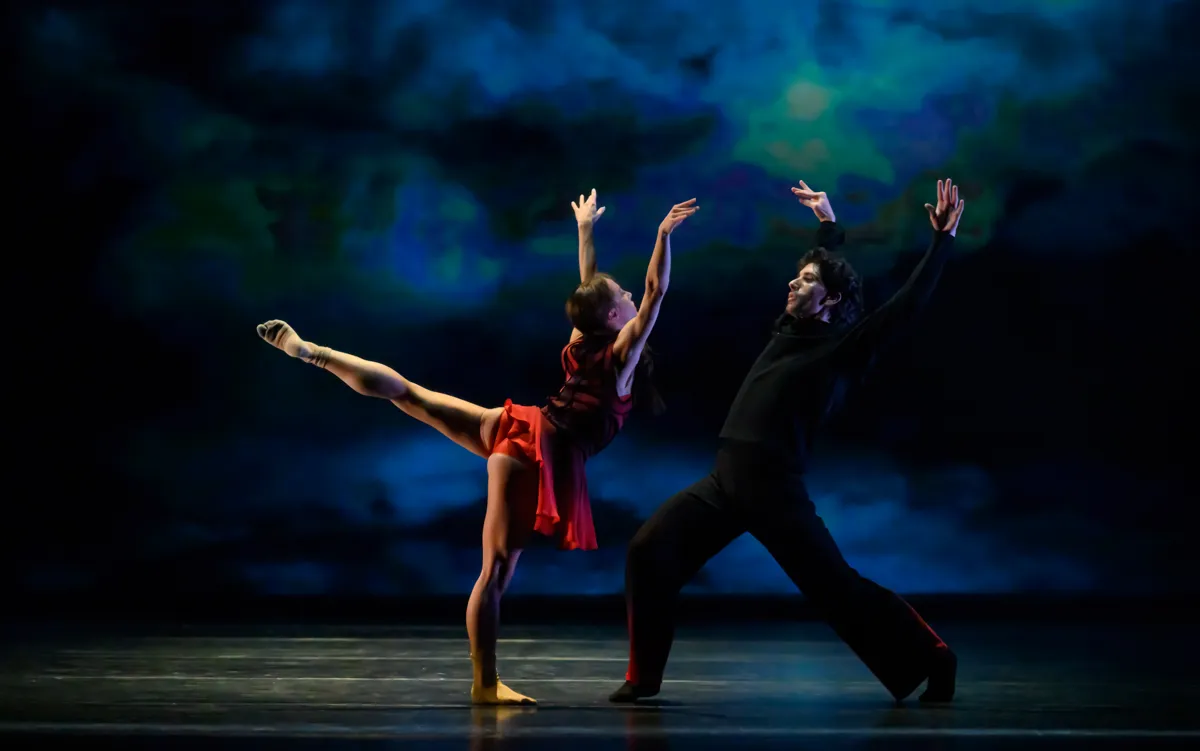
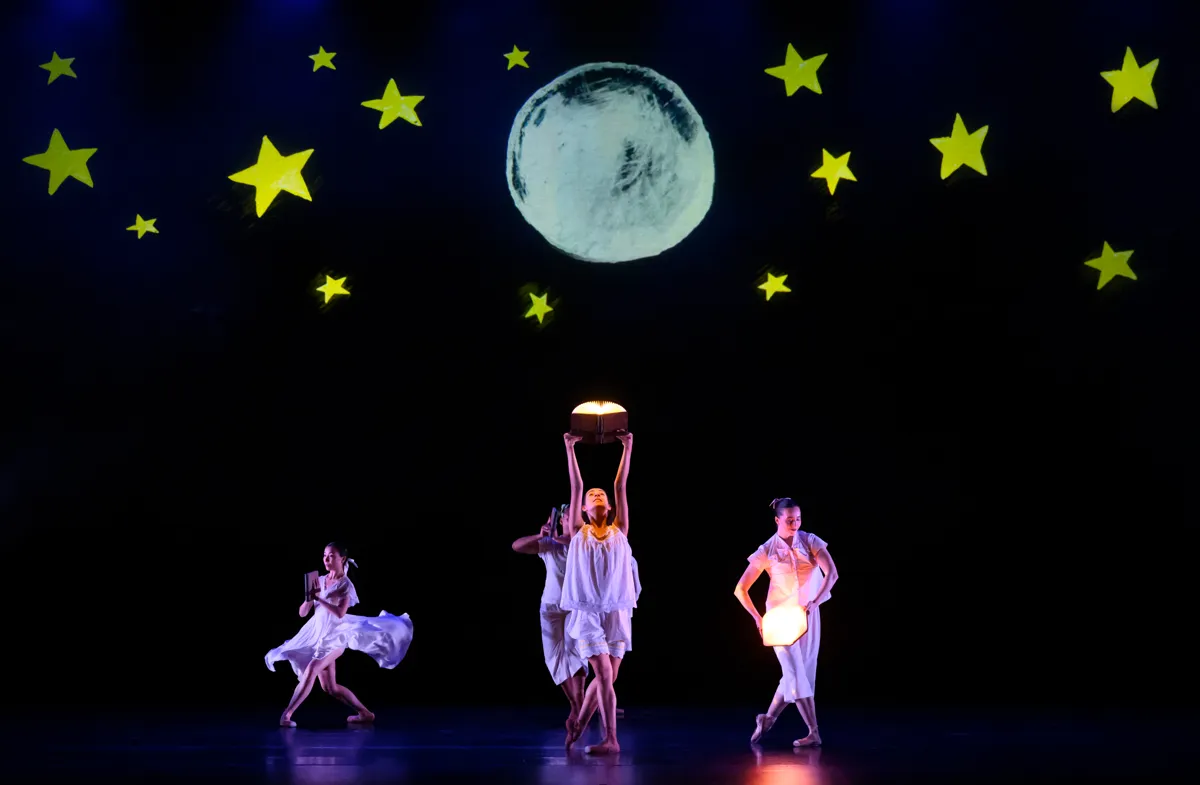
BRB is a touring company so Luna has no physical set. Instead, the evening features a backdrop of video designs by Hayley Egan. They’re inoffensive screensavers lacking any major gravitas, yet they don’t annoy or overly pull focus away from the ‘dance’, so that’s a sort of win.
The work also features a choir of young people. In fact, they open the evening which immediately takes it to a weird place – is this a children’s ballet? A community project? It could be considered a very high-level offering coming from the company’s Education Department, but as a mainstage commission it’s the exact opposite.
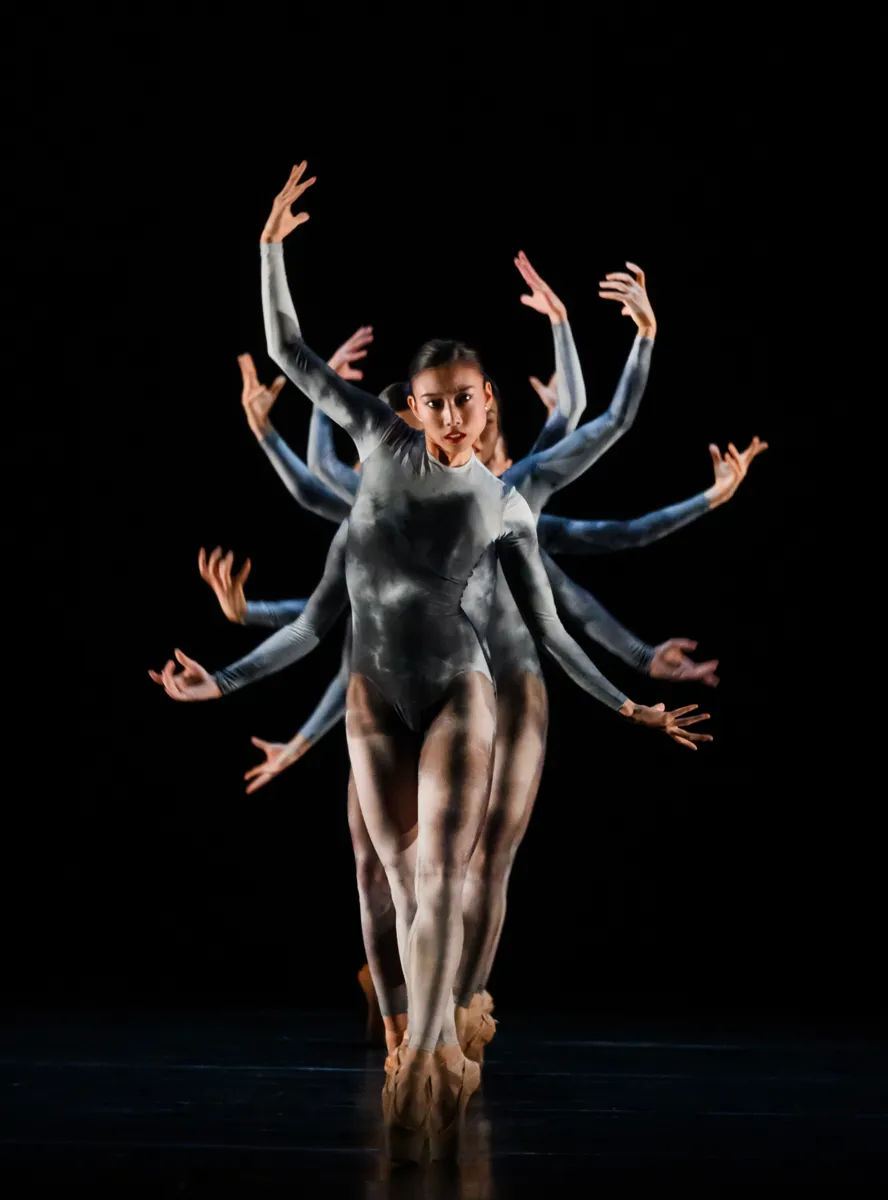
Of all five choreographers, Wubkje Kuindersma’s work is the strongest. She has created the opening and closing sections, and after watching the final one you realise her language is similar in both with the addition of pointe shoes to close the ballet.

Kuindersma works a lot in Amsterdam, and this is detectable in her lexicon. Terra, her choreography for the large group, is what I’d call ‘European’. This is a loose statement in both meaning and nature because European ‘work’ tends to be just so. Meaning that one often finds similar pieces, lacking in obvious language identity wherever you go throughout the continent (and farther afield!). It’s the lost child of the former generation (van Manen, Kylián et al) that works for the masses because they think they recognise it, and don’t necessarily know any better.
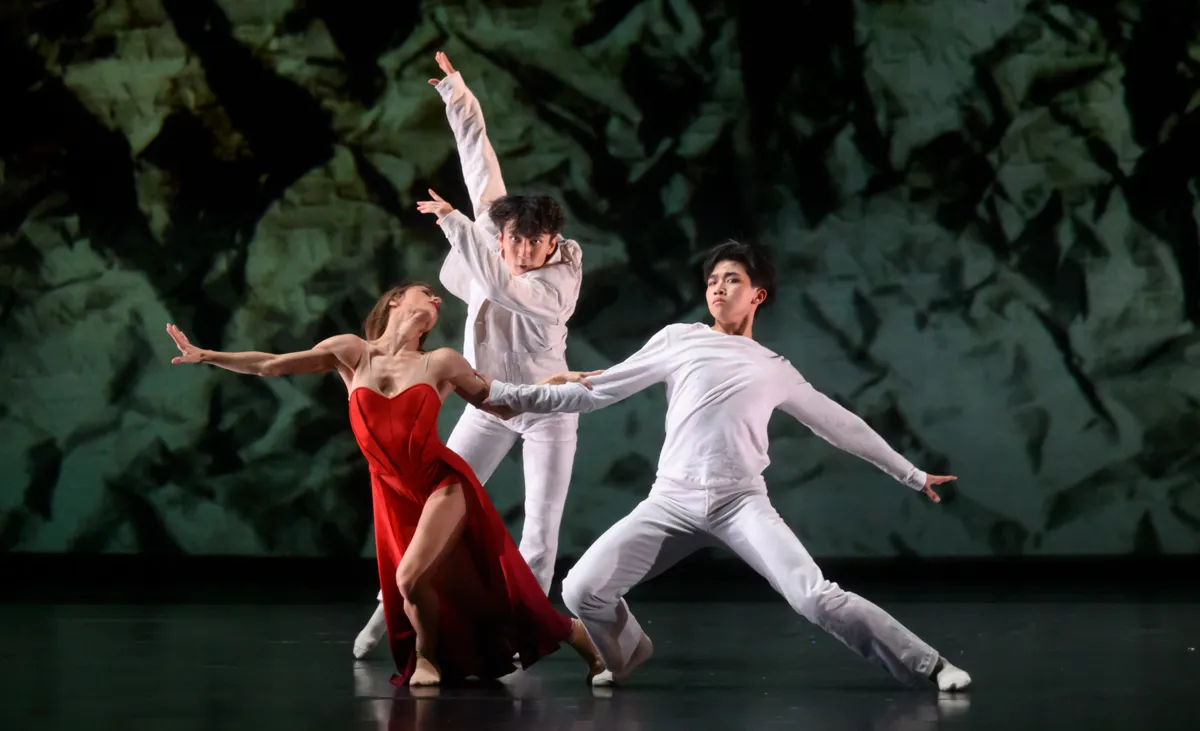
Men are men; women, women. There’s lots of partnering where the women are either in a form of suggested ecstasy or being stretched like a rag doll. Deep chasse abounds, neoclassical wafty arms are de rigueur and there’s a permanent facial expression placed somewhere between being lost and in pain.
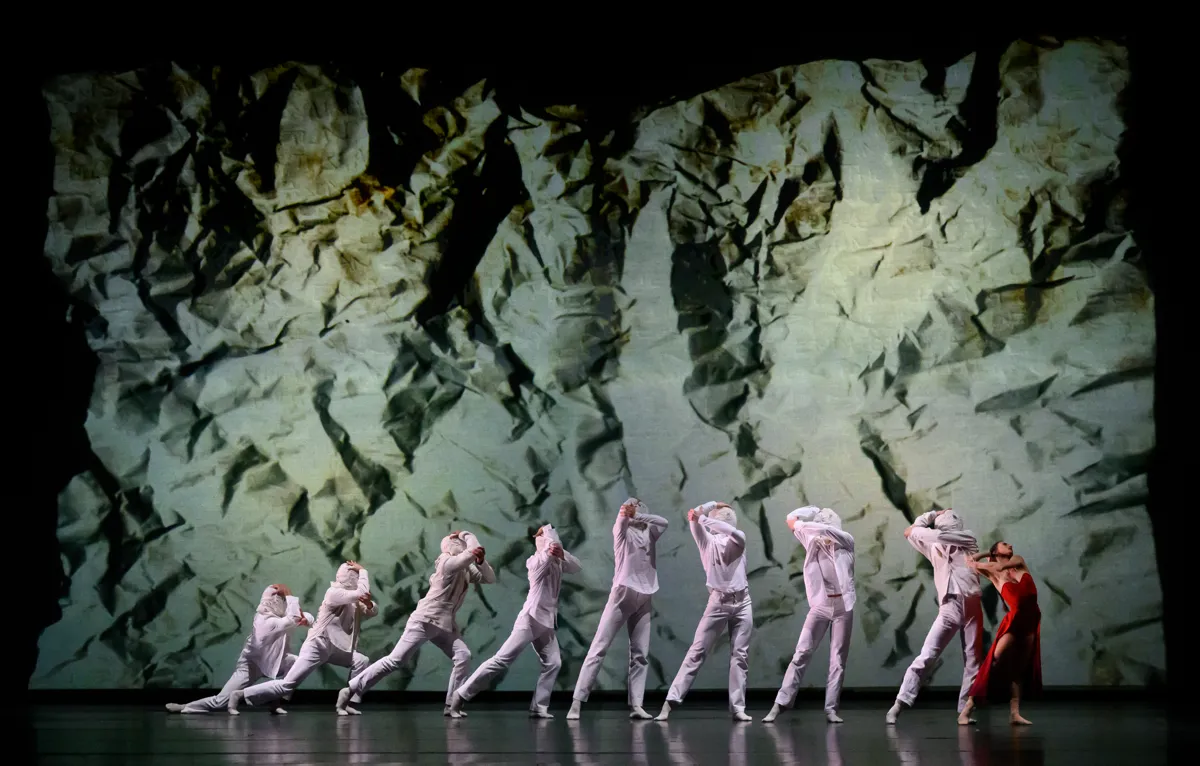
Kuindersma definitely gives the dancers something to do, but her structural capabilities leave a lot to be desired. Eight couples in relentless unison isn’t interesting in my book, and it also doesn’t allow for any level of serious analysis to take place, because it can’t. The environment is like the inside of a washing machine – round and round it goes, never stopping to consider the value of stillness, form or subtlety.
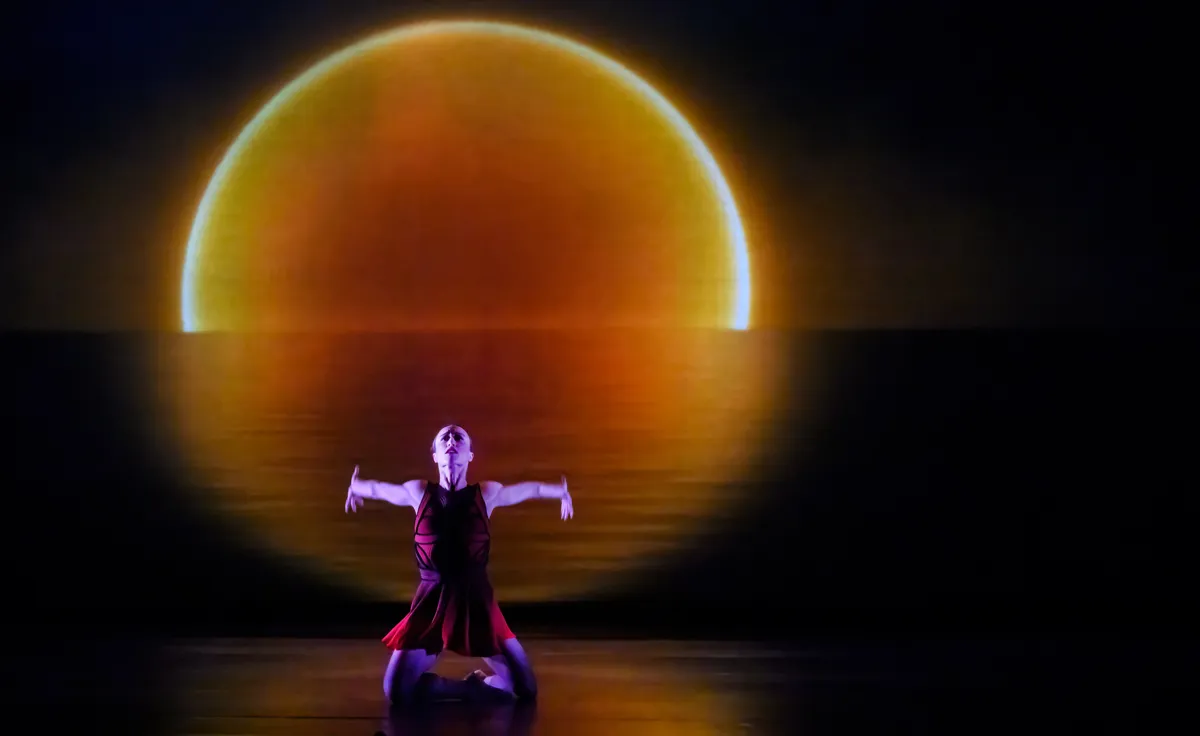
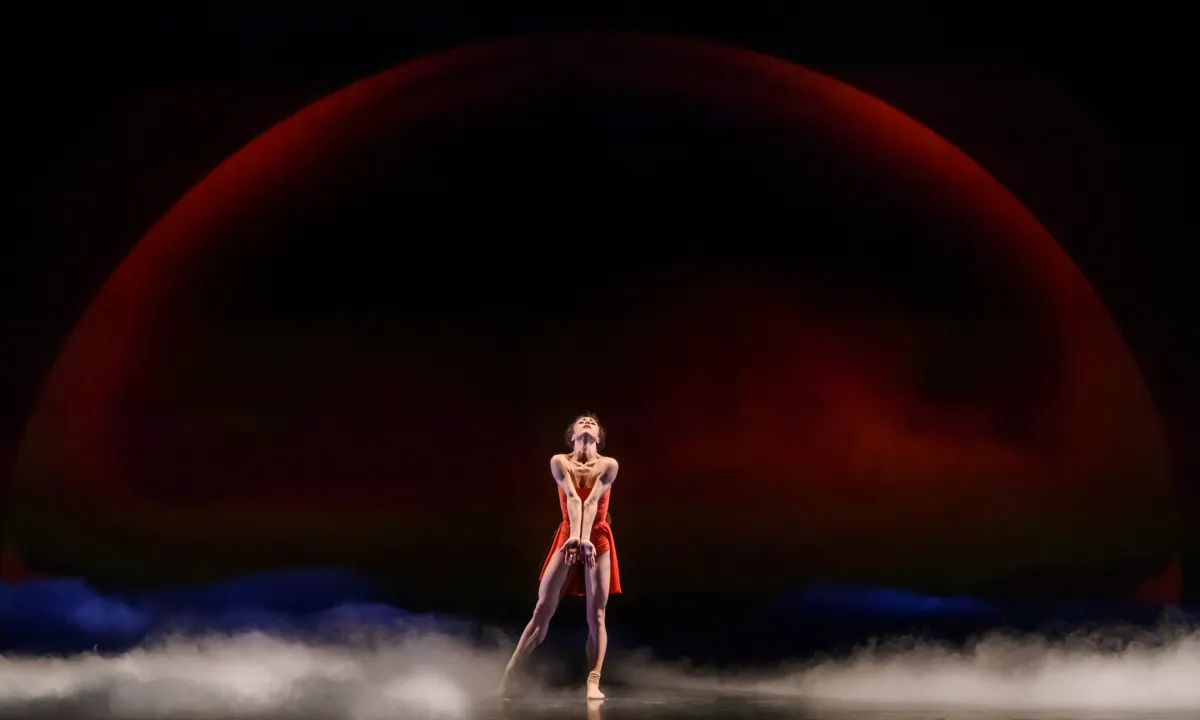
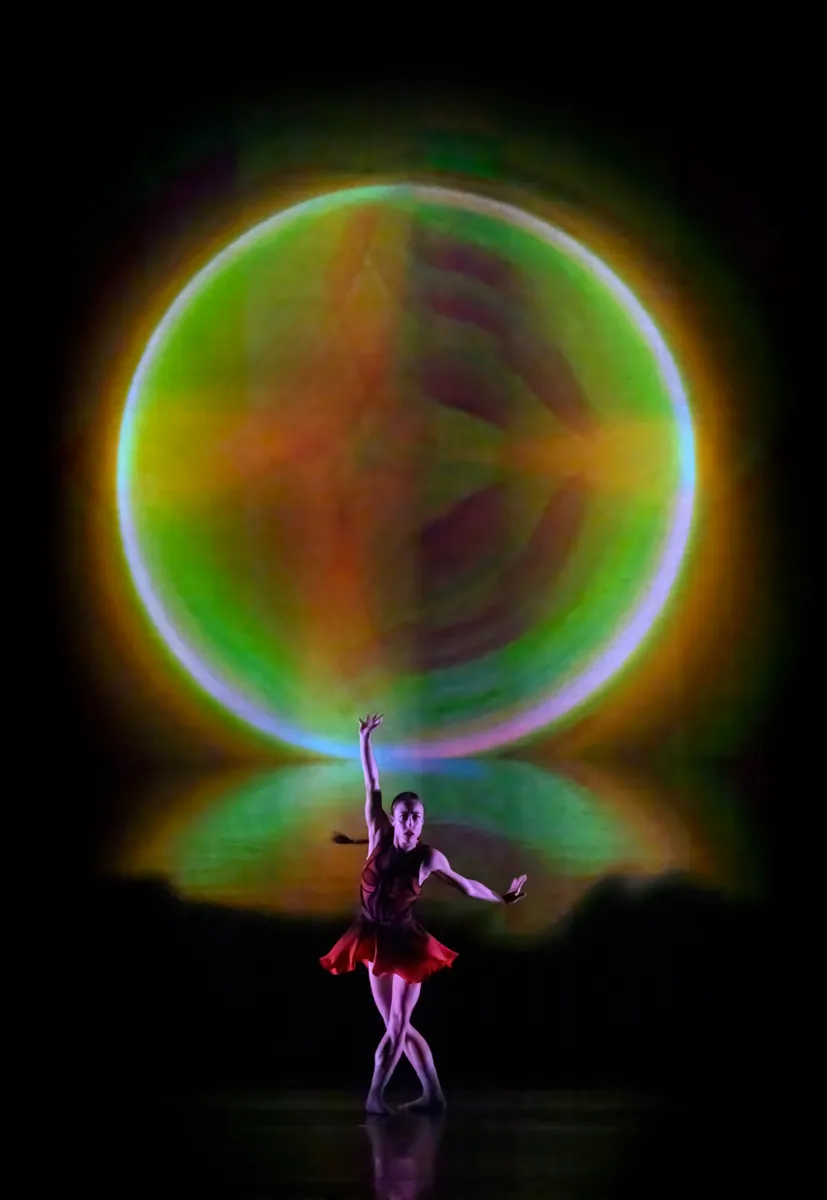
And she isn’t alone. Unwavering by Thais Suarez and Empowerment by Arielle Smith suffer similar fates. Smith’s scene is reminiscent of an orange vortex where lots of nothing happens. One solo woman is joined by seven others who all move in an elegant, neanderthal manner which takes us precisely nowhere.
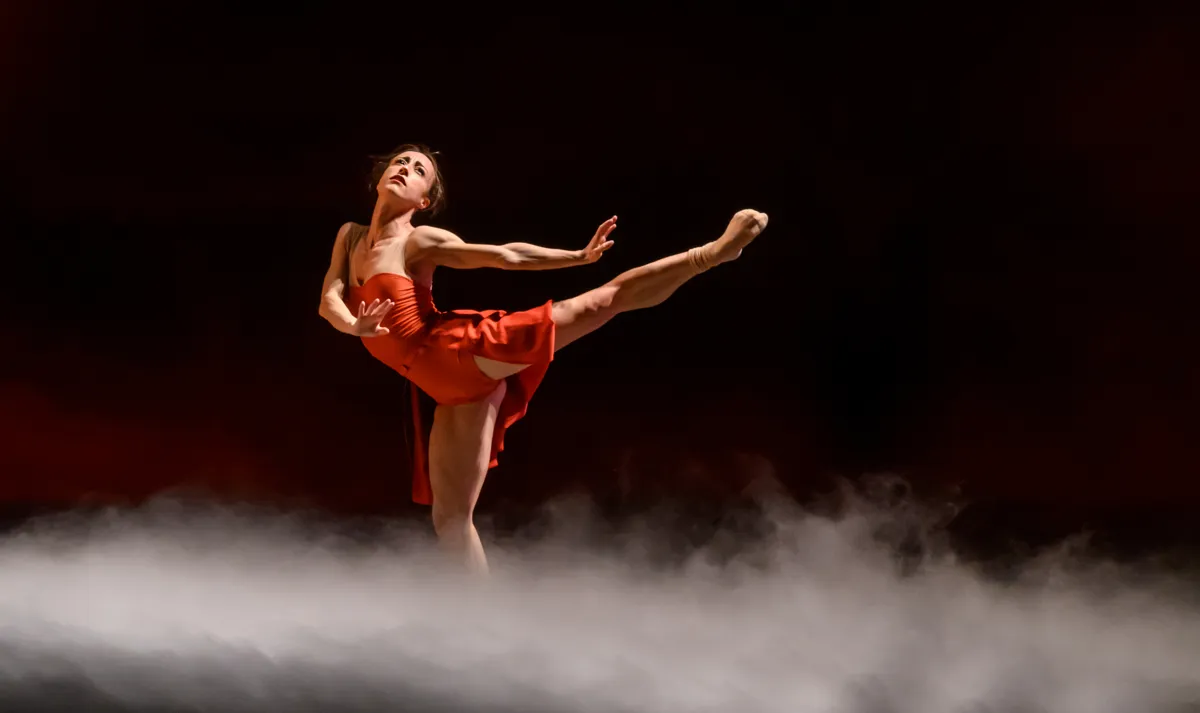
Suarez uses Gabriel Fauré, which is pleasant but also a mistake, as if one has seen Kenneth MacMillan’s Requiem that’s all you see, especially during the Pie Jesu. Beatrice Parma is absolutely dancing for her life but is destined the same fate – endless movement becomes empty very quickly, especially when it’s largely concerned with hyperextension. Nice to have singers on stage though, even if it feels a bit Sarah Brightman in look.

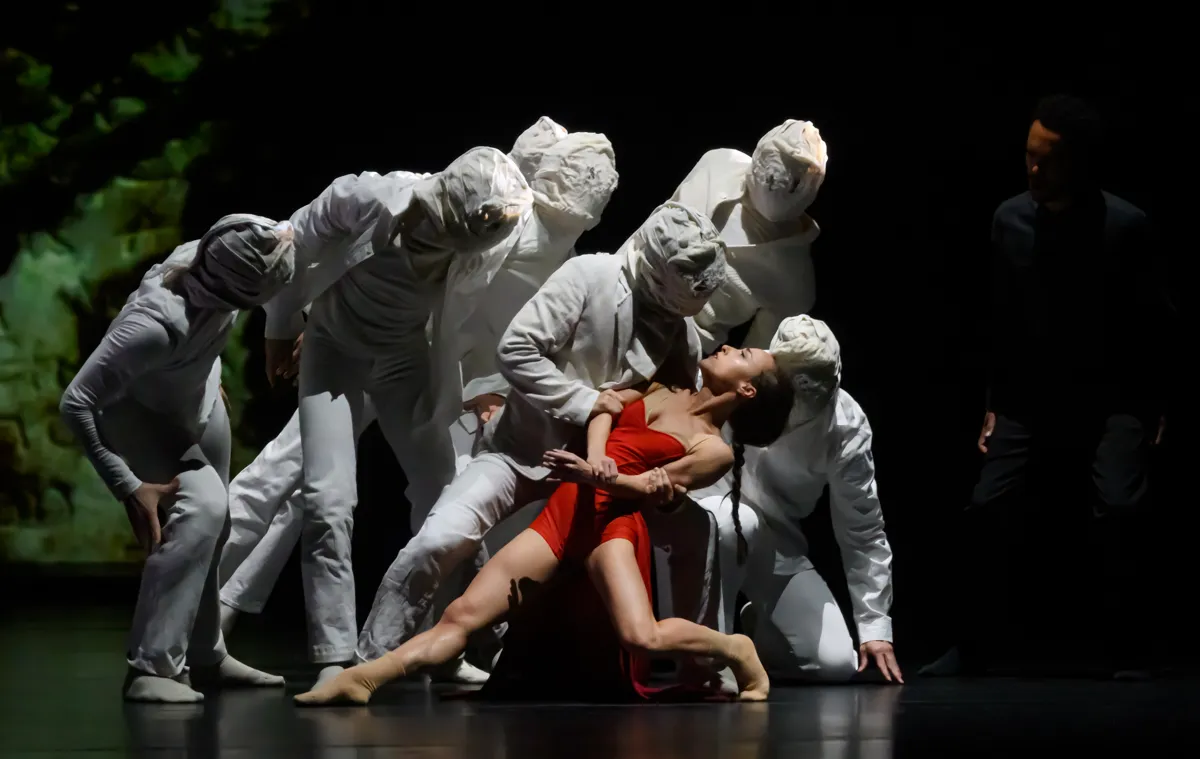
Parma returns in Overexposed by Iraxte Ansa which sees her being reservedly traumatised by eight mummified men. Does anyone know what’s going on? Does anyone care? The whole thing is a much watered-down version of The Judas Tree (MacMillan). Of course, the narrative doesn’t manifest in the same way, but a manhandling atmosphere feels present nonetheless. And Parma is on a hyperextension spin-cycle setting as before.


There’s an earlier section choreographed by Seeta Patel about the importance of education for women. And as vital as the subject matter is, what Patel offers is very difficult to take seriously. Smiley faces and light source books are the opener before we go to random places like thanking the NHS (supported by a surgical mask and extracts from the theme to Casualty by Composer Ken Freeman!?) and a nondescript demonstration. I could’ve done with some medical attention during the experience myself. Mental health focused.
As you’ve probably gathered it’s an overall no from me, but it’s also very much an “is this really where we’re at?” BRB at Sadler’s Wells presenting this kind of work in all seriousness…
I feel a heady combination of frustration, indifference and doom. Frustrated that this is the level of work being produced. Indifference towards the mass acceptance that it’s not bad enough to be run out of town. And doomed because Jennifer Homans was right after all. Long story short – the Epilogue of her 2010 book Apollo’s Angels: A History of Ballet was basically an essay on how the evolution of ballet is dead because we don’t have any master choreographers to forge the unknown path forward.
I used the conclusion of my own thesis to dispute her damning forecast. Yet here we are in London, 2024, and it’s all feeling very “I told ya so”. I wonder if Homans has a remedy…



Matthew Paluch was awarded a place at The Royal Ballet School in 1990 where he graduated in 1997. His first four years as a professional dancer were spent working with London City Ballet, Scottish Ballet, K-Ballet and English National Ballet, becoming a full-time member of ENB until leaving in 2006.
Matthew graduated from the Royal Academy of Dance, Professional Dancers’ Teaching Diploma in 2007, and was formerly on faculty at The Royal Ballet School. He completed his Masters in Ballet Studies at Roehampton University in 2011, has been a freelance writer since 2010 and currently works in the Law Sector.
He is a member of the Dance Section of The Critics’ Circle.





Wow! I was quite distressed to read Jennifer Homans epilogue and hoped it wasn’t a look into the future. I remain an optimist though and hope that this is a glitch. There are choreographers out there that promise a future though. With such a review, I’m not tempted to want to see this.
Matthew, this is brilliantly expressed. Damning, but delightful! Thank you (again) for cogent criticism.
I did see “City of a thousand trades”. It was like something “Diversity” (from “Britains got Talent”) would have done, but worse. Awful. And I really like BRB-usually. You didn’t miss a thing.
This is absolutely on the money. Completely sums up how I felt throughout the piece. To add the music was absolutely dreadful also. Meandering, directionless dirge. The use of Faure and Beethoven was stomach churning. This world class dance company deserves so much better.