Review: Mixed ‘Encounters’ – contemporary ballet remains alive at the Opera House

Kathrina Farrugia-Kriel sees The Royal Ballet’s ‘Encounters: Four Contemporary Ballets’ – “Tanowitz masters the art of creating ballets that keep their audiences engaged.”
| Title | Encounters: Four Contemporary Ballets |
| Company | The Royal Ballet |
| Venue | The Royal Opera House, London |
| Date | 22 October 2024 |
| Reviewer | Kathrina Farrugia-Kriel |
Gallery of photos for all four ballets below
The Royal Ballet‘s contemporary ballet programme, Encounters: Four Contemporary Ballets, brought together a range of North American choreographers (Kyle Abraham, Pam Tanowitz, and Crystal Pite) and Joseph Toonga, whose affiliation with The Royal Ballet began in 2021. On paper, this was a mixed programme which should have delivered a range of voices, tones and textures in ballet. Musically, the programme delivered; choreographically, this wasn’t always the case.
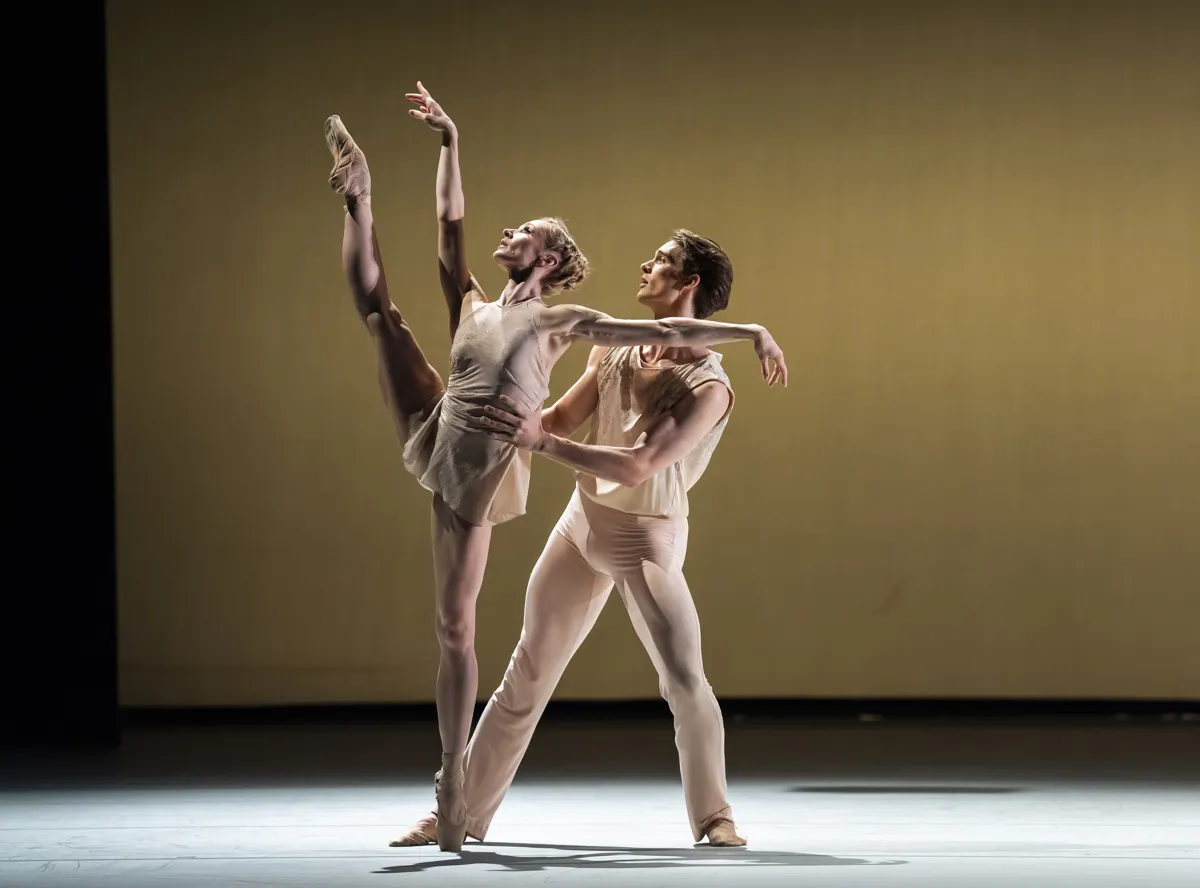
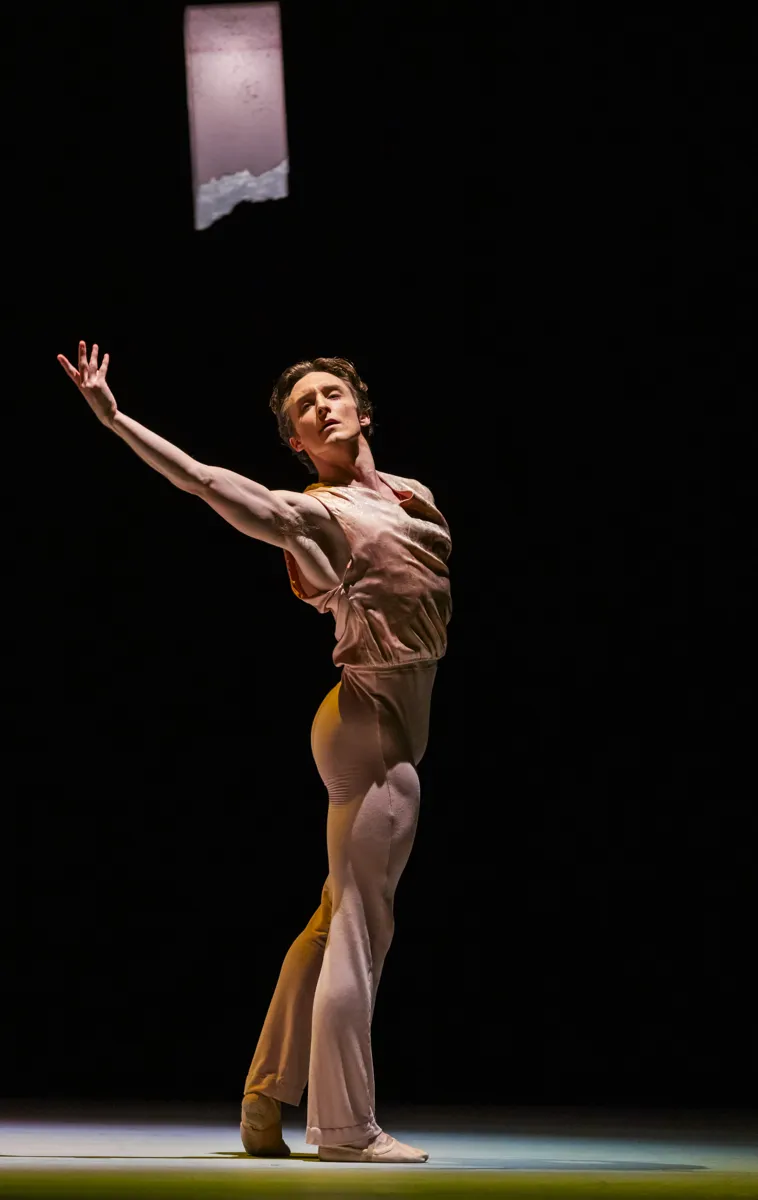
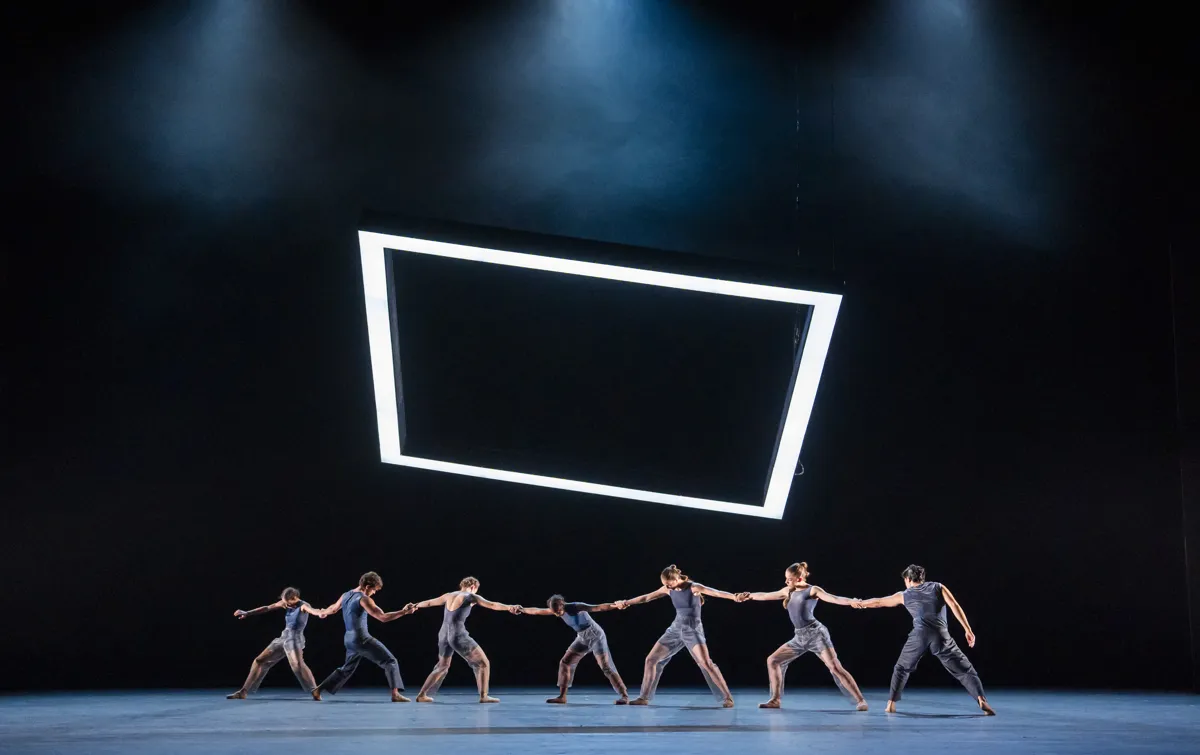
The opening ballet, Kyle Abraham’s The Weathering, returned after its 2022 premiere. I wasn’t keen on this ballet in its first season and, on second viewing, the work retains its lukewarm characteristics. The choreography in The Weathering seems to amble around, with its formalist shapes that reflects little of Abraham’s ambitious flair for choreography. Melissa Hamilton, Lukas B. Brændsrød, and Sae Maeda offer stellar presences, but the material remained rather safe. The work shifts into gear at the end of the ballet, when Joshua Juncker’s solo truly begins to unlock some of the brilliance of Abraham’s usual signature moves typical of his innovative ‘contemporary ballet’ works, such as New York City Ballet’s The Runaway (2018) and Love Letter on Shuffle (2022). London audiences were treated to the urban-infused ballet Love Letter earlier this year during NYCB’s visit to Sadler’s Wells.

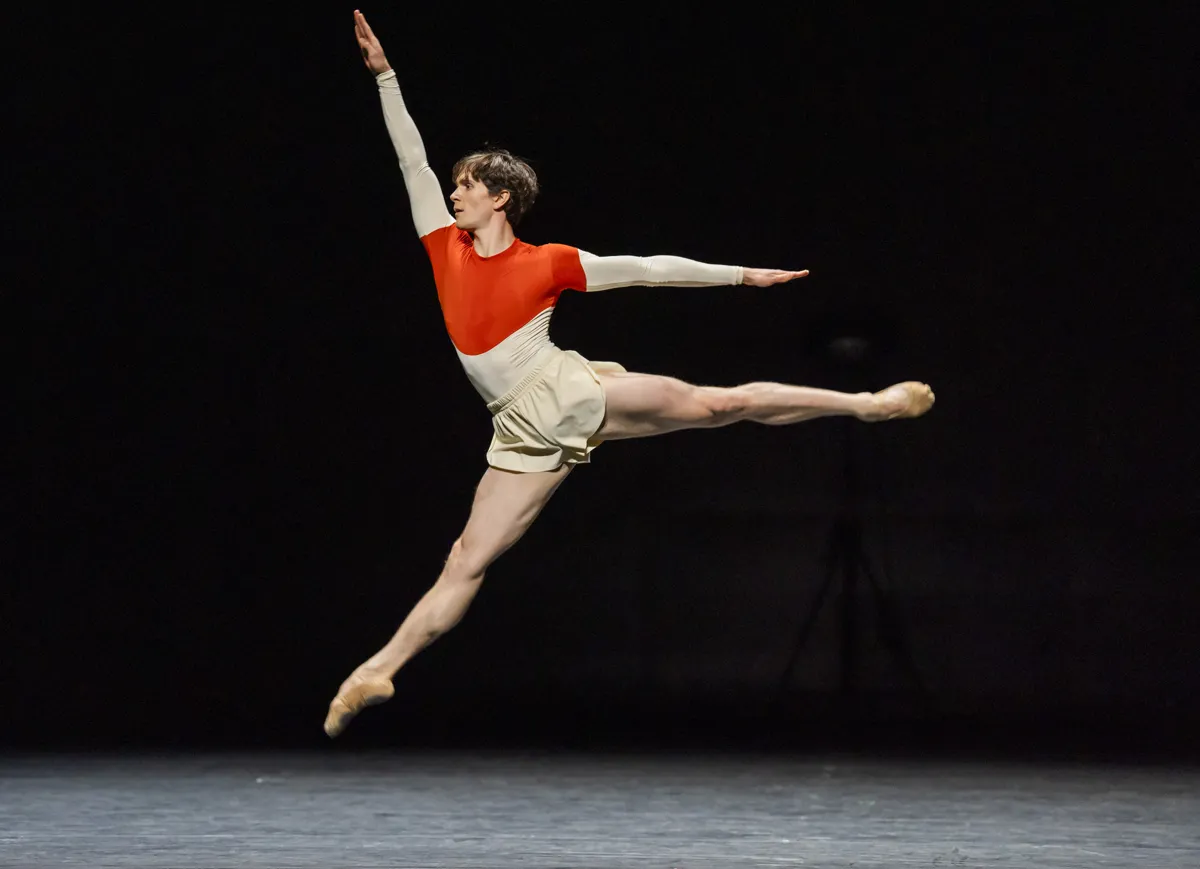
What The Weathering lacks in flair and interest, Pam Tanowitz’s new commission, Or Forevermore, makes up in curiosity, charm and panache. Dressed in a red velvet tracksuit (with ‘PT’ in bright gold) Anna Rose O’Sullivan’s entrance in front of the drop curtain began a series of moments which remind us about theatre conventions (and what could be broken). Tanowitz plays with the pas de deux (O’Sullivan is a good match for William Bracewell) as the dancers move between a serious attempt at their technical prowess and spoofy moments (which aren’t really there for humour, but for pointing out the more ‘serious’ conventions in theatre).
The twelve supporting dancers move through Tanowitz’s Cunningham-based vocabulary, which suits the Royal Ballet dancers immensely. The quirky score by Ted Hearne reminded me of Eric Satie’s Parade (1917) – from one moment to the next, the score surprised us with all sorts of quotations… drums, electric sounds, rock/pop music. The two-tone costume designs by Harriet Jung and Reid Bartelme, seasoned NYCB costumiers, brought colour to the black box setting of the ballet, and the ‘PT’ velvet jackets (the second time around both O’Sullivan and Bracewell wore black) made a tongue-in-cheek return. Everyone should have a ‘PT’ jacket – maybe this could be a retail hit! In all seriousness, Tanowitz (who in a podcast claimed she’s a ‘late bloomer’) is witty and charming in her approach. We are privileged to indulge in the frivolity of what supposedly works, remains undeveloped, or reaches its full potential in ballet. Tanowitz masters the art of creating ballets that keep their audiences engaged.

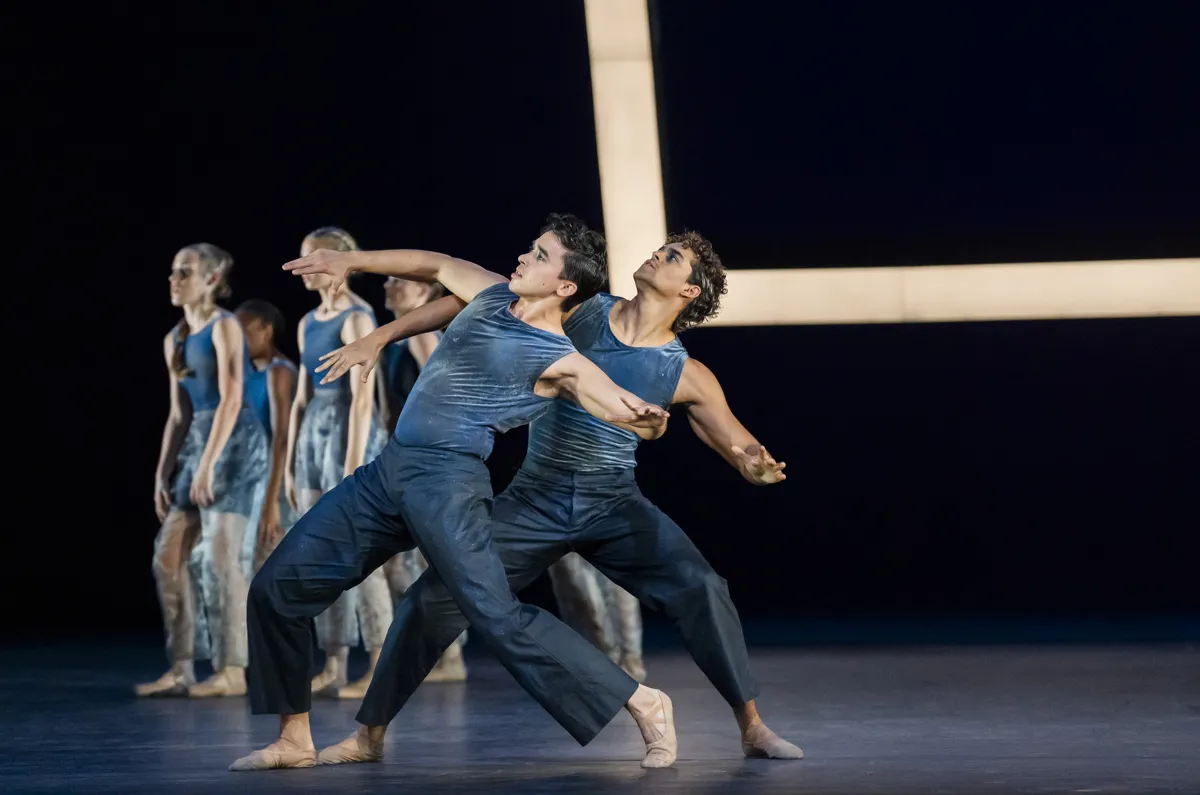
I would largely say the same about Dusk. Toonga’s urban dance background gives ballet an edge, largely in the upper body’s shaping and dynamics, less so in terms of the legwork. Marina Moore’s score offered a superb companion to Toonga’s structuring of the choreography, from its opening to the closing solos. Less could be said of the rather dated, and unflattering, costumes.

The closing piece, The Statement by Crystal Pite, is a 20-minute ballet that touches on the politics of governments, wars and accountability of actions. The cast (Ashley Dean, Joseph Sissens, Kristen McNally and Calvin Richardson) sublimely executed each movement, set to Jonathon Young’s spoken text, with on-the-mark timings, effort and shaping. Pite’s work challenges these four dancers to move into, through and beyond storytelling, which holds the viewer’s attention at the edge of their seat. I remember watching The Statement at home during the pandemic; it was engaging but not quite as memorable in that moment. Watching the performance unfold in the flesh on the Main Stage at the Royal Opera brought a visceral experience to the meticulous detail in The Statement – it was a worthwhile wait for the final piece.
As I walked back over Waterloo Bridge, I couldn’t help but wonder that, whether it’s safe, interesting or edgy, contemporary ballet remains alive at the Opera House. It was an evening at the ballet that certainly came as ‘mixed’ encounters!