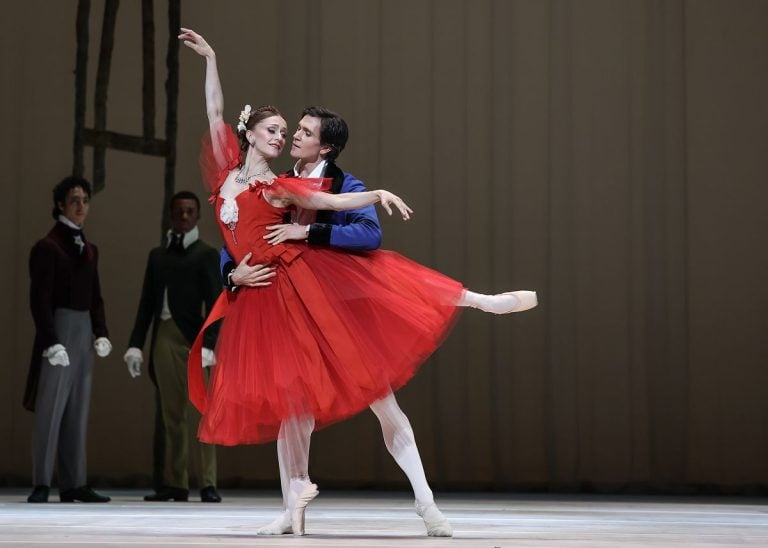
Review: Ballet Black’s Heroes at the Royal Opera House – “a joyous event ”
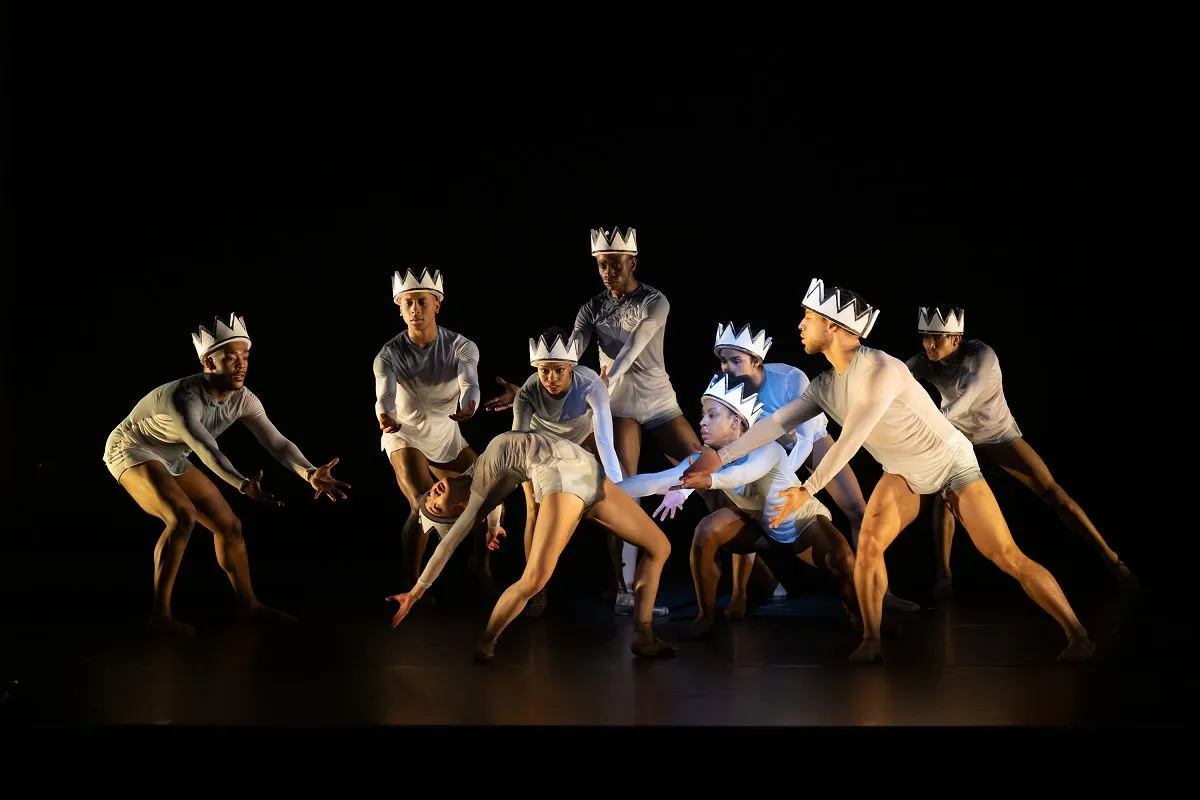
Kathrina Farrugia-Kriel sees Ballet Black’s Heroes at the Linbury Theatre, Royal Opera House – I can’t rave about this double bill, but this was a joyous event, nonetheless.
| Title | Heroes – If At First | The Waiting Game |
| Company | Ballet Black |
| Venue | Linbury Theatre, Royal Opera House |
| Date | 8 November 2024 |
| Reviewer | Kathrina Farrugia-Kriel |
Ballet Black returned to The Linbury at the Royal Opera House in London (07-10 November).
Descending down the stairs to the stalls, music filled the auditorium. The atmosphere was great, but any conversation in anticipation of the performance felt inaudible. This was also a much-awaited return of the company at the Opera House, and the audience was rooting for this pioneering company. I mention ‘pioneering’, as I wrote in my review last autumn, given this company’s significant achievements in the last twenty years. Alongside its visionary endeavours, Heroes (a double bill with choreography by Franco-British Sophie Laplane and South African Mthuthuzeli November) offers an interesting set of collaborations, some successful and others less so.
If At First, by Laplane, is a mixed sort of work. Threading various vignettes on the narratives surrounding ‘quiet’ heroes, the work feels idiosyncratic. Laplane offers an articulate programme note, which had I read before the performance – and I rarely do – I may have appreciated the shifts between the vignettes. But really, a work should rest on its own, without the need for programme insights. The opening moments of the choreography felt all too safe though Isabella Coracy can turn any mundane choreography into a stellar moment.
As the vignettes proceeded – dramaturgically overseen by creative consultant James Bonas, who has a stellar list of collaborations with ABT, Scottish Ballet and other larger companies – all the music and lighting changes felt a little overwhelming and the sound quality left much to be desired at times.
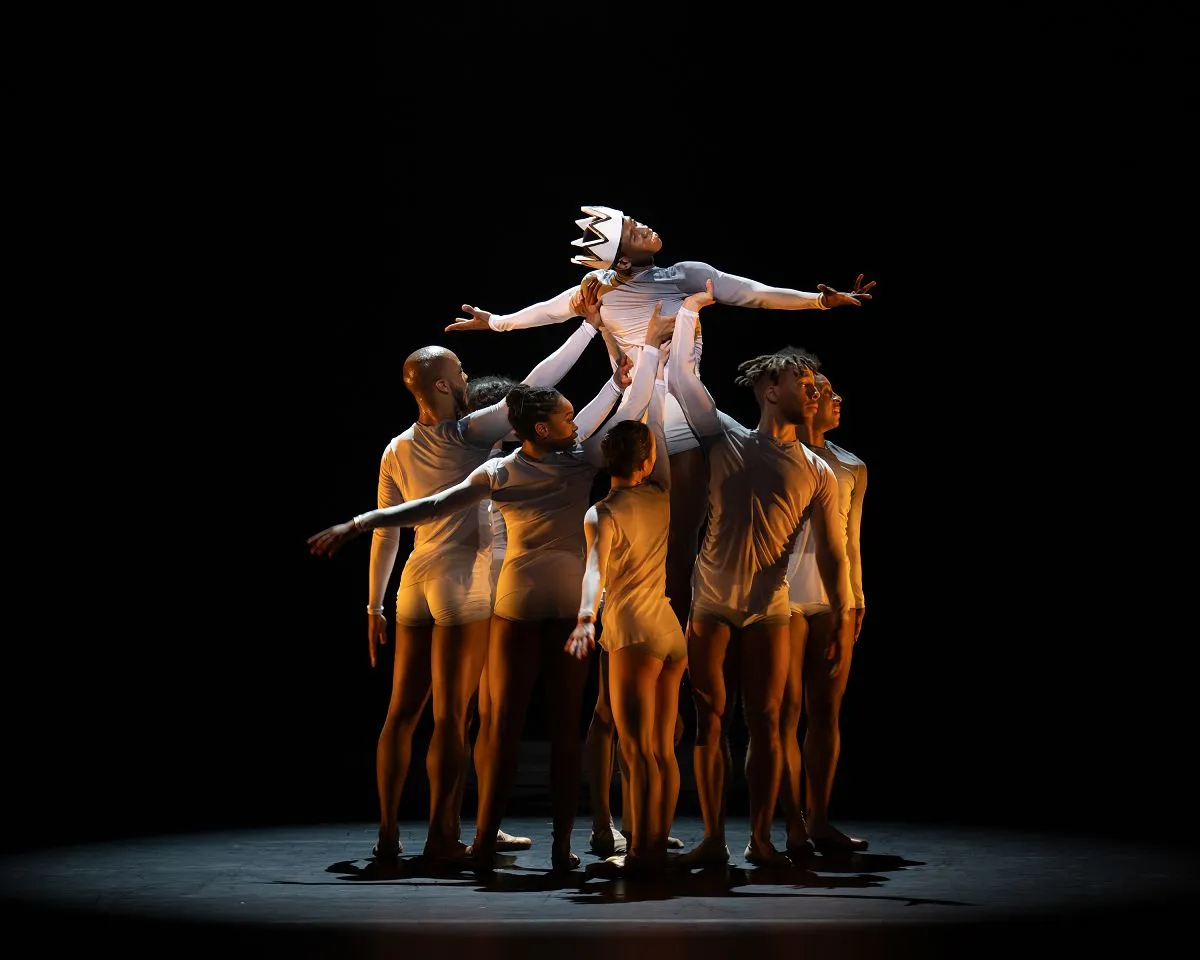
The dancers brought much conviction to the various solos, and group interludes. Some of the solos were somewhat forgettable, but its inconsistency is the most intriguing aspect of this new work. From its initial appearance as it descended onto stage, the crown appears as a metaphor for the detailed programme note offered by Laplane, but really, this icon – which multiplied as the work ended – was slightly redundant.
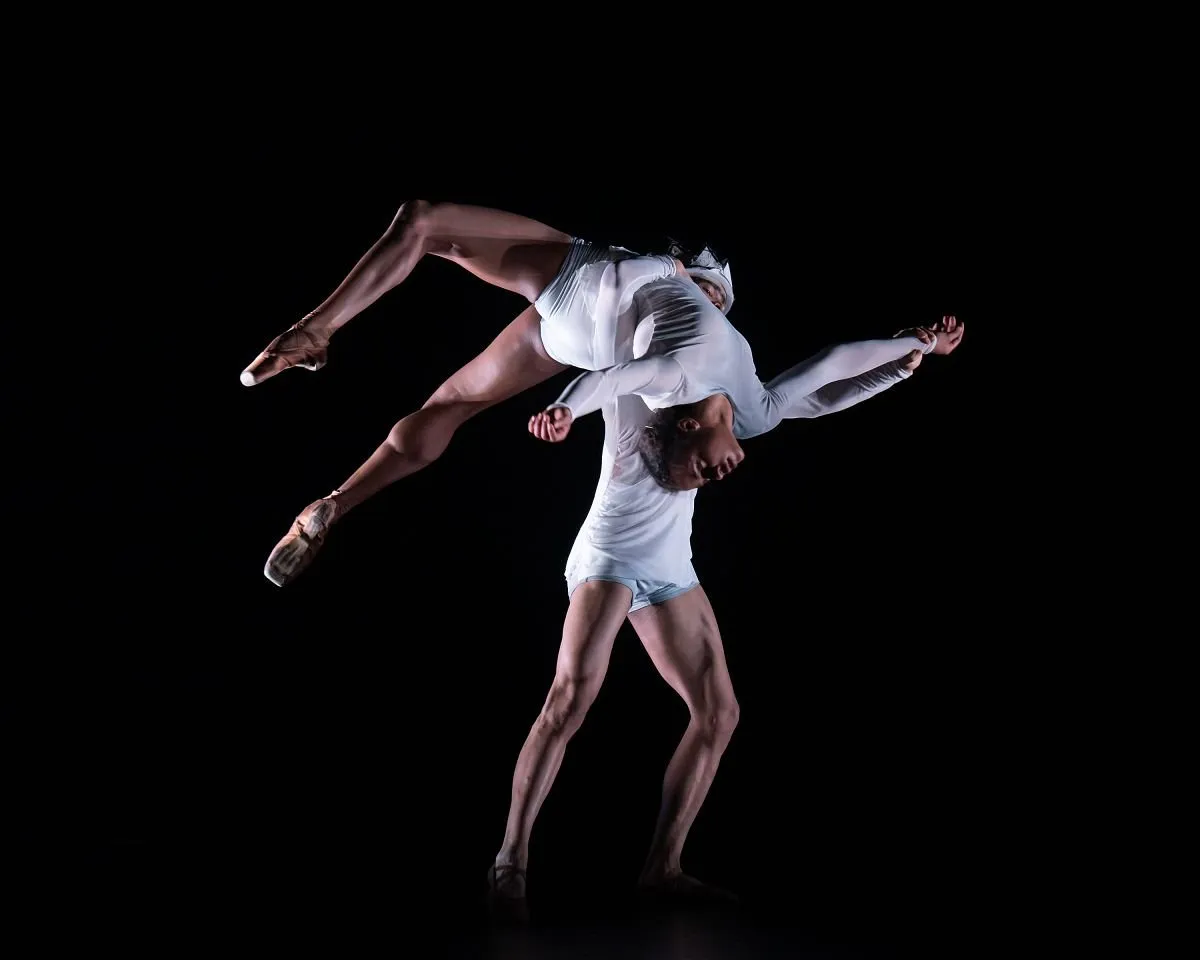
The most memorable duet, performed by Taraja Hudson and Helga Paris-Morales, concluded If At First. Laplane’s choreographic potential lies in this final duet, a sinuous and rippling command of the choreography which Hudson and Paris-Morales commanded with every inch of their physicality. The company pulls off If At First, with its robust quality and commitment to creating new ballets.


November’s The Waiting Game, created in 2020, returned to the company’s repertoire. There was some great storytelling in this revival, and Ebony Thomas – recent winner of ‘Best Dance Performer’ at the Black British Theatre Awards 2024 – shepherds the narrative that tackles November’s questions on existentialism.
The story sees Thomas and the dancers propel towards a coat – Thomas puts it on, and what ensues is a Beckett-inspired narrative of choreographic moments. Coracy, always on her ‘A’ game, leads the ensemble with panache (I recently heard this long-forgotten word on Netflix and this has stuck with me). Coracy leads through the door, generating metaphors of a ‘waiting game’. What The Waiting Game delivers is largely an entertaining, well-crafted ballet. It bears nothing on November’s more ‘mature’ works such as Ingoma (2019), also created for the company. Nevertheless, The Waiting Game offers a fast-progressing work that culminates in backstage habits as the dancers prepare for their next performance. November’s success here is that his story-telling capabilities are well-honed, enough to override the clichéd commentary in the voiceovers by the artists. The ensemble is the real hero/heroine by the end of the ballet, showcasing each dancer through the joyous and fun-affirming choreography. The sequinned jackets are a little excessive and flashy, but given the world news this week, I think sparkly jackets will do just fine. It’s a frivolous ending, but the audience applauded with heart.
As we exited The Linbury to more loud music, I couldn’t help but wonder that these heroes and heroines remind us that there is much joy to be experienced at the theatre. I can’t rave about this double bill, but this was a joyous event, nonetheless.