Review: Joburg Ballet in a mixed bill – Communion of Light
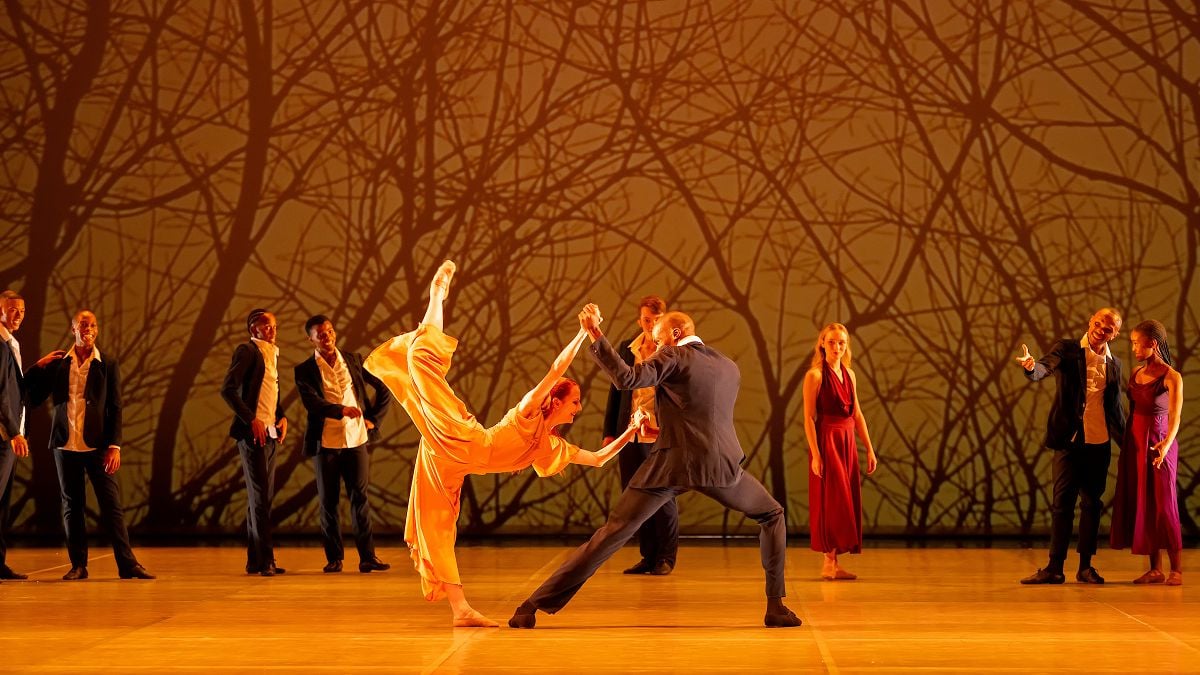
Lydia Wharf sees Joburg Ballet at the Royal Opera House’s Linbury Theatre in “Communion of Light” – a fulsome and very promising evening’s work.
| Title | Communion of Light |
| Company | Joburg Ballet |
| Venue | Linbury Theatre, Royal Opera House, London |
| Date | 30 October 2025 |
| Reviewer | Lydia Wharf |
Communion of Light is the inaugural programme of dance on the UK stage from Joburg Ballet under the interim leadership of Dane Hurst, a familiar and much-celebrated figure in UK dance. Hurst will formally take up the permanent role of Artistic Director with Joburg in 2026, so this first appearance at the Linbury Theatre is a good indicator of things to come. It’s also an exciting opportunity for the company to showcase a programme of South African work and to celebrate 30 years of democracy.
This mixed bill features work by both male and female choreographers, including Hurst himself, from the 70s to today, and it includes a real coup – a commission from the late Dada Masilo, created before her untimely death last year. Expectations are high and the Linbury is packed for opening night.
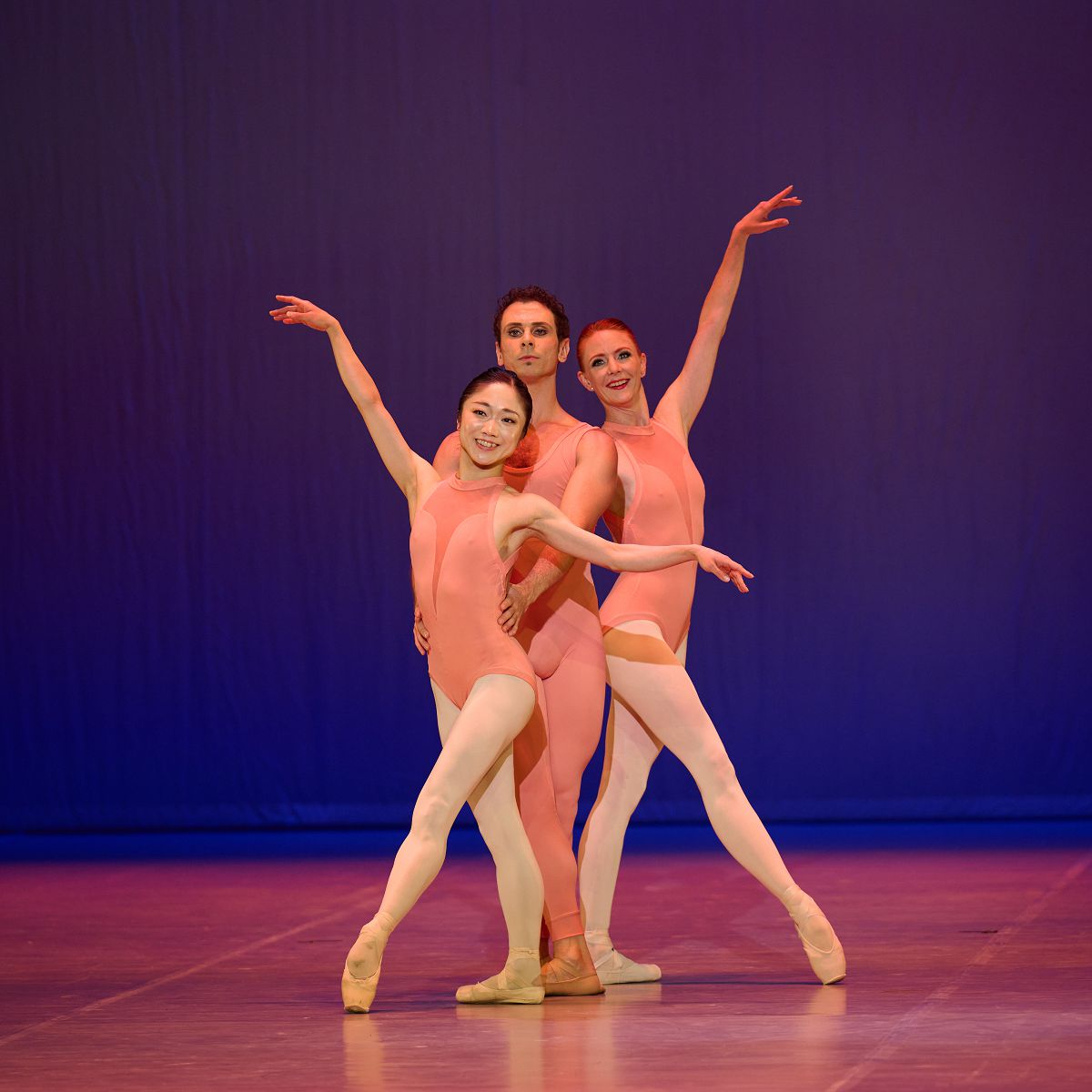
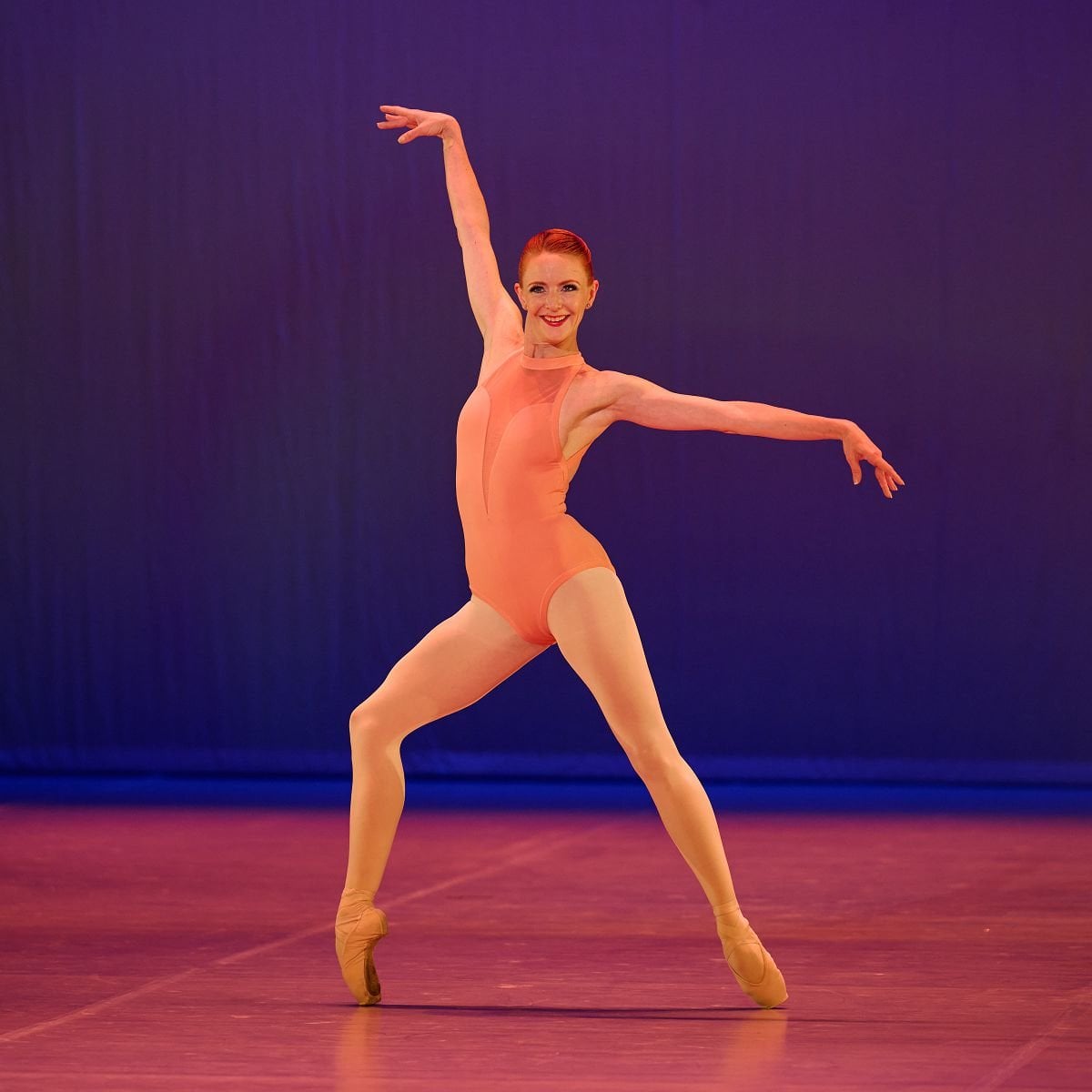
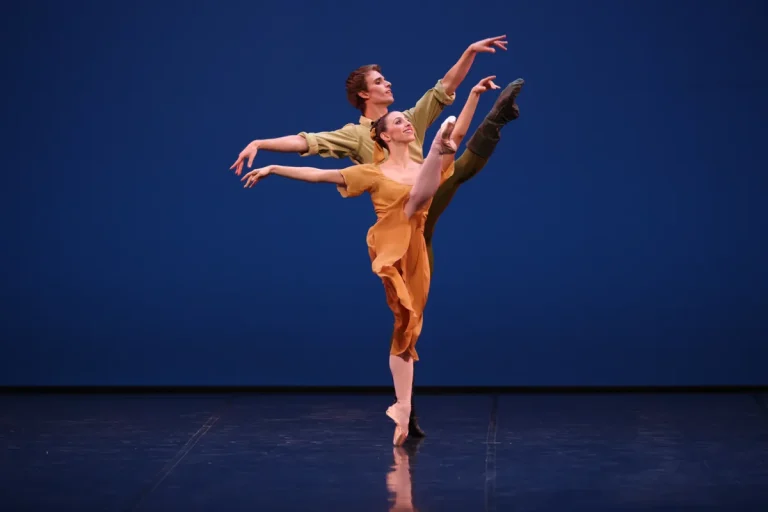
Throwing down the gauntlet, the evening begins with Concerto for Charlie, created by Veronica Paeper in 1979. The work is set to the exquisite Shostakovich Concerto Number 2, more familiar to UK audiences as the score for a beloved Kenneth MacMillan ballet that’s very much alive in the Royal Ballet repertoire; here it’s used as a bold opener that exposes the technique and facility of the dancers. Peach leotards and pointe shoes for the women and all-black for the men, a brilliant blue backdrop highlights solid performances, punctuated by moments of playfulness and bravura with jaunty heel-first walks and megawatt grins. Perhaps the dancing is at times lacking in the crystalline qualities necessary to bedazzle the audience and, toward the end particularly, there was a danger that the ‘cockiness’ might thus fall flat, becoming ‘cringe’, as UK teenagers would say. I admired their rizz nonetheless.
The unexpected highlight of the evening for me was delivered in the form of a short (very short!) solo, choreographed and performed by Tumelo Lekana. Camagwini was a strange and wonderful hybrid of ballet and traditional African dance that used a slow, earthy reverence to contrast gravity-defying extensions of classical ballet. The use of pointe shoes here felt like a revelation rather than a feat of technique – it allowed the performer’s limbs to stretch occasionally beyond the scope of their natural form, re-framing the body. Billed as a ‘prayer in motion’ there was a strong sense of both honouring something ancient and celebrating something modern here, capturing the moment, which certainly stayed with me. As a Coryphée with the Joburg Ballet, Lekana has also presented work in the UK as part of the Royal Ballet’s International Draft Works – they are definitely one to watch.
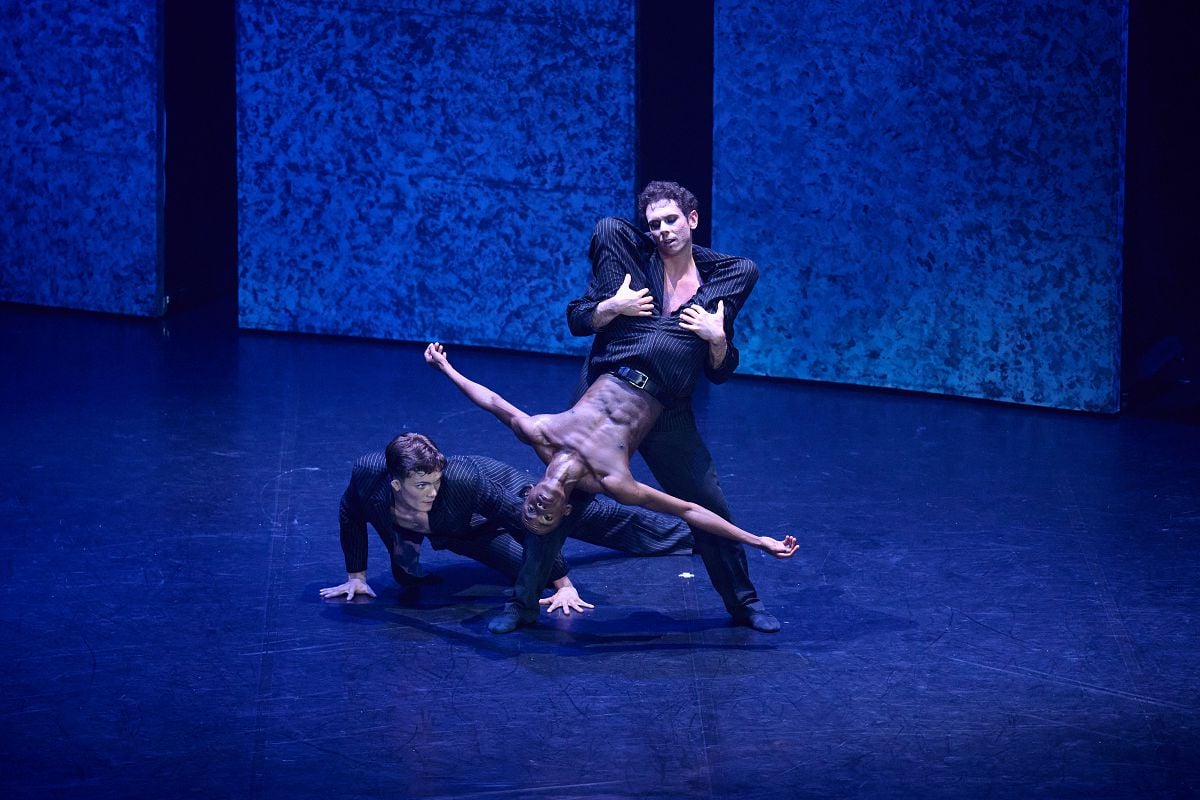
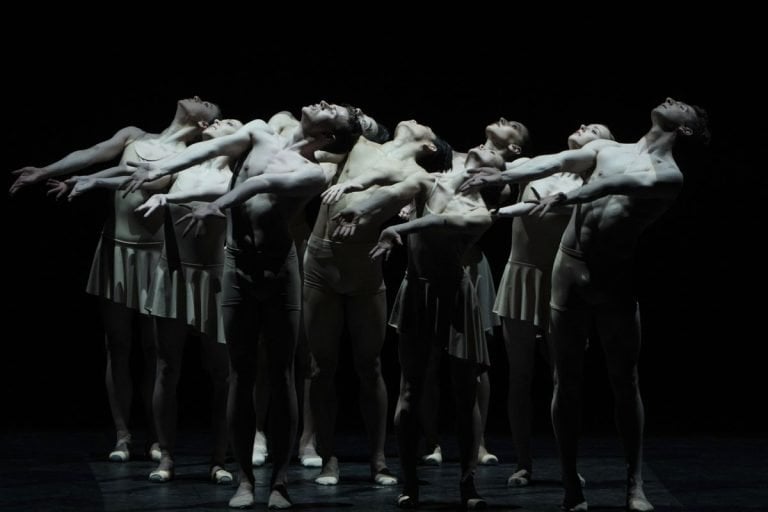
Resonance by Dane Hurst adhered more closely to the familiar format of a short ballet that tells a story. In this case, it reflects on South Africa’s journey after three decades of democracy. Whilst the work is interesting and well-performed, with some really exciting moments of virtuosity and drama from the male dancers, it was disappointing to see the female dancers used as a kind of corps de ballet. Without definable characters they fill the stage when needs be, moving across the stage politely and sometimes sexily in pretty knee-length dresses and pointe shoes, sometimes performing individually, but never really as individual characters. They are NPCs (non-player characters, for those of you that aren’t familiar with gaming lingo) – a kind of ballet fembot I suppose, there to fill out a narrative they’re not actively involved in. The male roles, in contrast, are fully dynamic. Both in terms of movement, as they leap and skid across the stage becoming threateningly off-kilter, topless and sweating, and in terms of the development of the narrative, where they drive forward an evolving violence and darkness, eventually a death. When the female cast return to the stage to mourn, they do so in unison, moving as one body, despite being headed by a standout performer, Latoya Mokoena, who seems woefully underused here.
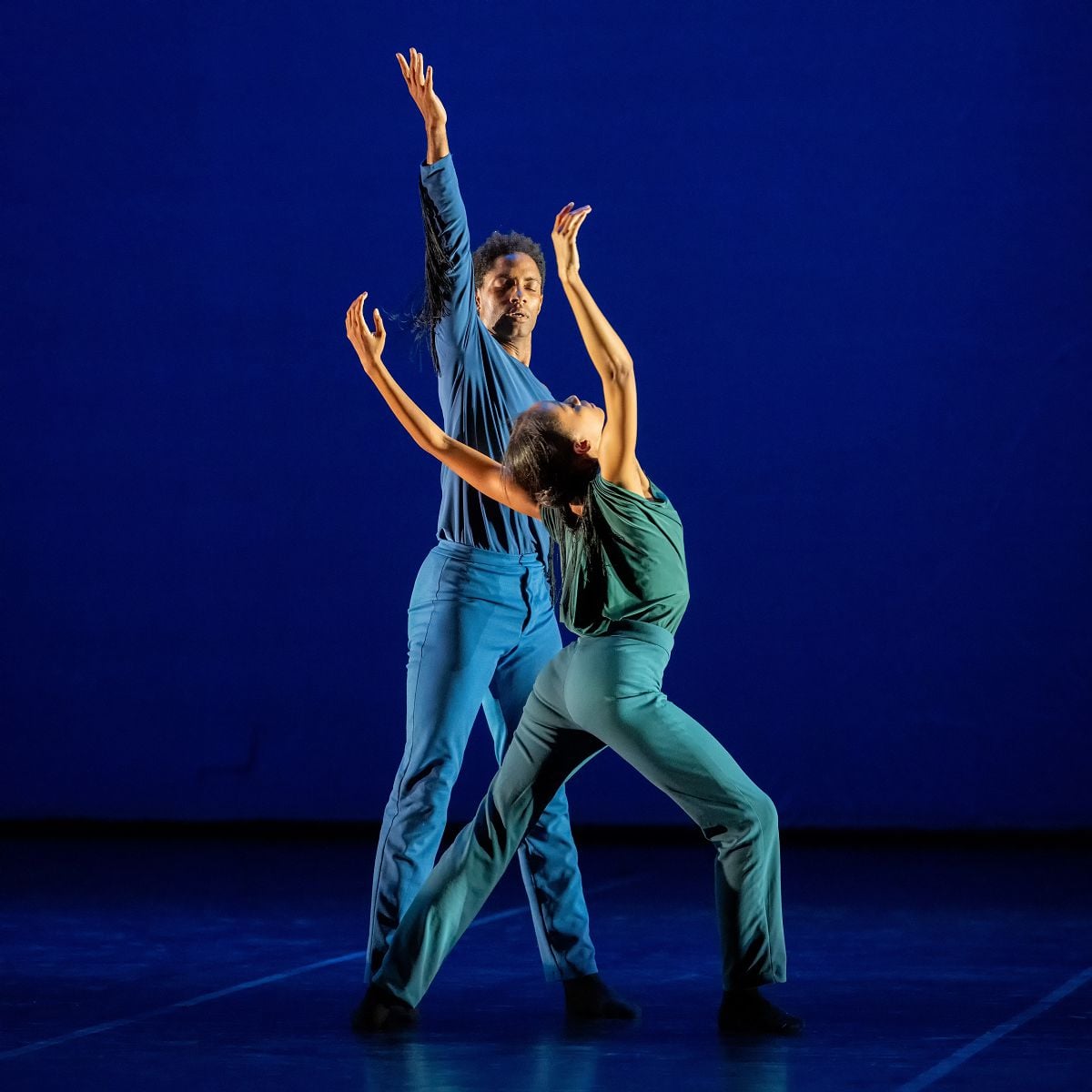
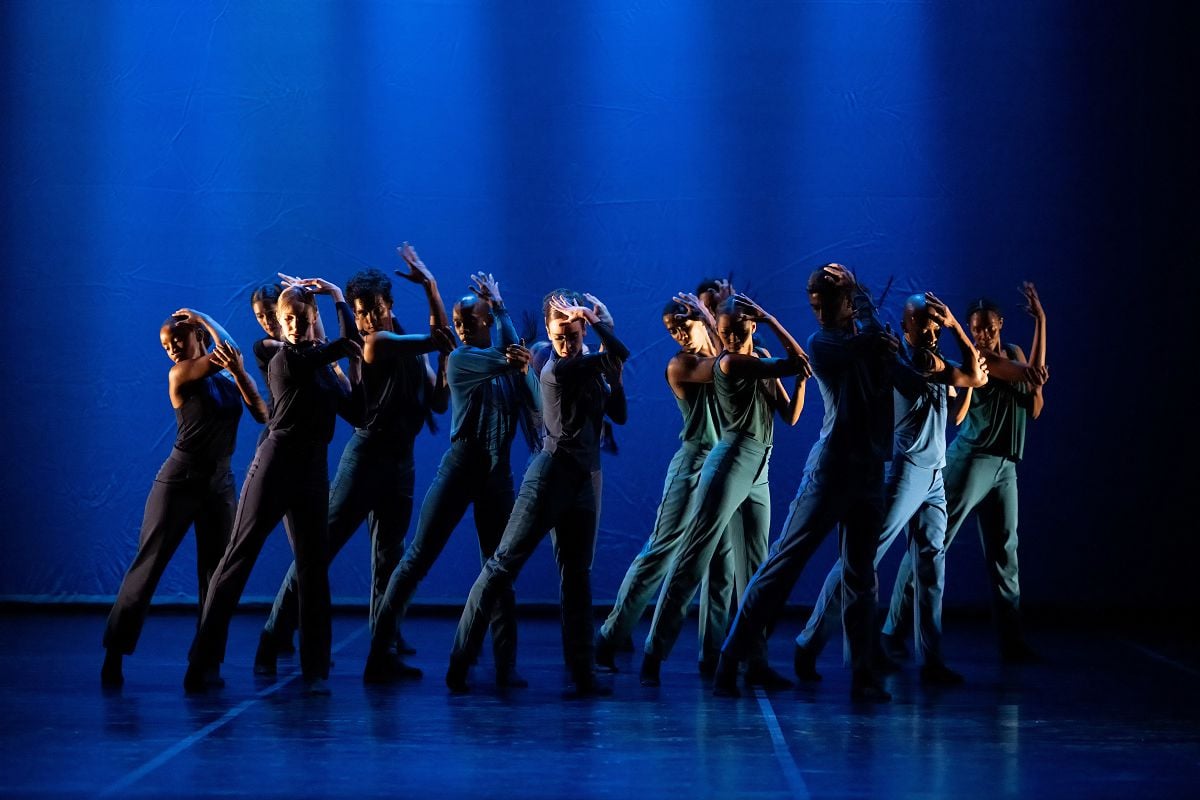
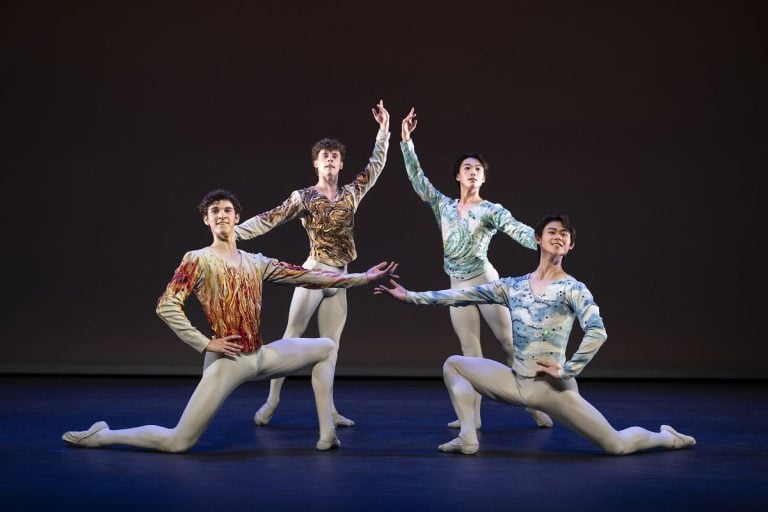
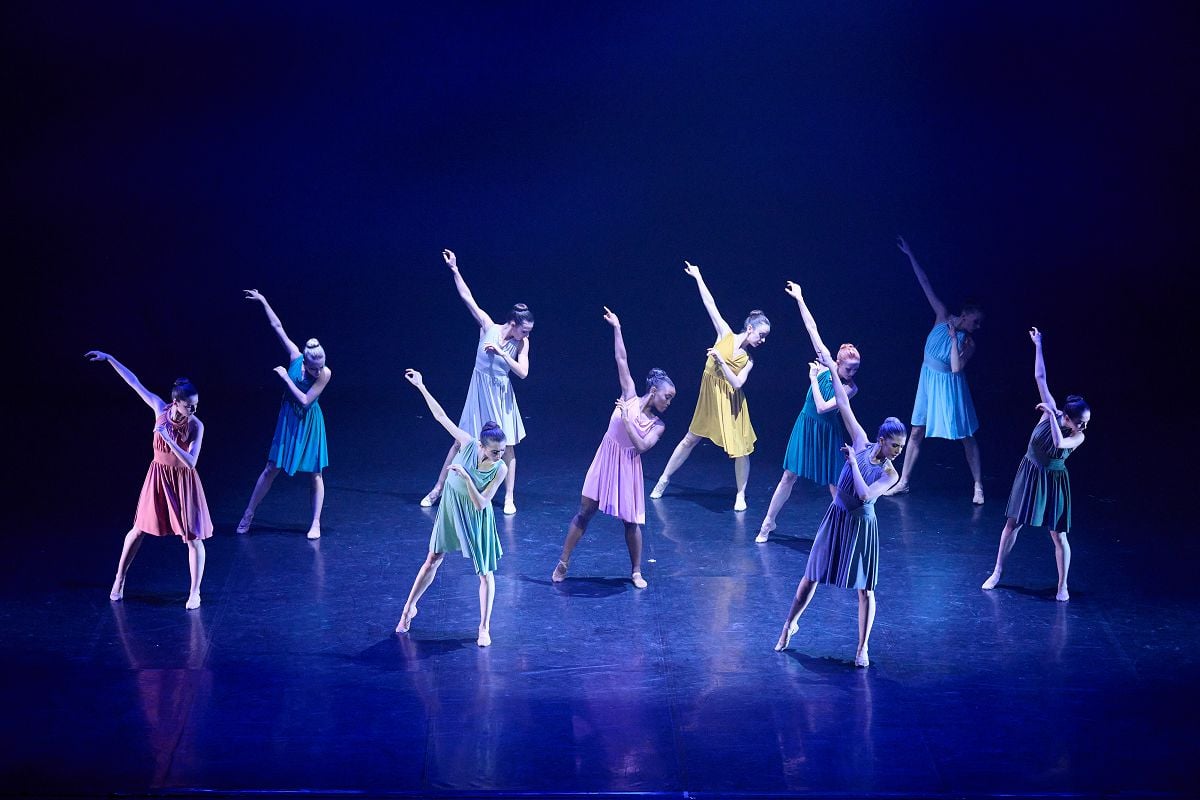
In terms of movement material, Jorge Perez Martinez’s Azul is perhaps the furthest away from the confines of classical ballet (no pointe shoes here), and his work is an attractively moody and understated interpretation of familiar classical Spanish melodies. There are moments of pleasantly rippling beauty and a soft, undulating quality of the spine that creates a more modern aesthetic than the rigidity of classical technique, but there’s a LOT of unison and, despite the occasional flash of quicksilver, there are perhaps too few dynamic highlights with the overall effect like peering into a well-populated fish tank – pleasant, but unmoving.
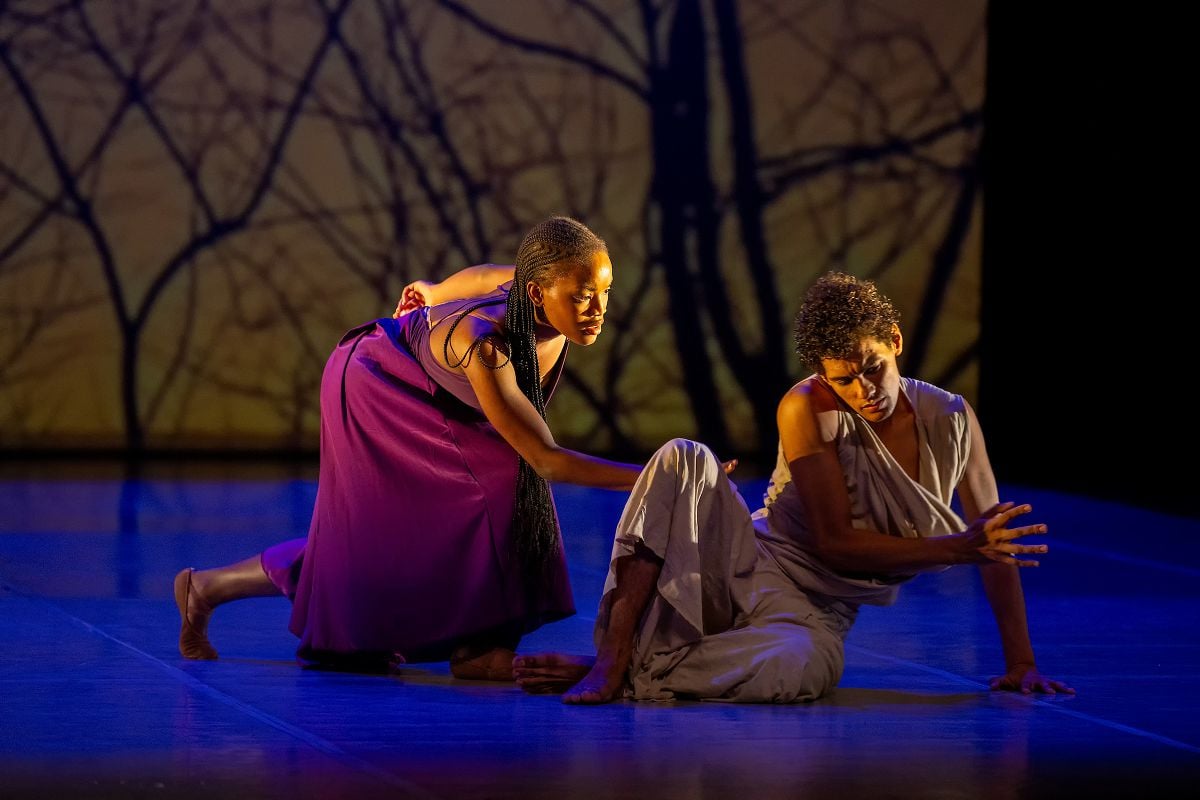
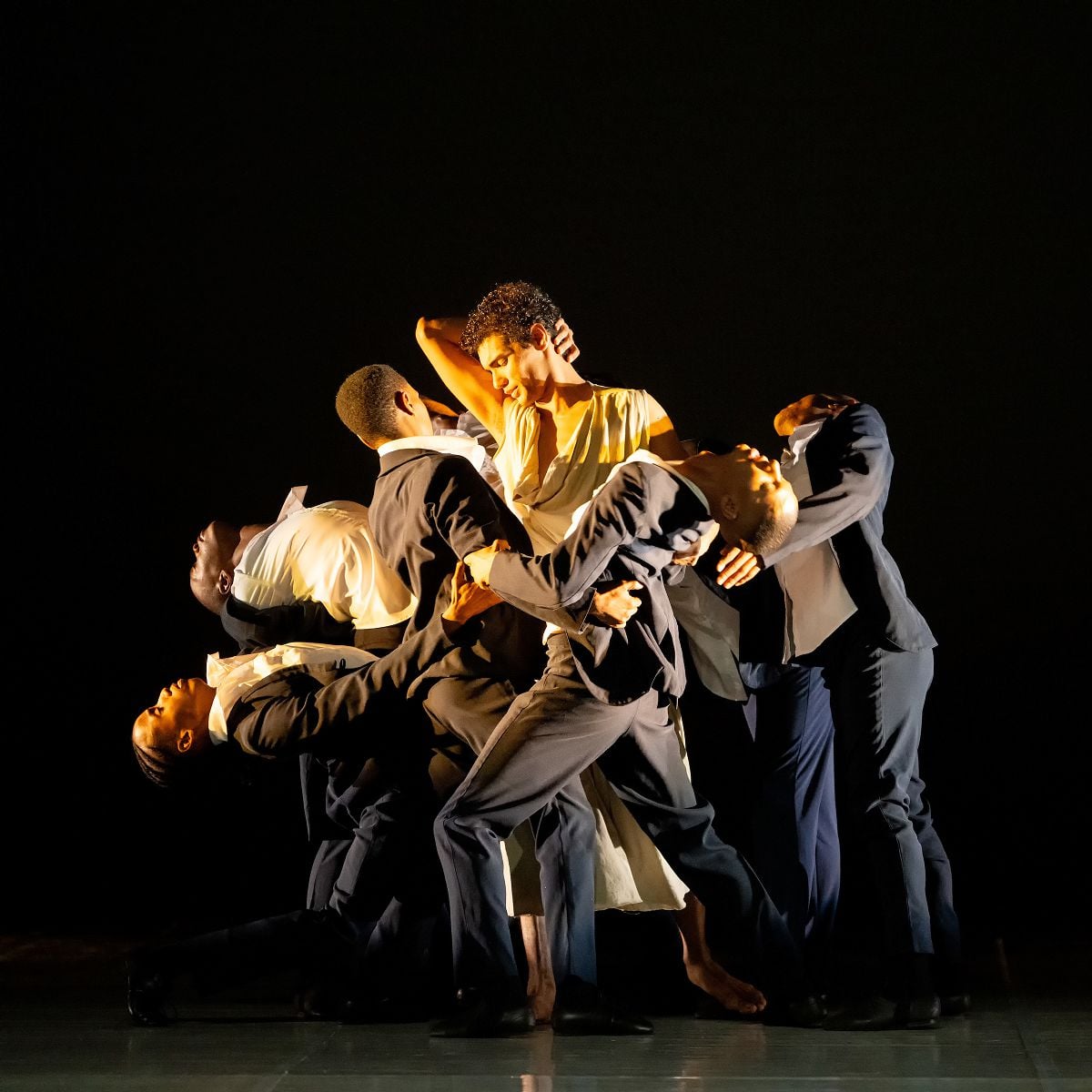
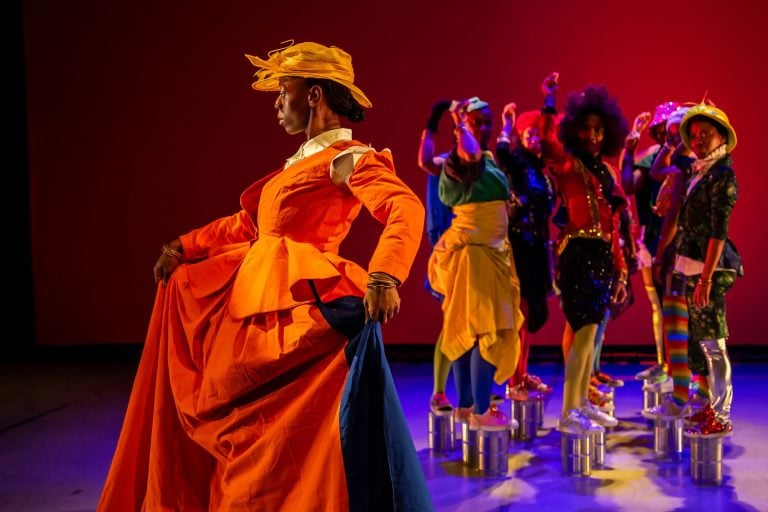
Dado Masilo’s Salome is the grande finale – the injection of melodrama we need. Her choreography feels like the visual equivalent to Bjork – absolutely captivating and frequently teetering on the edge of insanity. Her characters are embodied well and are highly expressive, but drawing out the nuances of complex characters within a short work like this is challenging and the performers must reign in the high drama to prevent the sublime from becoming ridiculous. When St John’s severed head appears on a platter stage left, Latoya Mokoena performs a duet with it with such complete conviction that the audience is completely absorbed. The steely, sure strength with which she performs this slow pas de deux, the head held aloft throughout, seems to alter the very passing of time. It’s a strange and wonderful ending to a fulsome and very promising evening’s work