Review: Natalia Osipova at the Linbury Theatre continuing her rollercoaster ride
Graham Watts sees Osipova/Linbury – “this remarkable star of 21st century ballet continues to expand her horizons”.
| Title | Osipova/Linbury |
| Company | The Royal Ballet |
| Venue | Linbury Theatre, Royal Ballet and Opera |
| Date | 10 November 2025 |
| Reviewer | Graham Watts |
I once heard Johan Kobborg say that all ballet dancers have to be consummate actors and, of course, that must be true. That Natalia Osipova is one of the great dancers of the 21st century is beyond argument but anyone who witnessed the expressiveness of her performance as Giselle will be in no doubt that she is also a great actor. In Jo Strømgren’s The Exhibition, Osipova shows a new side to her expansive capability, demonstrating considerable command of large tracts of vocal text (mostly in her native Russian) and a significant capacity for mischievous humour.
Great artists generally seek to expand their horizons. In ballet, one can see that exploration in the later careers of Rudolf Nureyev (working with such modern dance greats as Murray Louis and Martha Graham and even considering a career as a conductor) and Sylvie Guillem, who extended her career by working with such choreographers as Russell Maliphant and Akram Khan, not least in their 2006 Sacred Monsters collaboration (more of which later) .

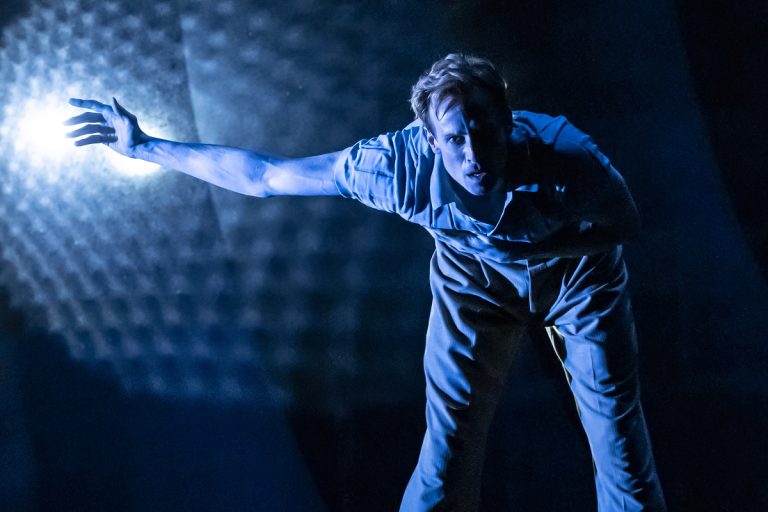
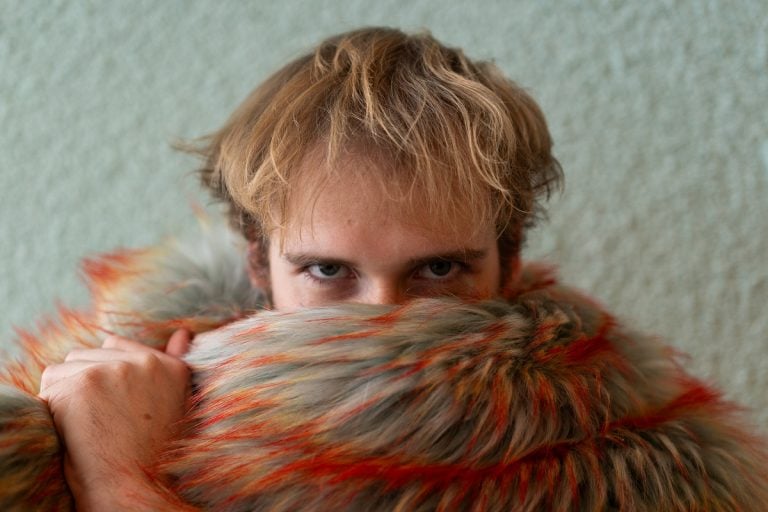
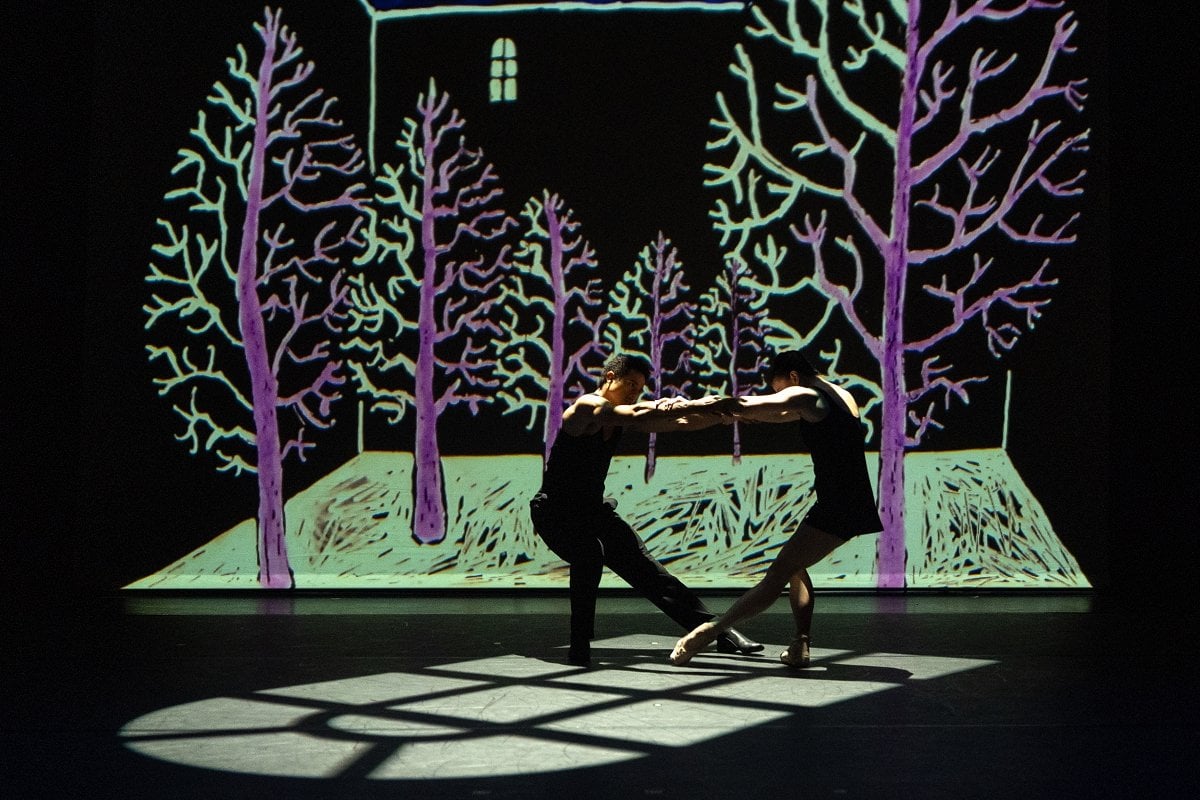
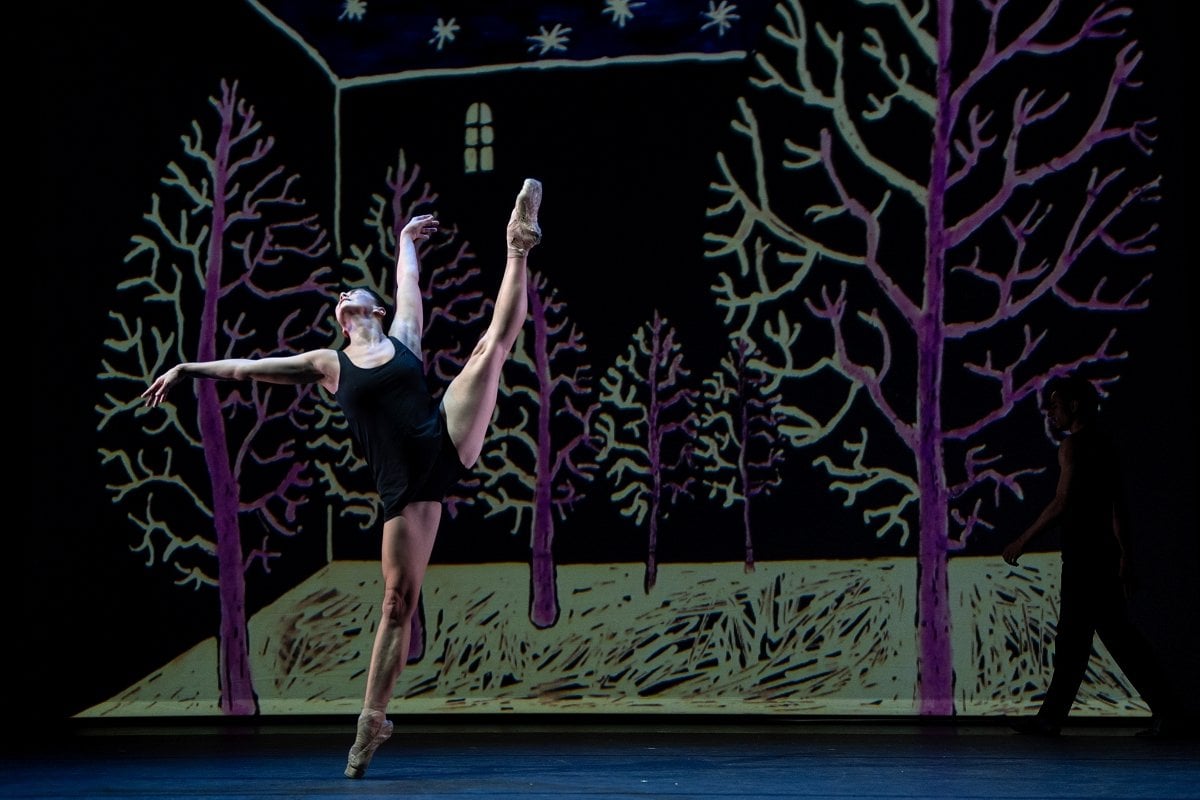
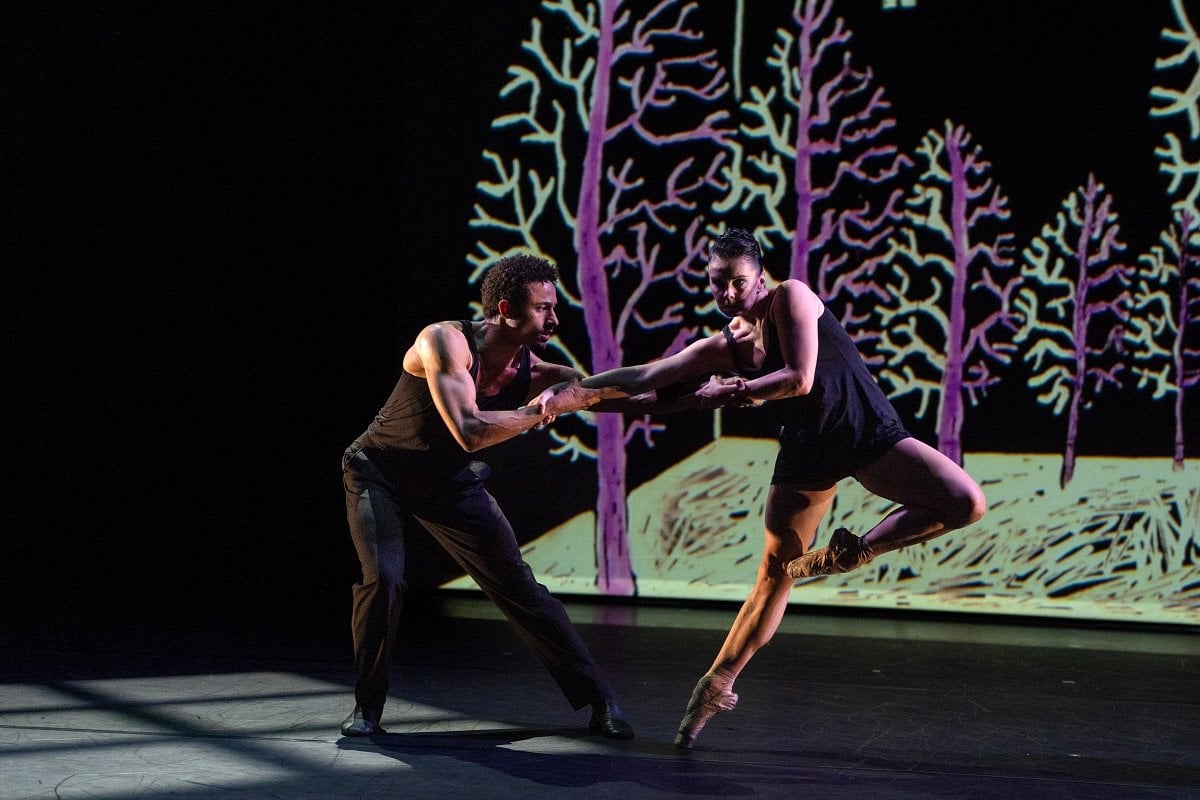
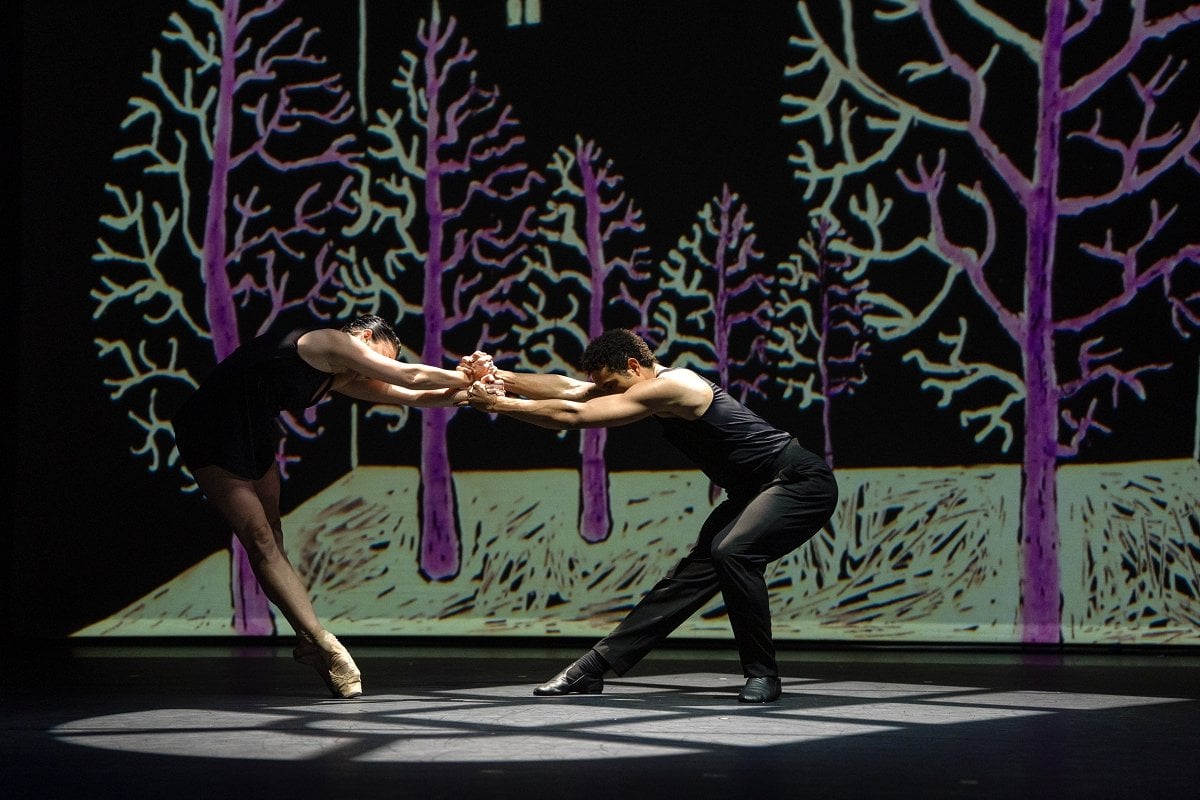
The same thirst for newness drives Osipova’s craft, as amply illustrated by the quick return of The Exhibition, an extraordinary work of physical theatre, which premiered in this same theatre last March. It’s certainly not all about the star of the show since Strømgren has created an outstanding two-hander, and Osipova’s excellence is matched all the way by Christopher Akrill as a diffident loner whose solitary exhibition viewing is interrupted by the challenging craziness of Osipova’s mischievous “foreign” character.
Strømgren is, in my humble opinion, unparalleled in creating this kind of anarchic, physical theatre that seems always to achieve a fine balance between comedy and poignancy. His creation of the tragicomic character of Clas Göran (in The Tired Man and The Substitute) had already convinced me of his genius and The Exhibition has fully confirmed that view
Strømgren’s skill is uplifted by the chemistry between Akrill and Osipova as their association journeys from extreme mutual hostility, as she attempts repeatedly to block his view of the exhibits, to something approaching harmony, as exhibited in brief, explosive dance sequences and the shedding of outer clothing to reveal their contrasting characters: Akrill in white vest and y-fronts; Osipova in pinky-purple, silk lingerie. Having believed that she could not understand him and thus revealing his inner-most secrets born of frustration, when Akrill’s character discovers late on in the work that she can indeed speak English, the effect is explosive!
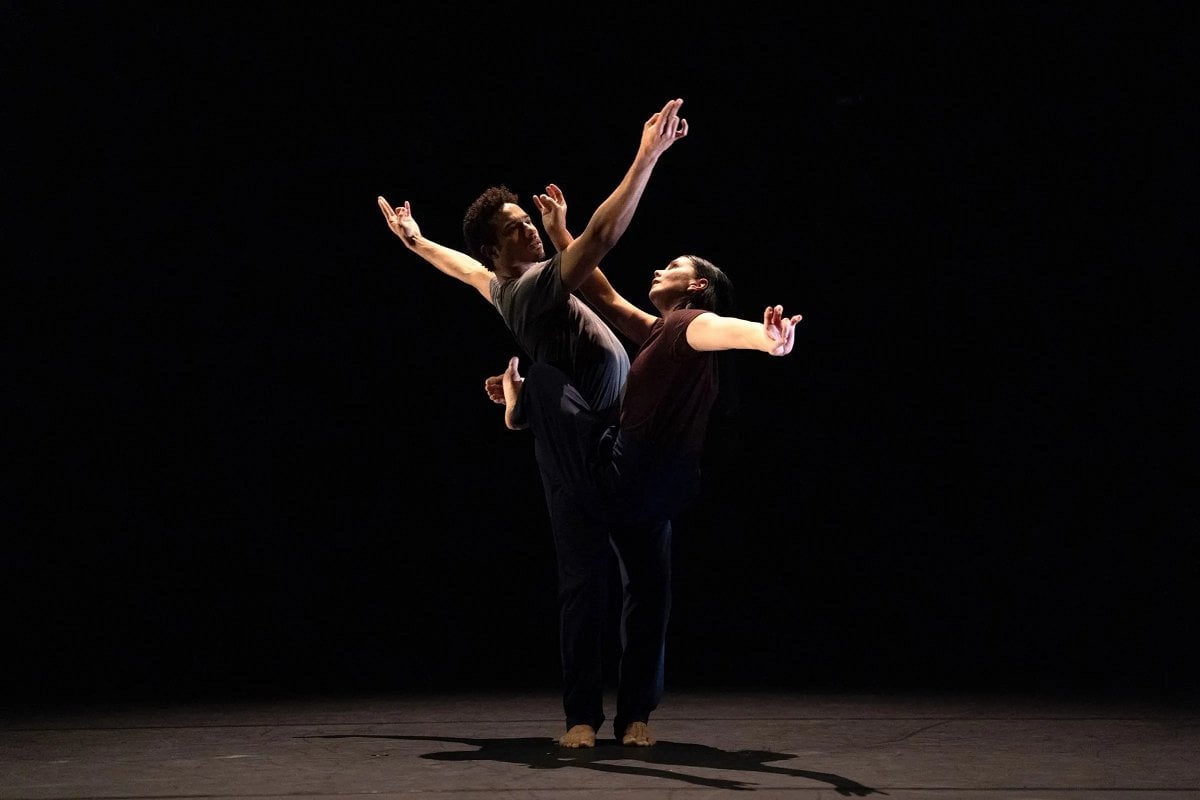

The Exhibition followed an interval with the first act containing three works, two live and one on film, each involving the star, opening with Alexei Ratmansky’s Middle Duet II, a strange but haunting work. Osipova and Patricio Revé perform a long and challenging duet, while being watched over by a White Angel (Rain De Rey Barrett) and a Black Angel (Damien Lee Stirk), both motionless at either corner of the downstage.
Although it was first performed at the Mariinsky in 1998, the original score (by Yuri Khanon) has been replaced by Philip Feeney’s new composition, which superbly captures a mood of mortality and foreboding. It seems to suggest the style of British and American chamber works of the 40s and 50s, although the choreography was unmistakably modern and musical. At the conclusion of the work, the angels descend from their pedestals to confront the pair in an inconclusive challenge between good and evil and two younger dancers take their place in the upstage duet.
Mud of Sorrow was the second new addition to the programme and Akram Khan’s choreography and direction – an extract from that Sacred Monsters collaboration with Sylvie Guillem – presented a significant contrast to the opening work. Revé was again Osipova’s partner in a duet in which she was clamped around his waist for much of the time, the formidable strength in her thigh muscles being further tested by their highly coordinated arm movements. They seemed like a sacred monster; an elegant beast with four arms.

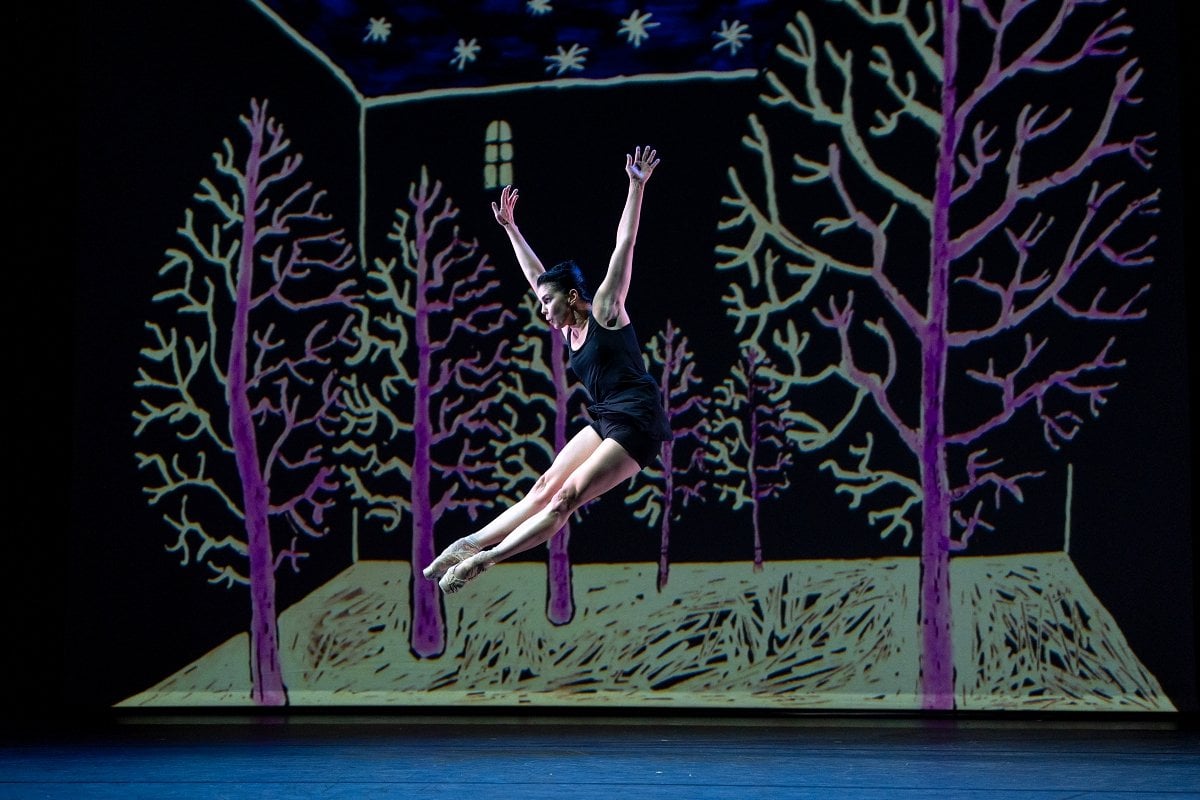
In between these works was a rerun of the outstanding filmed performance of Osipova, looking as if she had stepped straight out of a pre-Raphaelite painting, in Frederick Ashton‘s Five Brahms Waltzes in the Manner of Isadora Duncan. Directed by Grigory Dobrygin and filmed in an enclosed, decrepit space in North London’s Alexandra Palace, it enjoys the excellent qualities of highly professional production standards, including great direction and camerawork, but above all else it excels through the timeless intimacy of one outstanding dancer paying homage to another.
This performance followed hot on the heels of Osipova’s Force of Nature show in Udine, which seems to be constantly touring, and – like many sacred monsters before her – this remarkable star of 21st century ballet continues to expand her horizons, both artistically and geographically and long may we all enjoy the rollercoaster ride!

Graham Watts is a freelance writer and dance critic. He writes for The Spectator, Tanz, Shinshokan Dance Magazine (Japan), Ballet Magazine (Romania), BachTrack and the Hong Kong International Arts Festival and has previously written for the Sunday Express, Dancing Times, Dance Europe, DanceTabs, London Dance, the Edinburgh International Festival and Pointe magazine (USA). He has also written the biography of Daria Klimentová (The Agony and the Ecstasy) and contributed chapters about the work of Akram Khan to the Oxford Handbook of Contemporary Ballet and on Shobana Jeyasingh for the third edition of Routledge’s Fifty Contemporary Choreographers.
He is Chairman of the Dance Section of The Critics’ Circle and of the UK National Dance Awards and regularly lectures on dance writing and criticism at The Royal Academy of Dance, The Place and (until the war) for Balletristic in Kyiv. He was a nominee for the Dance Writing Award in the 2018 One Dance UK Awards and was appointed OBE in 2008.