Review: Gentleman Jack with Northern Ballet – Love, lust and the life of Anne Lister

Kathrina Farrugia-Kriel sees Gentleman Jack – effective in its storytelling capacity and sits well with the company.
| Title | Gentleman Jack |
| Company | Northern Ballet |
| Venue | Sadler’s Wells, London |
| Date | 19 May 2026 |
| Reviewer | Kathrina Farrugia-Kriel |
Sally Wainwright’s adaptation of the diaries of Anne Lister, the 19th-century gay landowner from North Yorkshire, brought Gentleman Jack (2019) into a global status. Much publicity circulated around the BBC adaptation of Wainwright’s narrative about Lister’s gregarious, lesbian life. Considered today a historical gay icon, Lister captured her life through coded diaries, which were long hidden behind wooden panels at Shibden Hall, Halifax. Traces of this unique woman’s life are woven into Annabelle Lopez Ochoa’s ballet, Gentleman Jack (2026). Wainwright, a well-respected writer and director of several television productions set in Yorkshire, joined the Northern Ballet team as a ‘Creative Consultant’, and her influence is clearly marked across the ballet.
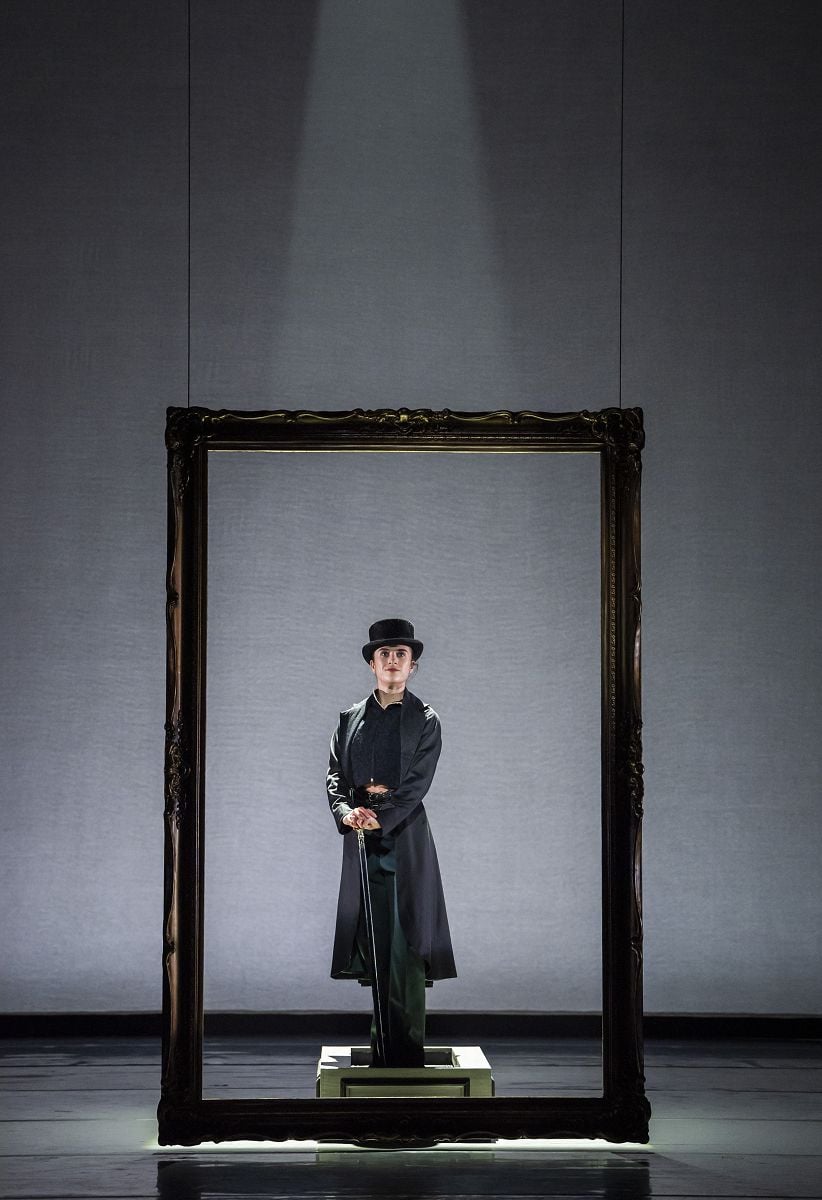
The ballet opens with Lister marking the square lit space around her. Dressed in a black top hat, black coat and trousers, embellished with emerald green, Gentleman Jack’s first impression is one of ambition. She may not be ‘male’, but she tries to walk like one. Of course, the men in the ballet don’t treat her like a man, and Lister takes on an immediate sense of otherness. Clare Croft’s dramaturgy signposts much thinking from Simone de Beauvoir as Lister negotiates herself into being recognised not as a woman but as ‘other’.
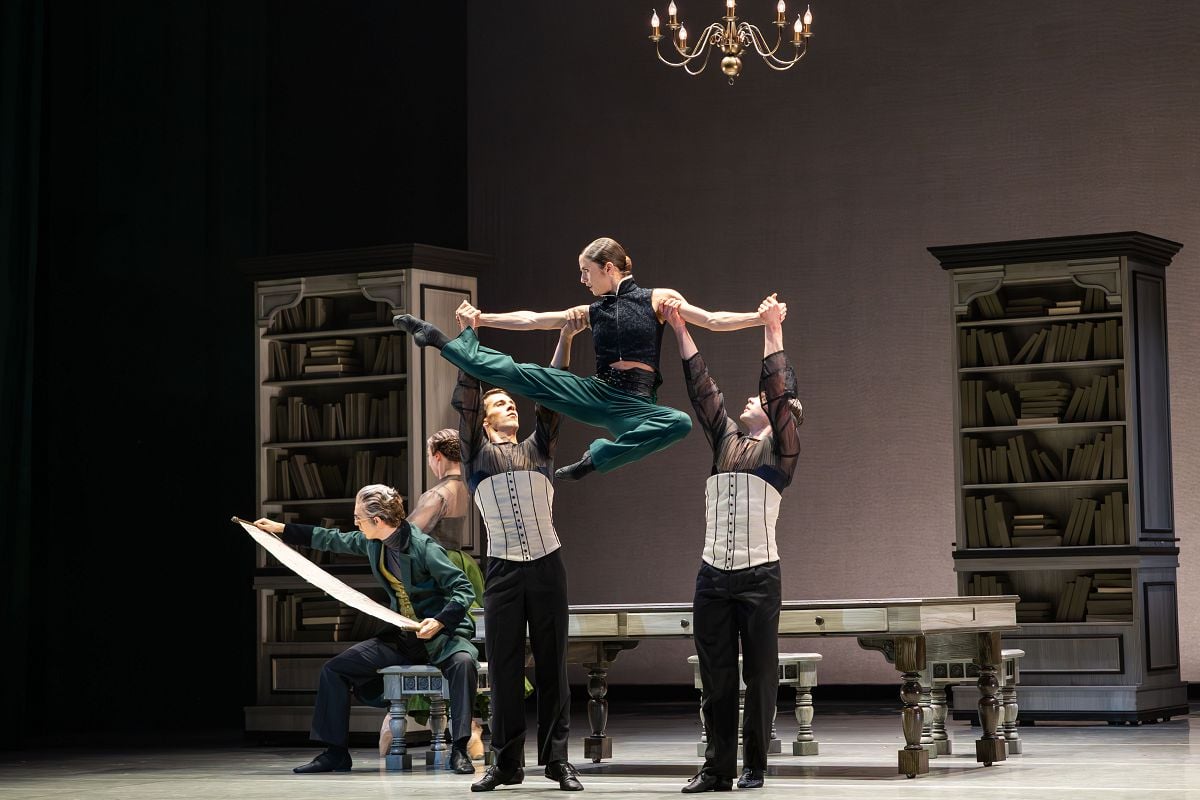
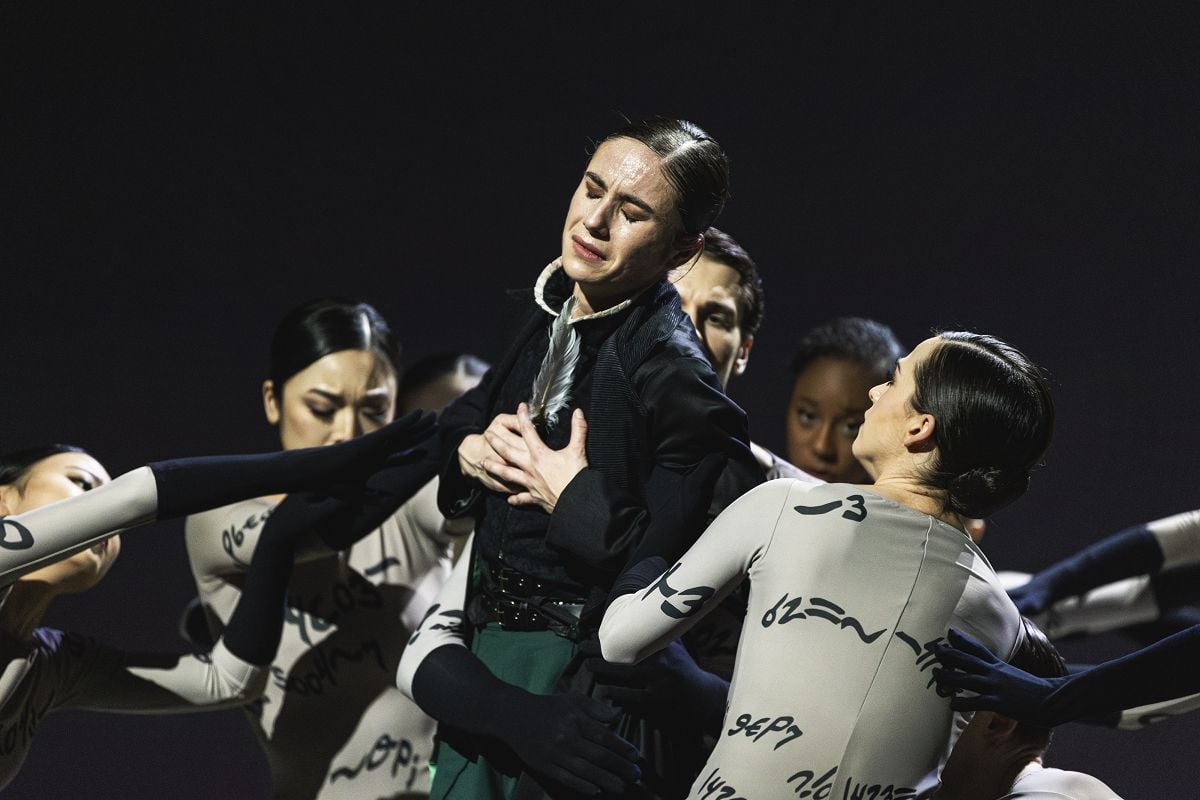
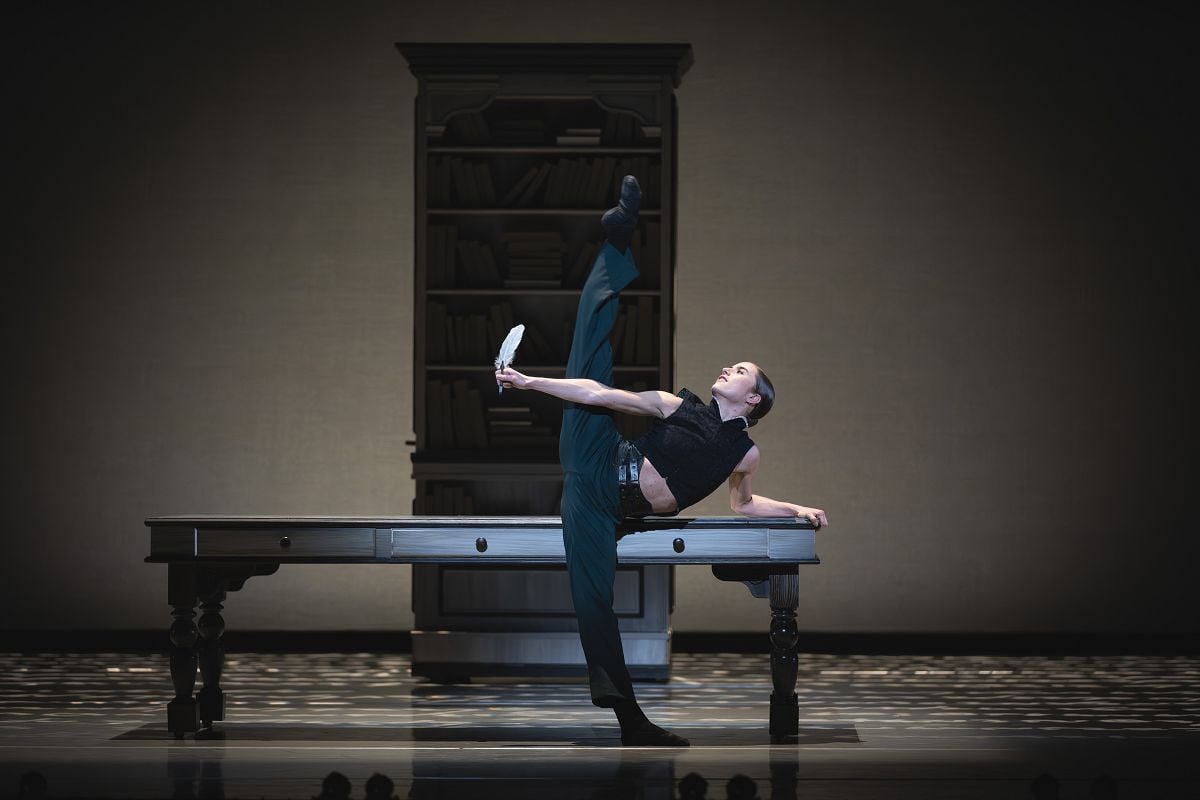
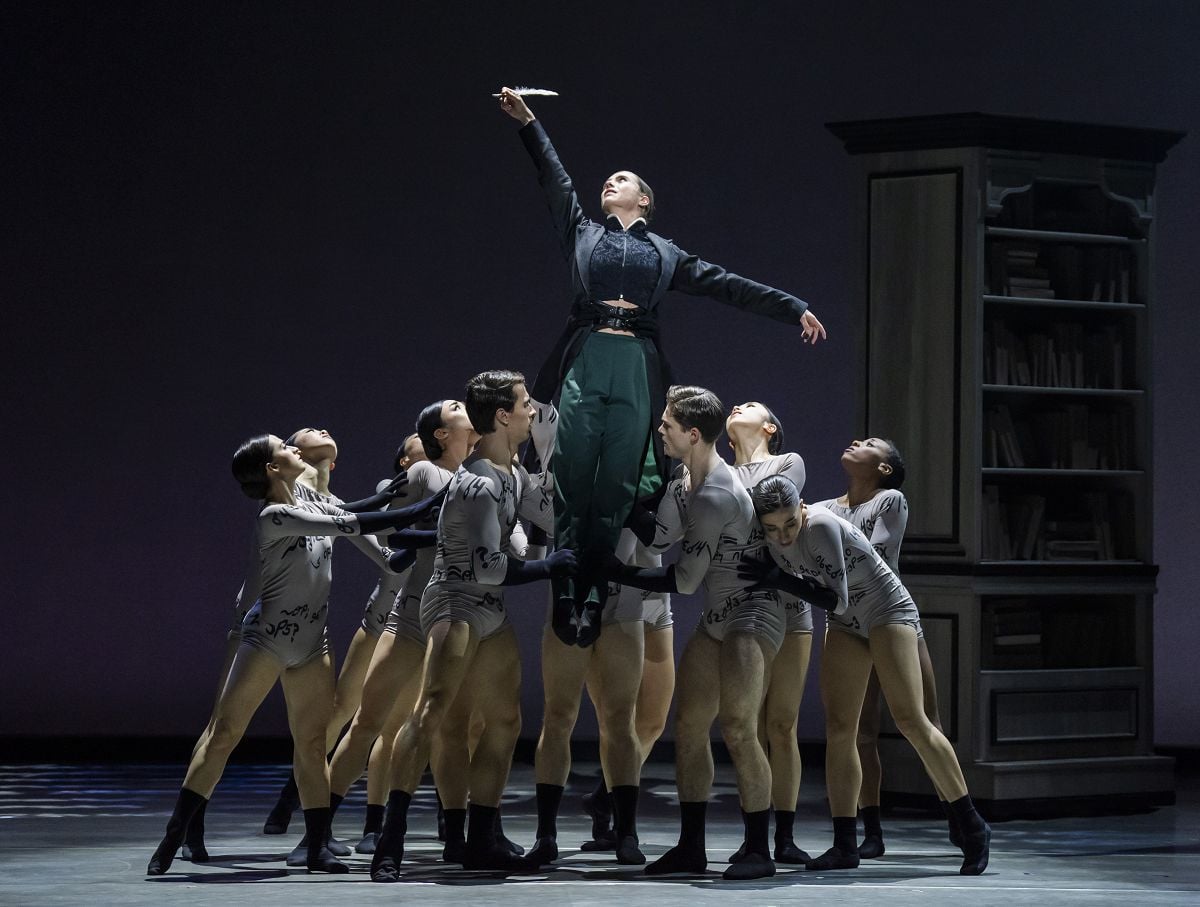
Gemma Coutts, as Lister, is a fine mover; her frame is petite, and she isn’t ‘masculine’ in any physical manner. Her movements shift between a hint of softness and plenty of ‘male attitude’ – a mix between the daringness of ambition, arrogance and having the ‘guts’ to live by one’s dream. For Lister, living like a man in the fast-approaching Victorian times meant being financially dependent; it also meant having a wife (Lister ‘married’ Ann Walker in 1834). The ballet’s raison d’etre circle Lister’s two ambitions.
Lopez Ochoa and Croft shape Northern Ballet’s latest foray into storytelling through exploring narrative strands around Lister’s connections with the (male) business community in Yorkshire, as well as her relationships with Marianna Lawton (Saeka Shirai) and Walker (Rachel Gillespie). Lister’s extended family are minor characters, but the duet between Lister and her aunt offers some flickers into acceptance of Lister’s alternative life choices.
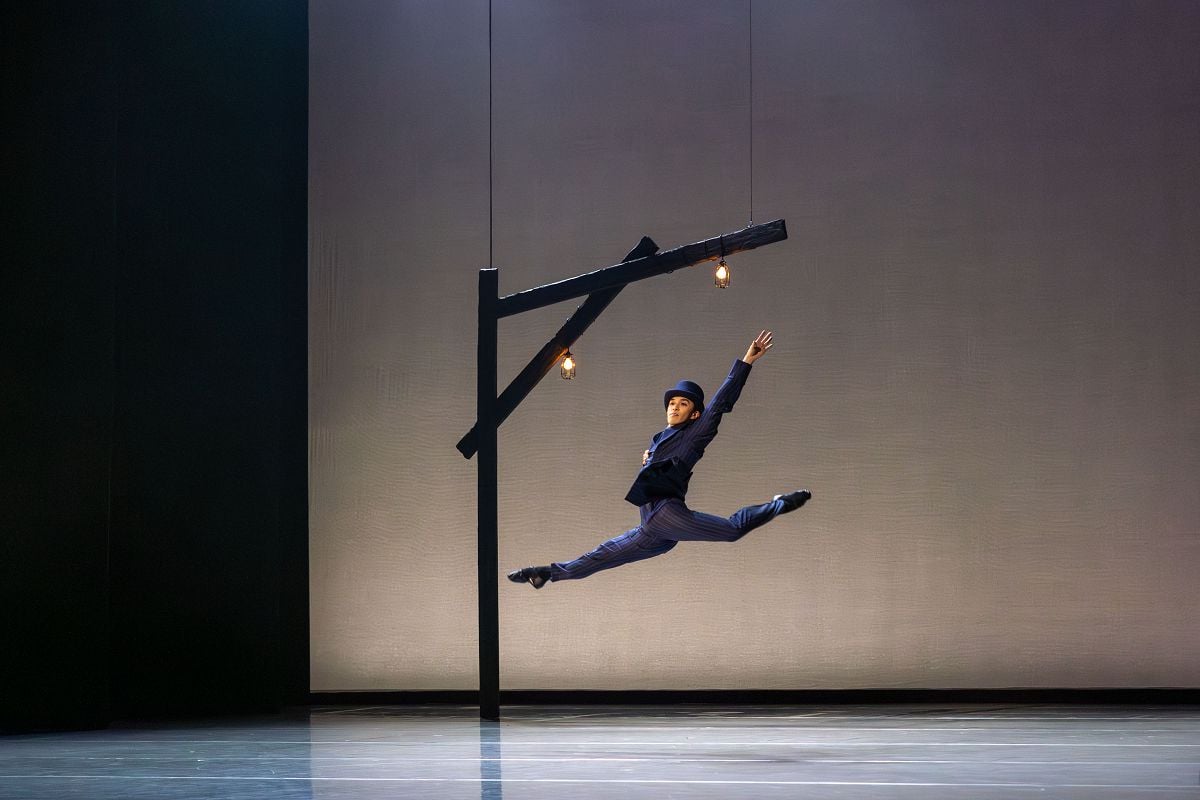
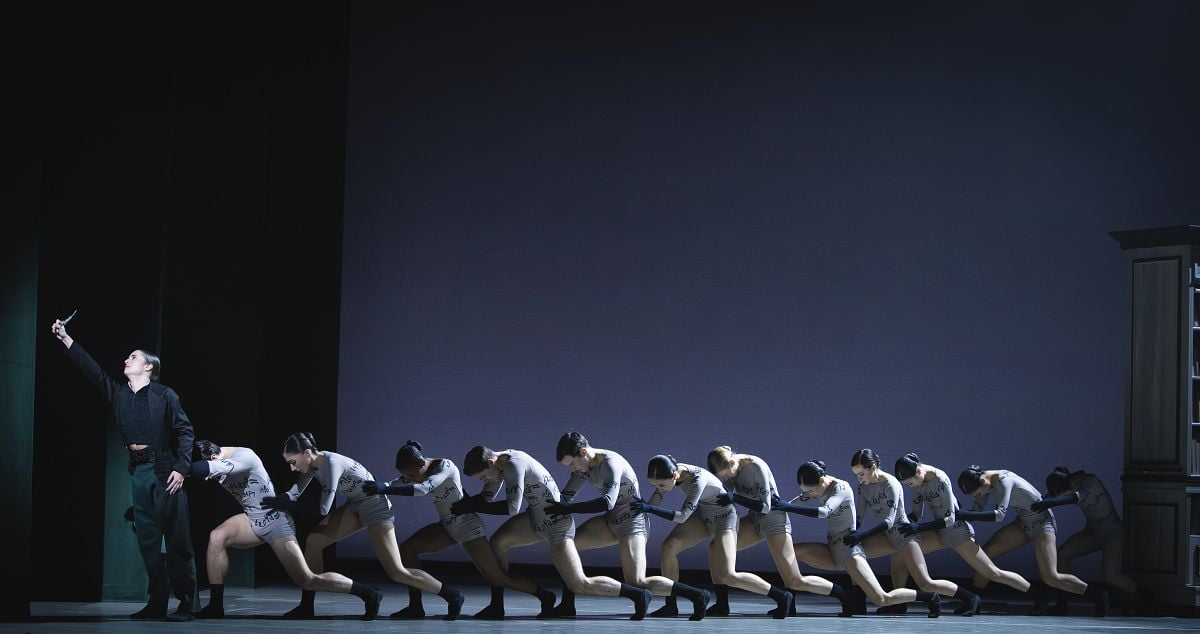
Choreographically, the ballet wastes no time in setting the important relationship with Lawton. With little introduction, Lawton arrives at Shibden. The two women jump right into bed. As the ballet unfolds, there are two further encounters between Lister and Lawton – a subsequent meeting in the park with Lawton’s much older fiancée, and a final meeting at a social event in which Lawton is clearly distraught over the choices she has made. The narrative is easy to follow; Wainwright, Croft and Lopez Ochoa drive the ballet around Lister, striding across Yorkshire towns. It’s a motif that appears throughout the ballet – effective and minimalist.
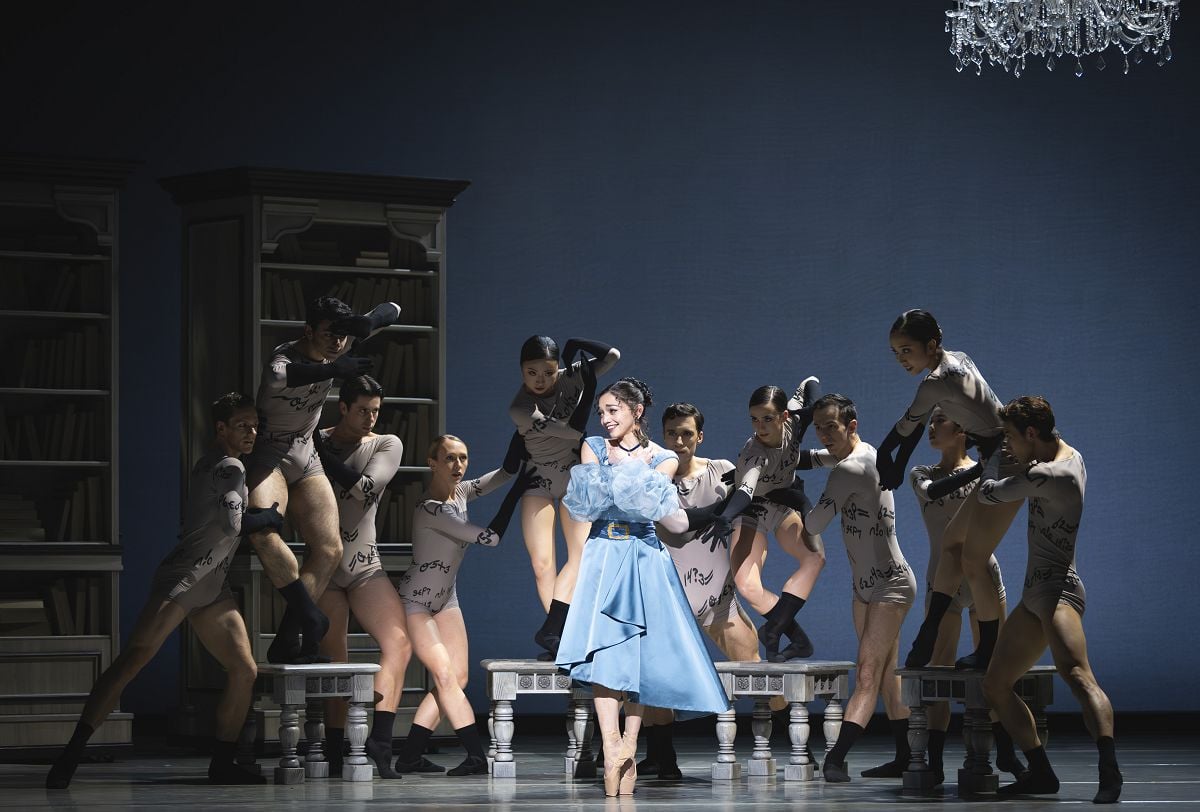

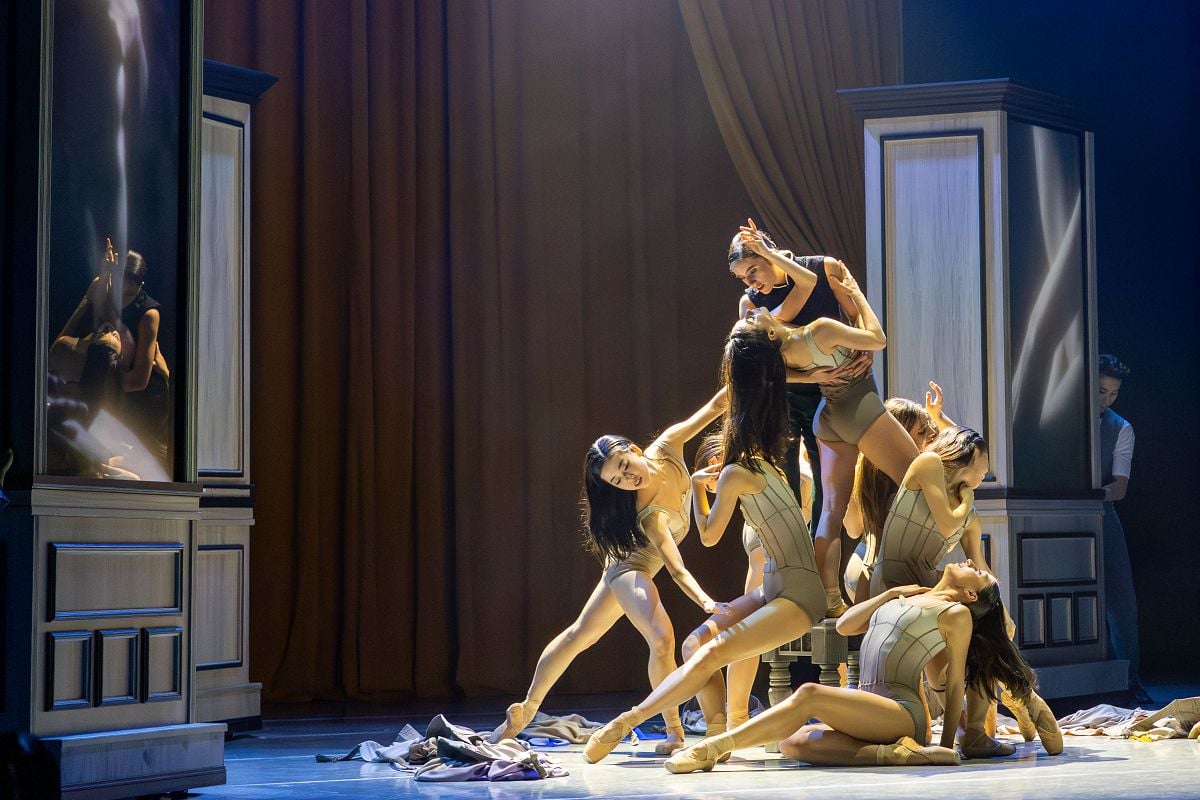
The same can be said for Christopher Ash’s lighting and set designs. What stands out are the three tall props that indicate space and progress in the narrative. These are tall cabinets with screens on the back ends, featuring images of Shibden Hall, the Yorkshire landscape and its weatherings, and the cobbled streets of Halifax. Like a Wainwright signature, we are reminded that we are in Yorkshire.
The music by the respected composer Peter Salem, who has composed extensively for the BBC television series and film, as well as for ballets by Lopez Ochoa and Helen Pickett, is captivating, with evocative passages that drive the ballet’s narrative.
The choreography is shaped by the very capable Llopez Ochoa, who has produced works for a broad range of ballet companies, with highlights such as Broken Wings (2016), Frida (2020) and several ballets on female icons like Coco Chanel and Eva Peron. Incidentally, all these works were composed by Salem. For Gentlemen Jack, the movement material for the Parisian women, more like a cross between Botticelli-esque females dancing in Lister’s ecstasy, offered a welcome respite from the somewhat repetitious material for the men in suits, and the slightly (but not anticipatedly so) comedic servants. The movement vocabulary is clearly defined, not groundbreaking in any way, but effective in its storytelling capacity. It sits well with the company, and a return of Gentleman Jack in future seasons would be a welcome reprise. Whether the ballet could be shortened to a one-act production is food for thought.
Gentleman Jack, the ballet, captures the spirit of Lister’s pioneering life. The costume design by Louise Flanagan brings a fresh mode to period costume, dulling out the male characters – who needs them to be attractive in this lesbian ballet – and turning attention to the colour and vibrancy in the love, lust and life of Lister and her women.