
Review: The Opera Locos break all the classical rules in ‘Yllana’
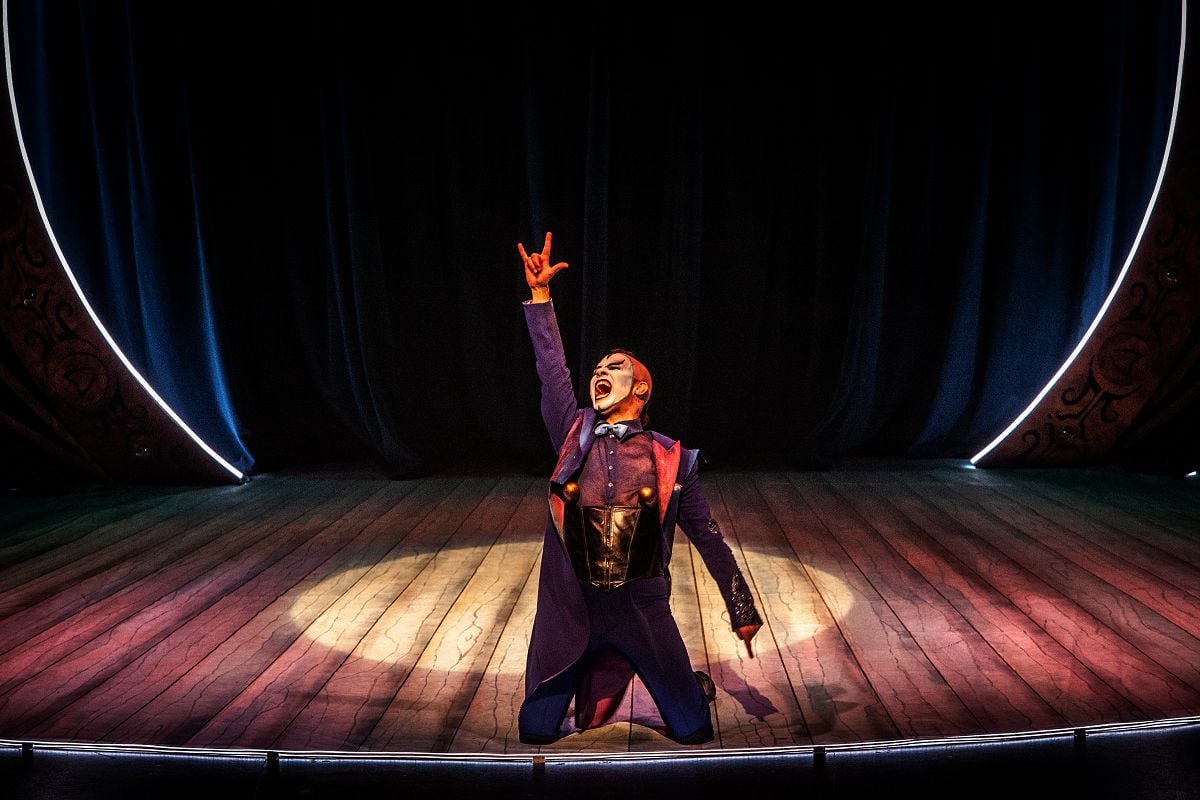
Graham Watts sees The Opera Locos’ Yllana – I started in a very sceptical mood but ended as an upbeat believer!
| Title | Yllana |
| Company | The Opera Locos |
| Venue | Sadler’s Wells Theatre, London |
| Date | 24 February 2026 |
| Reviewer | Graham Watts |
Unsurprisingly, this performance reminded me of K-tel (or for younger readers, Now That’s What I Call Music!), both being compilation albums featuring recent pop hits by the original stars, sold at budget prices. The Opera Locos does much the same thing for the most popular operatic arias (and more) in a live onstage performance, wrapped up in its own poignant love story. I started off in a very sceptical mood but ended as an upbeat believer!
Yllana – a word with several origins, mostly signifying brightness and beauty – is an exceptionally busy company, producing over 40 diverse theatrical shows in its 35-year existence and this London season of The Opera Locos revived a show first performed in 2018.
The company has travelled the world (48 countries and counting) and it had to travel a mile or two further since unspecified maintenance issues forced a move from the Peacock Theatre to Sadler’s Wells and, to my mind, the company gained from the transfer since the staging seemed better suited to the Wells, particularly in relation to the frequent breaches of the fourth wall.

The first and most important thing to say about The Opera Locos is that the singing was excellent (apparently often supported by discrete face mikes). All five performers were first class, but the Spanish soprano, Mariá Rey-Joly, was outstanding. I wasn’t at all surprised to read that her next engagements are singing in Smetana’s The Bartered Bride and Mozart’s Don Giovanni.
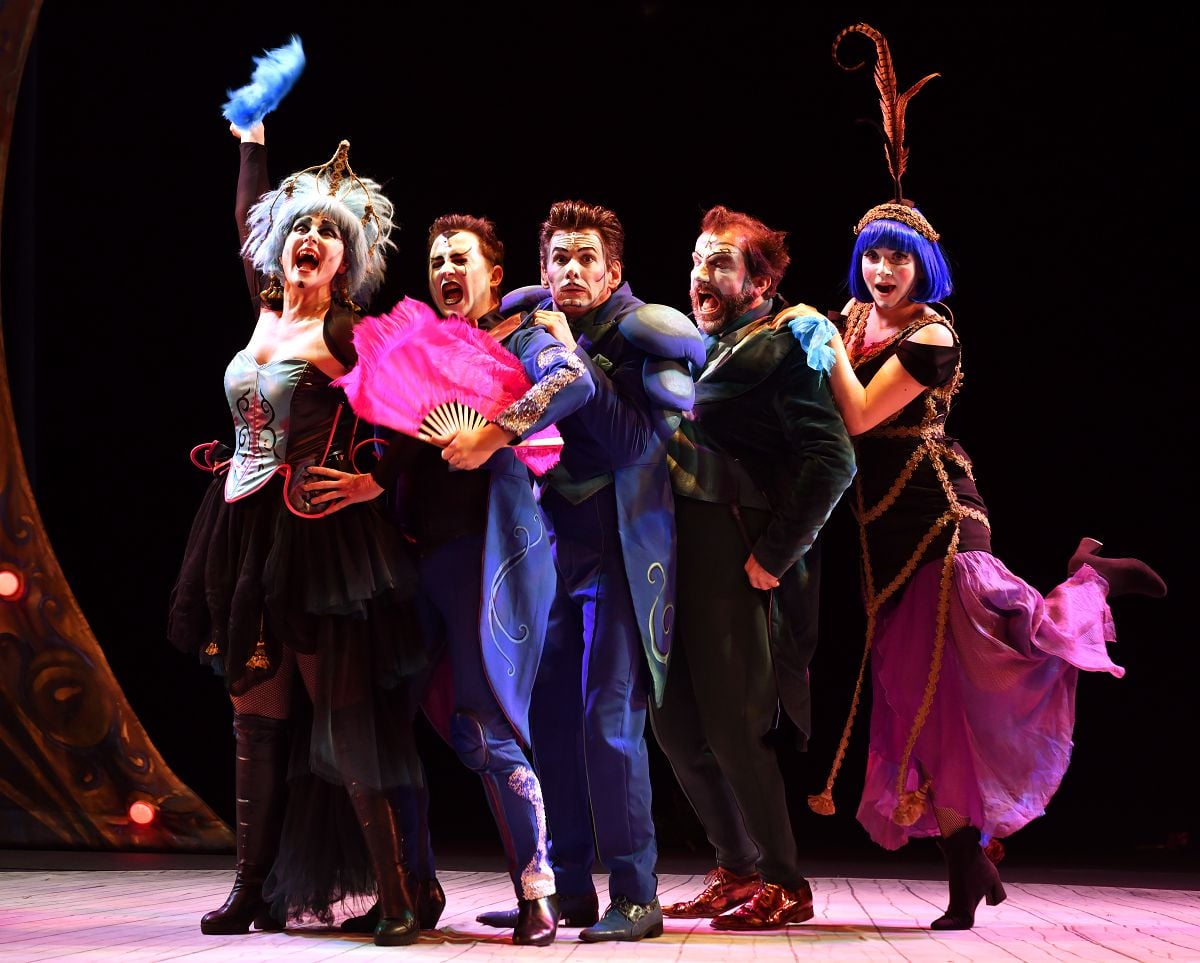
The show benefits hugely from Tatiana de Sarabia’s spectacular, colourful costumes, make-up and wigs. There is plenty of purple, electric blue, pink and gold on display, not to mention a great deal of the two female singers’ legs! And the set – designed by de Sarabia, David Ottone and Yeray González – moves seamlessly from front to backstage, via a simple curtain device and wheeling on some dressing room tables.
The central narrative device was Mariá’s naïve and touching secret love for Alfredo, a worn-out tenor, played poignantly in an outrageously large body suit by Jesús Álvarez. Alfredo has had a successful past but is now unable to sing the second bar of Nessun Dorma without breaking into an uncontrollable coughing fit. He spends much of the show wallowing in the past, sitting at his dressing table, swigging from a bottle while affectionately caressing a playbill for a long-ago success, unaware of the hidden infatuation of this shy but gorgeous young soprano. Needless to say (spoiler alert) there is a romantic denouement where all is revealed in an operatic happy-ever-after and Alfredo gains the confidence to give Nessun Dorma full vent!
Enrique Sánchez-Ramos brought much of the comedy to his role as the populist baritone, wearing huge shoulder pads and an outrageously bouffant Elvis wig complete with a bouncy quiff that seemed to have a life of its own. Usually, I dislike attempts at audience participation, but he led a competition by dividing the audience into three segments, pantomime-style, and inviting the groups to complete various well-known operatic phrases, with some considerable success, it must be said. The man is clearly a natural Scout leader (or pantomime Dame) with a great voice to boot!
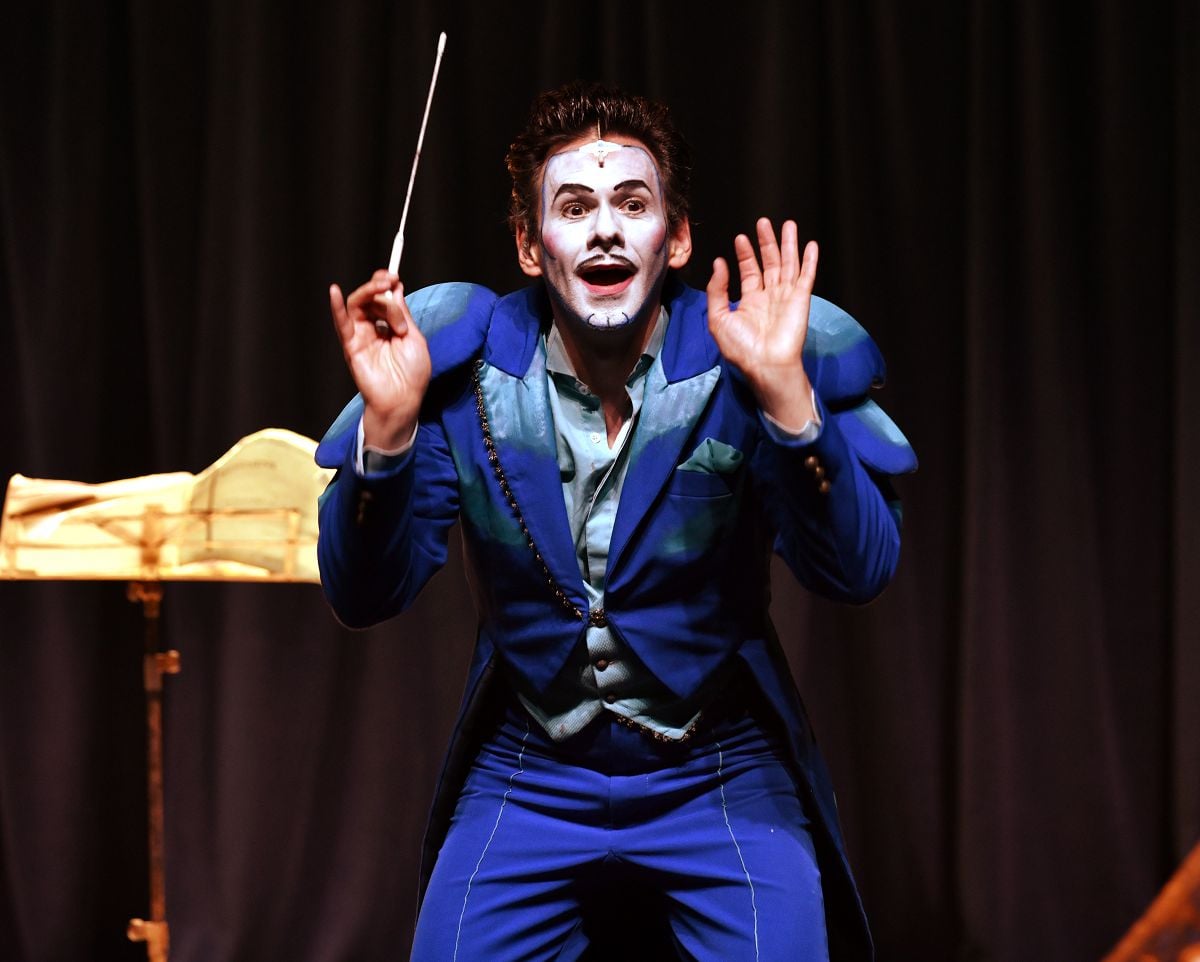
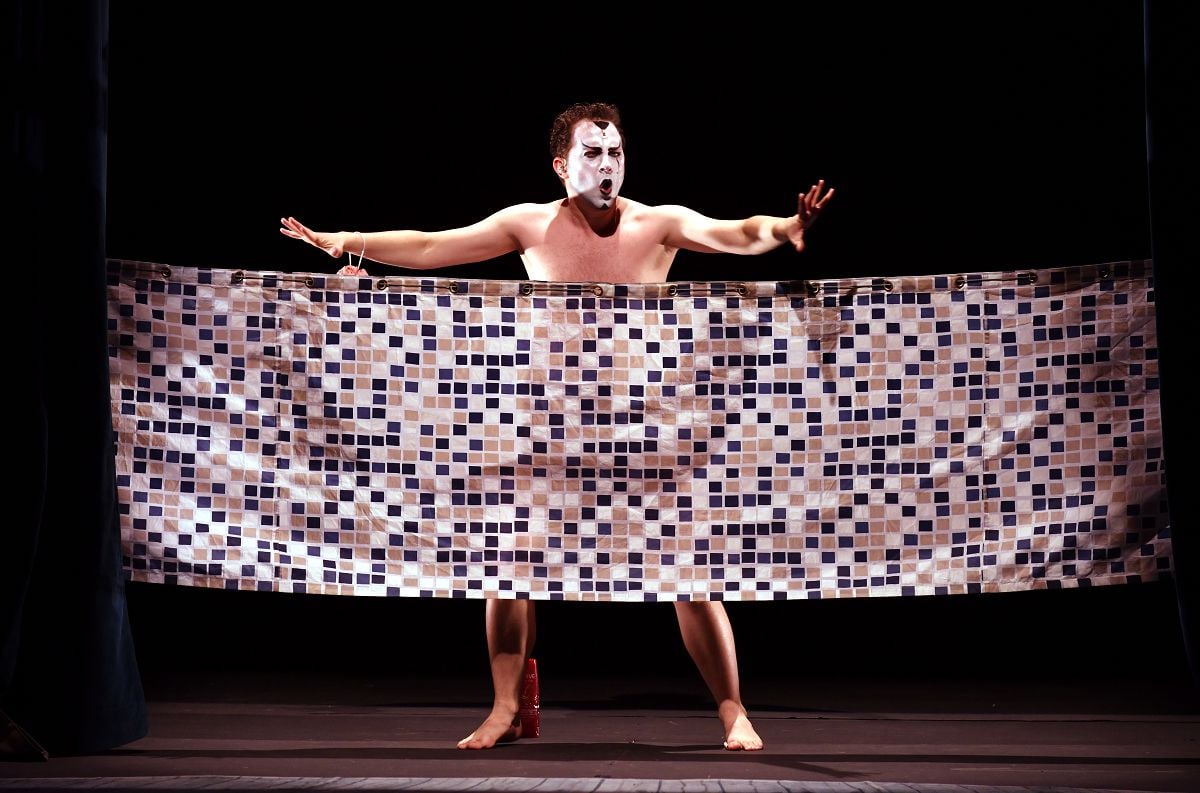
The two Spanish male singers, experts in Zarzuela, ventured into popular Neapolitan songs but the funniest and cleverest crossovers came via Franelli, the puppyish ingenue countertenor, played by Michaël Koné (born in the Ivory Coast, he was the only non-Spanish cast member). His vocal range was impressive and, as a professional actor as well as singer, he lit up the stage on every appearance, often morphing from opera to pop music without interruption. His seamless transition from Figaro’s Largo al factotum to Mika’s Grace Kelly was pure genius (and similar unbelievable mashups happened frequently – another linked Puccini’s O mio babbino caro with the theme song to Titanic and Beyoncé’s Crazy in Love)! I remember a comedy pop group (The Barron Knights?) doing a skit that showed that thousands of popular songs relied on the same four chords by performing a long compilation of songs merging into each other. The Opera Locos practised the same idea with a similar sense of fun.
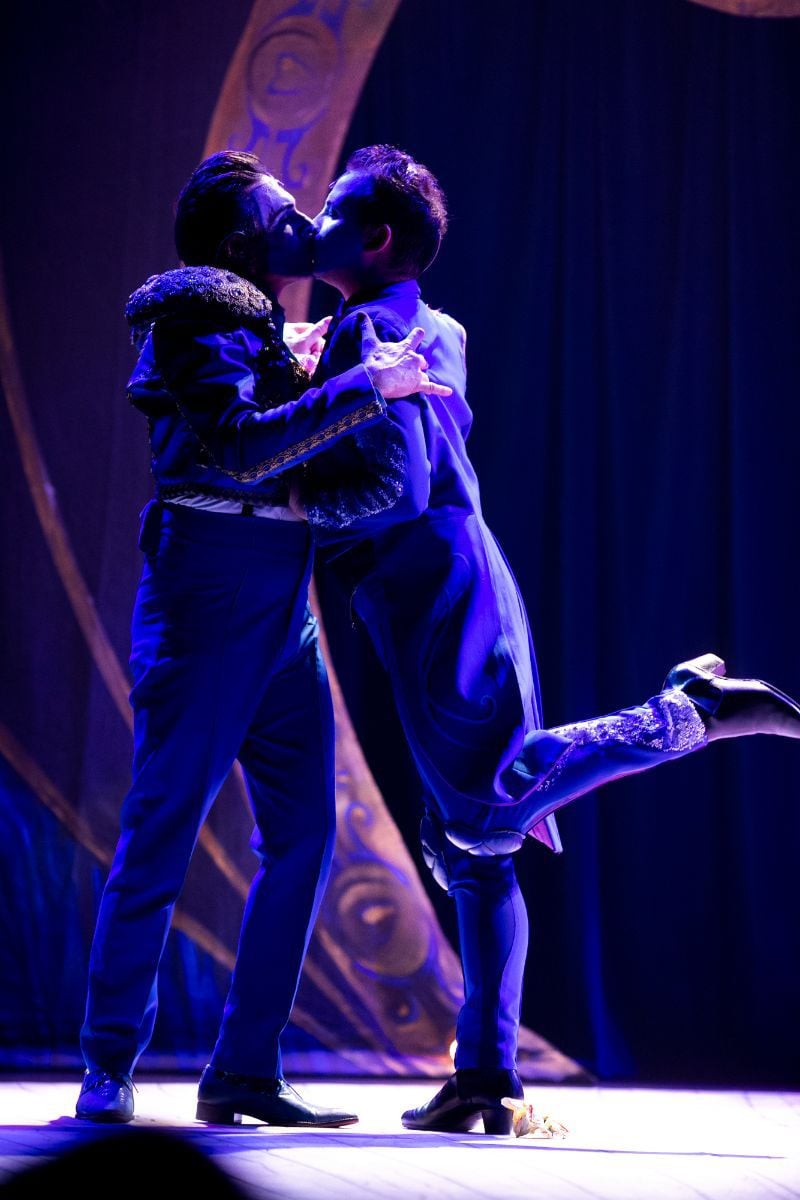
At the end, just as Mariá and Alfredo eventually found love, so did Enrique and Franelli, which left the sexy Carmen, played by mezzo-soprano Mayca Teba, ostensibly as the odd-one-out but she had pre-empted this by flirting outrageously with a lucky man in the front row of the stalls and invited him to join her for the finale! By the way, if you are fortunate enough to catch this show, don’t leave your seats at the curtain call because there is a tremendous encore that got the audience humming operatic tunes with a spring in their step as they filed out of the auditorium. I was happily one of them!

Graham Watts is a freelance writer and dance critic. He writes for The Spectator, Tanz, Shinshokan Dance Magazine (Japan), Ballet Magazine (Romania), BachTrack and the Hong Kong International Arts Festival and has previously written for the Sunday Express, Dancing Times, Dance Europe, DanceTabs, London Dance, the Edinburgh International Festival and Pointe magazine (USA). He has also written the biography of Daria Klimentová (The Agony and the Ecstasy) and contributed chapters about the work of Akram Khan to the Oxford Handbook of Contemporary Ballet and on Shobana Jeyasingh for the third edition of Routledge’s Fifty Contemporary Choreographers.
He is Chairman of the Dance Section of The Critics’ Circle and of the UK National Dance Awards and regularly lectures on dance writing and criticism at The Royal Academy of Dance, The Place and (until the war) for Balletristic in Kyiv. He was a nominee for the Dance Writing Award in the 2018 One Dance UK Awards and was appointed OBE in 2008.


