Interview: Jacopo Tissi is keeping it simple – finding balance in a fast-paced world
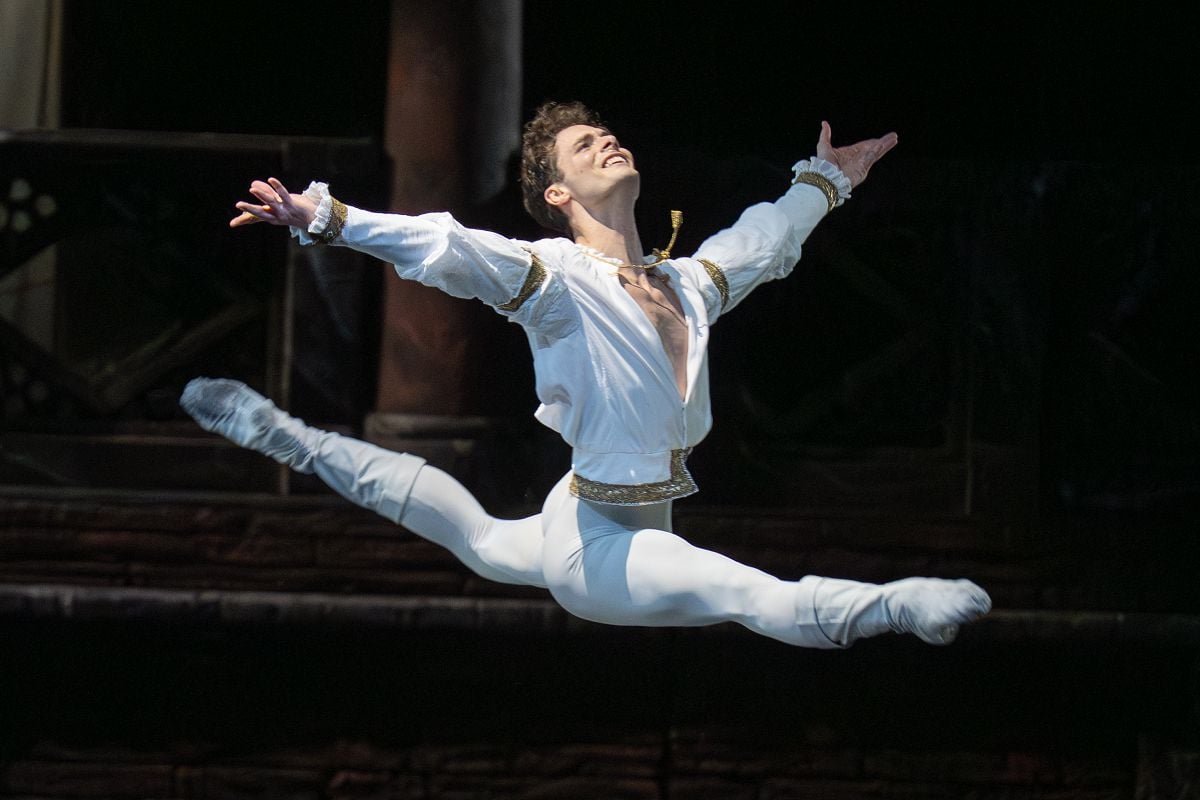
I first encountered Jacopo Tissi when he was 18 and finishing his training at La Scala‘s ballet school. To celebrate the 200th anniversary of the school’s founding, La Scala’s Academy threw a Black and White Ball with three guests: dancers Carla Fracci, Luciana Savignano and Svetlana Zakharova.
Tissi was evidently the star pupil, taking centre stage in the mini-gala performed by the students, but no one could have guessed that just two years later he would be partnering Zakharova in Alexei Ratmansky‘s Sleeping Beauty at La Scala (he was still 19), and that she would be one of the facilitators of his move to join the Bolshoi company in 2016. In 2018, he was Solor in La Bayadère at La Scala when the Bolshoi visited on tour, and at the beginning of 2022 he danced the same role alongside Zakharova, when they were guests in La Scala’s production.
Then, in March 2022, a couple of weeks after the Russian invasion of Ukraine, Tissi left his position as principal dancer of the Bolshoi Ballet and flew to Italy.
We’ve chatted for gramilano several times over the last decade, and I caught up with him in Amsterdam, where he is now based as Principal Dancer of the Dutch National Ballet.
So Jacopo, a dramatic turn of events for the world, and an enormous upheaval for you.
At first, after leaving the Bolshoi, I was on my own for one year. I was mostly at La Scala as principal guest, but also at Rome Opera Ballet, and around the world.
The transition was definitely complex, and it has been a process, really; I felt I needed some time to figure out many things before settling into a new theatre.
At the end of that year, I finally felt ready to search for a new home, in a theatrical sense, and in October 2023, I joined the Dutch National Ballet.
Why that company?
I’d been following the company already for some time; their repertoire was interesting to me, and the presence of Hans van Manen and his work was really artistically attractive, and I felt it could be something I could see myself in.
After walking along the canals of Amsterdam, I felt like I was falling in love with the city as well.
The company welcomed me very warmly, and I was happy to find such a serene and supportive atmosphere among the dancers. It was comforting to see some familiar faces from the past, for example, Olga [Smirnova], with whom I shared the chapter of my life in Moscow.
And do you miss your Russian friends?
I do miss them, yes.
Are you able to keep in touch?
I am still in contact with them, even if it’s not always easy to communicate.
From the Bolshoi to the Dutch National Ballet – both are prestigious, but the former has more than 200 dancers, while the latter has fewer than 100. Also, the move from Moscow to Amsterdam. Different experiences.
Of course, there have been many differences to adapt to. The system, the repertoire, and the way the workload and performances are planned are all quite different compared to the Bolshoi.
What do you appreciate the most about the Dutch National Ballet?
The variety of the repertoire, which combines the big classical ballets together with contemporary works, as well as a strong identity that makes it stand out for the work of Dutch choreographers, above all, Hans Van Manen.
Getting to know a new city and culture, as well as finding my place within a new group, has been both challenging and rewarding. It has been exciting to meet new people, work with new ballet masters, and challenge myself with a new repertoire and numerous premieres.
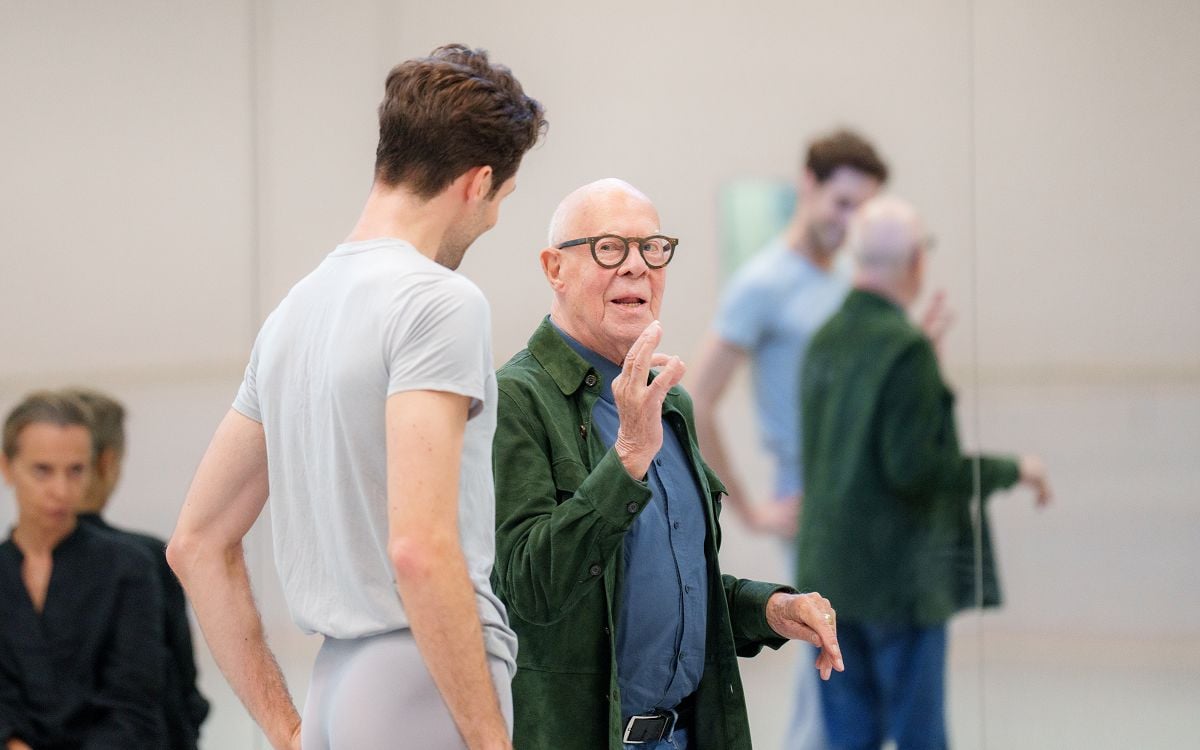
Van Manen died just six months ago, but you were able to work with him.
A dream came true: working with the master himself.
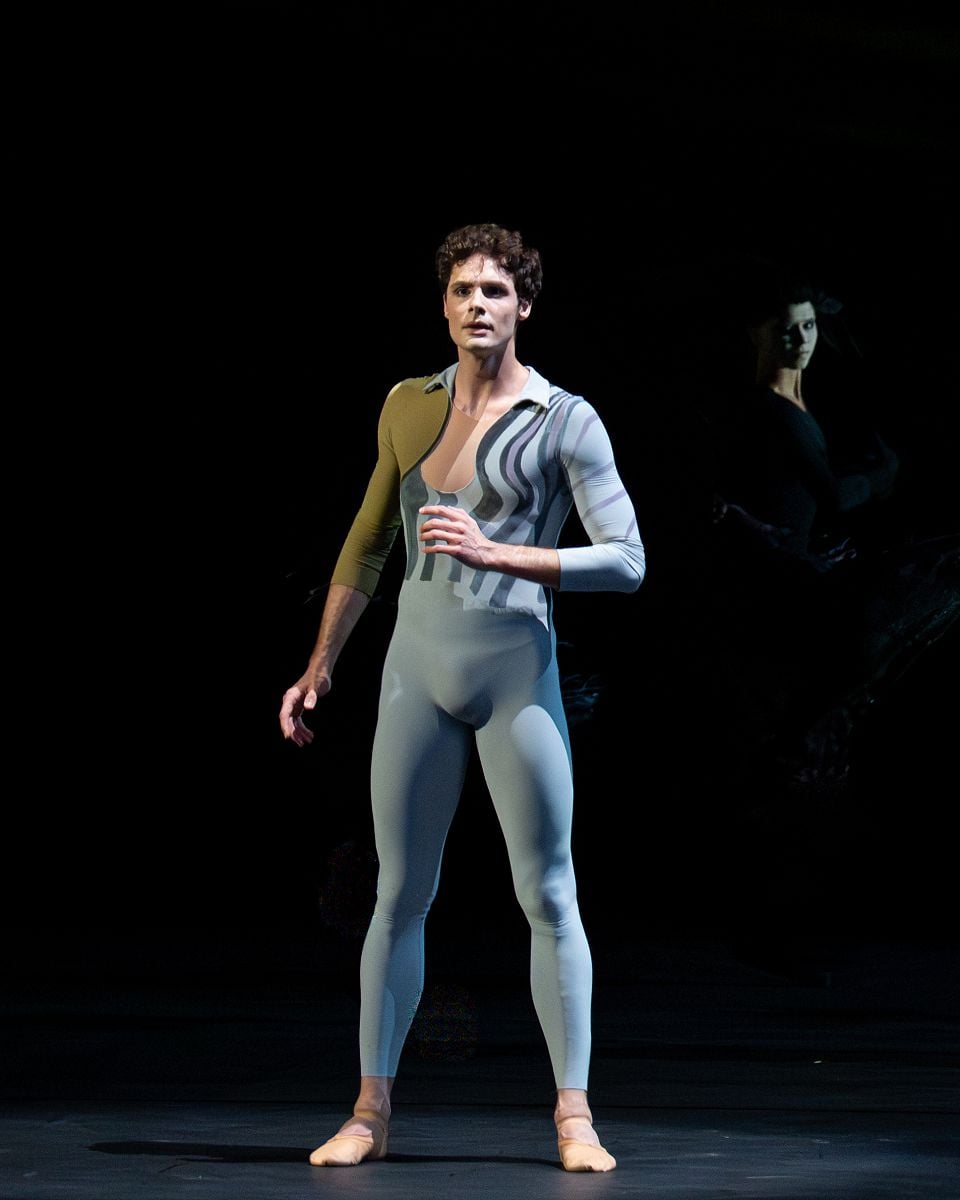
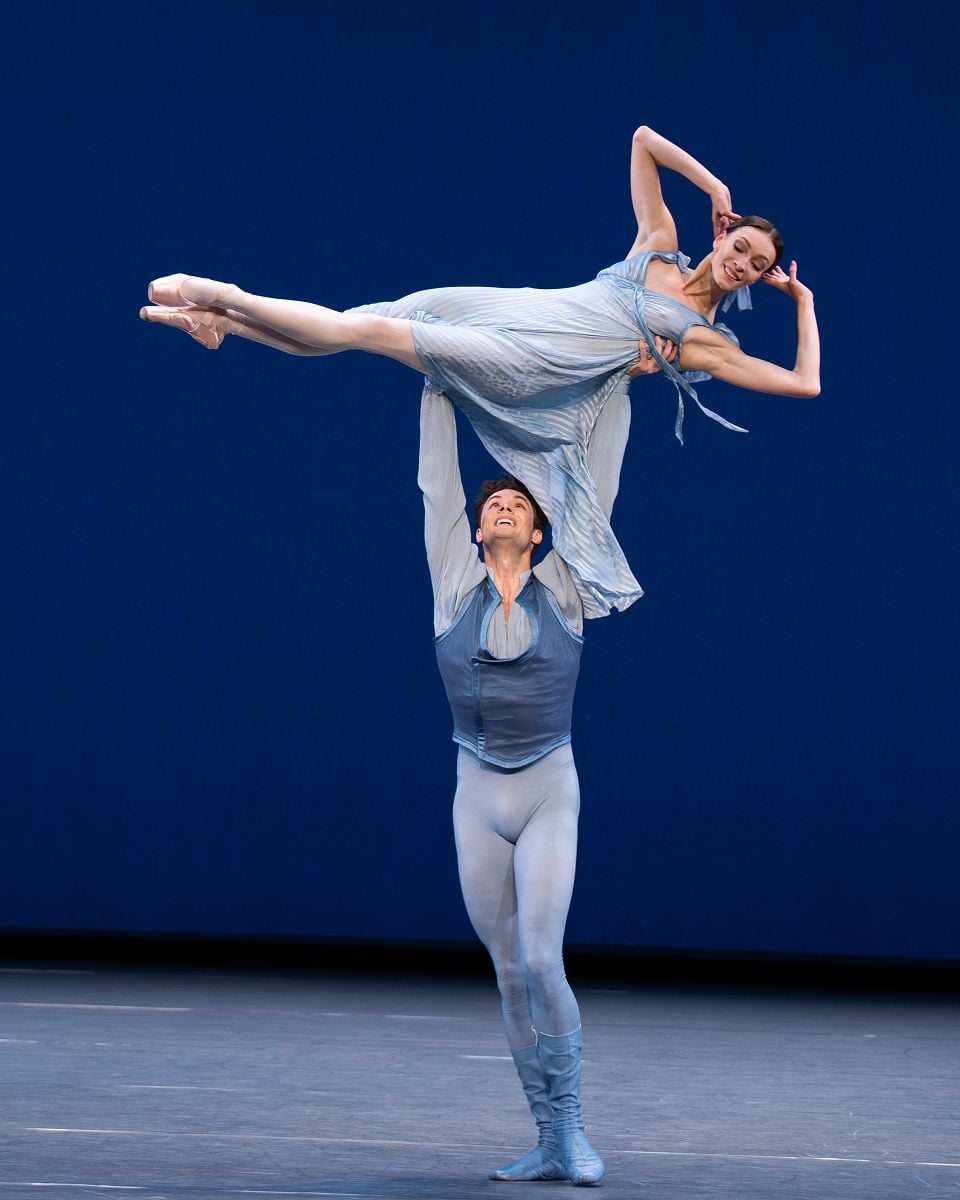
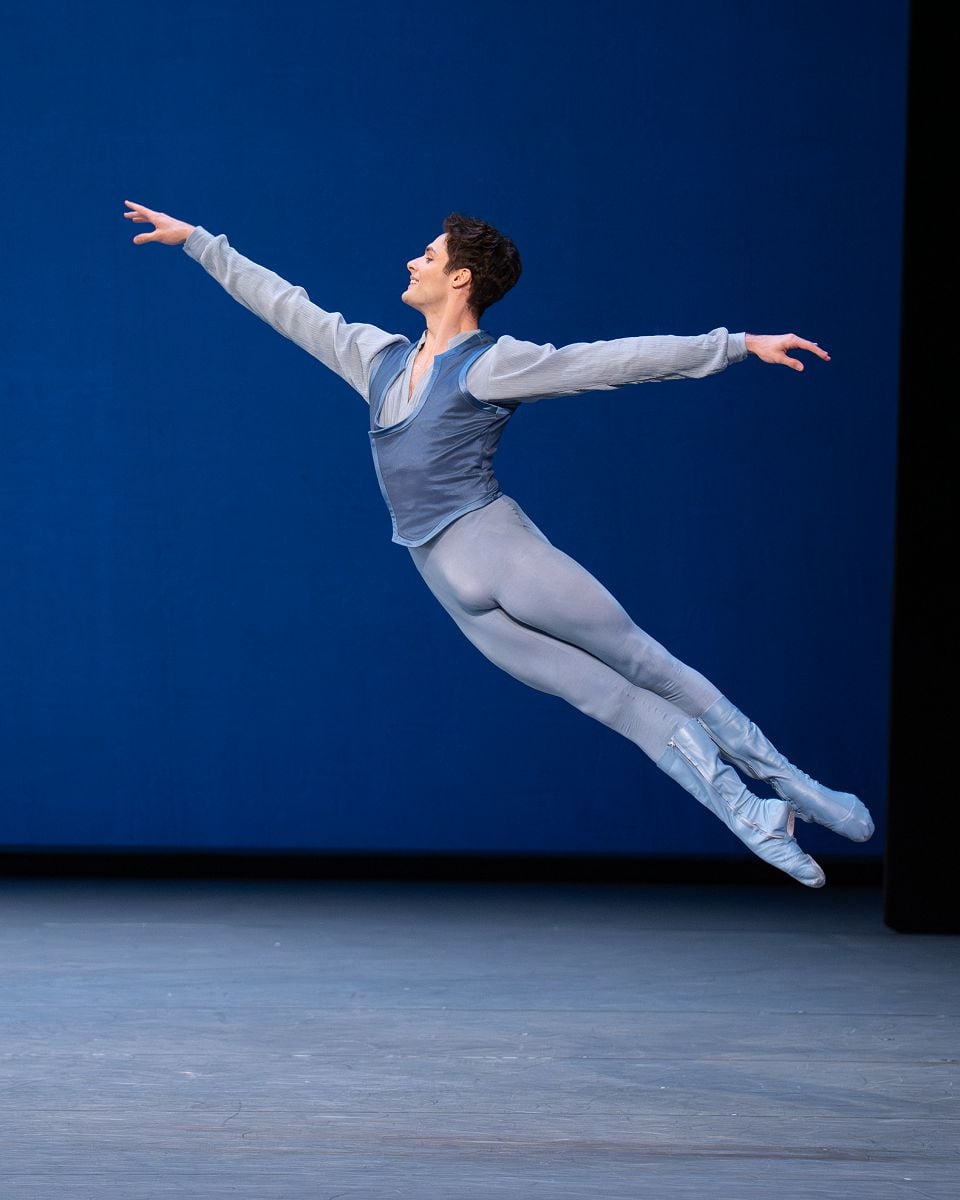
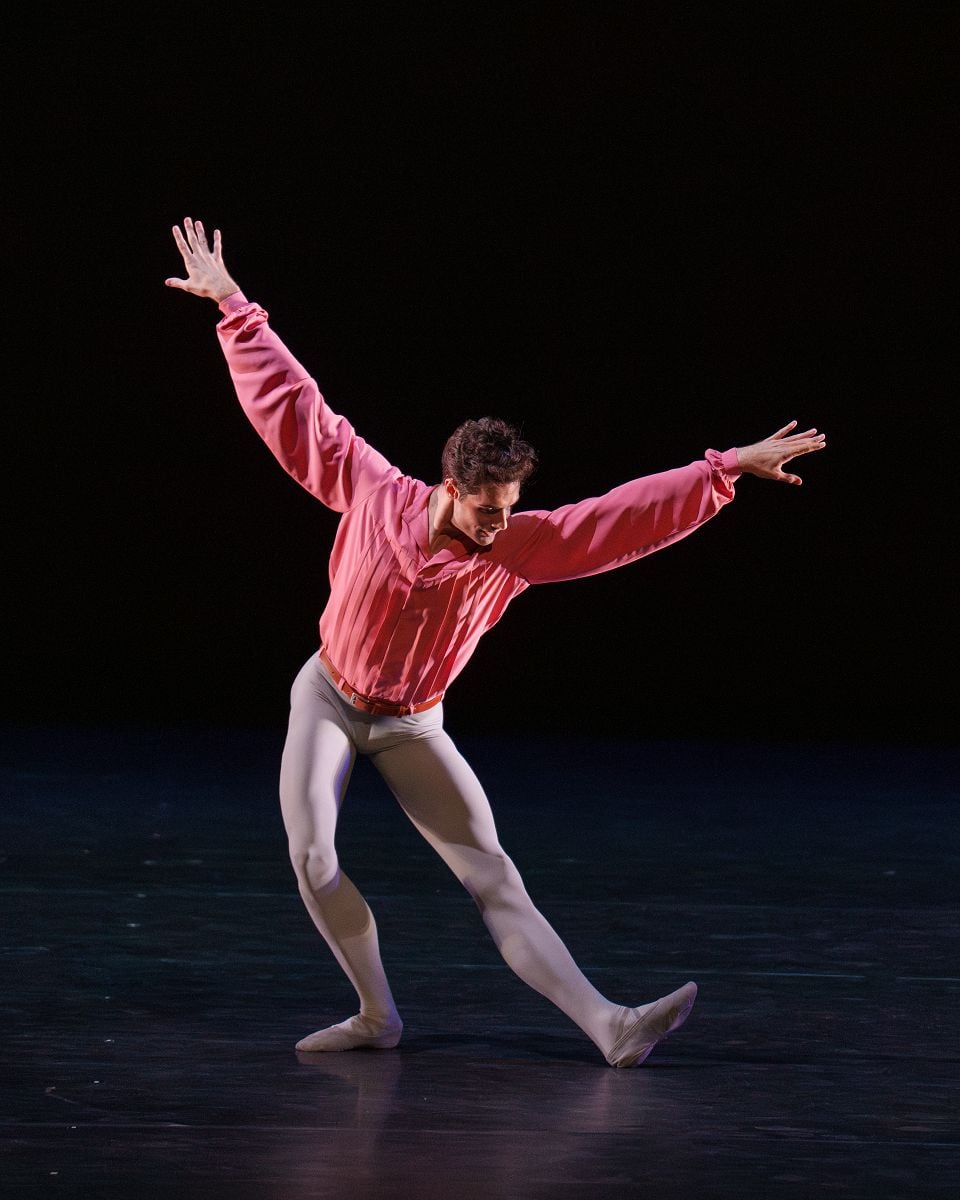
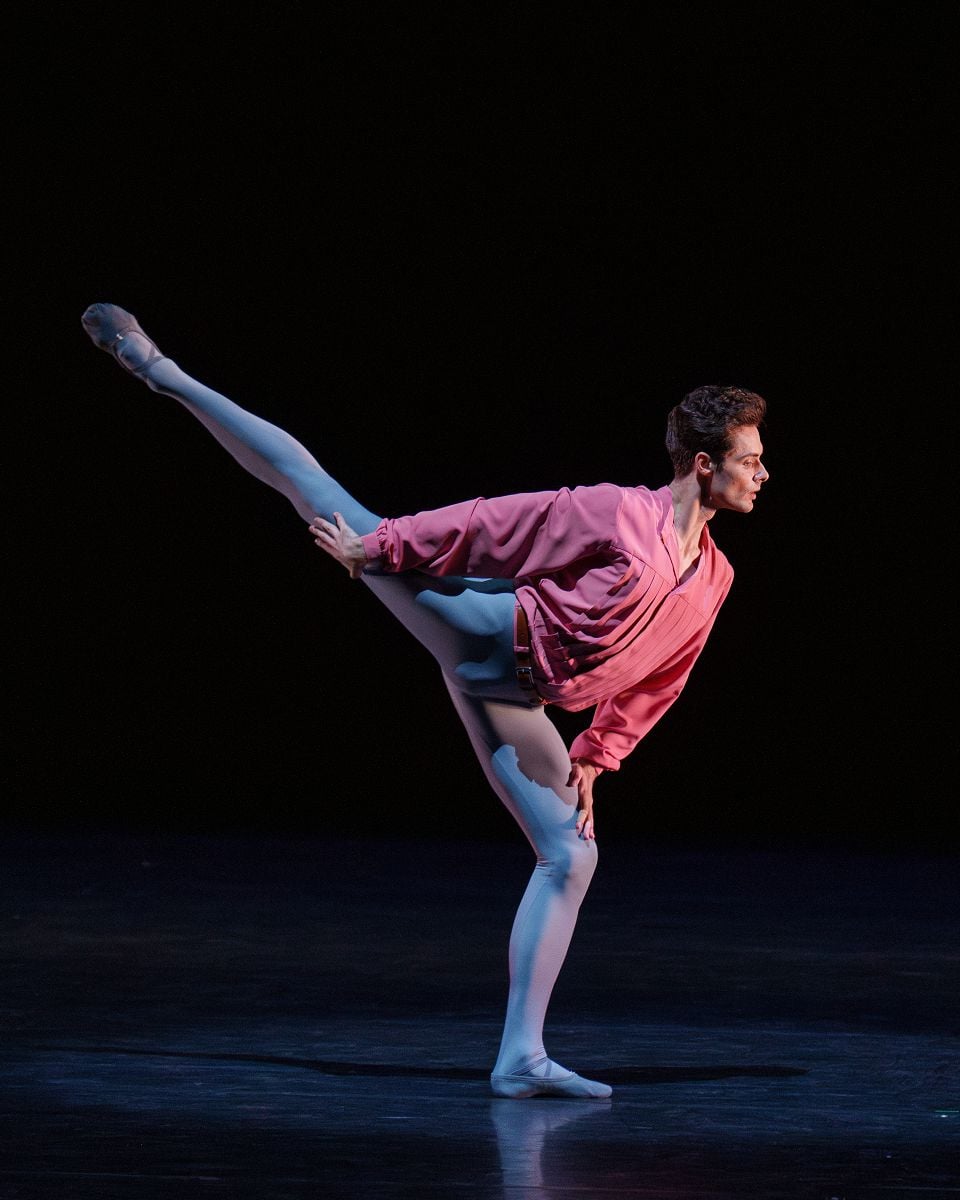
He chose me for the revival of Four Schumann Pieces, a ballet he created for Anthony Dowell and later danced by Nureyev. A piece with a big spotlight for the male dancer that carries the whole ballet. Being in the studio with him and shaping the ballet under his guidance was very special.
What draws you to his works?
I think Hans’ work combines incredible musicality with elegant minimalism, incredible accuracy in the choice of every step and intention behind each one, which makes all his ballets so powerful and clear. With his ballets, he puts in every possible human connection and makes it completely transversal. His choreography is not only related to his vision of dance but also to his vision of the world, and this depth of thought is reflected throughout his choreography.
Other special choreographic encounters?
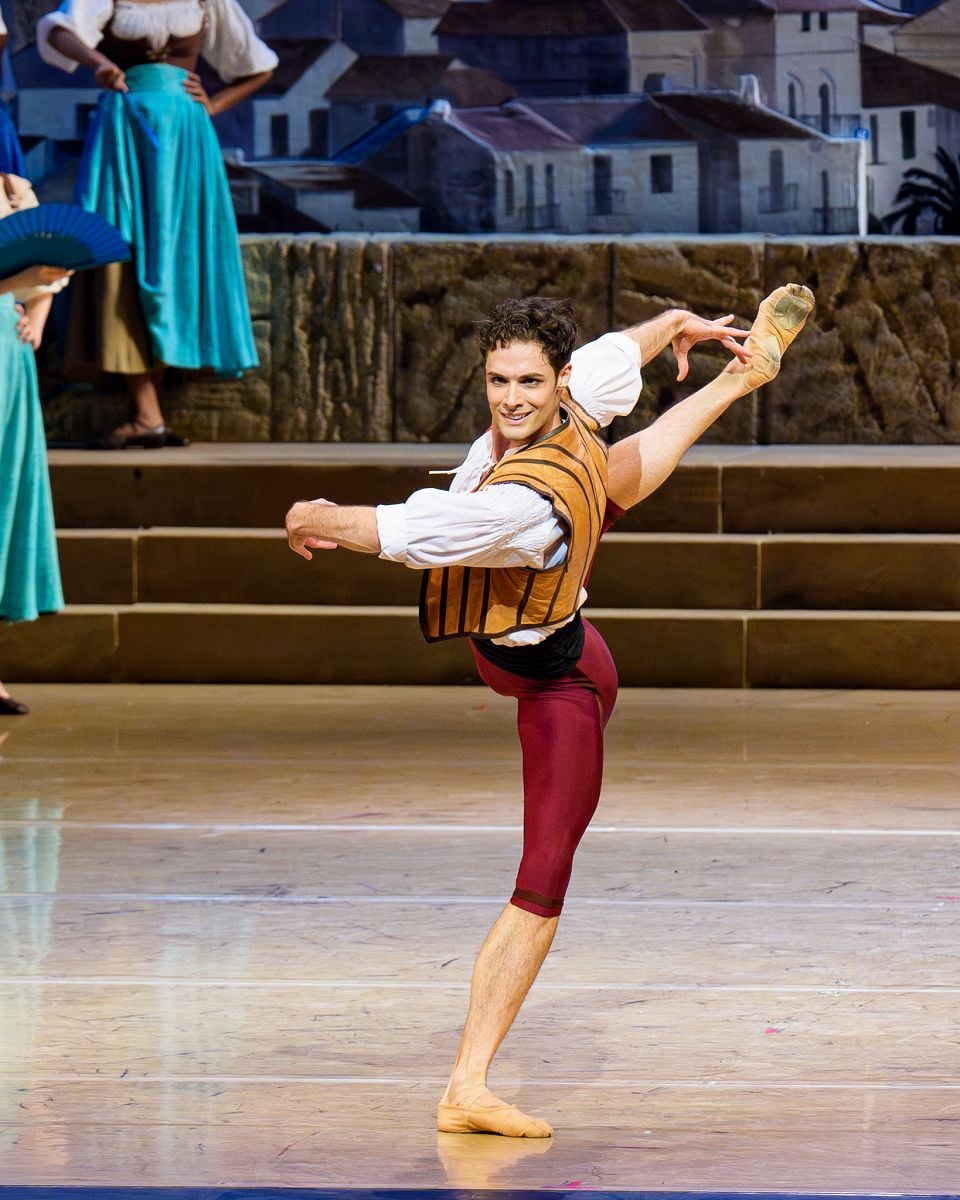
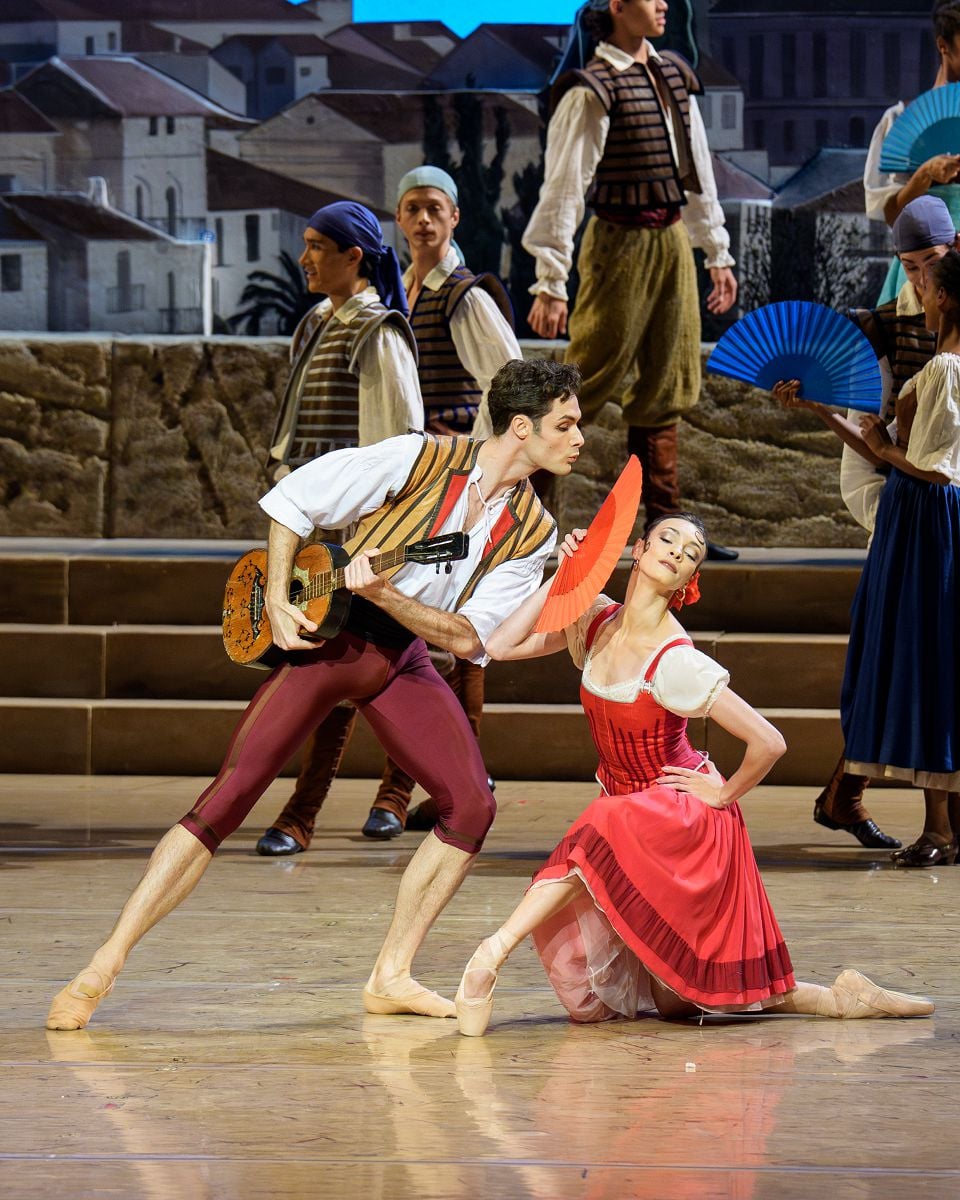
My premiere as Basilio in Don Quixote, a very different ballet from my usual repertoire. In my last period at the Bolshoi, I started getting it ready with my teacher Alexander Vetrov, and I am happy that in the end, I saw the light here in Amsterdam.
Another artistic meeting I treasure is with Sol Léon and Paul Lightfoot; we worked with Olga on an extract of their ballet Postscript. It has been very challenging for me to put myself into such a contemporary work and to use my body and emotions in a completely different way. But with their guidance and incredibly precise, honest direction, I felt it really gave me a lot, and I hope to work with them again in the future.
Another interesting opportunity came with a very old ballet called Monument for a Dead Boy, created by one of the most famous Dutch choreographers, Rudi Van Dantzig. A very deep interpretative journey.
Your repertoire has certainly expanded.
Definitely! I’m very interested in trying myself in new styles and choreography. In fact, I always thought it fundamental for an artist to explore and keep learning. I find it important to see when, in the choreography, there is a specific style and idea behind it, a clear direction and purpose.
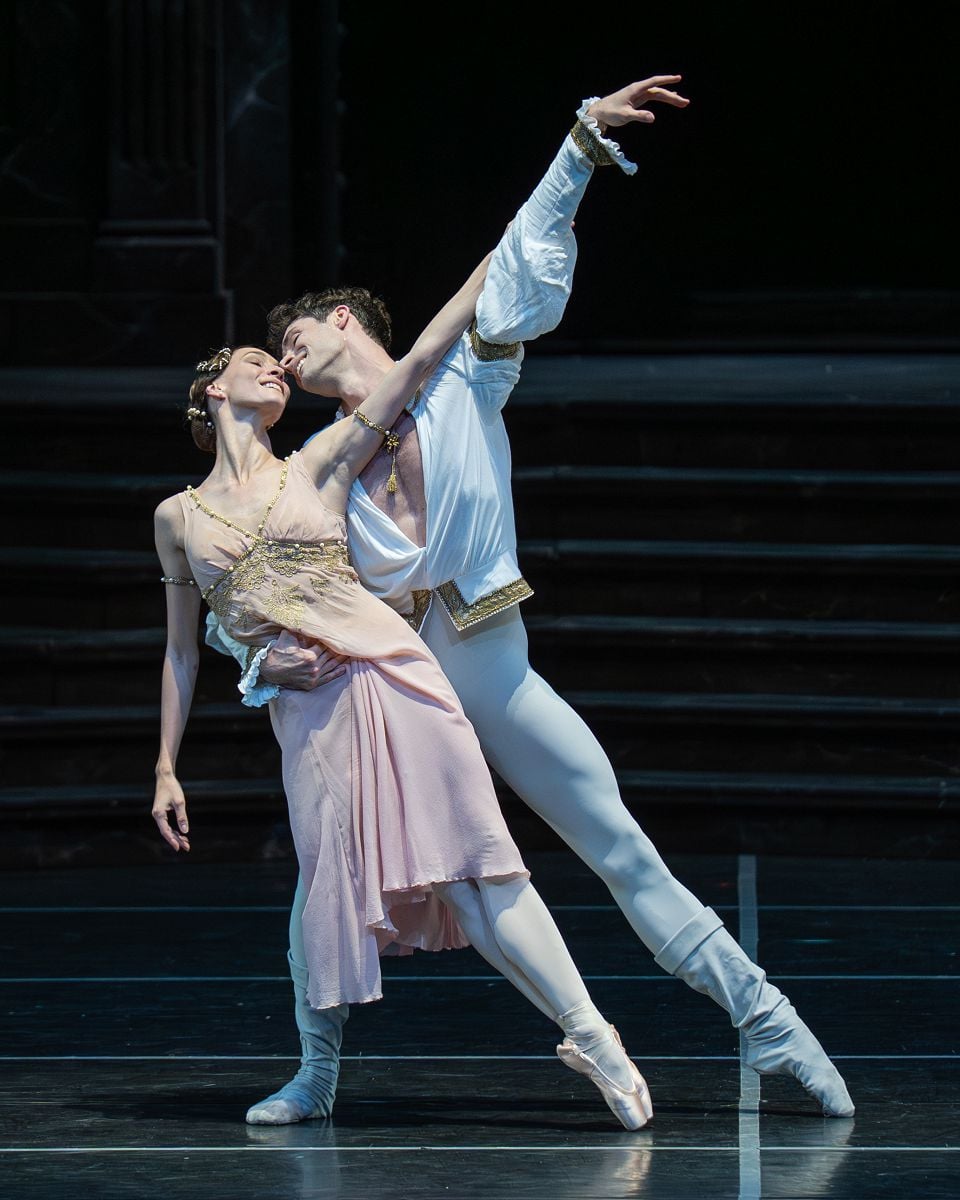
And you’ve been working a lot with your former Bolshoi colleague, Olga Smirnova.
I think since I joined the theatre, I’ve danced most of the shows with Olga, so I would say we started dancing together more than in Moscow. We’ve got to know each other better and built a deeper artistic connection.
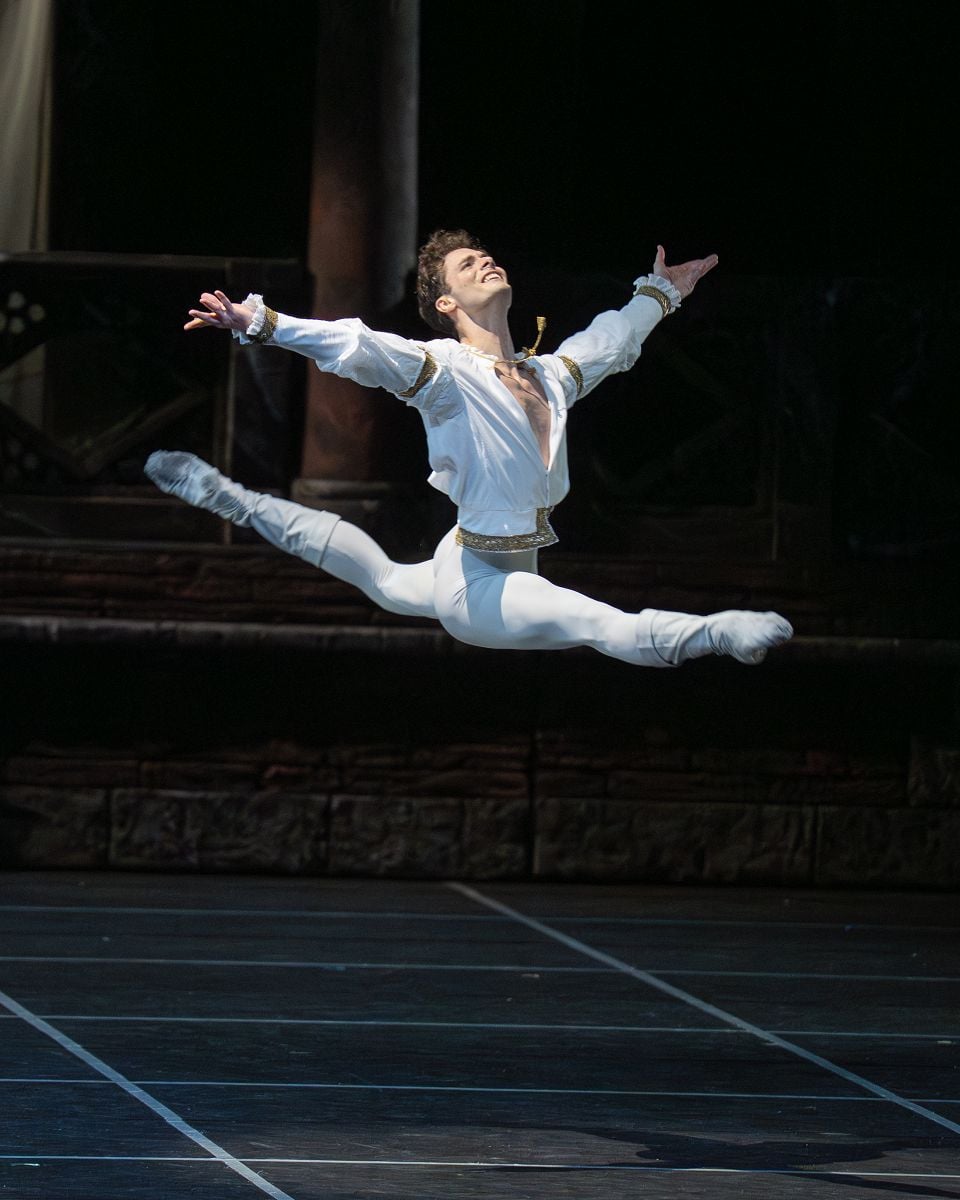
You’ve also been very active in guest appearances. What have been notable experiences over the past four years?
I am grateful to have had the opportunity to perform extensively in Italy, especially in Rome under the direction of Eleonora Abbagnato, and at my home theatre, La Scala – first working with Manuel Legris and, after a year not performing there, returning recently at the invitation of Frédéric Olivieri.
I also greatly enjoyed performing as a guest artist in Asia, including Hong Kong and Kazakhstan, and during a tour of Japan with Mathieu Ganio’s gala. Another memorable experience was performing in Tbilisi, where Nina Ananiashvili invited me to dance in Giselle.
The list of beautiful places and extraordinary dancers and ballet masters I have had the privilege to perform with would be far too long to include here. These are just a few of the many incredible experiences I have been fortunate to have, for which I am deeply grateful.

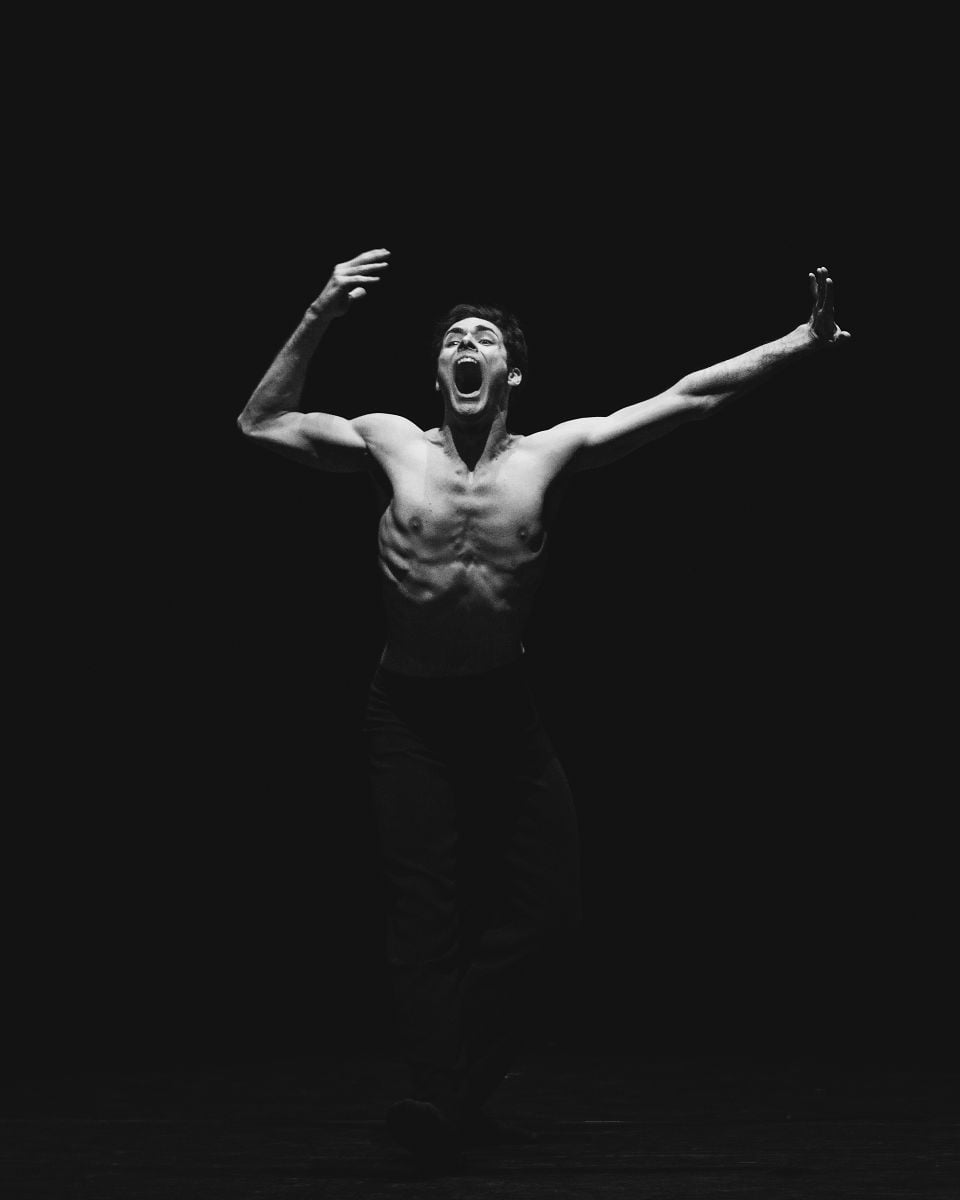


You are one of the most visible Italian dancers working outside Italy. Do you feel the responsibility?
Yes, definitely. I feel very honoured to be in a position where people look up to me. It motivates me to work hard, stay true to myself, and share my love for ballet with others. Representing my country on stage is something I carry with pride and humility. I hope that through my performances, I can make people feel connected, inspired, and proud as well.
I have always seen you as someone who is well-grounded.
I think my entire journey has given me solid foundations that keep me grounded while always pushing me to strive for more.
Do you get the chance to come back to Italy often?
Italy is always in my heart and mind. I think it has a special light and beauty that surrounds you, a way to constantly get inspiration. Of course, what I miss the most is my family, but I am glad I’m able to see them quite often, whether it’s me going there or they coming here – they love Amsterdam.
What do you love most about this city? You’ve been here three years now.
What I like about Amsterdam is its calming atmosphere – maybe because of all the canals and the water reflecting the trees. A quiet vibration. Also, the size of the city makes it really easy to move across, and sometimes the small distances make you feel more like you live in a big village.
That said, Amsterdam embodies the true spirit of a European capital – there’s much going on in the city, and there are a lot of cultures blending together. It is also very open-minded.
A proper part of Dutch culture is the appreciation of the simplicity and cosiness of small moments… something that helps keep you balanced in a world that moves so fast.