Luciano Pavarotti House Museum – remembering the singer and the man
Just outside Modena, near the house where Luciano Pavarotti was born, is the Casa Museo Luciano Pavarotti, the home he built at the beginning of this century and where he lived for the last years of his life with his wife Nicoletta and daughter Alice.
It was opened to the public in 2015, and most of the furnishings and objects have remained unchanged from when he lived there. Some rooms have been adapted to house some of his costumes and his awards, but unusually, rooms like the kitchen – one of the most important rooms of the house for the food-loving maestro – and his bedroom and en suite bathroom can be visited, and, remarkably, small objects have been left out in a great demonstration of faith in the honesty of Pavarotti’s fans.
The non-profit Pavarotti Foundation runs the Home Museum and arranges open-air concerts during the summer months. The ticket office is in a building that was once Alice’s playroom.
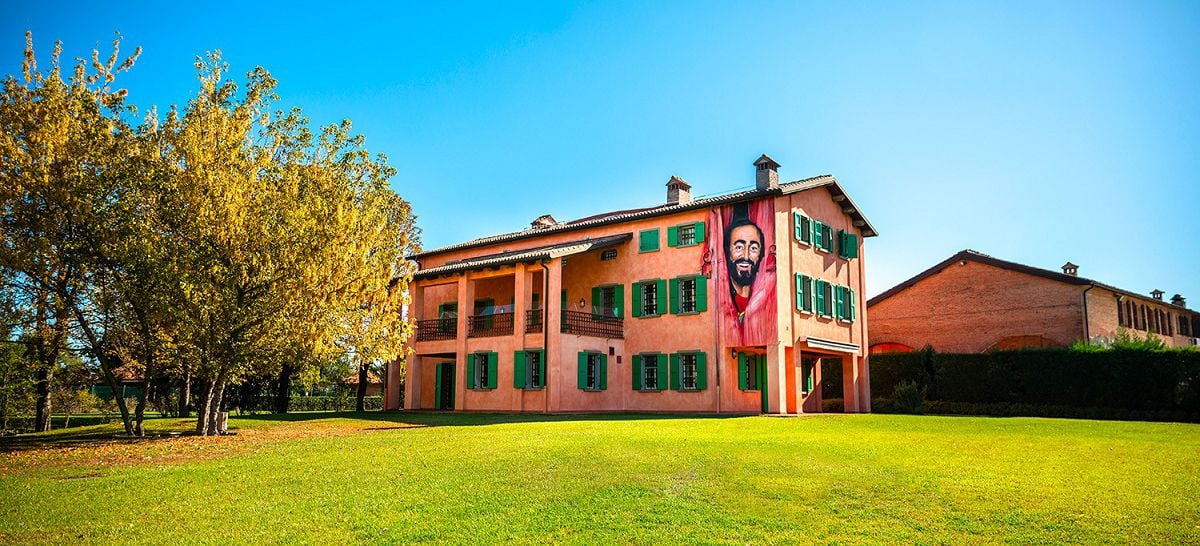
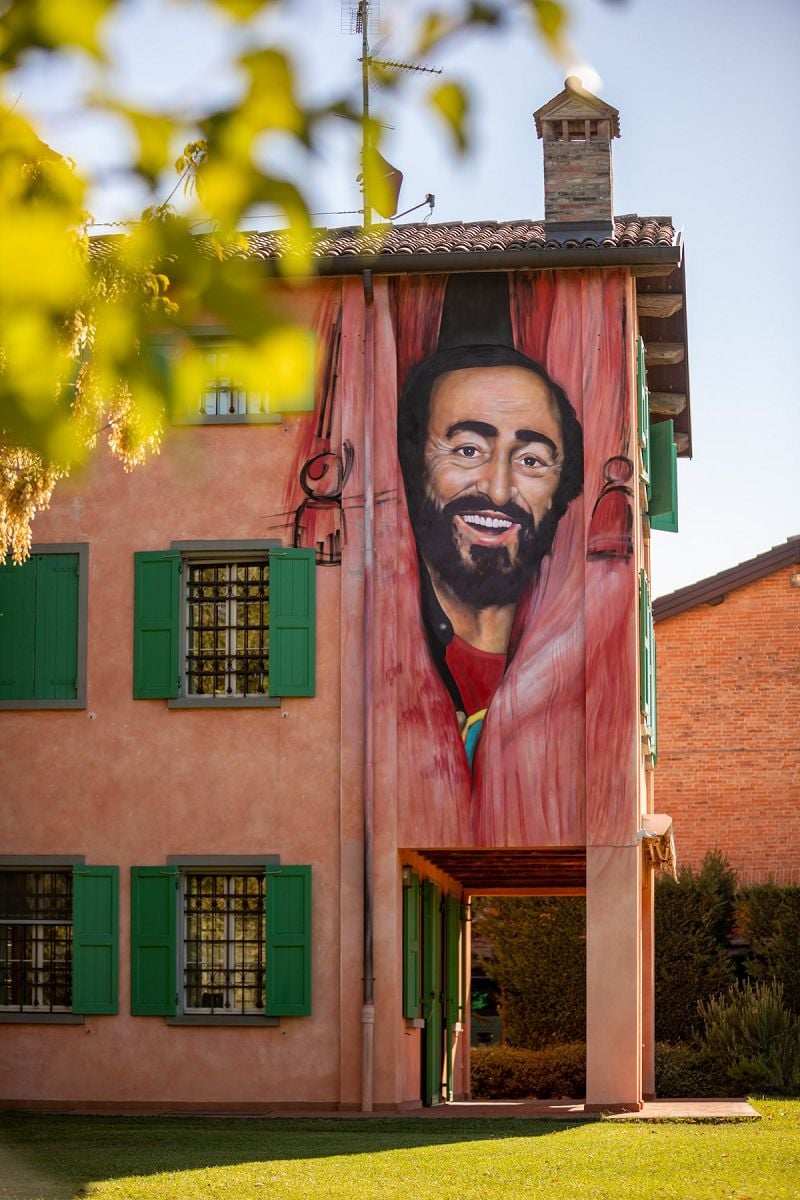
The outside of the house is unassuming (except for a recently added mural of the maestro), reflecting the local style, and the interiors are friendly. It was built to be lived in as a family, not to impress.
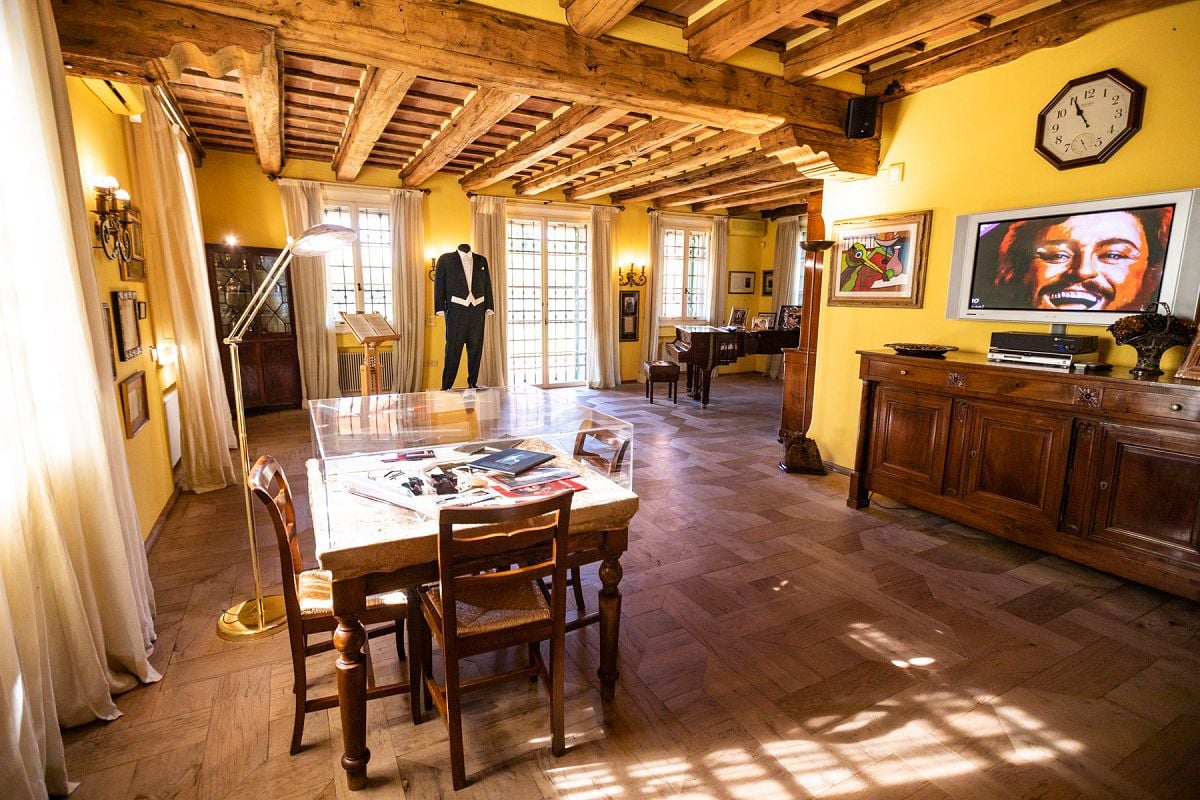
The main living room, where he spent much of his time, reflects his personality with bright colours, natural wood and a beamed ceiling. Here Pavarotti would receive friends, dine and play cards.
The Steinway piano – also used for the free lessons he gave to promising singers – was an early gift from his record company, Decca. Next to the piano is one of the tailcoats he wore for concerts, together with a white handkerchief – this became his security blanket from the 1970s onwards as he didn’t know what to do with his hands without an opera costume and director’s guidance.
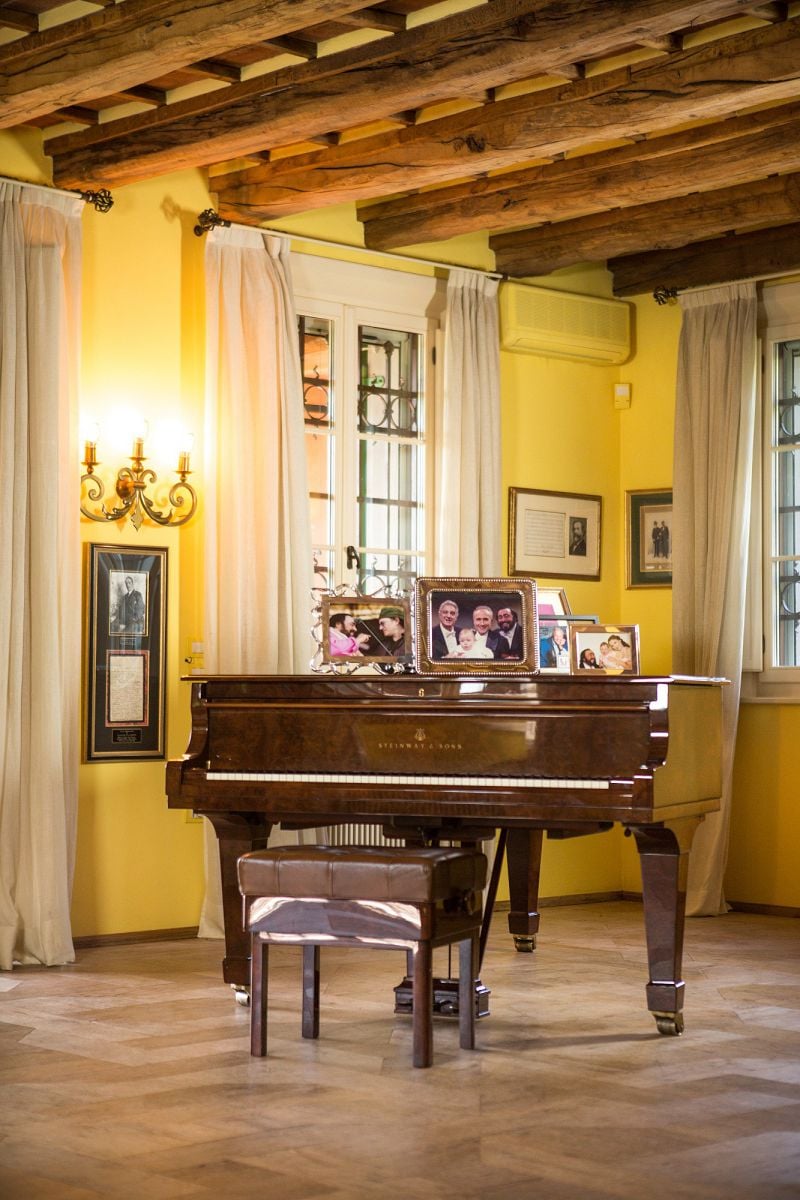
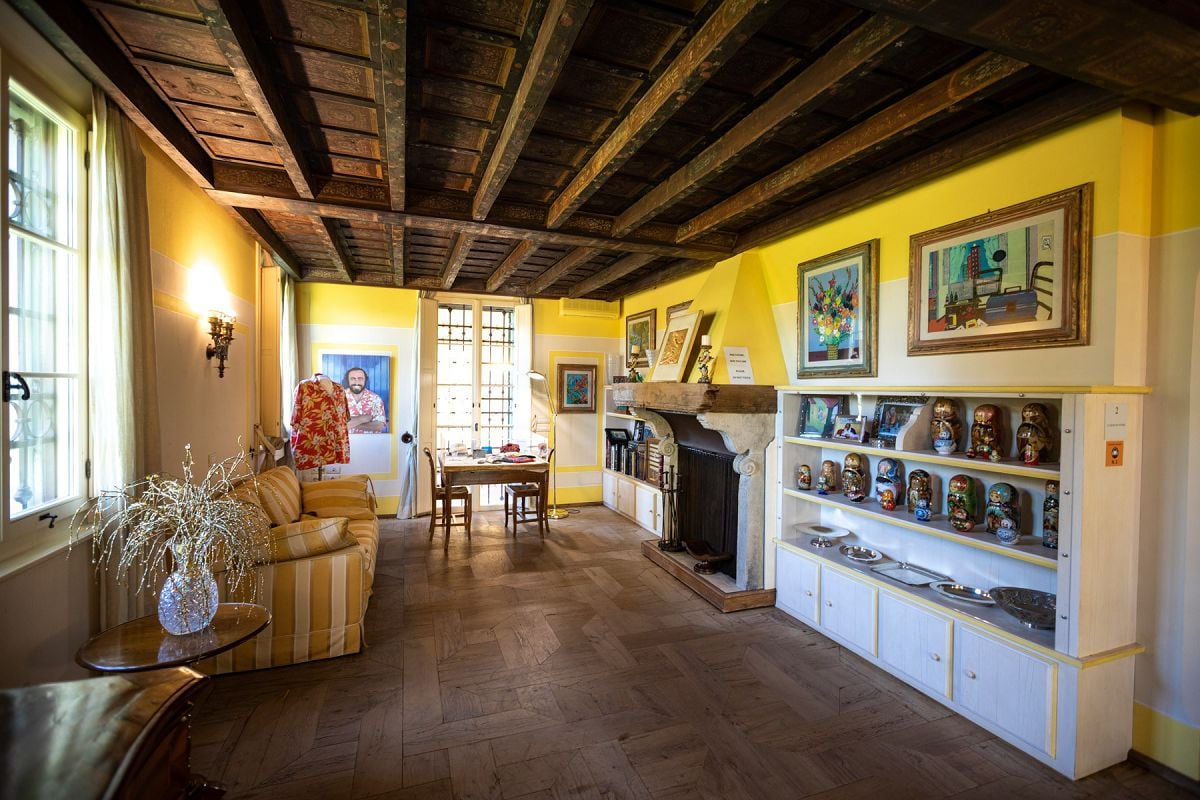
On the walls are signed letters from Puccini, Verdi and Mascagni, and nearby (protected by a display case) personal objects, such as the notebook with his performances and the rating he gave each one. There are also some of the bent nails he would collect from the stage floor as a good luck charm. Hanging on the walls are some of his (surprisingly good) cheery and colourful paintings.
An adjacent living room houses more of his paintings, created during the 1980s and 1990s, when, inspired by the role of the painter Cavaradossi in Tosca, he developed a passion for painting. He signed his works “LUPA”. They are paintings of places dear to him, like the panorama from his New York apartment. One of his colourful, flowery shirts is displayed here, which was used in publicity shots.
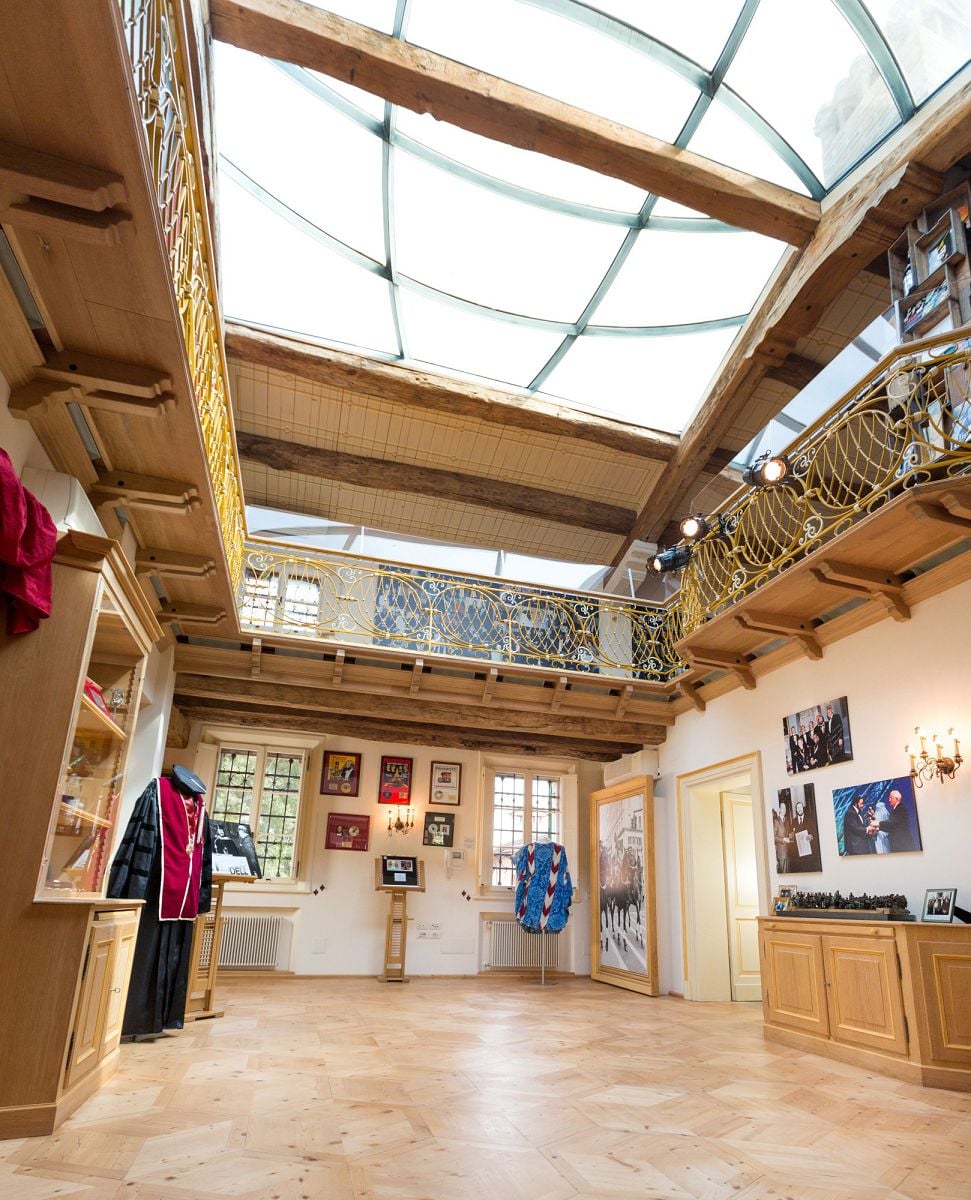
In a large, open loft space, lit by a huge skylight, are display cases with many of the 500 awards he received during his career, including 6 Grammys, 2 Emmys, the Légion d’Honneur and the title of UN Messenger of Peace. There is also the Nansen Award for his commitment to refugees, the World Social Award, and the Kennedy Center Honors Award. Among the exhibits is the cloak worn during the 1980 Columbus Day Parade, where he was named Grand Marshal. Gold and platinum records hang on the walls, including the album “Essential Pavarotti”, the first classical record to reach the top of the UK pop charts.
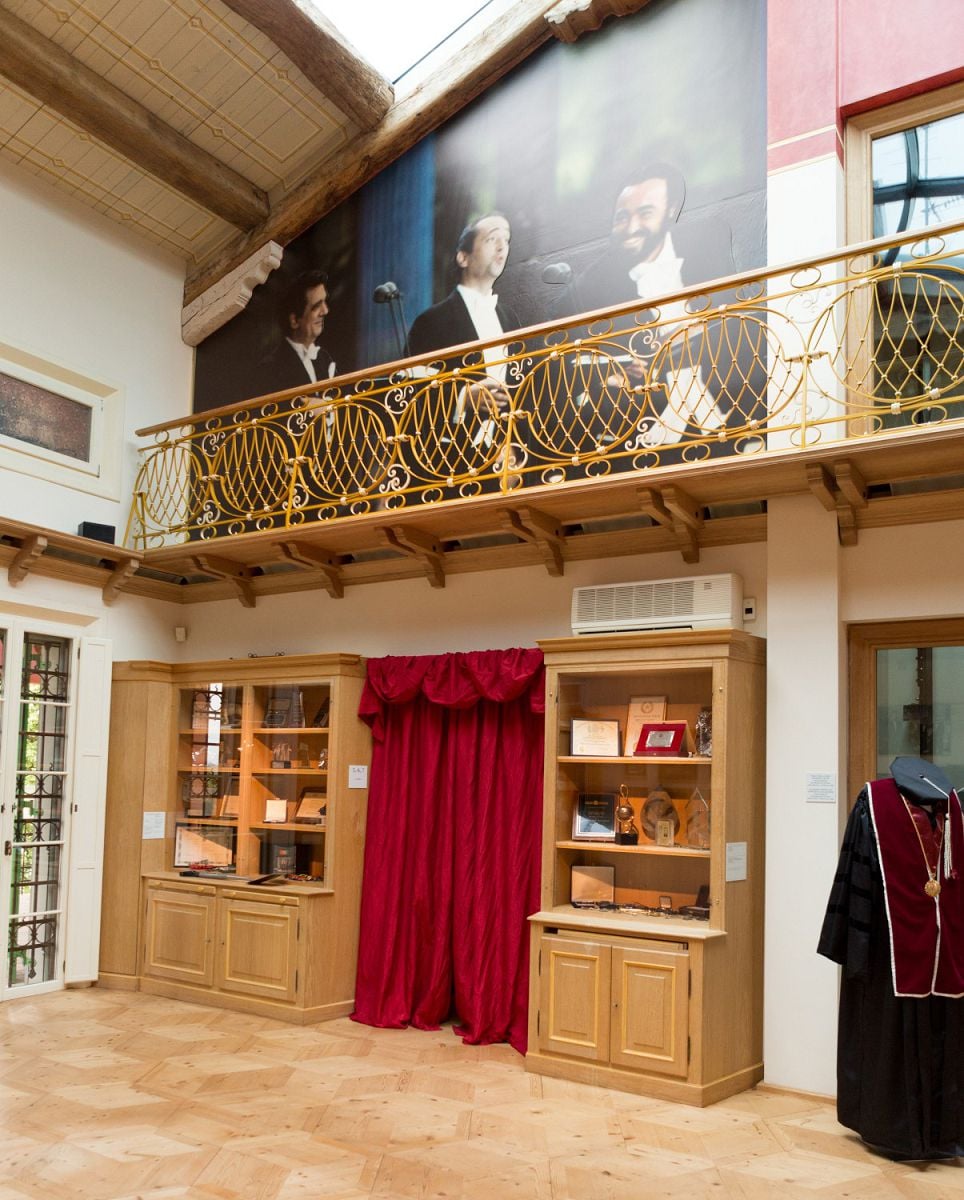
Just off this room is the bedroom, where he died on 6 September 2007. This is the place where he spent much time during the last period of his life, watching thrillers (there are DVDs on the shelves) and playing with his daughter (one of her childhood drawings lies on a bedside table). A walk-in wardrobe contains some of his signature scarves and hats.
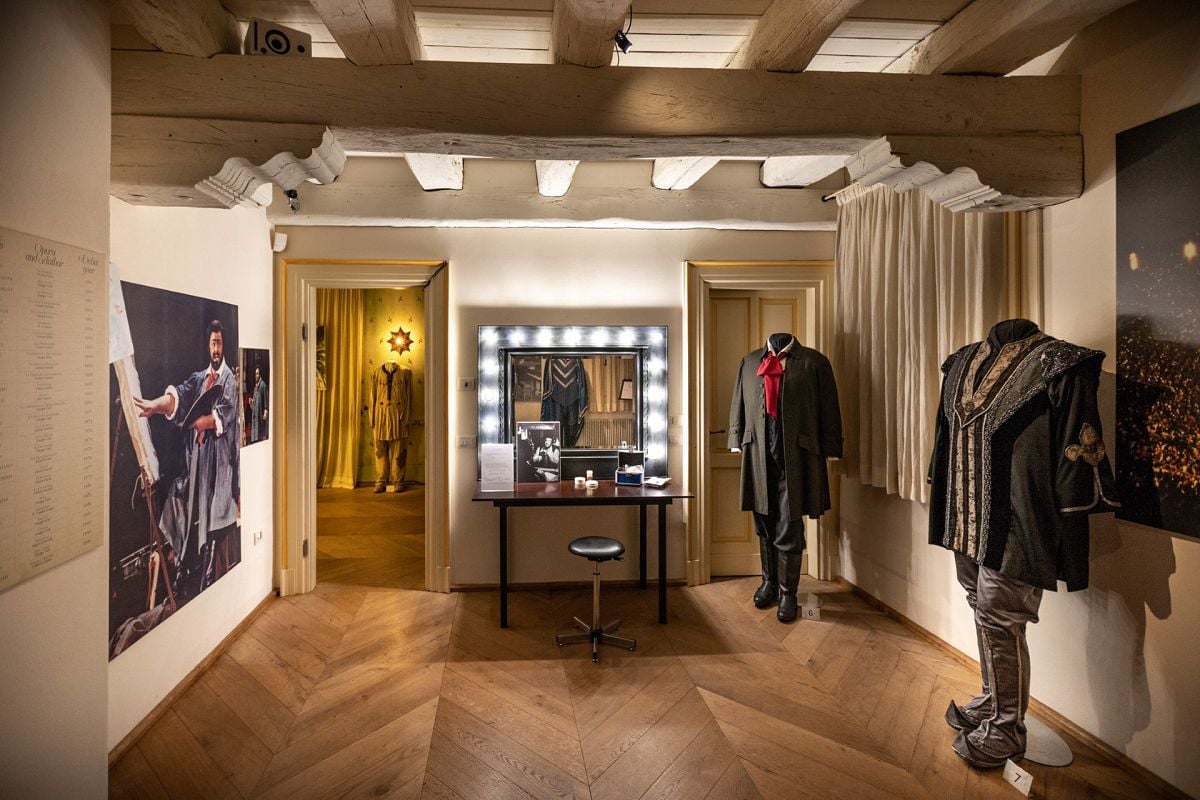
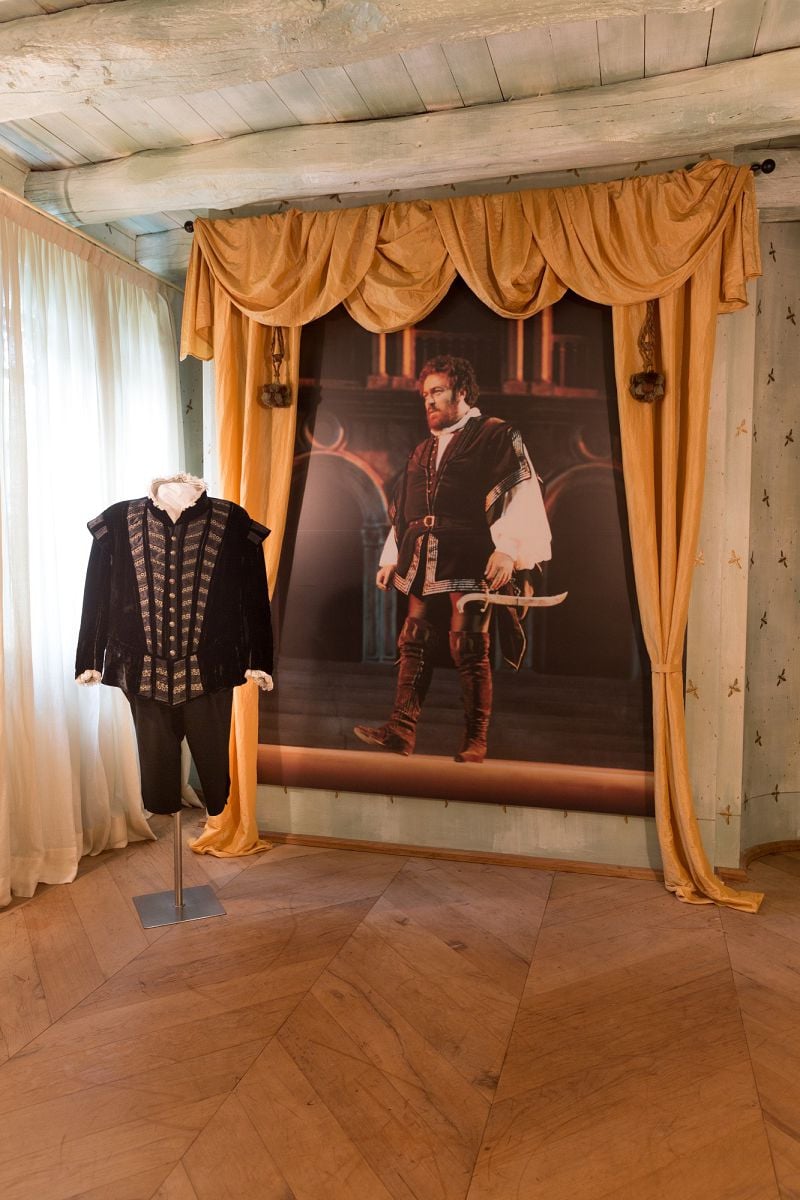
Pavarotti performed 29 roles from his 1961 debut until 2004, and some of his most emblematic costumes are on display. His debut in opera came when he played Rodolfo in Puccini’s La Bohème, a role that became emblematic – here, his costume from the 1989 production in Hamburg is shown. Later, in 1963, his career exploded with a performance at London’s Covent Garden, and Decca called him for his first recordings. In 1965, he made his debut at La Scala in Milan under the baton of Karajan, and in 1963 at Covent Garden. In 1966, again with the Covent Garden Opera Company, he sang the legendary nine high Cs in La fille du régiment. His career continued with great international successes, such as his debut at the NYC Metropolitan in 1972 and the famous tour of China in 1986. Pavarotti became the symbol of Italian belcanto and opera worldwide. His farewell to the opera stage came in 2004 with Tosca at the Met.
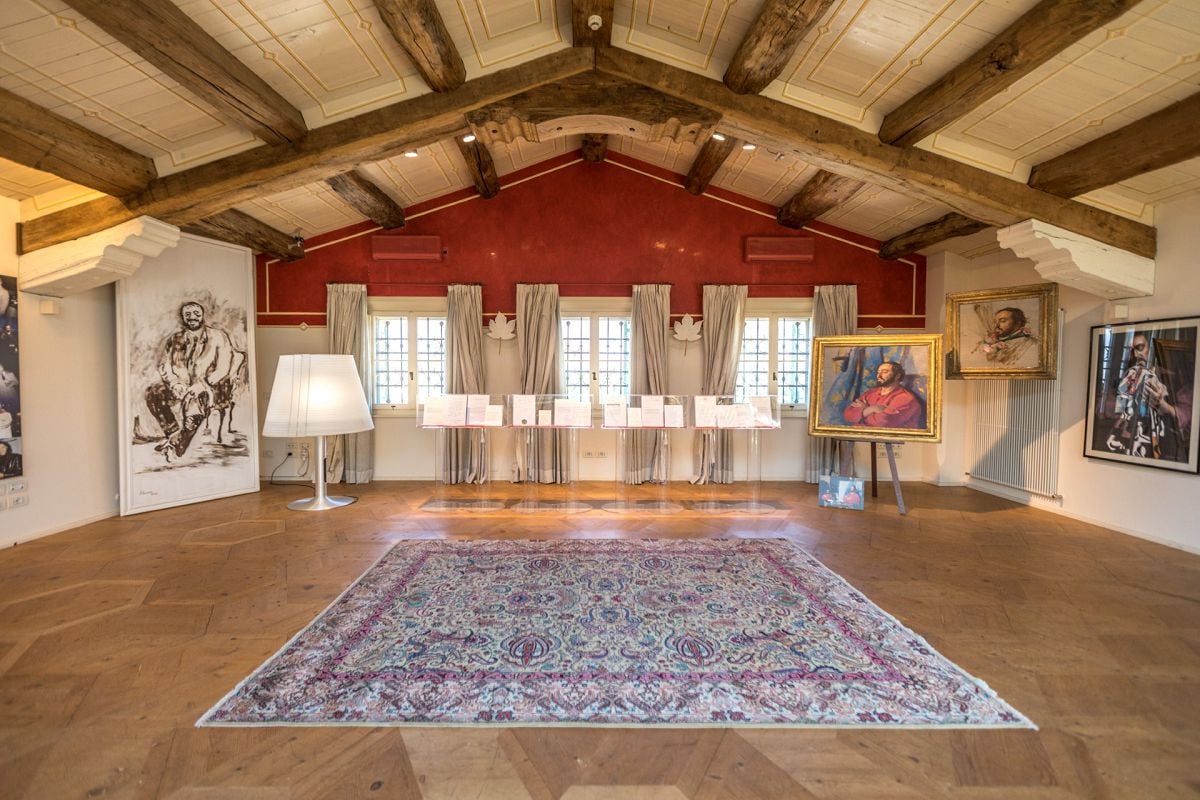
On the top floor, there is a bright open space with photographs of Pavarotti with VIPs such as Frank Sinatra, Bono, Kofi Annan and Princess Diana, with letters he received from these famous personalities. There is a series of portraits of Pavarotti by artists such as Salvatore Fiume and Mark Kostabi. A small “backstage footage room” shows fascinating, never-before-seen clips from the recording studio and his private life.
Pavarotti recorded almost 200 albums, and the London-based DECCA was his recording label throughout his life. A room is dedicated to his recordings where some of the most famous arias, recently remastered, can be heard.
Modena, his hometown, hosted the Pavarotti & Friends concerts since 1992, bringing together artists of different genres to raise funds and increase awareness for causes such as children who are victims of war. Proceeds went to projects in countries such as Bosnia, Cambodia, Kosovo and Guatemala, financing medical assistance and socio-educational initiatives. A room is given over to video clips and photos from these events.
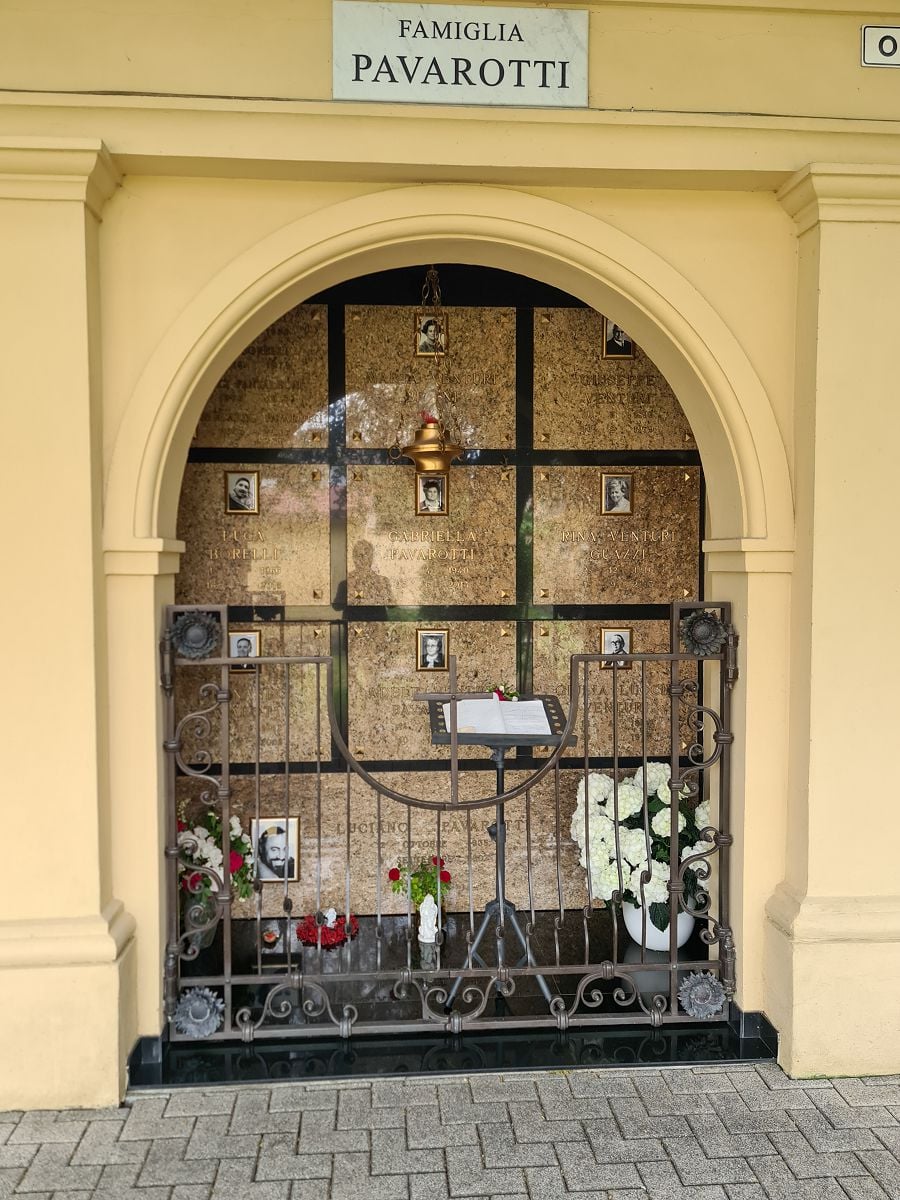
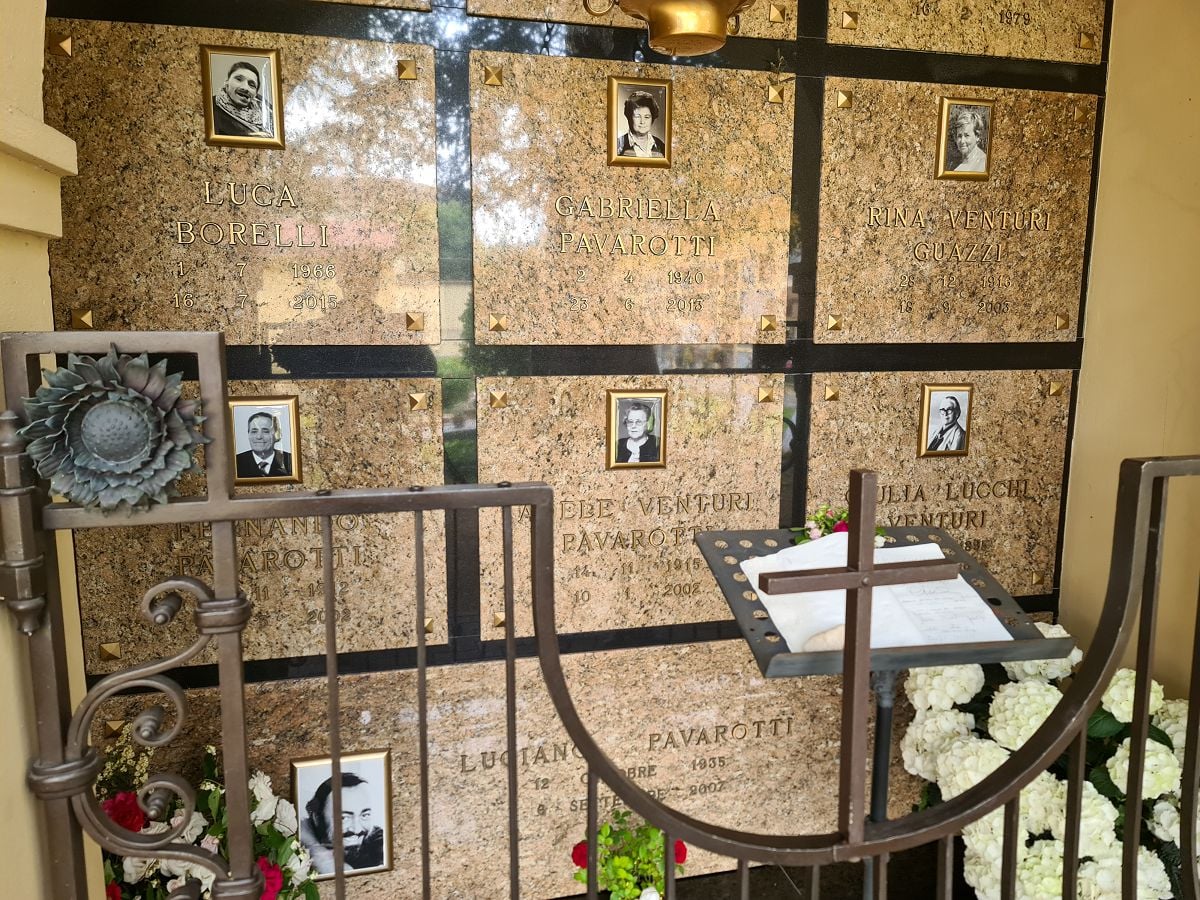
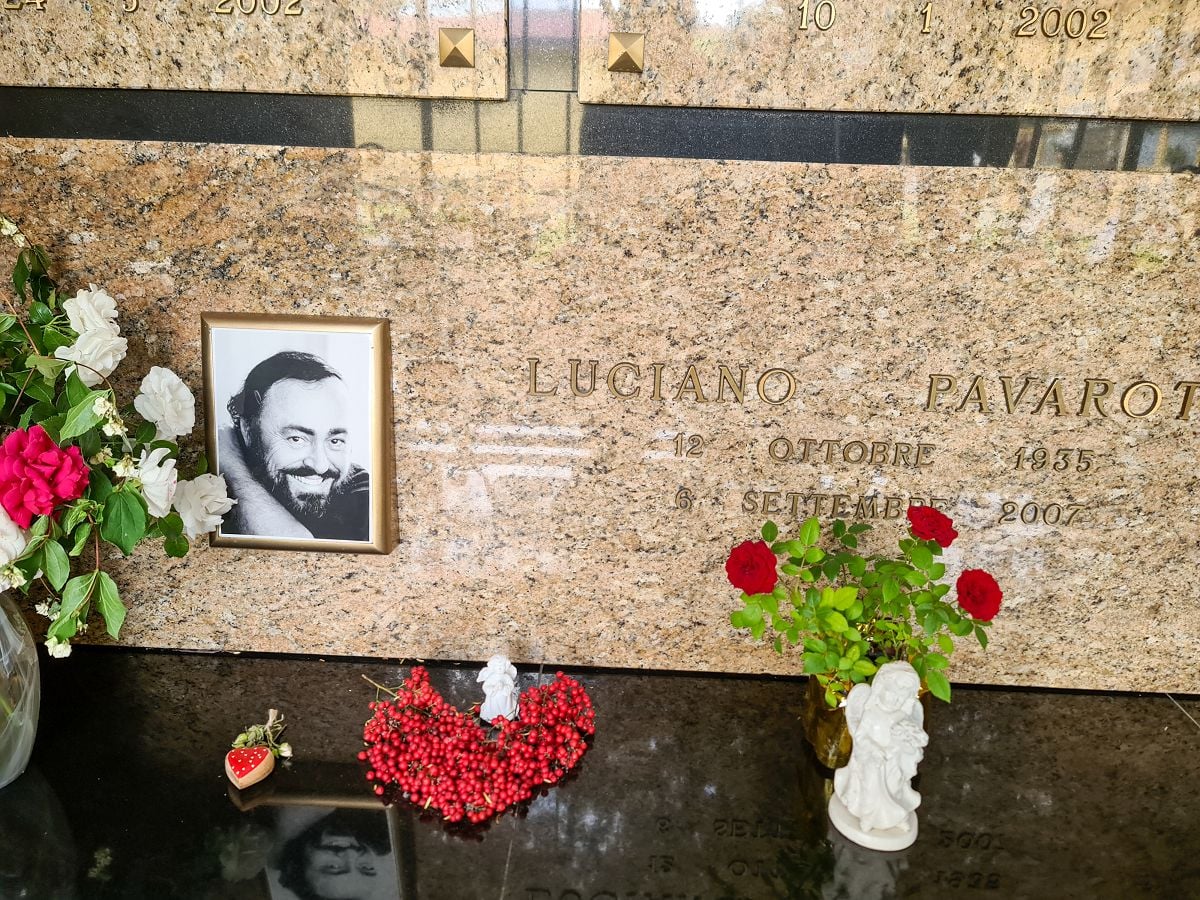
The fact that Pavarotti built this home in a suburb of Modena says much about the man. This is where he grew up and where he is buried, in the simple village cemetery in the family crypt.
Casa Museo Luciano Pavarotti
Stradello Nava 6
40126 Modena (MO)
Italy
Telephone: + 39 059 460778
Email: info@casamuseolucianopavarotti