Interview: Julia Conway – English National Ballet’s new Principal Dancer

Julia Conway talks with Graham Spicer on her promotion to ENB Principal, preparing Nureyev’s Romeo and Juliet, and balancing technique with storytelling.
Since joining English National Ballet in 2017, Julia Conway has steadily progressed through the ranks, promoted every two years or so: First Artist, Junior Soloist, Soloist, First Soloist.
In June, it was announced that Conway would become Principal Dancer from the start of the 2026/27 Season. When she won ENB’s Emerging Dancer competition in 2019, the then director Tamara Rojo said:
What set Julia apart is the security she had on stage. Both in the classical work and the contemporary – she seemed to have a presence beyond her years.
Conway was born in London but raised between the UK and the United States, so her hybrid training includes lessons at The Art of Classical Ballet in Florida and at The Royal Ballet School.
I spoke with her just before she embarked on her first season as Principal Dancer.
You’ve moved up through every rank at ENB – did this promotion feel like a natural next step, or did it catch you off guard?
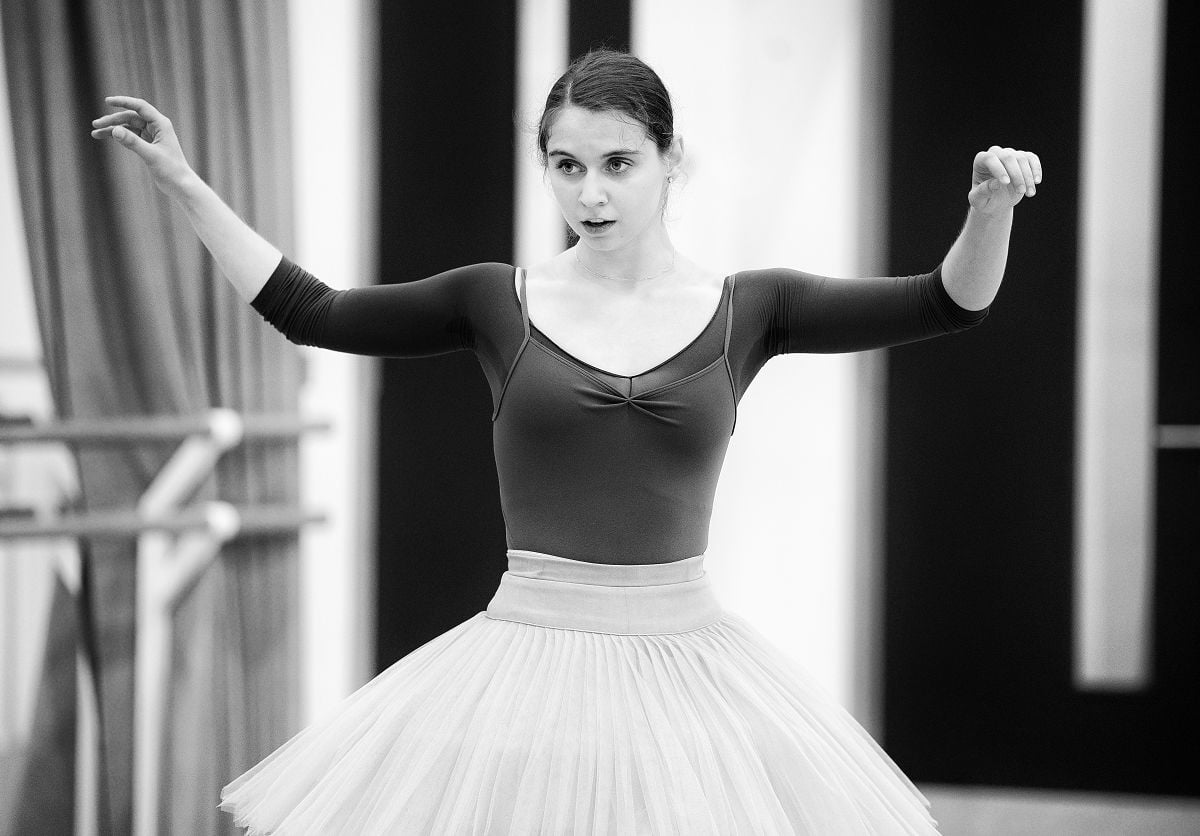
Yes, I’ve had the privilege to grow up at ENB. It will actually be ten years next April! Honestly I was completely caught off guard with the promotion to Principal. I’ve been very fortunate in my career progression and the support that I’ve received from the Company, but I really didn’t see this one coming.
It’s funny because as I have moved through the ranks my perspective has shifted, with each rank I’ve realised how lucky I am for every opportunity I receive. Every ballet dancer trains to be their best and dreams of being a principal. I thought that I had hit my glass ceiling as a First Soloist, and I came to terms with the possibility of never reaching Principal. Nothing is a given, to be recognised as a Principal dancer is special. I hope to do the title justice.
Is there a role or performance in the last year or two you think of as the one that made the case for you as a Principal?
I don’t think so; maybe my boss [Aaron S. Watkin] could answer this better than I can. I think being promoted means more than one performance or production. It’s how we show up every day, both onstage and in the studio, as well as how we move through different processes. The past few years, I’ve been lucky to take on a larger range of roles and styles, and I would like to say that they’ve gone well and contributed.
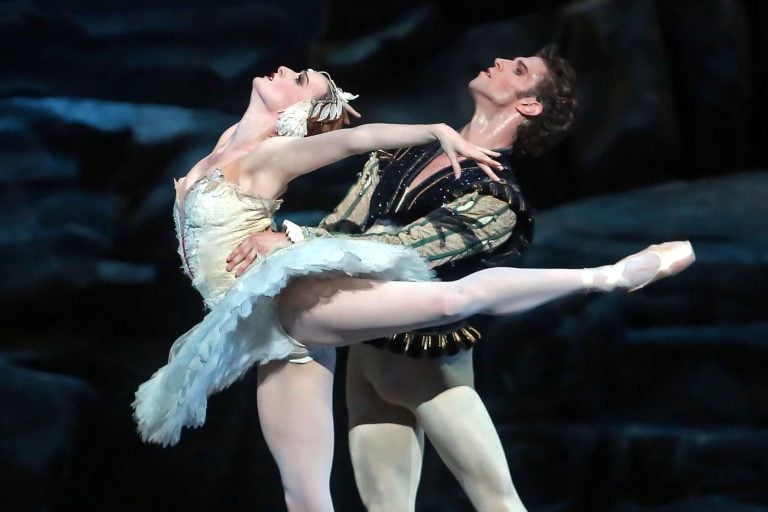
The English National Ballet will be touring Rudolf Nureyev’s production of Romeo and Juliet from 15 October at Liverpool Empire, then Palace Theatre, Manchester, and Mayflower Theatre, Southampton, before arriving in London at the London Coliseum on 14 January. Conway will be making her debut in the role.
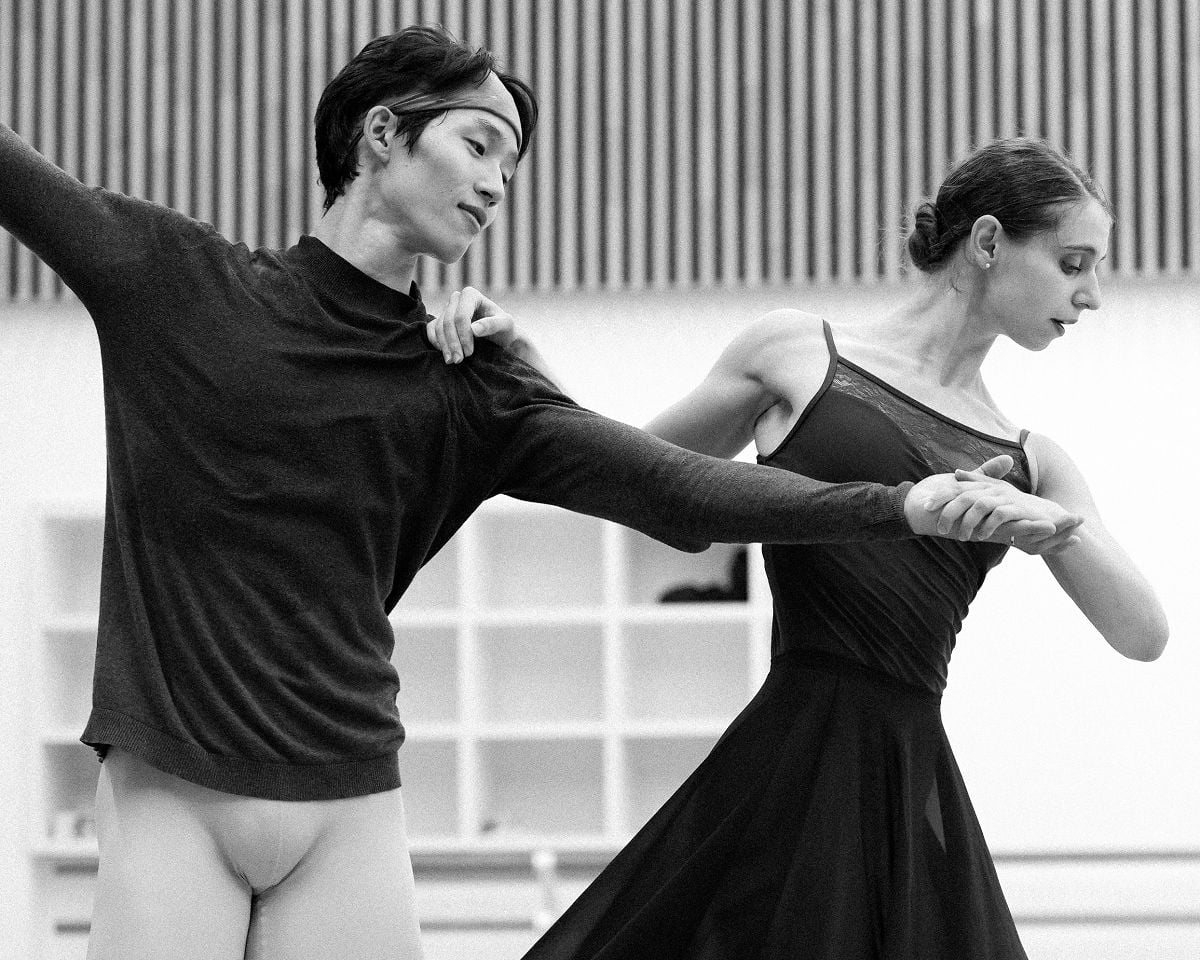

Nureyev’s Romeo and Juliet is notoriously demanding. What’s your way into Juliet – do you start from the acting/story or the steps?
Yes, this production is tough! It’s beautiful because Nureyev’s choreography gives a wonderful framework for the characterisation. From Juliet’s first scene, he creates a game of tag between Juliet and her friends; this already gives a connection between the story and the steps. Lines are blurred between classical ballet and very naturalistic or emotional movement.
Through the events of the ballet, Juliet evolves in her character as well as choreographically. From the innocent, playful nature of the ballroom to the abandoned joy of the balcony pas de deux, Act II brings shock and grief over Tybalt’s death at Romeo’s hand, then in Act III classical steps almost completely slip away to the unfolding tragedy. So I guess, to answer your question, is both, through Nureyev’s choreography. Then there is the music… I won’t drone on, but the score is masterfully emotive.
You’re debuting the role both on tour and at the Coliseum – does the touring run function as preparation, or does London still feel like a different kind of pressure regardless of how many performances come before it?
I think the shows on tour versus in London will bring different pressures. On tour, we need to figure out how to move the production from studio to stage. Working around the sets and costumes while trying to dance well can be a challenge at first. We haven’t performed this ballet for nine years, so I assume there will be some hurdles.
I try to tell myself a show is a show, to approach a matinee in Liverpool the same way I would a London debut. They hold the same weight because an audience deserves a great performance no matter where you are.
When critics and long-term ballet supporters are in the audience, it’s absolutely daunting, but I try not to fixate. We are subjecting ourselves to judgment in sharing our art, so we need to accept what that judgment might be. I’m honestly the most nervous whenever my loved ones are in the audience.
Who have you been working with on Juliet, and has anyone’s Juliet – historic or a colleague’s – shaped how you’re building your own?
Oh, we have a wonderful team helping us put the ballet together! Elisabeth Maurin, Clotilde Vayer and Manuel Legris have been coaching us. To say it’s been truly inspiring is an understatement. I absolutely love the French way of working. Their honesty, attention to detail, and care for the production have made it an incredible process. Elisabeth gives so much insight into Juliet as she danced the role many times. She is Juliet. Every correction, intention or musical cue she gives is pure gold.

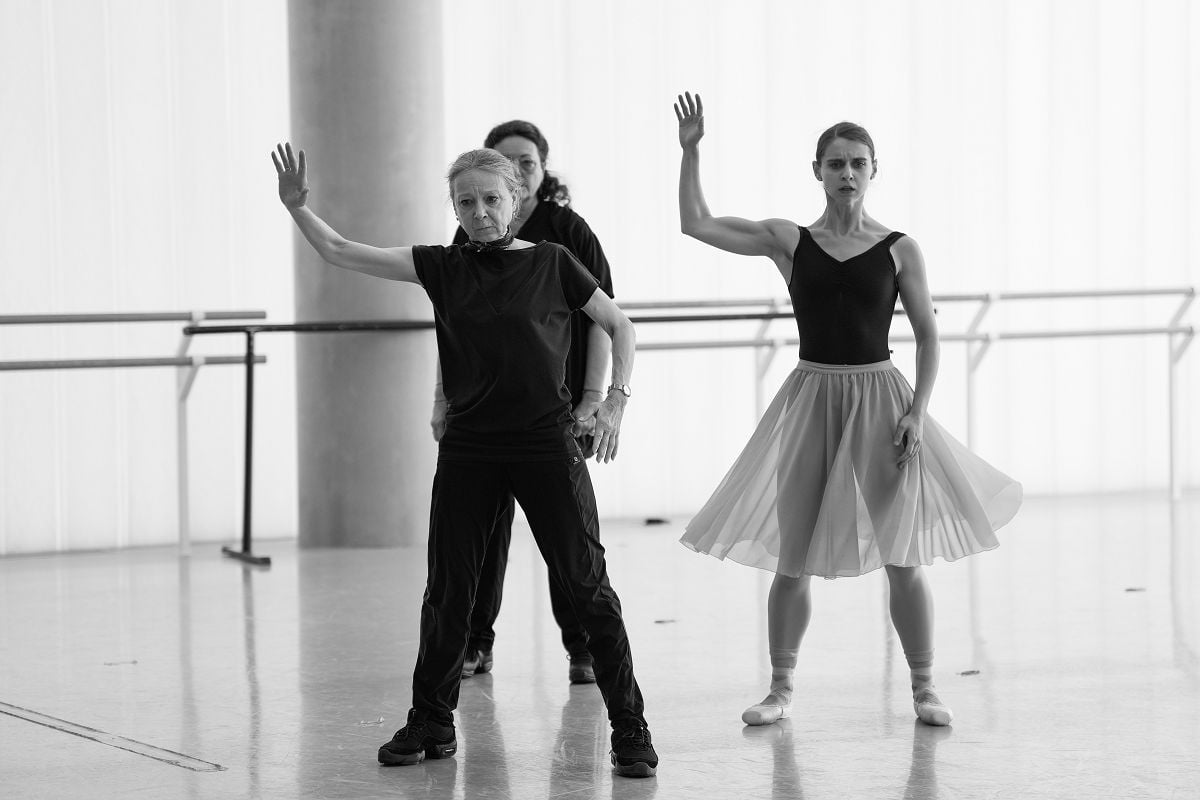
My real-life Romeo, Danny [Daniel McCormick], is dancing Romeo. It’s so amazing to speak to him about his interpretation and views. We’ve had a lot of fun exploring the ballet on YouTube. He has found so many different videos of this version to draw inspiration from. Even our coaches Elisabeth and Manuel have full recordings online, which are magical to watch. I love that I can learn from Danny’s eye and we can share these processes even when we aren’t dancing together.
Nureyev’s choreography is famously unforgiving technically. What is most difficult?
Gosh, everything! I would say the biggest difficulty of this ballet is keeping technique at a standard where you can forget about it in favour of the storytelling. The footwork needs to be our perfect base to build off. There is also a huge challenge of stamina in this version, so keeping the exhaustion from showing. It’s especially difficult for Romeo by the time we arrive at the balcony scene, so, as Juliet, we need to help him with our energy. The partnership needs to be very strong to find trust and synergy in these moments. These are things I’m already thinking about as I know it will be a long road ahead.
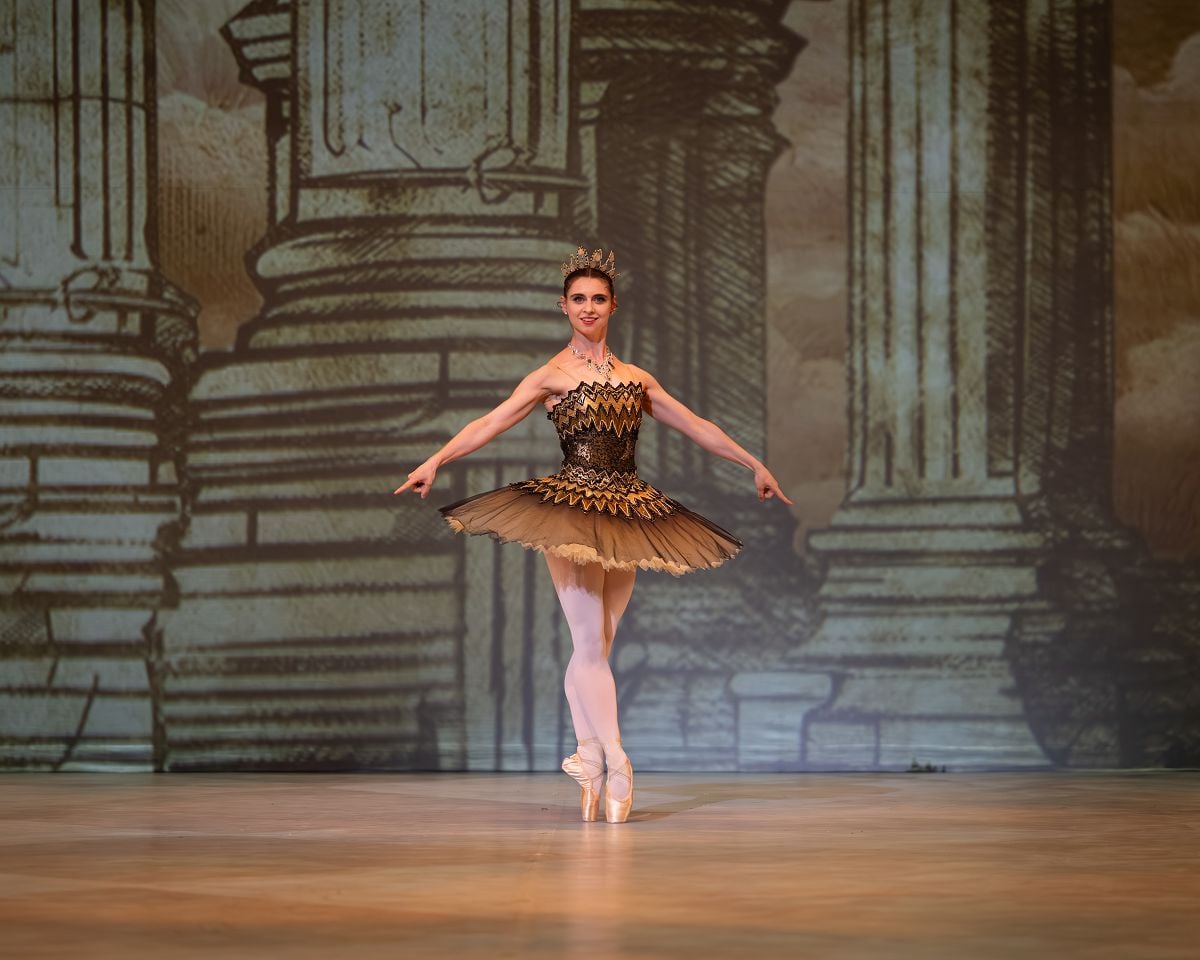
Sugar Plum in Nutcracker is such a different register from Juliet – pure classicism versus dramatic ballet. Coming right before your Juliet debut, does dancing it this Christmas function as a kind of technical tune-up, or is it its own challenge entirely?
A technical tune-up, I like that! I never really thought of it that way. I tend to compartmentalise ballets; Nutcracker is for sure a different challenge. Just wearing a tutu requires a completely different use of the legs. It’s night and day as in a classical pas de deux I need to be on my leg all the time, the use of upper body is more positional, and then there are fouettés… It’s less forgiving technically as it’s less human, more ‘ballerina’. I think it will be a nice moment to touch back on classical technique between the runs of Romeo and Juliet. I find when I return to a ballet after a break I can often dive deeper. Fingers crossed!
Is there a version of the Sugar Plum choreography you find yourself returning to for inspiration, given how many productions exist?
Wayne Eagling‘s Nutcracker holds a very special place in my heart. It was my very first Principal role and my first time dancing with Danny. Through that process, our relationship bloomed, and we had our first date on January first 2020. I think I’ll never get sick of Nutcracker for this reason – I’m sentimental like that.
It was really fun to play Clara on her adventure, then evolve into the Sugar Plum. I guess it also relates back to being a little girl and dreaming of becoming a ballerina; that production allowed that magic to take place onstage.
Our current production is the opposite, as the Sugar Plum is Clara’s fantasy of her mother. She is ethereal and holds real maturity. Musicality is the driver in Aaron’s choreography, which makes it really fun to play with.


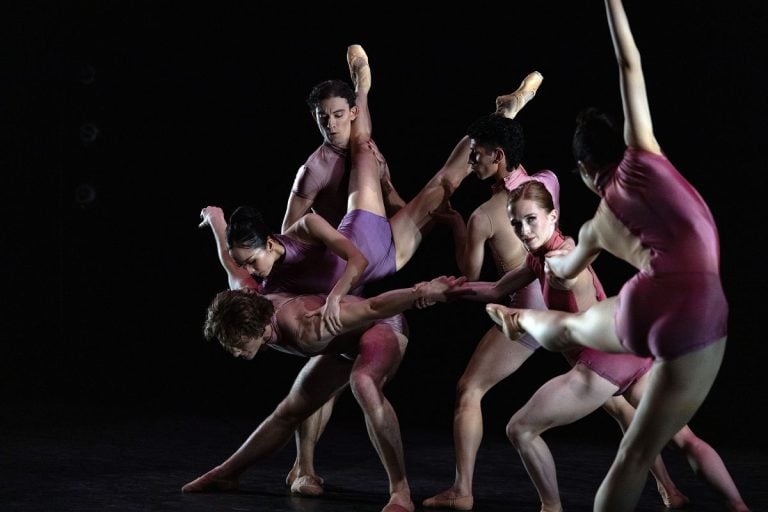
Rhythm Riot opens the season at Sadler’s Wells before any of your classical roles – aside from the Balanchine’s Symphony in Three Movements, which makes up part of the programme, what does dancing contemporary repertoire do to prepare you, mentally or physically, for a role like Juliet later in the season?
Contemporary is always a challenge for me. I used to avoid it at all costs; I was so afraid. Now I realise a) it’s unavoidable and b) it is so beneficial to becoming a better dancer.
Physically contemporary requires different forces; maybe we need to move fast, twitch or a work requires a lot of smooth floor work. It can be really hard starting out a new contemporary process, as it always takes an adjustment period for the body. But it’s great because it helps us gain access to movement qualities that we may not have explored in classical works.
Mentally, it’s also challenging because there isn’t a contemporary framework. I always think of the classical steps like my alphabet; it’s easy to put words together when you know your ABCs. In contemporary, the possibility of steps is literally limitless, so picking them up is so much harder. It’s much more of a puzzle and a case of quickly being able to decipher shapes, rhythms and patterns.
How does the body adapt to changes in repertoire like this?
Like I said, there is always an adjustment period. The first week or two transitioning from one style to the next can be rough, but it’s really amazing how adaptable our bodies are. Keeping up good classwork and self-care always helps for when you return to the classics. I think the biggest worry is injury, which is always a lingering possibility. I think it’s really vital to listen to my body and prioritise health. It’s the obvious things like getting rest, good sleep, and eating healthy, nourishing foods. I love Pilates and Gyrotonic, so I incorporate these into my weekly routine as maintenance for strength and mobility.
What can you tell us about your part in Rhythm Riot – is that still to be finalised, or do you already know what you’ll be dancing?
I can’t tell you much! It’s still being finalised. What we’ve been working on so far is really exciting. All three works are going to bring a different perspective on music, art and movement. I think they will make the audience think more deeply about how we each individually react to music, as each ballet will take you in a different direction.
I really hope to be a part of the Balanchine ballet Symphony in Three Movements. I lived in Connecticut outside of NYC for a few years when I was a kid, and my mom used to take me to watch the New York City Ballet on the Sunday matinees. They were so inspiring to my love of dance. I’m always in awe of both Balanchine and Robbins ballets for the pure joy of movement, music and expression.

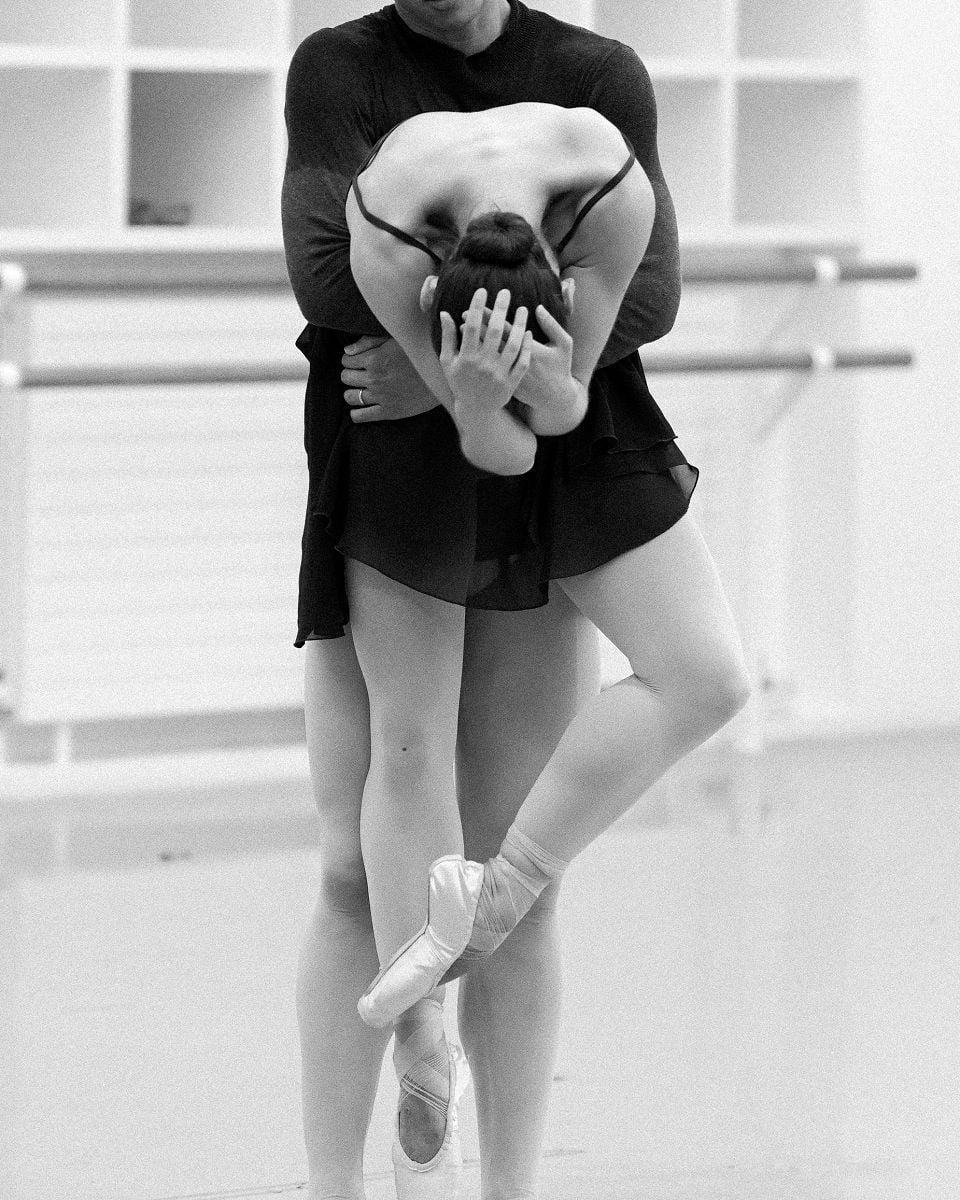
Being promoted to Principal changes how audiences and critics watch you. Has it changed how you watch yourself?
This is a great question because it’s something I’ve been thinking about so much.
It has hugely changed how I watch myself. I’m holding myself more accountable. One of my first thoughts was, ‘Damn, I need to be better!’ Not in a negative way, but constructive. It’s opening up my eyes to being more self-critical and objective.
I think, as Principal, you owe all your colleagues and every audience member the best you can be, which means being real. As I said, I wasn’t seeing myself as a principal dancer, so I’ve now started asking, ‘How can I step into this title with integrity?’
I picture the principals who inspired me when I was a student, as well as those I’ve had the pleasure to work alongside during my time at ENB. I think about how they looked onstage but also how they showed up as people.
It’s definitely going to be a process, but I’m really excited by it.