Review: Legacy – Alvin Ailey American Dance Theater in London
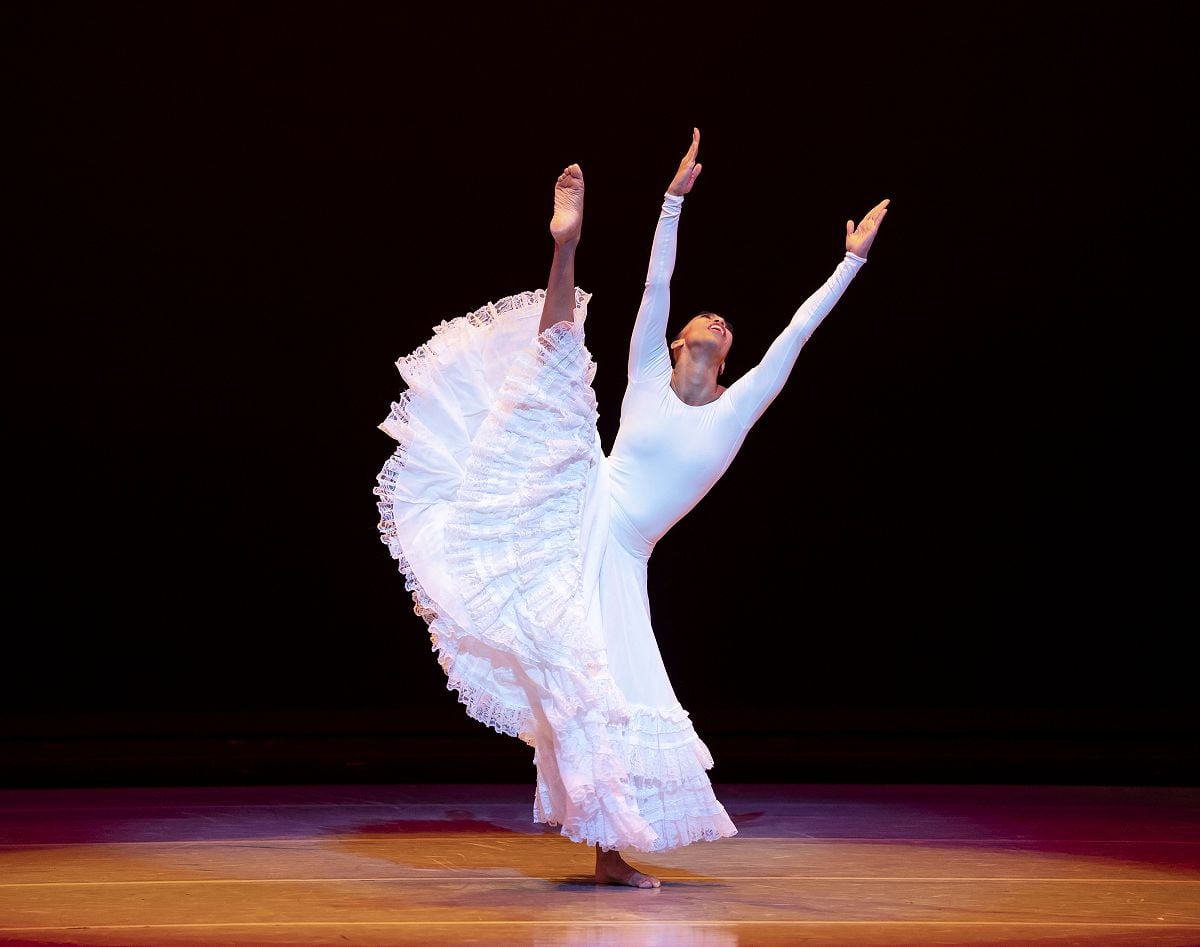
Jonathan Gray sees sees Alvin Ailey American Dance Theater’s second programme, honouring Ailey’s legacy with grace, truth, nobility and a seriousness of purpose.
| Title | Legacy: Night Creature (excerpts), A Song for You, Cry (excerpt), Grace, Revelations |
| Company | Alvin Ailey American Dance Theater |
| Venue | Sadler’s Wells, London |
| Date | 16 September 2026 |
| Reviewer | Jonathan Gray |
It’s always good to welcome Alvin Ailey American Dance Theatre (AAADT) back to London because you know you will see wonderful performances from one of the finest dance ensembles in the world. The Legacy programme on 16 September, the second of the current offerings by AAADT at Sadler’s Wells this week, consisted of classic works, mainly choreographed by Alvin Ailey himself, that have helped define the company as a superb expression of African American culture, and I was delighted to discover that several of these same pieces had been performed by the company the very first time I saw them way back in 1992.
Now, as then, AAADT’s dancers are outstanding. Each artist displays physical strength, grace, complexity and dexterity, incredible poise, a nobility of bearing that dignifies their every step, and, when appropriate, a sensuality and sexiness that floods across the footlights. Above all, the company exemplifies a joy in dance and a warmth of personality that is so engaging it is no wonder the audience rises to its feet at the end of each show to demonstrate its appreciation.
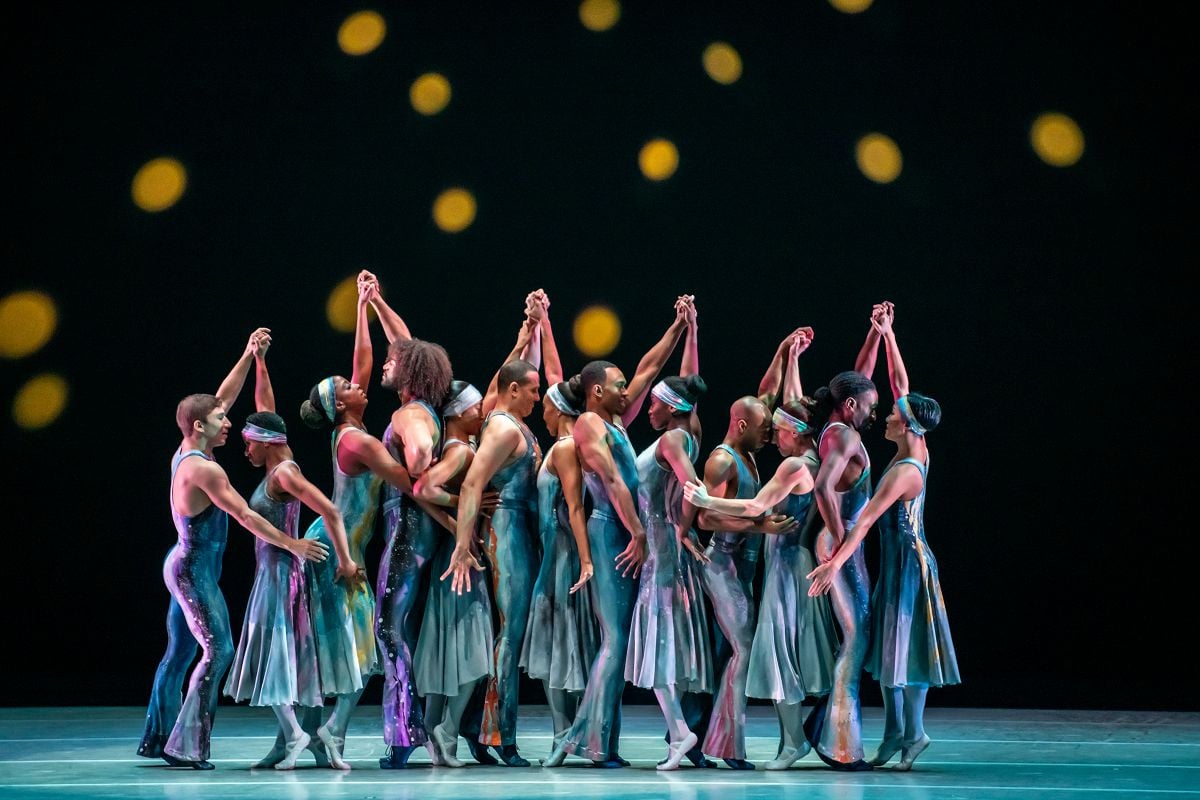
Legacy opened with two movements from Ailey’s Night Creature, led by Sarah Daley-Perdomo, and danced to music by Duke Ellington. Ailey’s slinky choreography, created in 1974, sets the company moving with swaying arms and hips, their dancing punctuated with balletic adagio leg extensions, epic port de bras and showy jumps. The ensemble is big and bold, and they drew humour and delight from Ellington’s tuneful music.
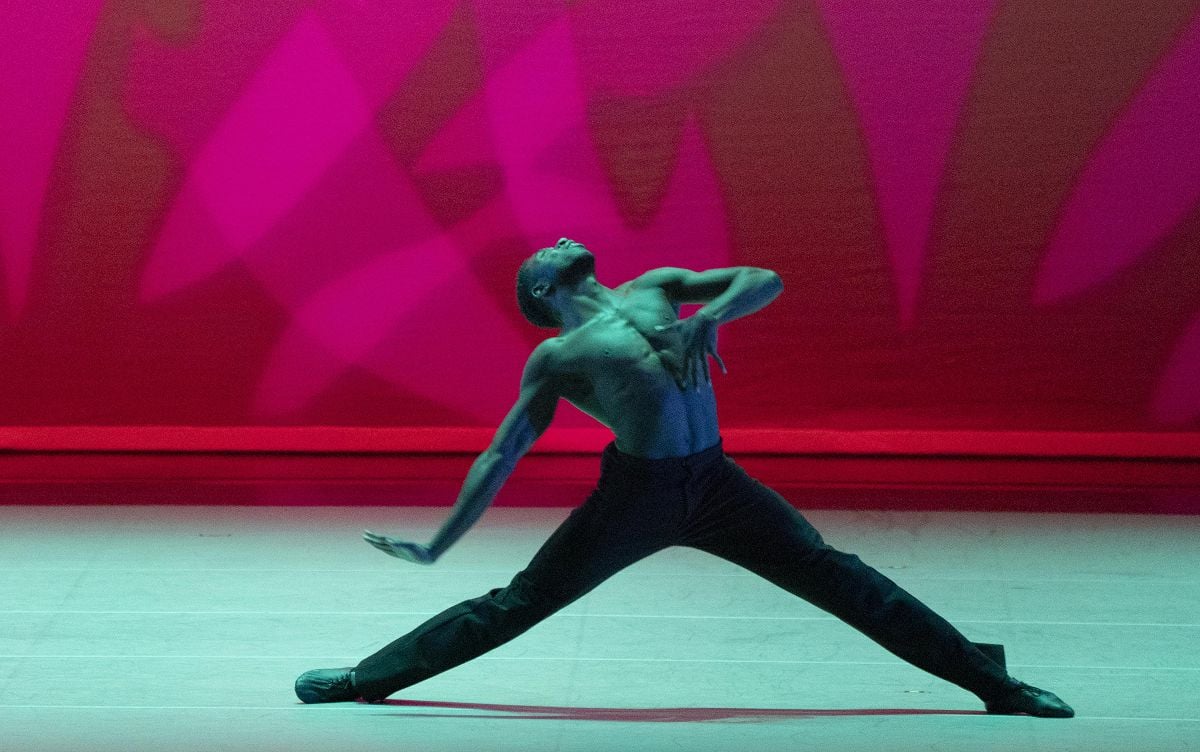
Night Creature was followed by A Song for You, a male solo taken from Ailey’s 1972 Love Songs, which saw the marvellous Yannick Lebrun in introspective mood. With sweeping arms that arched and gestured upwards and outwards, he danced with an impressive sense of classical line, especially during his sustained penché arabesques and deep pliés. It was a fine performance, as was that of Constance Stamatiou in an excerpt from Ailey’s Cry, originally made on Judith Jamison in 1971 as a birthday present for Ailey’s mother. The work is a moving solo, dedicated by Ailey to “all Black women everywhere – especially our mothers,” and Stamatiou danced this too-short extract with poise and elation – I would have liked to have seen her in the complete ballet.
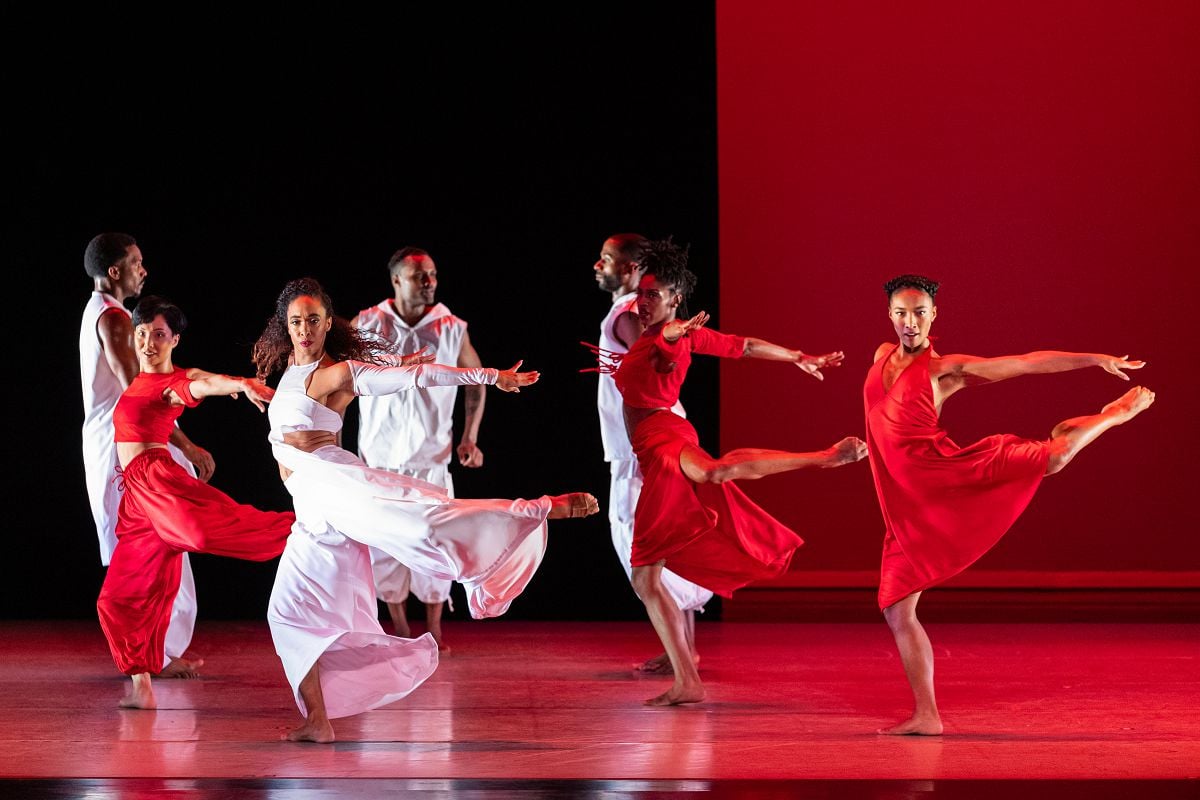
Following the interval came Ronald K Brown’s Grace, first performed by AAADT in 1999 and restaged for them in 2024. The theme appears to be a group of people on a journey, either towards “the promised land” or to “heaven”, the simple set showing an entrance to another place or a celestial realm. The cast, dressed in gleaming white or striking red, dance to music by Duke Ellington, Peven Everett and Fela Kuti in what I took to be a kind of ceremony of arrival. Moving in flurries of steps, sometimes smooth, sometimes jerky and syncopated, the choreography has a flexibility and rhythmic complexity that displays the supple strength of the dancers wonderfully, especially in their backs and torsos. Grace is mainly an ensemble work, although there are moments for solos and duos. Although I found it less persuasive during the more lyrical moments, the work is most impressive when it draws on popular dance forms, and, like the pillars of strength they are, the company performed it magnificently.
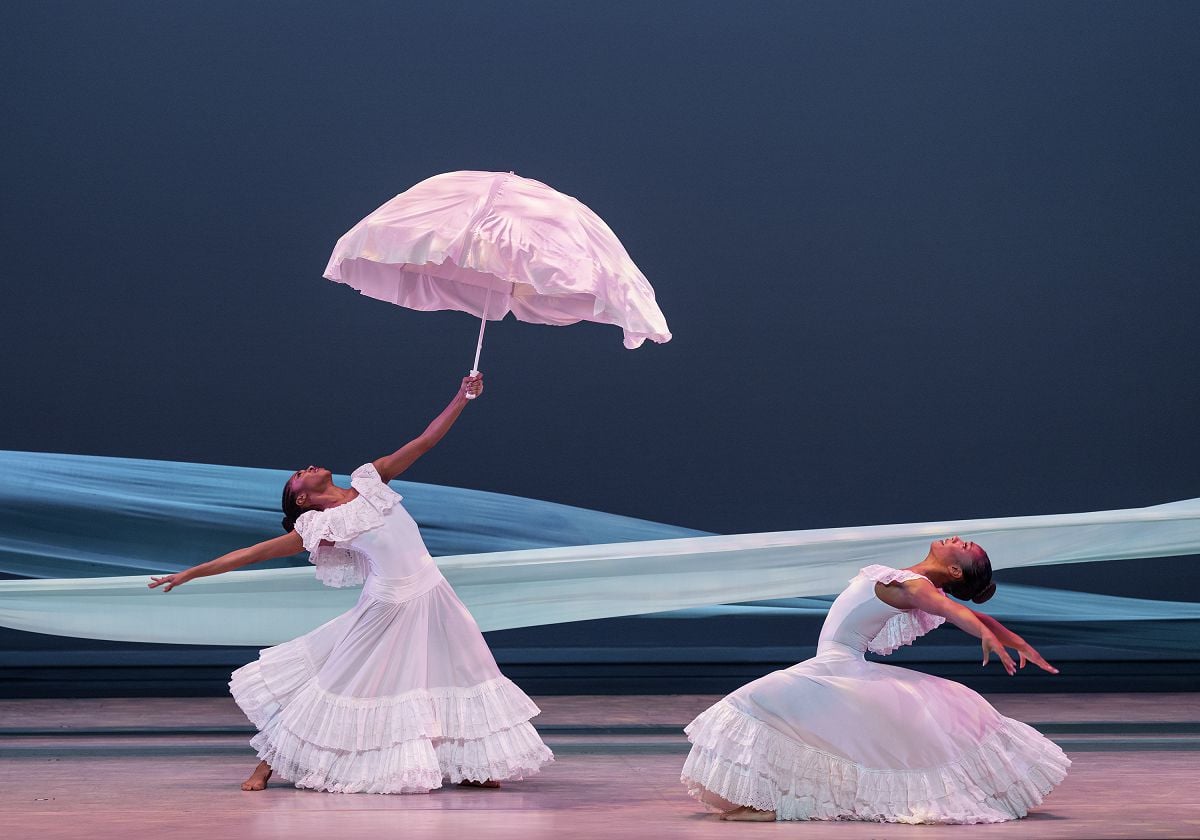
Closing the evening was Ailey’s Revelations. Made as long ago as 1960, it was clear from the outset that the audience appreciated this ageless classic most of all. The curtain rose to a round of applause for the opening tableau “I Been ‘Buked”, cheered Caroline T Dartey and Lebrun in the “Fix Me, Jesus” duet and also Xavier Mack in the “I Wanna Be Ready” solo, and gave the closing “Rocka My Soul in the Bosom of Abraham” a standing ovation. It was no surprise, really, as it was obvious at this performance that AAADT continues to invest in Revelations a grace, truth, nobility and a seriousness of purpose that honours Ailey’s legacy and the works he created which helped define African American heritage in the 20th century.

Jonathan Gray was editor of Dancing Times from 2008 to 2022.
He studied at The Royal Ballet School, Leicester Polytechnic, and Wimbledon School of Art where he graduated with a BA Hons in Theatre Design. He was on the Curatorial Staff of the Theatre Museum, London, from 1989 to 2005, assisting on a number of dance-related exhibitions, and helping with the recreation of original designs for a number of The Royal Ballet’s productions including Danses concertantes, Daphnis and Chloë, and The Sleeping Beauty.
Jonathan Gray has also contributed to the Financial Times and The Guardian, written programme articles for The Royal Ballet and Birmingham Royal Ballet, and is co-author of the book Unleashing Britain: Theatre gets real 1955-64, published in 2005. He is a member of the Dance Section of The Critics’ Circle.