Interview: Cesar Corrales – The Royal Ballet’s principal dancer is enjoying the moment
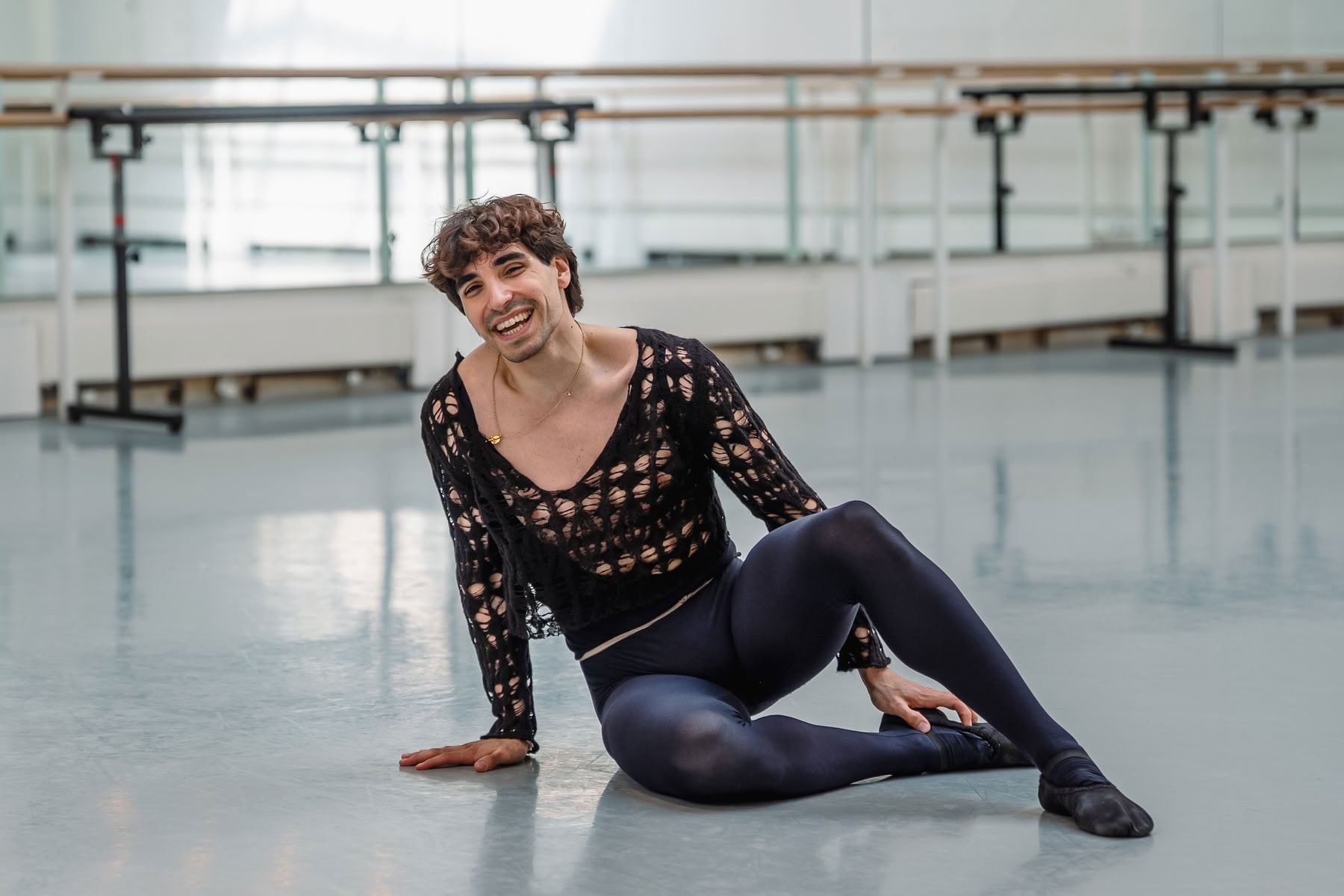
A first Des Grieux, a first Dances at a Gathering and an Ashton debut: Cesar Corrales on a season of firsts, and why he treats every season as a defining one.
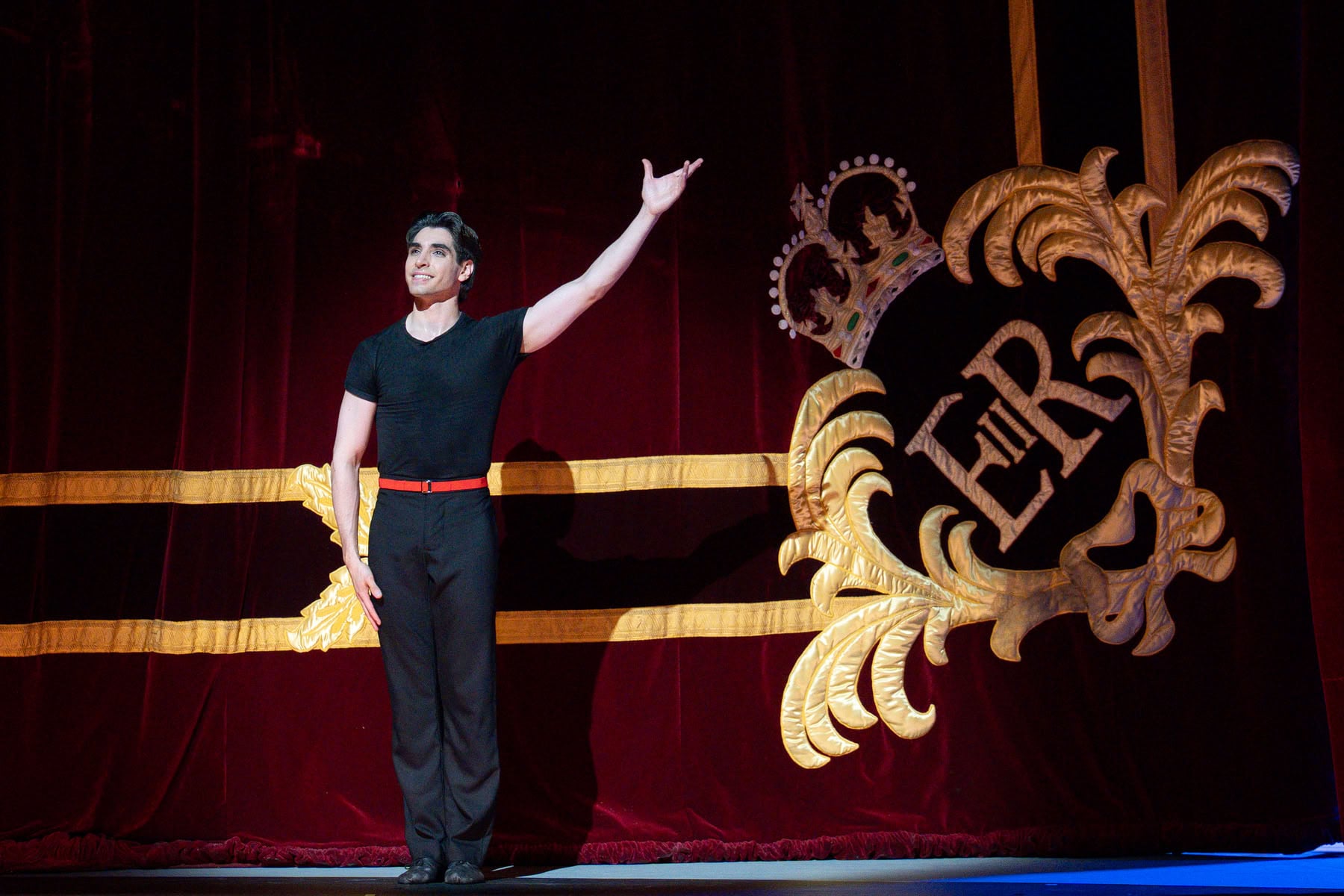
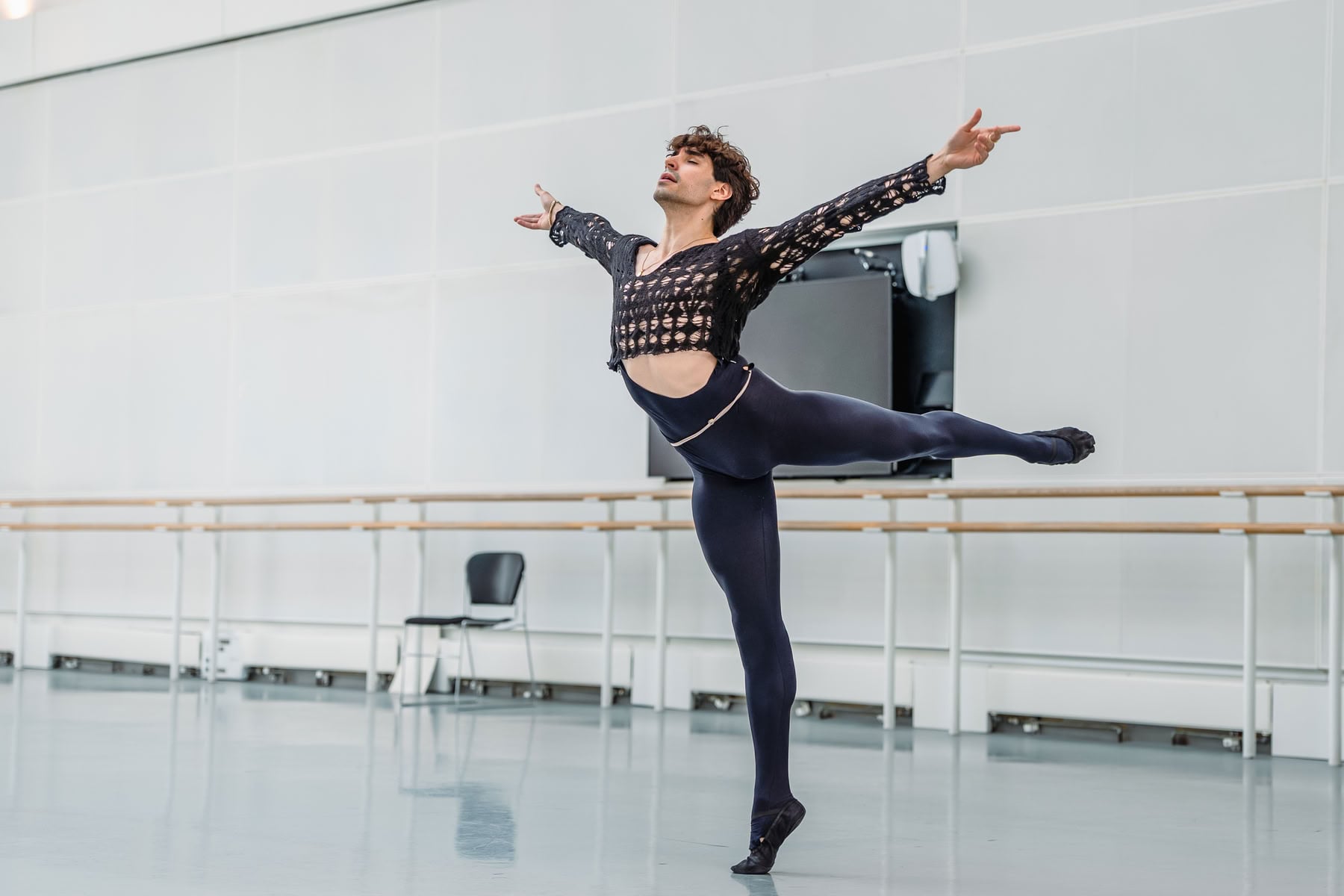
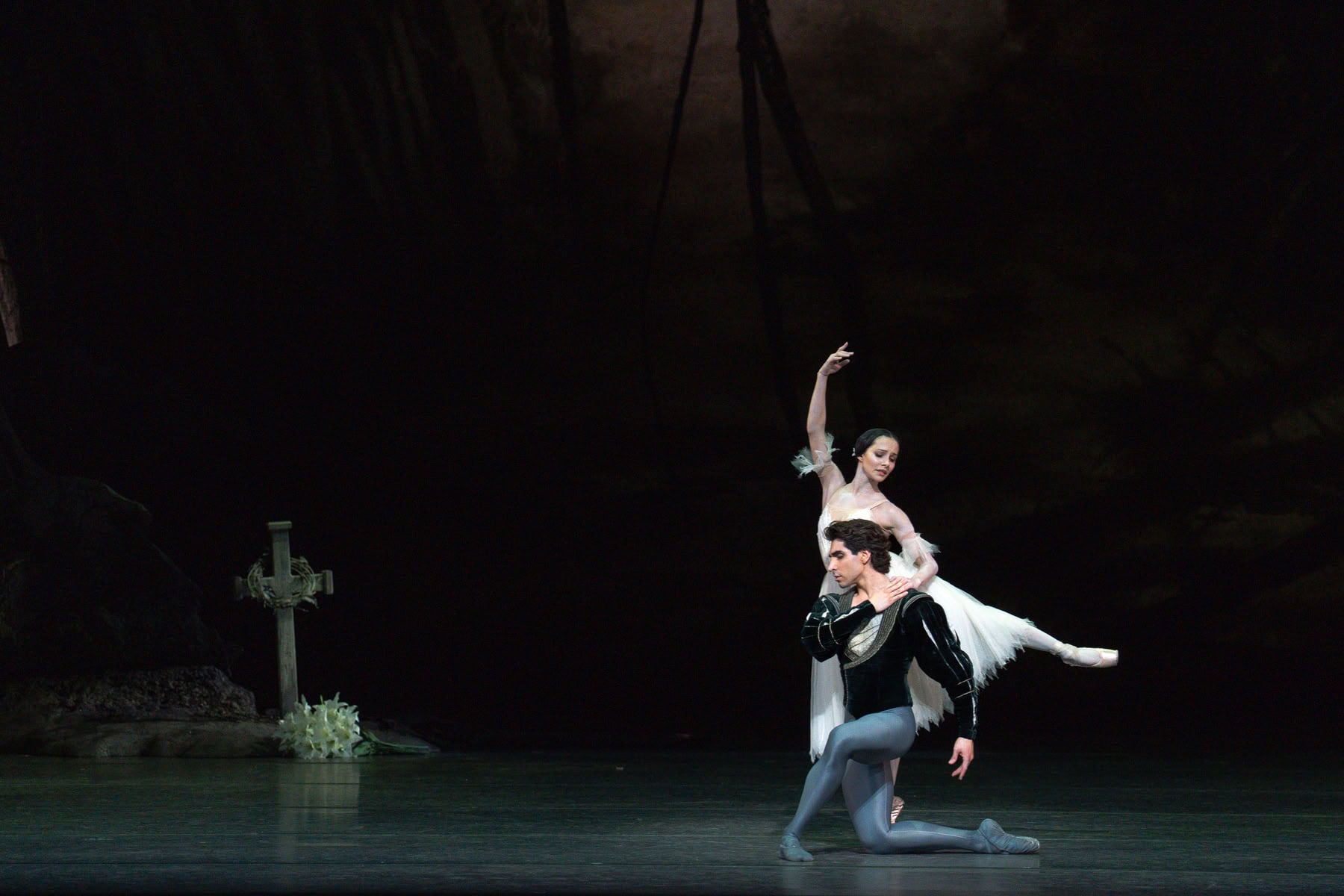
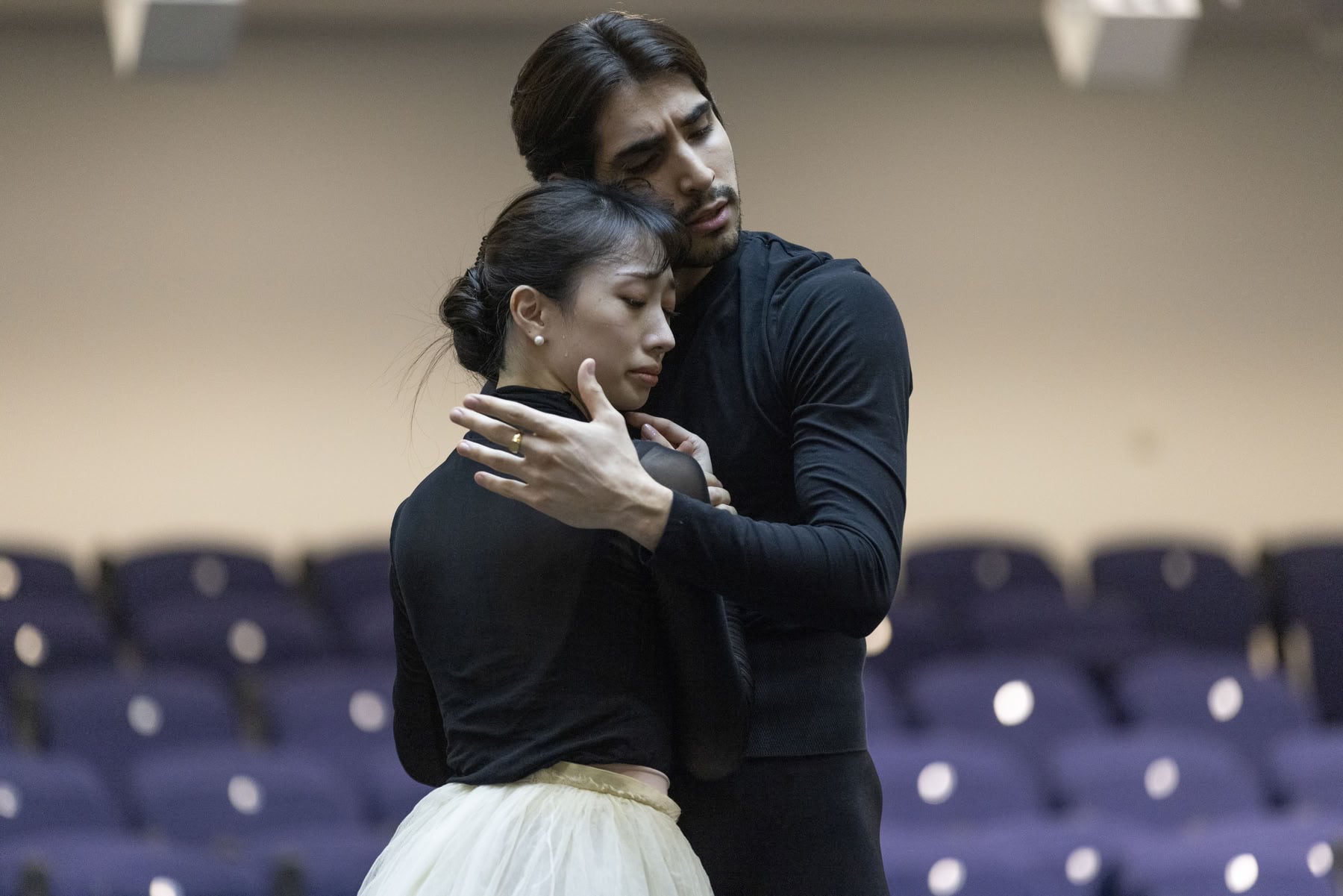
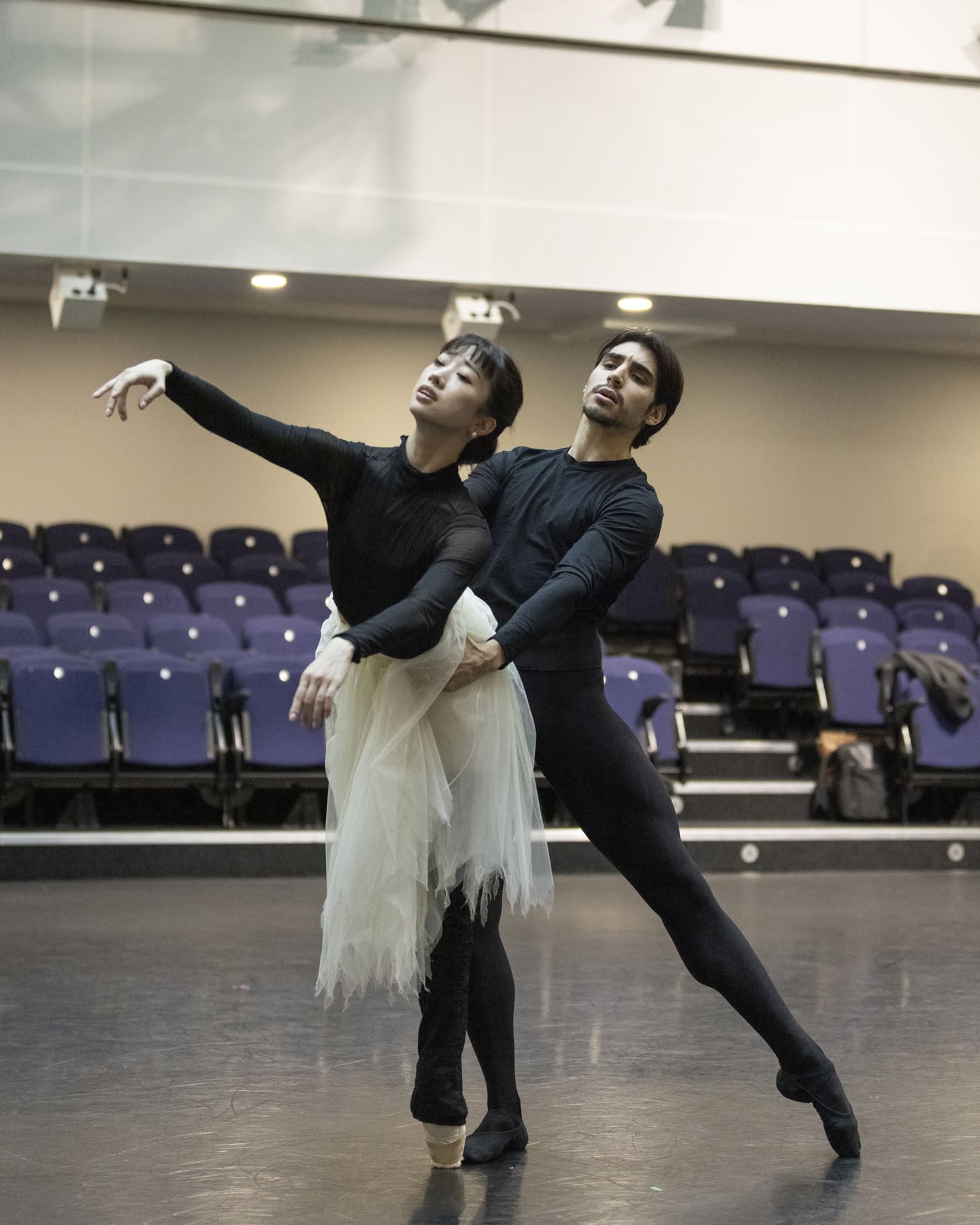
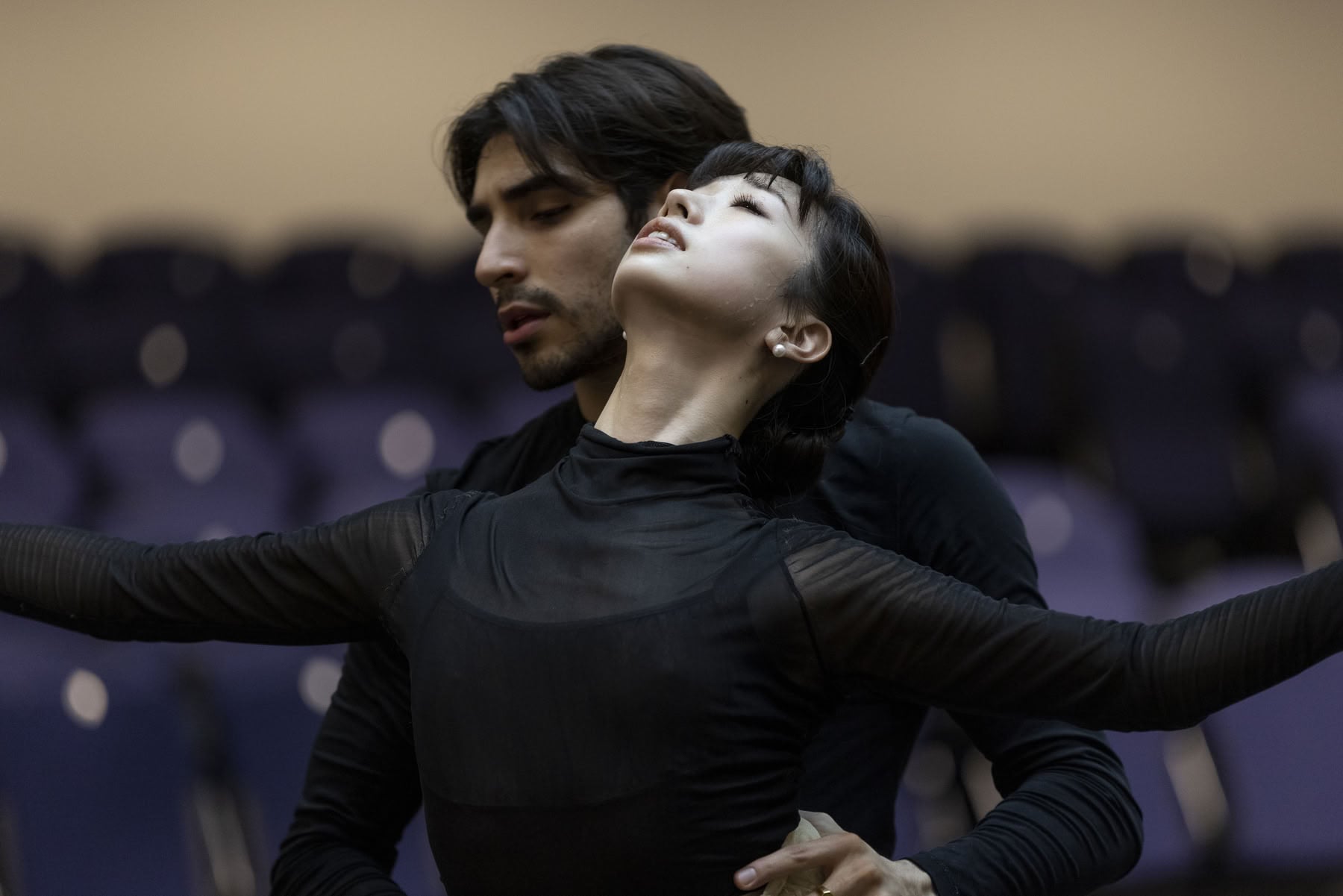
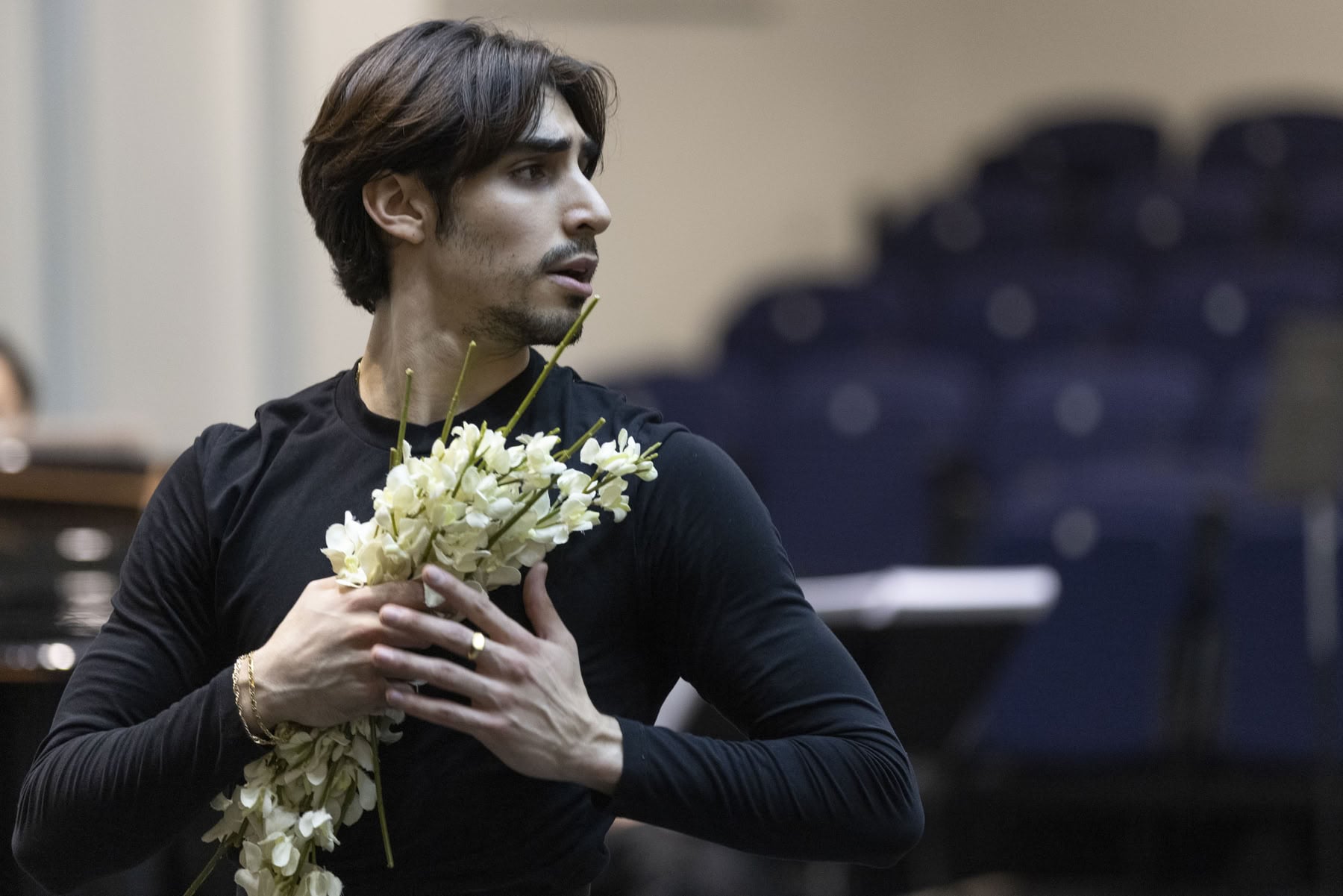
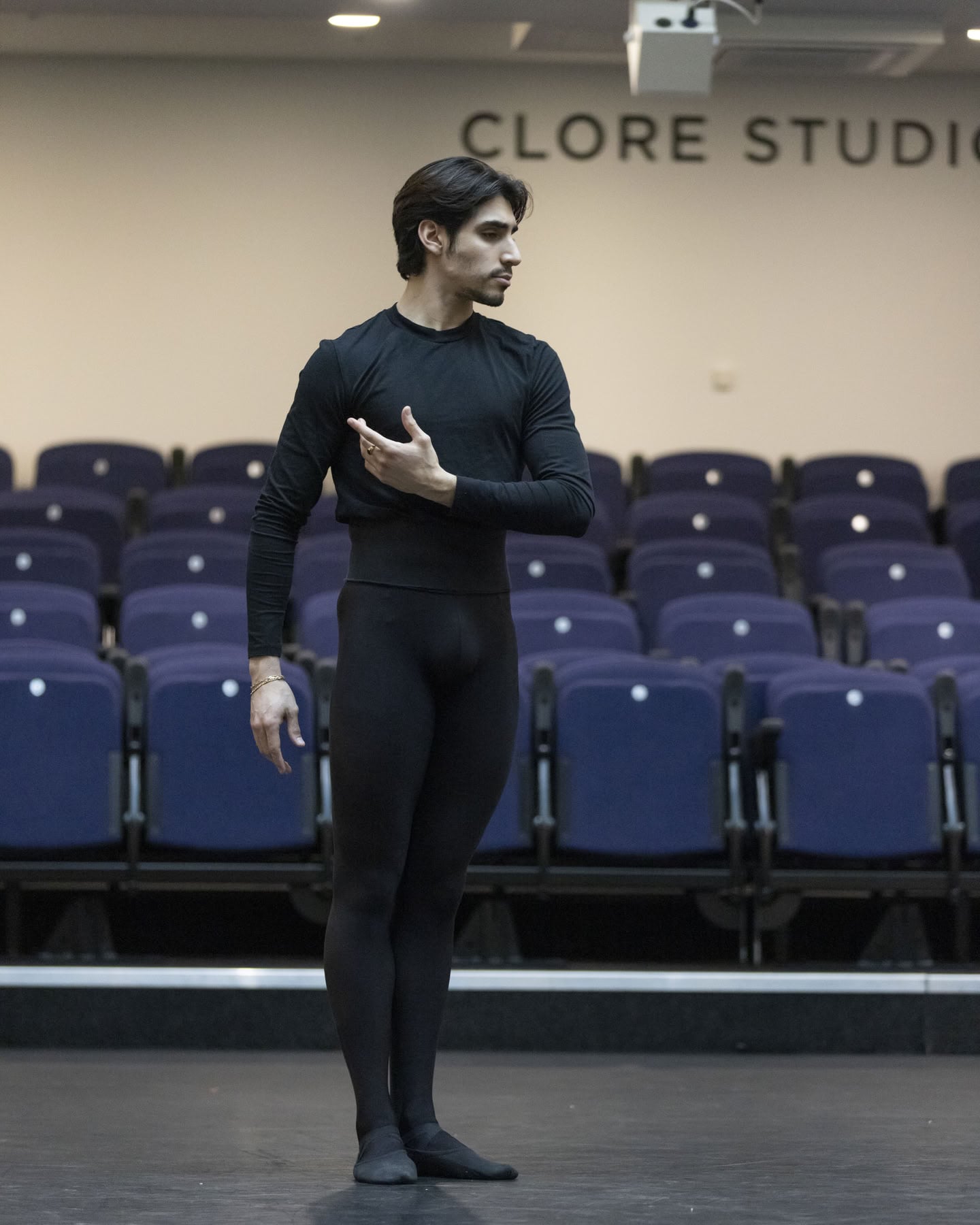
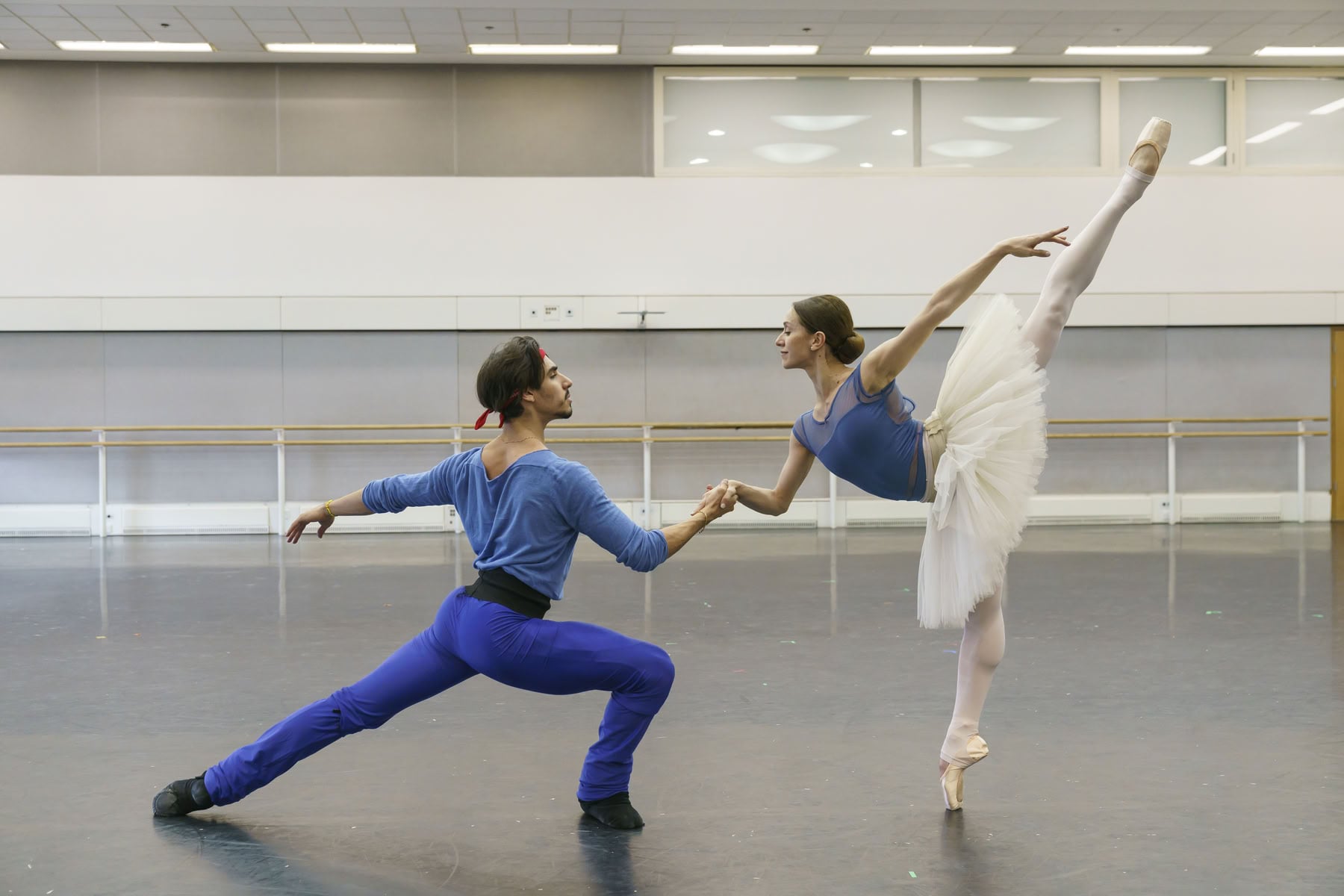
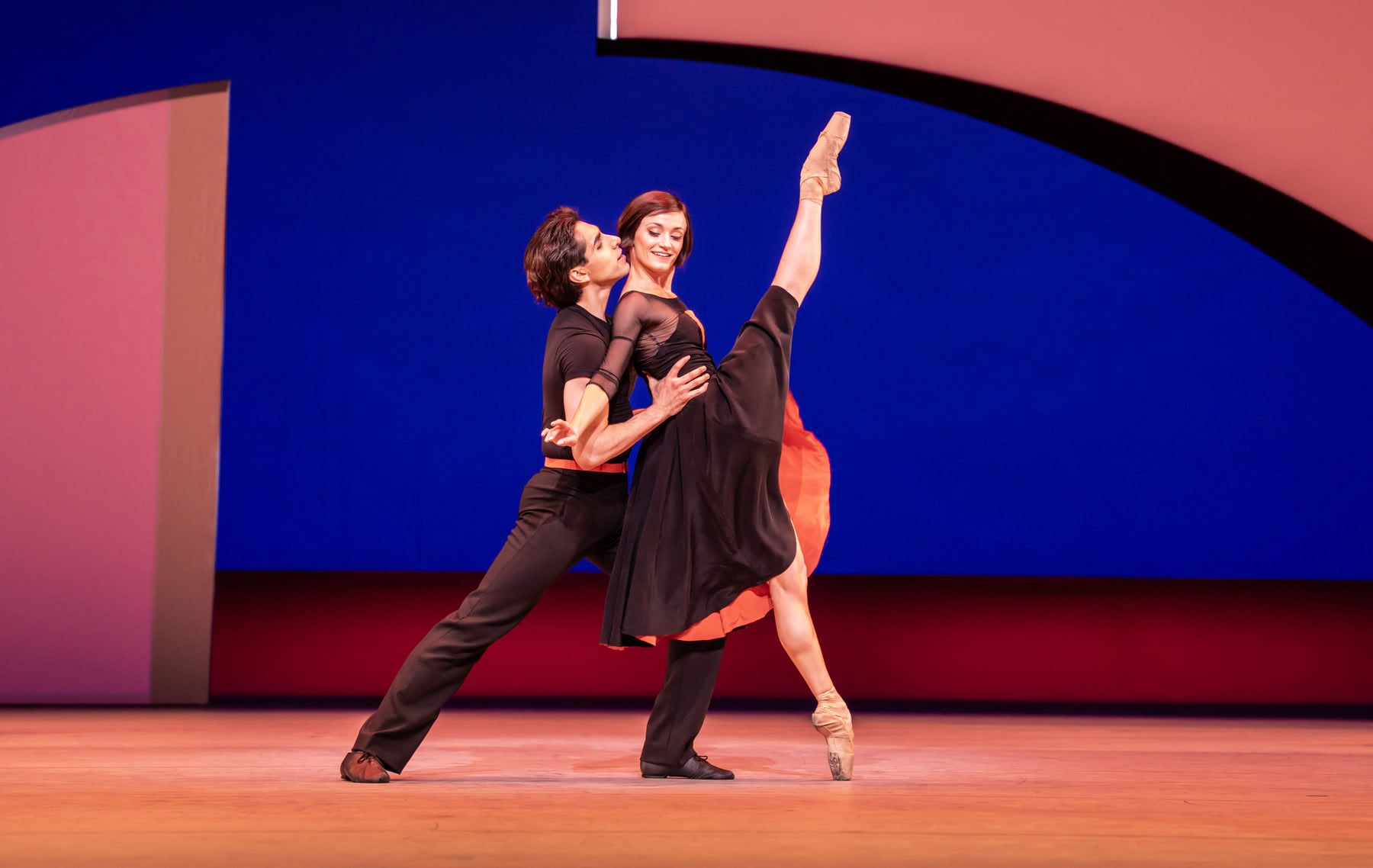
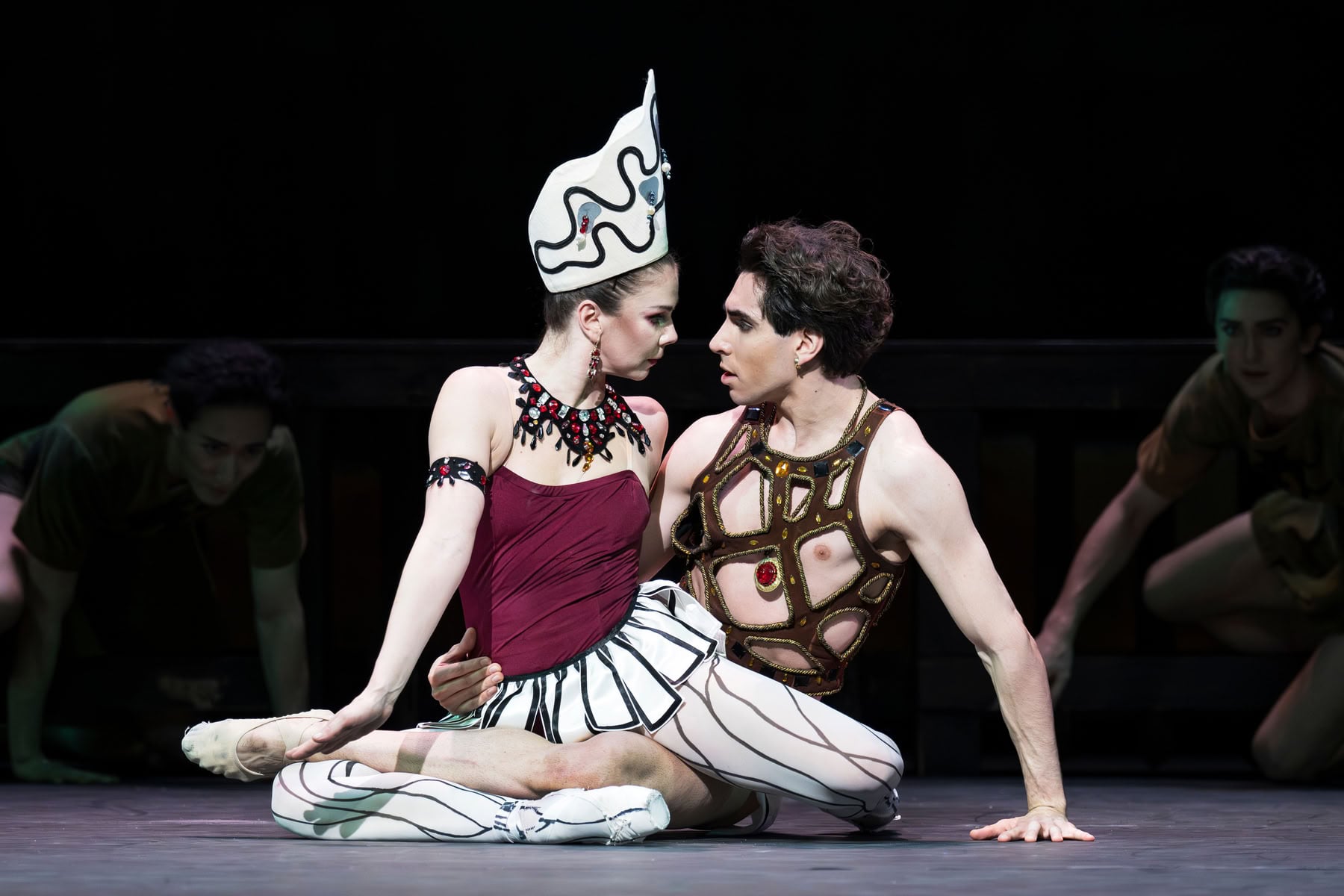
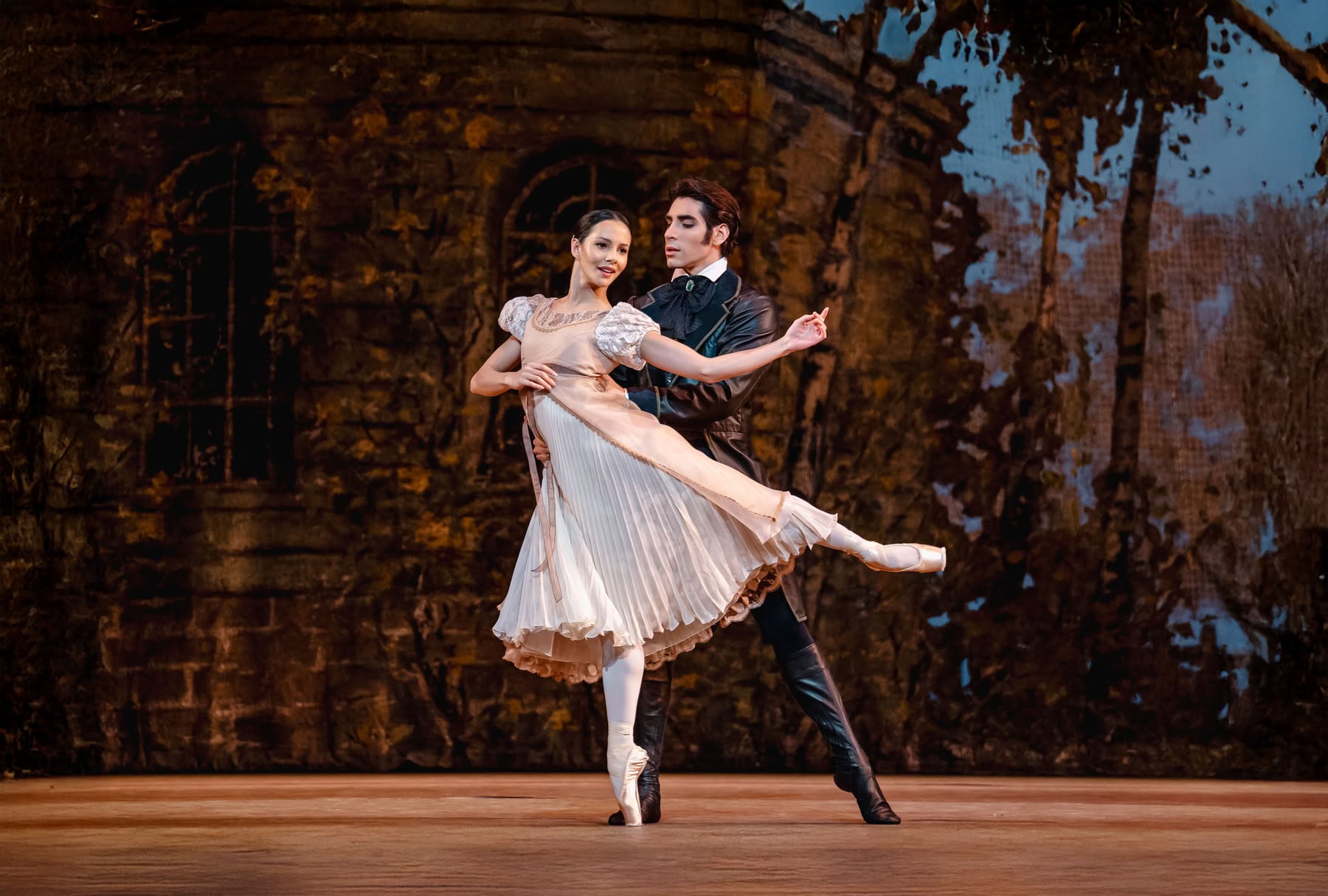
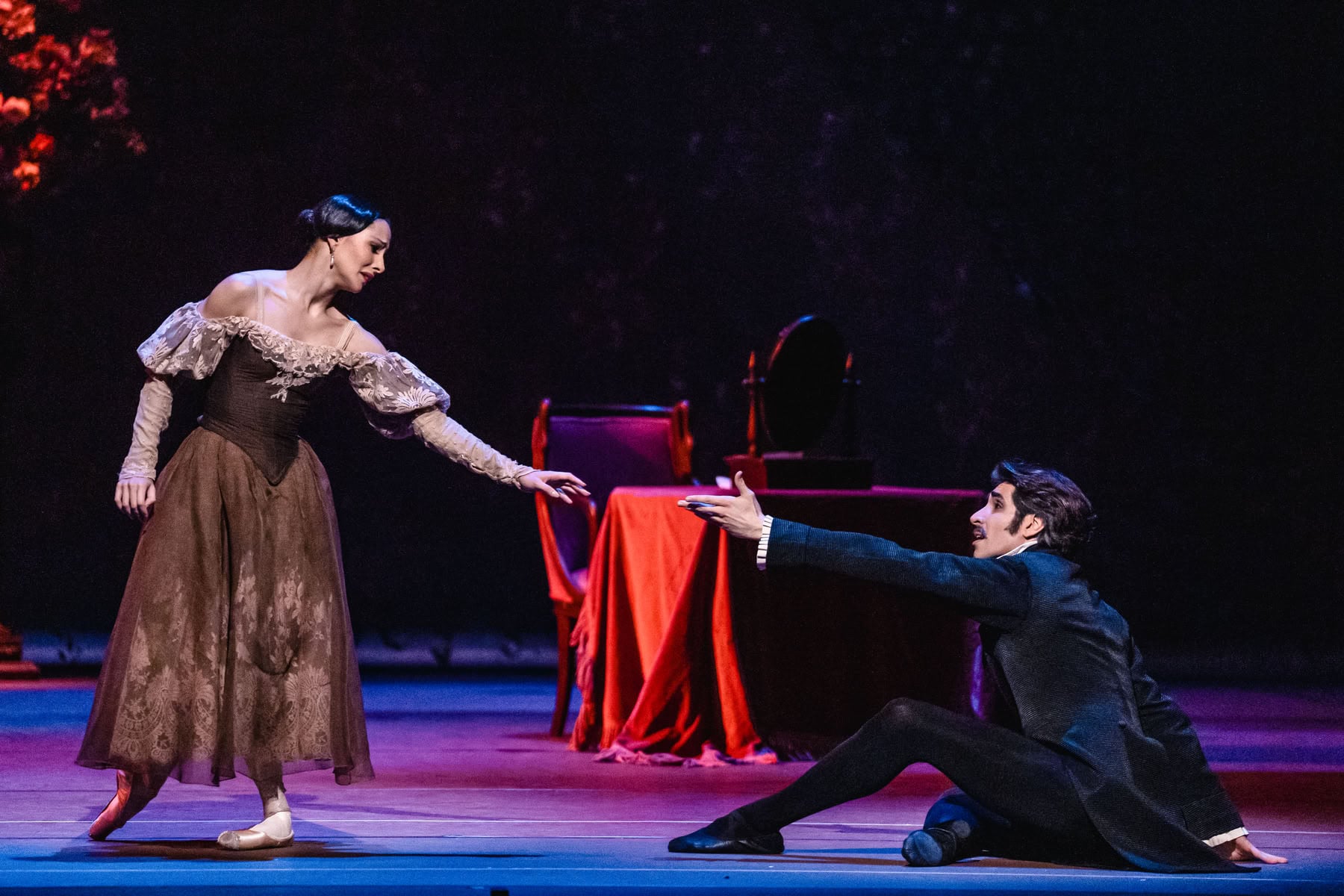
Royal Ballet principal dancer Cesar Corrales will make his debut as Des Grieux in Kenneth MacMillan‘s ballet Manon later this month. It is one of the meaty roles every male dancer wants to sink his teeth into. He also has other major debuts later this season: in Frederick Ashton‘s Daphnis and Chloë and Jerome Robbins‘ Dances at a Gathering.
Corrales has been on stage since he was four, in Canada where he grew up as the son of Cuban dancers Jesus Corrales and Taina Morales. His precocious talent led him to star in the Chicago premiere of Billy Elliot, and later in the Toronto premiere. Like other Billy Elliots who became professional classical dancers (Liam Mower, Universal Ballet’s Principal Lim Sun-u, Vienna State Ballet’s Alessandro Frola), he returned to ballet after his excursion into musical theatre and soon won the Prix de Lausanne in 2013 when he was 16.
He joined English National Ballet at 19 and rose to principal in 2017. In 2018 he took a deliberate step down to First Soloist to join the Royal Ballet, and in 2021 he returned to the top rank as Principal Dancer.
He turned 30 only last month, yet his career is already a long one. I talked to him about his upcoming season.
MANON
Des Grieux is often called the ultimate test of partnering and acting. What has been your way into him – the romantic idealist, or someone more reckless and naive?
I think he definitely begins as more of a romantic idealist. There’s an innocence about him at the beginning. He meets Manon, falls completely in love with her and suddenly his whole world changes.
What I find so interesting is how that love slowly transforms him. He starts making decisions that perhaps he would never have imagined making before meeting her. He becomes more impulsive, more desperate and ultimately willing to risk everything for her.
Which side of him do you feel closer to?
Personally, I’m definitely more drawn towards the reckless and passionate side of Des Grieux. I think that also suits my natural presence on stage and the way I like to express myself as a dancer. But what’s important to me is that he doesn’t start that way. All of that passion and recklessness comes from his love for Manon. It’s what drives him to become the person we see towards the end of the ballet, and I think that’s what makes the character so interesting to explore.
MacMillan’s choreography asks for abandon as well as precision. Where do you find the balance between technical control and letting go?
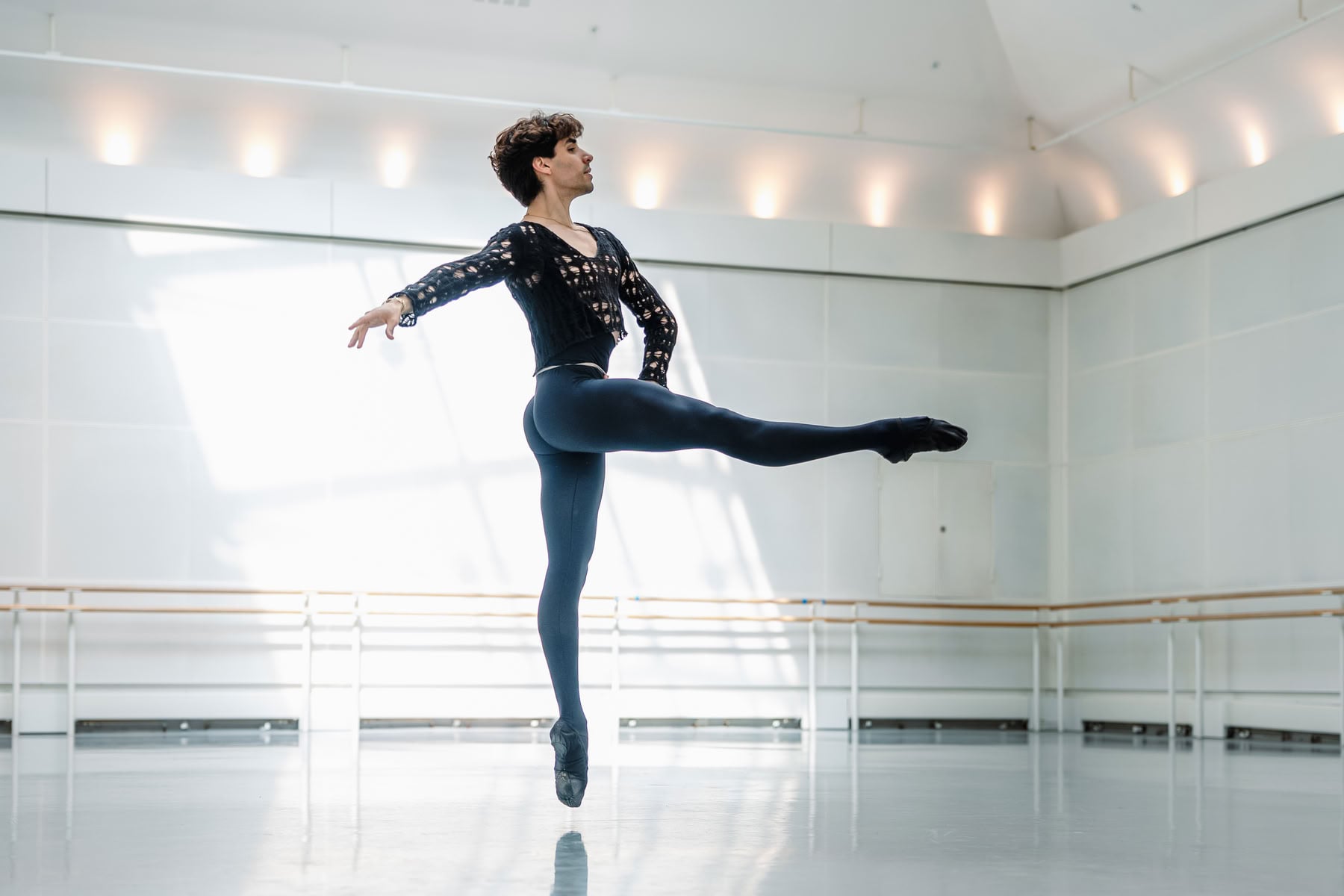
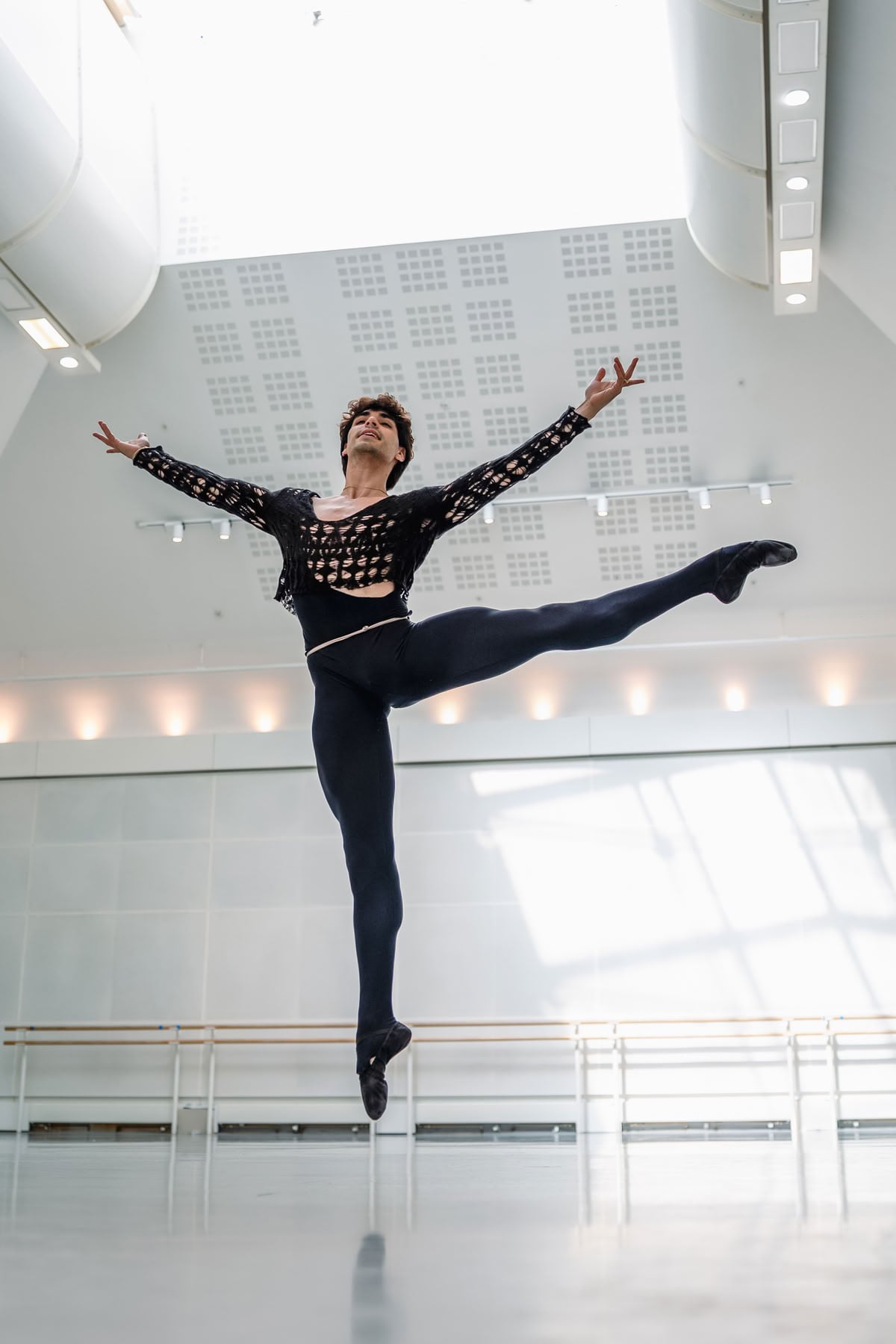
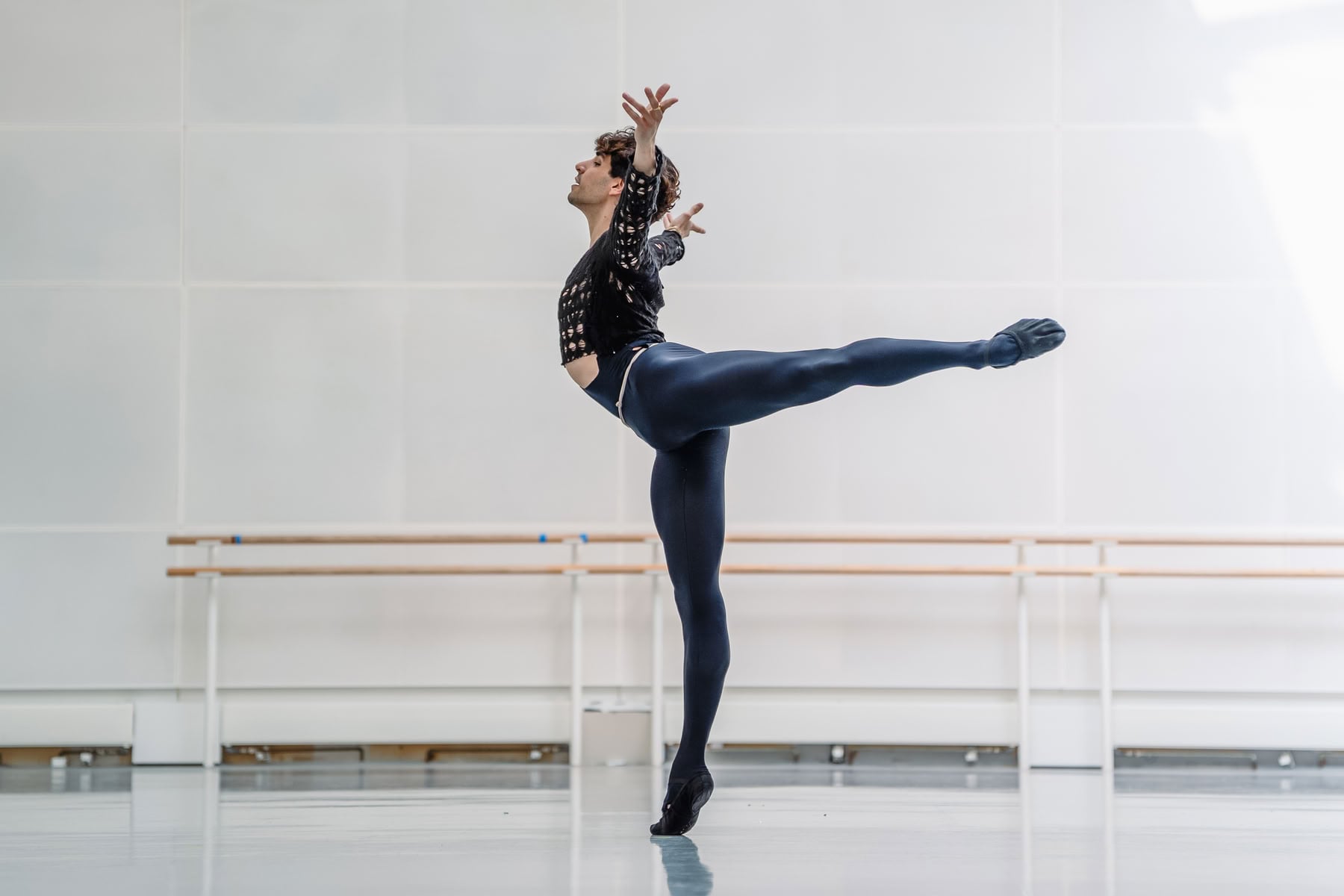
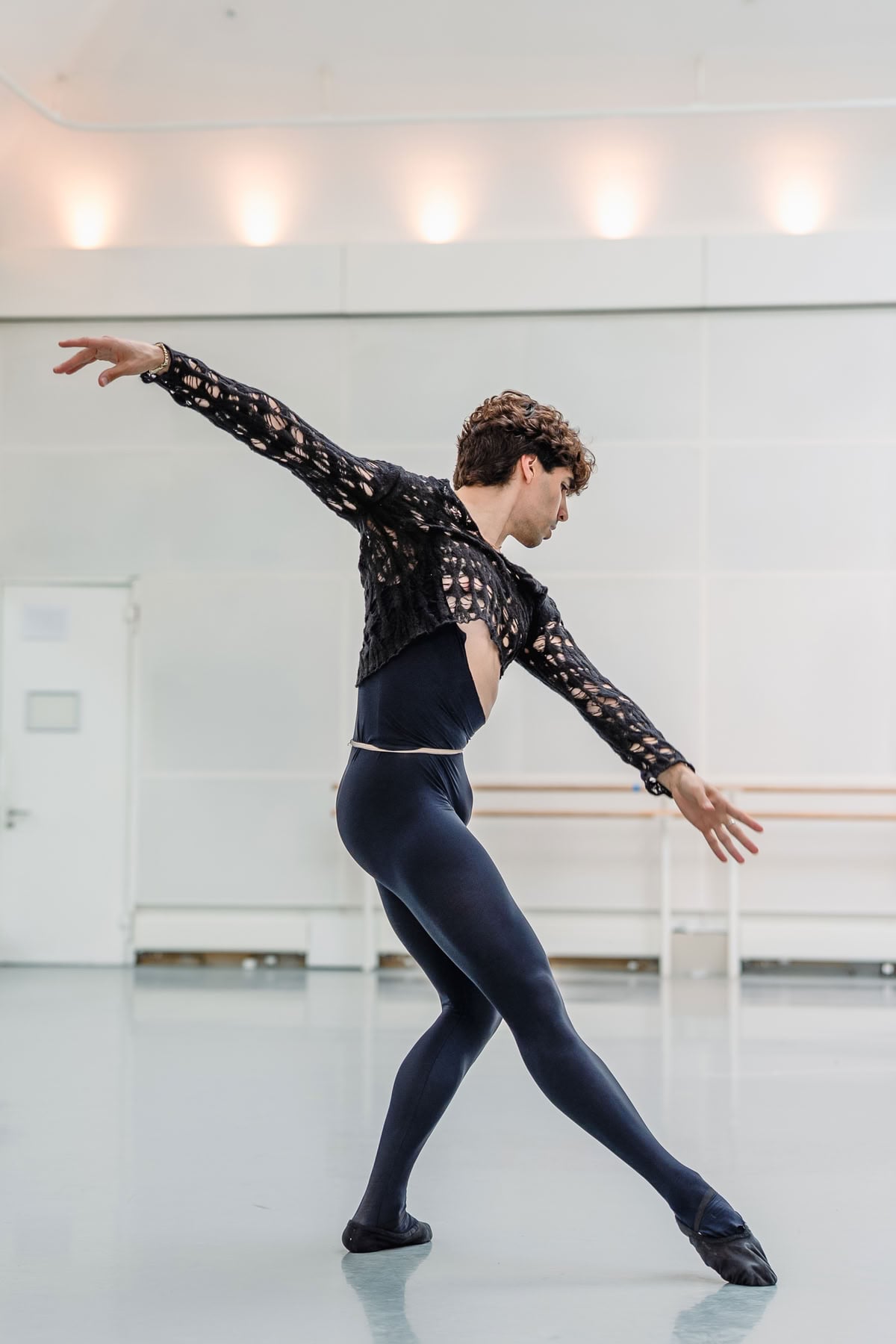
I think the two actually go hand in hand. You can’t really have that freedom and abandon without having a very strong technical foundation underneath it. Especially with MacMillan, the partnering can be incredibly demanding and sometimes quite unpredictable in the way it looks. But obviously nothing can be left to chance. You have to understand every detail and have complete trust in the person you’re dancing with.
So where does the freedom come in?
For me, the exciting part comes when you reach a point where you’re no longer thinking about the technique. You’ve rehearsed everything so much that it becomes second nature, and suddenly you have the freedom to really live in the moment.
I’ve always been quite an instinctive dancer. I love that feeling of completely throwing myself into something, both physically and emotionally. And I think MacMillan’s choreography really allows you to do that.
Is there a danger of it looking too neat after all the precision of the rehearsals?
Yes, there’s something about his work that shouldn’t feel too polished or calculated. It needs that rawness, that sense of urgency, as though the emotions are almost taking over the movement. So I suppose the balance for me is being completely in control of what I’m doing without necessarily looking like I am. That’s when I find it most exciting.
Have you watched past Des Grieux interpreters in the studio or on film?
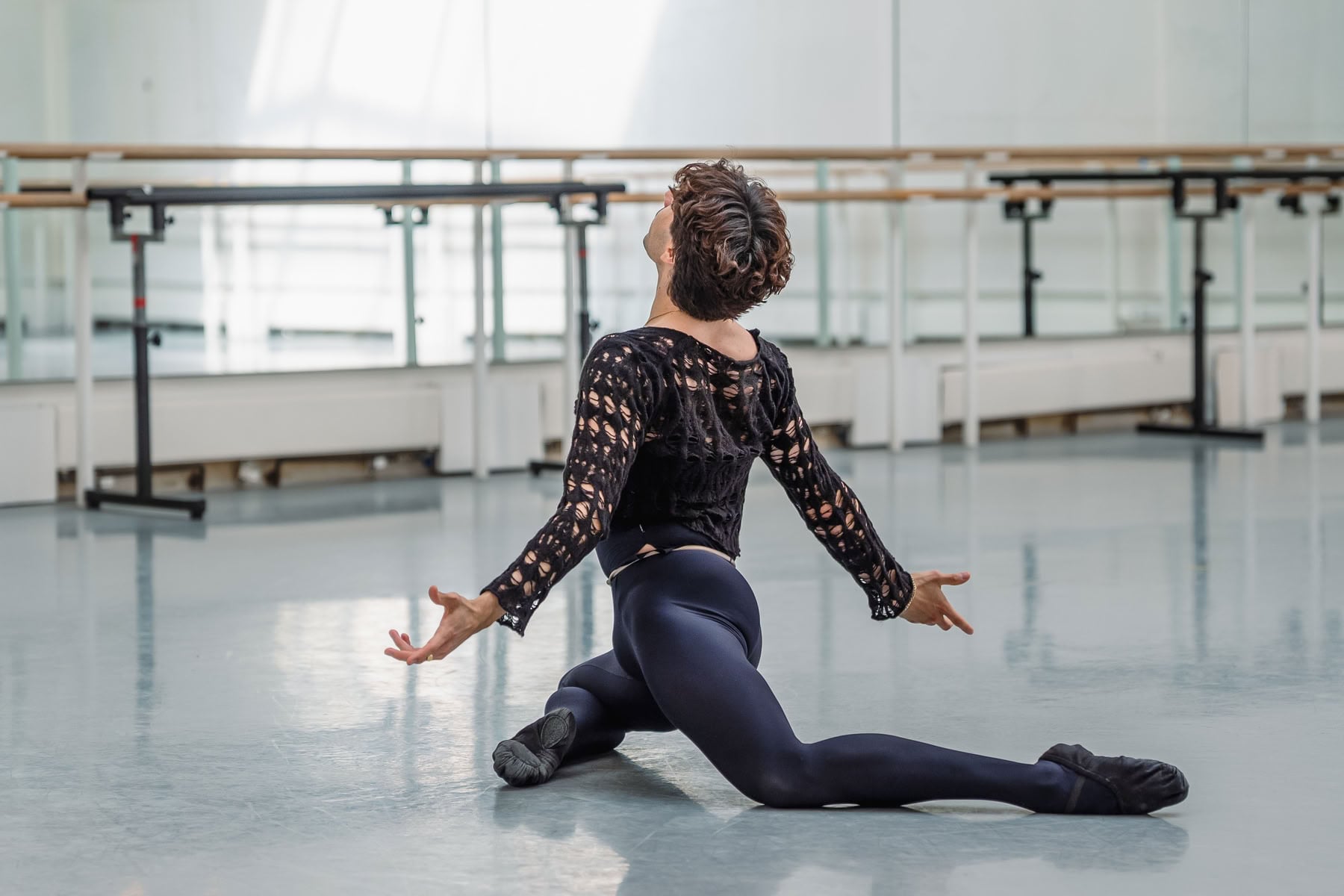
Yes, of course. I think it’s always interesting to watch how different dancers approach the same character, especially in a ballet like Manon where there’s so much room for individual interpretation.
Was there anyone in particular?
I’ve always particularly loved Irek Mukhamedov in MacMillan’s ballets. There’s something incredibly powerful about his performances. He has this ability to make everything feel so real and spontaneous, and that’s something I’ve always admired.
Is there a danger of copying what you’ve seen?
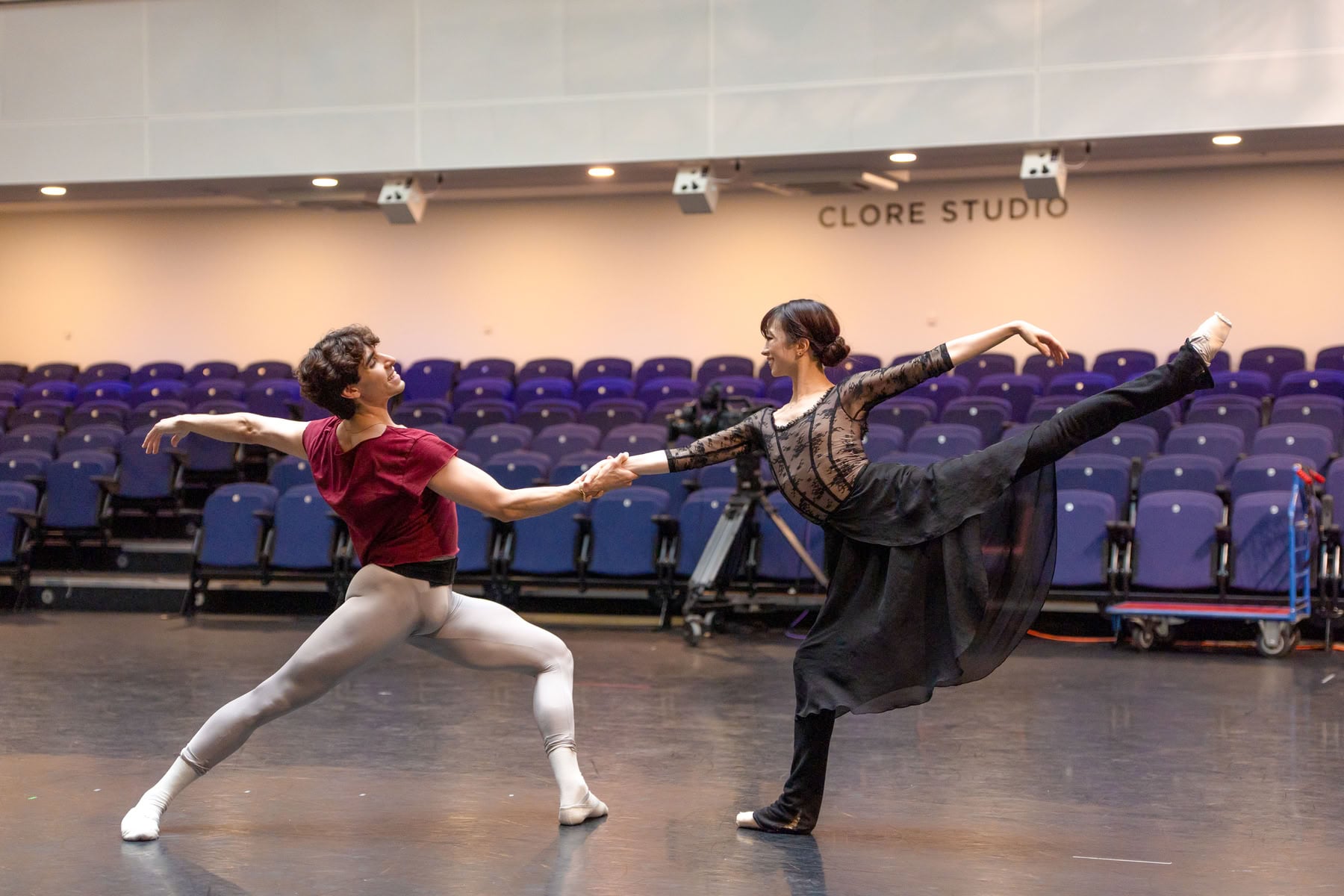
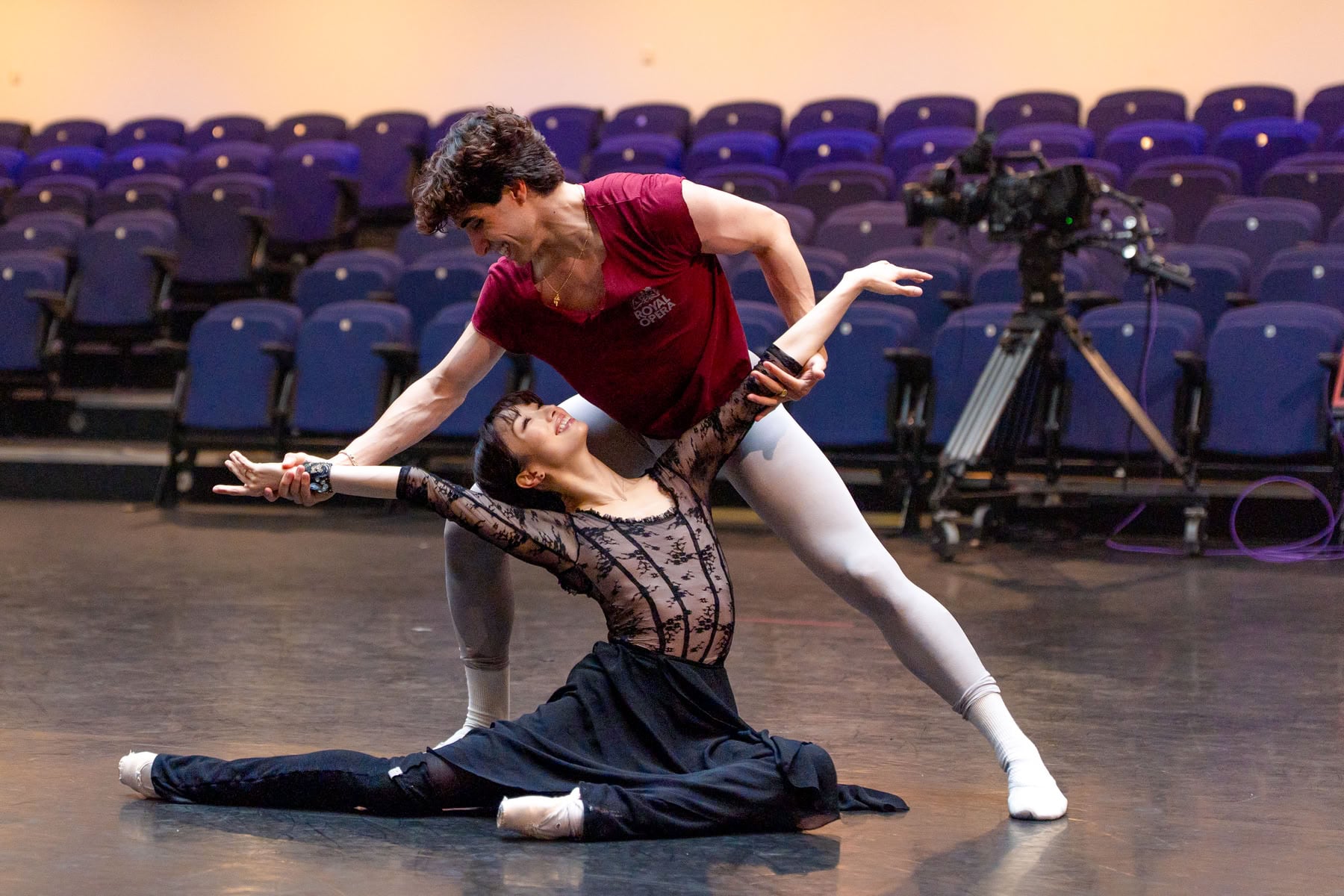
I think it’s important not to watch too much to the point where you start imitating somebody else’s interpretation. I like taking inspiration from different dancers, but ultimately I want to discover my own Des Grieux through the rehearsal process and through my relationship with Akane Takada.
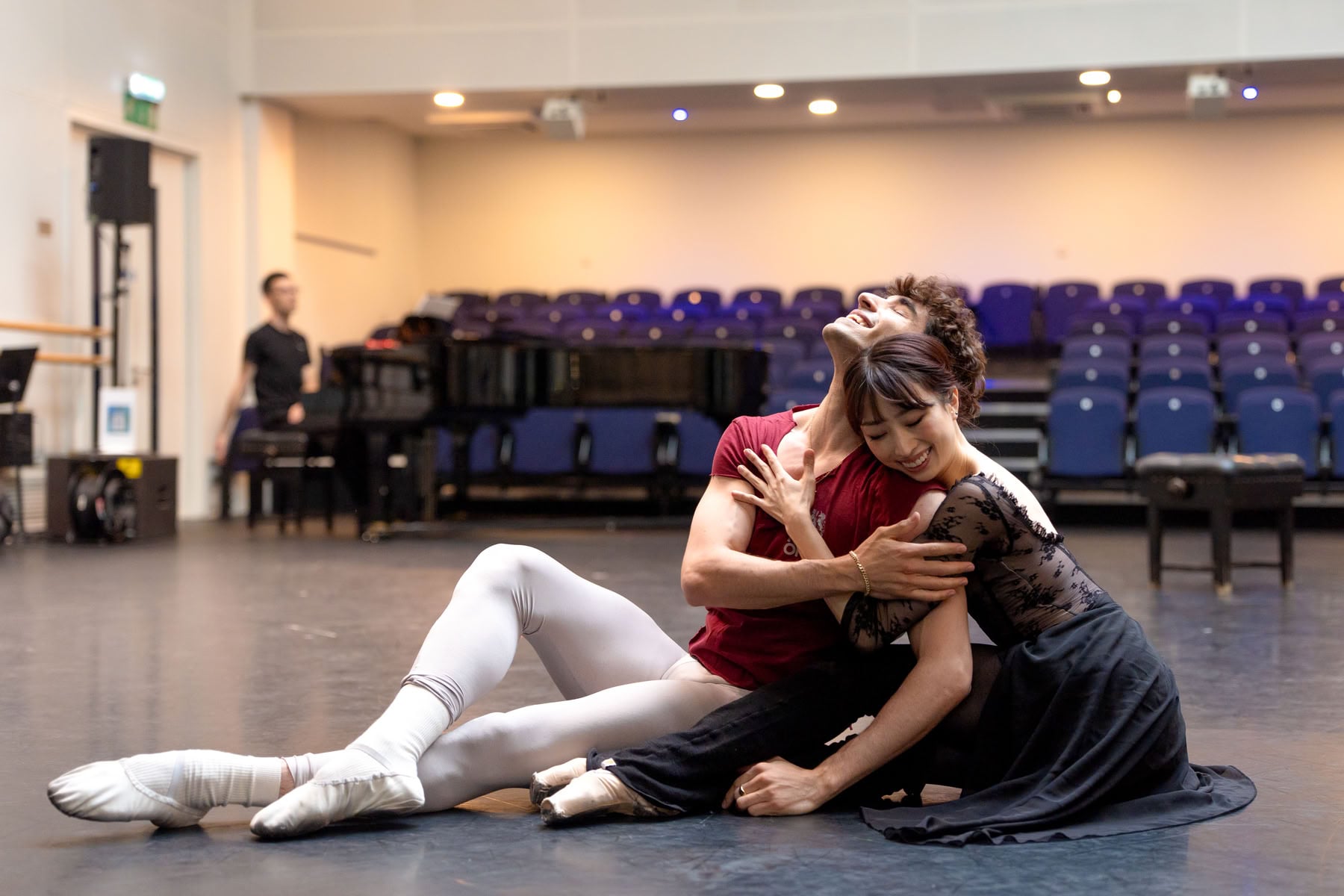
Akane Takada, your Manon.
Akane is a beautiful dancer and somebody I’m really looking forward to working more closely with.
What do you admire most in her dancing?
Her incredible technique, precision and the elegance she brings to her dancing. There’s a real delicacy and attention to detail in the way she moves, and I think those qualities will be lovely to explore in a ballet like Manon.
Have you danced together much before?
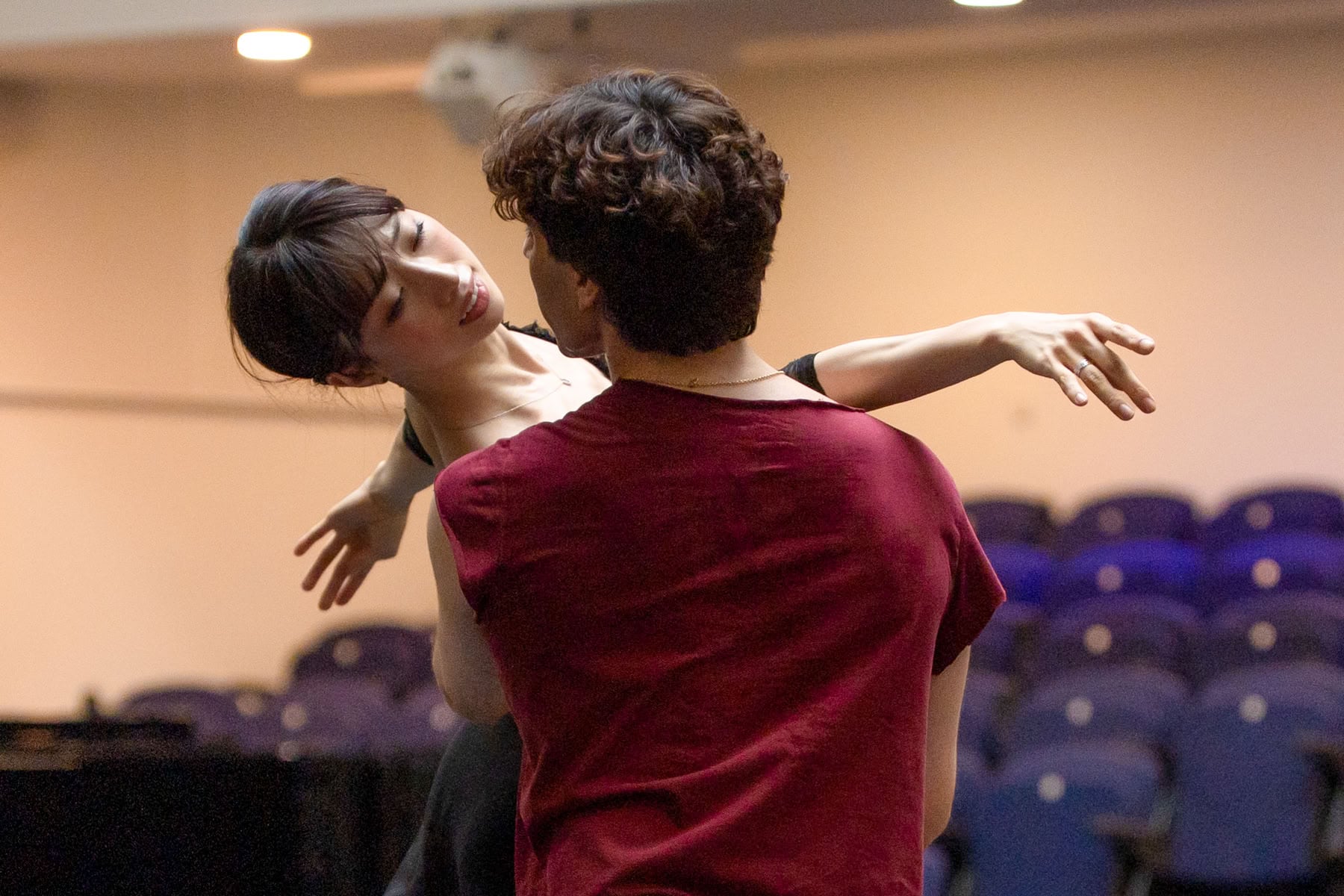
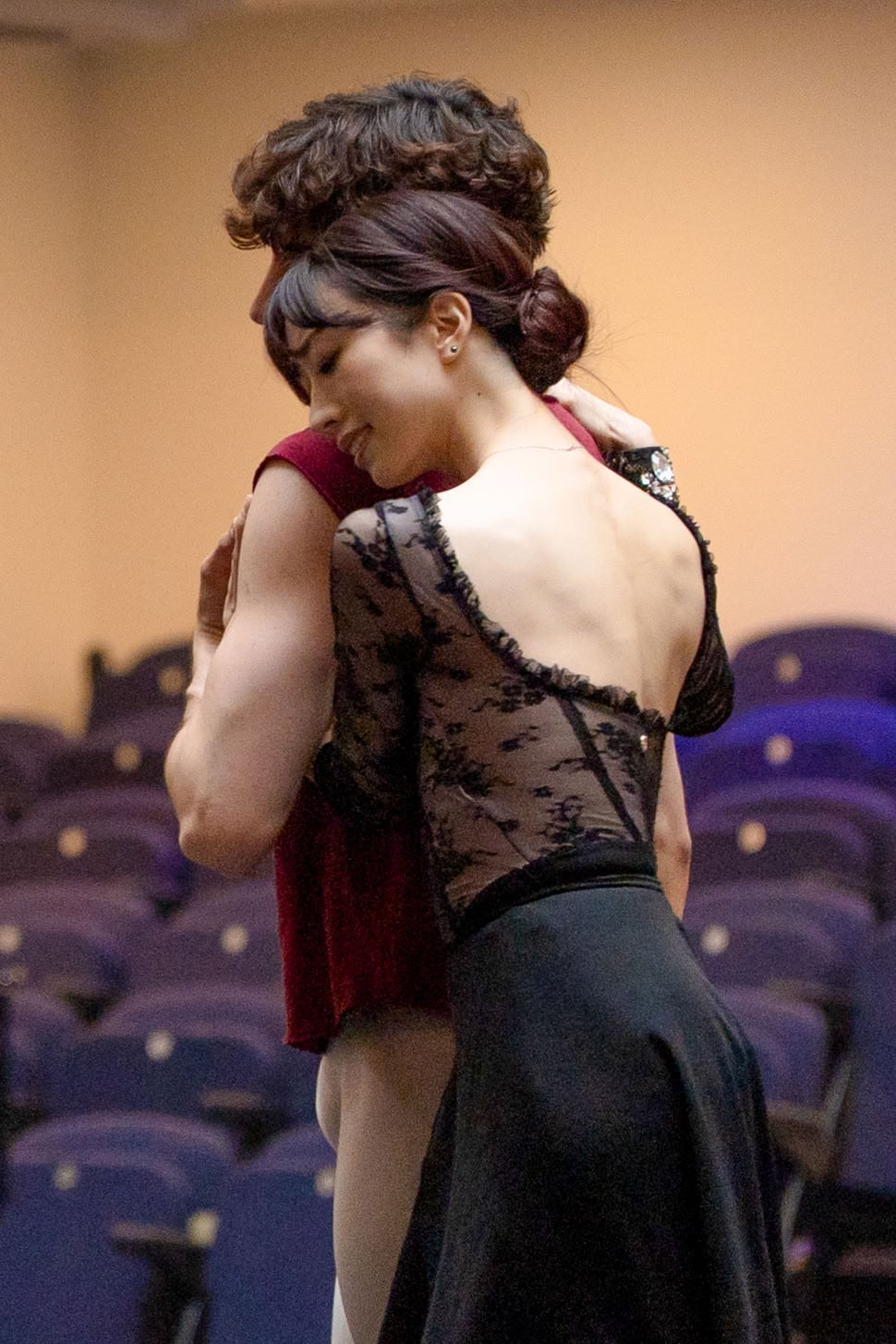
We actually haven’t danced together that much, so in a way that’s part of what makes this debut exciting. We’re still discovering each other as partners and learning how we both approach the choreography.
I think we have quite different qualities as dancers, and sometimes those differences can complement each other really well. I’m looking forward to developing that connection throughout the rehearsal process and seeing what we can create together.
How much does the dynamic with your Manon shape your portrayal?
I think it shapes almost everything, really. With a ballet like Manon, you can’t just arrive with a fixed idea of how you’re going to portray Des Grieux because so much of the character is influenced by the person standing in front of you.
Every dancer brings something different, and naturally that changes how you react and what you feel in those moments.
Let’s take the bedroom pas de deux and the final swamp scene. What are you looking for in a partner there?
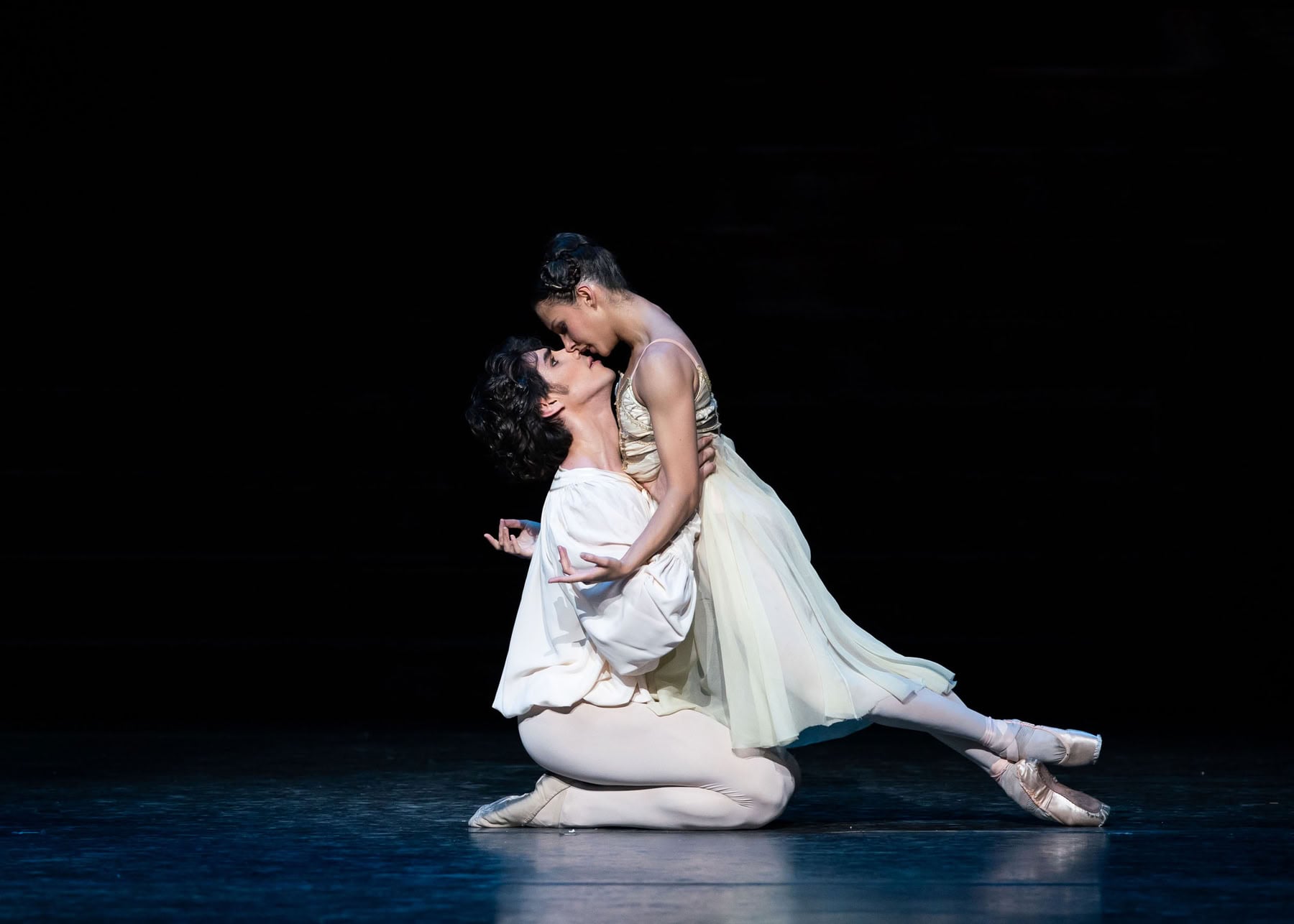
The bedroom pas de deux is obviously incredibly passionate, but I think there’s also a real innocence and excitement to it. They’re discovering this love for each other, and everything feels possible. By the time you reach the swamp scene, it’s almost the complete opposite. They’ve lost everything, and all that’s left is their love for one another.
And what do you need from your partner to make that work?
Somebody who’s willing to really commit to those moments with me. Not just technically, but emotionally as well. I love when there’s that connection where you can react naturally to each other rather than feeling like you’re simply performing choreography that you’ve rehearsed a hundred times. That’s when it becomes something much more special.
Those pas de deux! What a responsibility – do you feel that responsibility for your partner?
Absolutely. But I think that responsibility is something I’ve always really enjoyed about partnering. There’s a huge amount of trust involved, particularly in MacMillan’s work, where the choreography can be very physically demanding and sometimes quite daring.
What does that mean in practice?
As the male dancer, you have to give your partner that confidence that she can completely commit to the movement without hesitation. And I think when that trust is there, it gives both dancers so much more freedom.
So it’s not a burden?
Not at all. I’ve always loved partnering because it’s not just about what you can do individually. You’re creating something together, and sometimes the most exciting moments happen because of the energy and connection between two people.
Of course there’s a lot of responsibility, but I don’t really see it as a burden. For me, it’s one of the most rewarding parts of dancing.
DANCES AT A GATHERING
Robbins’s ballet has no plot and few obvious dramatic cues. How do you approach a role where the character is largely your own?
I actually find that quite exciting because it’s a completely different way of approaching a ballet.
In what way?
Normally, especially with the big narrative ballets, you have a character, a story and a very clear idea of what you’re trying to communicate. With Dances at a Gathering, you don’t have those things in the same way. There’s no particular story you’re trying to explain to the audience. Instead, it’s much more about the music, the atmosphere and the relationships between the dancers.
So where do you find your way in?
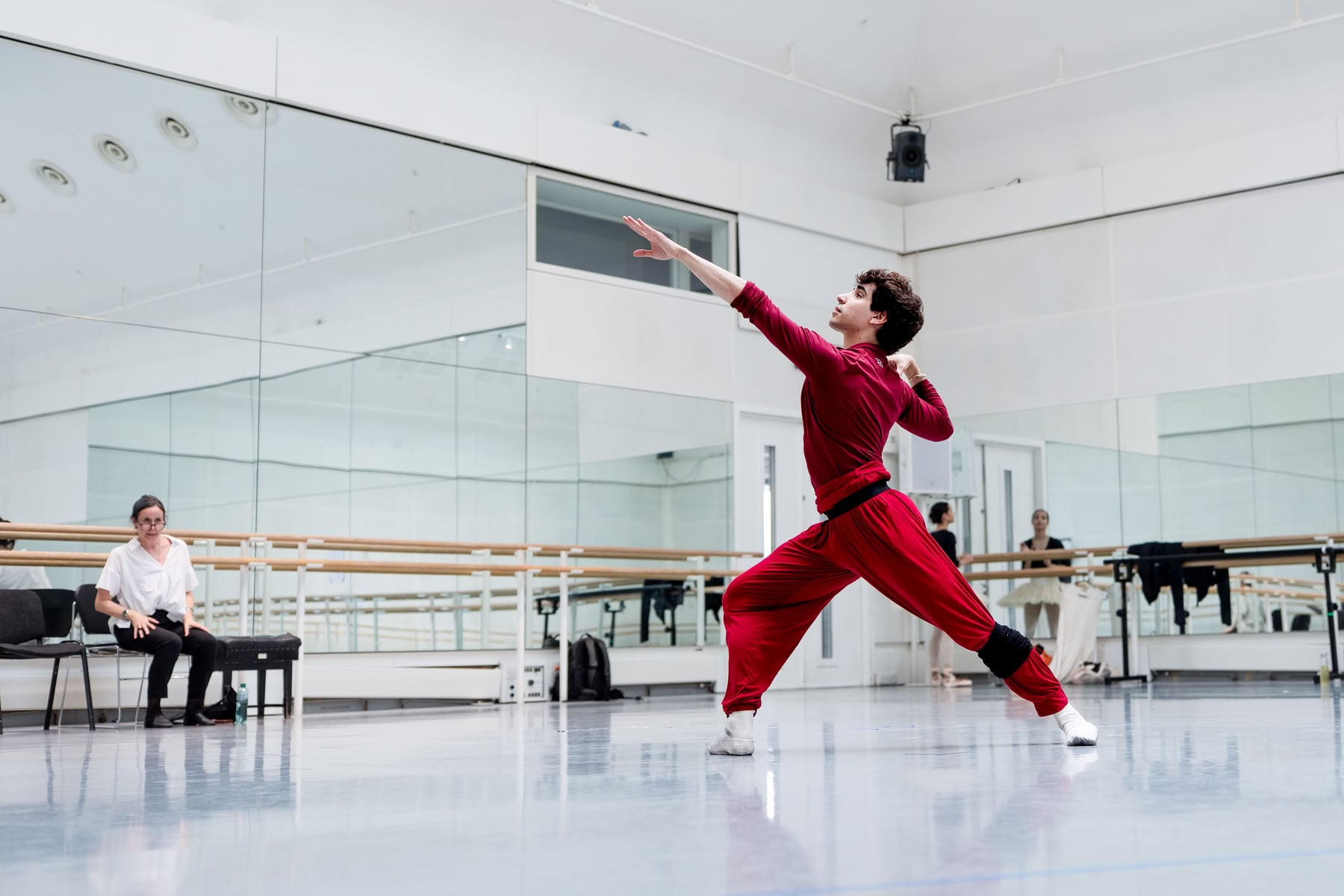
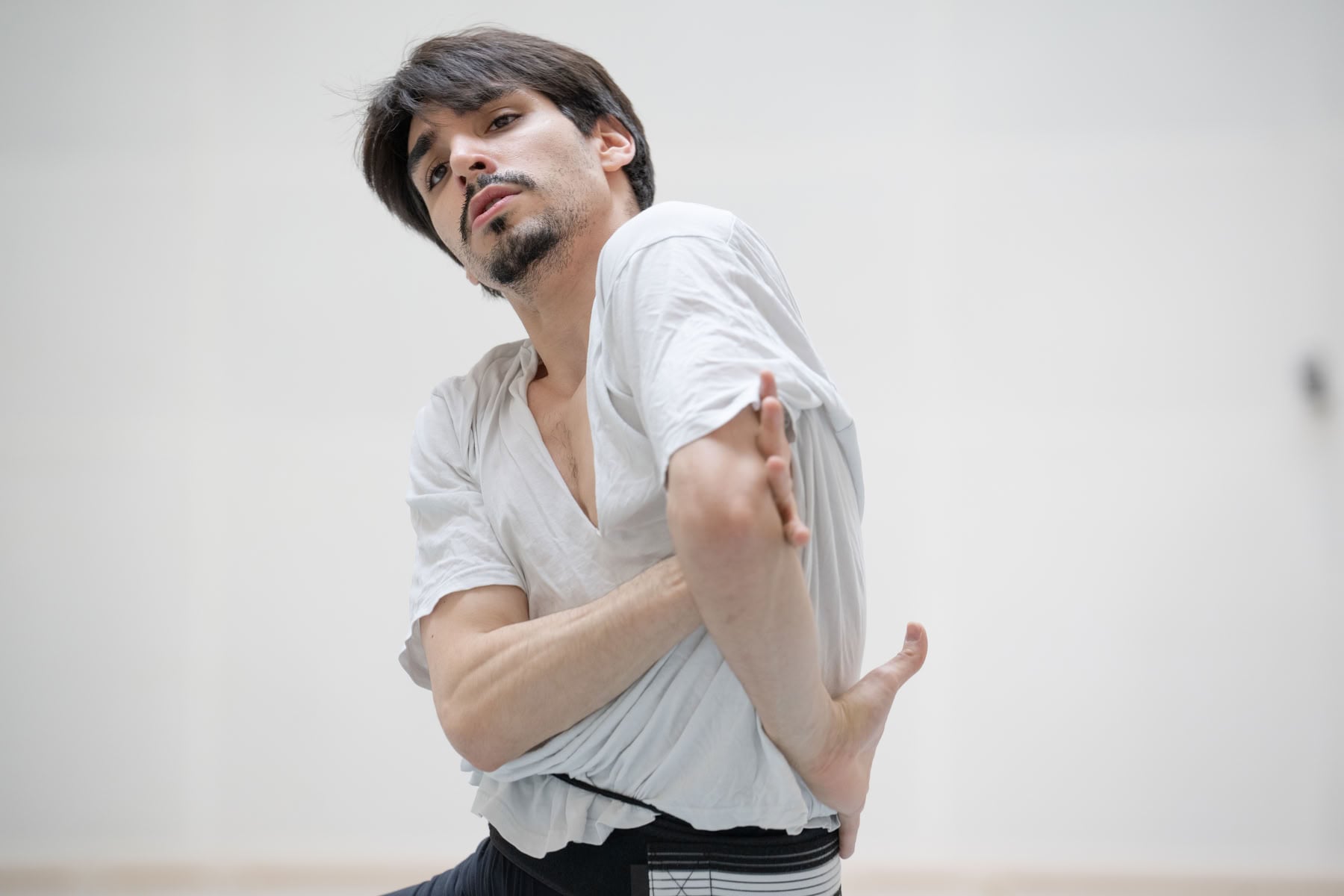
I think the challenge is to find something personal within that simplicity. You don’t want to start inventing a dramatic story that isn’t there, but at the same time you don’t want the dancing to feel empty. For me it’s about being completely present, listening to the music and allowing those little interactions with the other dancers to happen naturally. I really enjoy that, because it gives you the freedom to show another side of yourself.
It’s often called one of the most musical ballets, set to Chopin. How does that change the way you work with the pianist and the rehearsal process?
I think with Robbins, the musicality is so incredibly detailed that you really have to approach the choreography through the music rather than simply learning the steps and then putting them together. There are so many little accents, changes of dynamics and moments where the movement responds directly to what you’re hearing.
What does a live pianist add?
The music feels so alive. Obviously you have to be very precise with the phrasing, but there’s also room to breathe and respond to the music in the moment. That’s something really special about ballet in general. We’re so lucky to be able to perform with live musicians, and sometimes it’s easy to forget just how much that can influence a performance.
Does that change how it feels to dance it?
Very much. With Dances at a Gathering, that relationship between the dancer and the music becomes even more important. You almost have to feel as though you’re part of the music rather than simply dancing to it.
Do you find it more intimate or more exposing than the narrative ballets?
I would probably say more exposing, actually.
Why is that?
In a narrative ballet, you have the character and the story to help you communicate with the audience. There’s always a reason behind what you’re doing. But with something like Dances at a Gathering, it’s much more stripped back. There’s no big dramatic situation or character to hide behind. It’s really just you, the music and the movement. And I think that can be quite exposing because every little detail becomes so important.
It’s intimate.
Yes, there’s something very intimate about that simplicity. I think audiences get to see a slightly different side of you as a dancer. Maybe something a little more personal and less theatrical. And that’s something I’m enjoying discovering.
THE SEASON
These three ballets show very different sides of the Royal Ballet’s repertoire and heritage – MacMillan, Robbins and Ashton. Does it feel like a defining season for you?
I suppose you could look at it that way, especially because there are some really exciting debuts coming up. But personally, I’ve always tried to approach every season as a defining one.
Of course.
Our careers as dancers are so short when you really think about it. We only have a certain number of years to perform, to experience these incredible ballets and to work with the people around us so I don’t really like the idea of treating one season as more important than another. Every season is an opportunity to grow, to challenge yourself and hopefully become a better artist.
Is that a mentality you’ve always had?
I think that’s something I’ve always been very conscious of. I don’t want to look back one day and feel that I took any of those opportunities for granted.
Of course, some seasons might have bigger debuts or more demanding roles, but my mentality towards them doesn’t really change. I want to make the most of every season I have, because ultimately none of us can dance forever.
Which of these choreographers are you most drawn to?
I think naturally I’d have to say, MacMillan.
What is it about him?
There’s something about the physicality and emotional intensity of his choreography that I really connect with. I’ve always loved dancing roles where I can completely immerse myself in the character and where the movement feels like an extension of what that person is experiencing emotionally, and MacMillan does that so beautifully.
His choreography can be incredibly raw and passionate, but at the same time there’s so much detail and subtlety within it. I think that combination really appeals to me as a dancer.
And Ashton and Robbins?
I love being challenged by choreographers who ask something completely different of me. That’s one of the wonderful things about being at the Royal Ballet. You have the opportunity to explore such a wide range of styles, and I think that’s incredibly important for your development as an artist.
Which of the three ballets do you find most daunting, and which are you most looking forward to?
I wouldn’t necessarily say I find any of them daunting. Of course, they all come with their own challenges and responsibilities, but I think that’s part of what makes our job so exciting. I’ve always loved being challenged, and I think whenever you’re given the opportunity to dance something new, you should approach it with excitement rather than fear.
I imagine that Manon is the one you’re especially eager for?
I’m really looking forward to all three for completely different reasons, but naturally Manon is something I’m particularly excited about. Des Grieux is such a wonderful role, and I love the idea of being able to explore that emotional journey while also having some incredibly demanding and beautiful choreography to dance.
For me, the excitement of discovering a new role will always outweigh any nerves that might come with it.
BEHIND THE CURTAIN
What’s the one thing audiences wouldn’t guess about preparing for a big debut?
Probably just how much work goes into the smallest details.
Such as?
When people come to the theatre, they see the finished performance, and hopefully everything looks quite effortless. But sometimes you can spend an entire rehearsal working on something that lasts only a few seconds on stage. It might be a lift, a transition or even something as simple as how you look at your partner. And you can repeat it over and over again until you finally find what feels right.
La répétition, as the French say. Exhausting?
It’s an incredible amount of repetition and patience. I think that’s something people don’t always realise about ballet. But I actually love that process. There’s something very satisfying about working on something for weeks and then finally getting on stage and feeling it all come together. And hopefully by that point the audience has absolutely no idea how much work went into it!
It sounds as though Des Grieux was on your bucket list. What else is still on there, at the top?
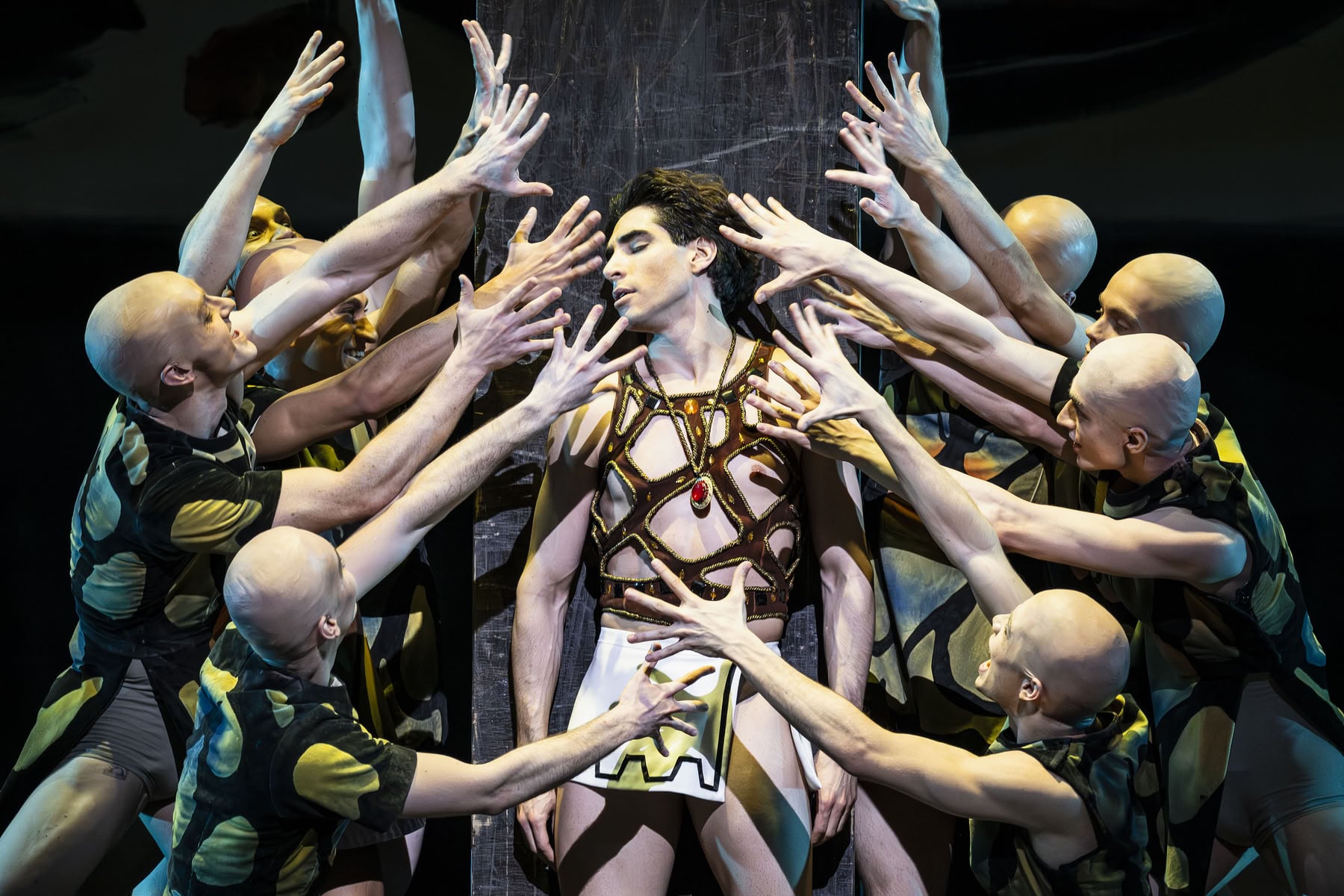
There are still so many roles I’d love to dance, but Rudolf in Mayerling would definitely be at the top of my list.
Why that role?
I’ve always been drawn to MacMillan’s work, and I think Rudolf is one of the most fascinating and complex characters a male dancer can portray. The emotional intensity, the physical demands and the psychological depth of the role are all things that really appeal to me. It’s the kind of role where you can completely immerse yourself in the character, and I would absolutely love the opportunity to explore that one day.
LOOKING BACK
What have your coaches and répétiteurs said that has stuck with you?
I’ve been very fortunate to work with some incredible coaches throughout my career, and I think you take something different from each of them. But one thing that’s really stayed with me is simply to enjoy the moment.
Which is not always so easy.
I think as dancers we can sometimes become so focused on getting everything right, on the next performance or the next challenge, that we forget to appreciate what we’re actually doing. We spend our whole lives working towards these opportunities, and then when they finally arrive, it’s important to really enjoy them.
Does it change how you perform?
Of course you want to give the best performance you possibly can, but I think there’s also something very special about allowing yourself to be completely present on stage. And that’s something I try to remind myself of more and more. At the end of the day, we’re incredibly fortunate to do something we love for a living. Sometimes the best performances happen when you stop worrying so much about everything being perfect and simply enjoy dancing.
Who were the dancers who inspired you growing up?
There were quite a few dancers I admired growing up, but Fernando Bujones was definitely somebody I always looked up to. I loved his technique, his elegance and the way he carried himself on stage. There was something very special about his presence. And as I said, I’ve always really admired Irek Mukhamedov.
Do you try to channel them?
What I love about watching great dancers is that they all bring something completely different to the stage. I think naturally you absorb little things from the people who inspire you, sometimes without even realising it. But I’ve always felt it’s important to find your own identity as a dancer. You can admire somebody enormously without wanting to become a copy of them.
Looking back over your time with the Royal Ballet, how has your artistry changed, particularly after the challenges you’ve faced with injury?
I think I’ve grown a lot since joining the company, both as a dancer and as a person.
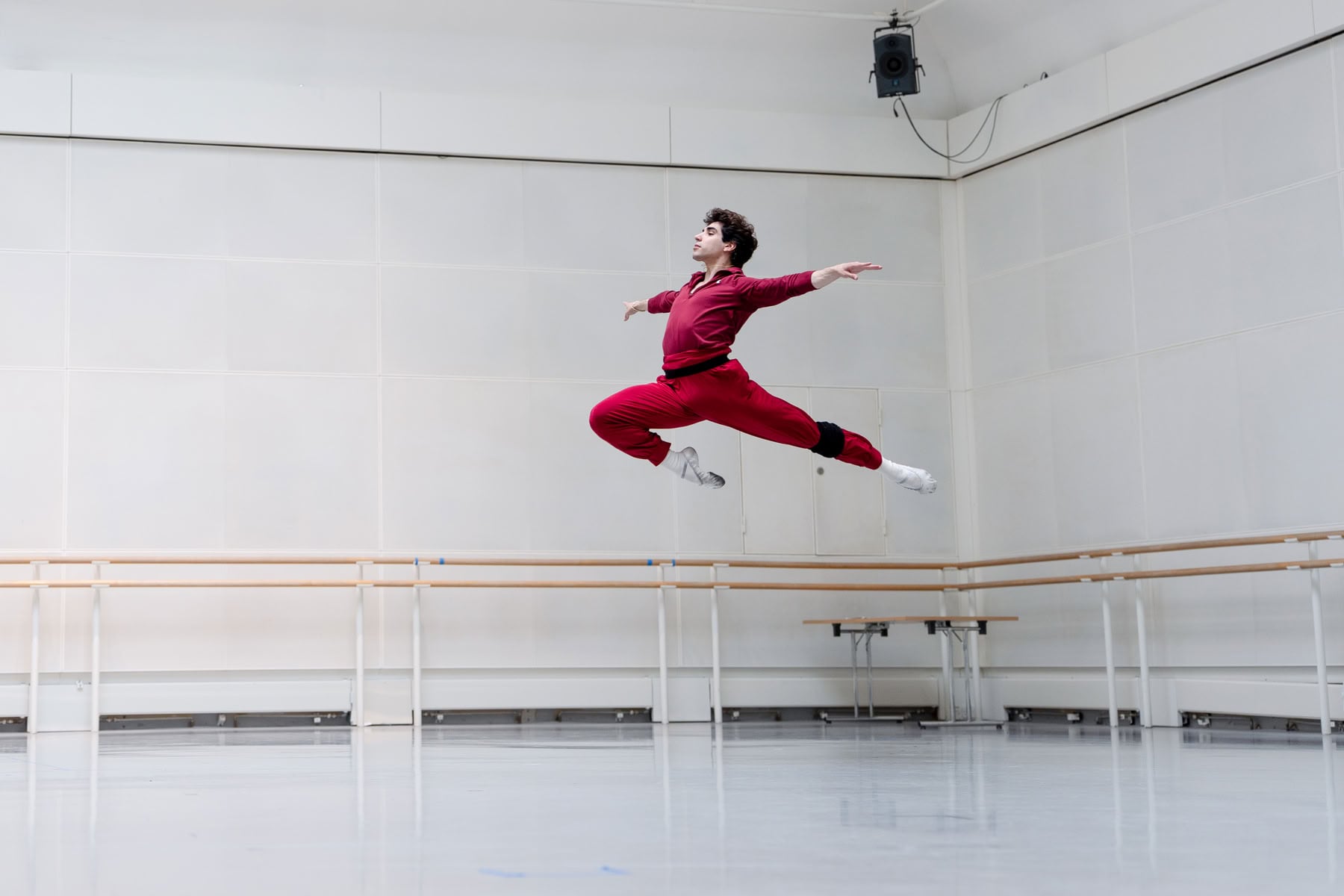
I’ve always been a very passionate and physical dancer. I love jumping, turning, and really pushing myself technically, and that’s something I still get just as much enjoyment from today as I did when I was younger. I don’t think that side of me will ever change!
So what has developed?
My understanding of everything that goes alongside the technique. The musicality, the intention behind a movement, the connection with your partner and all those little details that can make such a difference to a performance.
And your attitude? Your confidence?
I’ve become more confident in trusting my own instincts and allowing my personality to come through in the roles I dance. I think when you’re younger, you’re naturally very focused on proving yourself and showing what you’re capable of. As you gain more experience, you begin to understand that there’s so much more you can bring to the stage.
For me, it’s not about replacing one thing with another. It’s about bringing all those qualities together. I still want to jump as high, turn as much and give everything I physically can, but I also want the audience to connect with what I’m expressing beyond the steps.
And I think that’s the exciting part of growing as an artist. You’re constantly discovering new things about yourself, and hopefully that continues throughout your entire career.
Cesar Corrales performs Des Grieux in Manon on 23 and 28 October
and Dances at a Gathering on 12, 20, 24 and 28th November