Review: Benois’s painted sets still draw gasps in La Scala’s Giselle
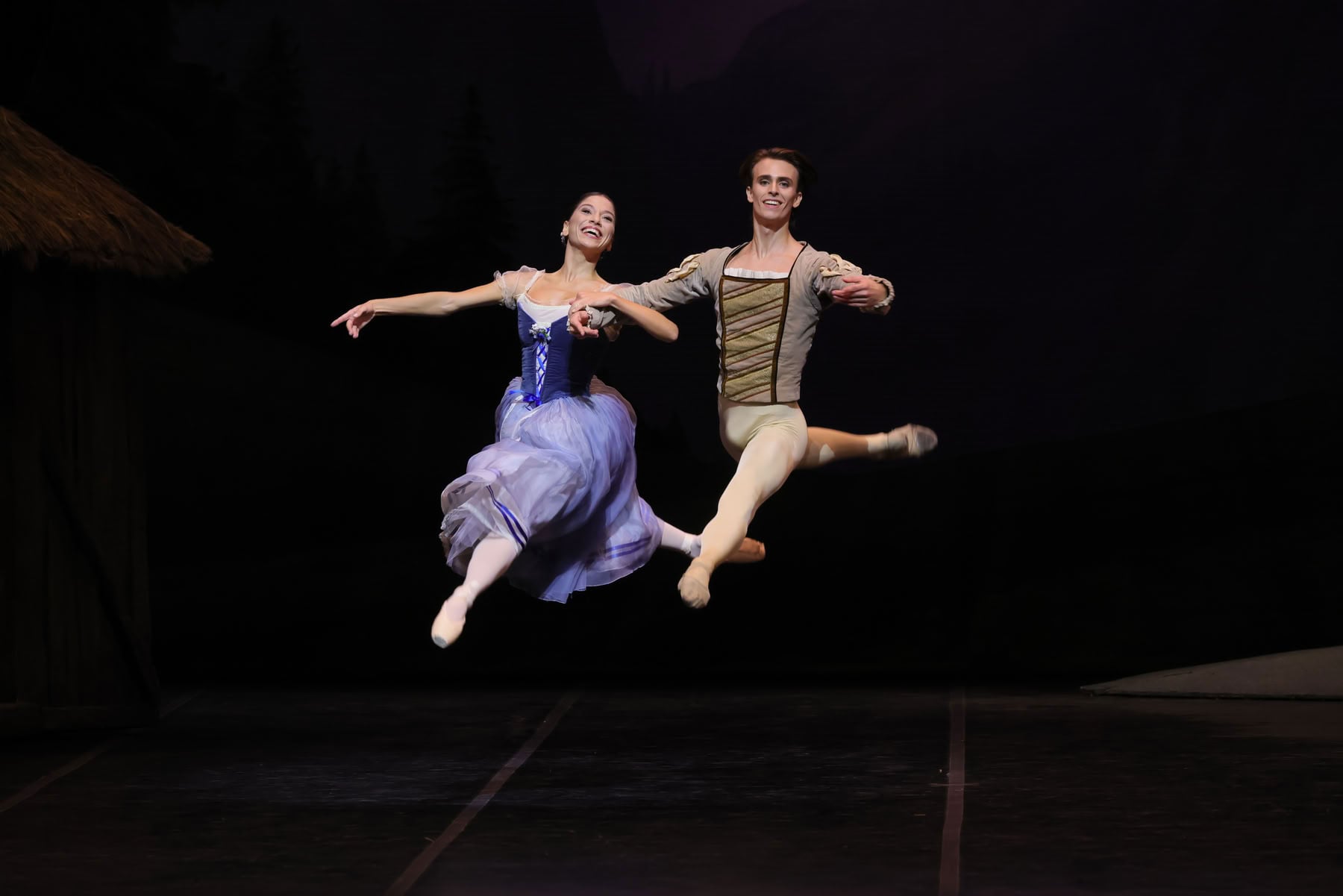
Framed by Benois’s exquisitely painted forests, Alice Mariani is a sunny, believably innocent heroine in Yvette Chauviré’s 1950 staging, while the Wilis form an immaculately drilled spectral army.
| Title | Giselle |
| Company | La Scala Ballet |
| Venue | Teatro alla Scala |
| Date | 23 October 2026 |
| Reviewer | Graham Spicer |
This was the second time in a month I had heard ‘oohs’ from an audience when the curtain rose on a traditional set, just a backcloth with gauze and canvas wings and borders, exquisitely painted and enchantingly lit, with two thatched huts.
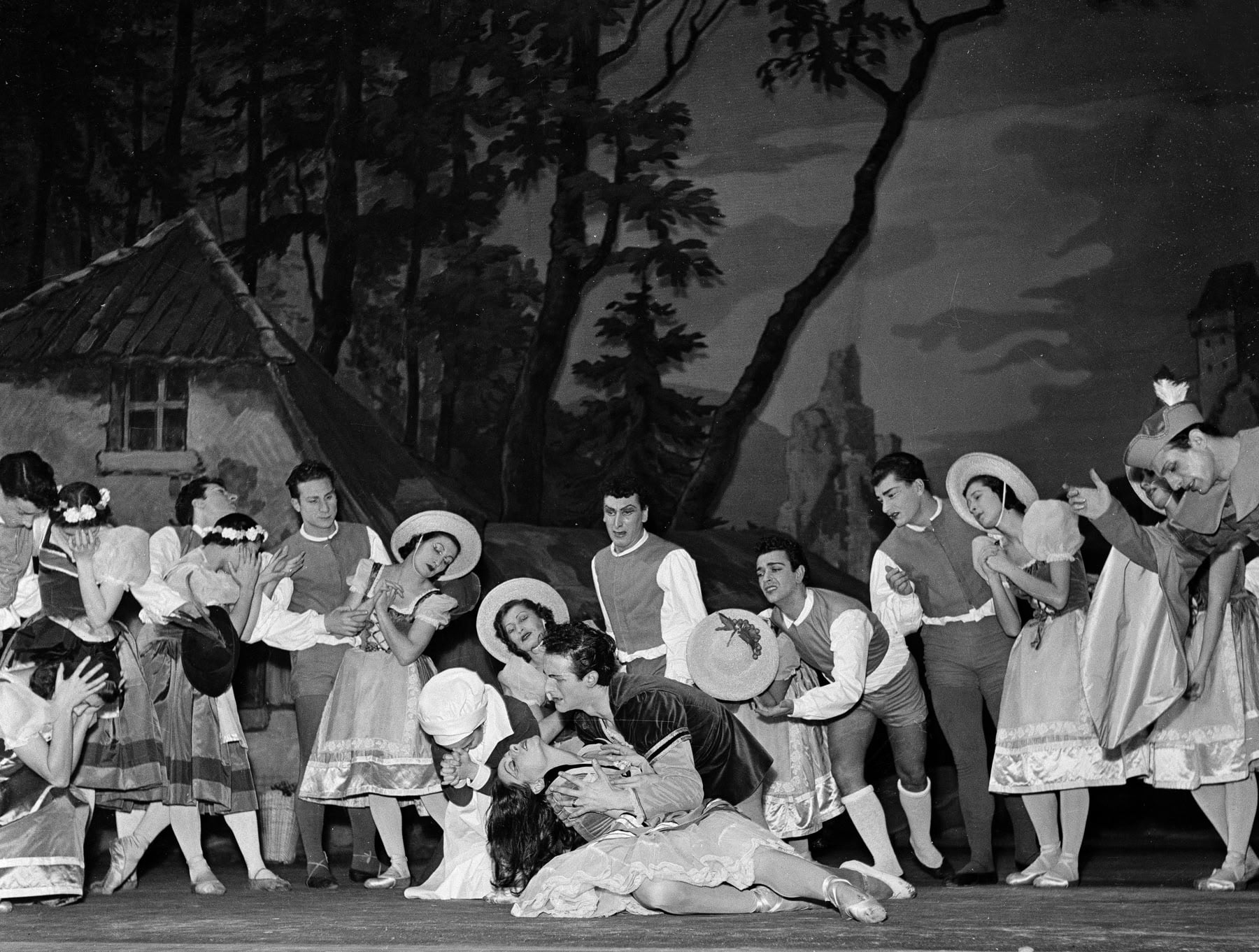
Paris étoile Yvette Chauviré created La Scala’s Giselle in 1950, and she starred in the first performances. It follows Jean Coralli and Jules Perrot’s original choreography, but she trimmed it into two 50-minute acts (Peter Wright‘s production at The Royal Ballet has two 55-minute acts). Chauviré used Alexandre Benois’s designs for his 1924 Paris Opéra Ballet production.
Benois had first designed Giselle for Michel Fokine‘s production for Sergei Diaghilev at the Paris Opéra in 1910, with Tamara Karsavina as Giselle and Vaslav Nijinsky as Albrecht. The 1924 Giselle was for Olga Spessivtseva, and its designs, recreated, remain in POB’s repertoire – Chauviré grew up with this production, first in the corps and later in the title role. When she created her Giselle at La Scala, Benois’s own son, Nicola, was La Scala’s head of stage design, a post he held from 1937 to 1970.
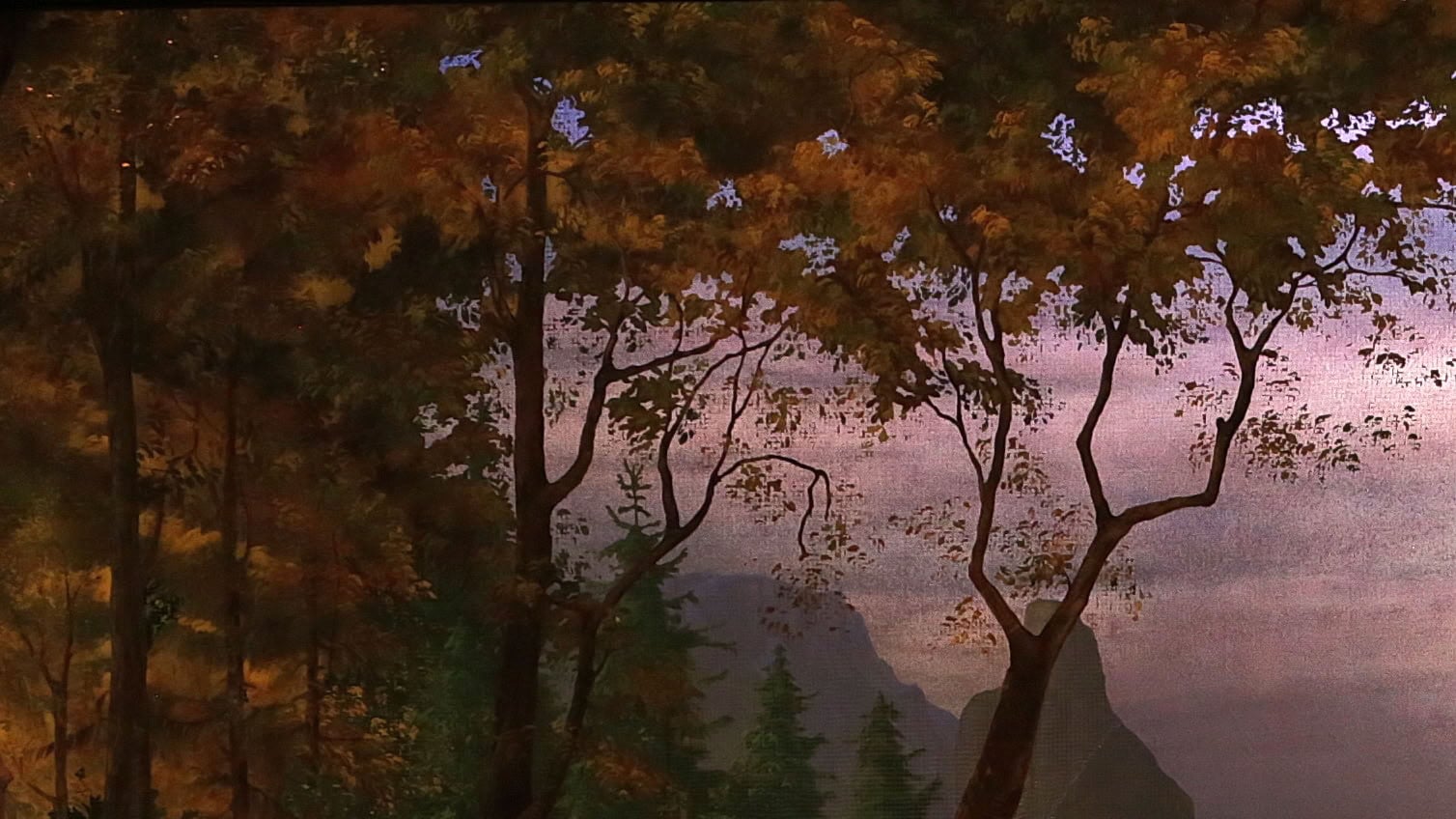
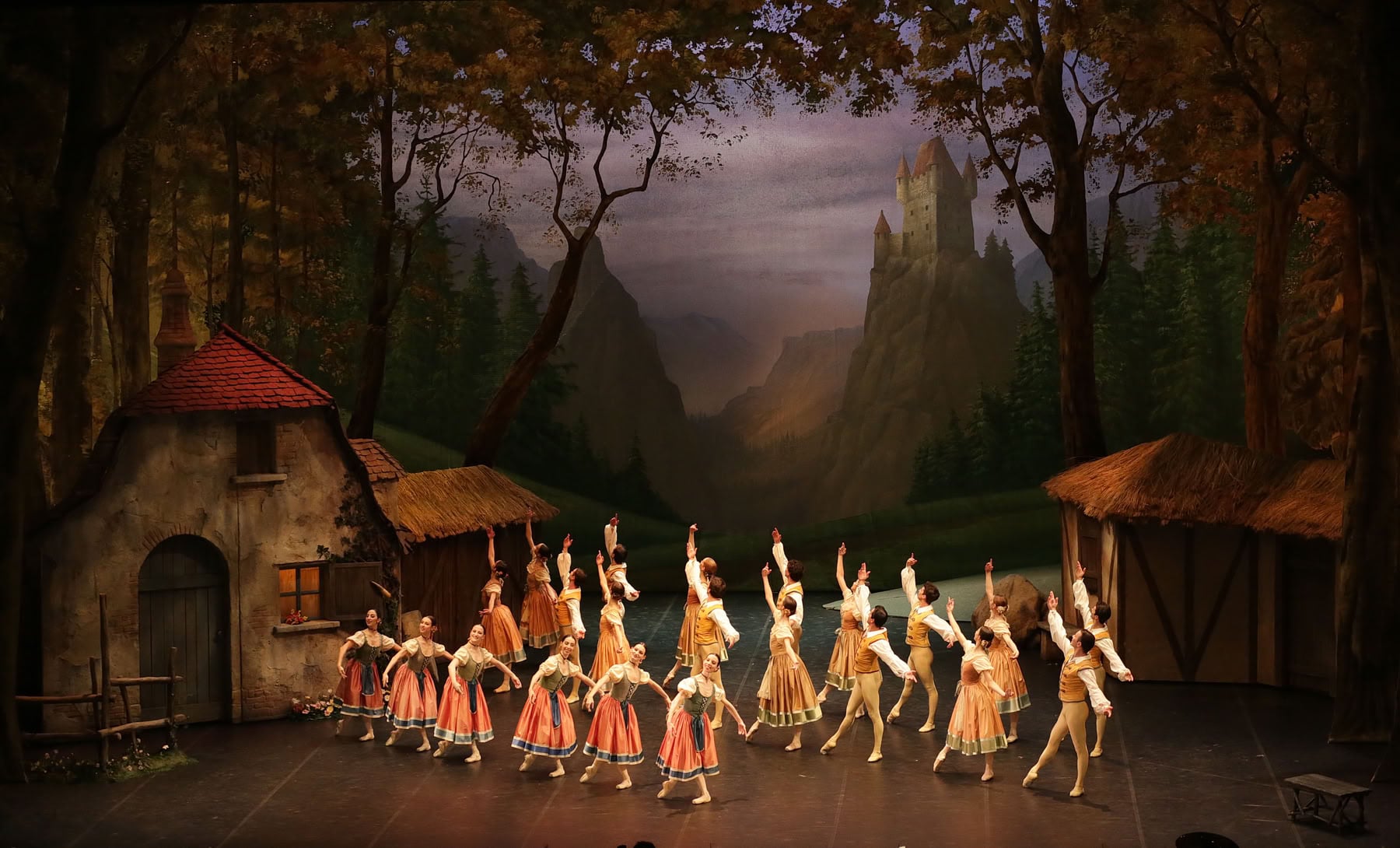
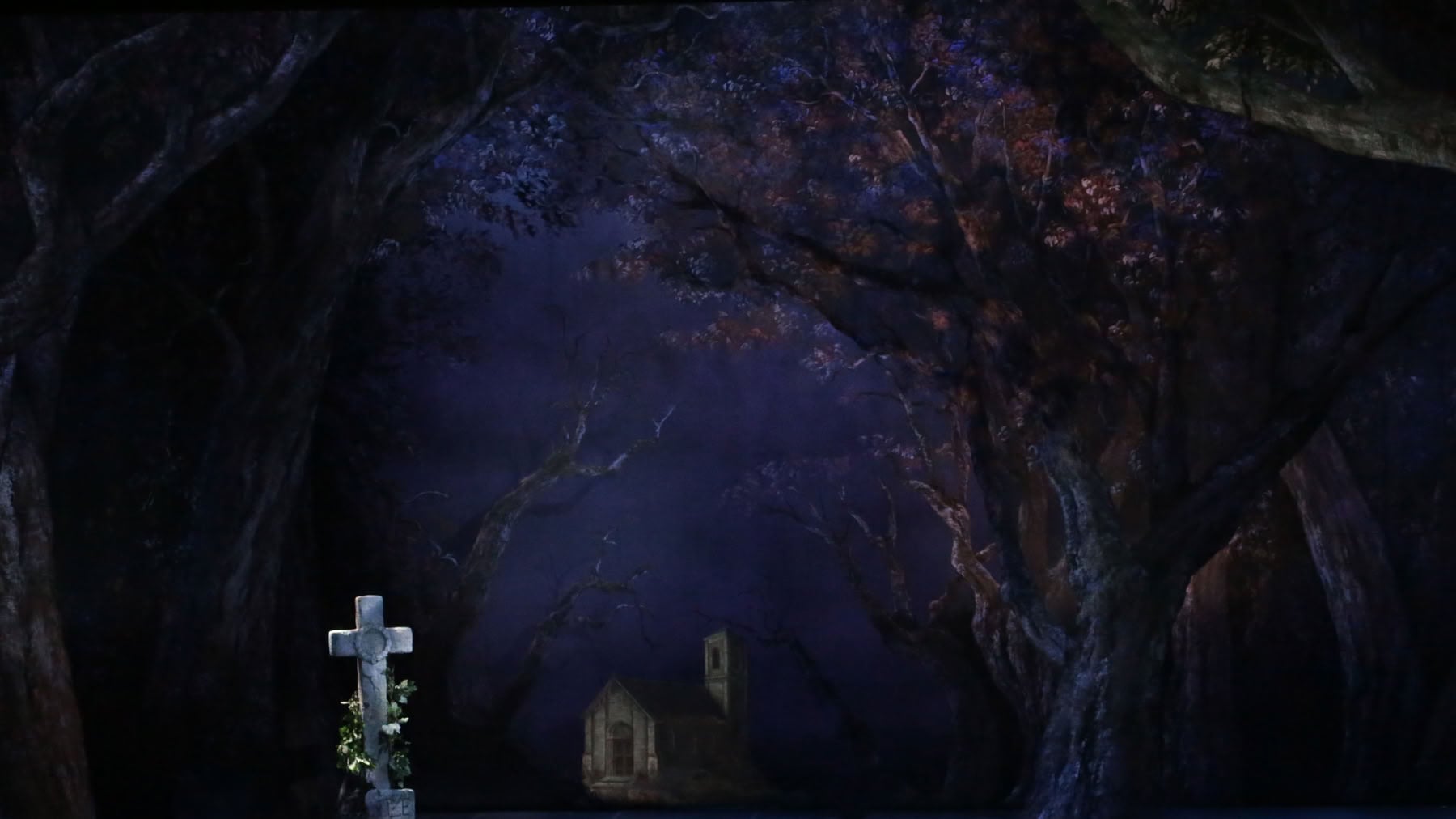
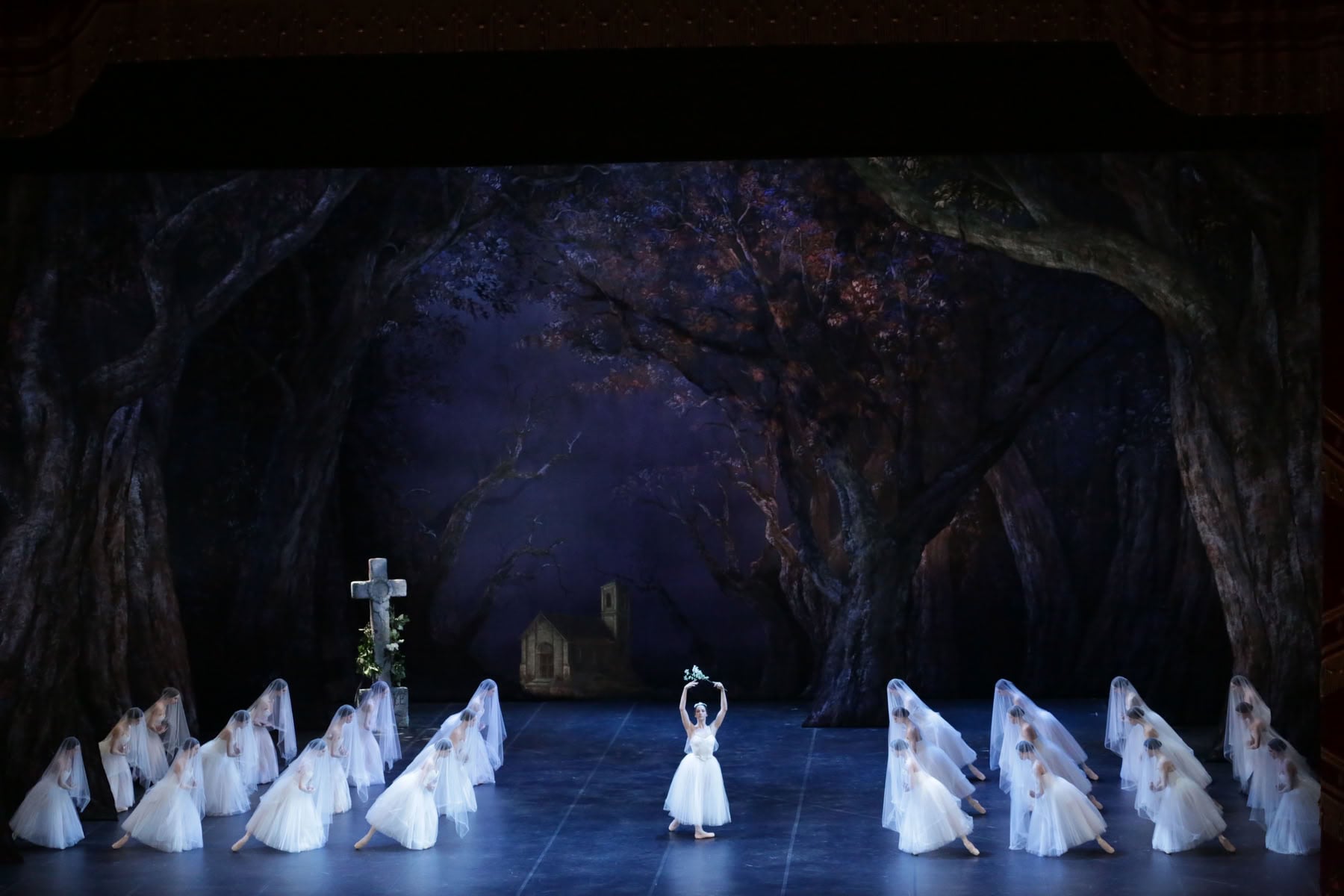
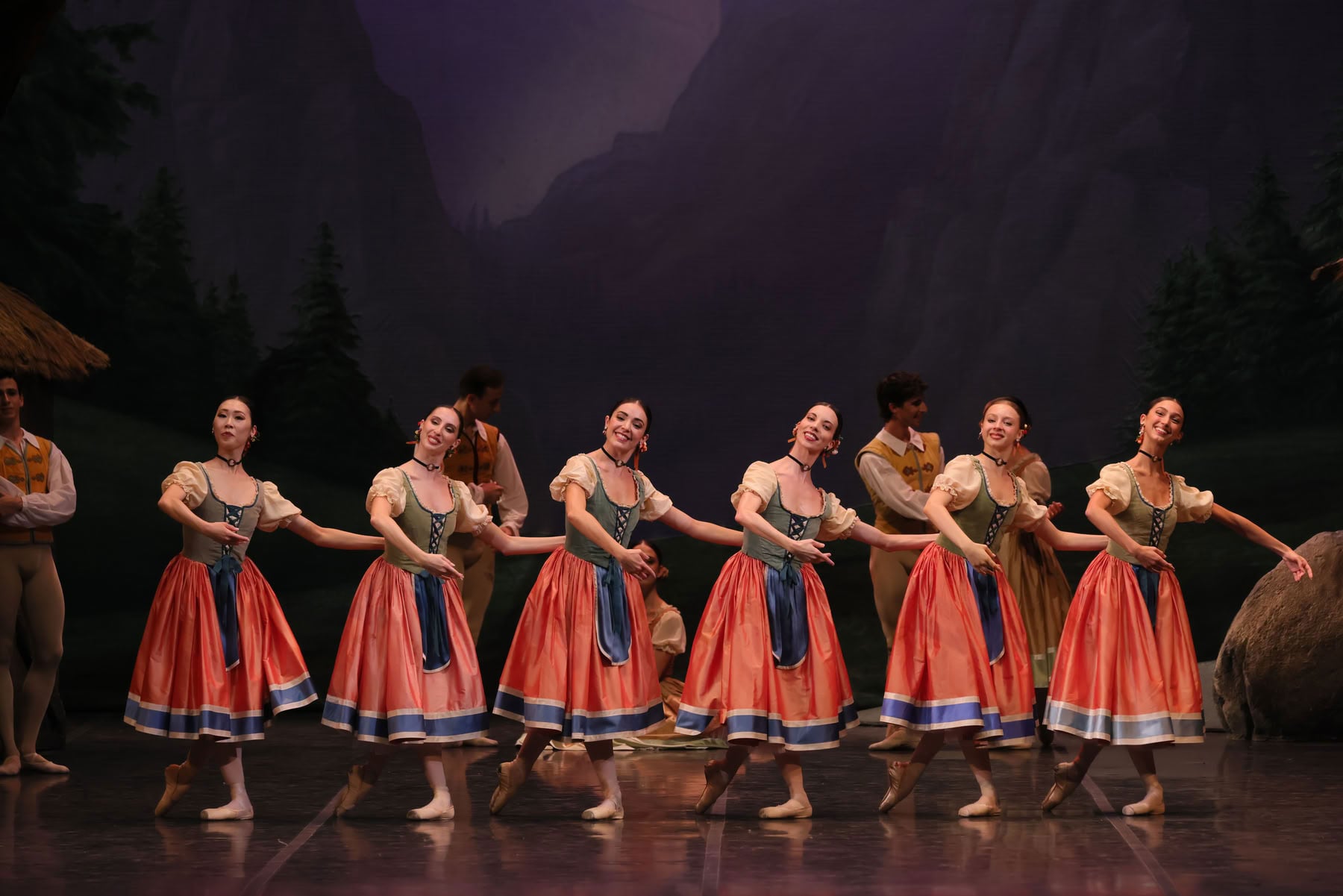
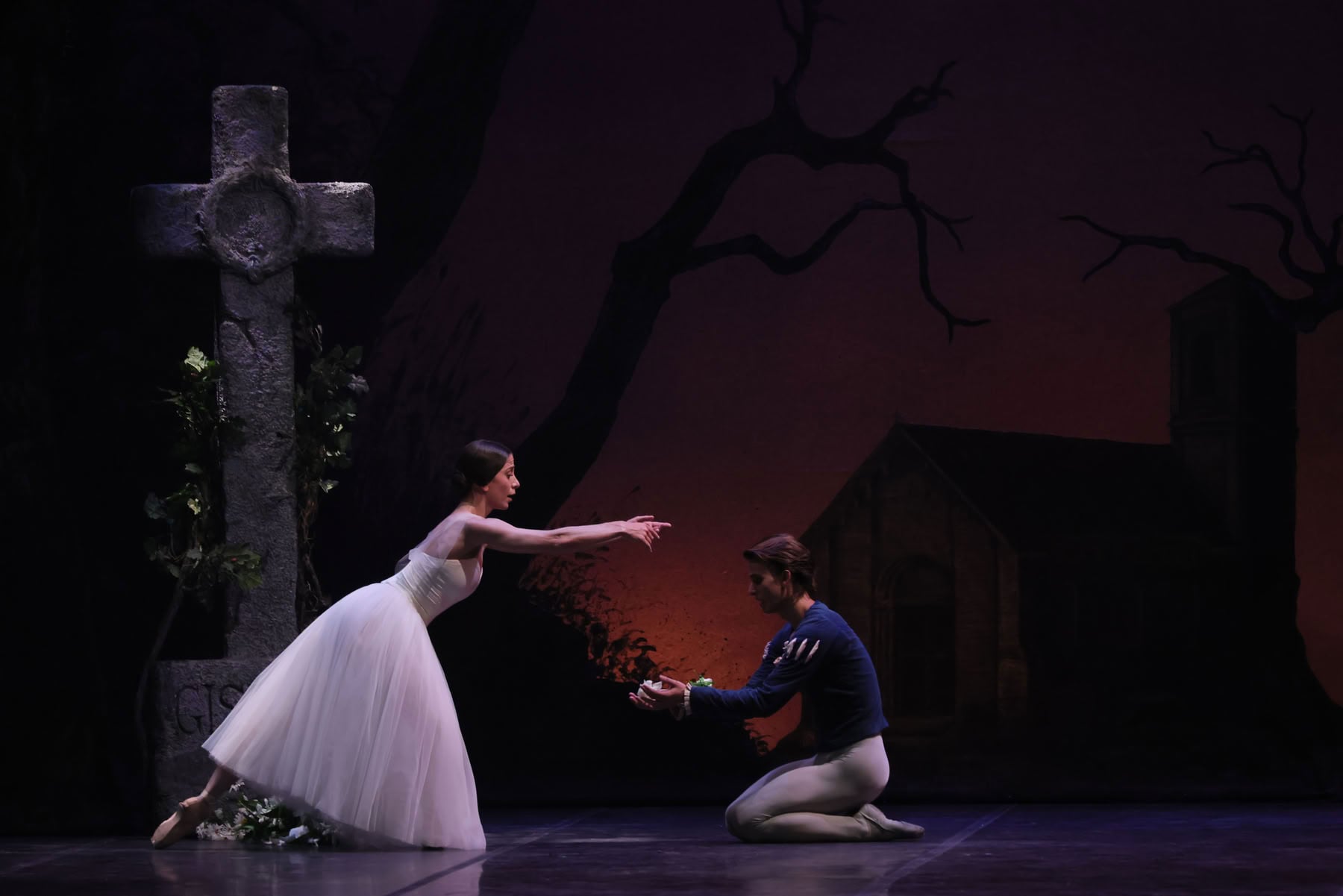
The wings in front of the backcloth add trees that cradle Giselle’s cottage in autumn hues. Thousands of intricate leaf patterns are painted on the gauzes that hang from the borders, and the effect is indeed ooh-producing. In the second act, the trees are oppressive and gnarled, and dramatic shafts of light illuminate the stage. More oohs.
The first-act costumes are in glowing harvest tones, making Giselle’s midnight-blue velvet and pale blue chiffon dress stand out. Inhabiting it on 23 October was Alice Mariani. She was a revelation in the role: light on her feet and sunny, yet bold when standing up to both Hilarion (the gamekeeper who loves her) and her mother, Berthe. Hilarion wants to warn her that Loys, the man she is in love with, is really Count Albrecht; her mother wants her to stop dancing because of her weak heart. Mariani is neither saccharine nor twee, but a believably innocent (not gullible) country girl, with a hint of fragility underneath.
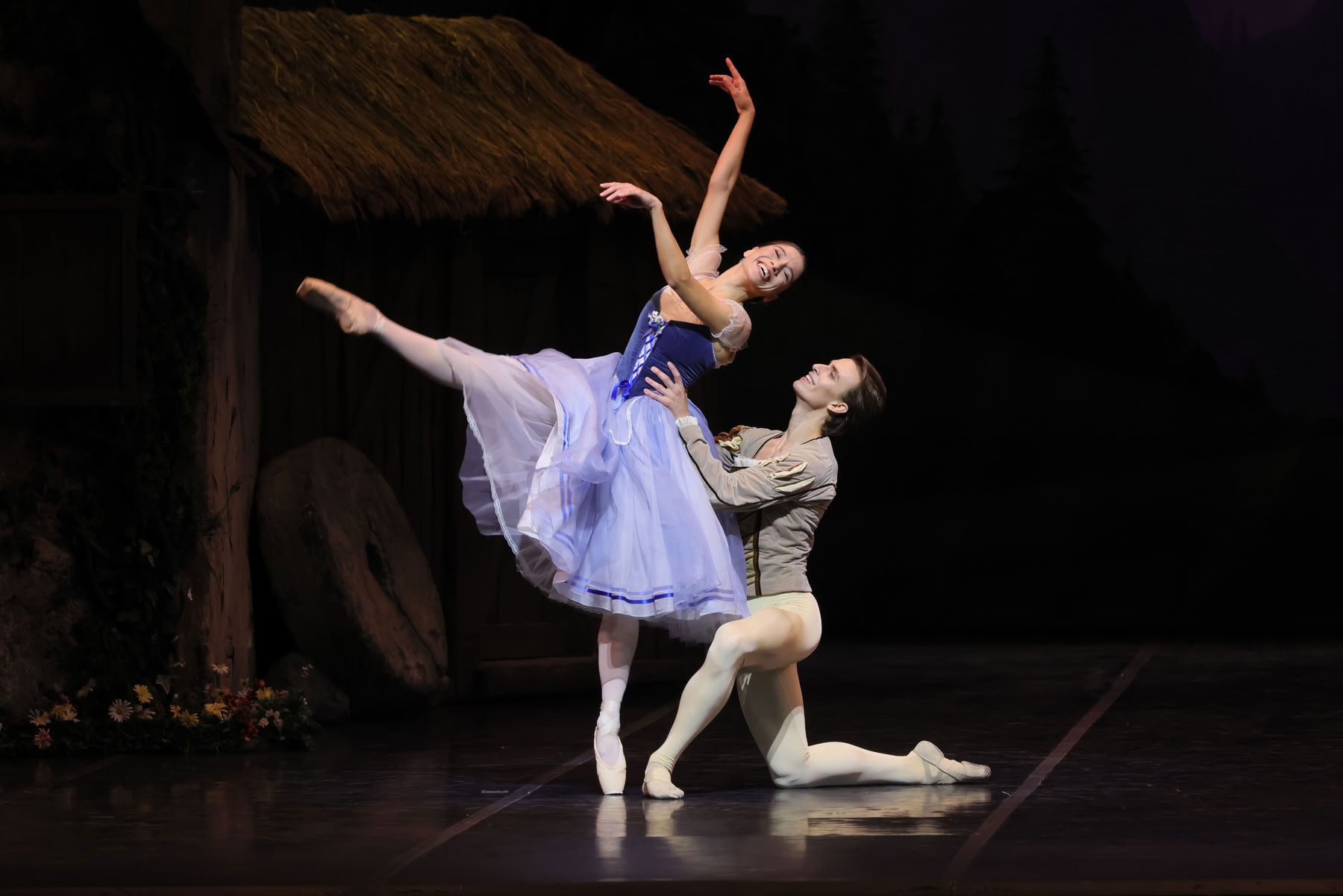
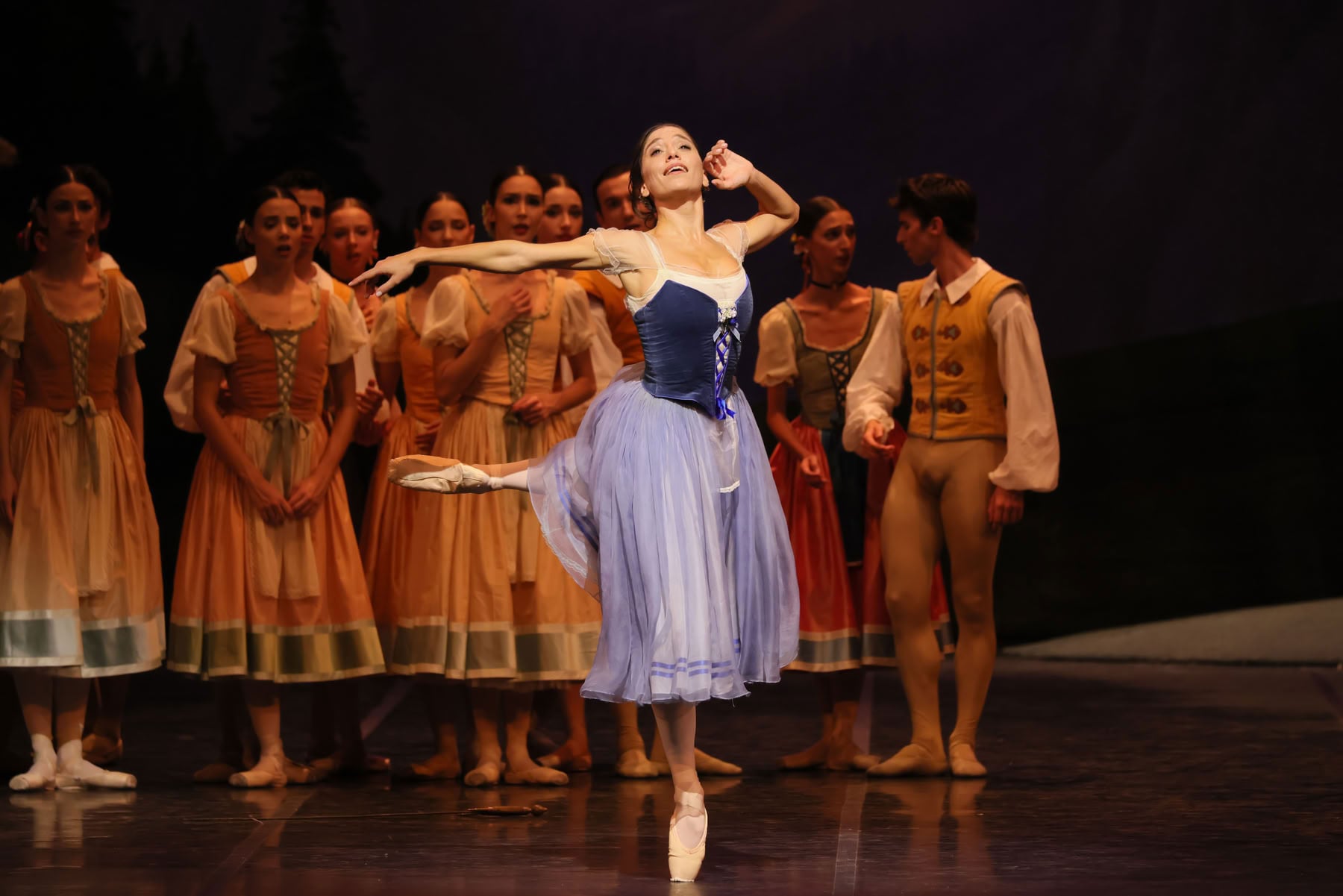
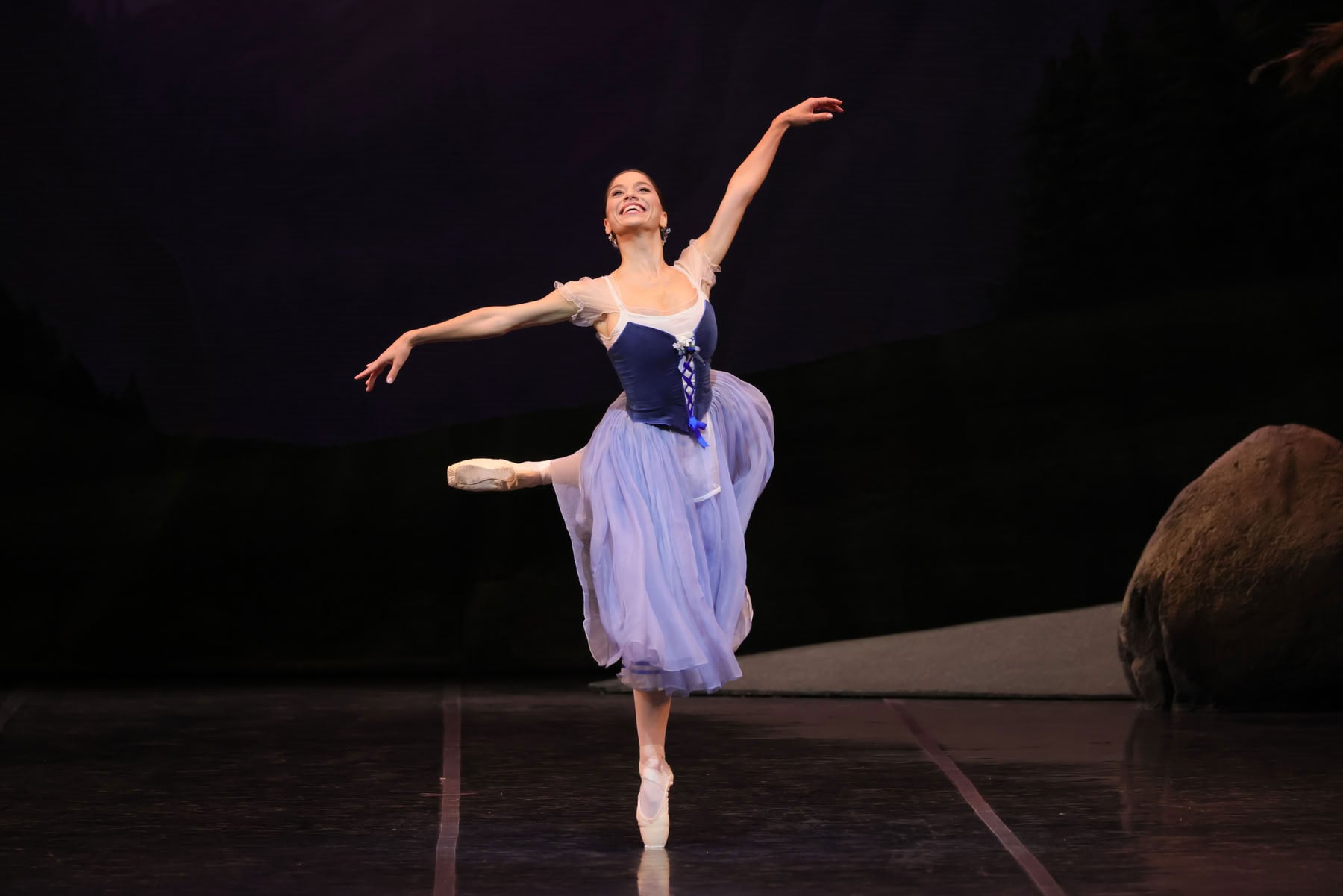
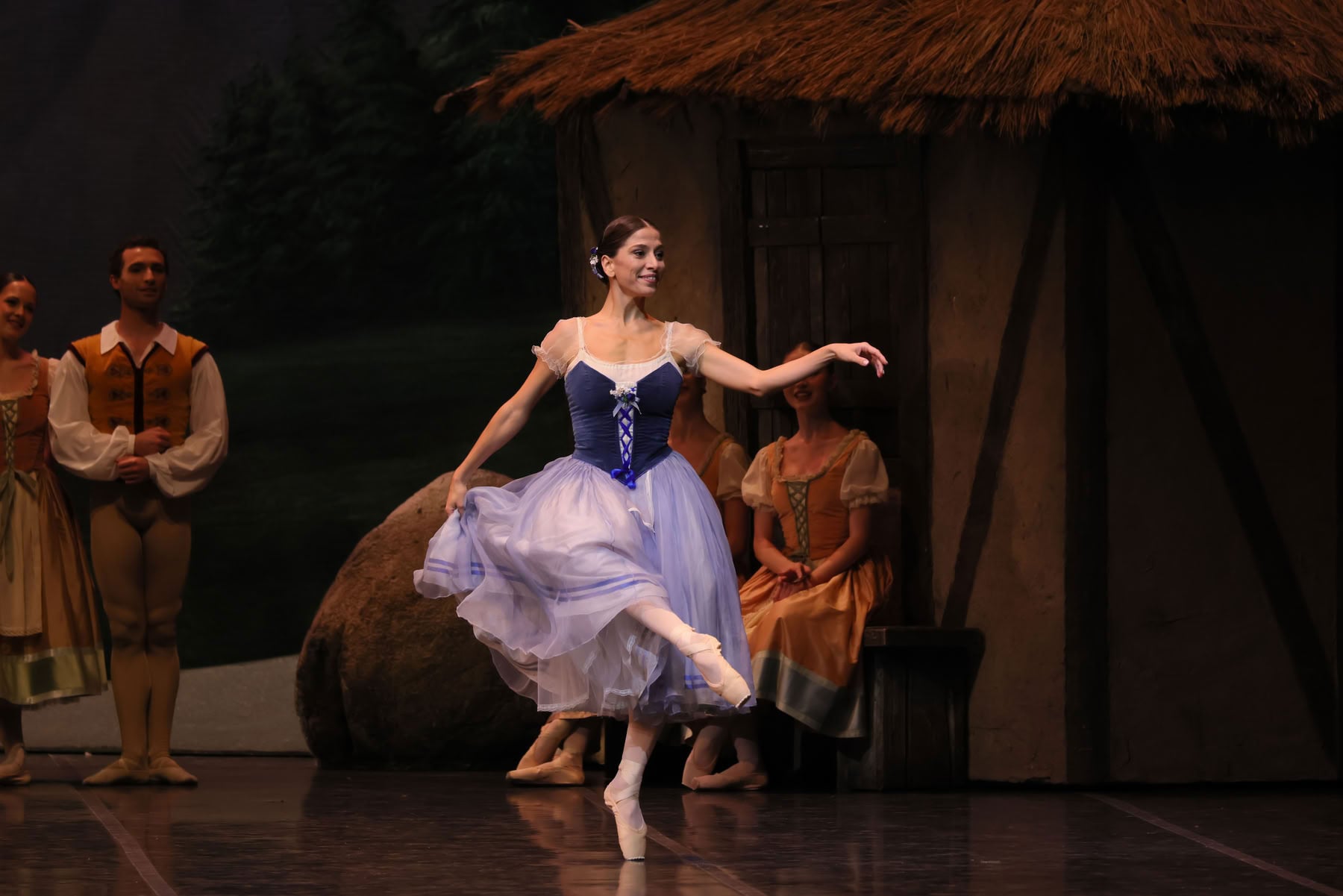
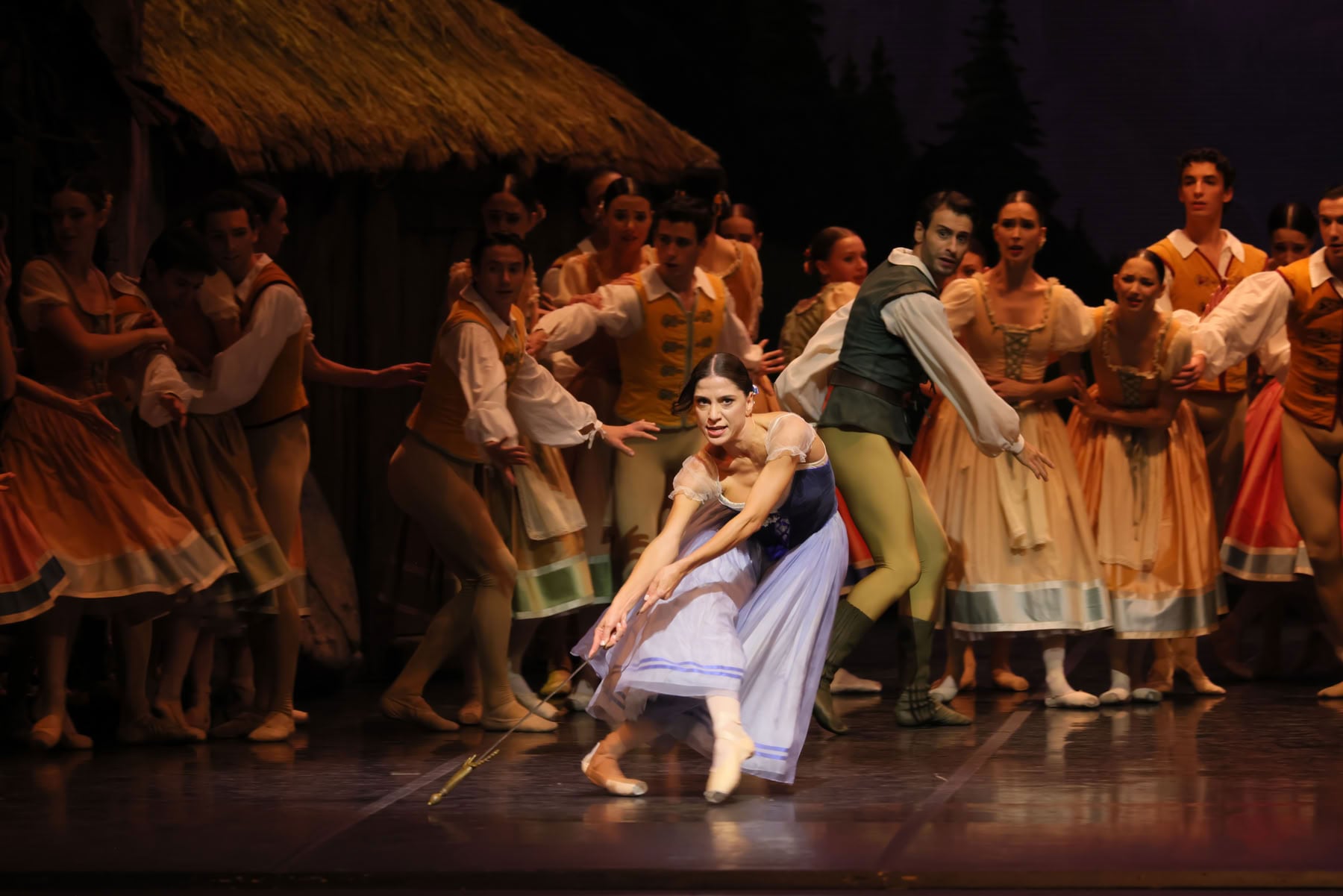
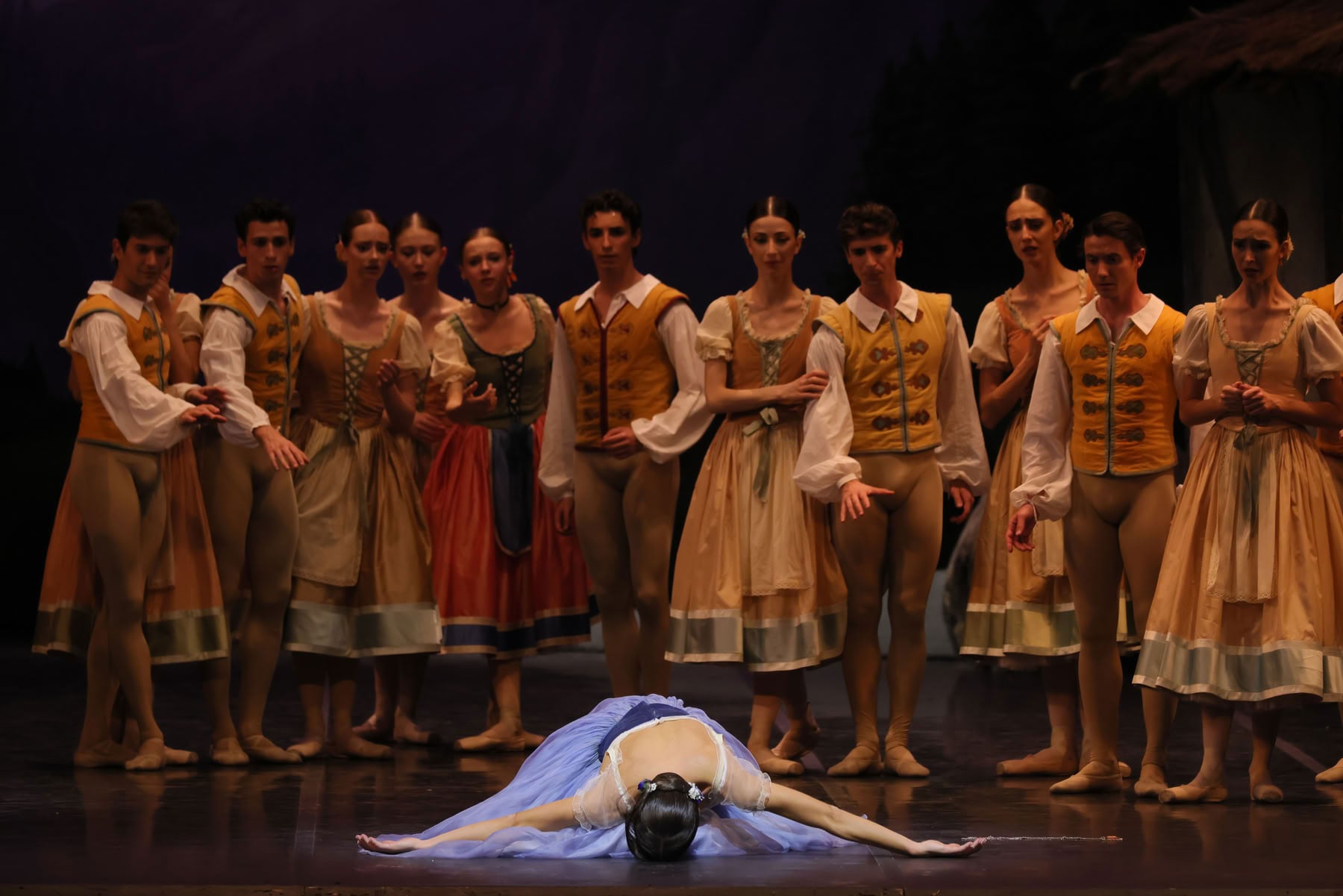
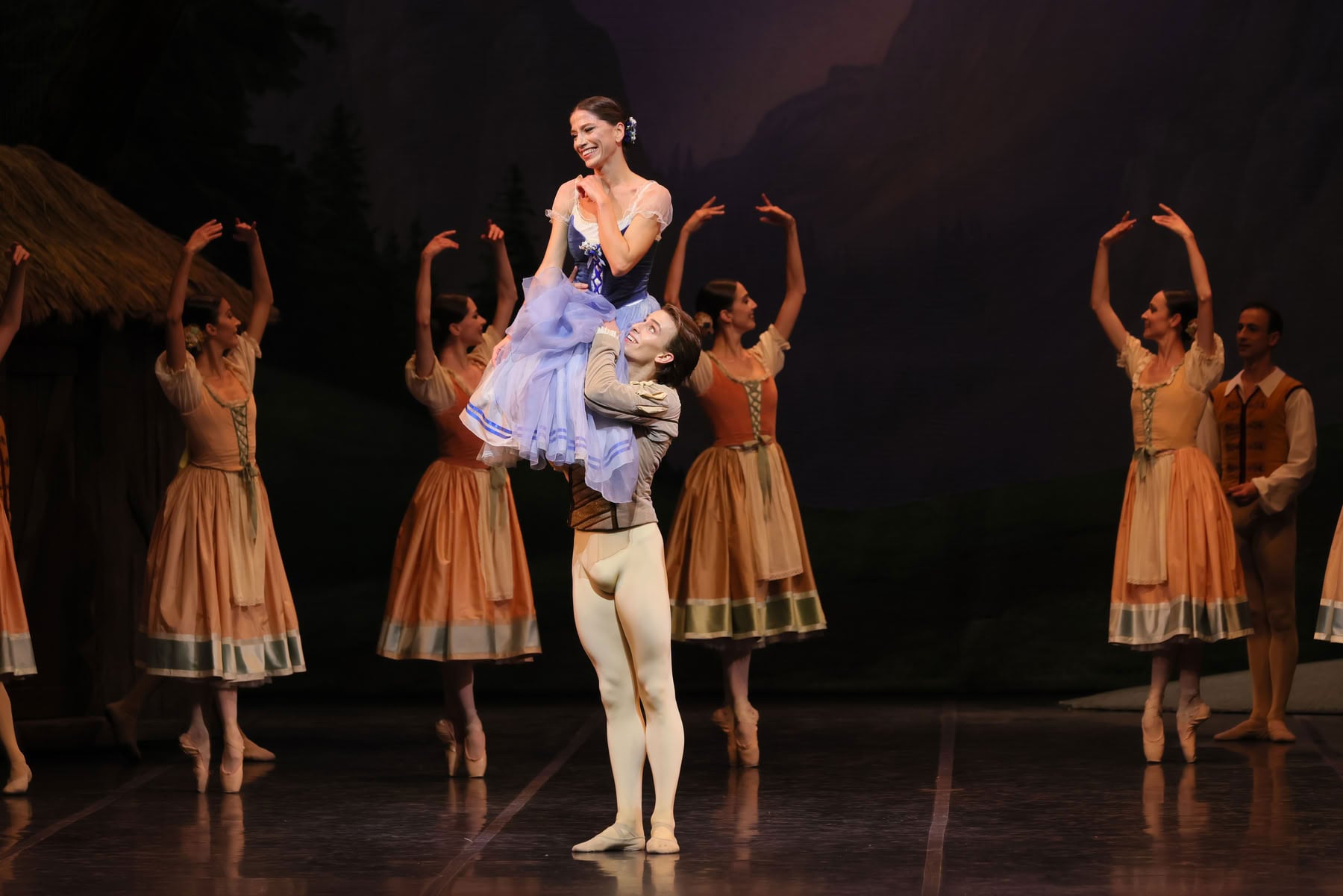
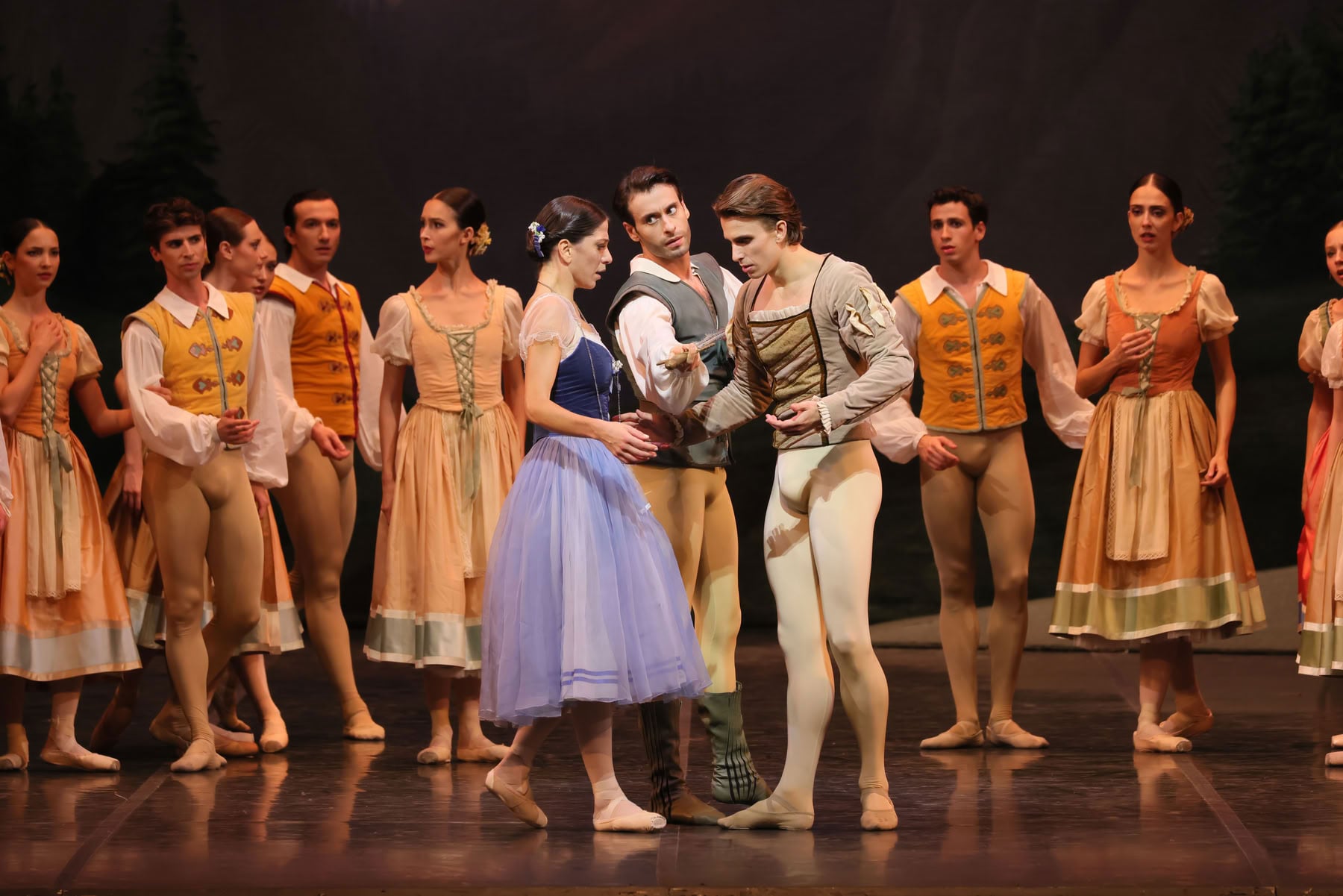
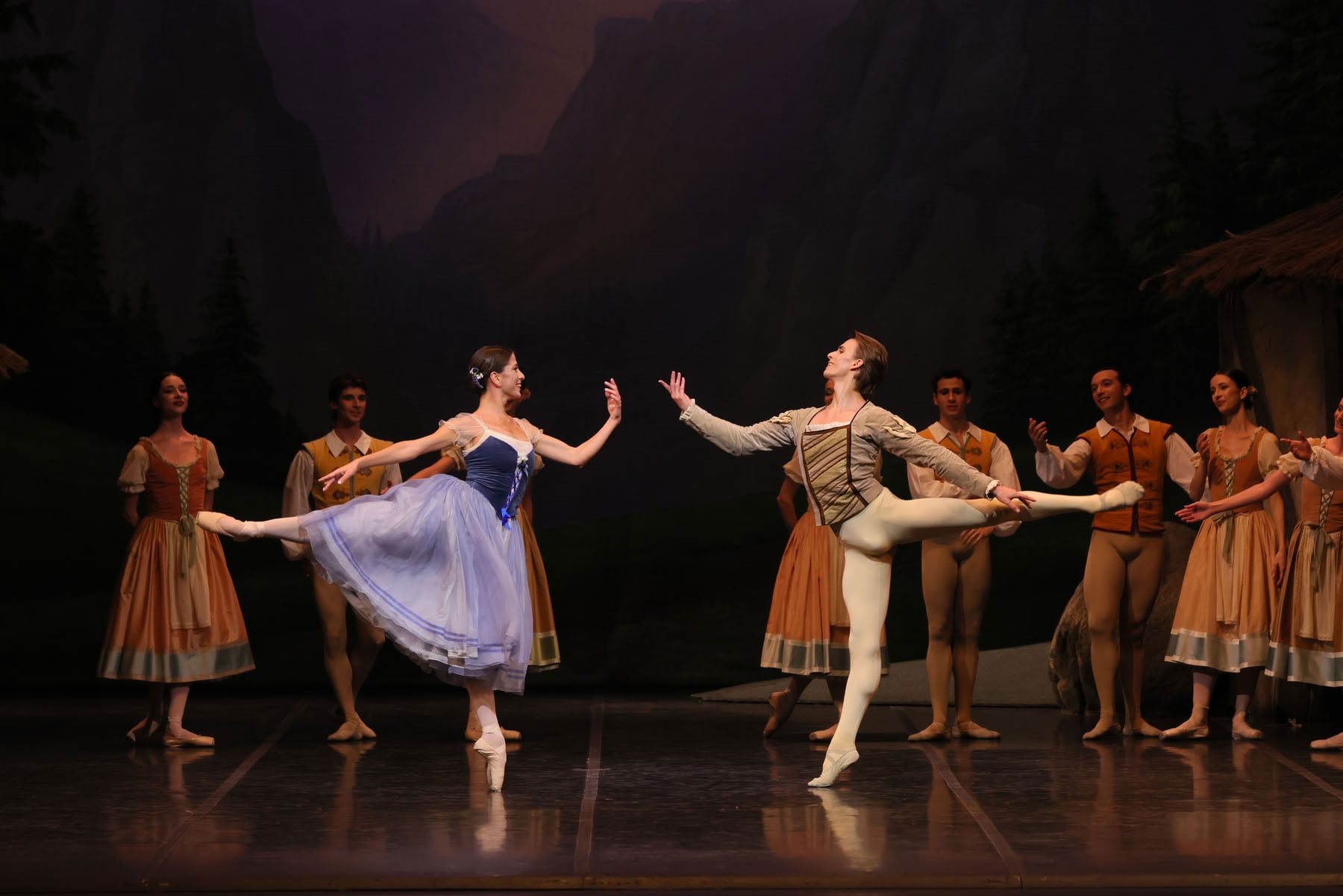
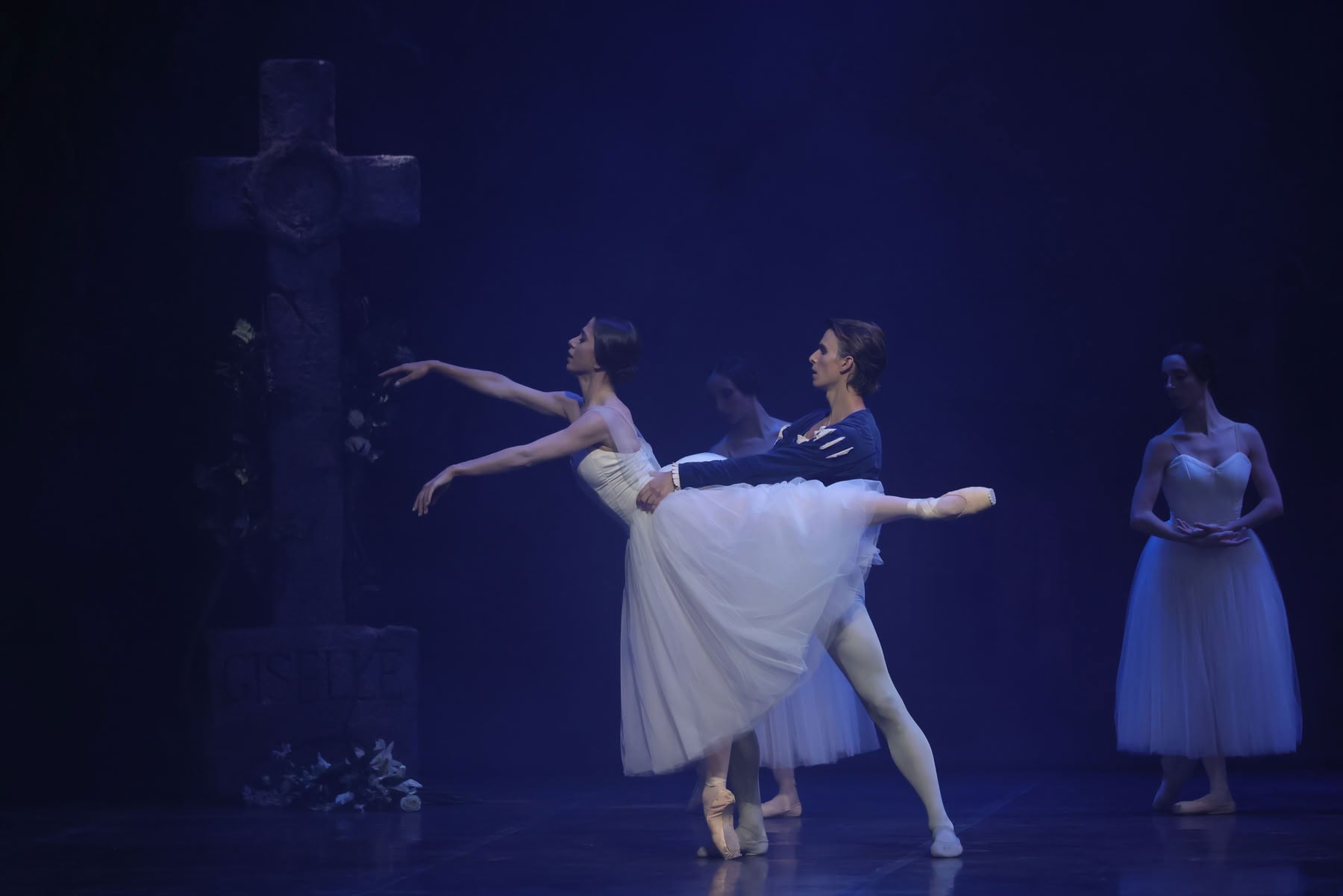
Albrecht was Navrin Turnbull, elegant and capable, though somewhat eclipsed by Mariani, whose expressive, highly legible features stand out. They shared an easy, unforced rapport that comes only from long hours in the studio.
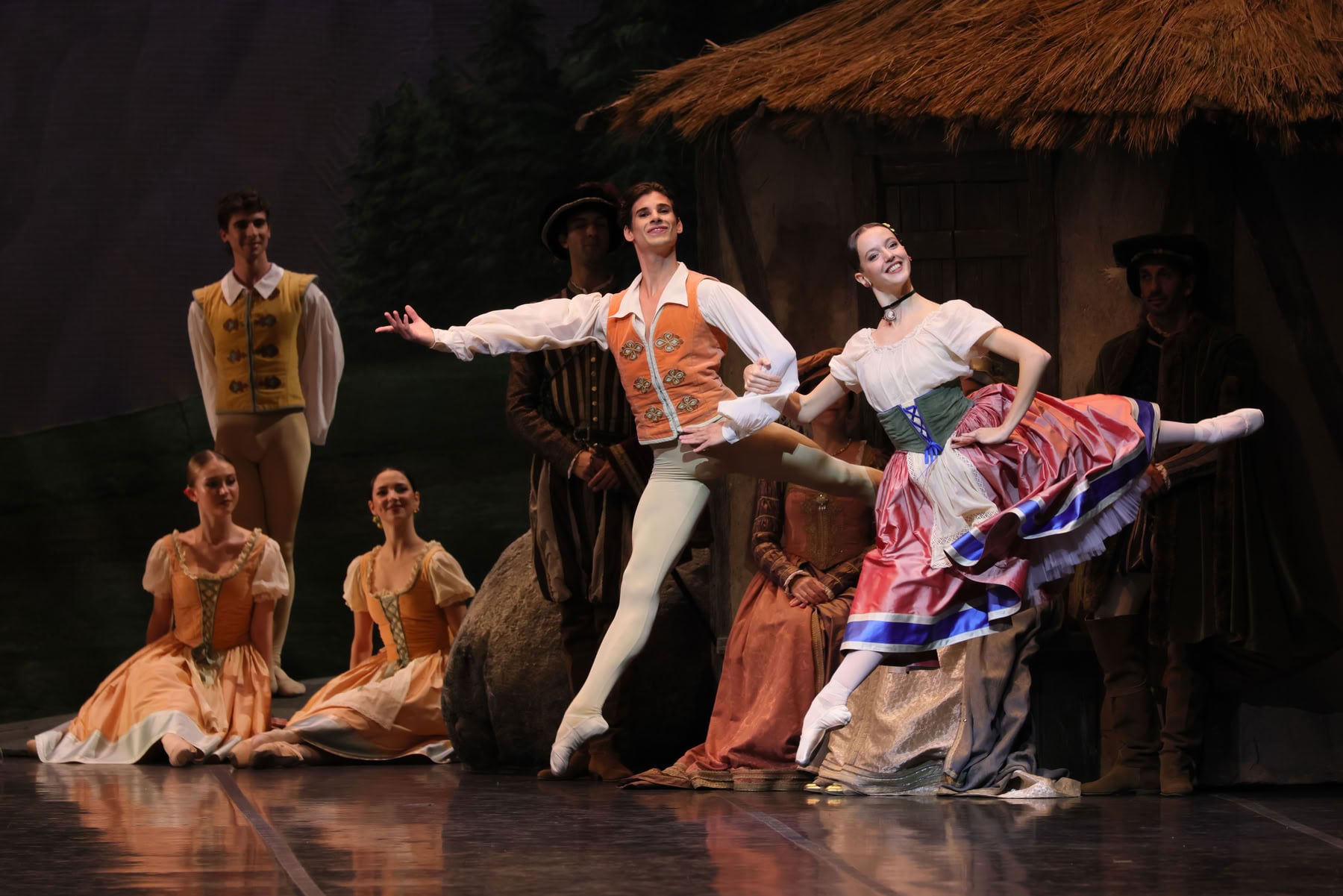
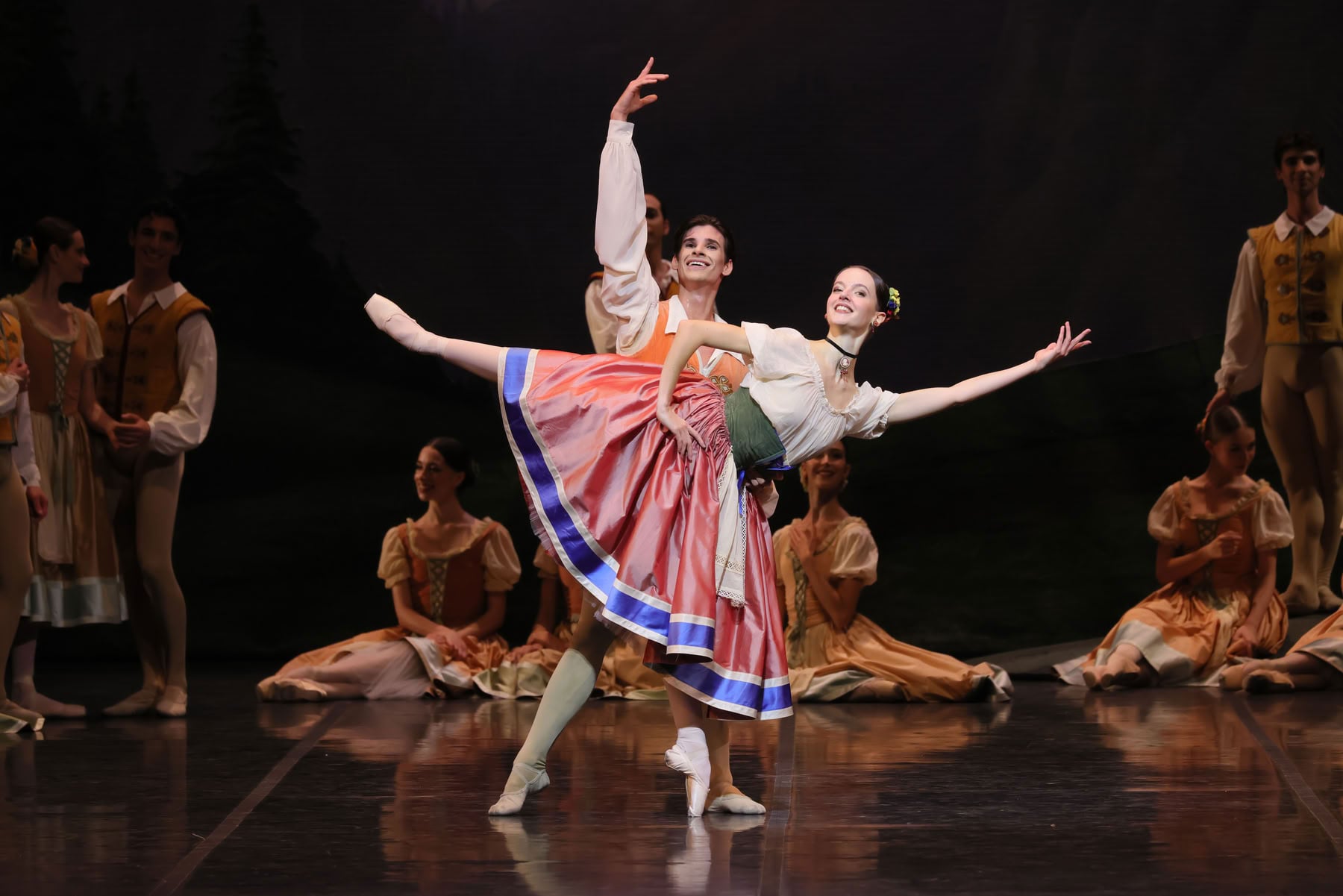
Giordana Granata and Alessandro Paoloni were delightful in the peasant pas de deux, and Marco Agostino and Licia Ferrigato delivered fine acting as Hilarion and Berthe. After the interval, the sunlit village gives way to a moonlit forest – and to Myrtha and her Wilis.
Giselle’s fate falls into the hands of Myrtha, Queen of the Wilis, the spirits of young women who died before their wedding day. Her name evokes myrtle, the plant that was sacred to Venus. It was worn in bridal wreaths, especially in German-speaking lands, where the ballet is set – the Wilis’ queen is named after the wedding they never had. Also, in Virgil’s Aeneid, those who died of love wander in myrtle groves in the underworld – close to the Wilis’ own fate. Myrtha is Giselle’s opposite: both died because of love, but Myrtha stands for vengeance and Giselle for forgiveness.
Maria Celeste Losa was an ideal Myrtha: her jumps were big and soaring, her presence commanding, and no one has bourrées that are faster. She skimmed from one side of the stage to the other in the blink of an eye.
Mariani was slightly less compelling in this act, but persuasive nonetheless, and technically spot on: the four sissonne soubresauts, which can so easily look jerky, were light and floaty, and her series of backward entrechats quatre seemed effortless.
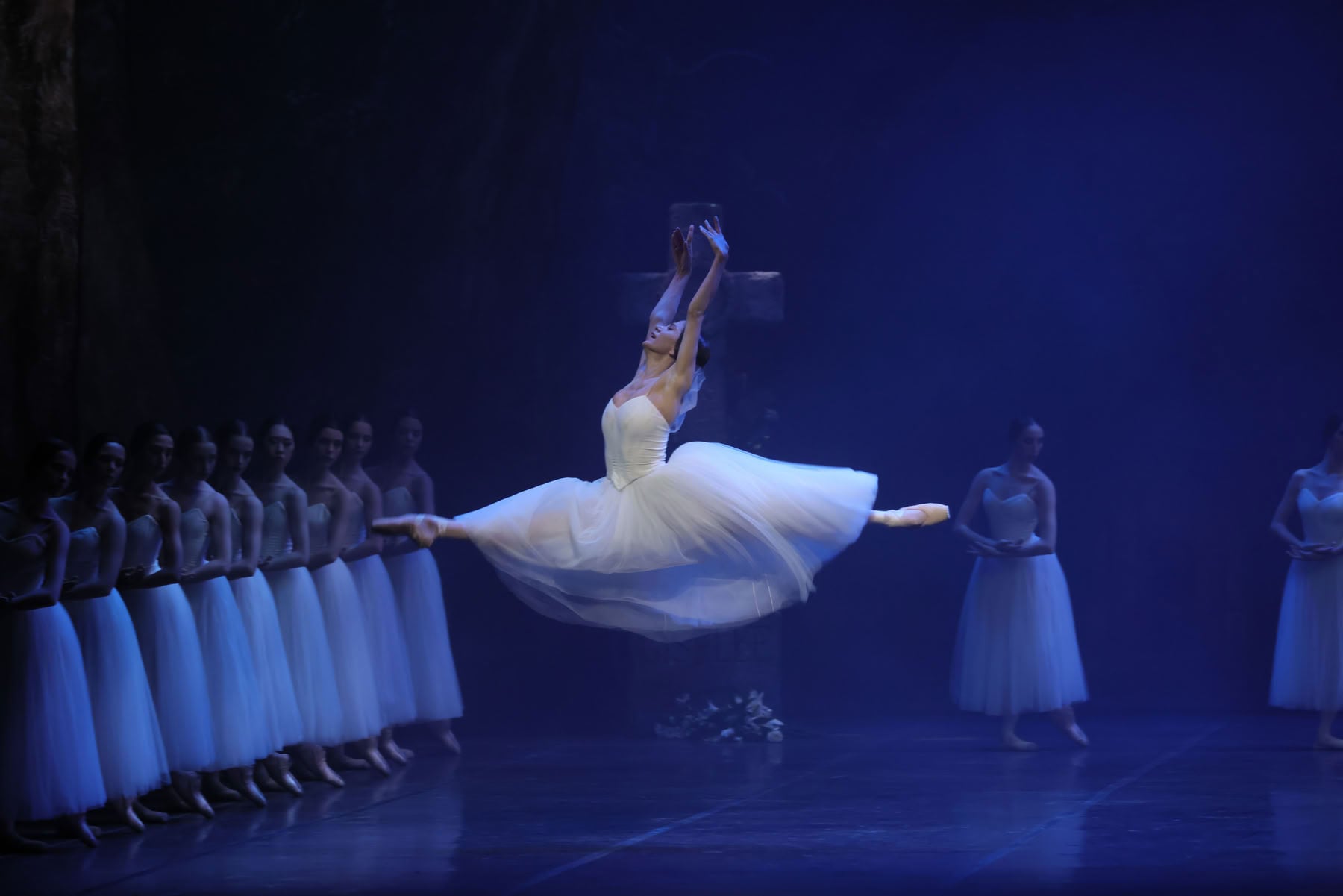
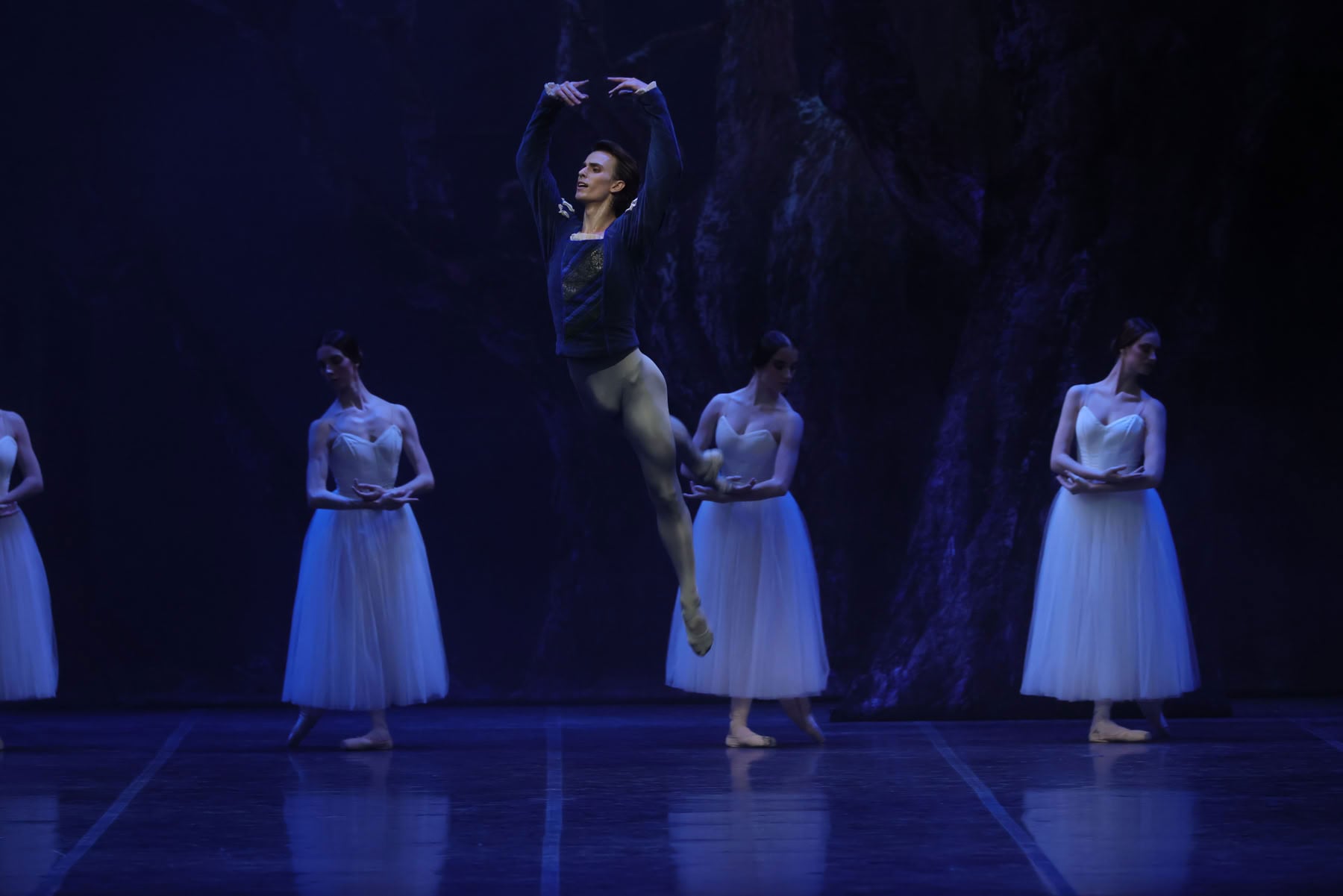
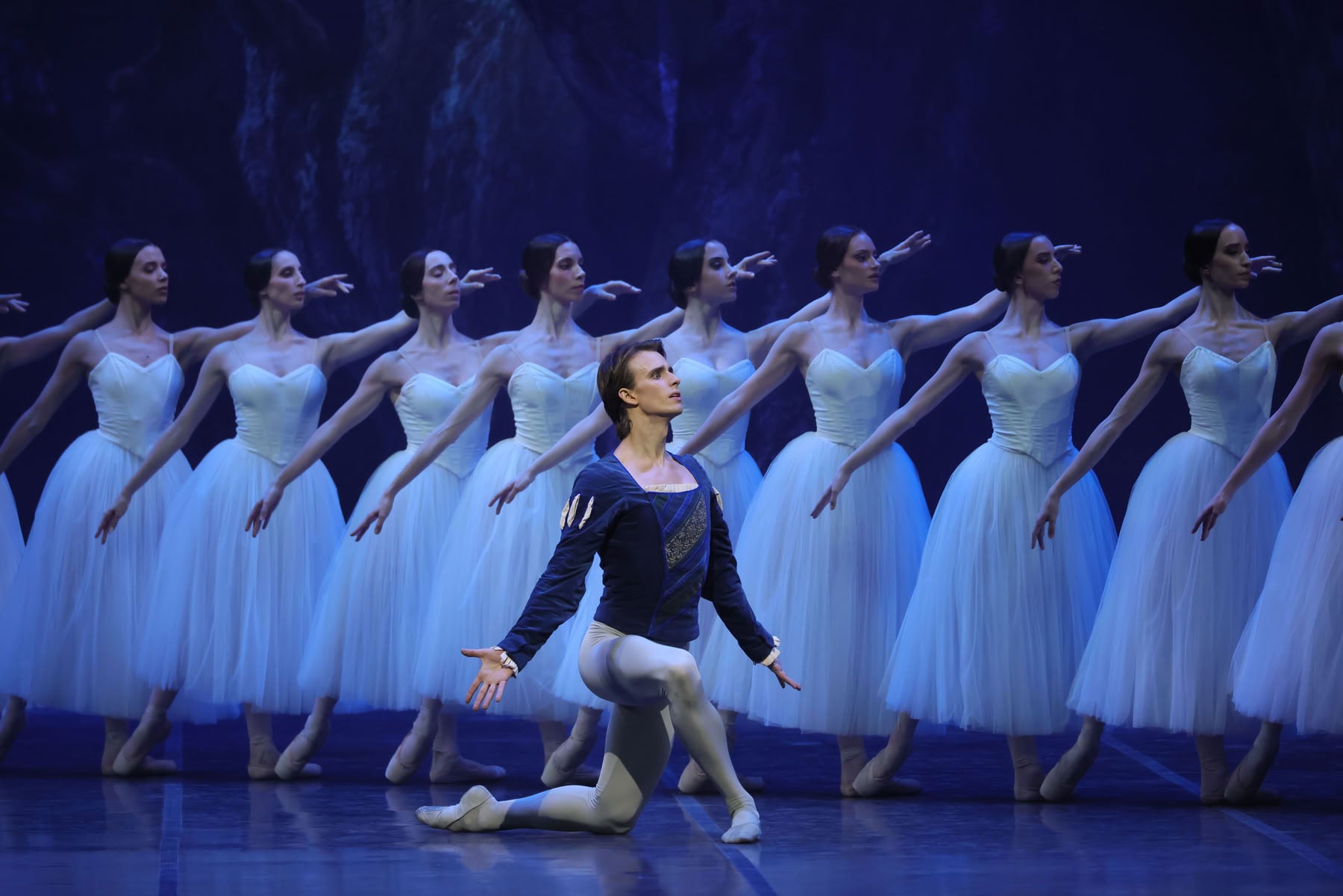
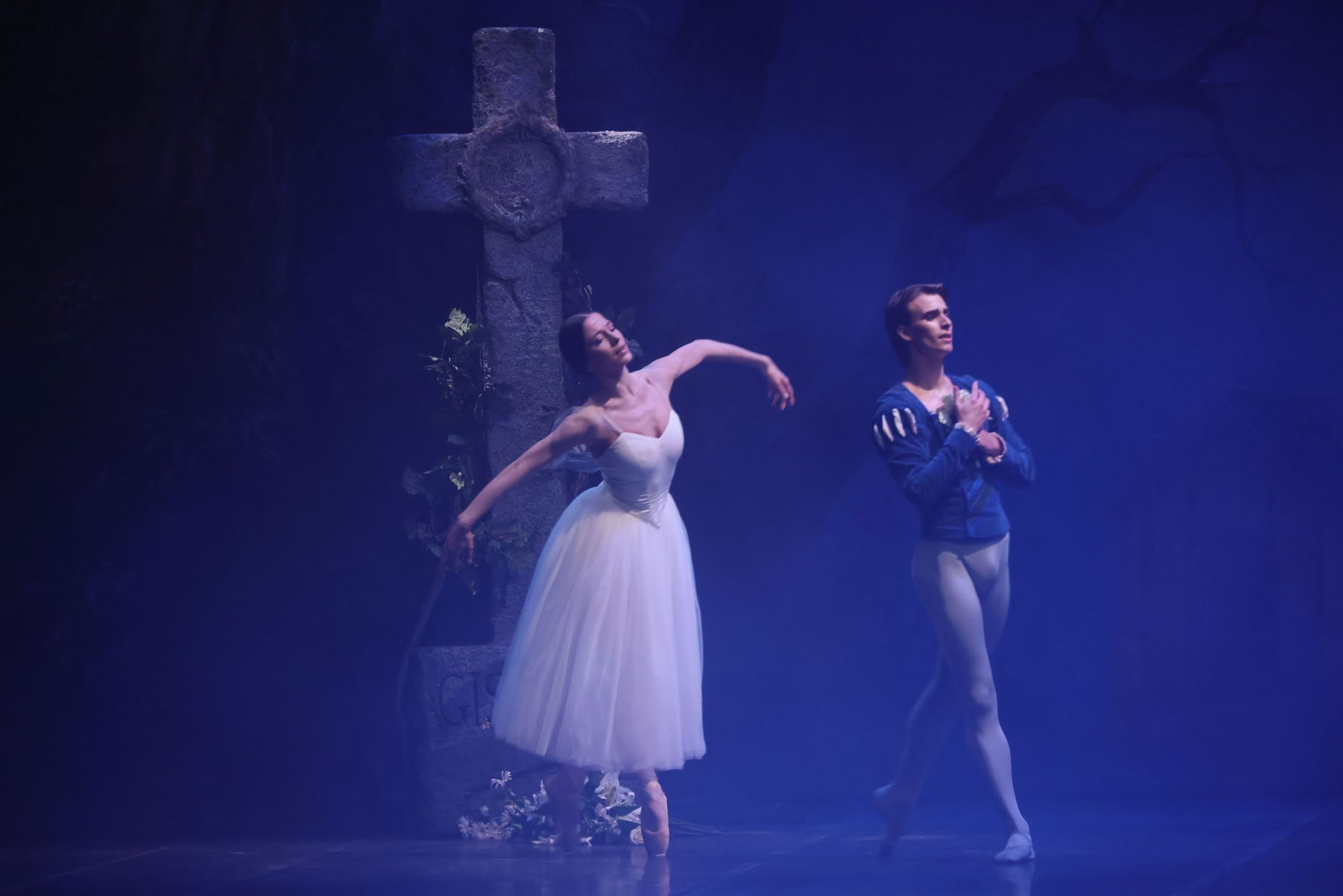
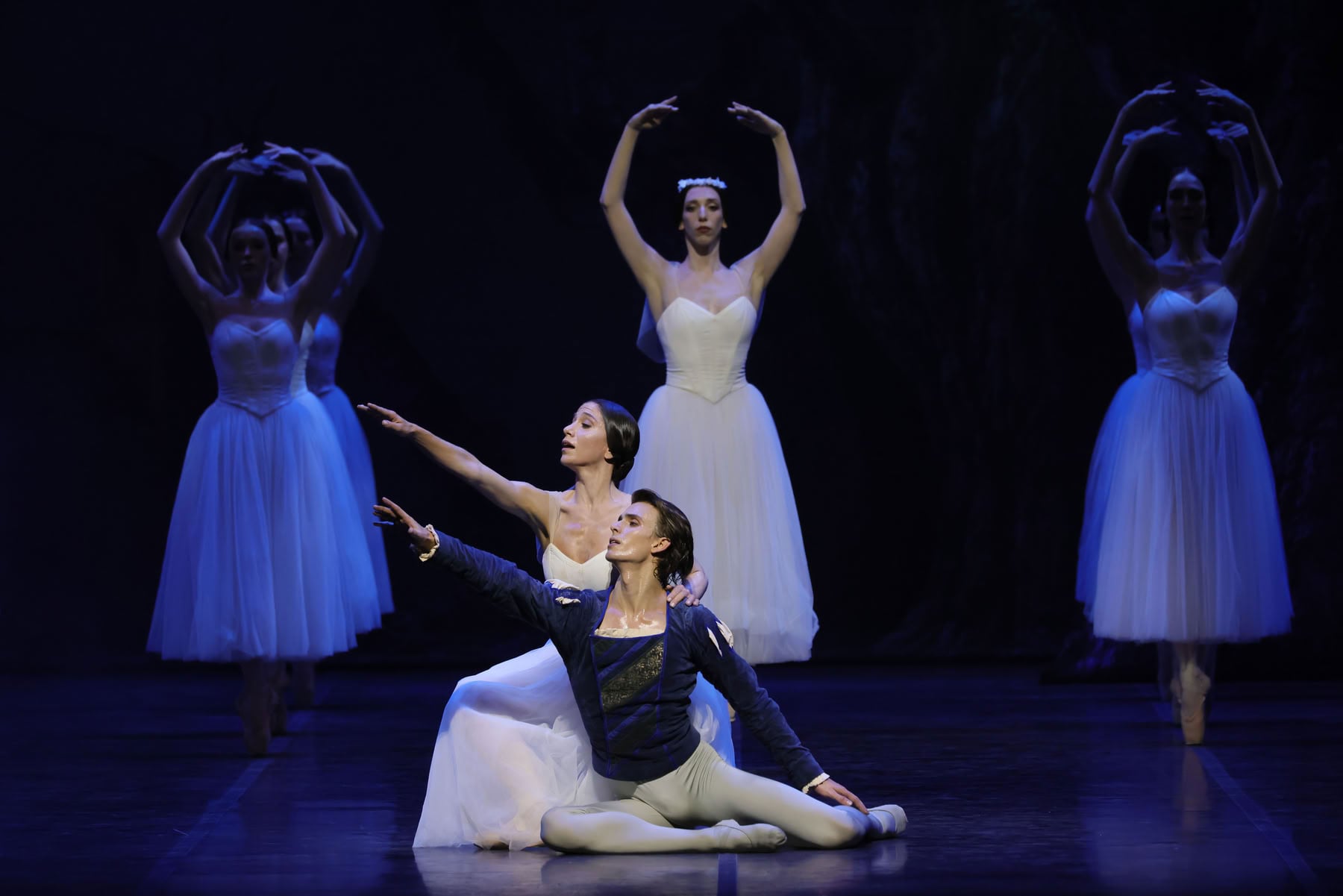
As they unfailingly do in Act II, the women of the corps excelled – a spectral army, immaculately drilled, their lines slicing through each other in relentless travelling arabesques, every leg at the same height and every hop in chilling unison.
More than seven decades after Chauviré first danced it, this Giselle remains one of La Scala’s treasures – old-fashioned in the best sense, and still capable of drawing ‘oohs’.