Memorare ’26: Saint Francis’s Canticle of the Creatures becomes dance in Bologna’s San Petronio
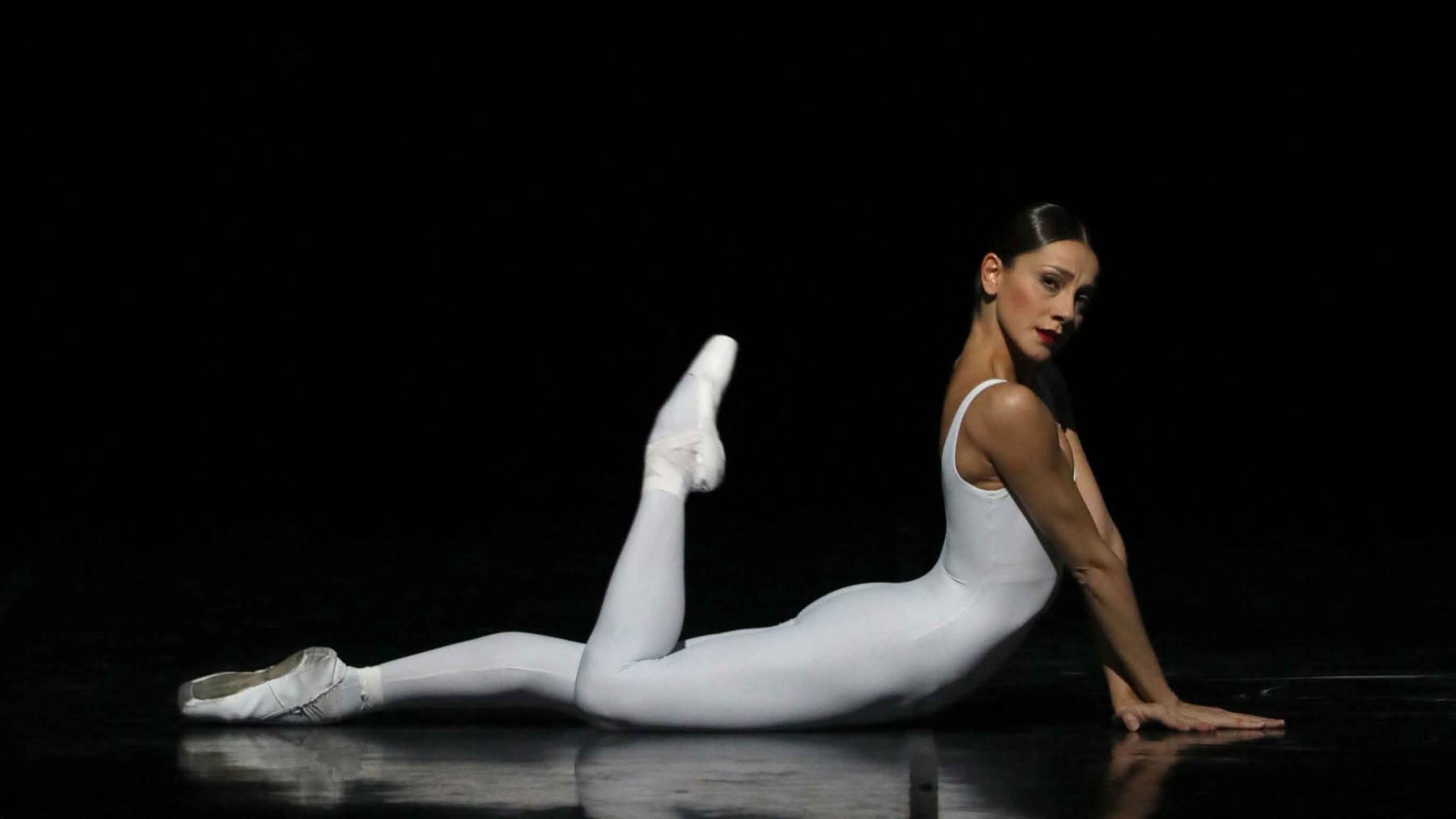
Nicoletta Manni returns in Béjart’s La luna, the Mariinsky’s Marija Bulanova dances The Firebird and Sasha Riva and Simone Repele create a world premiere to Britten’s Rejoice in the Lamb, as the Basilica of San Petronio marks 800 years since the saint’s death.
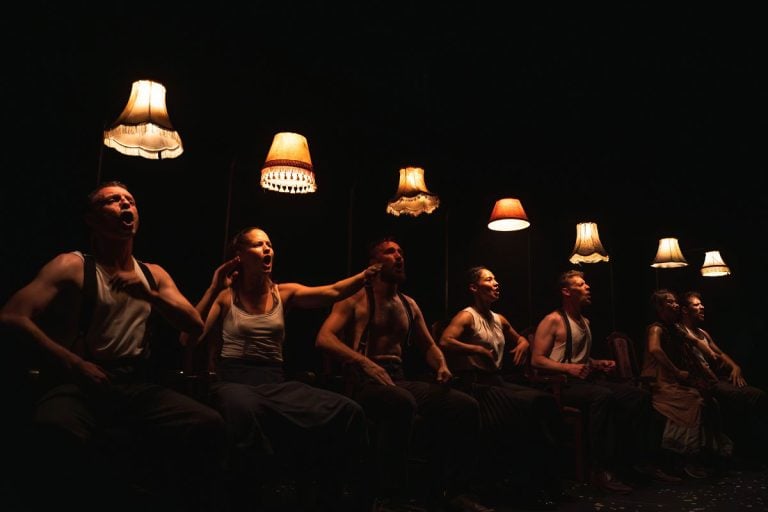
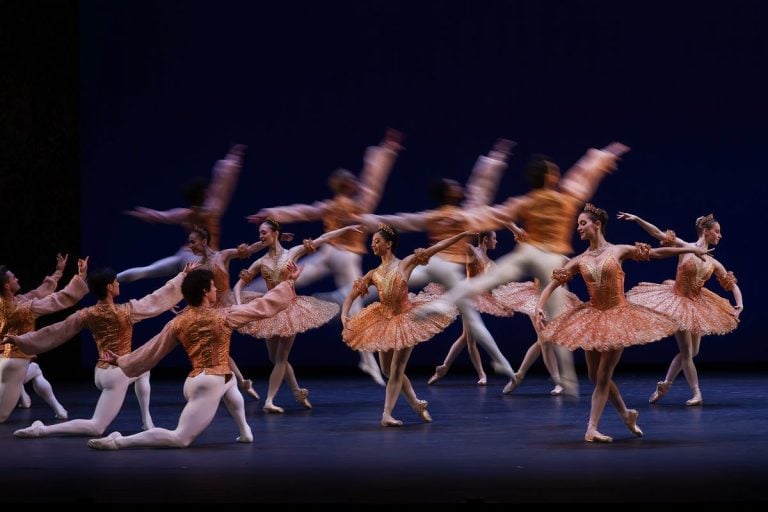
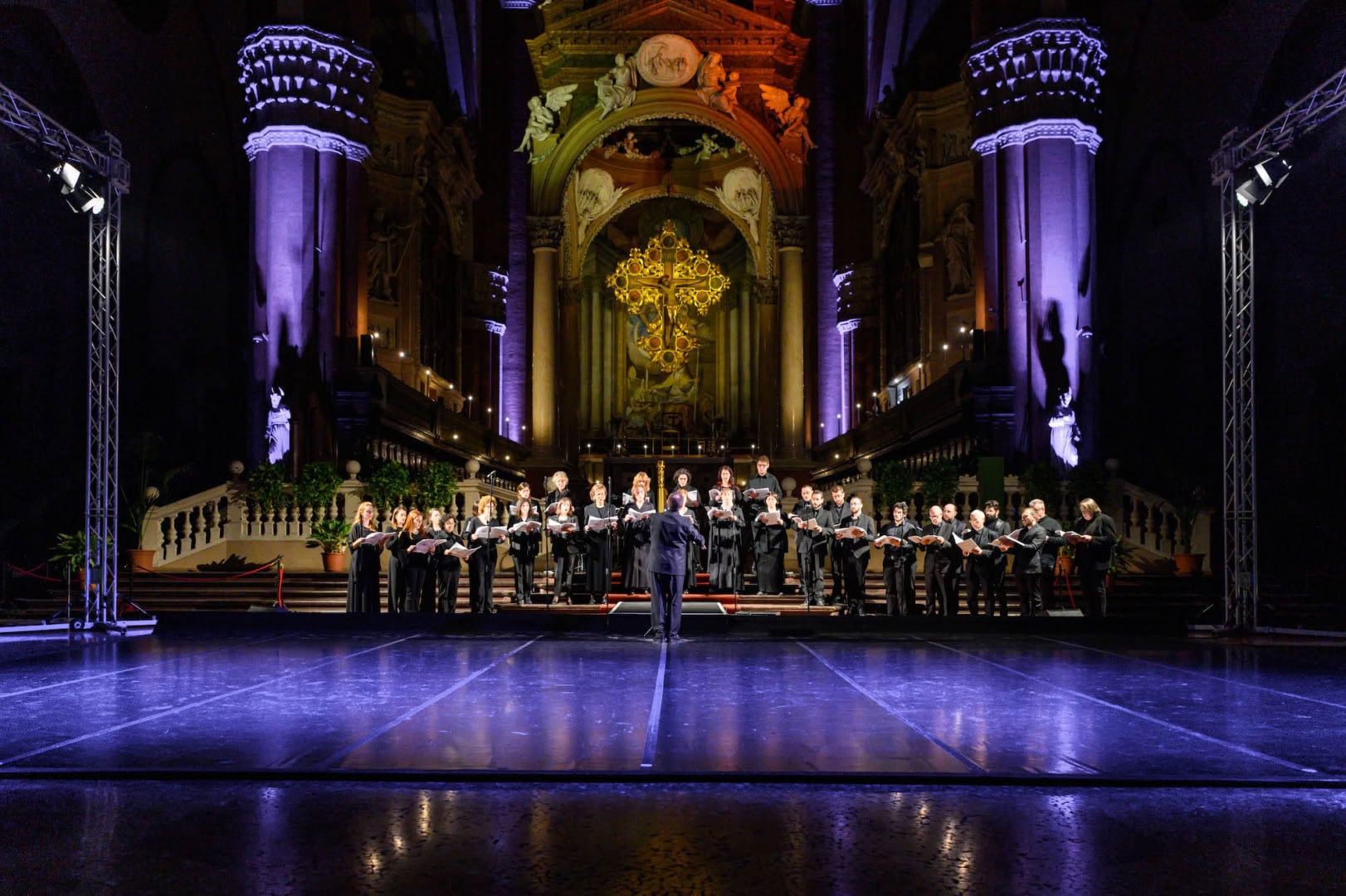
The Basilica of San Petronio in Bologna becomes a stage once again on 8 and 9 November for Memorare ’26, a meditation in dance, music and song built around Saint Francis of Assisi’s Canticle of the Creatures in the 800th anniversary year of his death. It is the third edition of the biennial event, after a first in 2022 devoted to meditation and a second in 2024 dedicated to peace.
Cardinal Matteo Maria Zuppi, Archbishop of Bologna and President of the Italian Bishops’ Conference, describes it as “a meditation to remember what is important for our humanity, through the sublime artistic language of dance, which holds within it the unique gift of harmony and beauty.”
‘The earth is not ours, but is entrusted to us’
The cardinal explains the choice of this year’s theme:
The theme chosen for the 800th anniversary of the death of Saint Francis is his Canticle of the Creatures: we want to recall our commitment to care together for our Common Home – that is, Creation. It often escapes us, though it was very clear to the saint of Assisi, that the earth is not ours, but is entrusted to us. Of all the gazes that have lingered on the creatures, Saint Francis’s has given us, for eight centuries, a unique vision of the world: beyond admiration, it is animated by participation and familiarity with the whole of Creation. We are nostalgic for that vision of the creatures, which has faded in the humanity of our generation, flattened by usefulness and profit.
Zuppi, who calls the new edition a “need”, was the driving force behind it. Alongside the performance open to the whole city on Monday 9 November, there is for the first time an open dress rehearsal on Sunday 8 November dedicated to school students – encouraging young people is at the heart of the project, all the more, the organisers say, at a moment in history that robs the future of hope.
Many worlds, one meditation
Memorare was conceived by the Bologna-born dance producer Vittoria Cappelli, who curates and takes responsibility for the project. With each edition, she says, she finds herself:
Ever more moved at drawing together the threads of such different worlds, yet united in creating ‘Memorare’ – a panorama of meditation, hope and peace. Ballet artists, musicians, choristers, dance authors and producers, theatre technicians as well as the indispensable supporters: all united in an impulse that is ethical as well as religious.
This year’s dedication to the younger generation also sums up a decade of educational projects Cappelli has run for children and teenagers, taking dance to outlying areas it had never reached. The programme’s authors from previous editions, Don Stefano Culiersi and Valentina Bonelli, are joined this year by Roberto Giovanardi.
The production is by Bologna Festival in collaboration with the Teatro Comunale di Bologna, with the participation of ERT Emilia-Romagna Teatro/Teatro Nazionale and the Fondazione Accademia Internazionale di Imola ‘Incontri col Maestro’, and the support of Bologna City Council. The mayor, Matteo Lepore, underlines the urgency of the theme:
This event is a precious moment of collective reflection which, through art, dance and music inside the Basilica of San Petronio, stirs the consciences of the whole city to protect Creation and our community. It is a strong message that we want to share with the world of schools, involving students directly in the open rehearsal dedicated to them, so that a culture of respect for the planet may guide our future.
Maddalena Da Lisca, Superintendent and Artistic Director of Bologna Festival, adds:
It is an honour for Bologna Festival to be part of a project in which different artistic languages meet and illuminate one another in the name of spirituality. Music and dance can often lead us towards a dimension of intimate contemplation. ‘Memorare’ offers us the precious opportunity to transform this individual experience into a choral, shared moment, in which music, dance and word come together to give voice to the universal message of Saint Francis, more relevant today than ever.
Five elements from the Canticle
Rather than illustrate Saint Francis’s poem, the curators set out to inspire, choosing five of the elements named in the Canticle, each personified by a different artist.
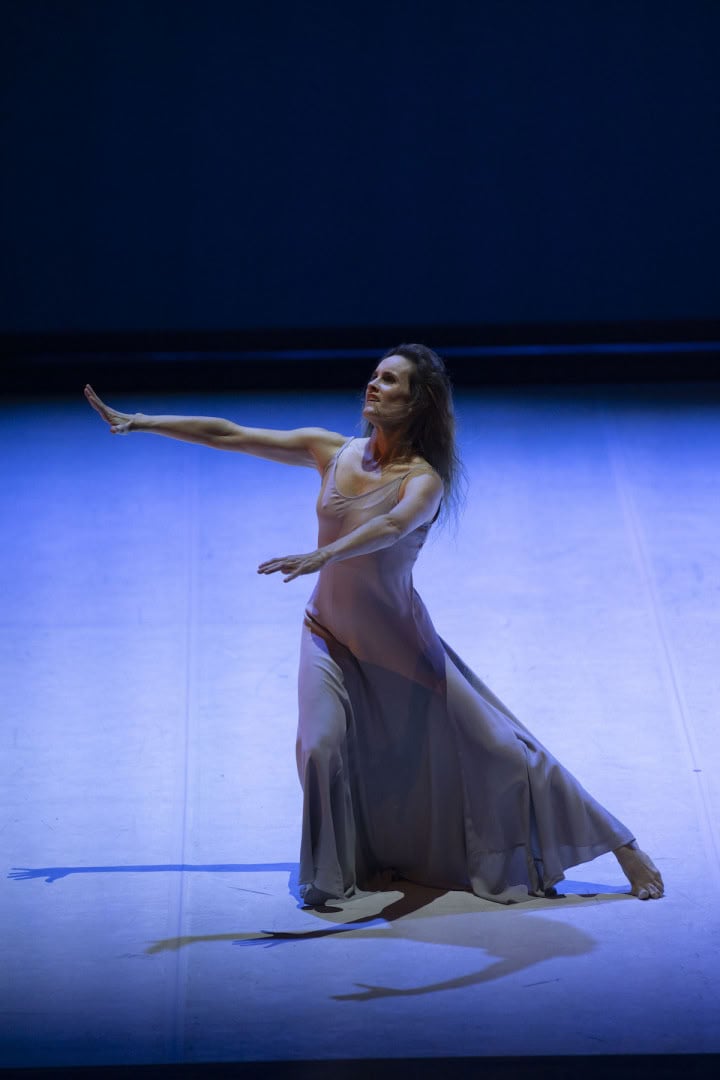
Sister Moon – ‘clear and precious and beautiful’ in Francis’s words – is danced by Nicoletta Manni, étoile of the Teatro alla Scala, who appeared in the first Memorare and has chosen to return. Maurice Béjart created La luna, to Bach, in 1976 for his muse Luciana Savignano, who passed it on personally to Manni – one of only two ballerinas in the world who may dance it today. The Orchestra of the Teatro Comunale di Bologna plays, with Paolo Mancini both directing and as solo violinist.
For Brother Wind, praised in the Canticle as sustenance for all creatures, the organisers deliberately chose a contemporary voice: Carolyn Carlson‘s solo Wind Woman, to an electronic score of noises and textures, created for Céline Maufroid, the American-born choreographer’s alter ego. The solo, Carlson’s favourite format, “invites each of us to listen, to perceive the breath of the world as well as our own,” she says.
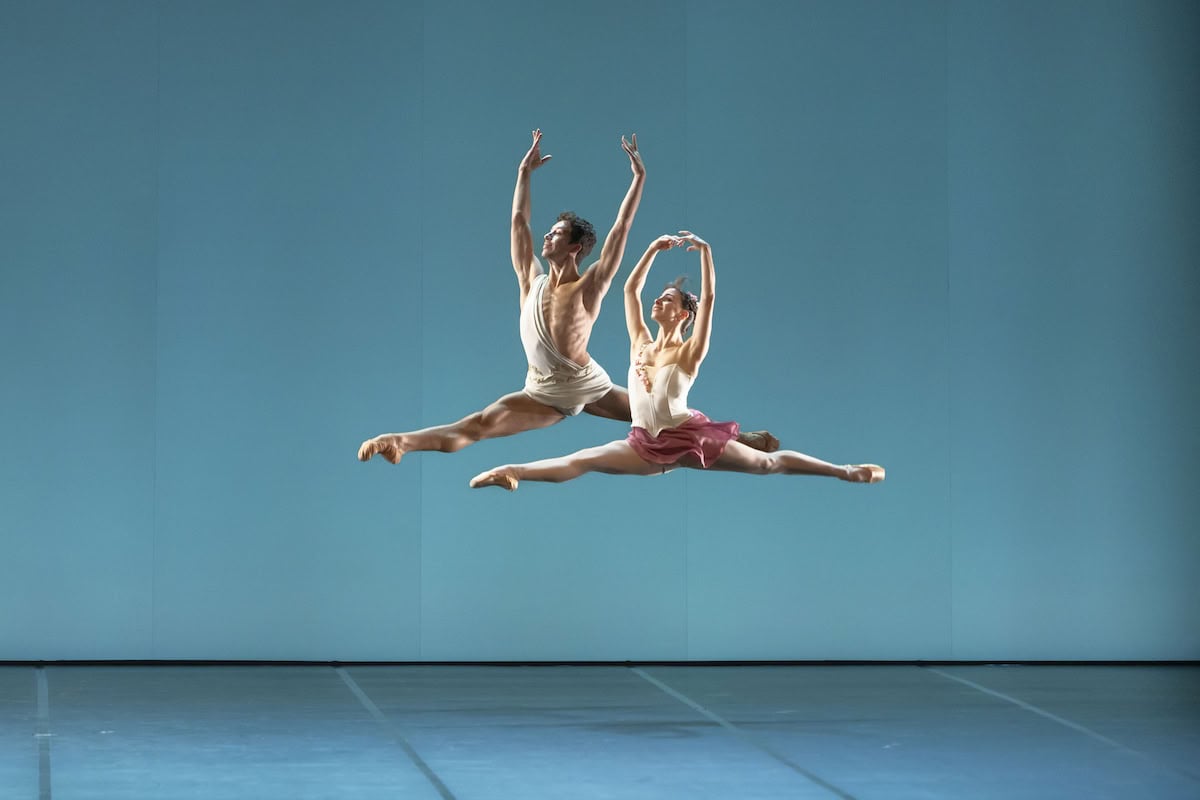
Sister Water – ‘useful and humble and precious and pure’ – is evoked by a sparkling gala showpiece from the Soviet repertoire, Asaf Messerer’s Spring Waters to Rachmaninov, danced by two La Scala soloists, Camilla Cerulli and Mattia Semperboni. The music is played in a transcription for clarinet and piano by the Teatro Comunale’s Alessandro Falco and Anna Dang Anh Nga Bosacchi.
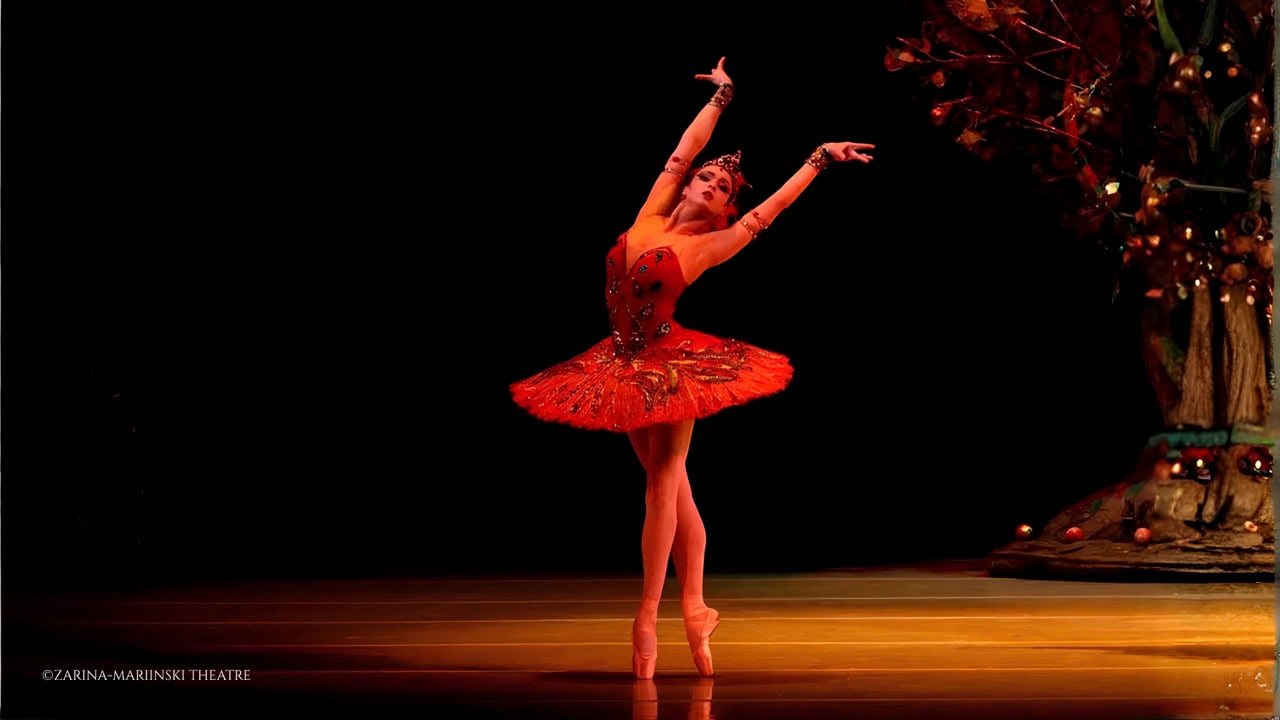
Brother Fire, ‘beautiful and playful and robust and strong’, comes in a variation from Fokine’s Ballets Russes masterpiece The Firebird, danced by Marija Bulanova, first soloist of the Mariinsky Ballet in St Petersburg, in a flame-red tutu after Léon Bakst’s original design. Konstantin Emelyanov, one of the most promising artists of the Imola academy, plays Stravinsky’s own piano version.
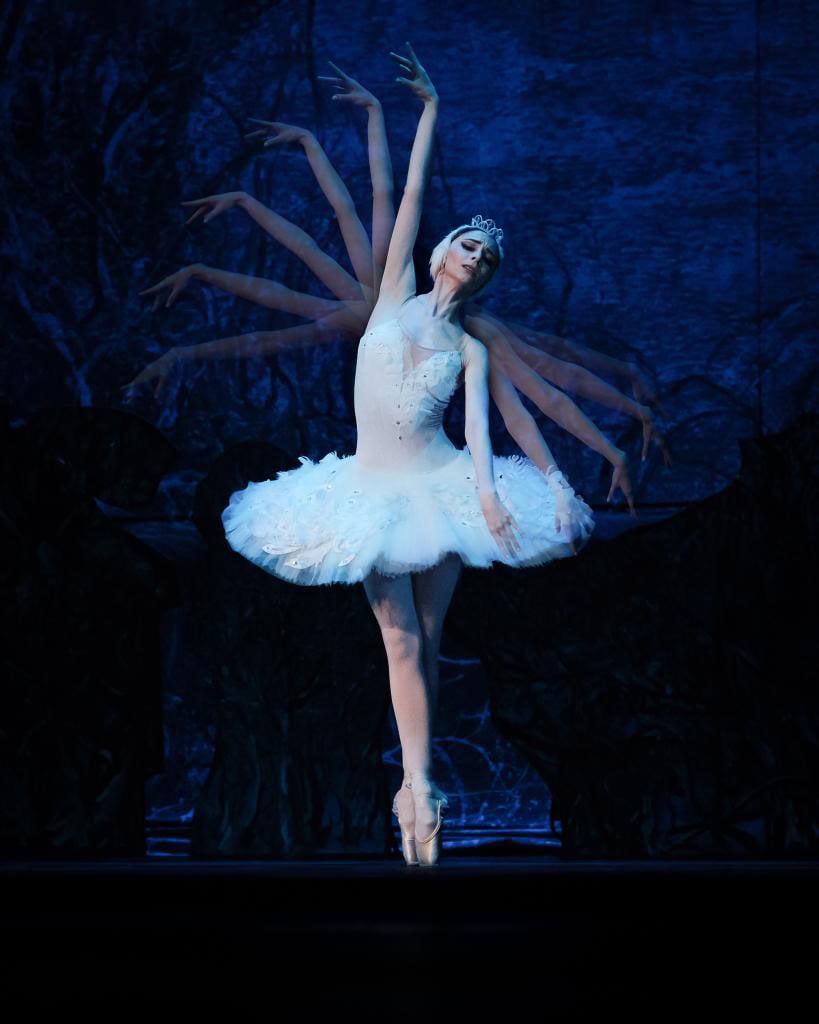
As in earlier editions, the evening closes with Sister Bodily Death and Fokine’s The Dying Swan – once a remembrance of those lost in the pandemic, now a meditation on death’s ineffable mystery. Saint-Saëns’s music is played on cello and harp by Eva Friederike Zahn and Elena Meozzi, and the swan is the Ukrainian ballerina Anna Muromtseva, who fled her invaded country and is now a first soloist of the Hungarian National Ballet.
Young dancers and a world premiere
The edition’s dedication to young people is underlined by six students of the Ballet School of the Accademia Teatro alla Scala, in an Ouverture à la danse choreographed by their director Frédéric Olivieri. It frames a reading of the Canticle of the Creatures by the actor Jacopo Trebbi, with music by Giovanni Gabrieli played on San Petronio’s historic organs.
Between each dance, the Cappella Musicale di San Petronio, conducted by Michele Vannelli, sings. Its performance of Benjamin Britten‘s Rejoice in the Lamb accompanies a world premiere commissioned by Memorare ’26 from the choreographer-dancers Sasha Riva and Simone Repele, who were among the stars of the last edition and return to Bologna after choreographing for the opening ceremony of the Milano Cortina 2026 Winter Olympics.
Information
Memorare ’26 – Danza e canto per il Creato, Basilica of San Petronio, Piazza Maggiore, Bologna.
Sunday 8 November, 17.00: open dress rehearsal, dedicated for the first time to schools and young people. Free admission.
Monday 9 November, 20.30: performance.
Free admission with compulsory booking at bolognafestival.it.