Review: Hungarian National Ballet dances The Fountain of Bakhchisarai with polish, if not much pace
Handsome sets, well-rehearsed dancers and an extraordinary orchestra cannot disguise a Soviet ballet that, to modern eyes, screams hammy.
| Title | The Fountain of Bakhchisarai |
| Company | Hungarian National Ballet |
| Venue | Hungarian State Opera |
| Date | 7 November 2026 |
| Reviewer | Matthew Paluch |
The Hungarian State Opera House in Budapest opened in 1884, and underwent a major refurbishment from 2017 to 2022. What a jewel it is. I was in town, so I attended the 11am Saturday matinée with the Hungarian National Ballet of The Fountain of Bakhchisarai.
I was happy to be there with plenty of time pre-show… I then realised some people were rocking full evening wear! Impressive. Overall, the auditorium wasn’t full – perhaps an 11am thing? – but regardless, the audience showed their appreciation at the end with unison clapping, which felt a bit like a sporting occasion.
I’ve never seen The Fountain of Bakhchisarai before… and must admit I won’t be rushing back. The ballet feels like a combination of La Bayadère and Scheherazade – the good bits – with quite a lot of scenes where nothing happens, and empty choreography.
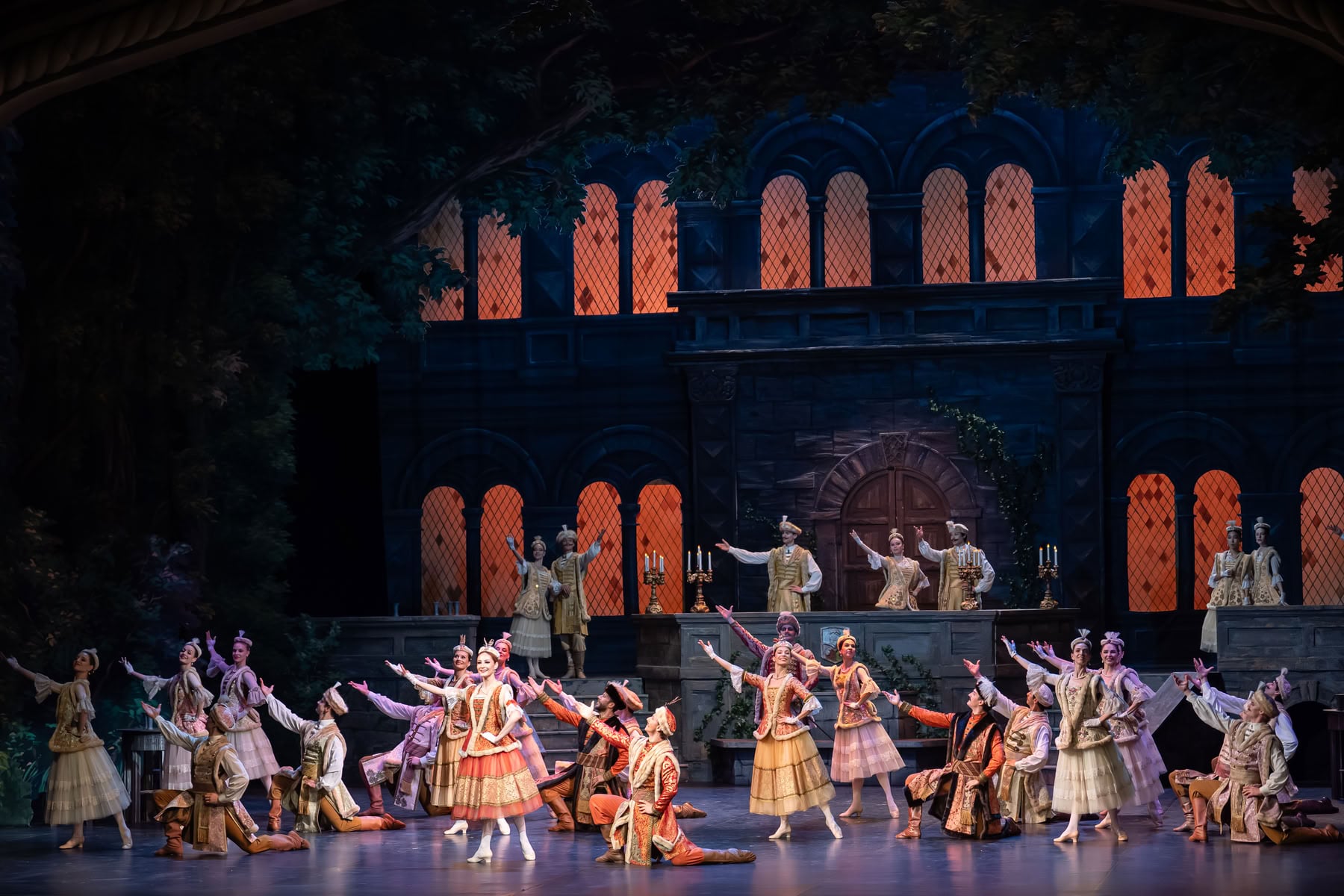
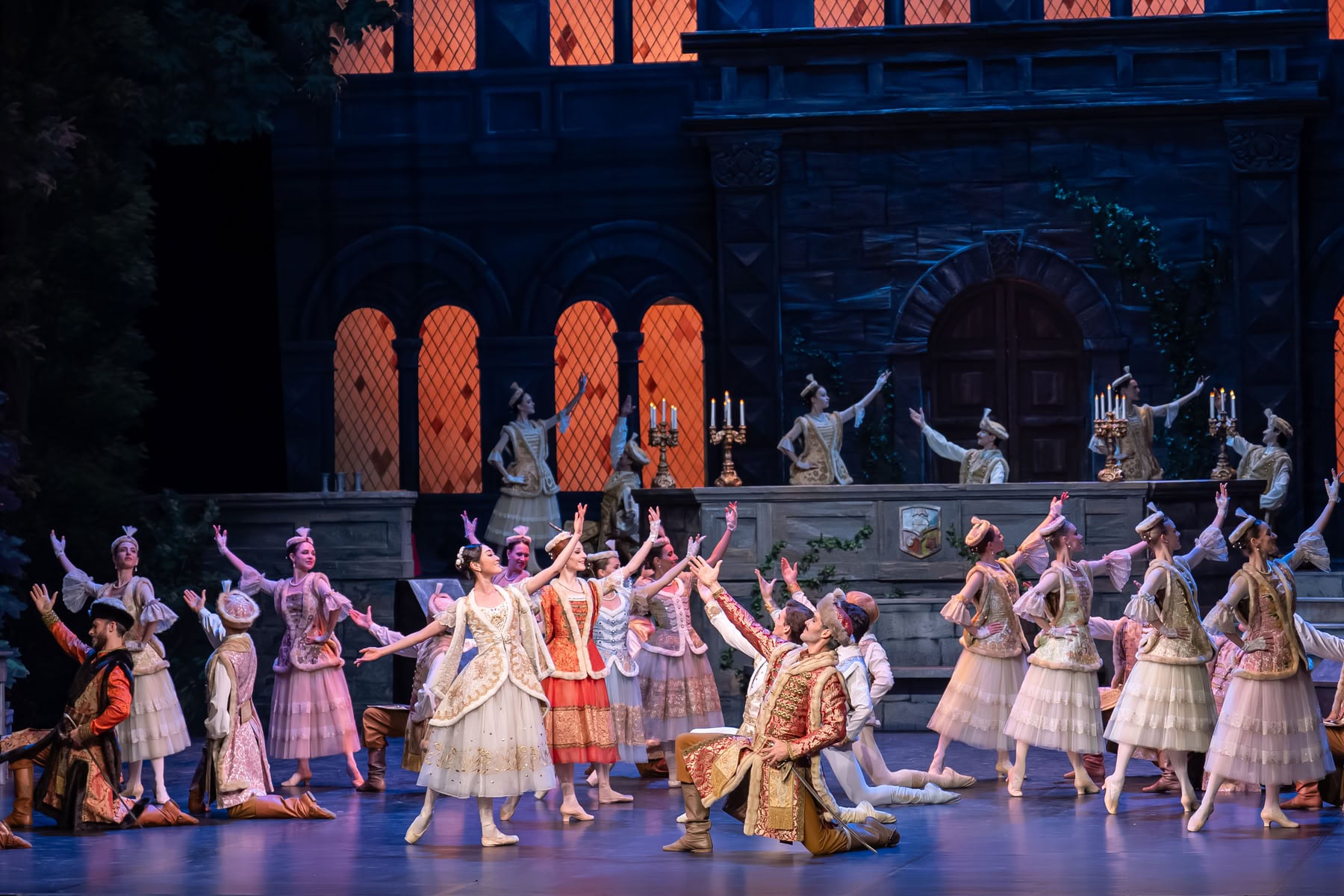
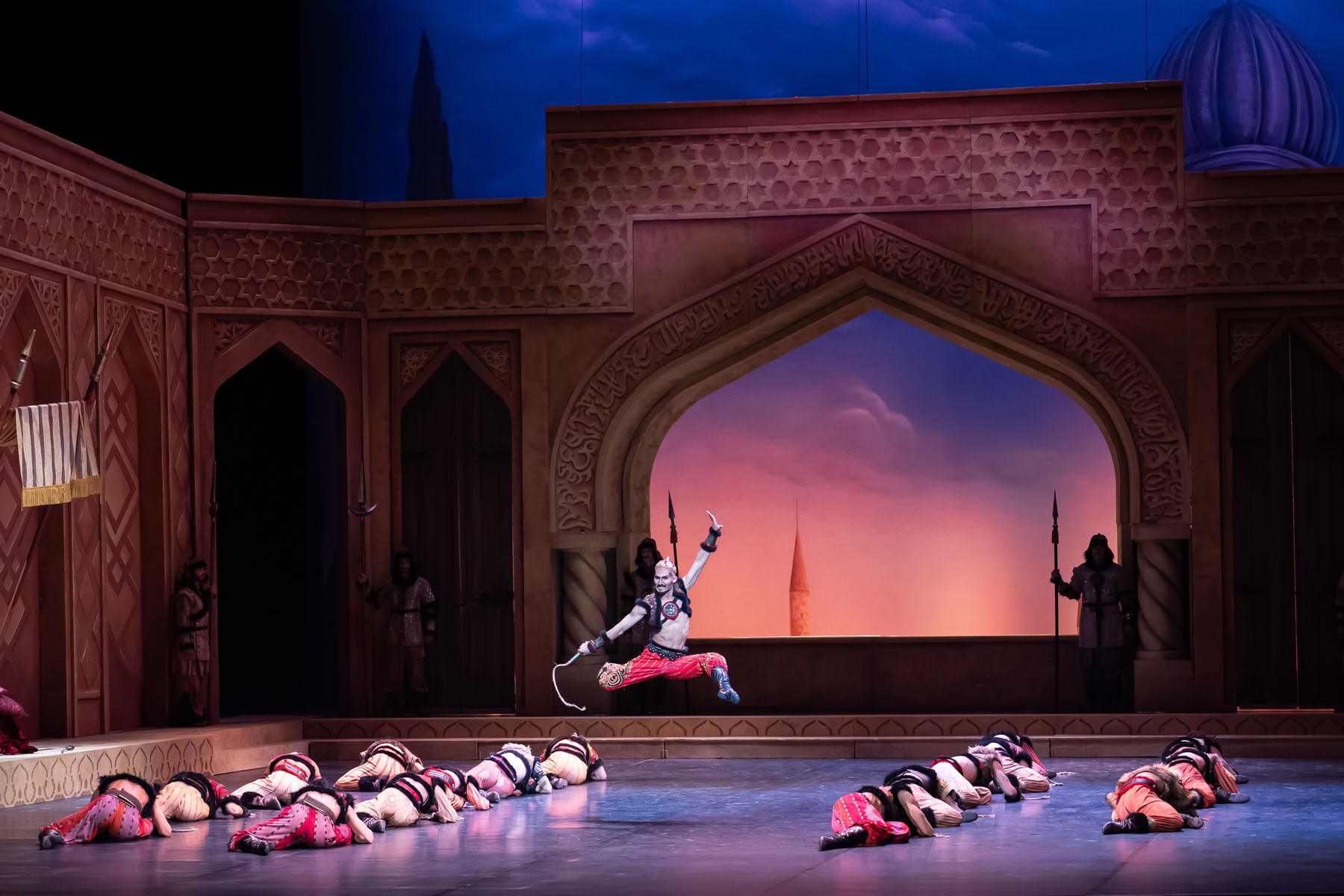
The company’s production is a fine one, with handsome sets and costumes and well-rehearsed dancers. But narratively it’s quite weak, which means propulsion and pace feel lacking.
The Saturday matinée featured many debuts, but nowhere on stage did we see any uncertainty, and they were all supported by the extraordinary orchestra conducted by Sámuel Csaba Tóth.
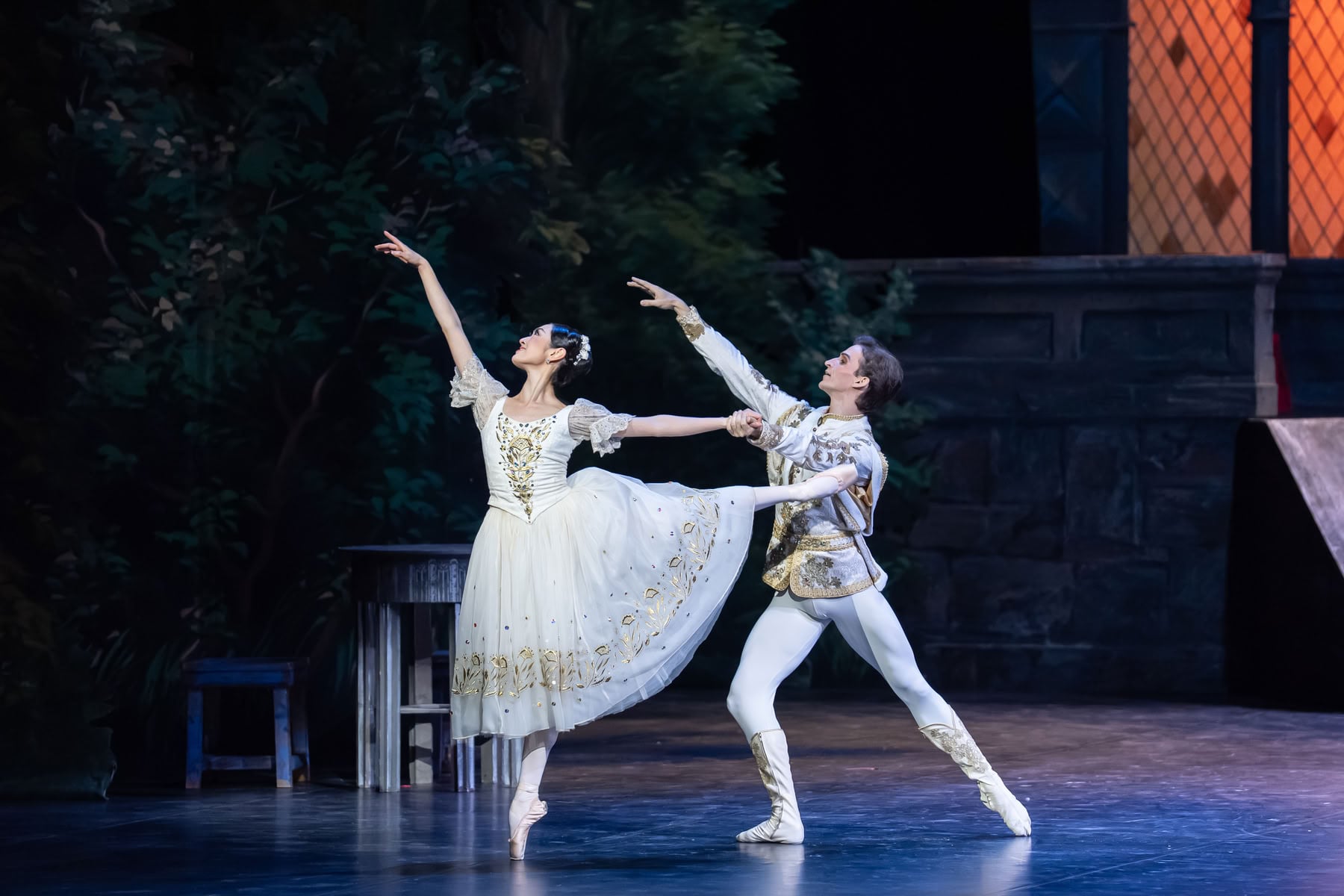
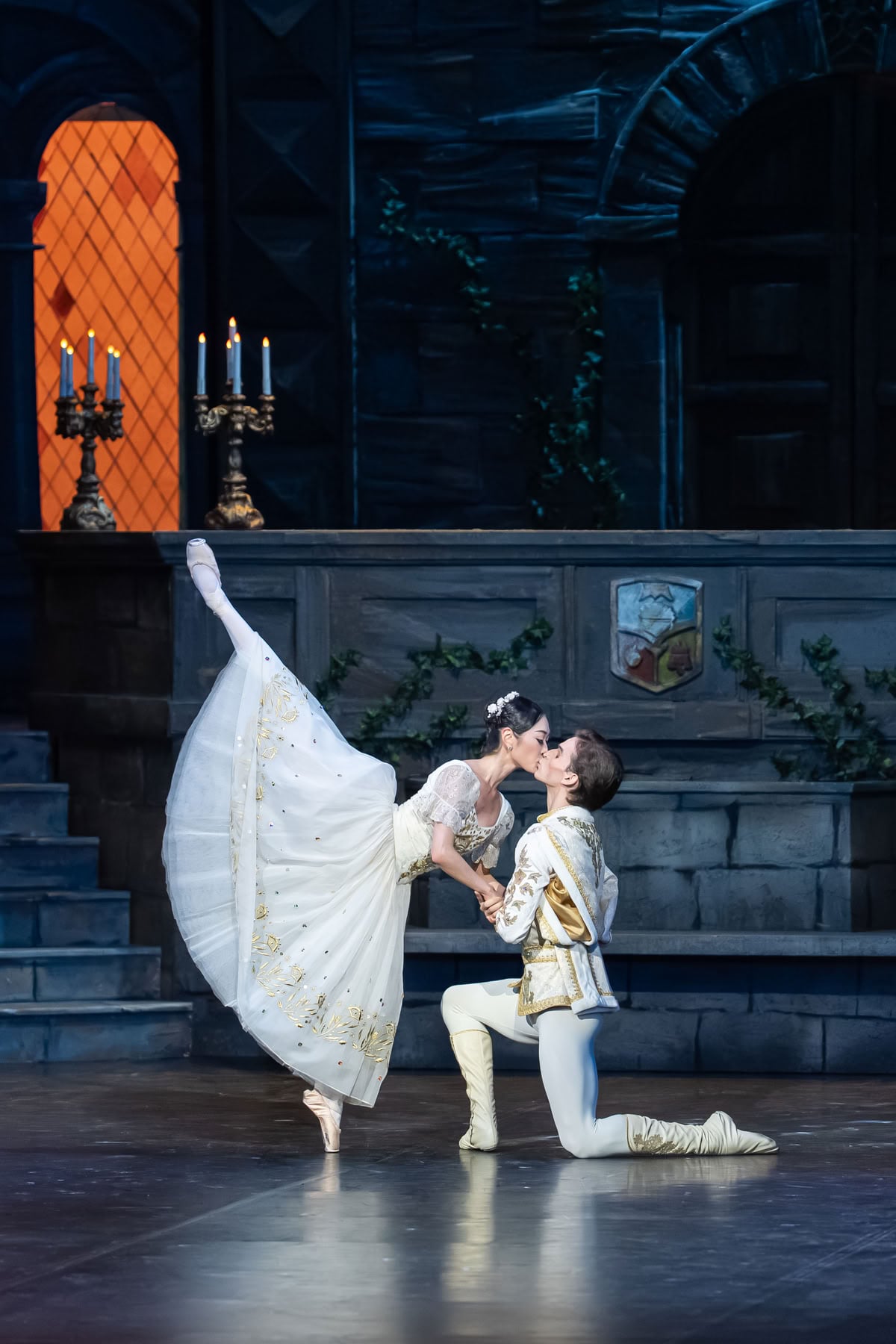
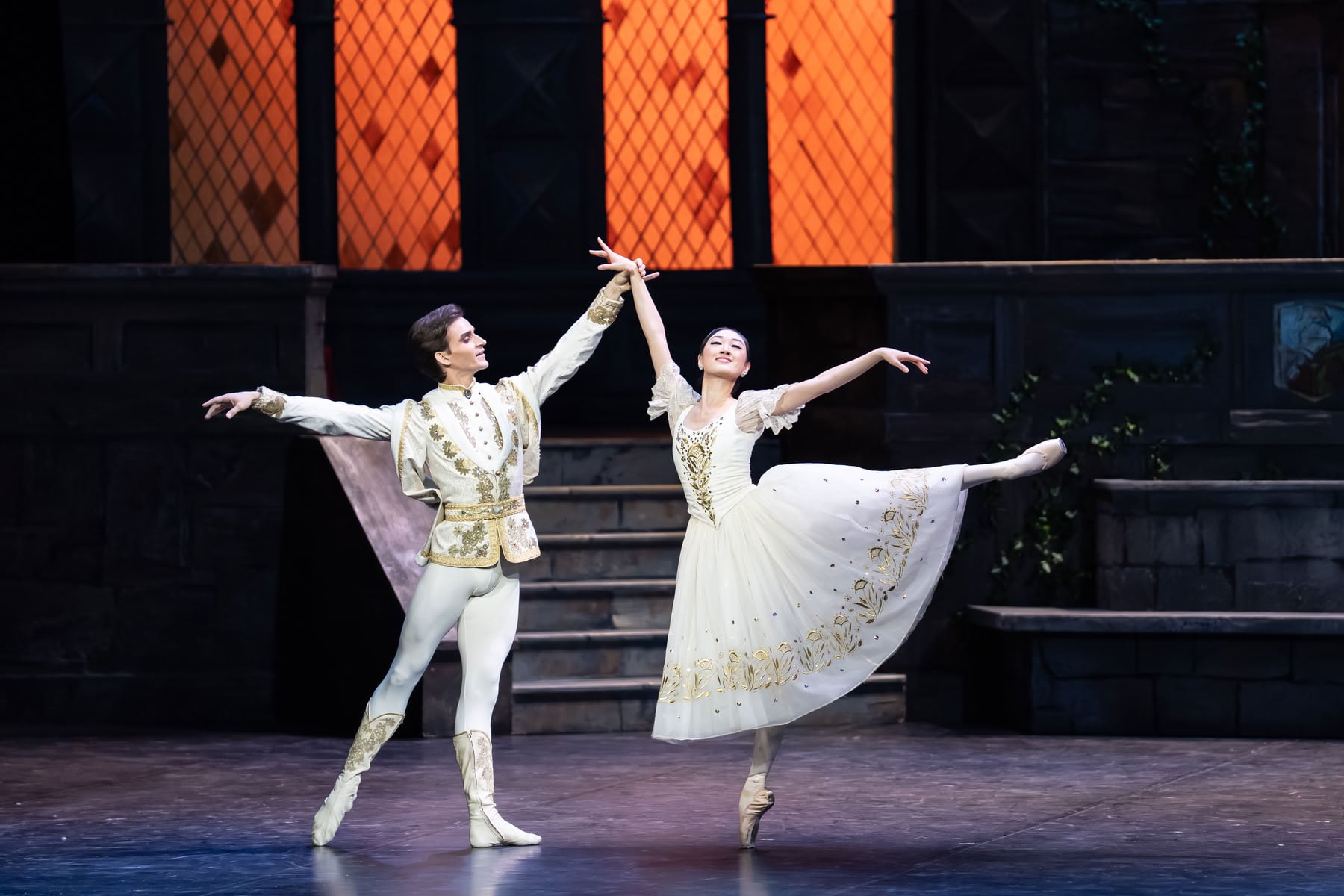
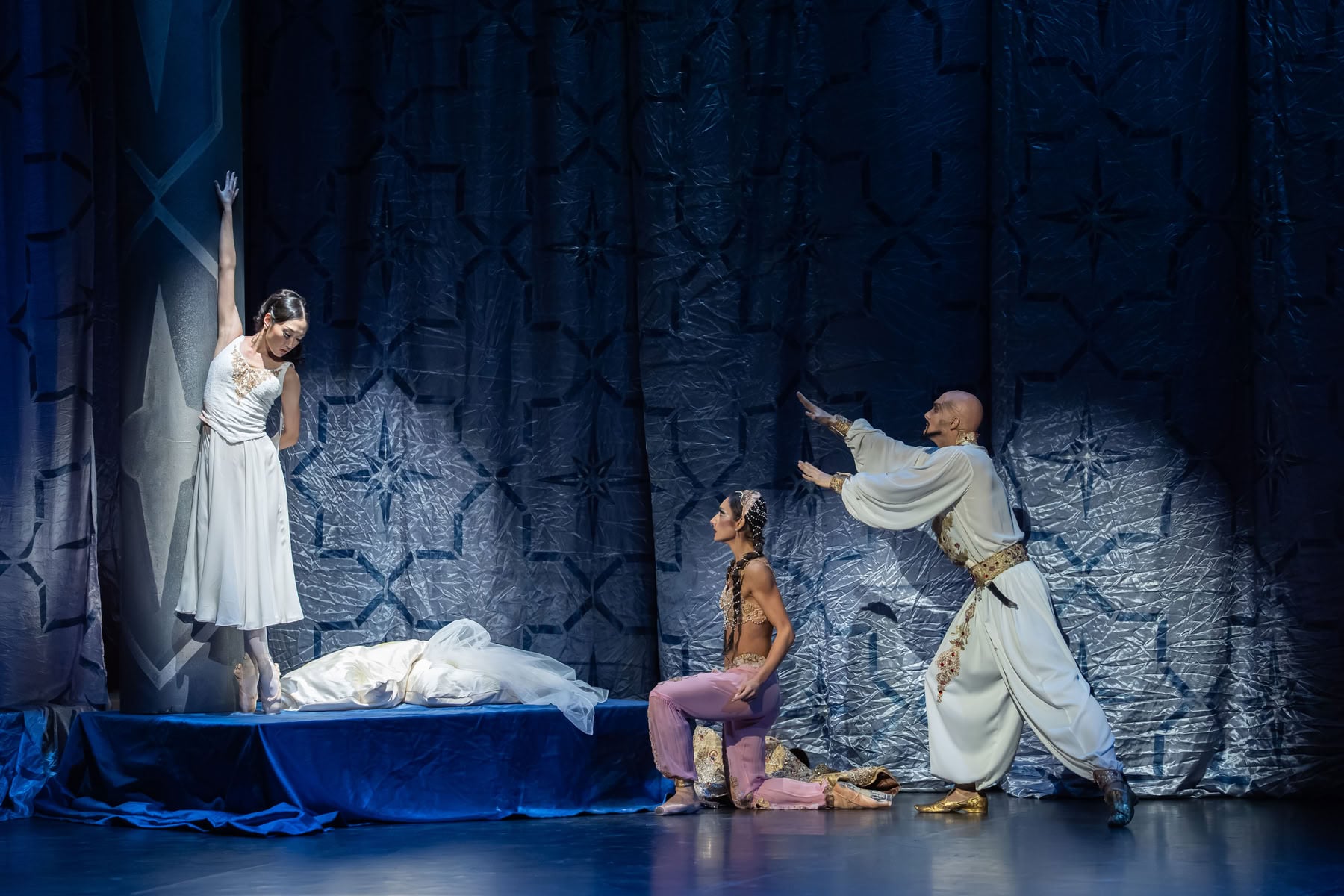
Soobin Lee as Maria (the Prince’s daughter) is a consummate dancer with an ease of flow. Hopefully future performances will feature more dynamic movement. Alexander Smith as Vaslav (Maria’s fiancé) rises to all the challenges, but would benefit from a more elastic plié. Lea Földi as Zarema (the Khan’s favourite wife) is a real presence on stage, with height and strong technique ever present. Demeter Kóbor as Prince Potocki does his best with a kind of nothing role. Pivotal, yes… but it’s largely just lots of OTT melancholy.
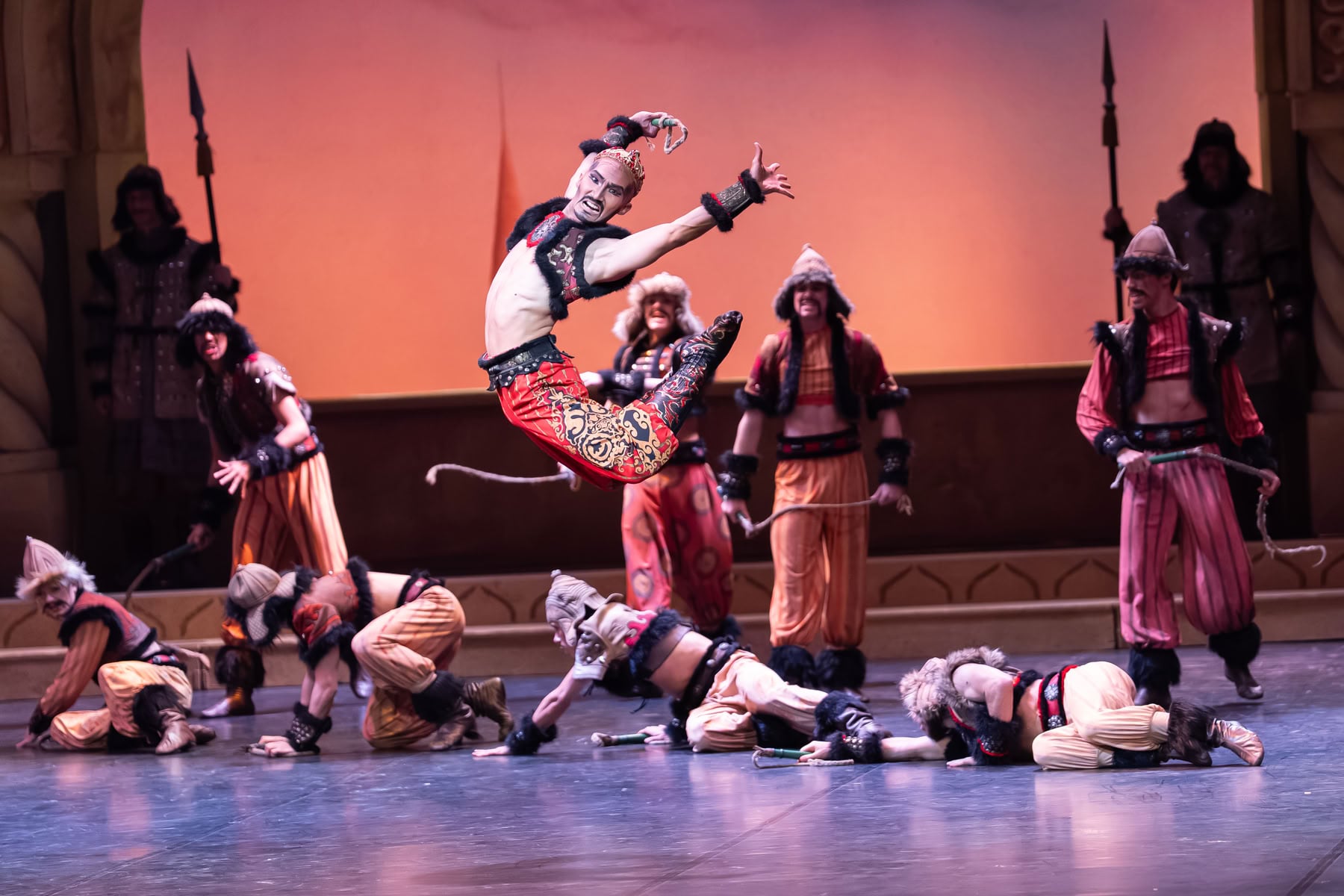
Daniyar Zhumatayev as Nurali (the Khan’s Commander) stole the show for me, however. His dancing in the rousing third-act number was quite the spectacle, covering every corner of the stage, with a jump that seemed to defy gravity. Superb!
As someone who spent most of their career doing character dances, I enjoyed the Act 1 group dances. When you’ve done a csárdás in Liverpool, it’s quite bizarre to be in Hungary observing character work in one of the motherlands of character dance!
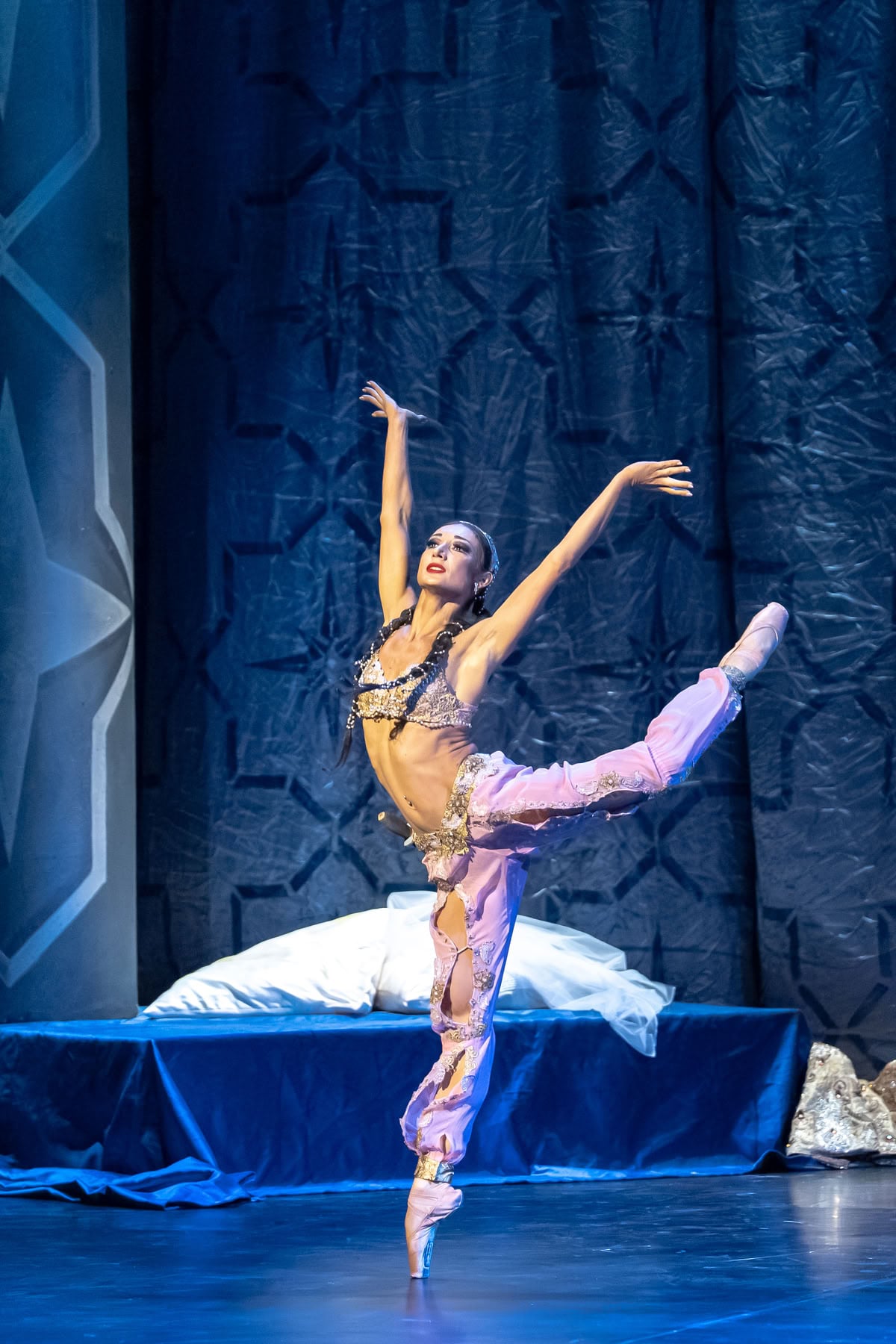
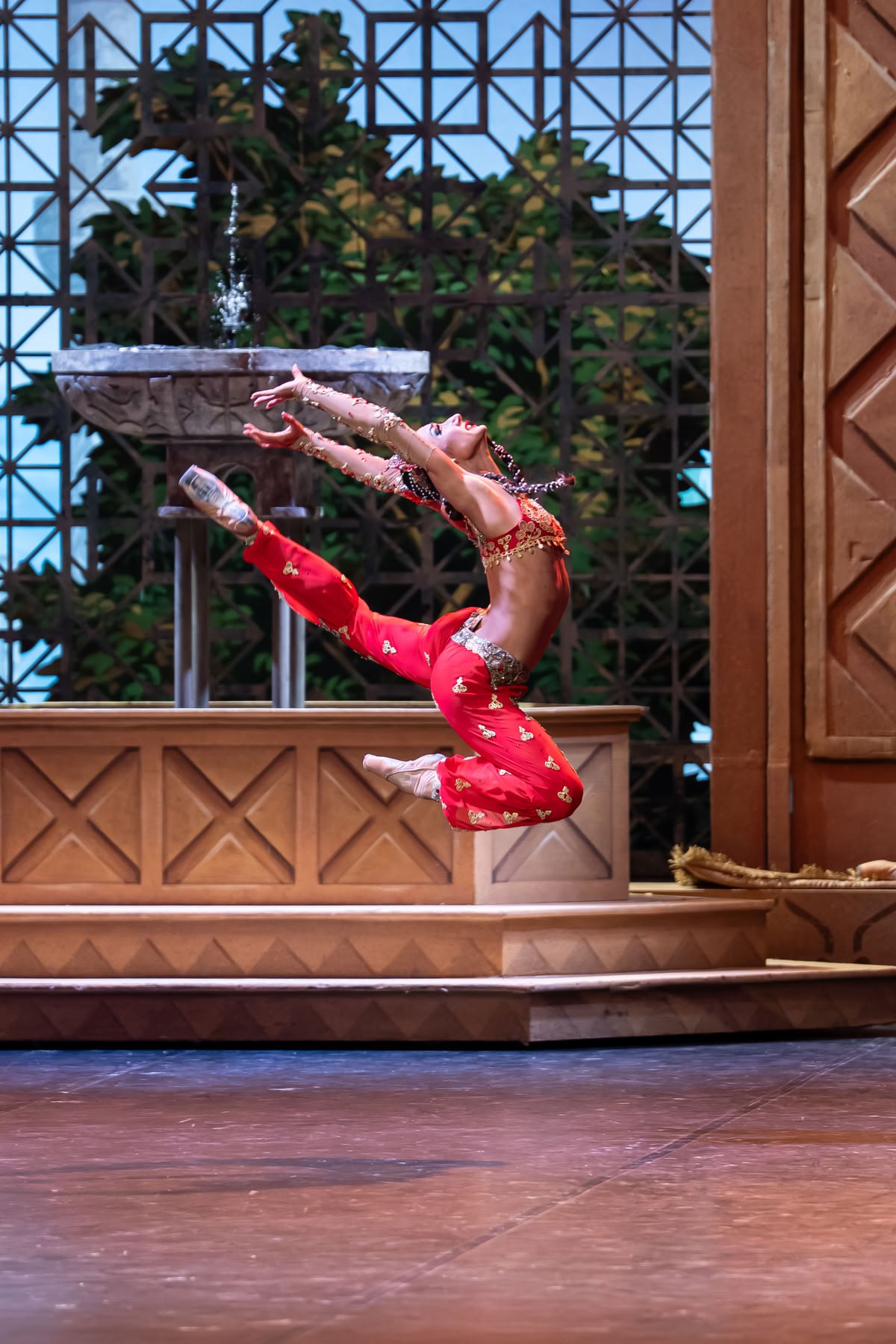
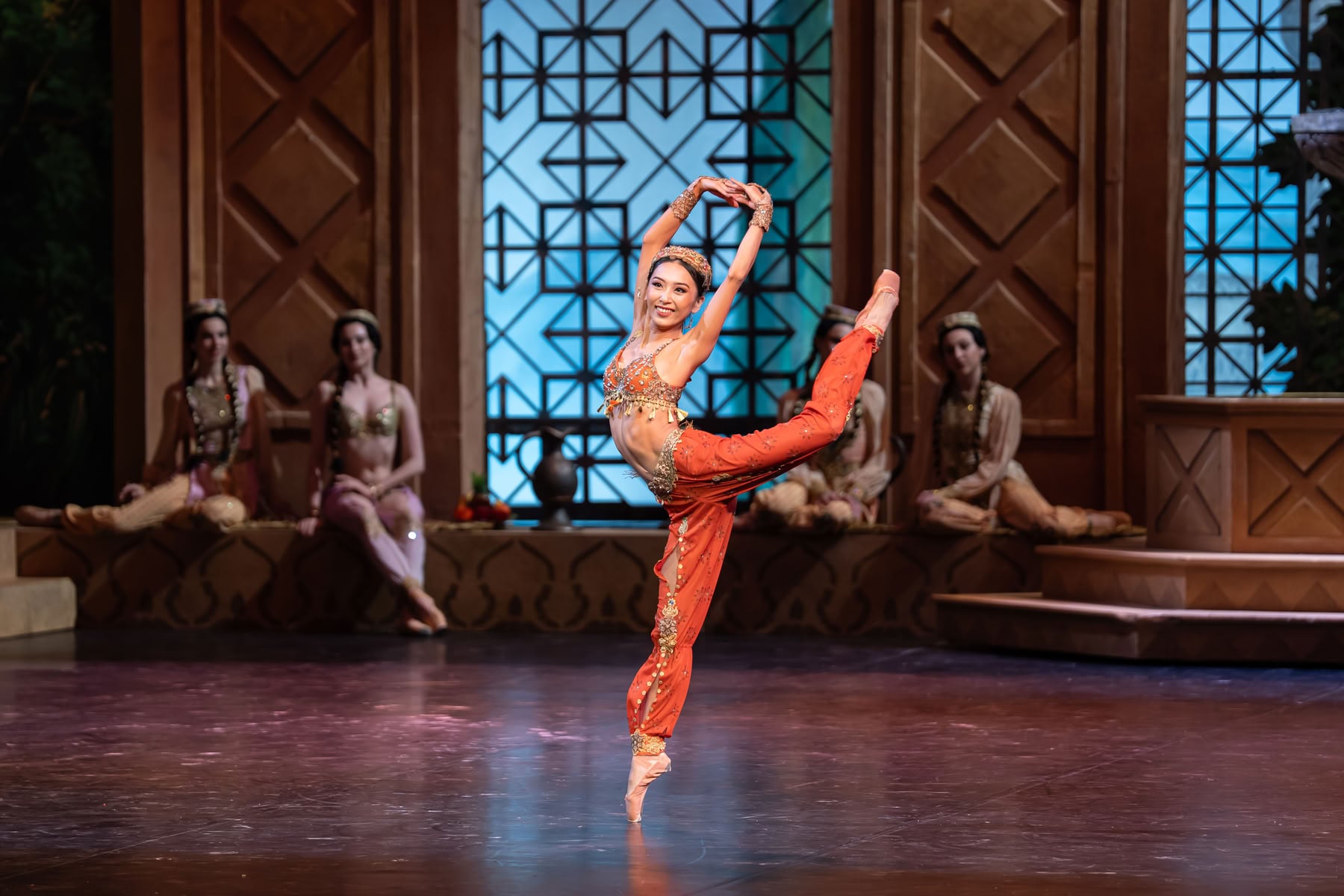
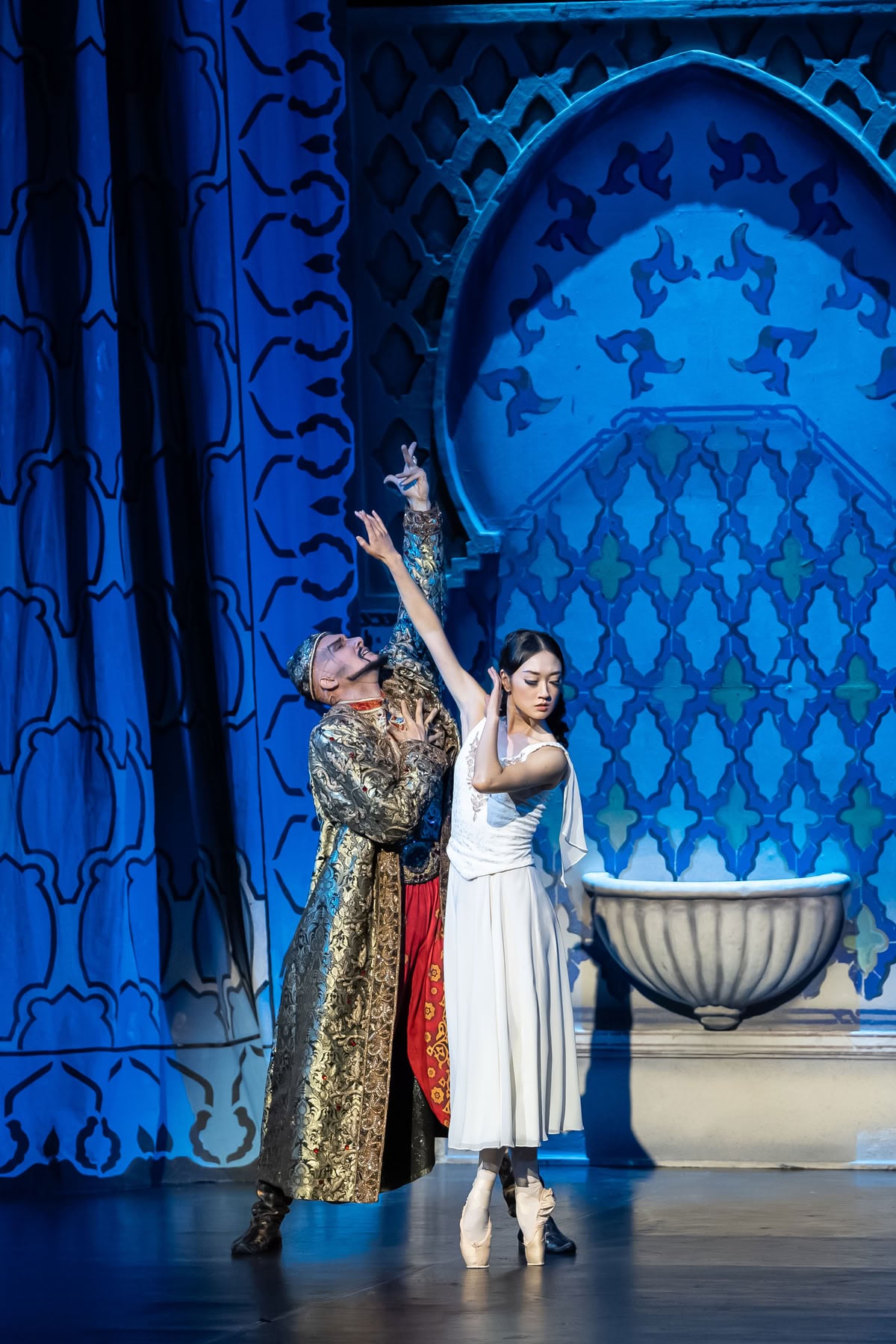
In coming to see Rostislav Zakharov’s The Fountain of Bakhchisarai, one has to accept the context: this is a Soviet ballet from 1934, first staged in Budapest in 1952. Research suggests Zakharov was one of the leading figures of ballet drama – the Soviet ‘drambalet’ – and thanks to his grasp of Konstantin Stanislavsky’s method, Zakharov supposedly brought serious acting to the world of ballet.
I didn’t see or feel this in 2026 – personally, it screamed hammy. And this isn’t a direct comment on the performances; it’s more a combination of production values and individual interpretations.
The bigger story primarily deals with human and sex trafficking, so if you’re in the mood for a retrospective experience with some questionable underpinnings, go for it. Or just go for the theatre alone!