Eleven ballerinas, one Fracci: celebrating what would have been Carla Fracci’s 90th birthday
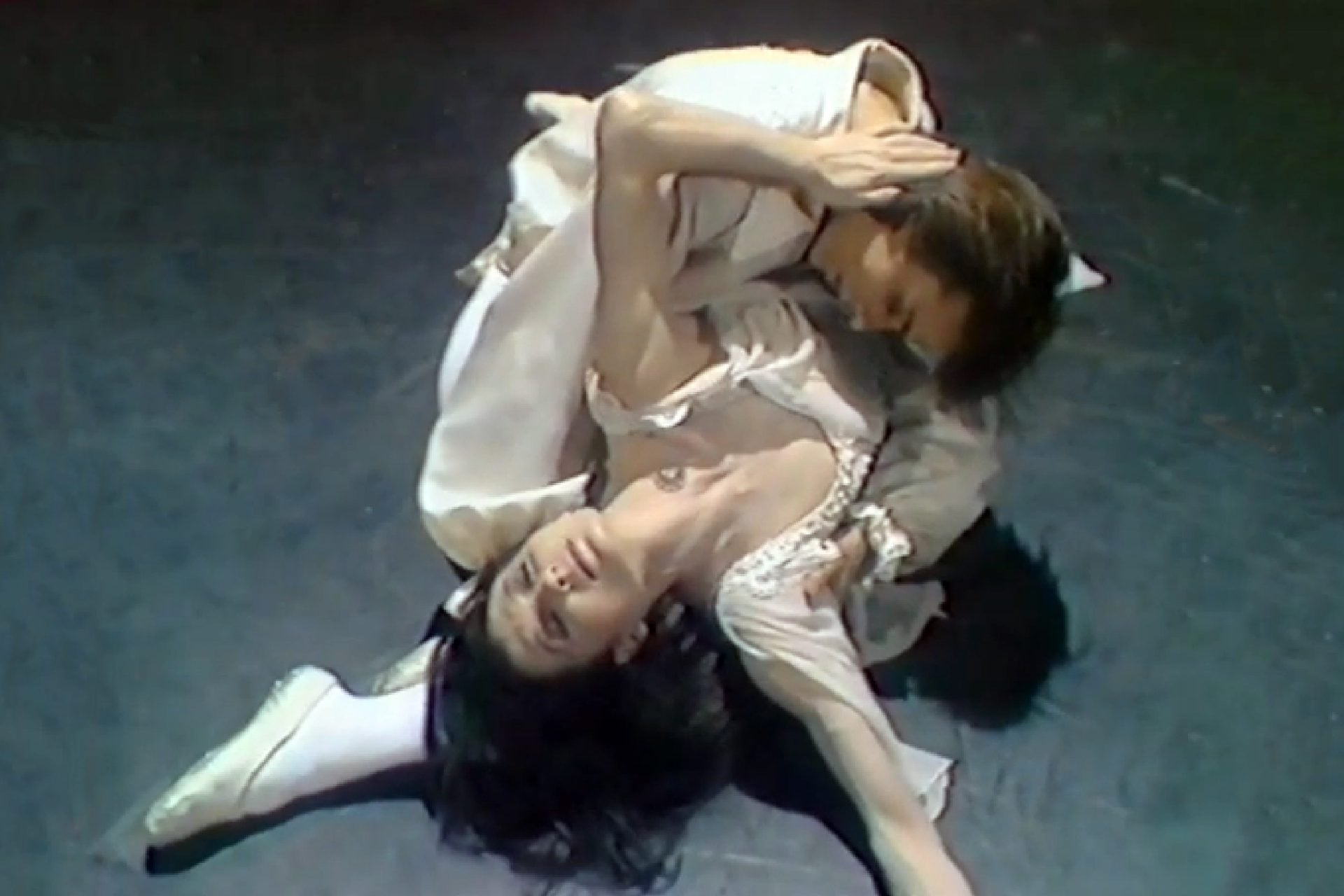
Today – 20 August 2026 – would have been Carla Fracci‘s 90th birthday. To mark the occasion, we look back at one of the most audacious projects of her career: a parade through the history of eleven 19th-century ballerinas who emerged from La Scala’s Ballet School, performed when she was 48.
In January and February 1984, Teatro Nuovo in Milan hosted Splendori e miserie di celebri allieve della Scuola di Ballo dell’Imperial Regio Teatro alla Scala di Milano – “Splendours and Miseries of Famous Pupils of the Ballet School of the Imperial Royal Theatre of La Scala, Milan” – staged as part of La Scala’s 1983–84 season. It ran from 24 January to 12 February, and in that short window Fracci gave 11 performances in 12 days, dancing 11 different pas de deux during each performance.
Beppe Menegatti, Fracci’s husband and long-time artistic collaborator, devised and directed the piece. He also created its extraordinary title – a title so long that even Stephen Sondheim can’t compete: A Funny Thing Happened On The Way To The Forum comes in at just half the length.
Domenico De Martino wrote the script, Luisa Spinatelli created the sets, and Nicola Trussardi designed the costumes, with the participation of students from the Dancing School and actors playing roles such as Carlo Blasis and Enrico Cechetti. Billed as a “commedia con ballo” – a play with dance – it was structured as a gallery of portraits rather than a conventional narrative ballet, tracing the school’s history through the women who had passed through it.
Night after night, Fracci stepped into the shoes of different figures from that remarkable lineage.
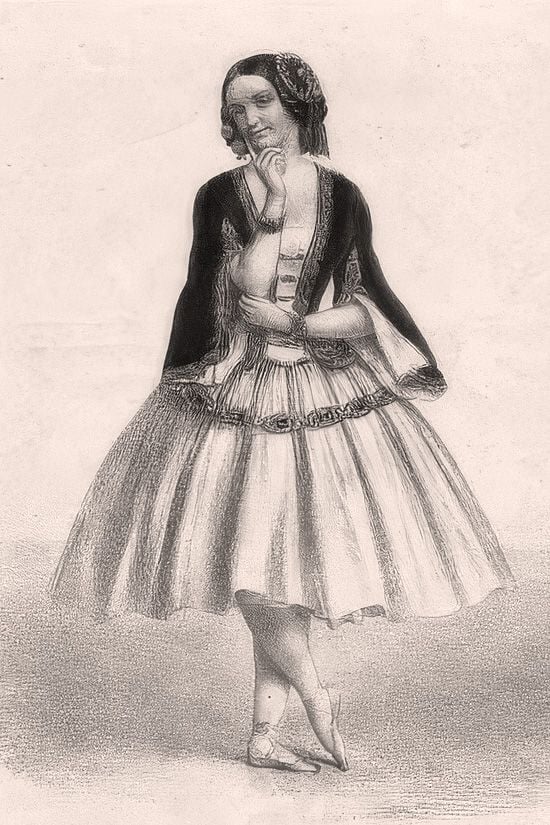
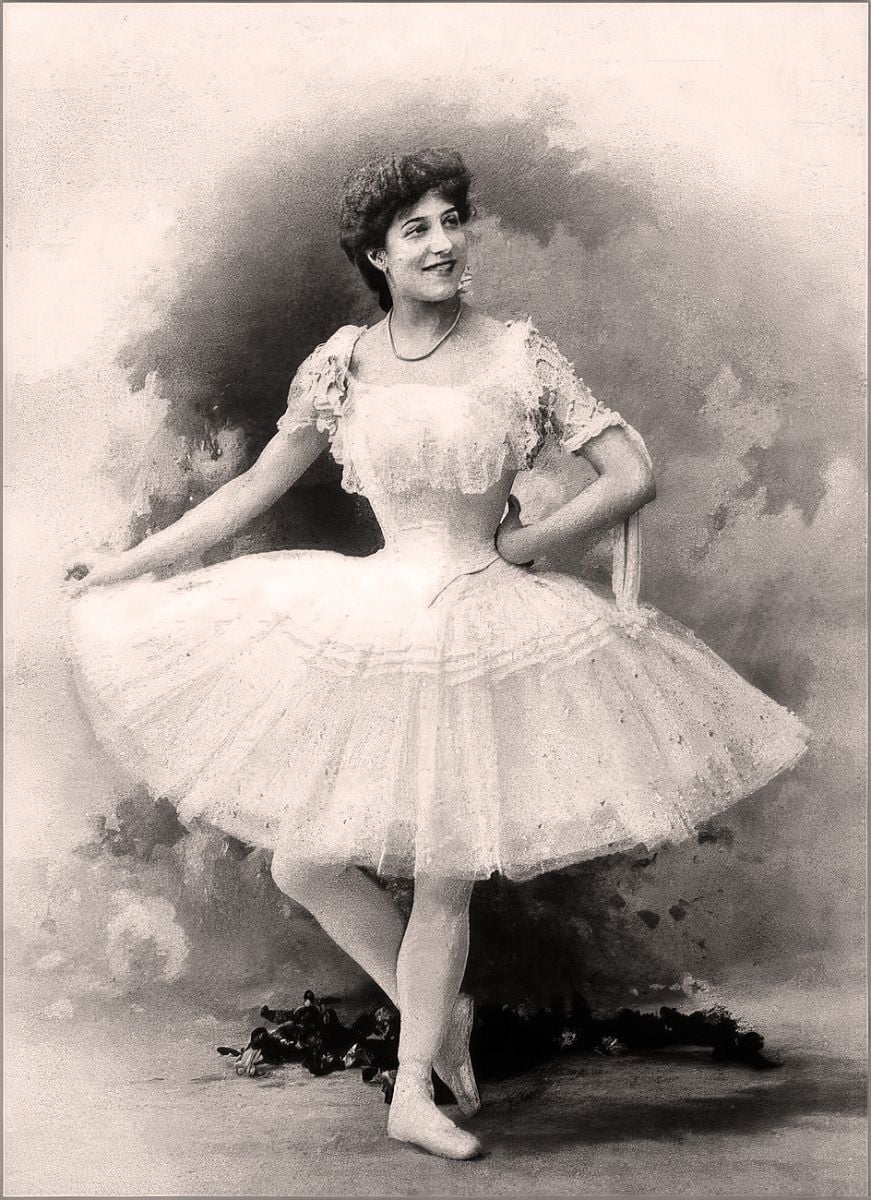
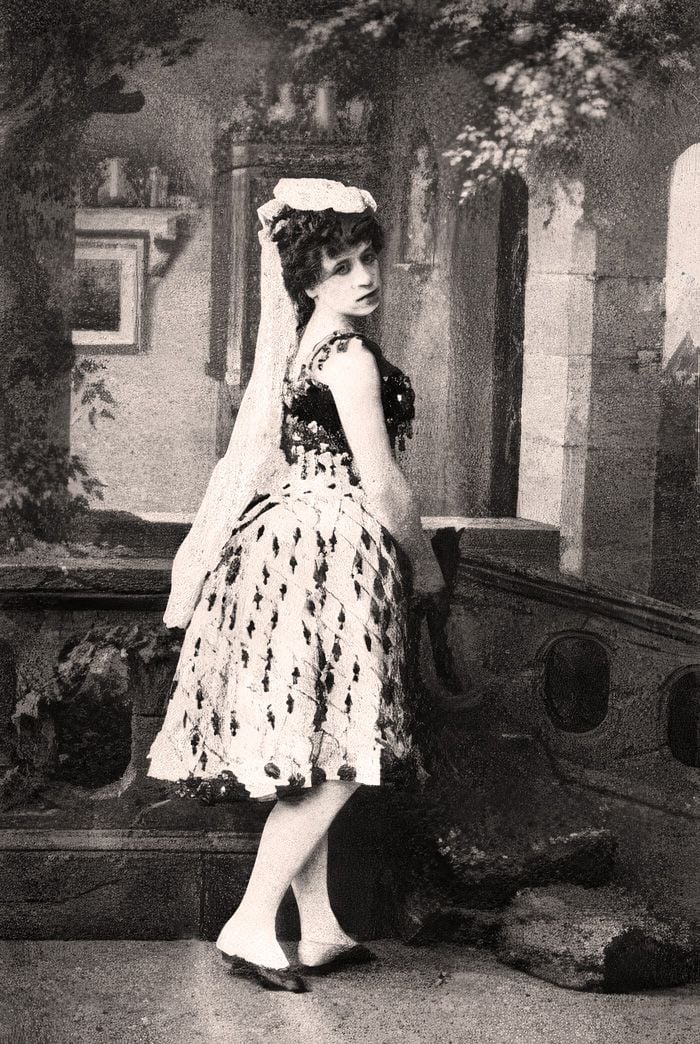
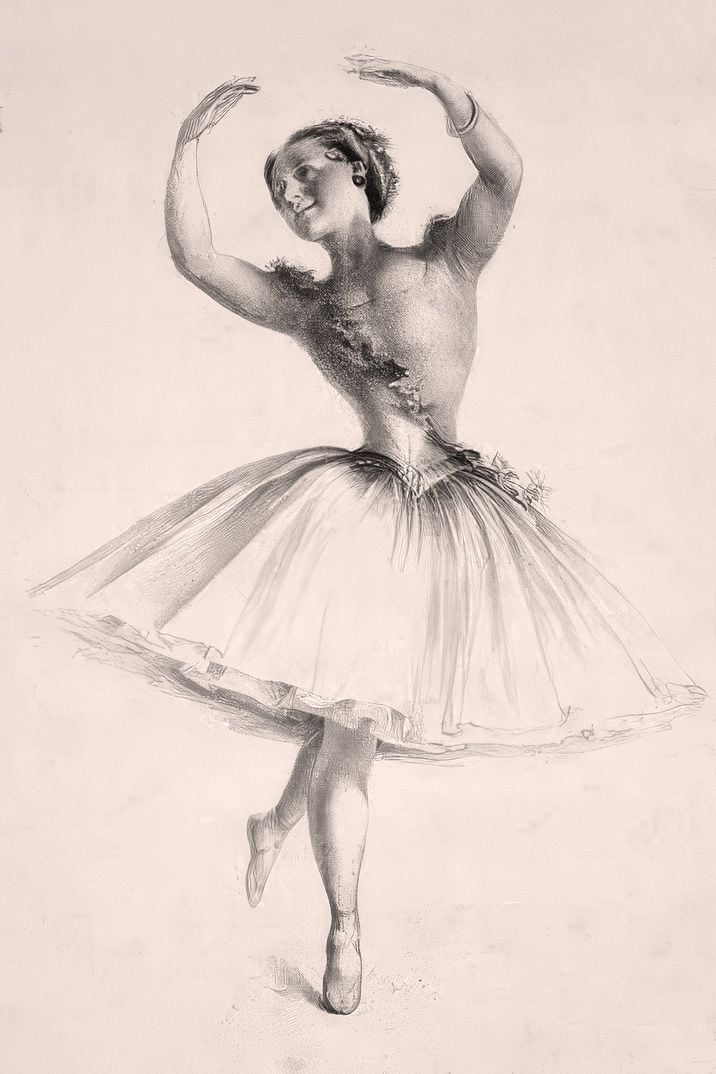
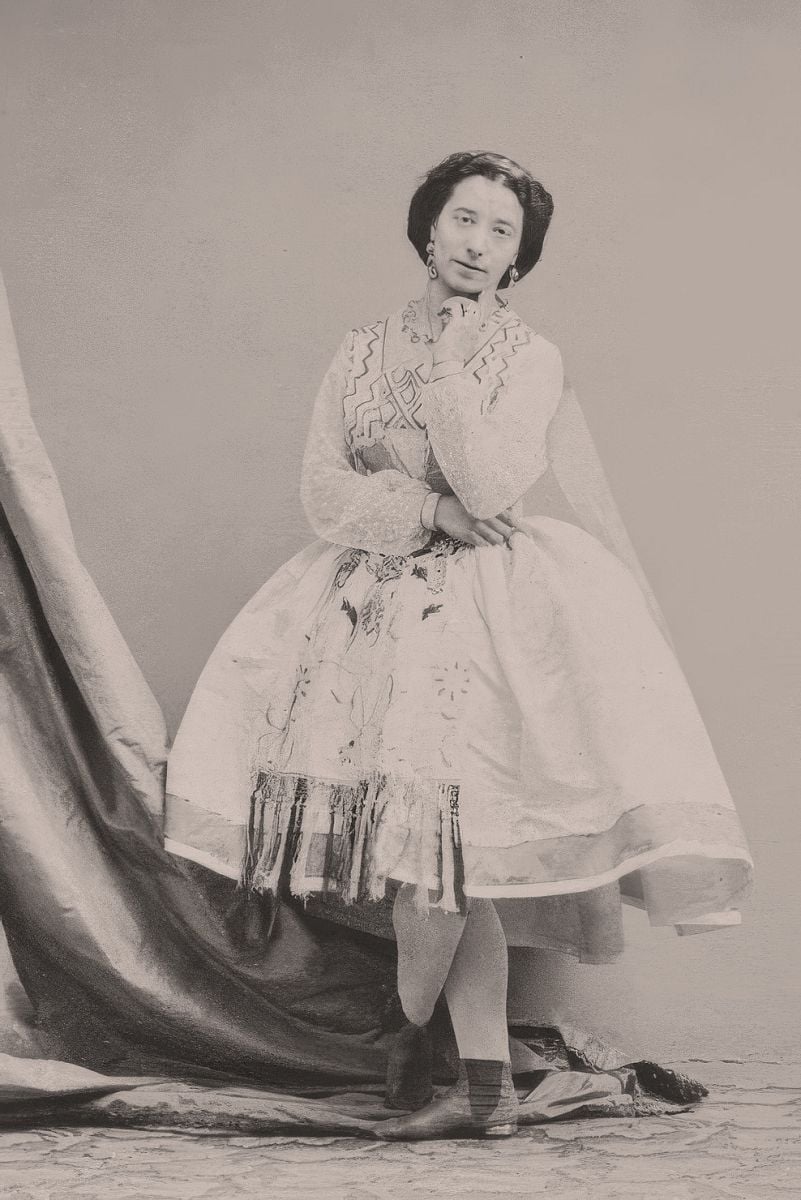
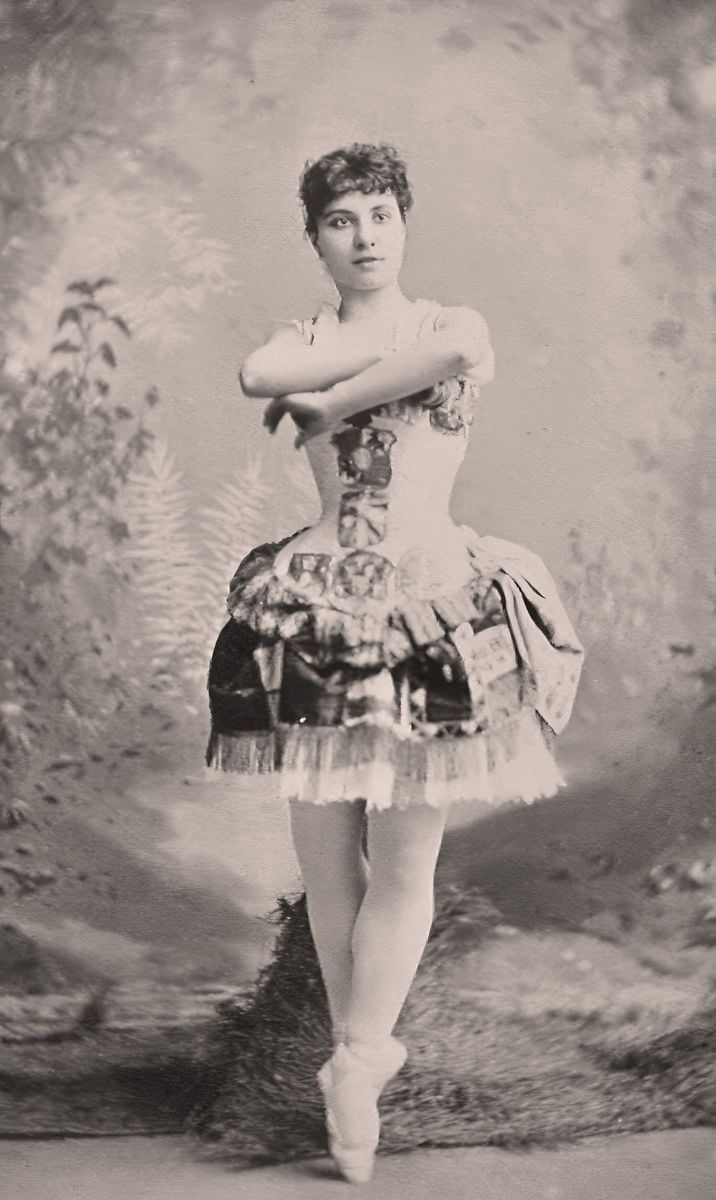
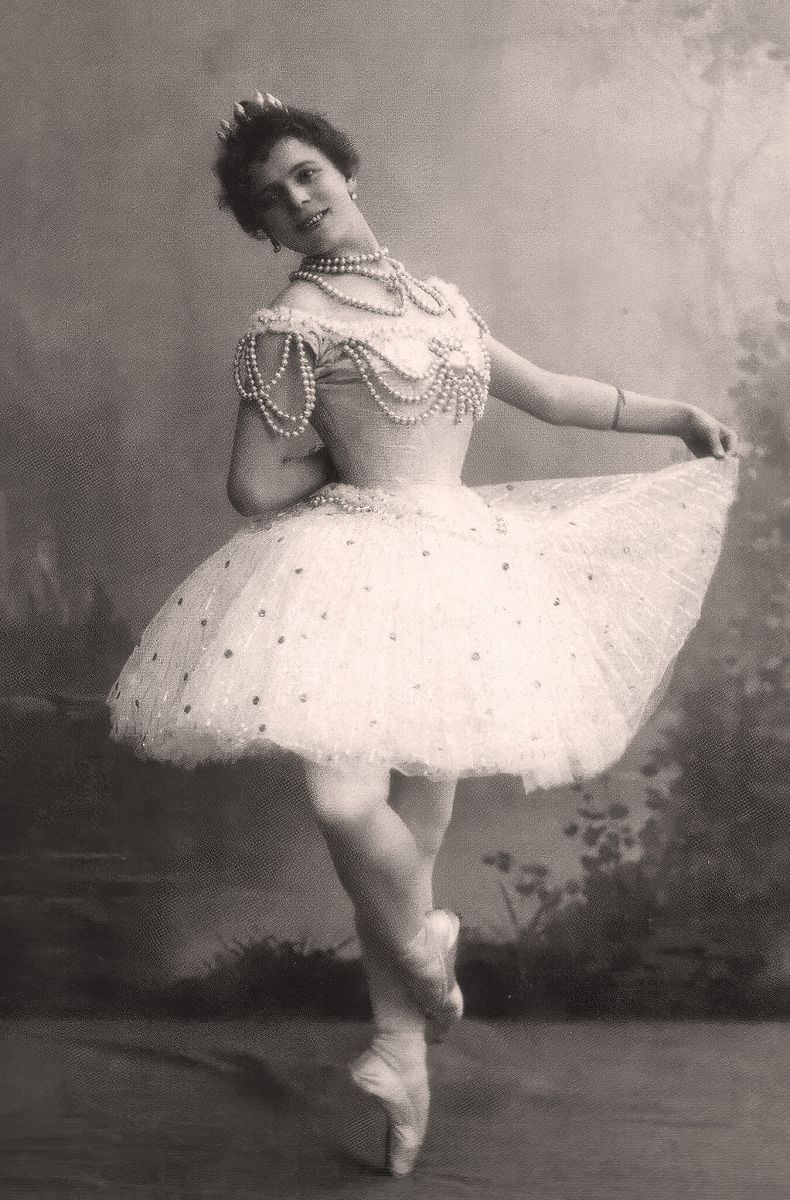
Some of their stories are triumphant. Caterina Beretta became prima ballerina at the Paris Opéra and the Mariinsky. She began teaching and her pupils over the years included Anna Pavlova and Tamara Karsavina. Eventually she returned to Milan to become director of La Scala’s Ballet School. Carolina Rosati, celebrated for her pointe work and dramatic mime, was for a time the highest-paid dancer at the Paris Opéra; her great rival Amalia Ferraris, a pupil of Carlo Blasis, was hailed as “the new Taglioni,” and the two are said to have once been pitted against each other in a ballet reportedly commissioned by Napoleon III himself.
Virginia Zucchi, “the Divine Zucchi,” carried Italian bravura technique to Russia in the 1880s, while Pierina Legnani went further still, becoming the first ballerina to perform 32 consecutive fouettés – a feat she unveiled in London in 1892 before astonishing Moscow and St Petersburg – and for her Petipa created the leading roles in Cinderella (1893), Swan Lake (1895), Raymonda (1898), and La Camargo (1901). Carlotta Brianza originated the role every ballerina has since aspired to, Princess Aurora in the original 1890 Sleeping Beauty, and returned to the stage at nearly sixty to dance the wicked fairy Carabosse in the same ballet for Diaghilev. Carlotta Zambelli, meanwhile, reigned for three decades as prima ballerina of the Paris Opéra and was prima ballerina at the Mariinsky for a year.
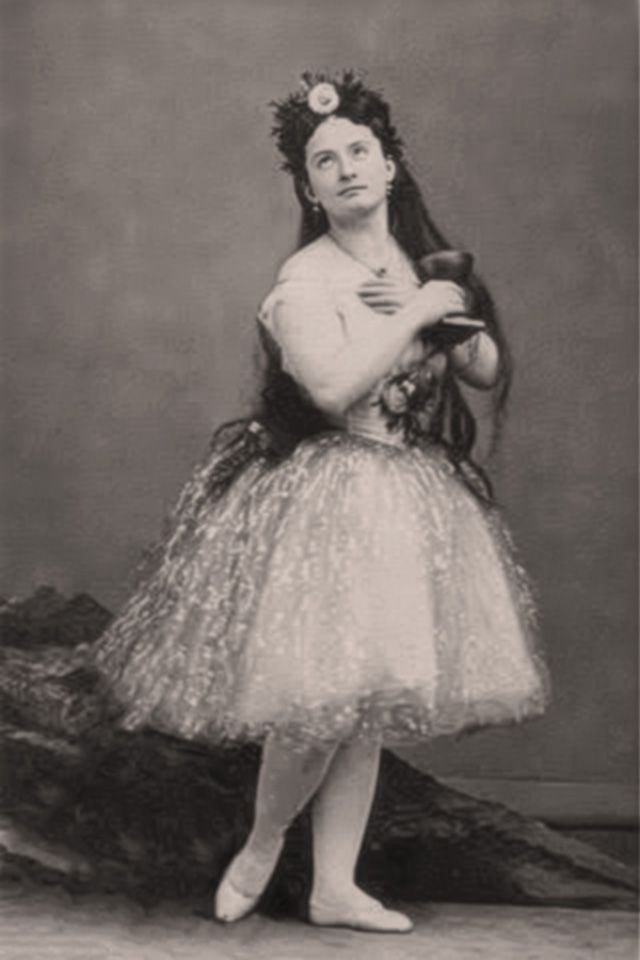
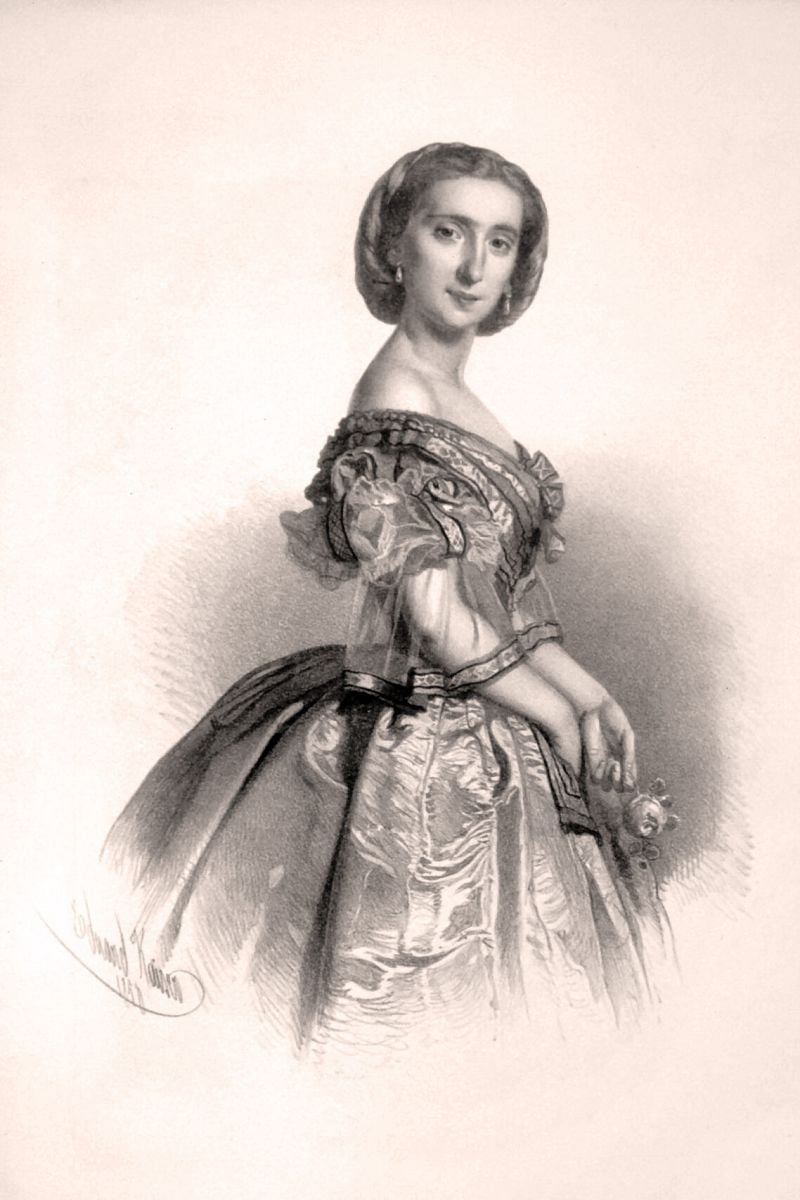
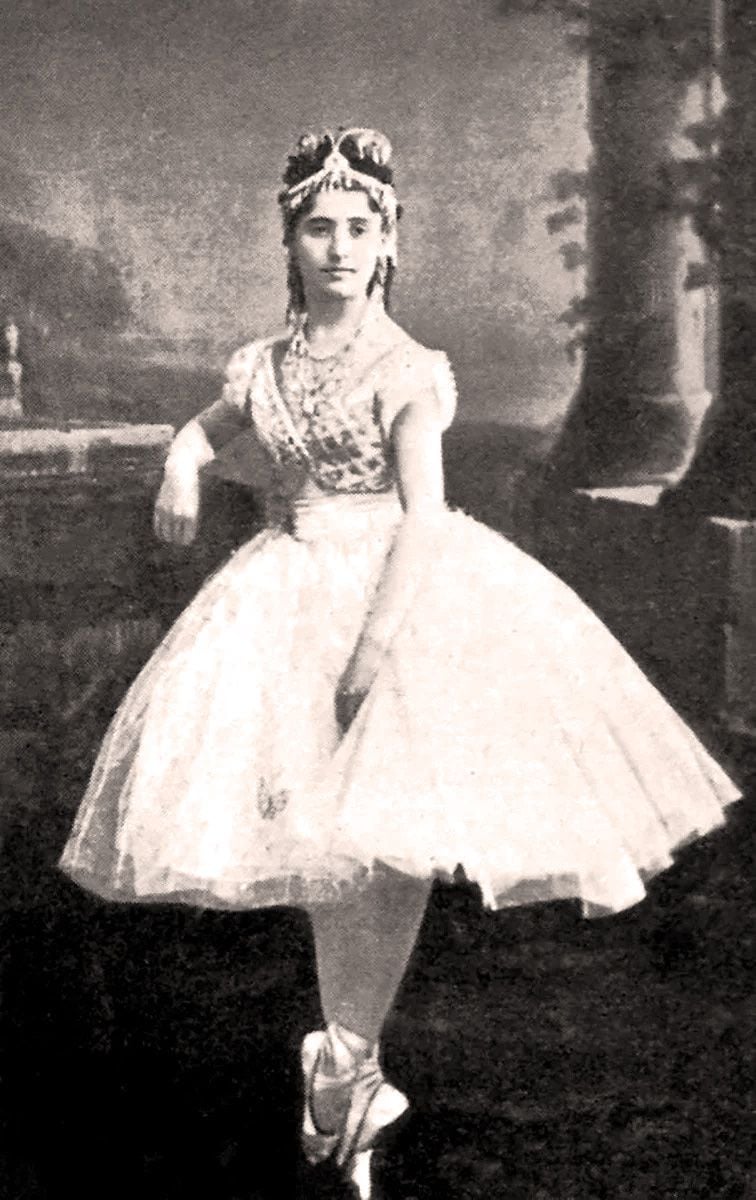
The stories of other careers carry more bitter notes, echoing the show’s title. Amina Boschetti debuted as prima ballerina at twelve and later choreographed her own ballets, one of which premiered on the very day she died of a heart attack when she was 44. Giovanna Limido overcame an unpromising physique to become a celebrated virtuosa, only to be dragged into a bitter, much-publicised rivalry with Zucchi that the press dubbed “La Zuccheide.” She fell ill while dancing in Paris and died at 39. Claudina Cucchi rose to international stardom before her career collapsed into alcohol and obscurity. She died penniless in a retirement home in Milan, but left behind one of the few first-hand accounts of a 19th-century dancer’s life, the 1904 memoir Vent’anni di palcoscenico (“Twenty Years on Stage”). And Giuseppina Bozzacchi is the most poignant of all eleven: discovered at fifteen, she created the role of Swanhilda in the world premiere of Coppélia in Paris in 1870, only for the Franco-Prussian War and the Siege of Paris to leave her without income or food; she contracted smallpox and died on the morning of her seventeenth birthday, six months after her triumph.
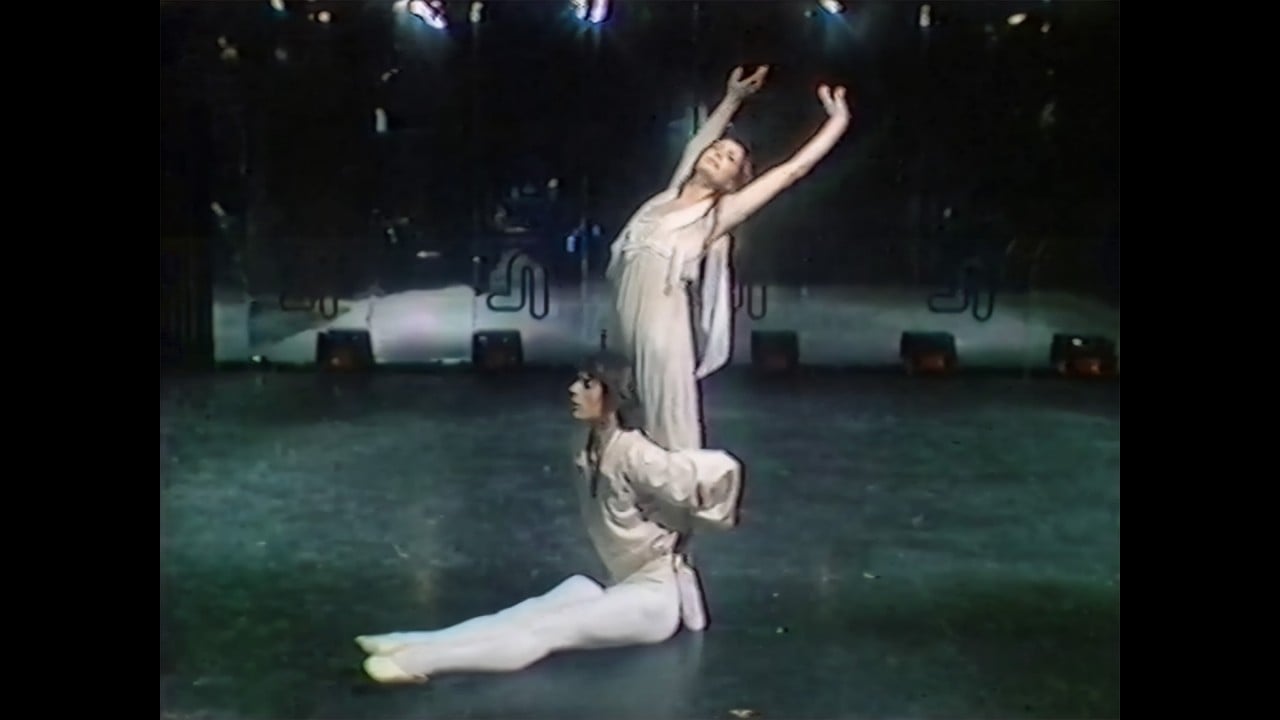
The video clip that we have uploaded to YouTube features a pas de deux from Splendori e miserie dedicated to Virginia Zucchi, which was filmed when it was danced on Italian television (and with Fracci nursing a fever). In 1891, Zucchi choreographed and featured in the Tannhäuser Venusberg Bacchanale in Bayreuth. The original choreography is lost, and this pas de deux to Wagner’s music was created for the 1984 show.
Alongside Carla Fracci, Gheorghe Iancu took on the mainly forgotten men who partnered these ballerinas in their day, though noted among them are Enrico Cecchetti, Pavel Gerdt and Nicolaj Legat, emphasising the connections between the Italian, Russian, and French traditions that shaped modern ballet
Taken together, the production was as much a piece of dance history as a piece of dance: eleven careers briefly restored to the stage, each requiring Fracci to shift style from one performance to the next, all while sustaining the sheer physical demand of the performances. It is the kind of feat that tends to go unmentioned in online highlight reels, but it says as much about Fracci’s stamina, curiosity, and sense of history as any of her signature roles.
For Fracci, herself the most famous graduate of La Scala’s School of Dance in the twentieth century, the production carried a special symbolic meaning. She was not merely performing historical characters; she was placing herself at the end of a distinguished artistic lineage. In a sense, the evening showed Carla Fracci as both storyteller and heir, celebrating the generations of dancers whose achievements made her own career possible.
This aspect makes the 1984 production particularly moving in retrospect: La Scala’s most celebrated modern ballerina paying tribute to the women who paved the way for her, while simultaneously affirming her place among them. At 48, dancing eleven pas de deux in eleven performances over twelve days, Fracci was not only commemorating history, she was demonstrating that she belonged to it.