Review: Ballet de Santiago in Swan Lake – the company’s energy and attack compensate for the weak dramatic narrative
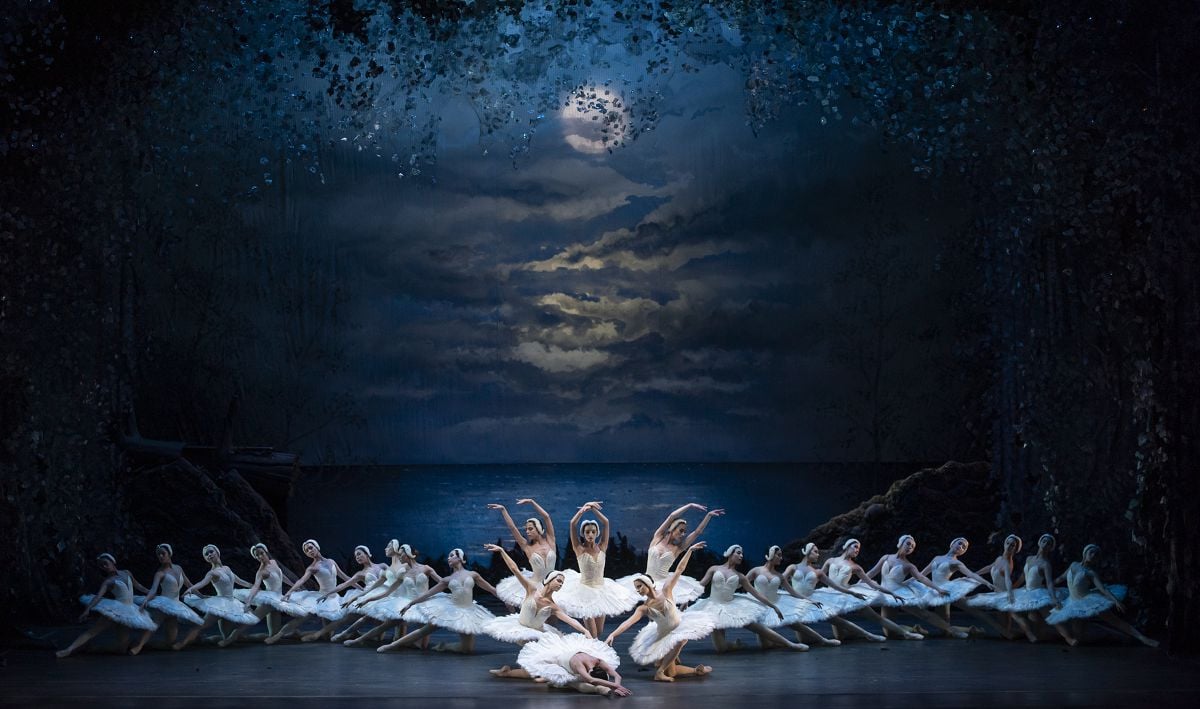
Matthew Paluch sees Swan Lake in Dublin with the Ballet de Santiago, where he found a company full of young, capable artists.
| Title | Swan Lake |
| Company | Ballet de Santiago |
| Venue | Bord Gáis Energy Theatre |
| Date | 21 August 2026 |
| Reviewer | Matthew Paluch |
If you have a background in dance, watching full-length ballets can be difficult. Once you’ve experienced expert storytelling and emotional depth, you can’t unsee it. Therefore, ballets like Swan Lake have a very high bar.
The Ballet de Santiago is in Dublin doing a week of shows at the Bord Gáis Energy Theatre and, as in town, I caught the Friday evening performance. The Ivan Nagy/Marilyn Burr production isn’t terrible, but it certainly has flaws. Most keenly: its lack of balance.
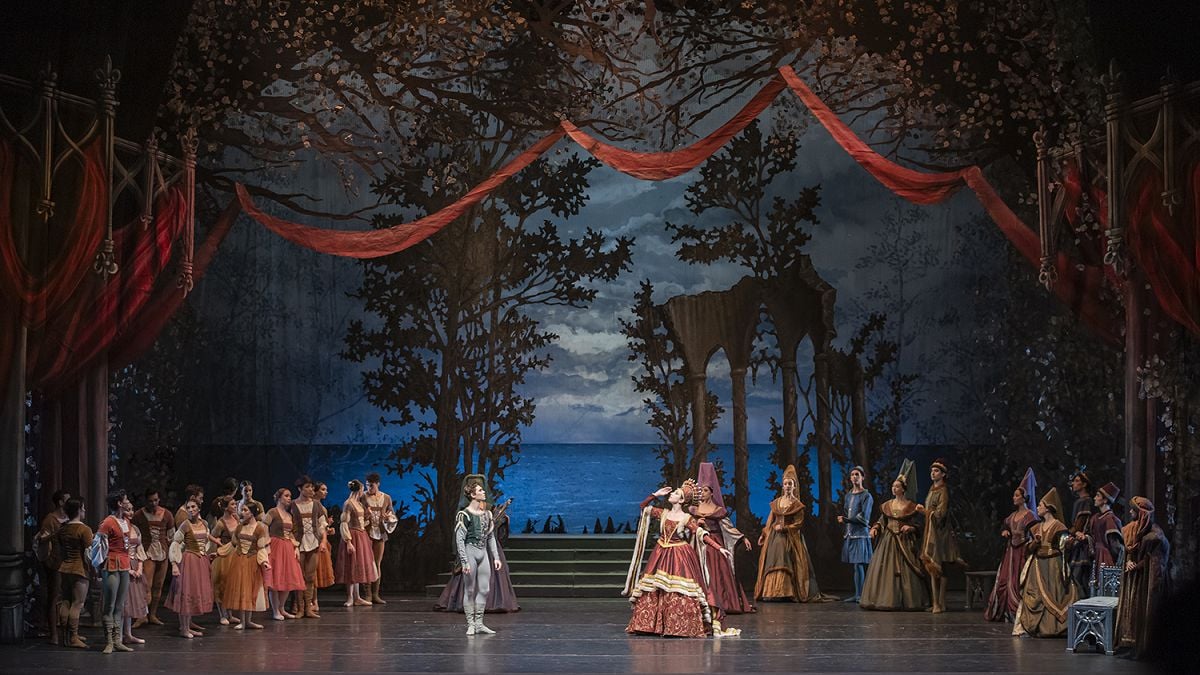
Long periods of nothing are followed by unnecessarily hard choreography, so in turn it often lacks narrative structure and ease of movement. To be clear, a lot of the dancing is very good – especially the men. But if a production, or the staging of it, doesn’t include serious mise en scène, and choreography that allows for accomplished execution and communication, then what are we all actually doing at the theatre? I’d argue the attention is on drinks and snacks.
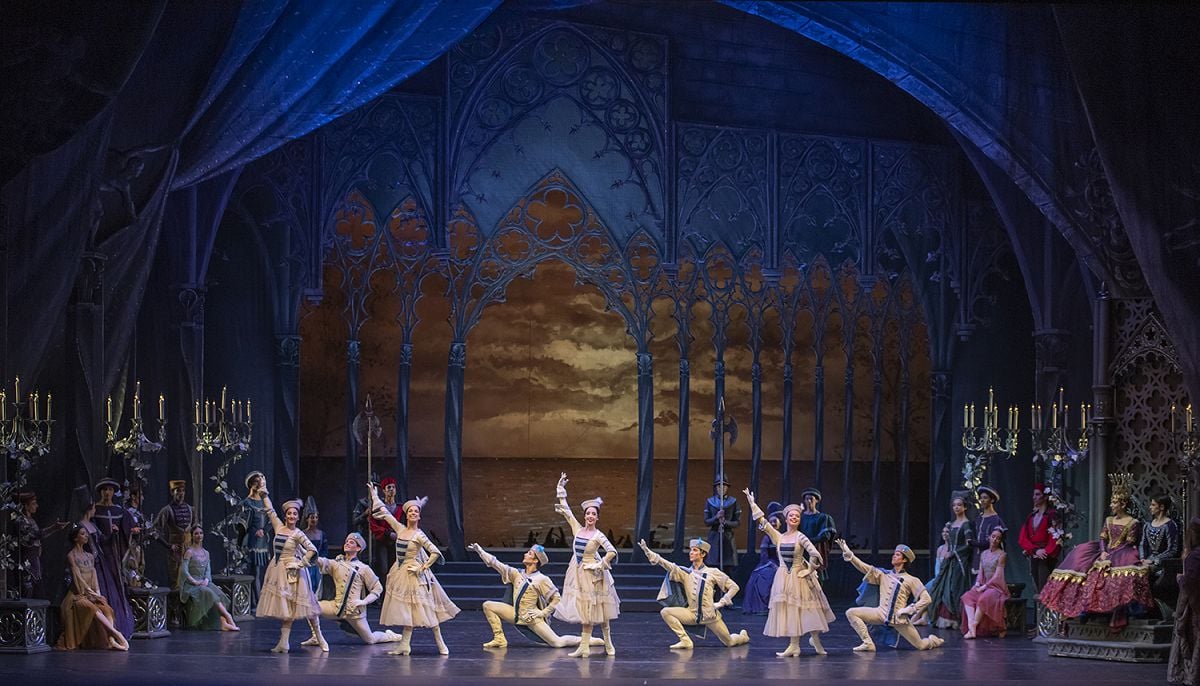
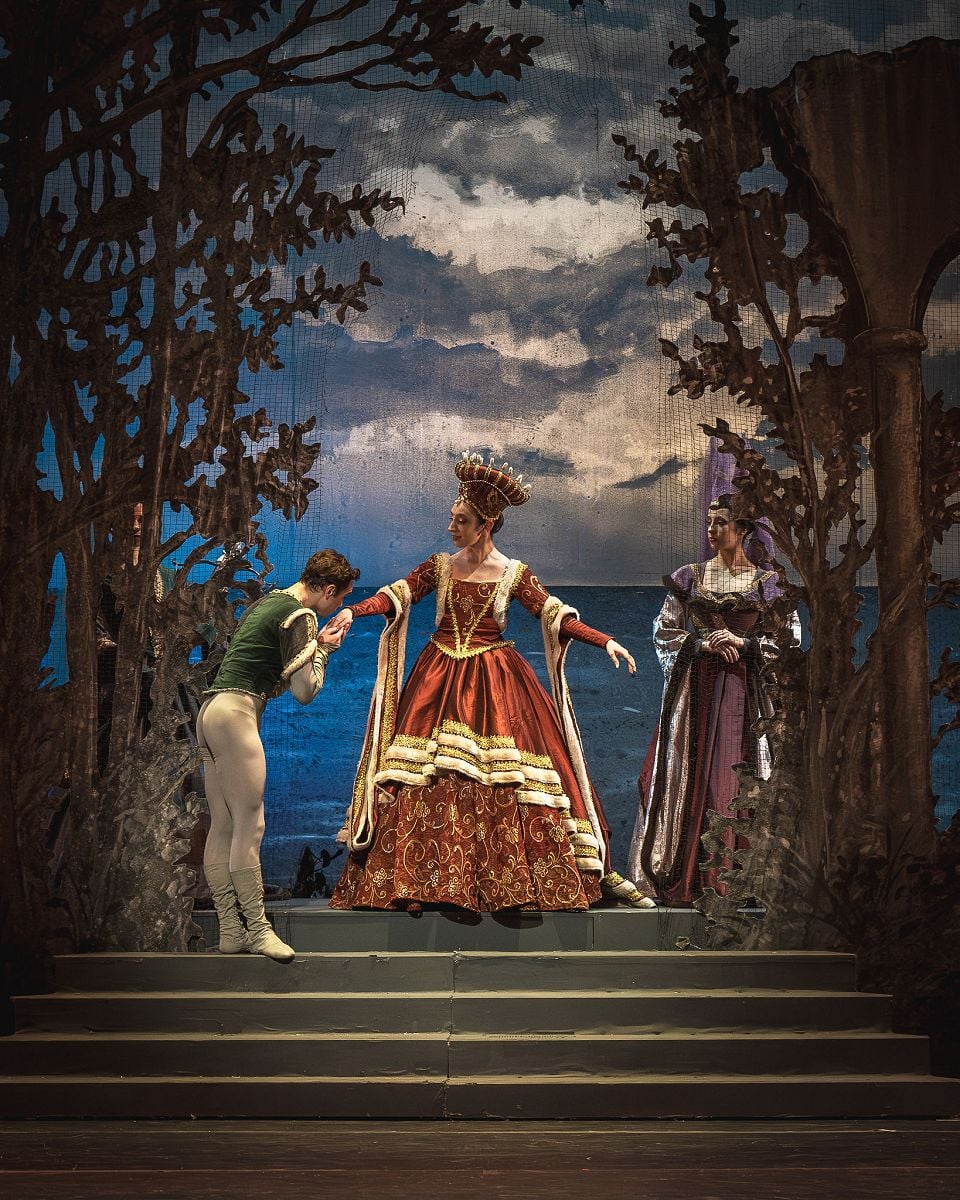
I found Acts 1 & 3 superior to 2 & 4 – the best dancing was to be seen in the Palace scenes. The company is full of young, capable artists, and their freshness is palpable. Energy and attack were everywhere, and thank god, as some of the choreography is more like a gauntlet than a celebration of dance. The Queen (unfortunately unnamed the cast list) made a lasting impression with a strong presence and clear, intentional mime. Her work stood out from the masses.
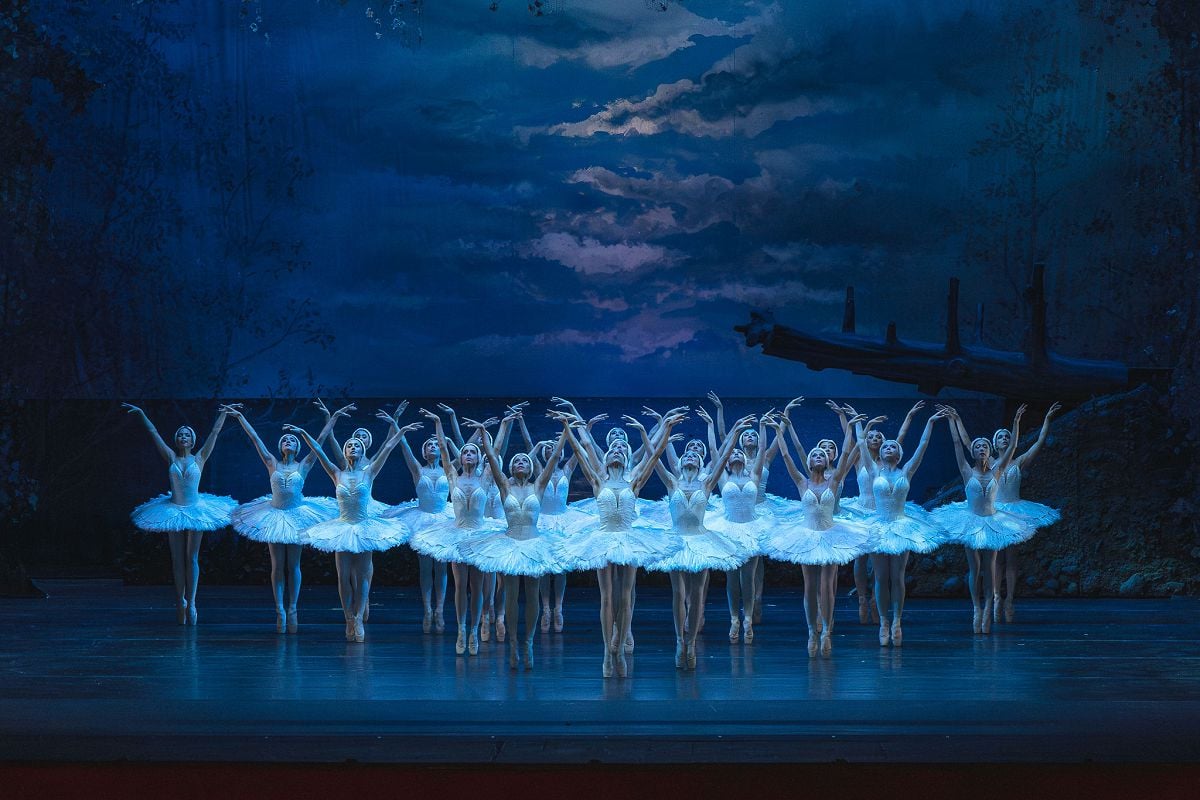
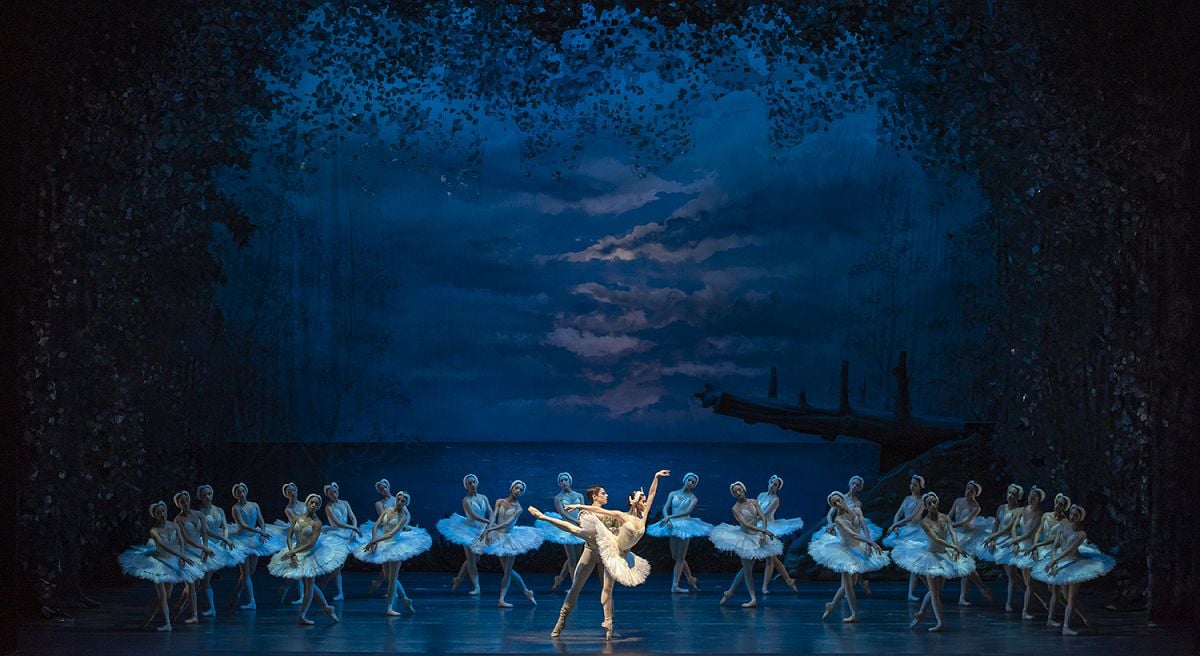
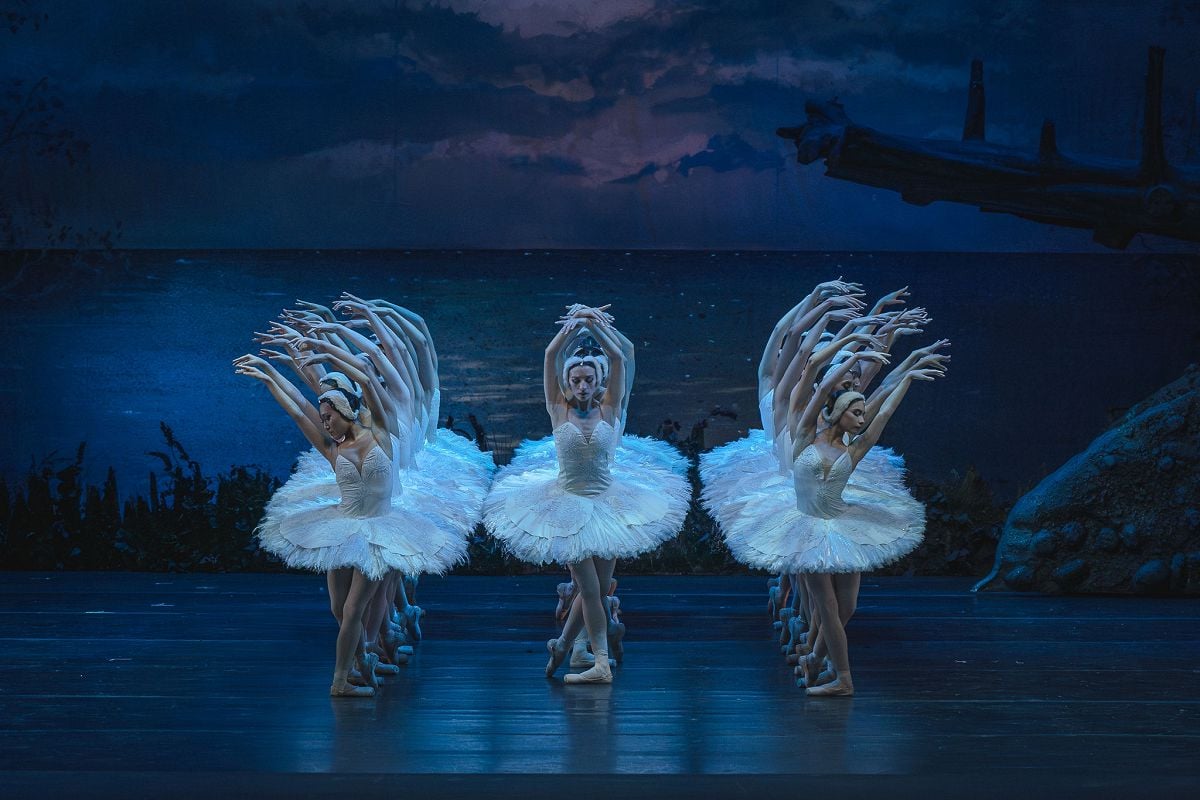
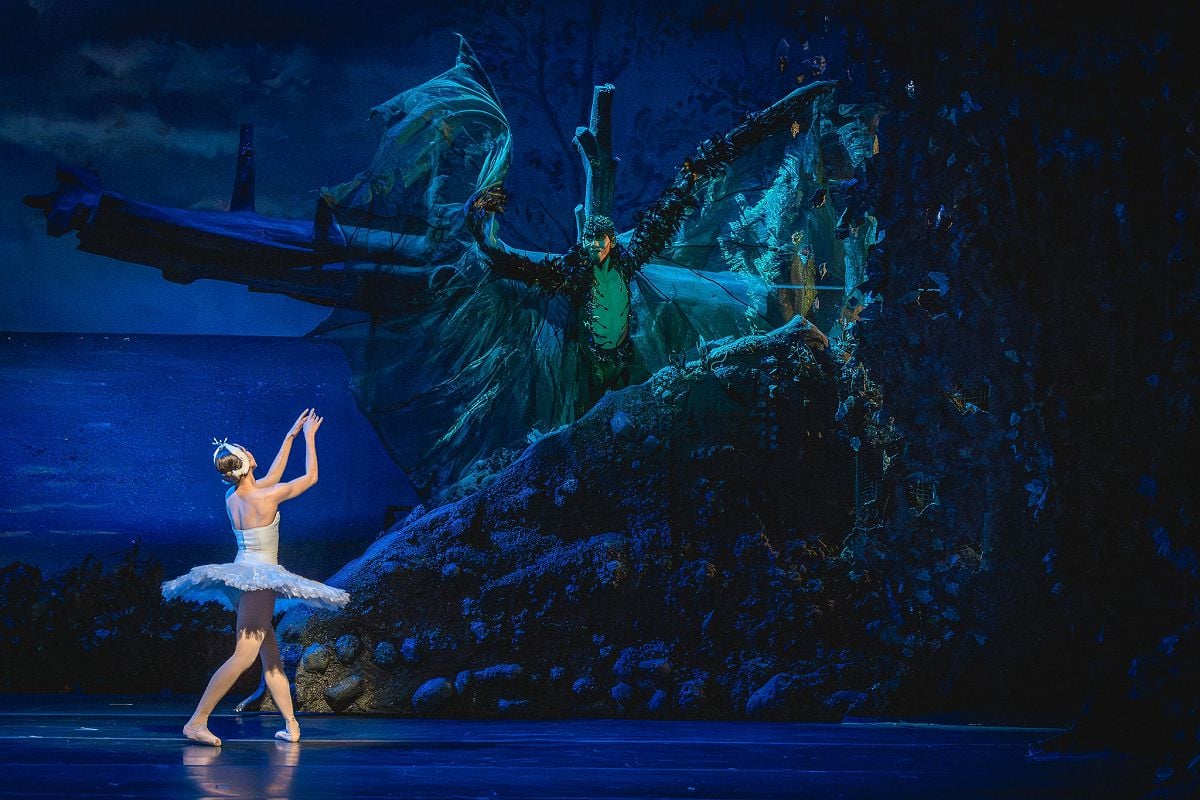
The White acts are legendary in Swan Lake, but this corps de ballet has a way to go. The dancers didn’t embody the swan character for me, so the individual issues start to arise – runs feel perfunctory rather than dramatically informed; port de bras reads empty; imperative alignment and uniformity are lacking. I could go on… but I’m sure you get the drift. The highlight was the crisp footwork of the Cygnets. Bravo ladies.
In Act 3, the character dances were highly enjoyable. Often, to the trained eye, these numbers lack commitment from dancers, but not here. Every single company member gave their all, and it paid off. Style and charm oozed, especially from Oriana Scheidegger as the lead Czardas. What a dancer.
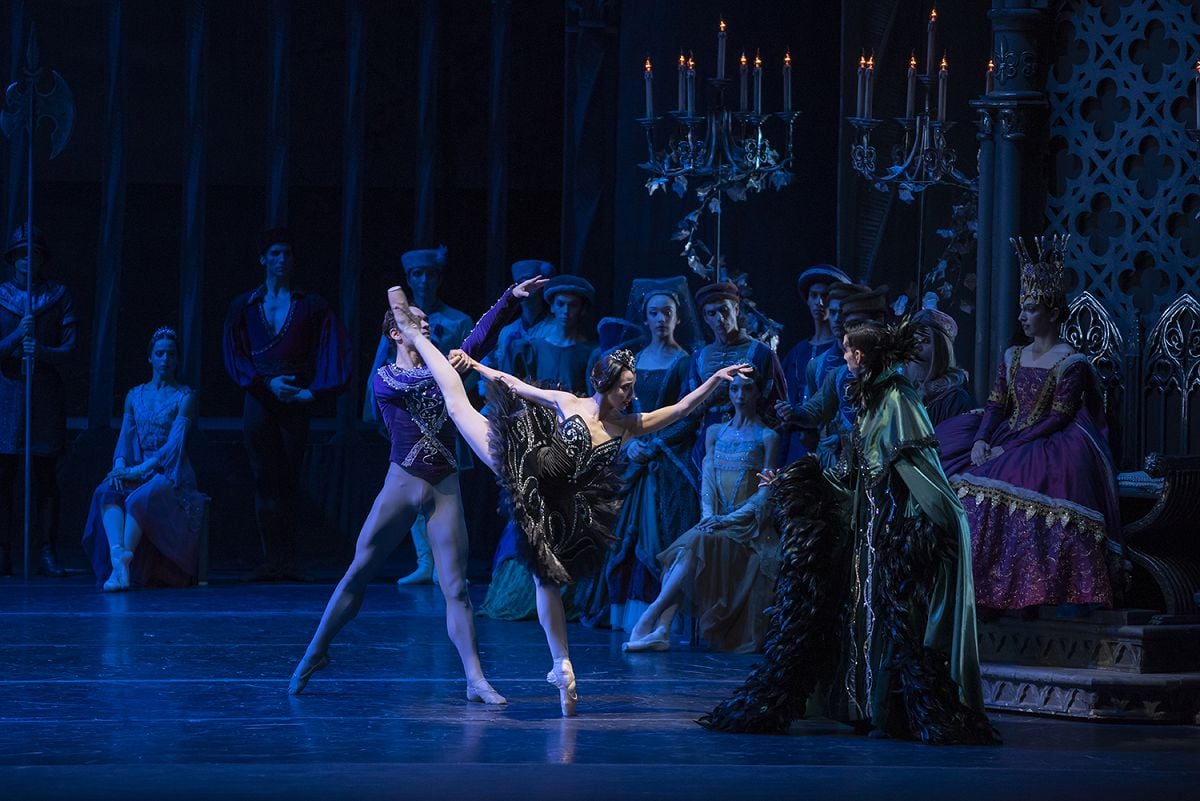
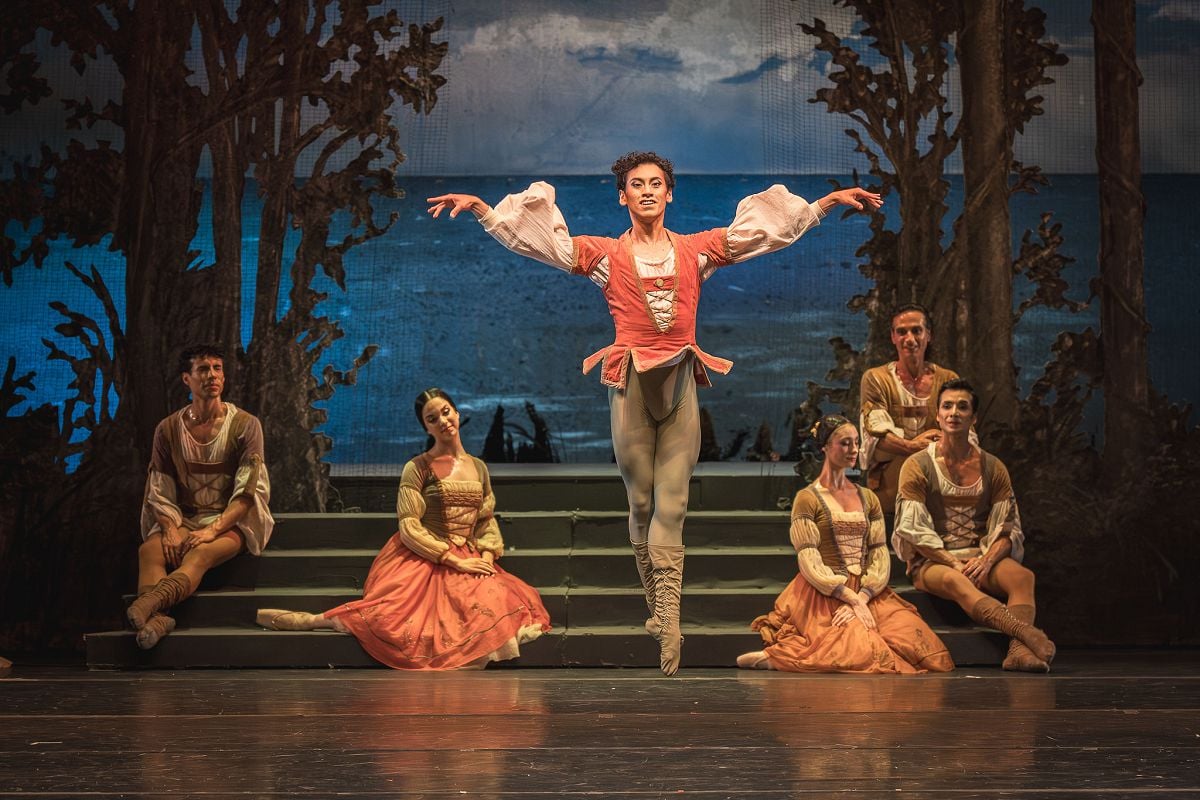
Felipe Arango as Prince Siegfried is a very capable dancer – clarity and strength allow him to have a subtle confidence on stage that speaks volumes, and his port de bras is extremely expressive. These are all very attractive attributes.
Laleska Seidel in the dual role of Odette/Odile had highs and lows. It’s clear she’s a very proficient dancer, with strong technique and admirable coordination, but she has a long way to go in relation to dramatic communication and the concept of ‘leading’ a ballet. From the circle, her expression levels don’t carry, and if you have a Swan Queen just going through the motions, albeit with technical prowess, Swan Lake isn’t going to go where it needs to.
Thank goodness for Tchaikovsky, and the live music by the RTÉ Concert Orchestra. Their playing wasn’t faultless, but the involvement and passion superseded any momentary blips. Choreographers and dancers just need to listen to the score, as everything the ballet needs is there for the taking. Structure and drama. In short – the music moved me, the production didn’t.