Sir Richard Alston (1948-2026): the choreographer who taught Britain to listen to dance
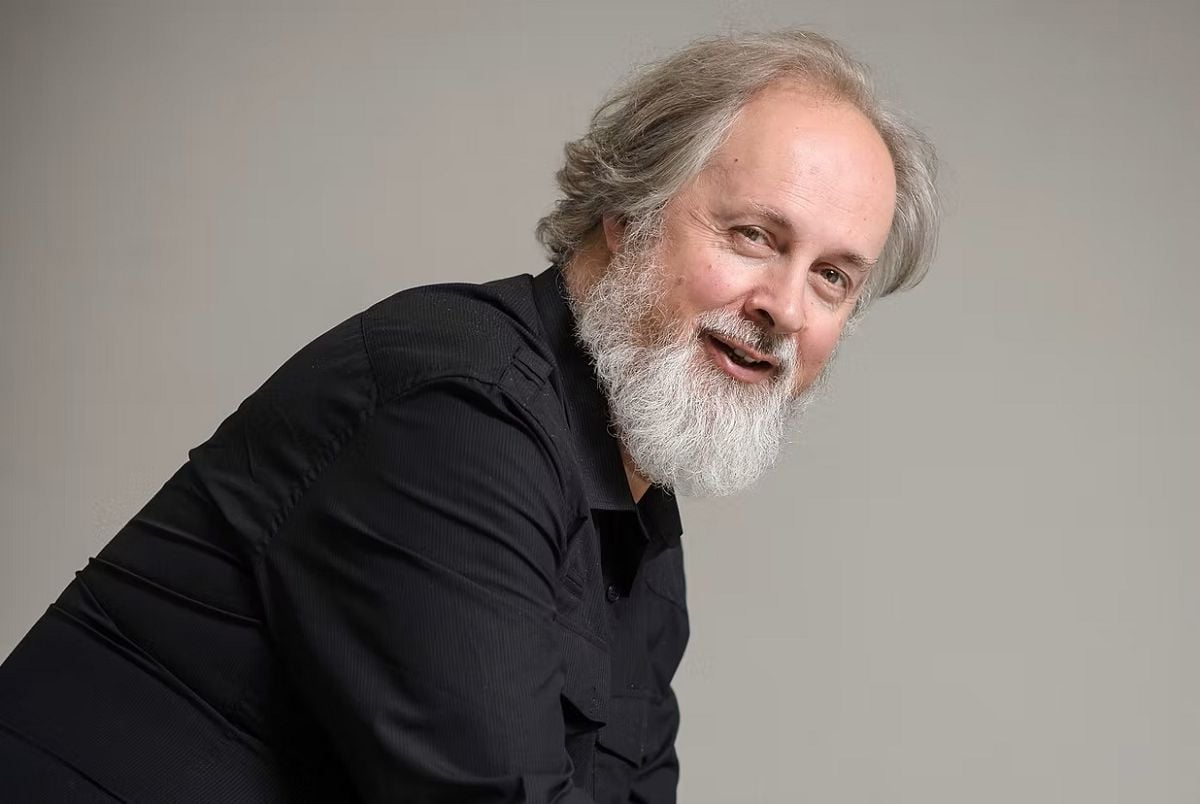
British contemporary dance has lost one of its defining figures. Sir Richard Alston, choreographer, teacher, artistic director and tireless advocate for dance, died on 7 September 2026 at the age of 77 after a period of ill health. His death was announced by the Richard Alston Foundation.
For more than five decades, Alston shaped the landscape of British contemporary dance. From his early years with London Contemporary Dance Theatre and the groundbreaking Strider collective, through his leadership of Rambert and later his own Richard Alston Dance Company, he developed a choreographic voice that was instantly recognisable for its musicality, clarity, elegance and speed.
The Foundation’s statement announced:
It is with deep sadness that we have to report the death of Sir Richard Alston. After a period of ill-health, and despite exceptional treatment at the Royal Free Hospital in Hampstead and the support of his closest friends, he passed away peacefully at his home on 7 September. While Richard is best known for his extraordinary career and contribution to contemporary dance, we will also remember him for his wit, warmth and generosity of spirit.
Jonathan Gray, former editor of Dancing Times magazine, and a friend and colleague of Alston, said:
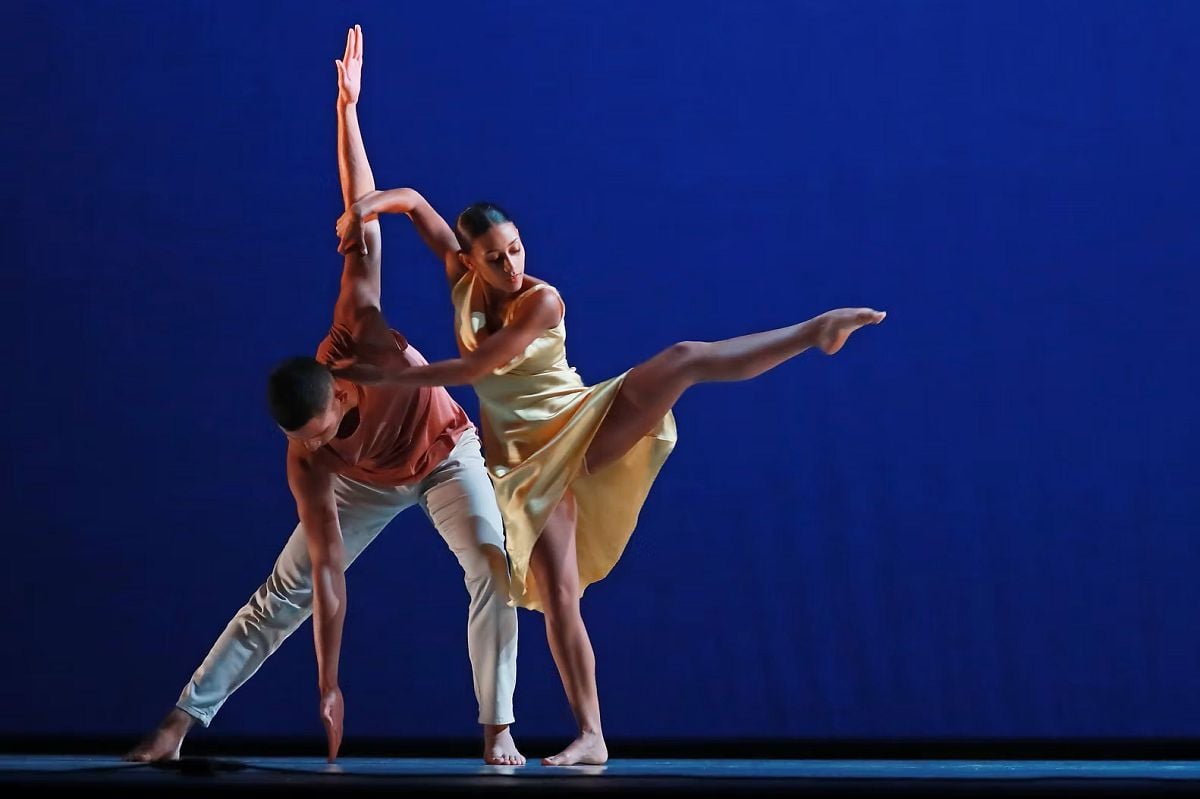
With the death of Richard Alston, the world has lost one of its finest, most musical choreographers. His work was always lucid, beautifully crafted and musically incisive, and often performed against wonderful designs by some of the UK’s leading artists, including Howard Hodgkin and John Hubbard.
But not only have we lost a wonderful dance-maker, but a kind, warm and articulate man who took a deep interest in all forms of dance. Often, I would bump into him at the most unlikely of performances, and he was always a man to cheer on and support the younger generation.
He also had a mischievous side, tantalising one with stories about his father (who may, or may not have been a spy for the British government), and I especially remember the delight he took, at a student dance competition we both attended, in selecting the one dancer who was the underdog to be the winner.
He had a remarkable eye for talent, and he created an ensemble of dancers – both at Rambert and with his own company – that could not be bettered. I am shocked by the news of his death, and feel the dance world has suddenly become much poorer without him.
Born in Stoughton, Sussex, on 30 October 1948, Alston studied at Croydon Art College before joining the newly established London School of Contemporary Dance in 1967. He quickly emerged as a choreographic talent under the guidance of Robert Cohan and became one of the key architects of the independent British dance movement of the 1970s. In 1972 he co-founded Strider, a collective now widely regarded as a starting point for British postmodern dance.
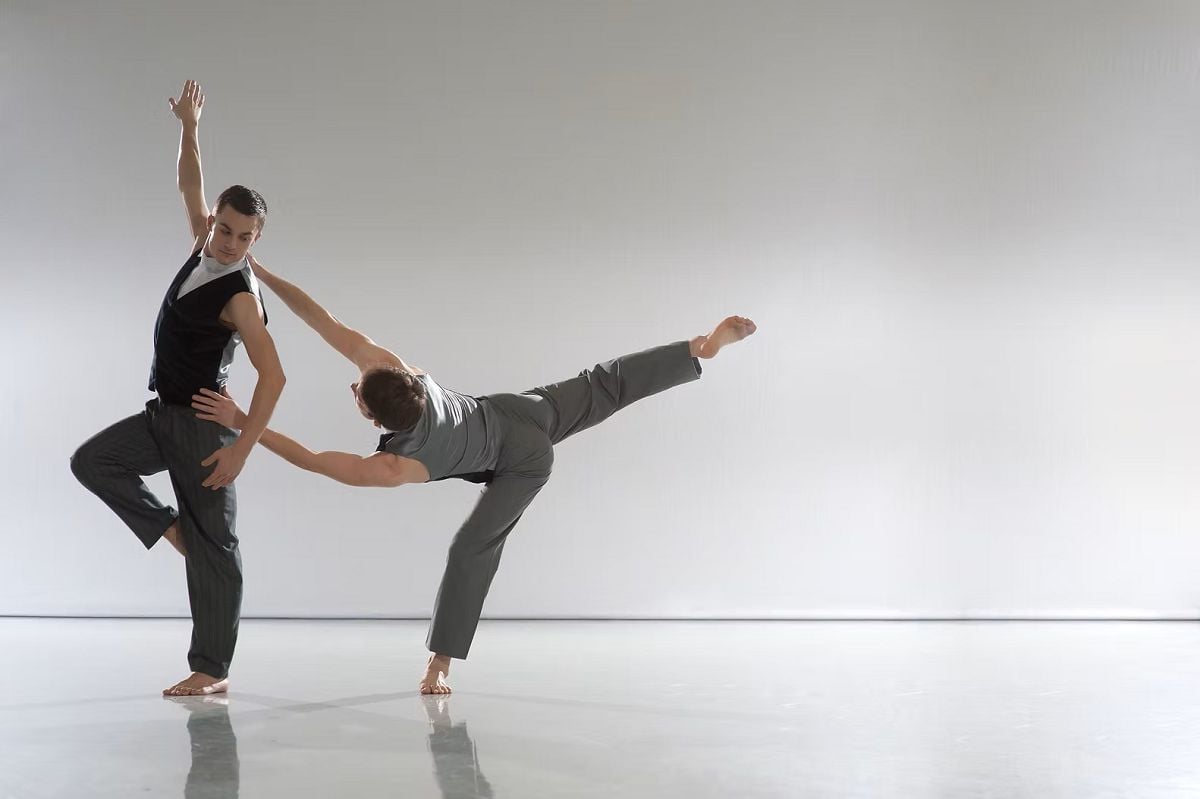
A formative influence was the American choreographer Merce Cunningham. Alston later spent two years in New York studying and creating work at the Cunningham Studio, an experience that profoundly shaped his artistic outlook. Yet he never became a mere disciple. Over time, he forged a distinctly British choreographic language, marked by flowing movement, intricate footwork, expansive use of space and an unusually close relationship with music.
In 1980 he became resident choreographer with Rambert, later serving as artistic director. His tenure transformed the company, helping establish it as one of Britain’s leading contemporary ensembles. The critic Alastair Macaulay wrote that Alston’s years at Rambert “remain an artistic high-water mark for British dance theatre.”
From 1994 until 2020 he led the Richard Alston Dance Company at The Place in London, creating more than 50 works for the ensemble and mentoring generations of dancers and choreographers. His influence became so pervasive that dance students coined the adjective “Alstony” to describe a particular quality of movement and phrasing.
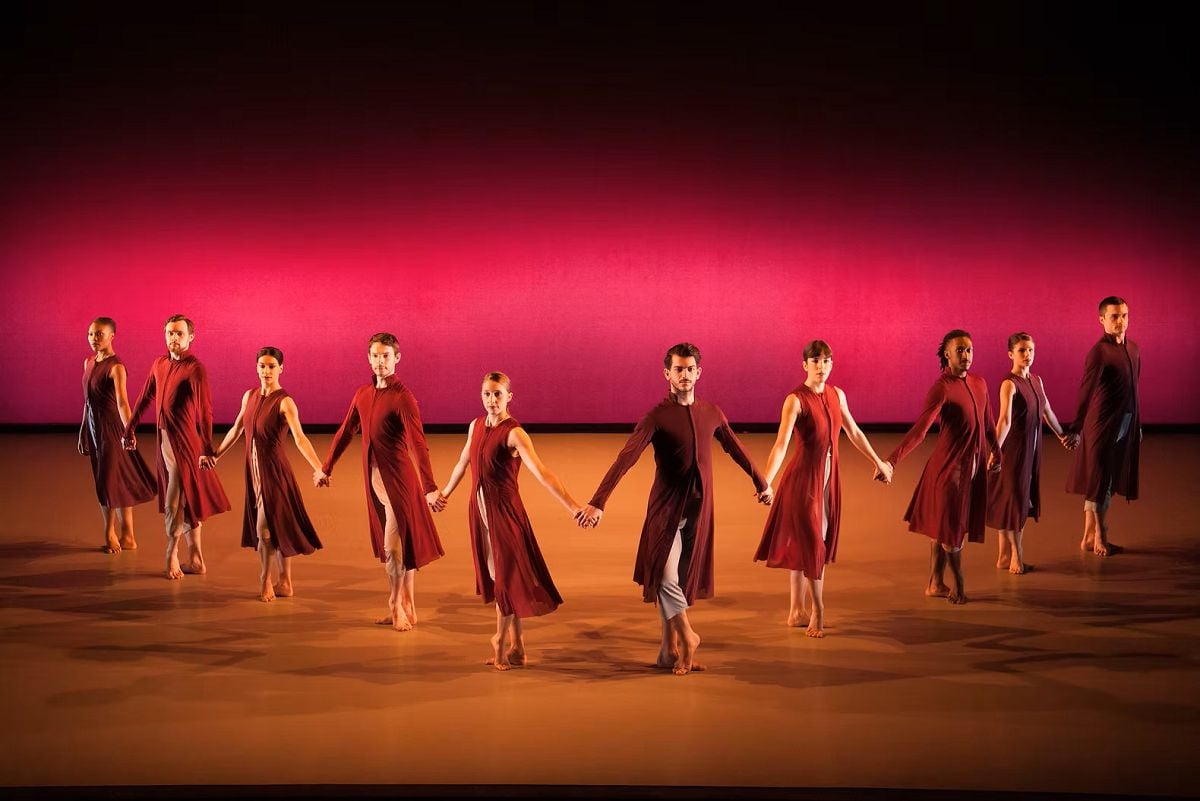
Alston’s relationship with music was central to his art. Whether choreographing to Bach, Britten, Monteverdi or contemporary composers, he sought movement that revealed musical structure rather than illustrating narrative. Writing in The Guardian in 2013, he explained his attraction to Benjamin Britten‘s scores:
The simple answer is that his music breathes. It rises and falls, often with the voice, in lucid phrases that have a palpable sense of physical movement.
His devotion to music earned admiration across the dance world. In a tribute following his death, The Place described the “lifelong conversation with music” that shaped “every dance he ever made”.
Alston’s achievements were widely recognised. He was appointed a Chevalier dans l’Ordre des Arts et des Lettres by the French government in 1995, received a CBE in 2001, and was knighted for services to dance in 2019.
Beyond choreography, he was a gifted teacher whose influence spread through studios, schools and universities. Many leading artists encountered his work through training programmes, youth dance initiatives and examination syllabuses. Trinity Laban noted that his choreography became a familiar part of GCSE and A-Level dance studies, introducing thousands of young people to contemporary dance.
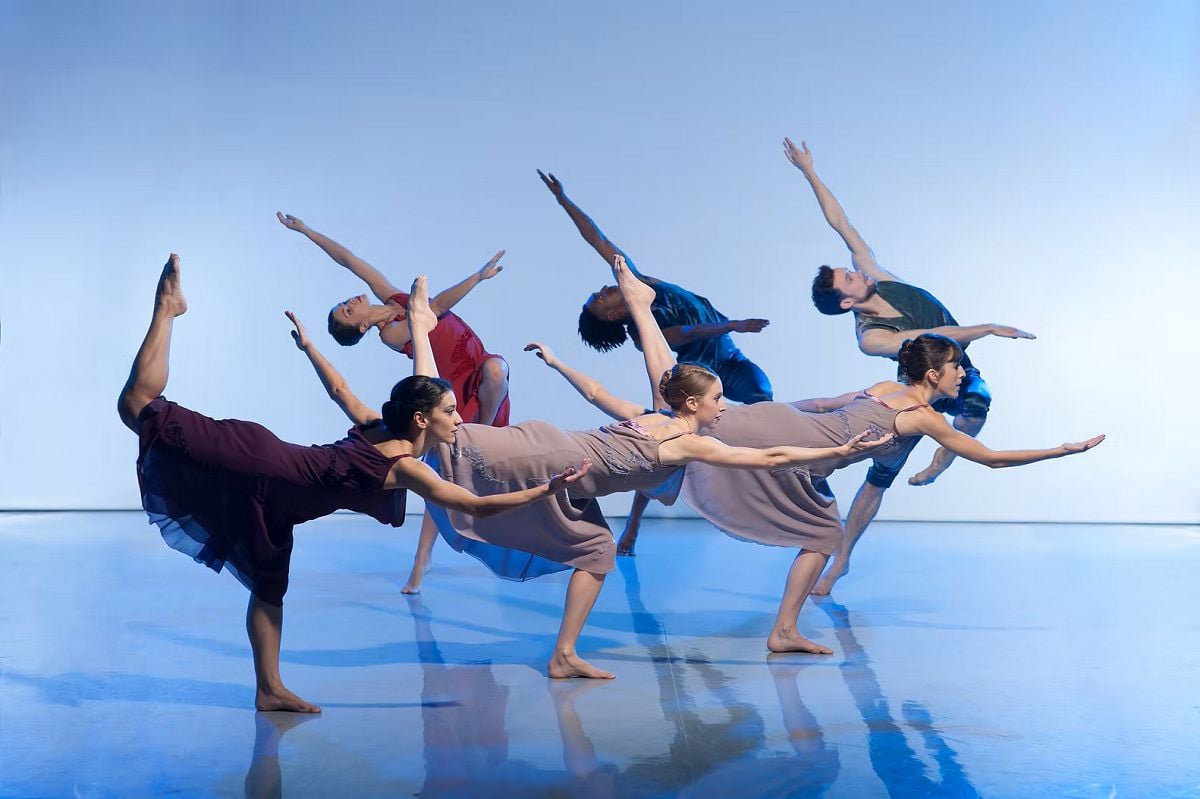
Looking back on his career, Alston often traced everything back to a teenage fascination with dances where movement and music seemed to breathe together. From Les Sylphides and Fonteyn’s Giselle to the influence of Merce Cunningham and Viola Farber, he spent a lifetime pursuing that ideal.
In an interview with Alastair Macaulay for Voices of British Ballet, Alston mentions a life-changing encounter with ballet. When sixteen and seeing the Bolshoi in London, while audiences complained when spectacular crowd-pleasers such as Flames of Paris were replaced, Alston was delighted because it meant seeing the Les Sylphides pas de deux again, “All the audience would moan and I would go, ‘Oh, goody!'”
Even as a teenager, he was drawn less to spectacle than to musicality, lyricism and pure dance.
He saw Margot Fonteyn and Rudolf Nureyev in Giselle, “It’s the first time that I left the theatre in what I call a trance,” adding, “When Margot was ‘on’ and when she was really on form in the second act of Giselle, she was absolutely mesmerising, and I was just gobsmacked.”
As an art student in 1960s London, he was drawn to the collaborations between choreographers and visual artists, particularly Isamu Noguchi’s work with Martha Graham. Alston’s works were often praised for their compositional clarity and spatial design. He approached choreography with an artist’s eye.
Merce Cunningham changed everything. Alston disliked the physical demands of Martha Graham floor work and was immediately captivated when he was taught by Cunningham dancer Viola Farber, “Get up, we’re going to start standing.” He described Farber as “the wild side of Merce” and said, “She had a huge influence on me because she really showed me there was another way of moving.”
Although Alston became renowned for choreography of exceptional musicality, he explained that he initially avoided setting dances closely to music because, “I didn’t think I’d invented a language where I could deal with the kind of music that I loved.” The turning point came through reading John Cage‘s book In Silence:
That brings me also to something very odd, but hugely important to me. In the book, In Silence, which is John Cage’s first book, there is an article called Grace and Clarity, which he wrote quite early on when they [Cage and Cunningham] were doing their first solos.
This was a revelation to me because here was John Cage, who I knew as Merce’s collaborator, writing about how in Giselle the movement and the music breathed together, and that this is why the audience could watch countless performances of Giselle, even if they weren’t really interested in Wilis, or whatever. And I thought, “Oh! My goodness. This is why I used to…”
The idea of dance and music breathing together runs through his entire career. “I don’t get stuck because I have such a love of making movement and also, most importantly, I work with music,” adding, “For me, it’s the flow of movement. It’s the phrase of movement. It’s like spoken language.”
Tributes have come from across the dance community. Choreographer Akram Khan recalled first knowing Alston as a student and praised both his artistry and generosity:
Like so many of us, I grew to know Richard as a student, looking up to him as I began to find my own way in contemporary dance.
It is now our collective responsibility to ensure that the legacy of these great leaders of British contemporary dance continues to inspire and is passed on.
The Place perhaps captured his legacy most succinctly:
His legacy cannot be measured by honours or dances alone. It lives in the dancers who still carry his movement in their bodies.
That legacy is immense. Richard Alston helped define what contemporary dance could be in Britain: intelligent without being academic, musical without being decorative, and deeply human without relying on narrative. His dances continue to move across stages and through the bodies of dancers he trained, worked with and inspired. Few choreographers have left such a lasting imprint on British dance.