Review: Naharin’s Venezuela and Cherkaoui’s Fall at Visavì
Croatian dancers spit out rap lyrics in Naharin’s two-part Venezuela, while Serbian dancers fall and rise to Pärt in Cherkaoui’s Fall, three days after its Novi Sad debut
| Title | Venezuela | Fall |
| Company | Visavì Gorizia Dance Festival |
| Venue | Teatro Comunale Giuseppe Verdi, Gorizia | Slovene National Theatre |
| Date | 16-17 October 2026 |
| Reviewer | Graham Spicer |
The Visavì Gorizia Dance Festival features many events across the area, with small-scale works in studio theatres, open air, foyers, and alternative spaces. However, every evening a major work is performed in one of the area’s large theatres; I saw two of these, both National Premieres.
Gorizia’s Teatro Comunale Giuseppe Verdi presented Ohad Naharin’s Venezuela with the ballet company of the Ivan Zajc Croatian National Theatre in Rijeka. Coincidentally, the Croatian theatre was also named after Giuseppe Verdi in the first half of the 20th century, but from the 1950s it adopted the name of the Croatian composer Ivan Zajc.
Venezuela has nothing to do with the country; it is a Hebrew play on words by the Israeli choreographer, who wanted a title that reflected the two-part work, where the second half repeats the first. His original title meant something only to Hebrew speakers, so he shortened it and was left with Venezuela: “I really like the word… it looks good phonetically.”
The second half is more or less a repetition of the first, though with different dancers and changes in lighting and props. That déjà vu sensation is quite comforting and revealing and, as it comes so soon after the first viewing, it is natural to anticipate the next moves.
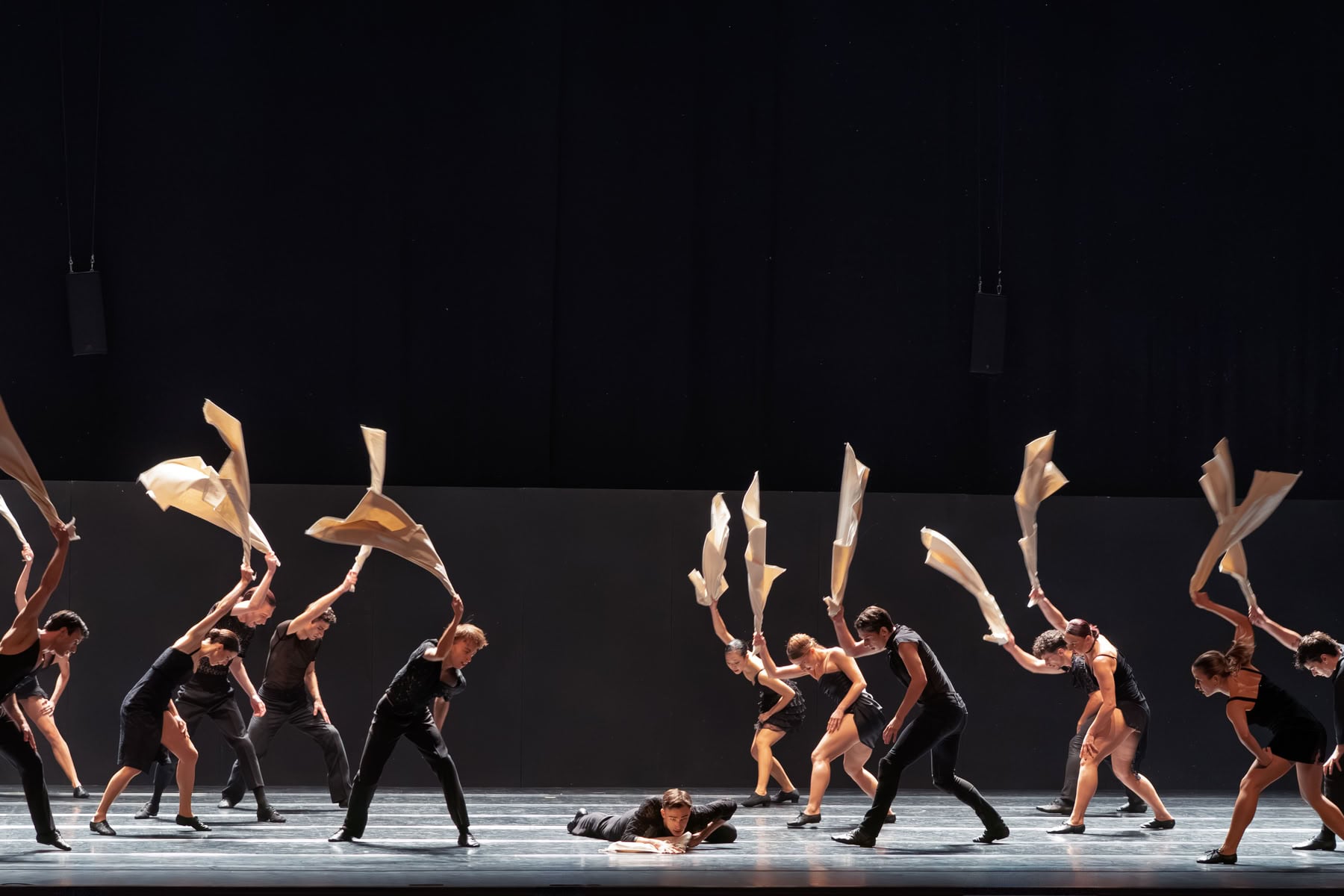
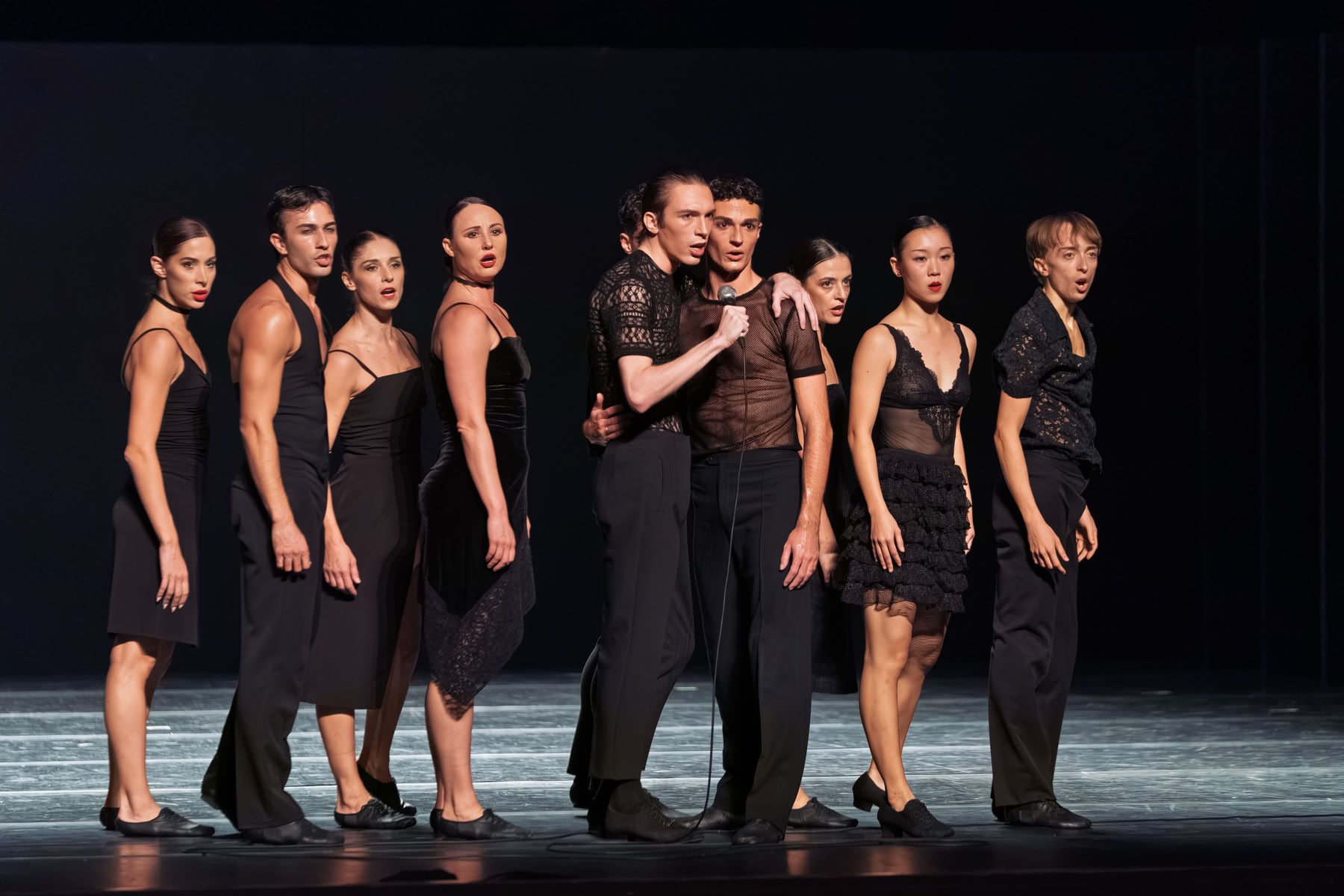
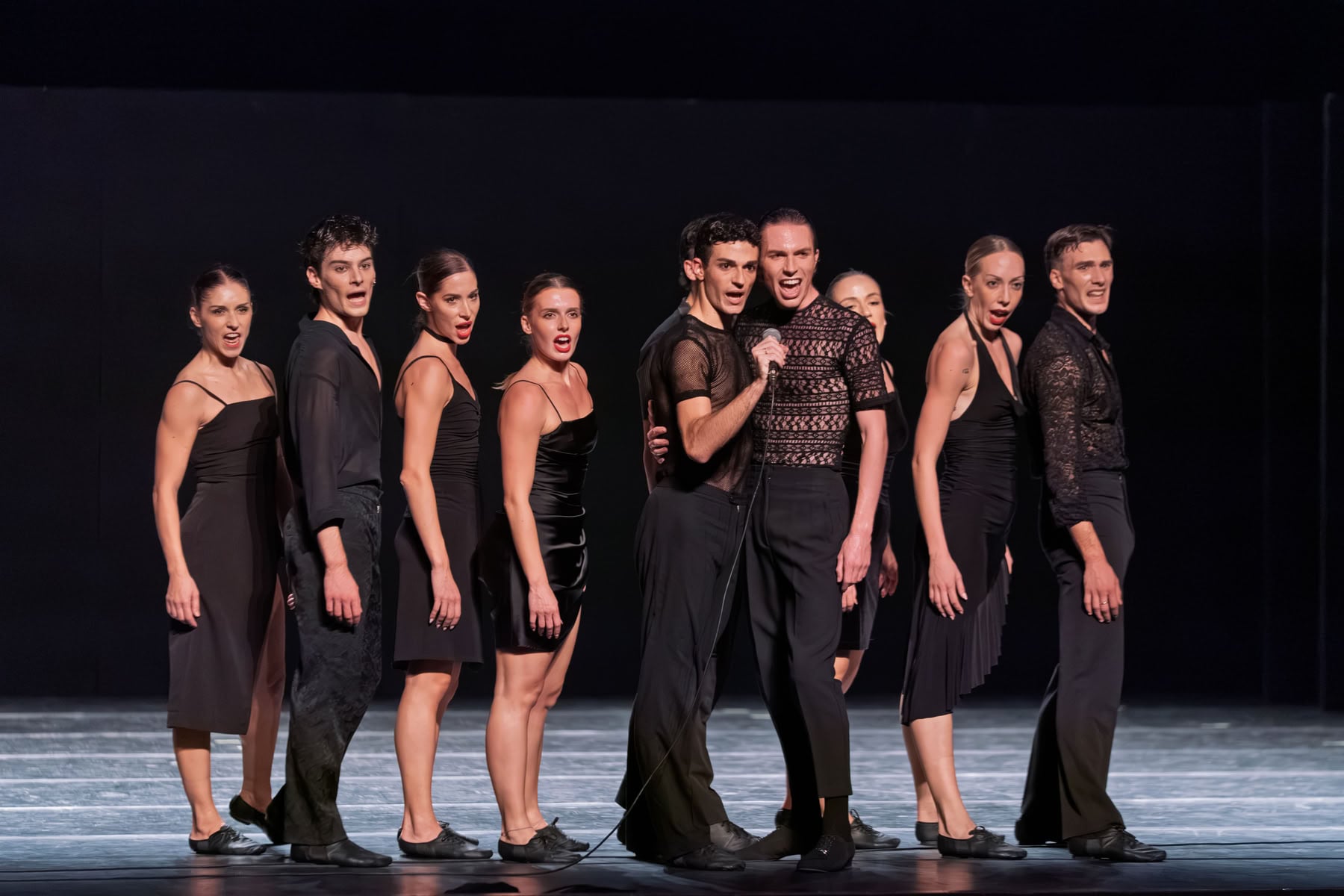
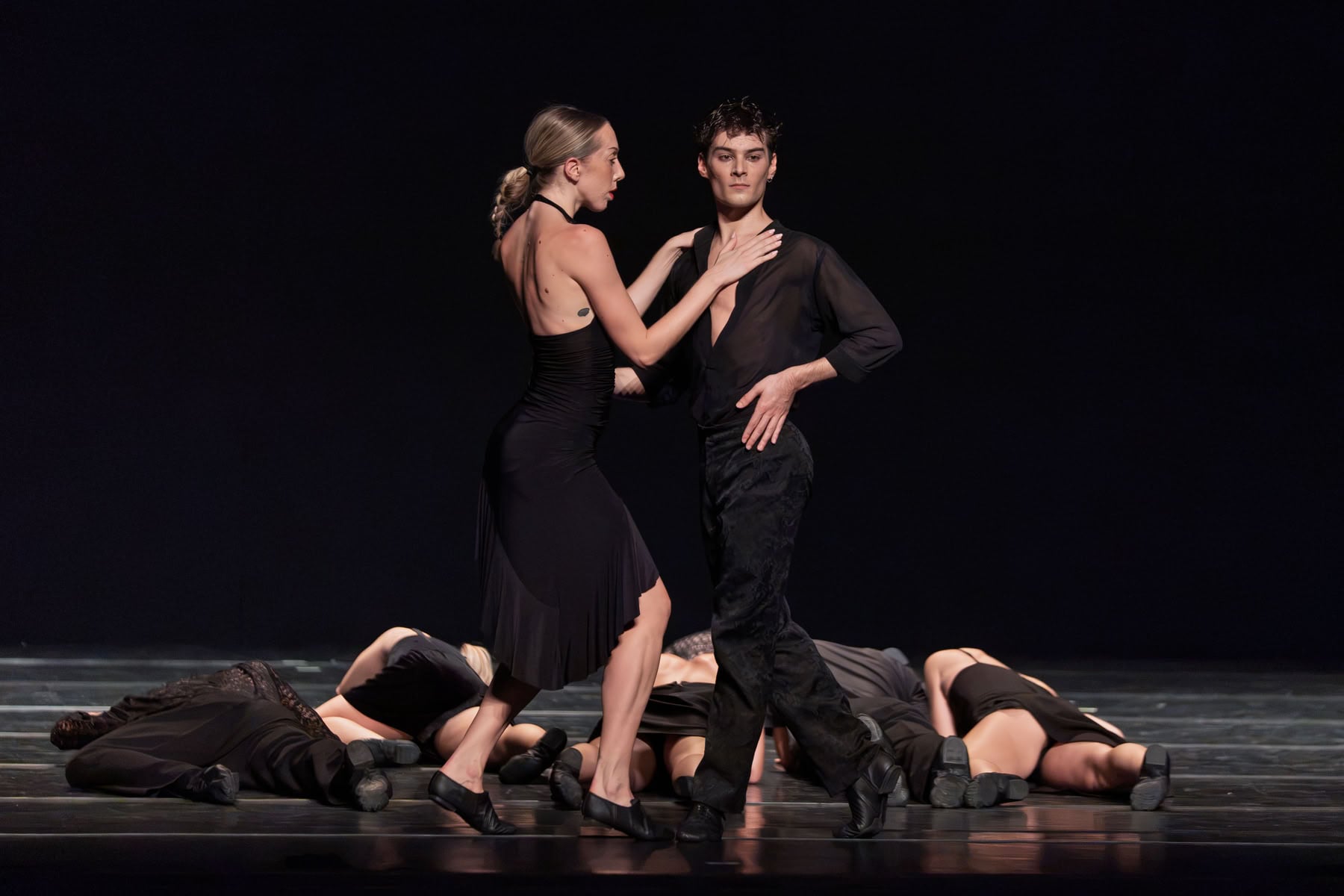
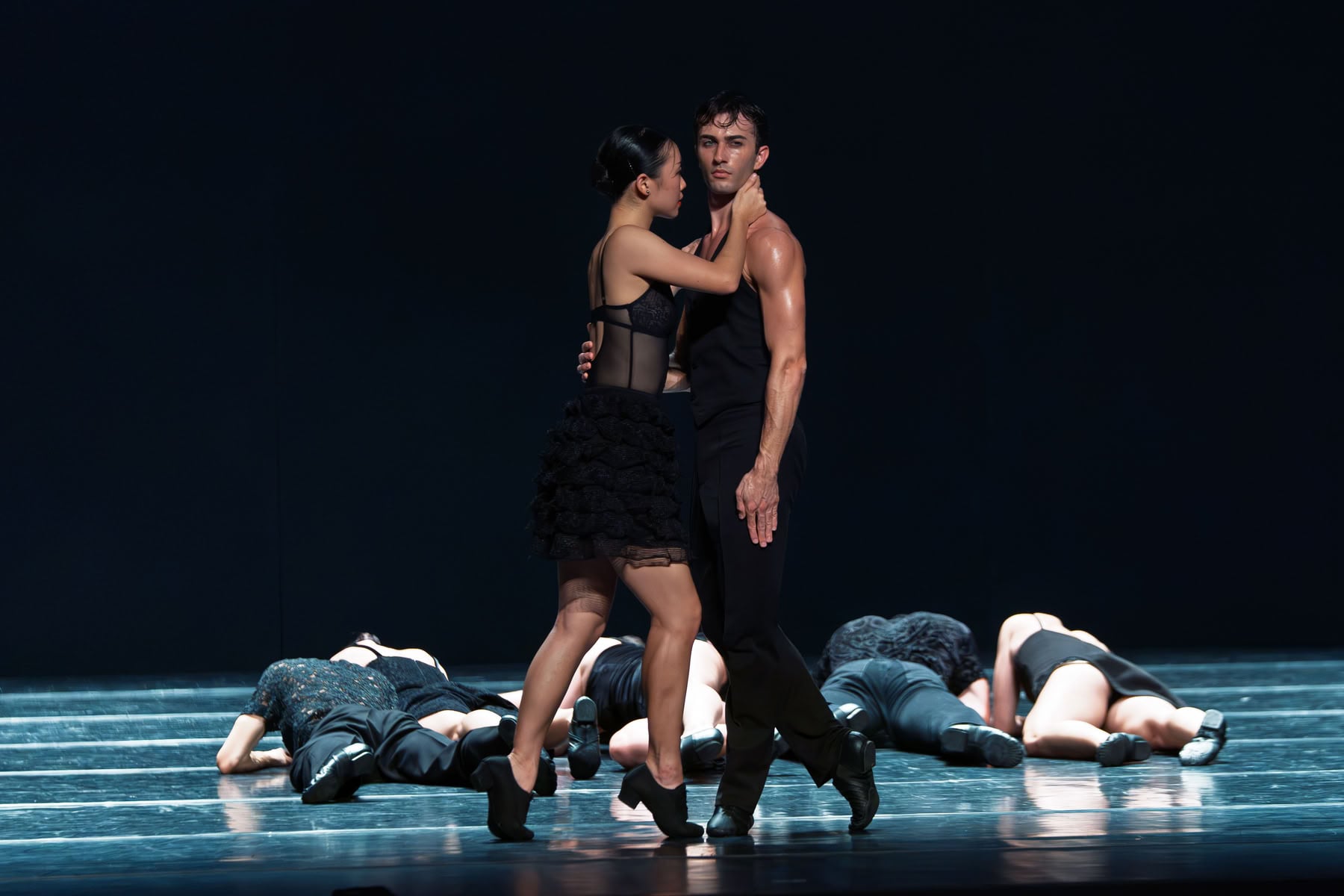
The music is certainly eclectic, starting with a Gregorian chant and, before long, launching into the extremely vulgar lyrics of Notorious B.I.G.’s ‘Dead Wrong’. I was going to quote a line as an example, but it’s too much for a dance review. The dancers spat out the words into a handheld corded mic.
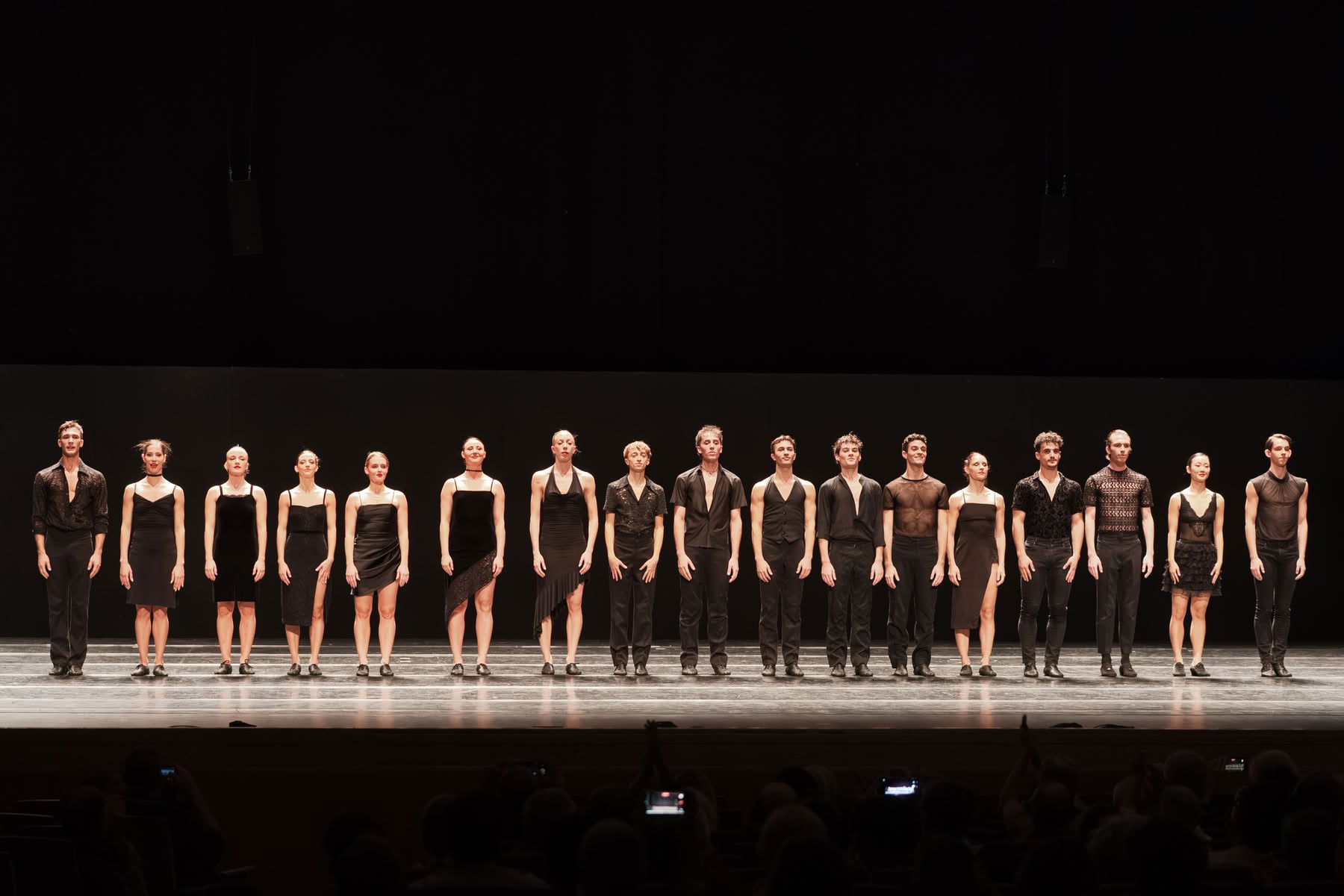
The choreography is also all-embracing. It begins with slowly moving bodies (all dressed in black) in low light in a black box set; as they move upstage, two suddenly adopt Latin American ballroom poses, moves that return later.
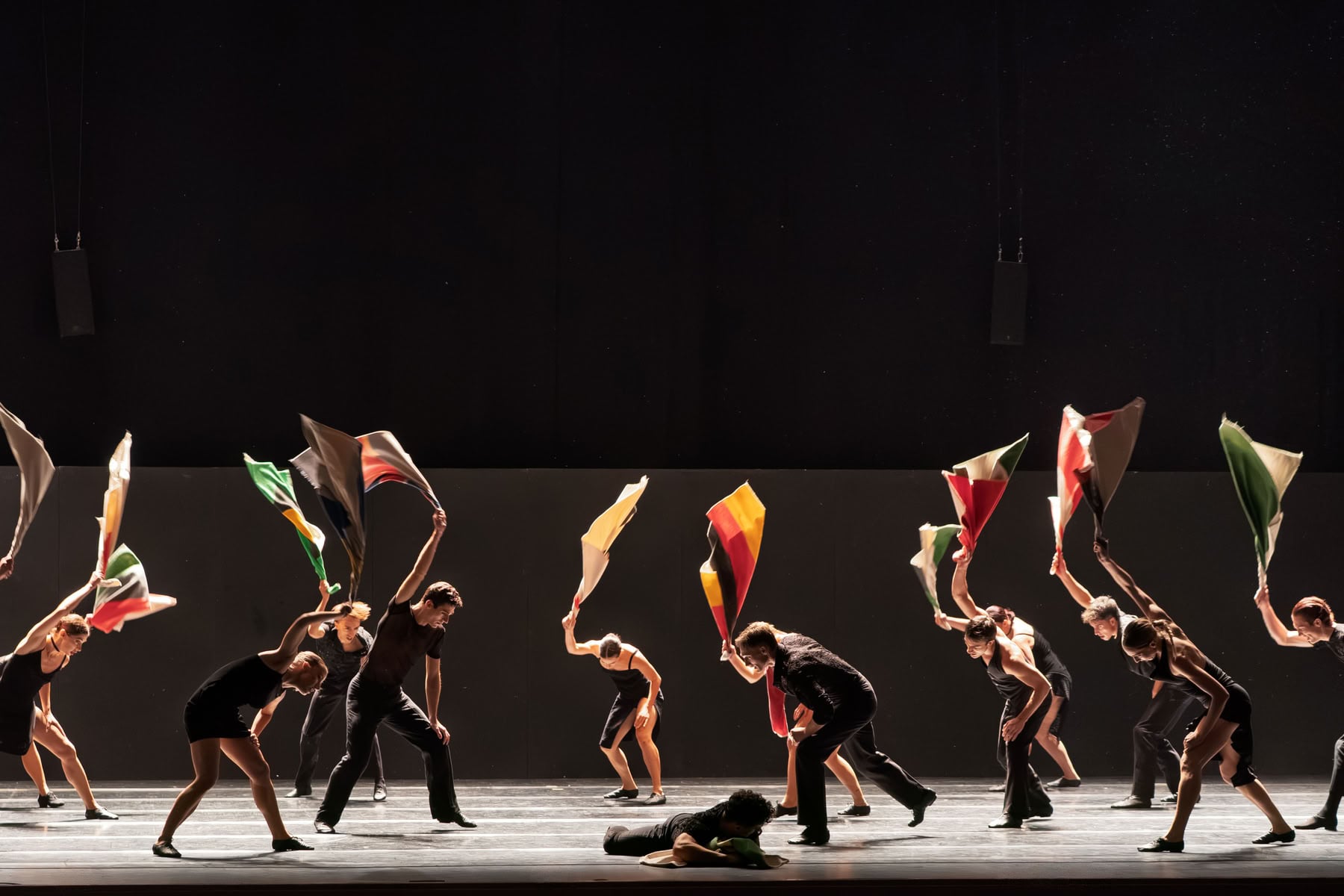
Naharin created the piece for the Batsheva Dance Company in 2017, and it immediately sparked a political storm. In the first half, the dancers hold white rectangular sheets – in the second, these become simplified and recoloured national flags, recalling those of Ukraine, Britain, Germany, Japan and… Palestine. Before the premiere, Naharin said, “I am for Palestine; without it, there is no future for Israel.”
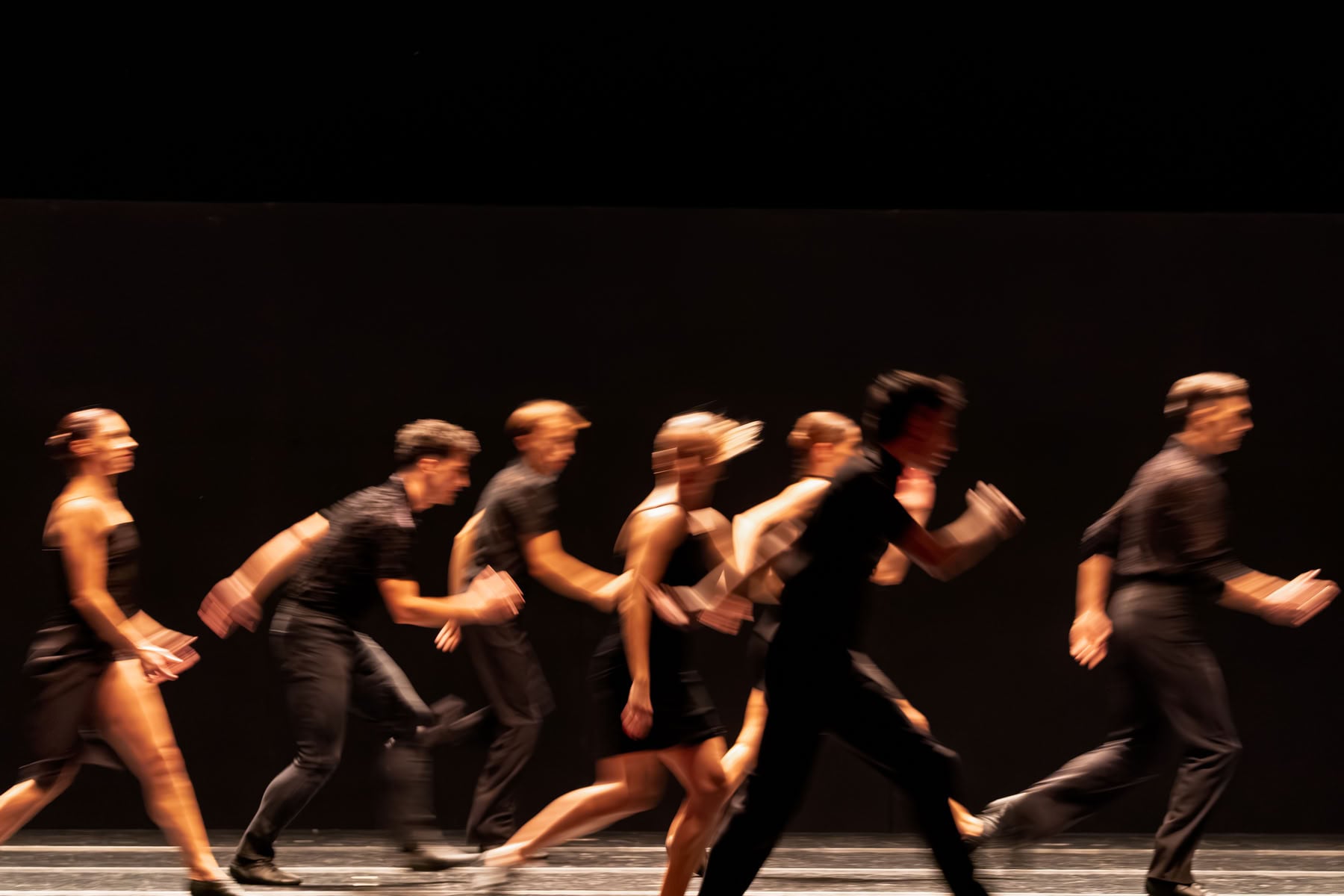
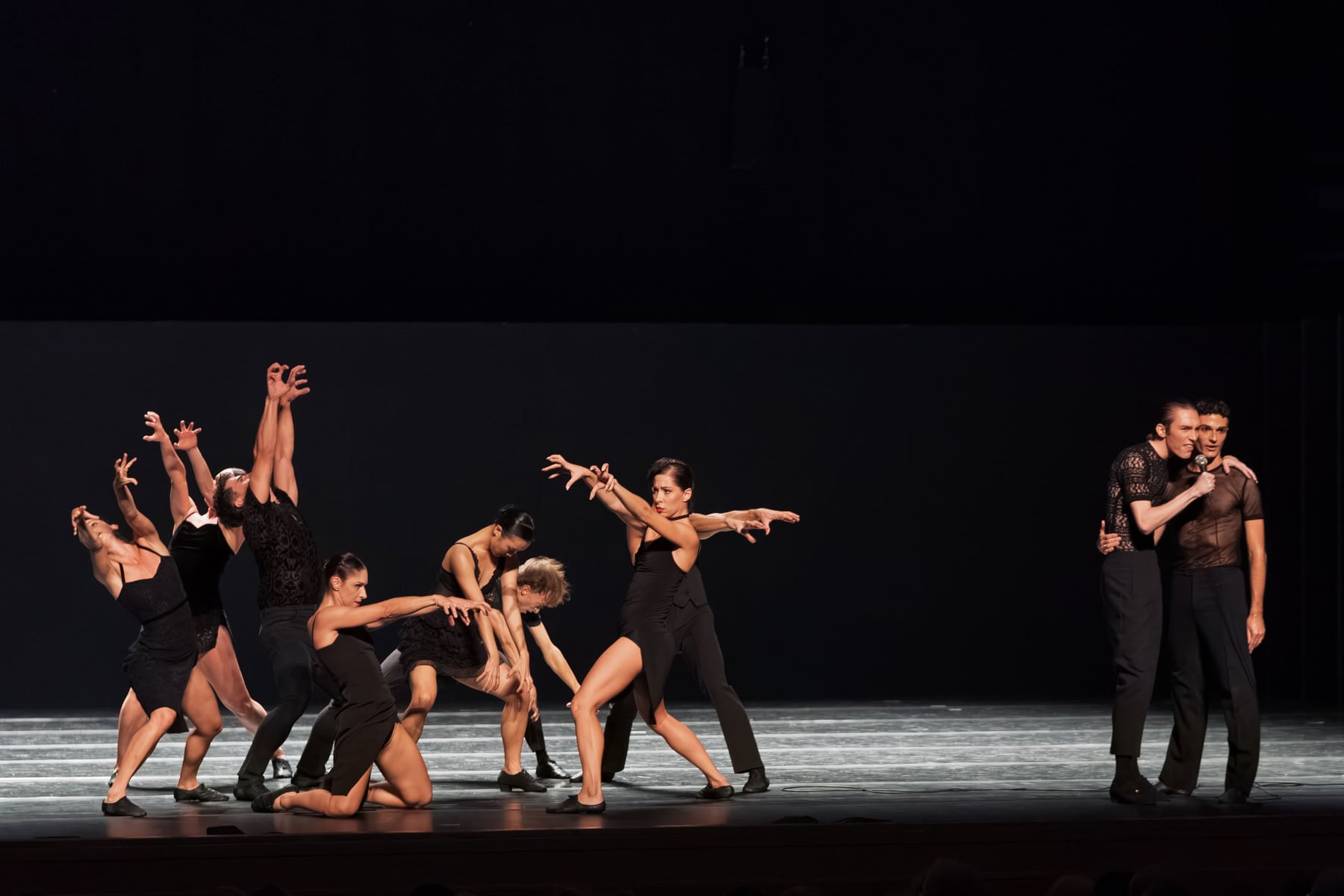
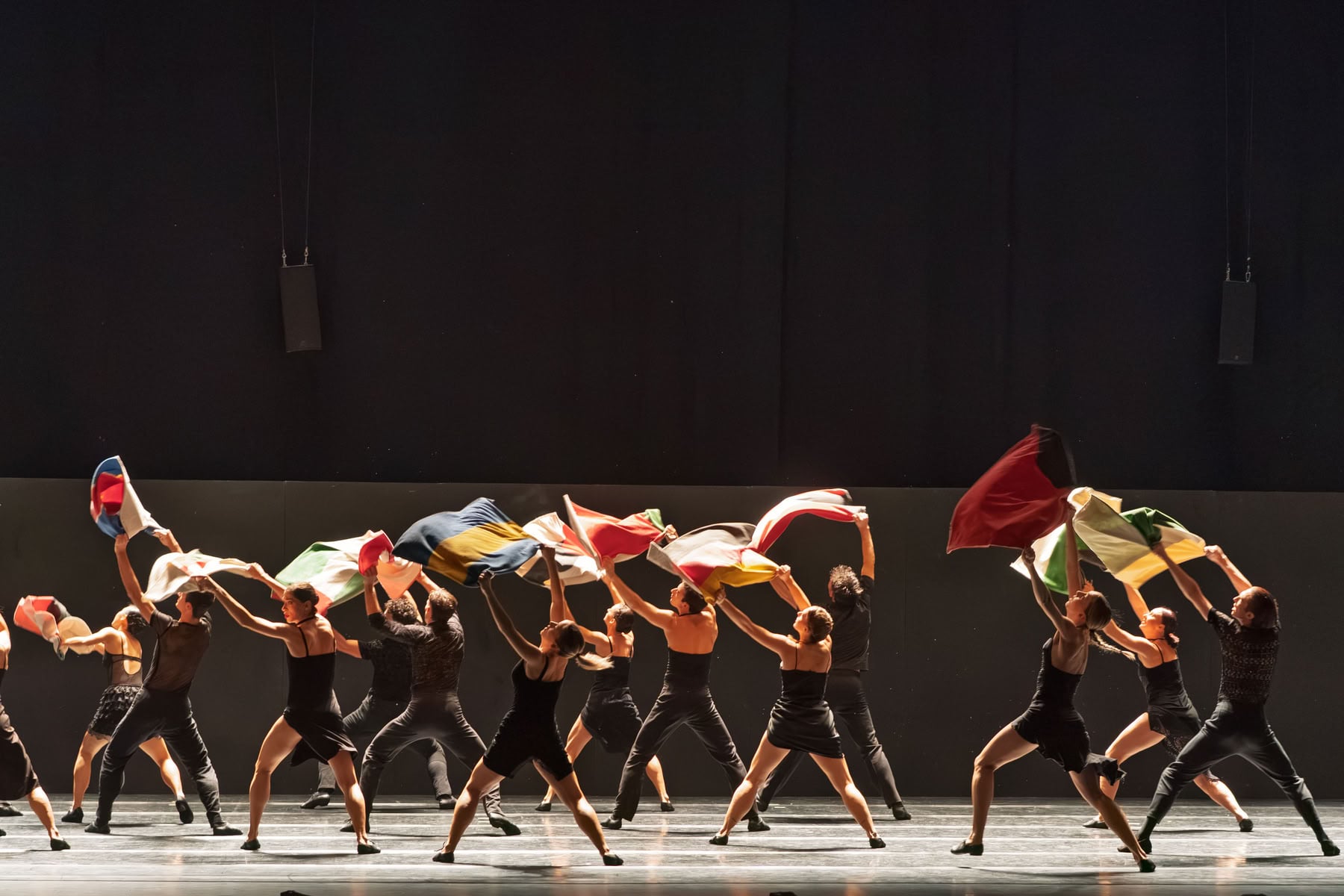
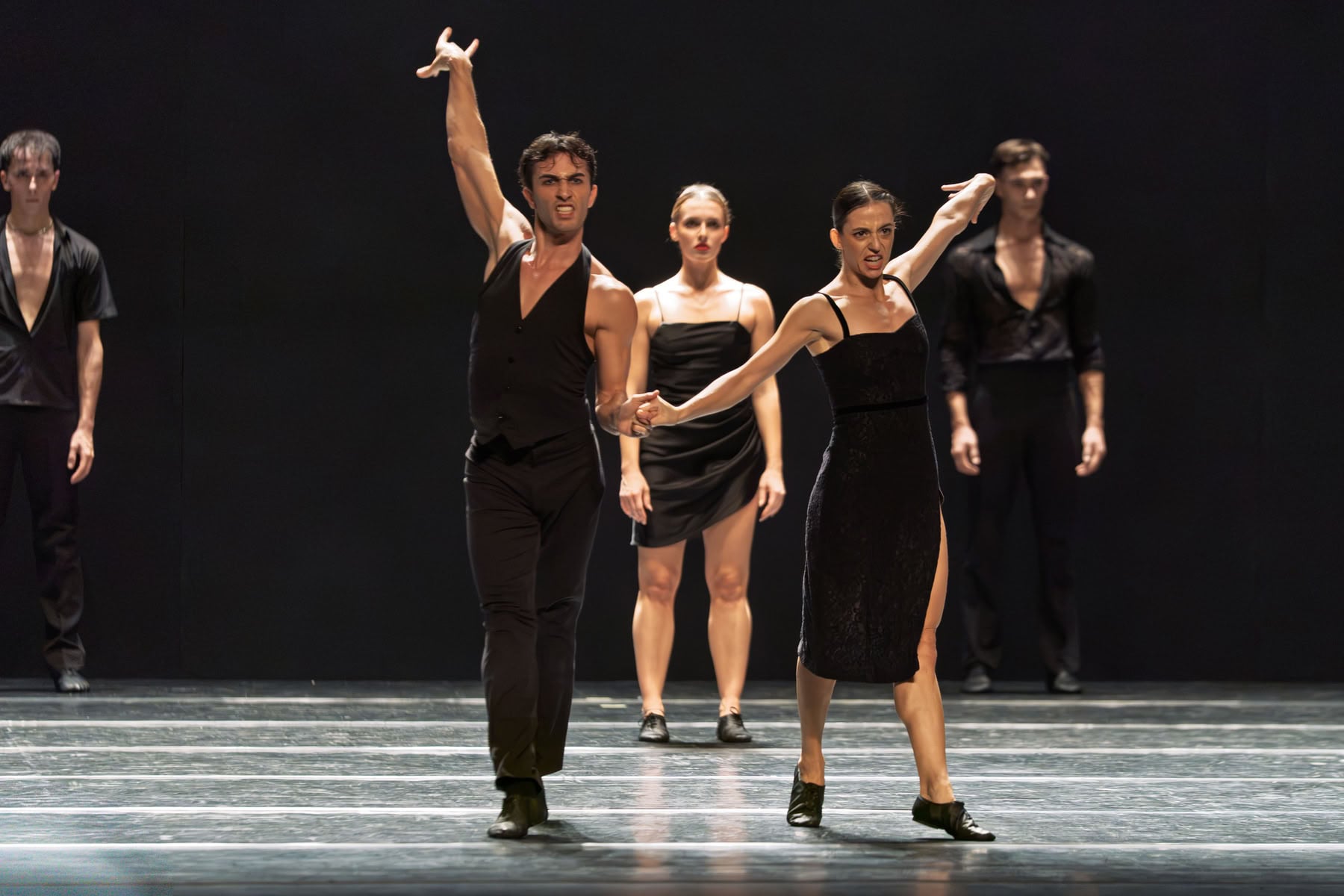
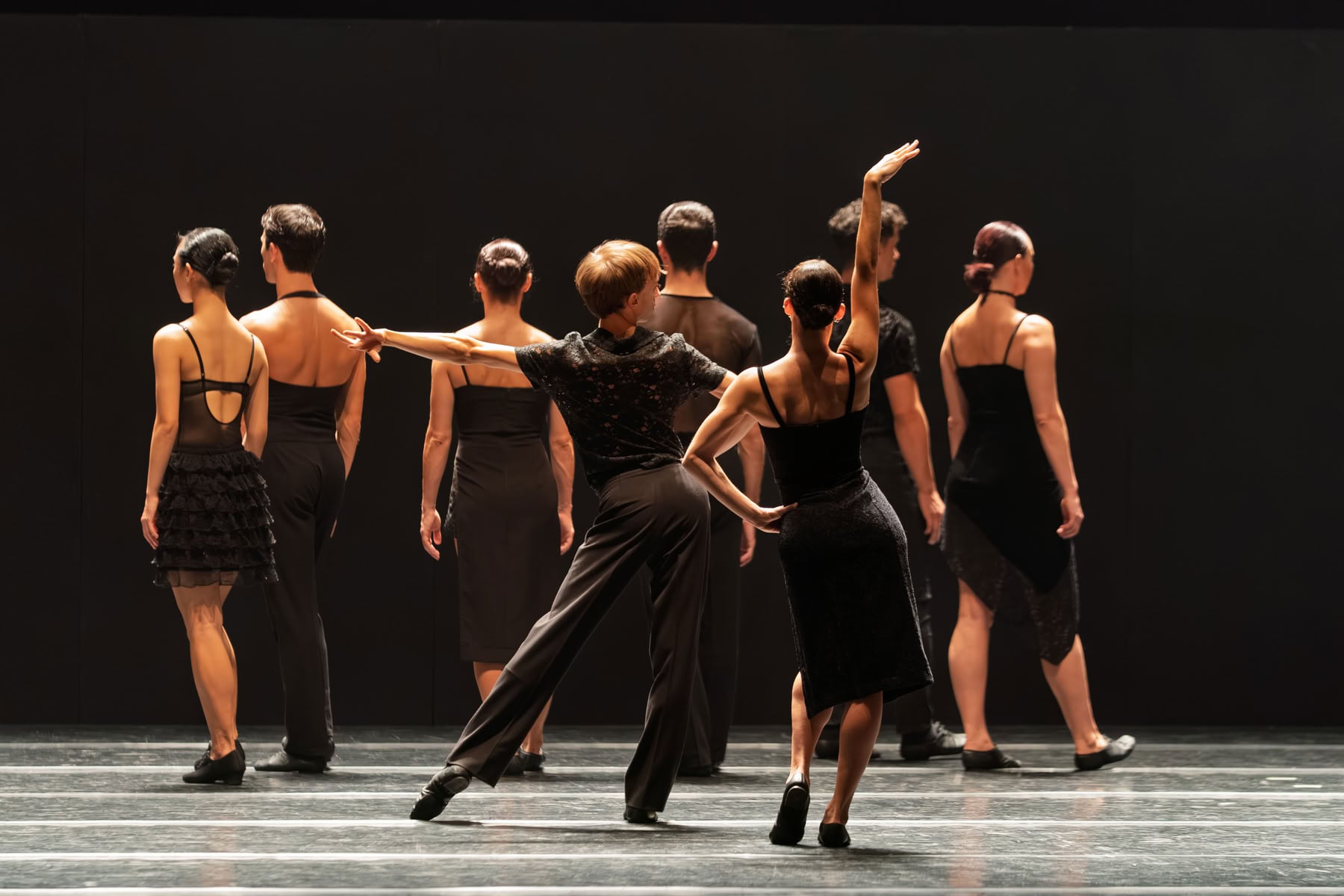
Naharin headed Batsheva for almost thirty years (Venezuela was the last work he created for the company as its artistic director), during which time he created his ‘Gaga’ language of dance, which is fluid yet weighted, with sudden explosive power and a lot of individual character in the group sections. This is also seen in the Croatian company, who were very individual, which helped underline the differences when the interpreter changed during the repetition. The company has some big personalities with capable techniques, and any dips in energy came from the gloom and the repetition within the repetition (of which there was much). I’m certain the front rows had a different experience, more immersed in the world onstage.
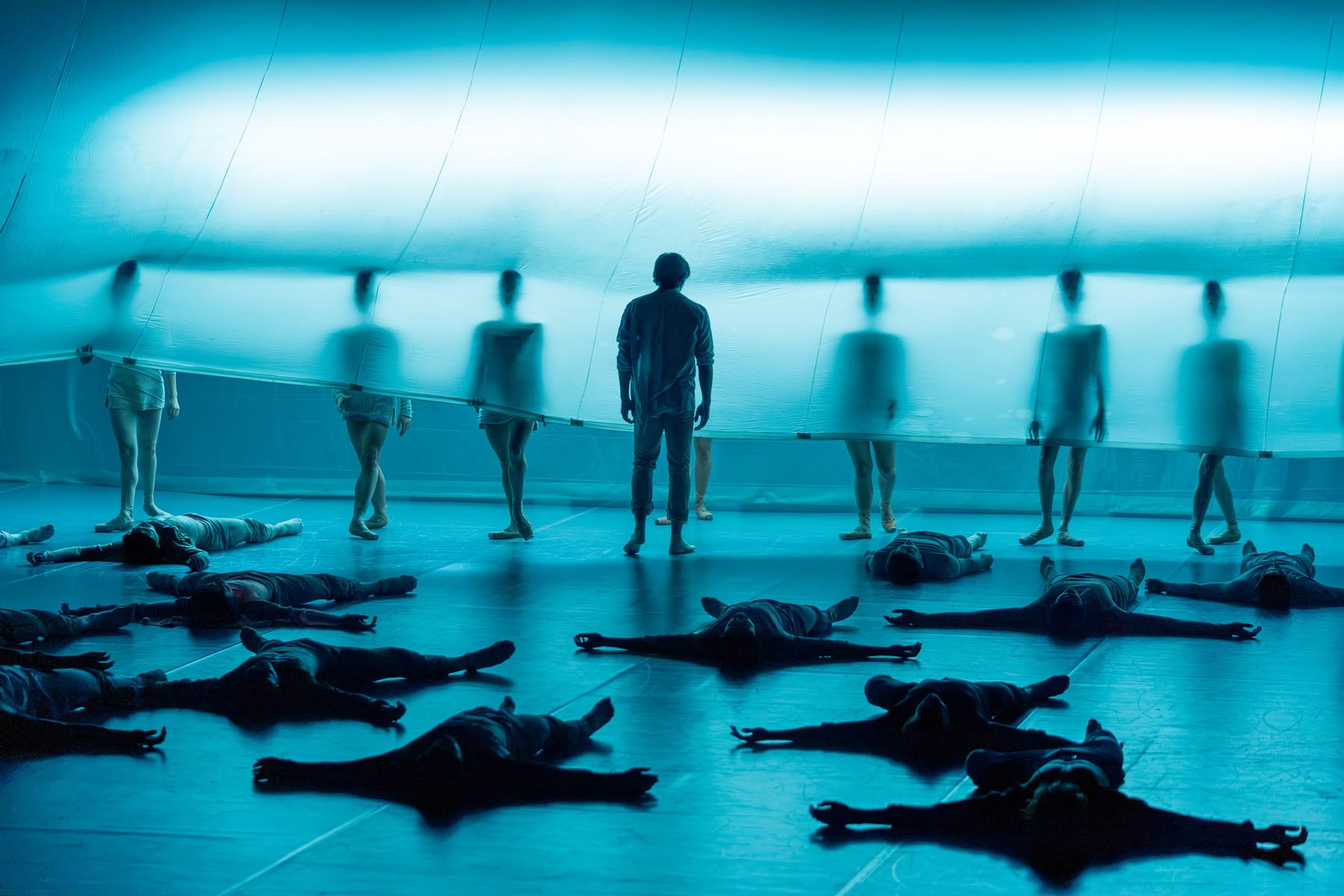
Over the border at the Slovene National Theatre in Nova Gorica, the Ballet of the Serbian National Theatre presented Sidi Larbi Cherkaoui‘s Fall. They had performed it for the first time just three days earlier at their home theatre in Novi Sad. Cherkaoui created it for the Royal Ballet of Flanders in 2015, soon after he became director.
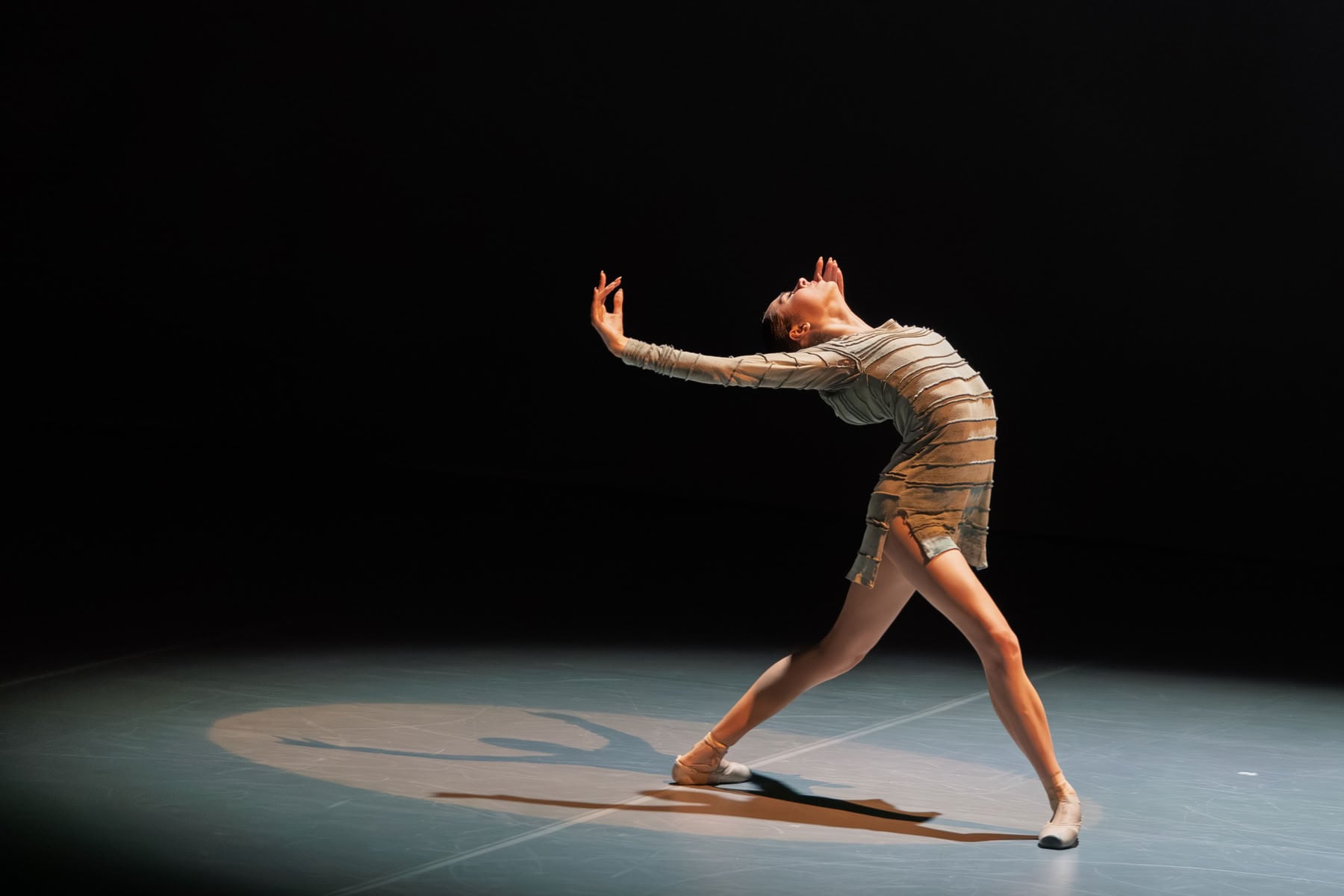
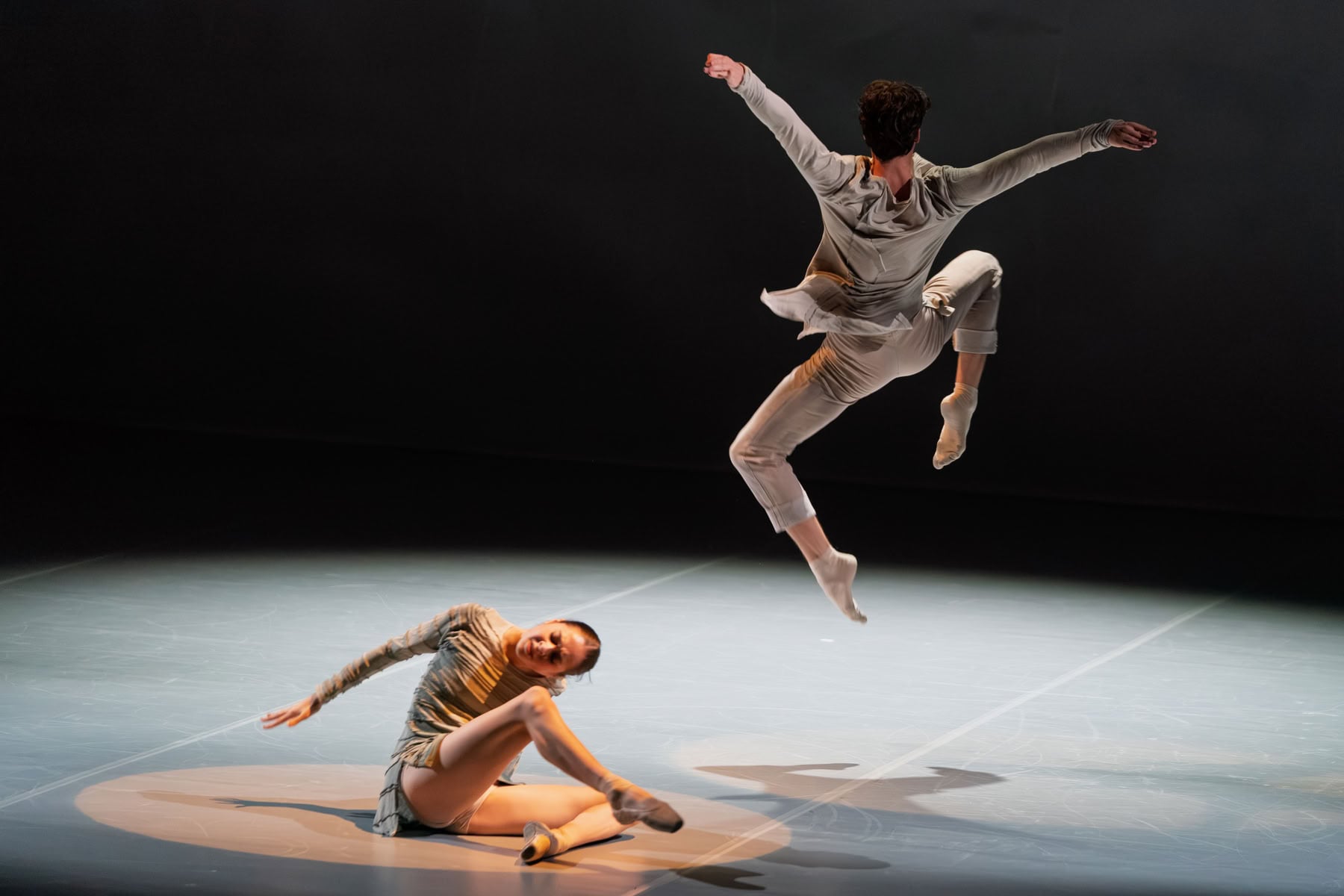
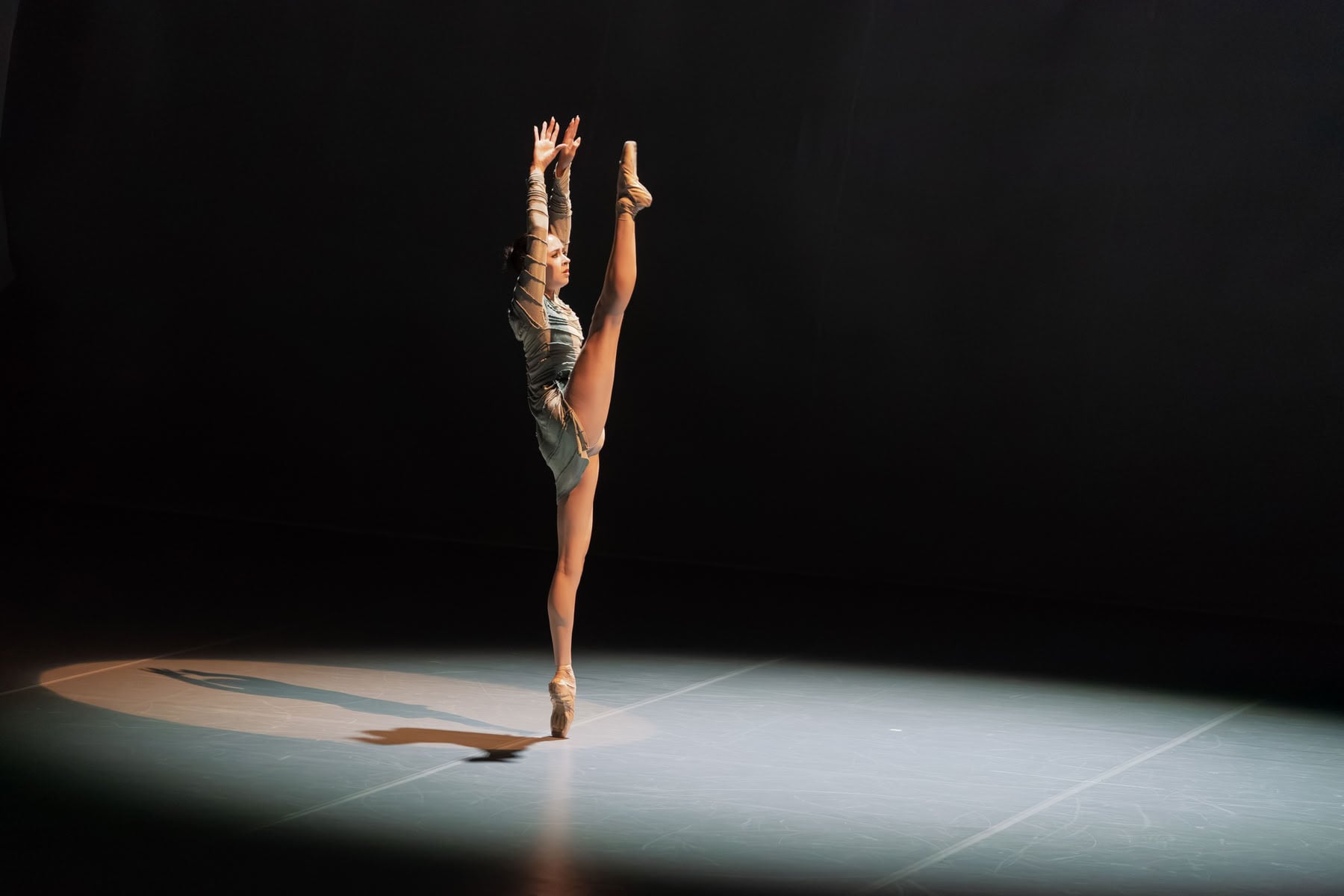
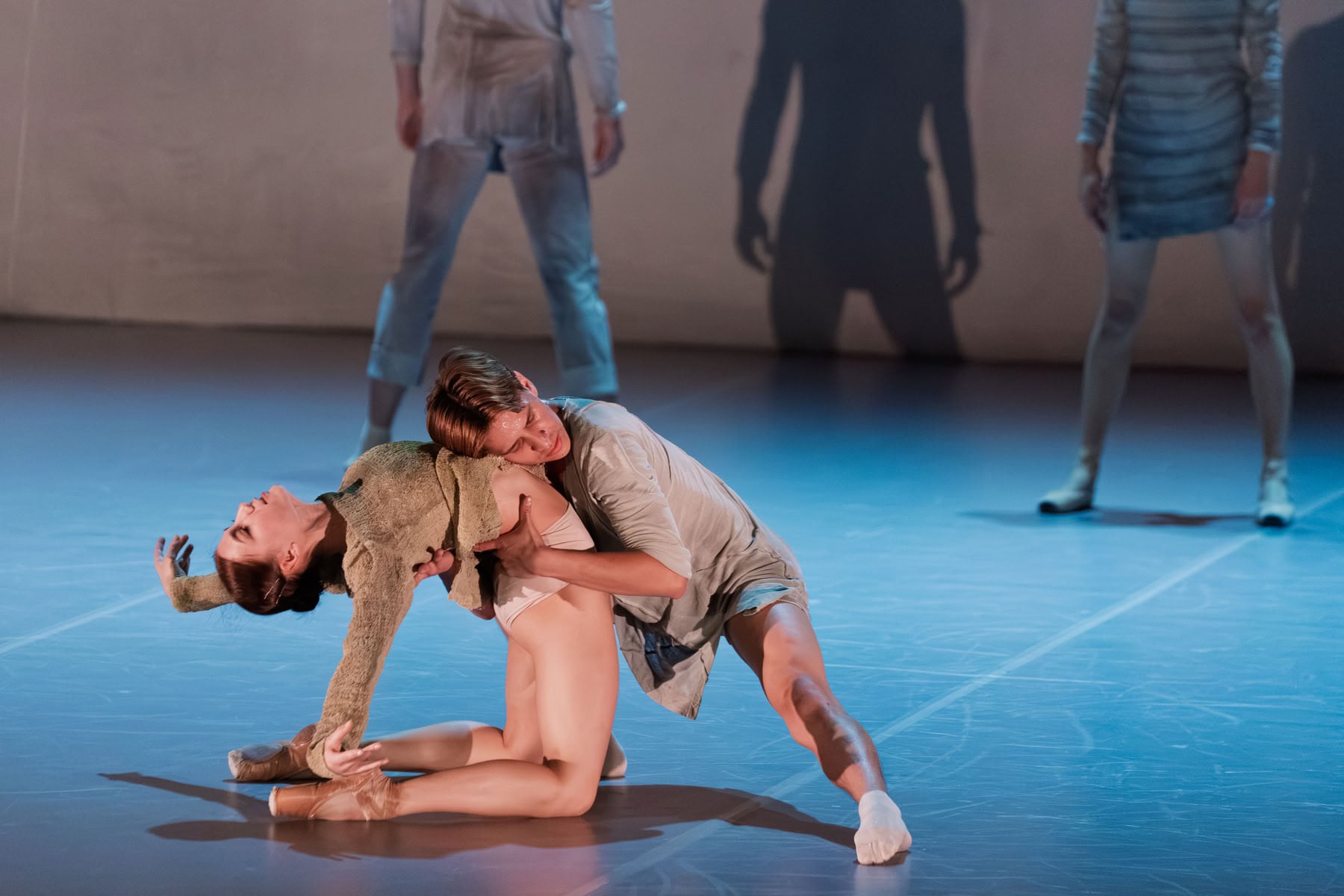
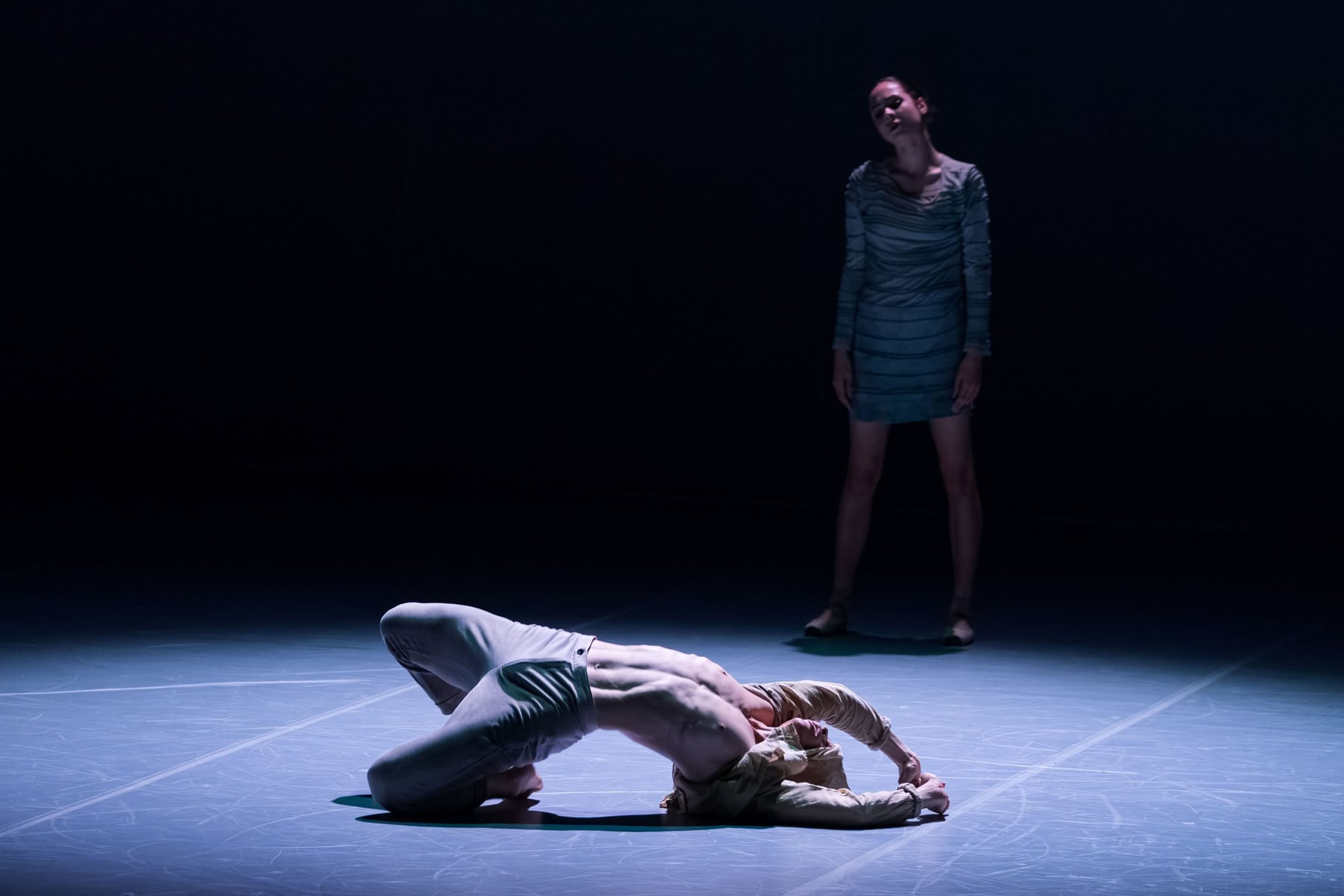
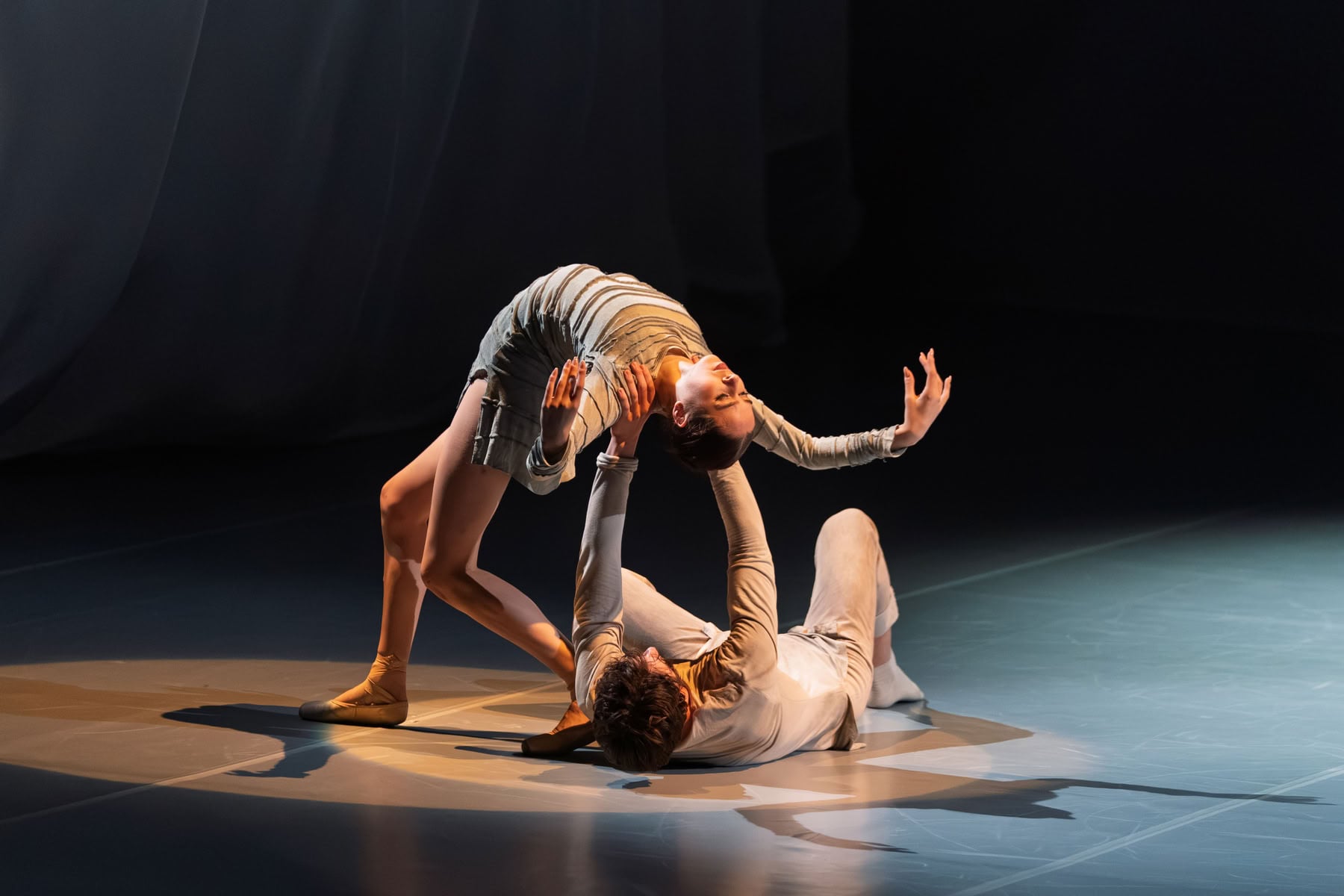
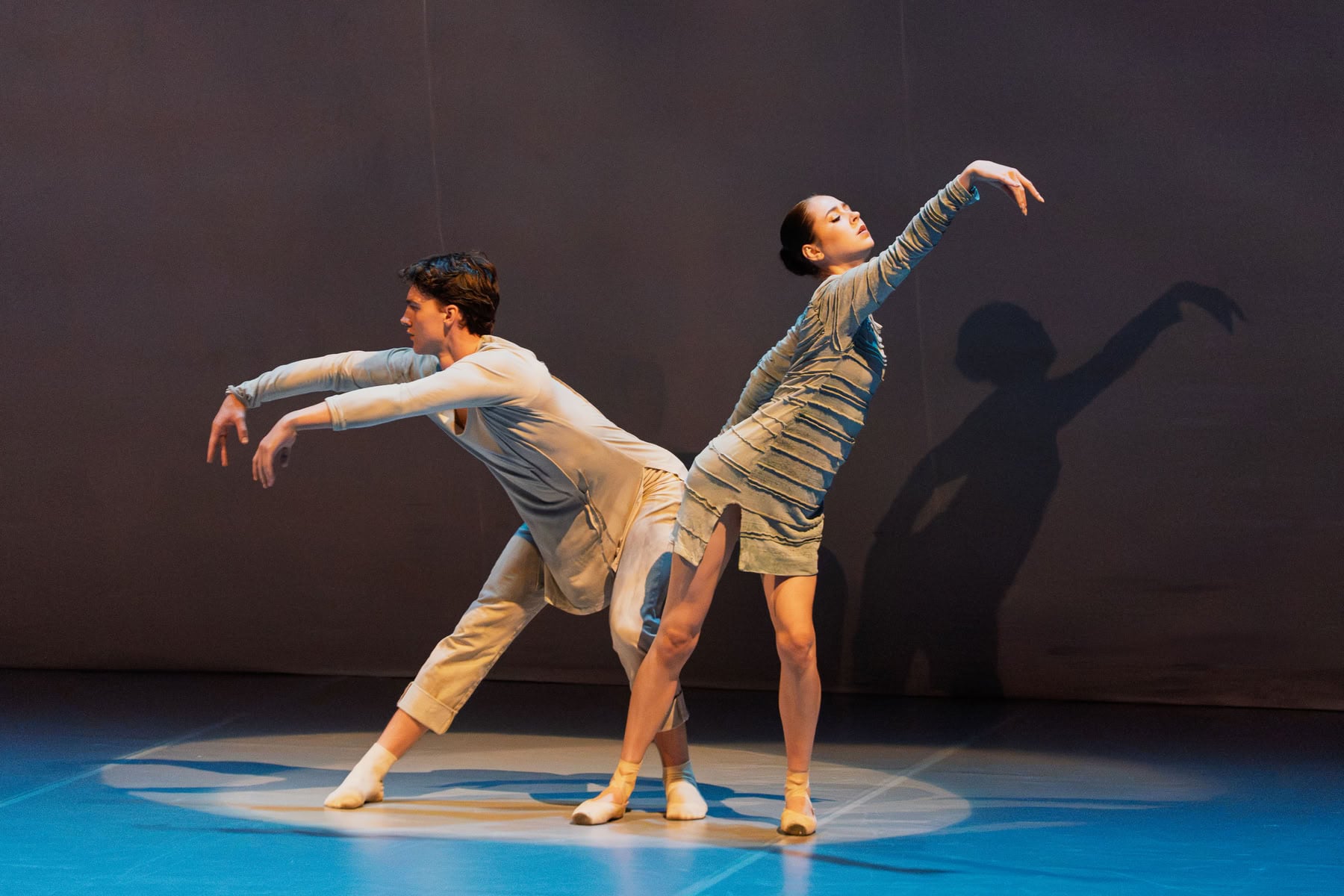
Fall calls to mind both the autumn season and falling leaves, as well as the dancer’s struggle against gravity. The lighting often has an autumnal feel, while Arvo Pärt’s score heightens the mood, creating a dreamily seductive experience for the eyes and ears. Pärt’s Spiegel im Spiegel – made well-known in the dance world by Christopher Wheeldon‘s use of it in After the Rain – ends the hour-long work.
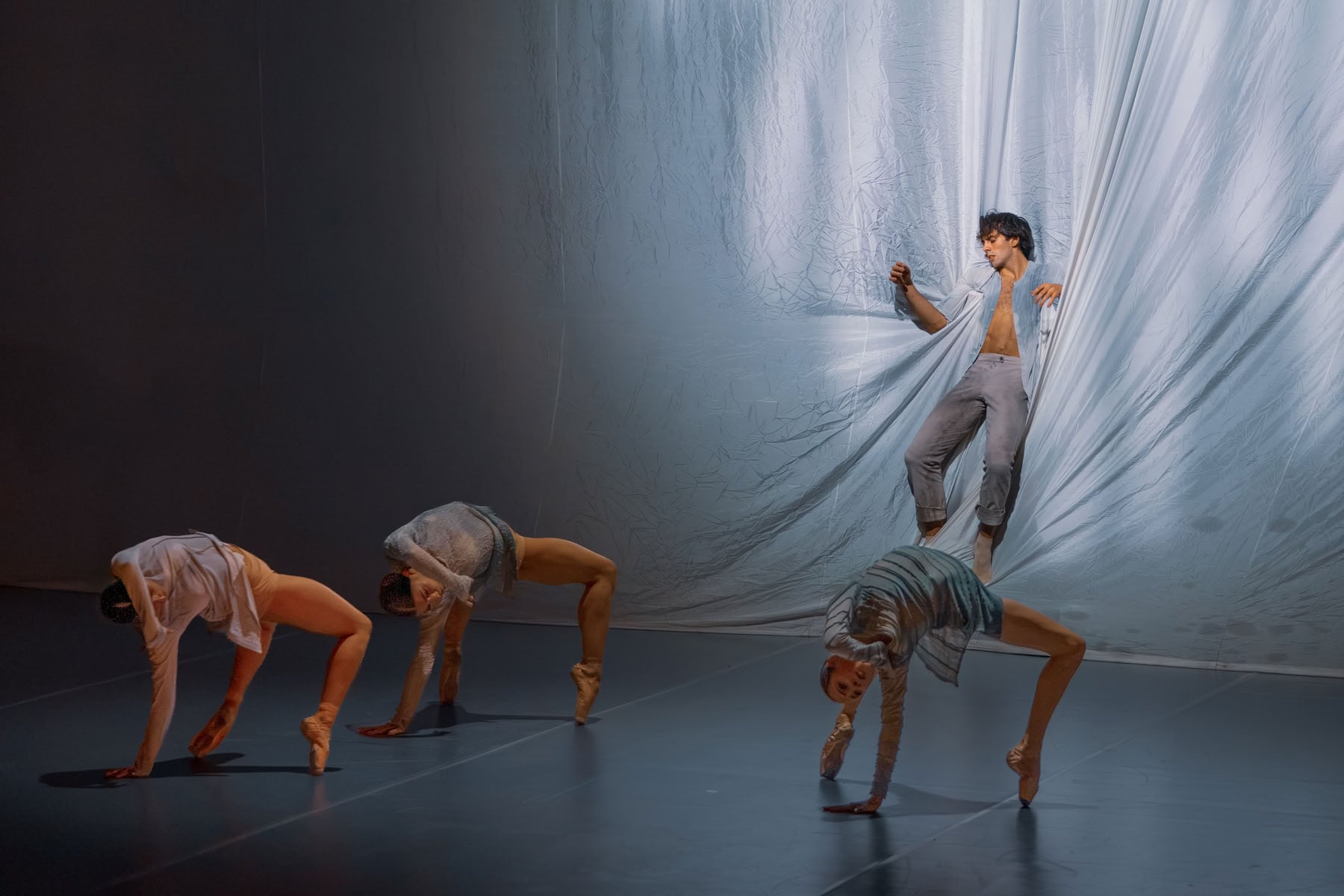
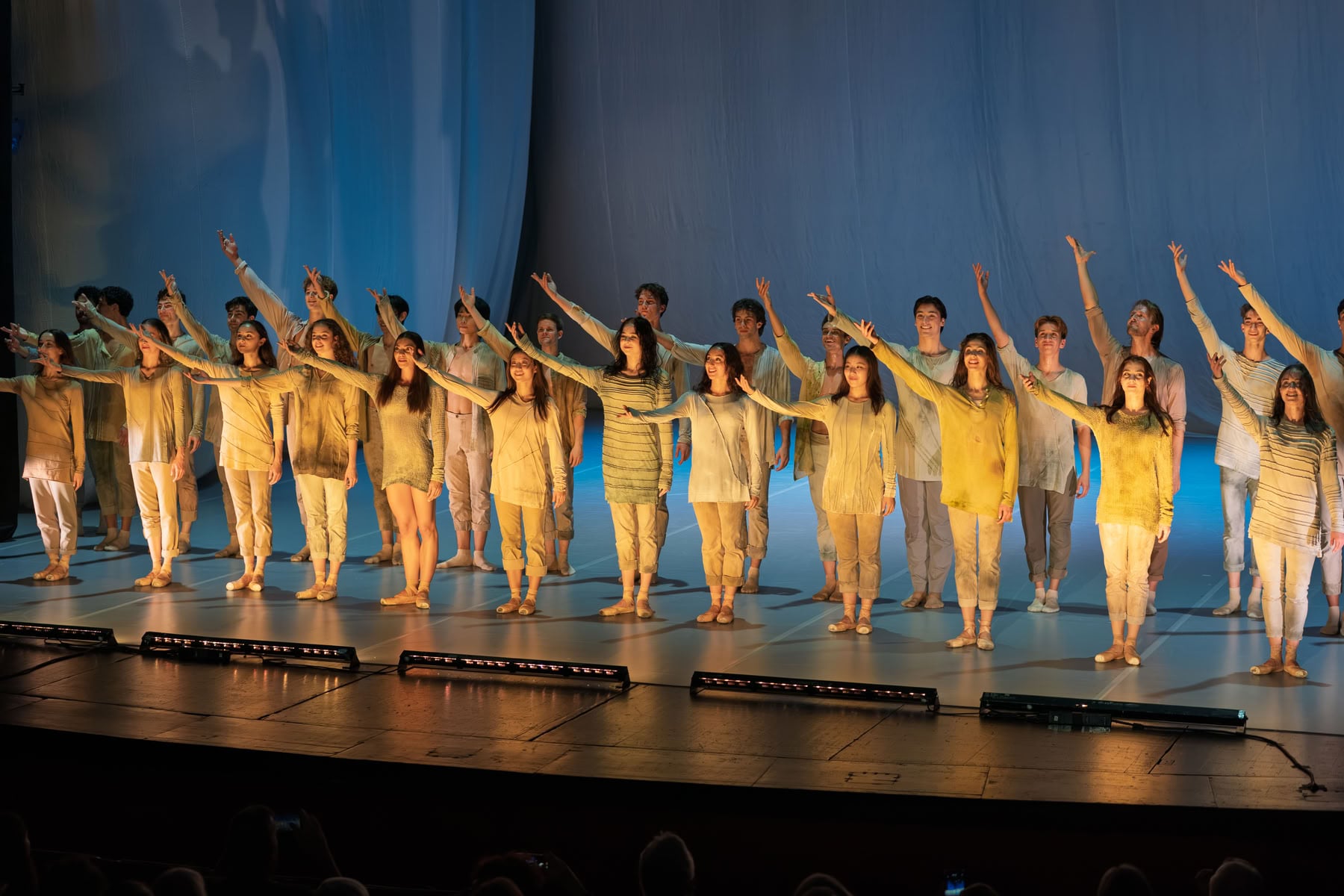
The company is a large, beautiful-looking group of more than thirty dancers. Cherkaoui uses them en masse as well as smaller groupings, duets and solos, and the dancers often ‘fall’ to the ground and are pulled to the ground, or slip down to the ground. The women are on pointe… the men in socks. The pas de deux are physically demanding, and the group’s coordinated jumps and lifts are executed with impressive precision. At the same time, the transitions throughout the work flow seamlessly – everything feels interconnected.
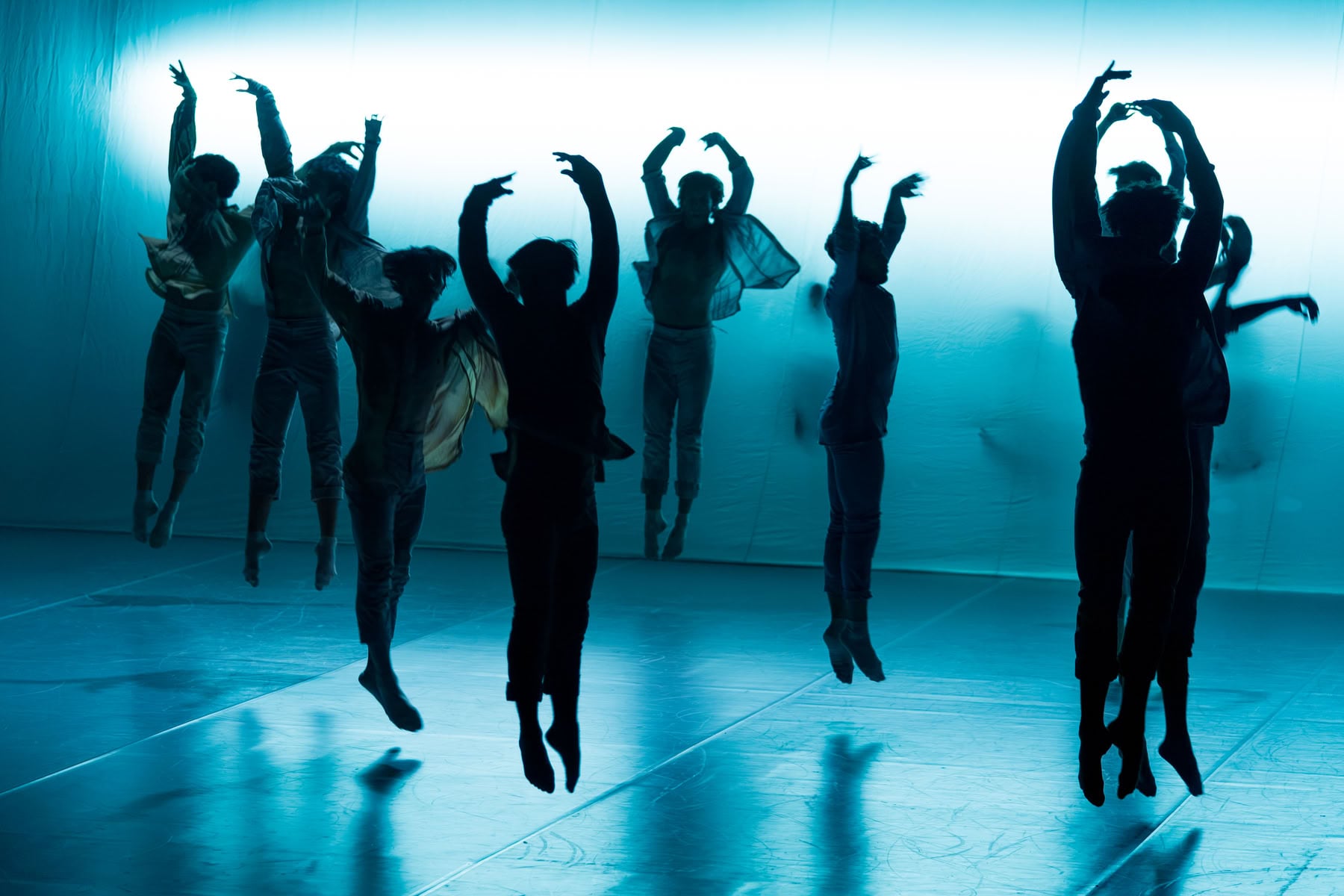
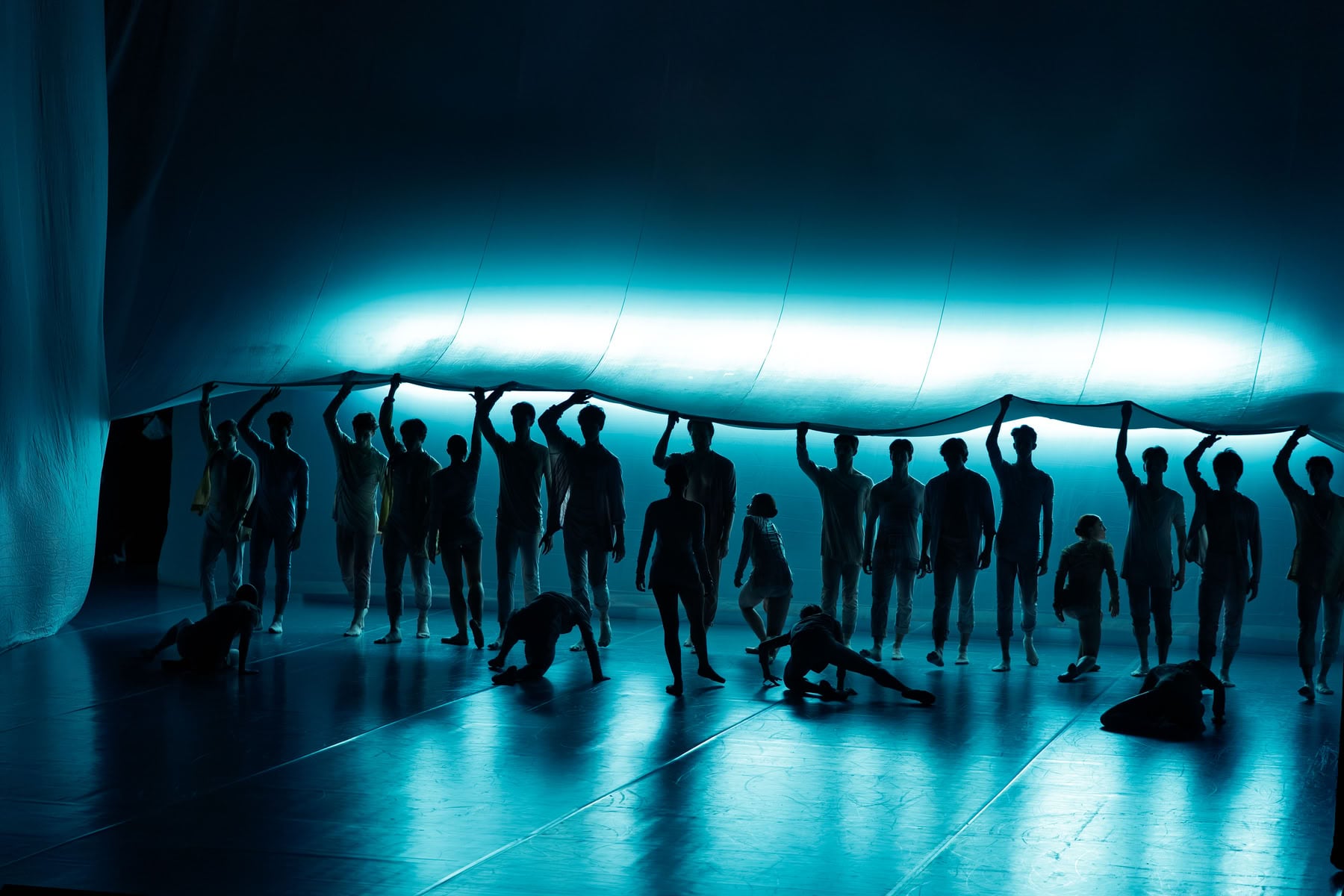
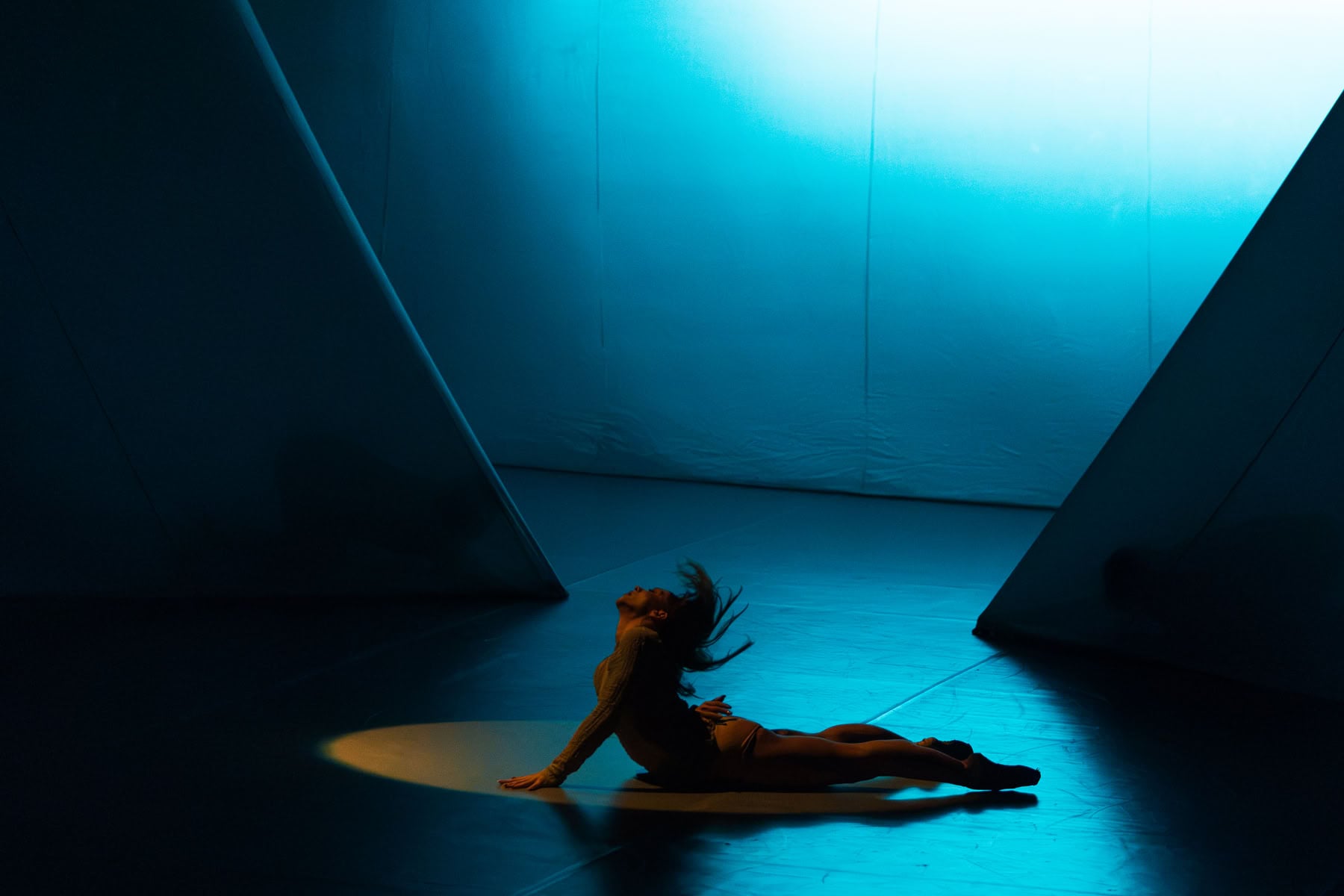
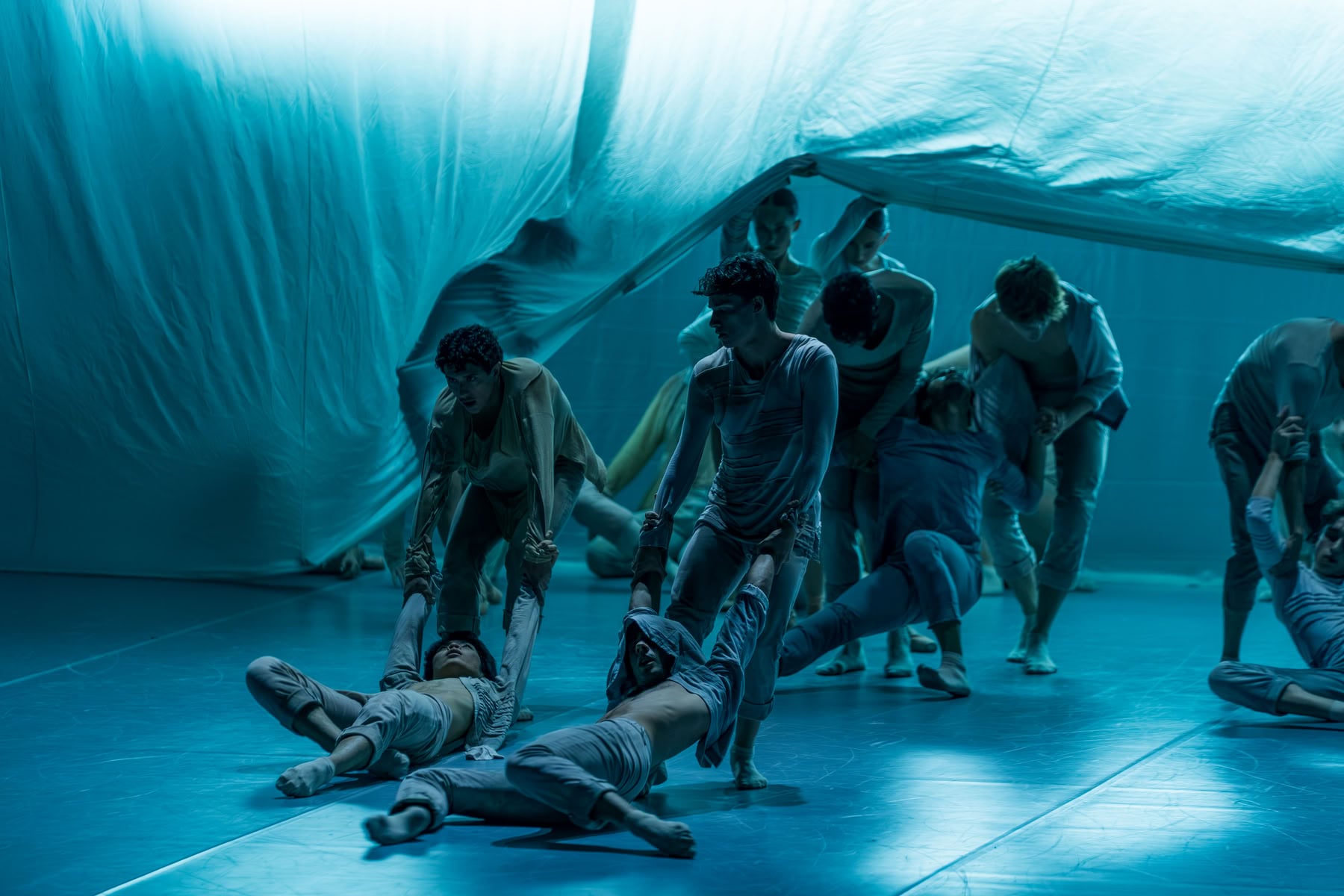
A seductive ebb and flow runs throughout, with the stage surrounded by white lengths of fabric that are often backlit, revealing ghostly figures behind; sometimes moved as though by the wind; occasionally lit in blue, giving the impression of being underwater. Fabiana Piccioli and Sander Loonen (lighting and set design) have created many stunning stage pictures, and Kimie Nakano designed the casual, neutral costumes.
With Fall, Cherkaoui has created a truly beautiful and moving piece, brought to life here by a superb company of dancers.