Review: Pam Tanowitz’s Pastoral – a major new dance work to cherish
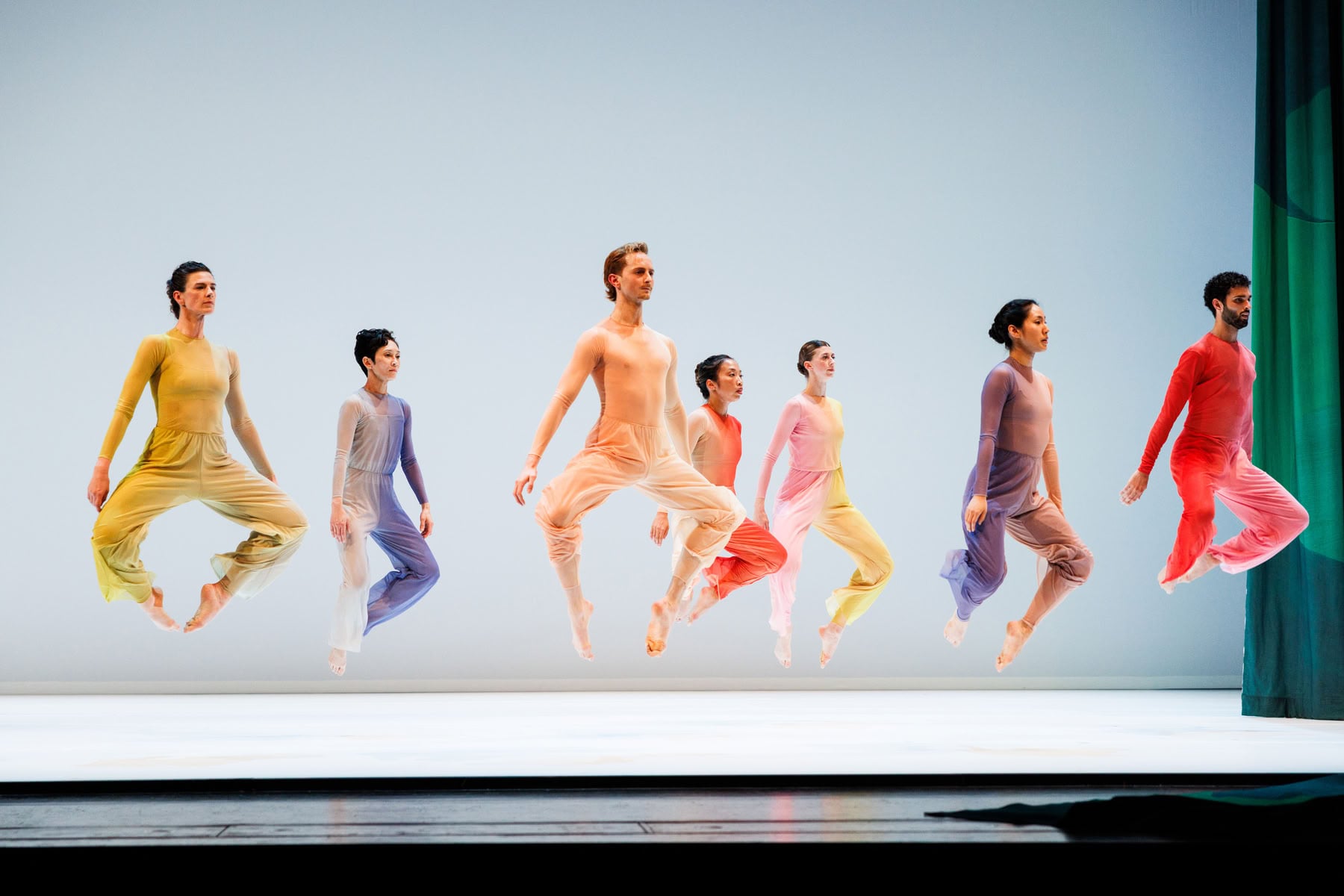
Shaping her dancers into patterns of enthralling complexity, grace and beauty, Tanowitz makes music visible in a work that deserves to rank among the very best.
| Title | Pastoral |
| Company | Pam Tanowitz Dance |
| Venue | Barbican Theatre, London |
| Date | 1 October 2026 |
| Reviewer | Jonathan Gray |
Pam Tanowitz is one of those rare choreographers today who seems to relish and draw inspiration from the very lexicon of dance. The works she makes are rich with movement and steps, her choreography delving deep into the contemporary dance techniques of Merce Cunningham and those of formal classical ballet. Her dances have shape and texture, and she moulds the bodies of her wonderful dancers into luminous lines and patterns with enthralling rigour, complexity, grace and beauty.
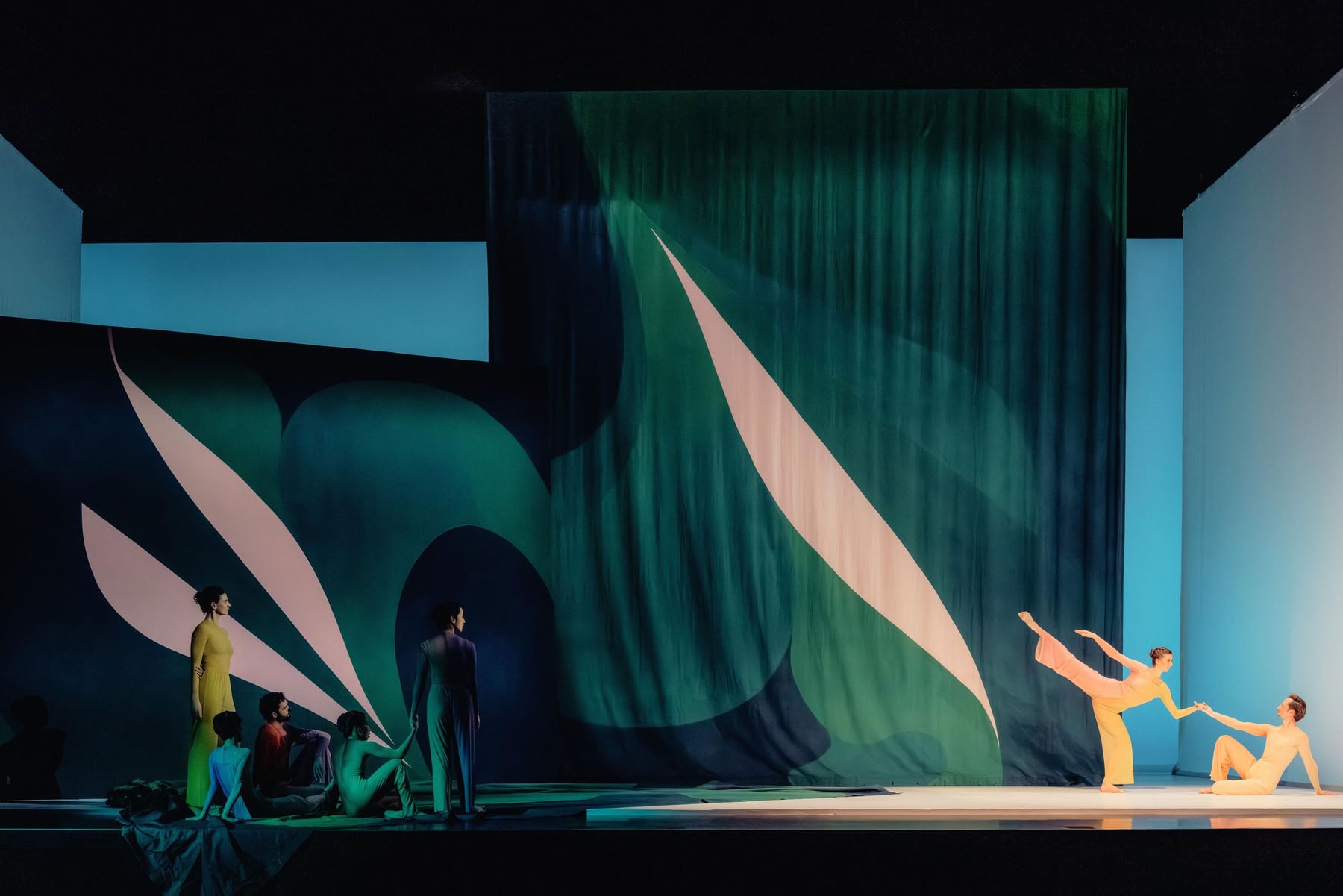
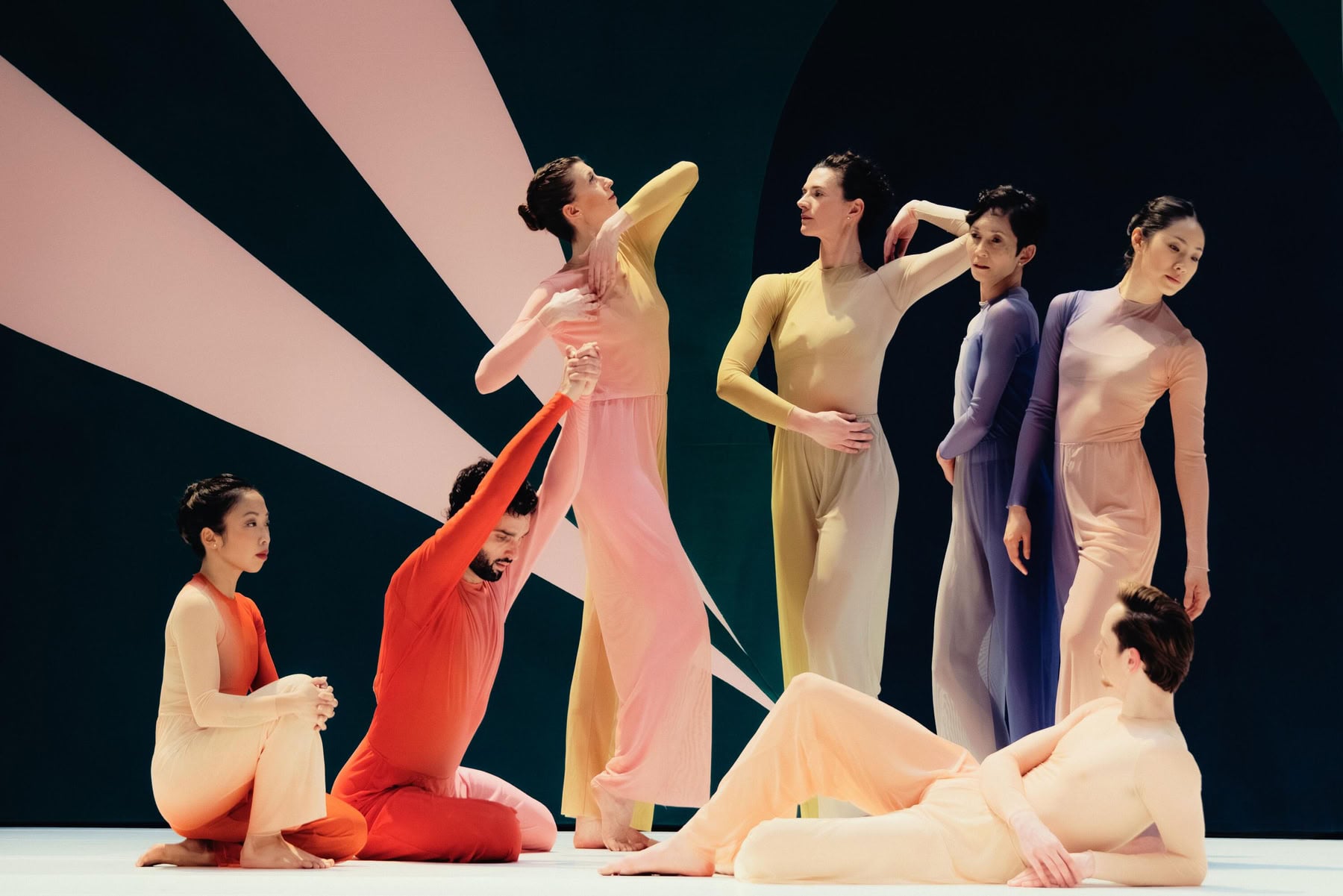
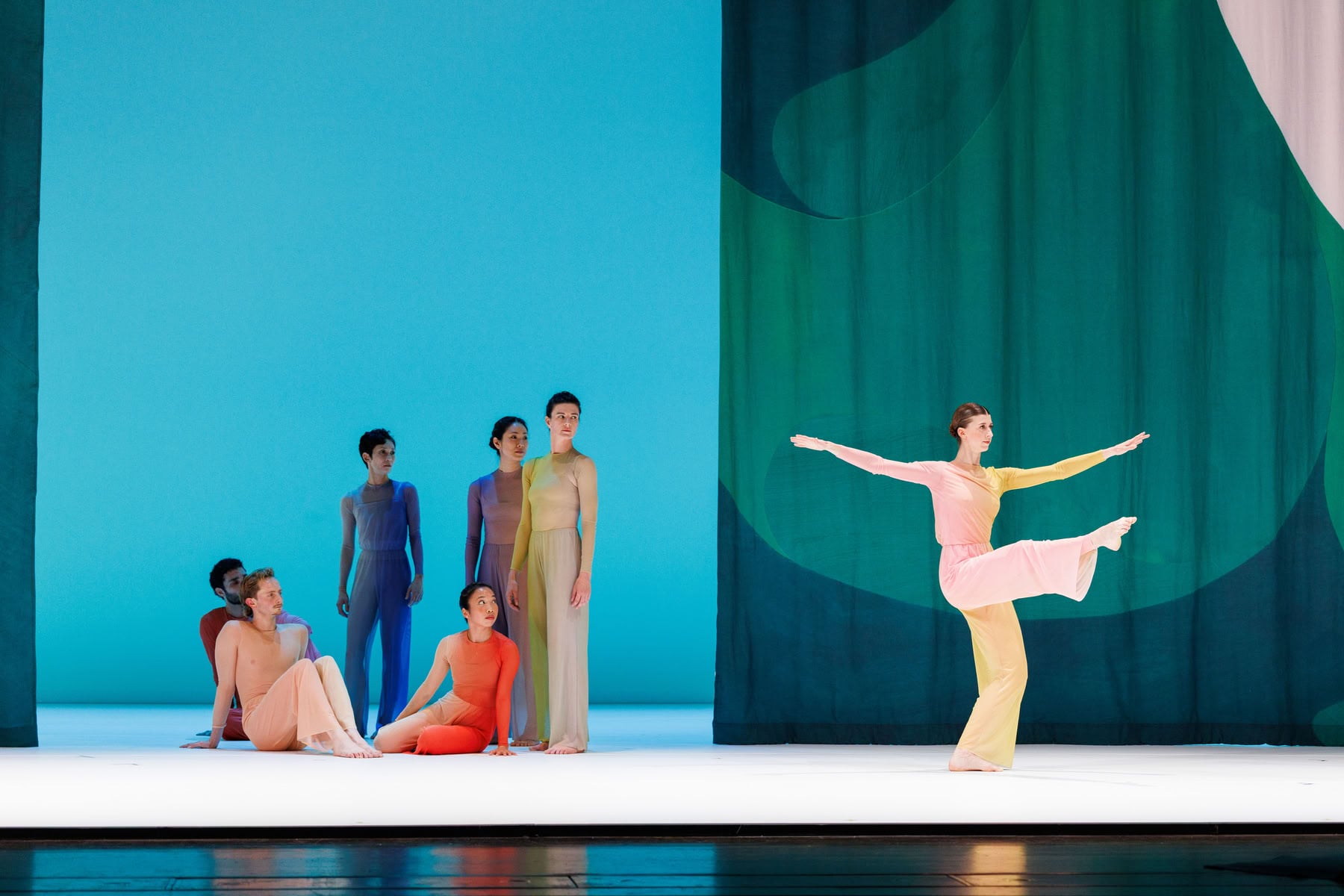
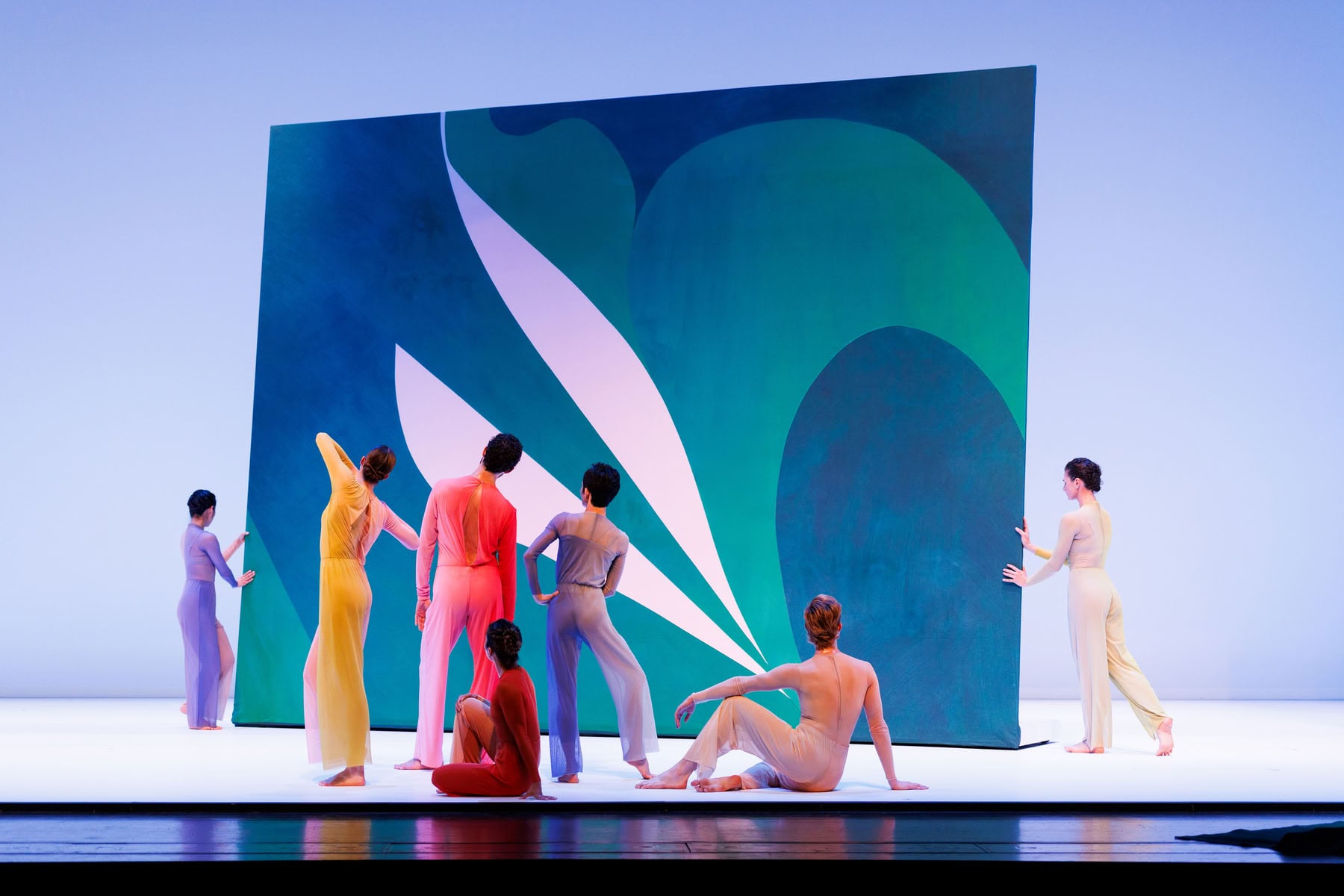
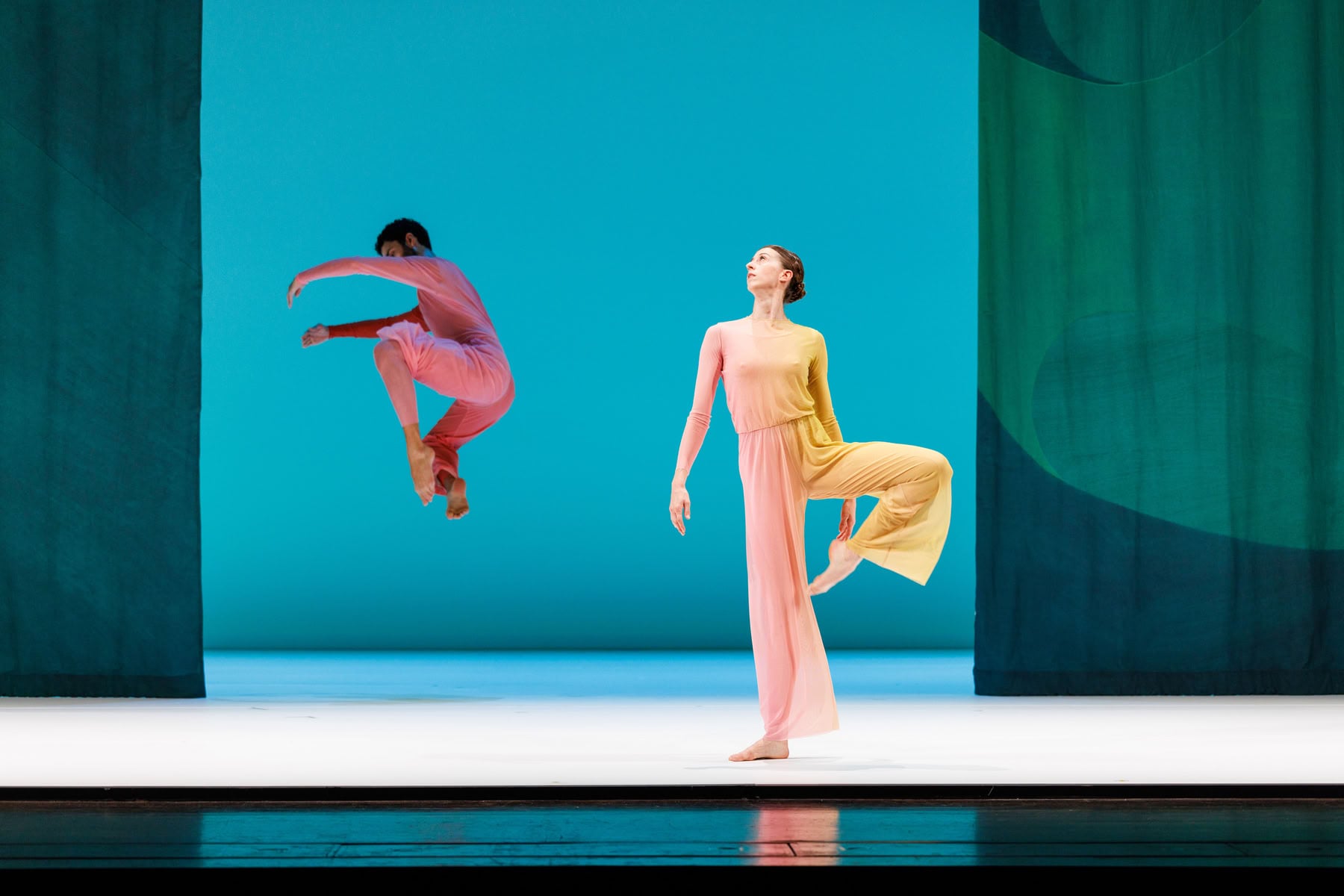
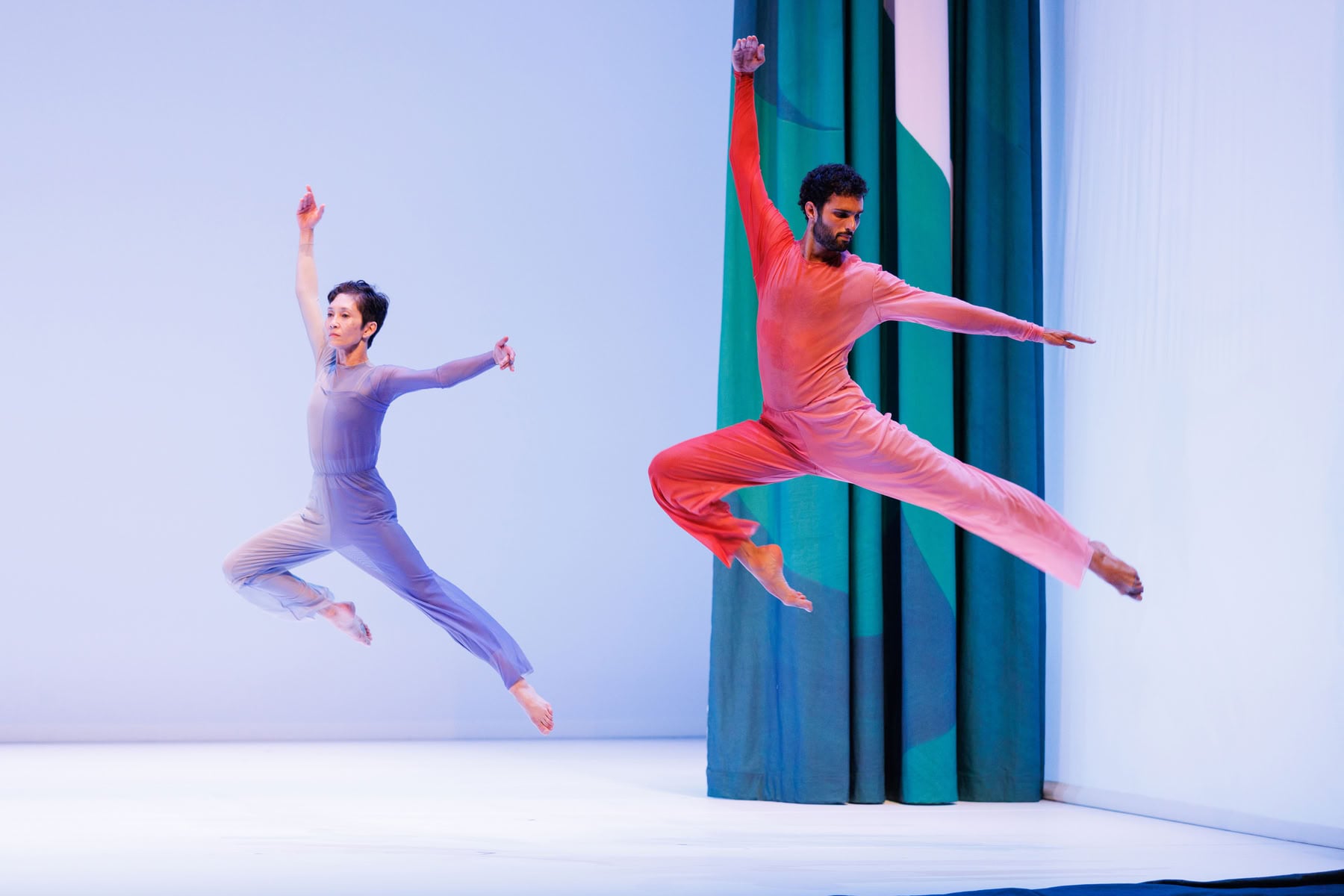
Unlike Cunningham, however (and perhaps more like the great British contemporary choreographer Richard Alston, who died recently), Tanowitz’s dances are also inspired by the musical scores on which she is creating. She illuminates the moods, rhythms and complexities of music in unpredictable ways. This is especially true of the choreography Tanowitz has made for Pastoral, a work that was created alongside the composer Caroline Shaw, the artist Sarah Crowner, costume designer Reid Bartelme, lighting and production designer Davison Scandrett and sound designer Stephen Jensen. First seen in New York last year, Pastoral received its long-awaited UK premiere at London’s Barbican Theatre on 1 October.
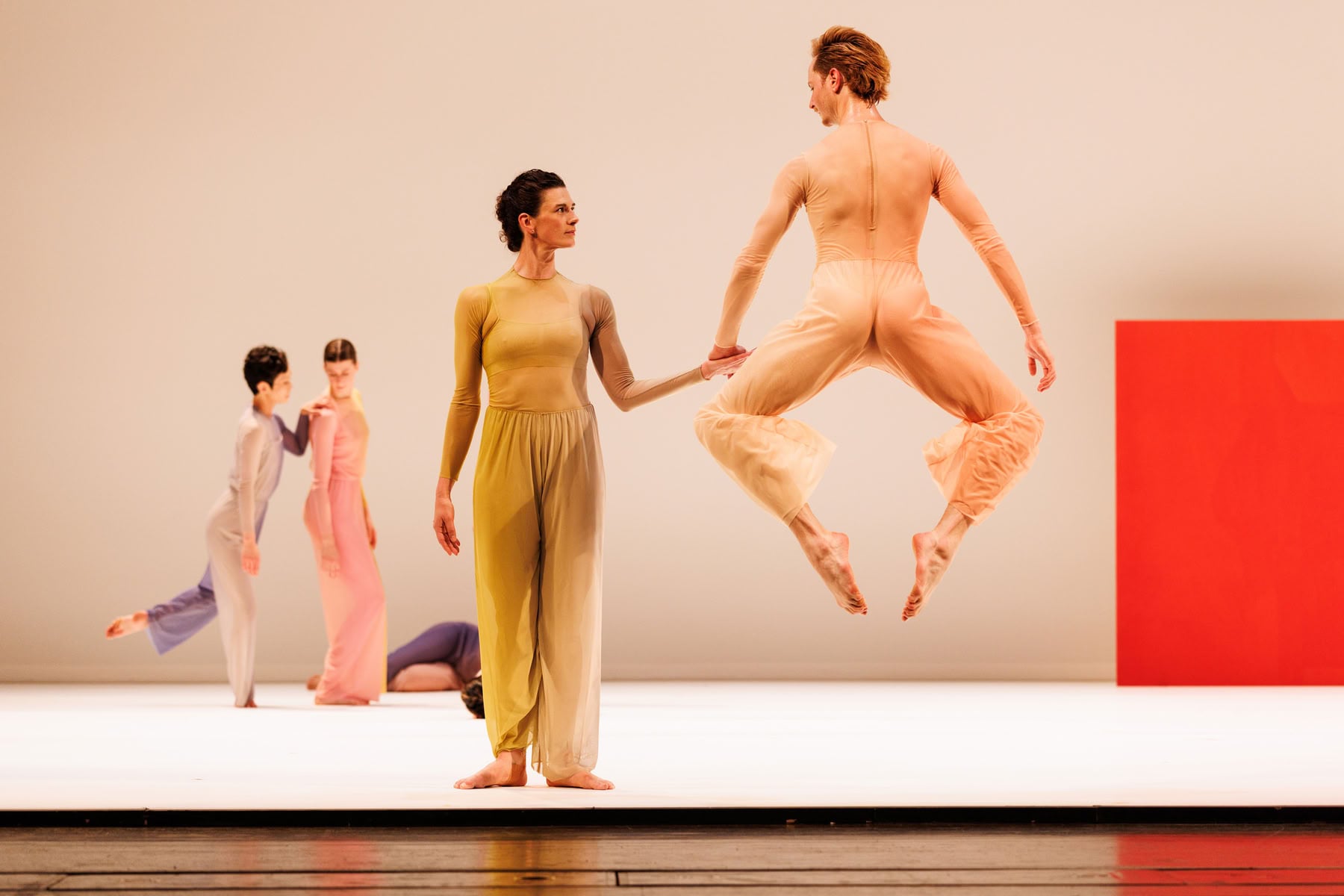
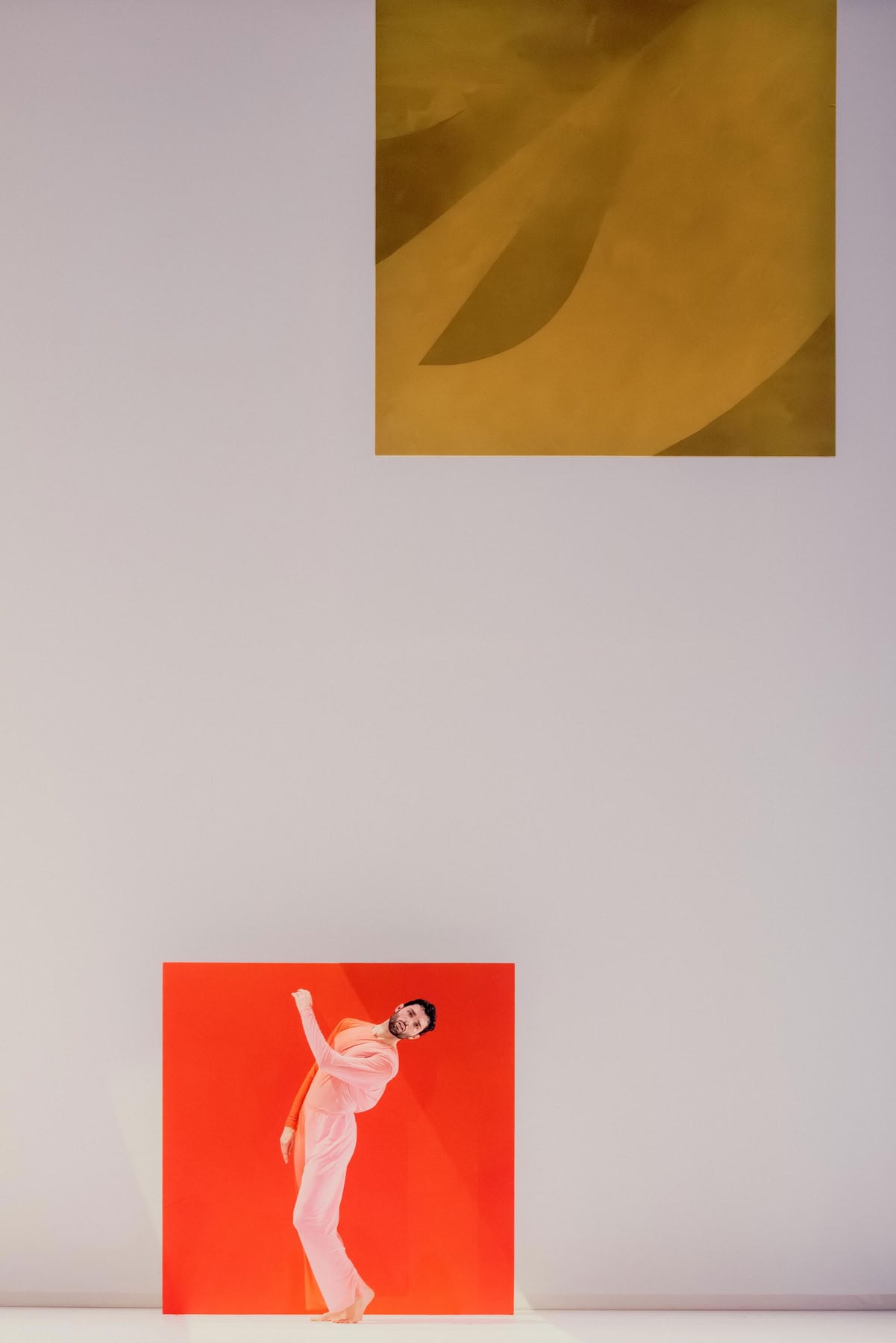
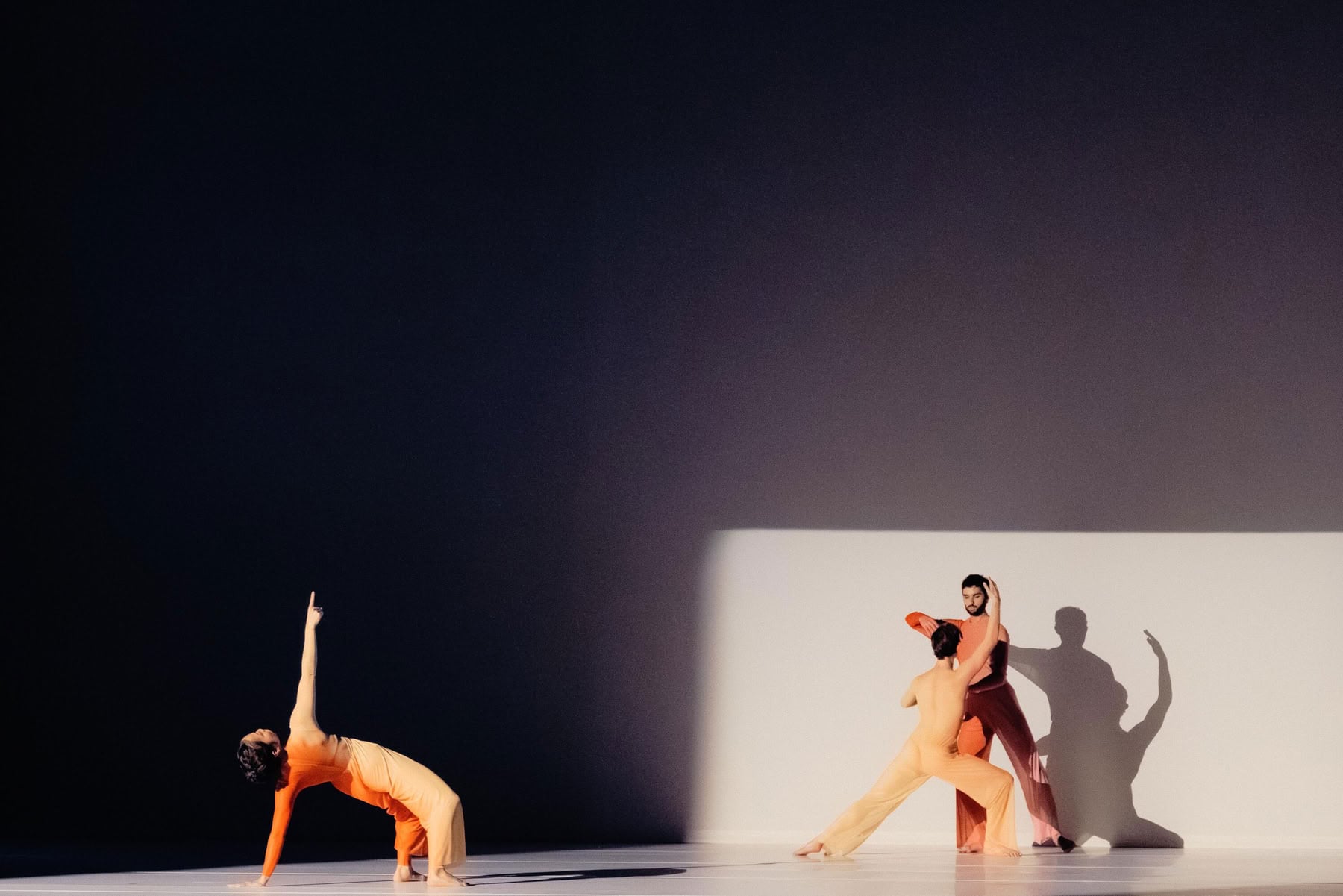
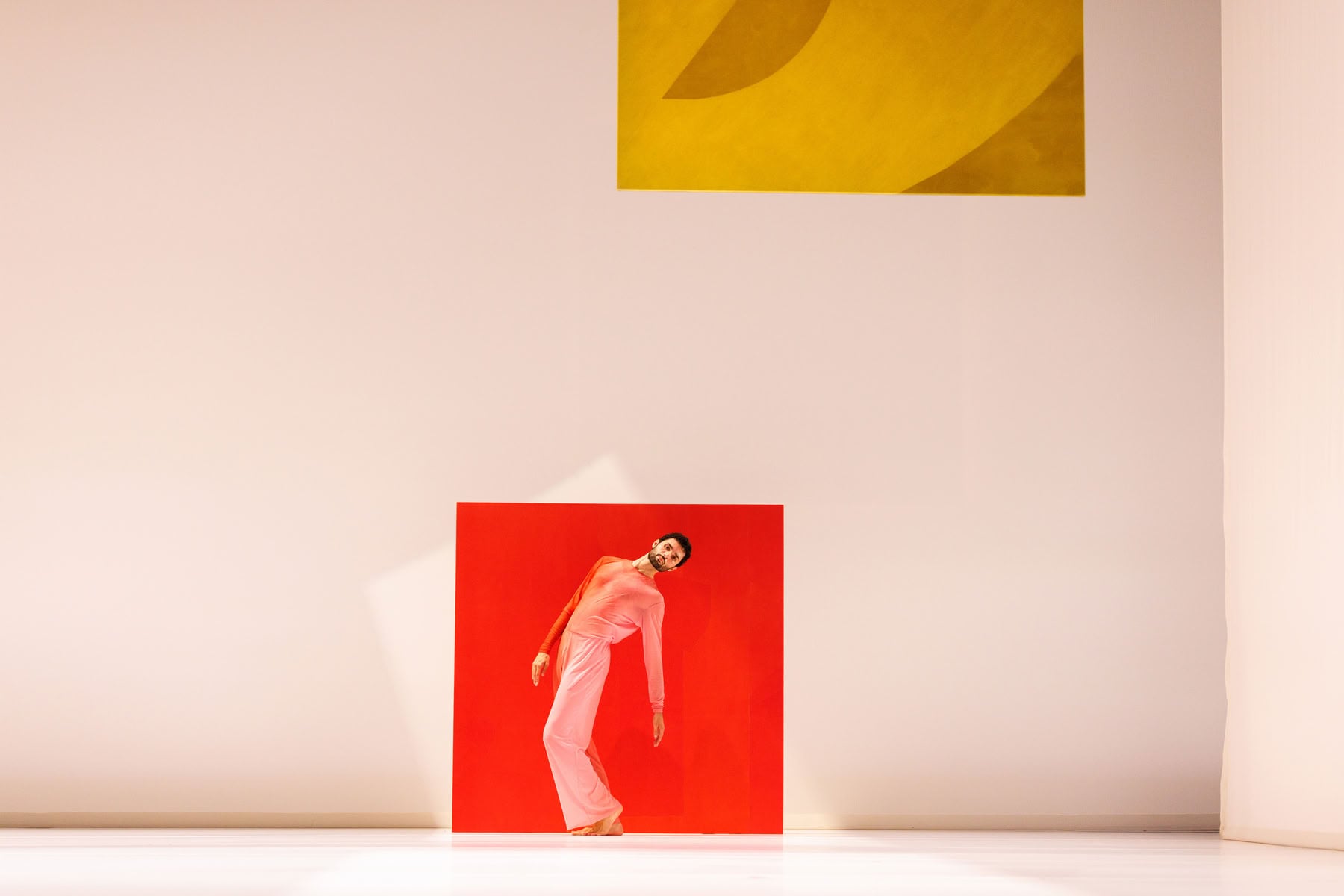
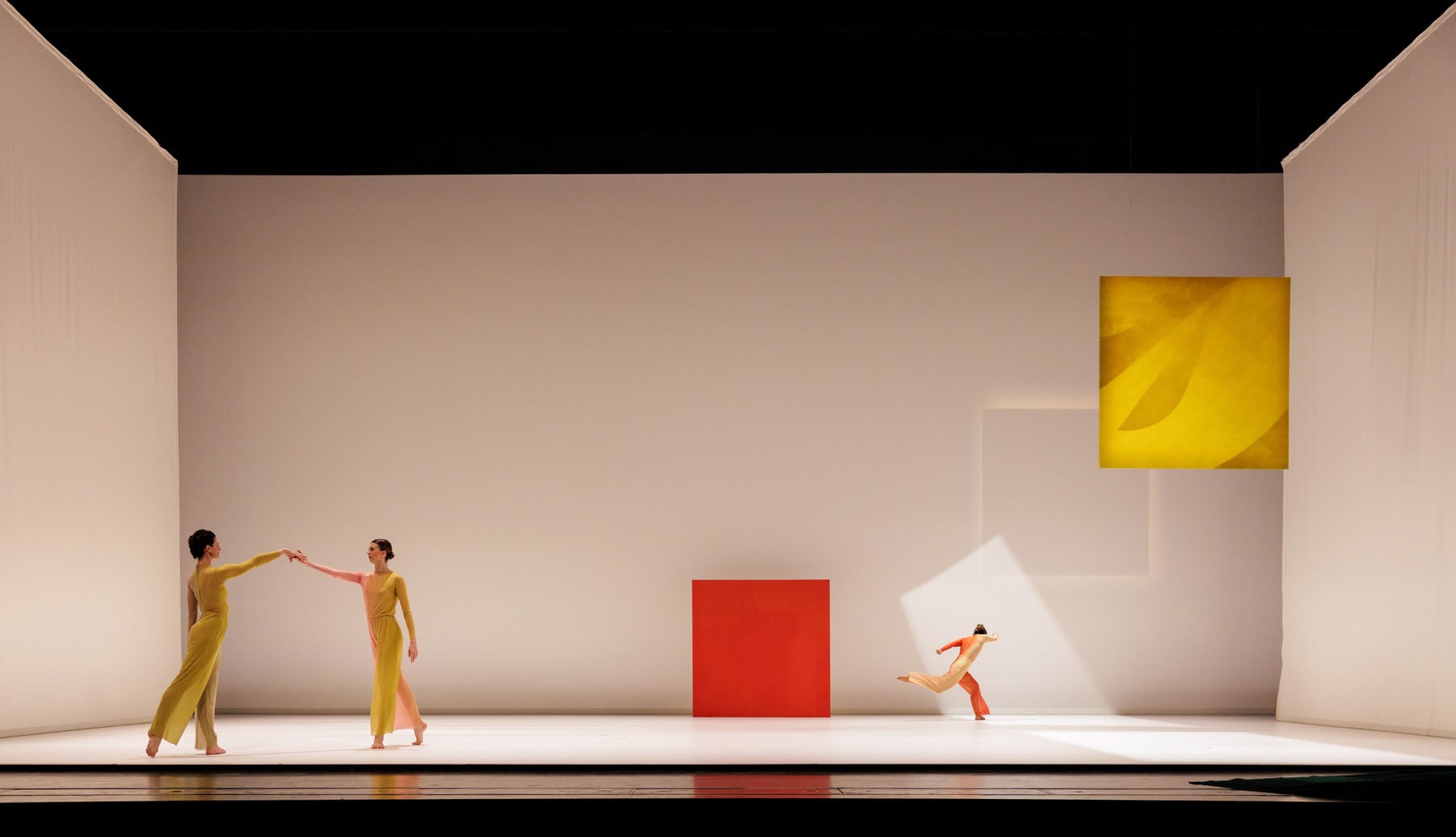
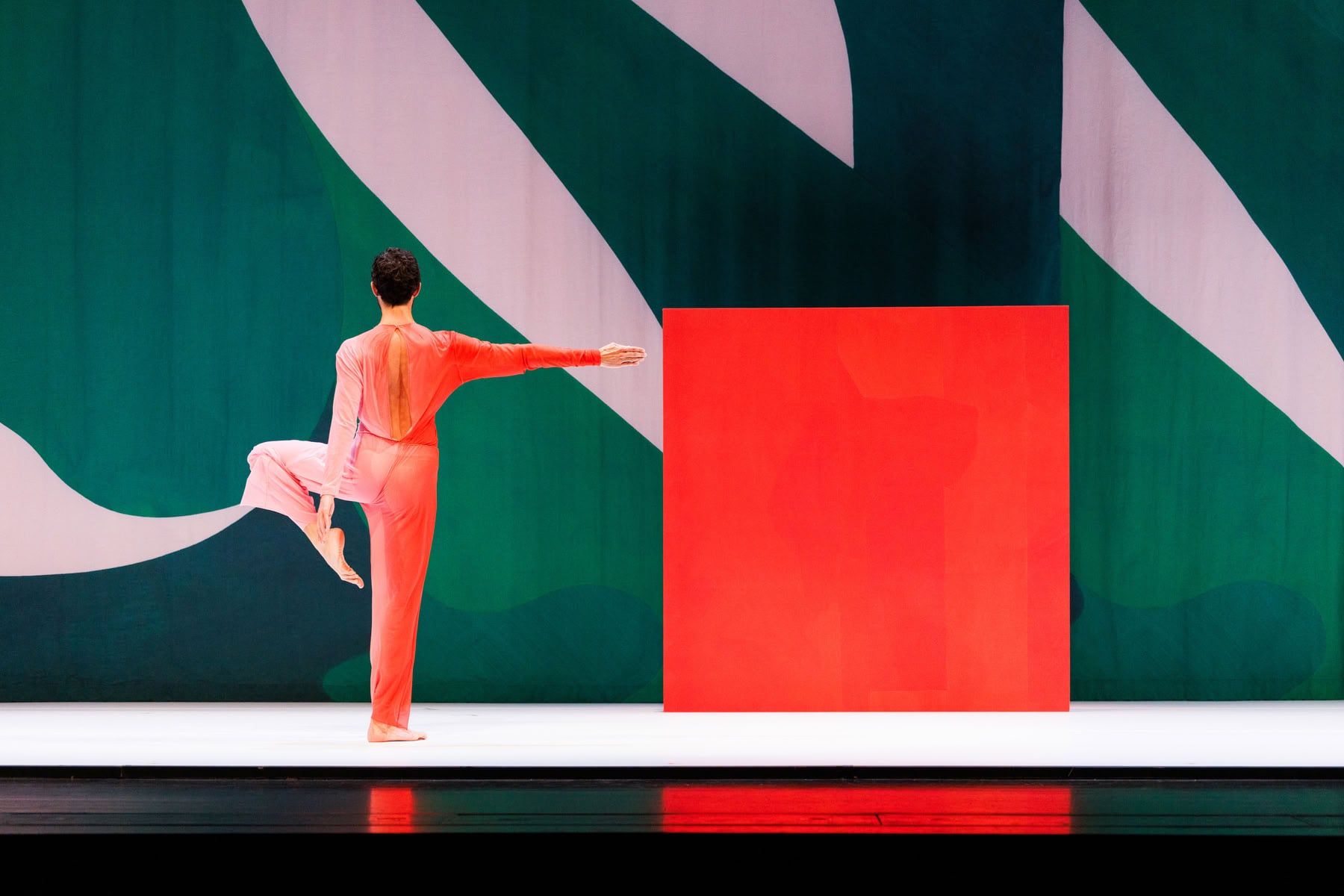
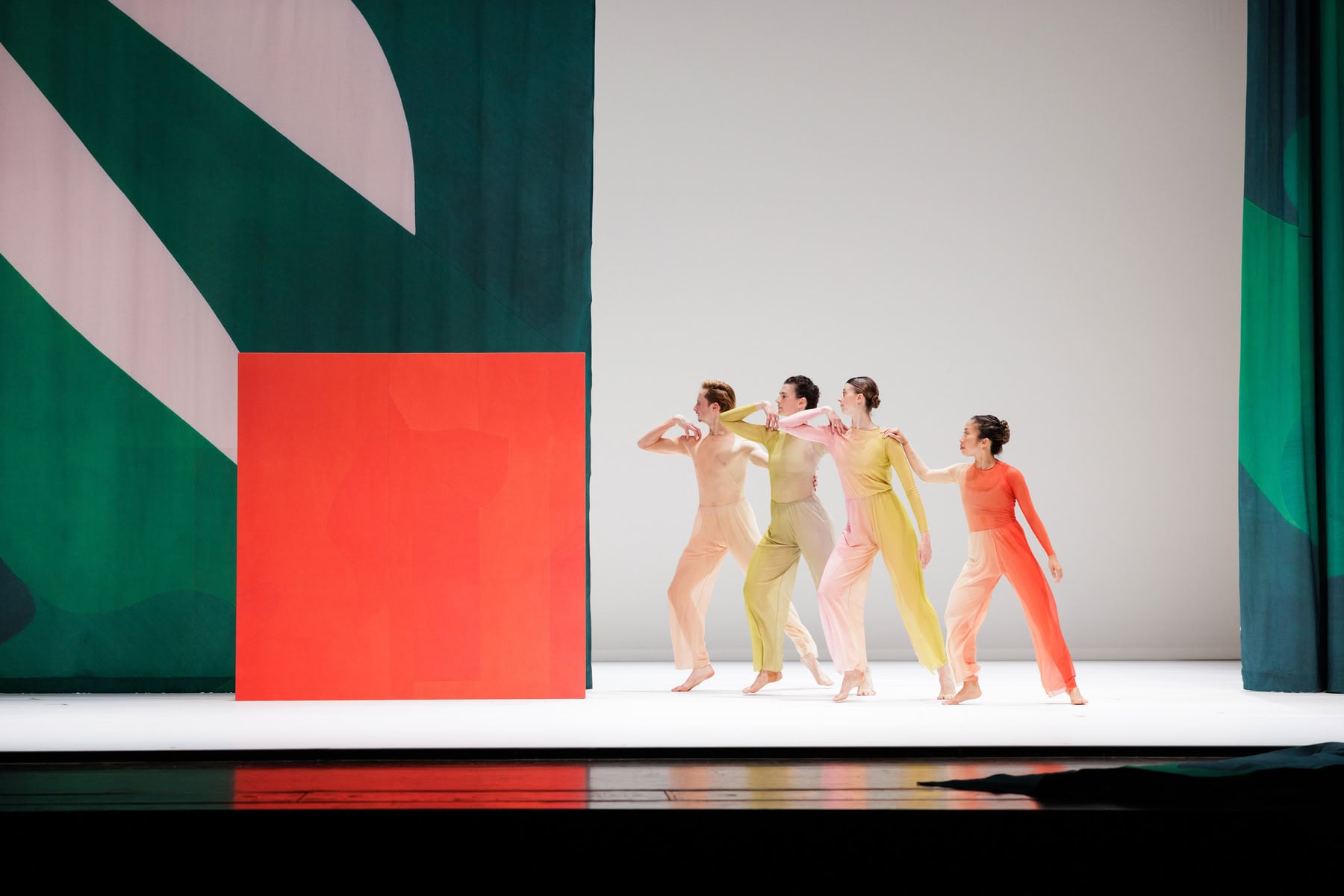
Taking inspiration from Beethoven’s “Pastoral” symphony, Shaw’s surprising score – performed by a trio of musicians playing wind instruments – includes snatches taken from the symphony, as well as the sounds of the city, or birdsong, rumbling thunder, and even the voice of a woman humming a familiar tune whilst washing the dishes. It is an imaginative soundscape that beautifully captures the world around us, whilst also seeming to be an idealisation of nature. Likewise, the ravishing green and white moveable curtains (they reminded me of the papercut collages of Matisse) that hang within the white box of Crowner’s set, and Bartelme’s gorgeous prismatic costumes, appear like abstract representations of light, space and the natural world.
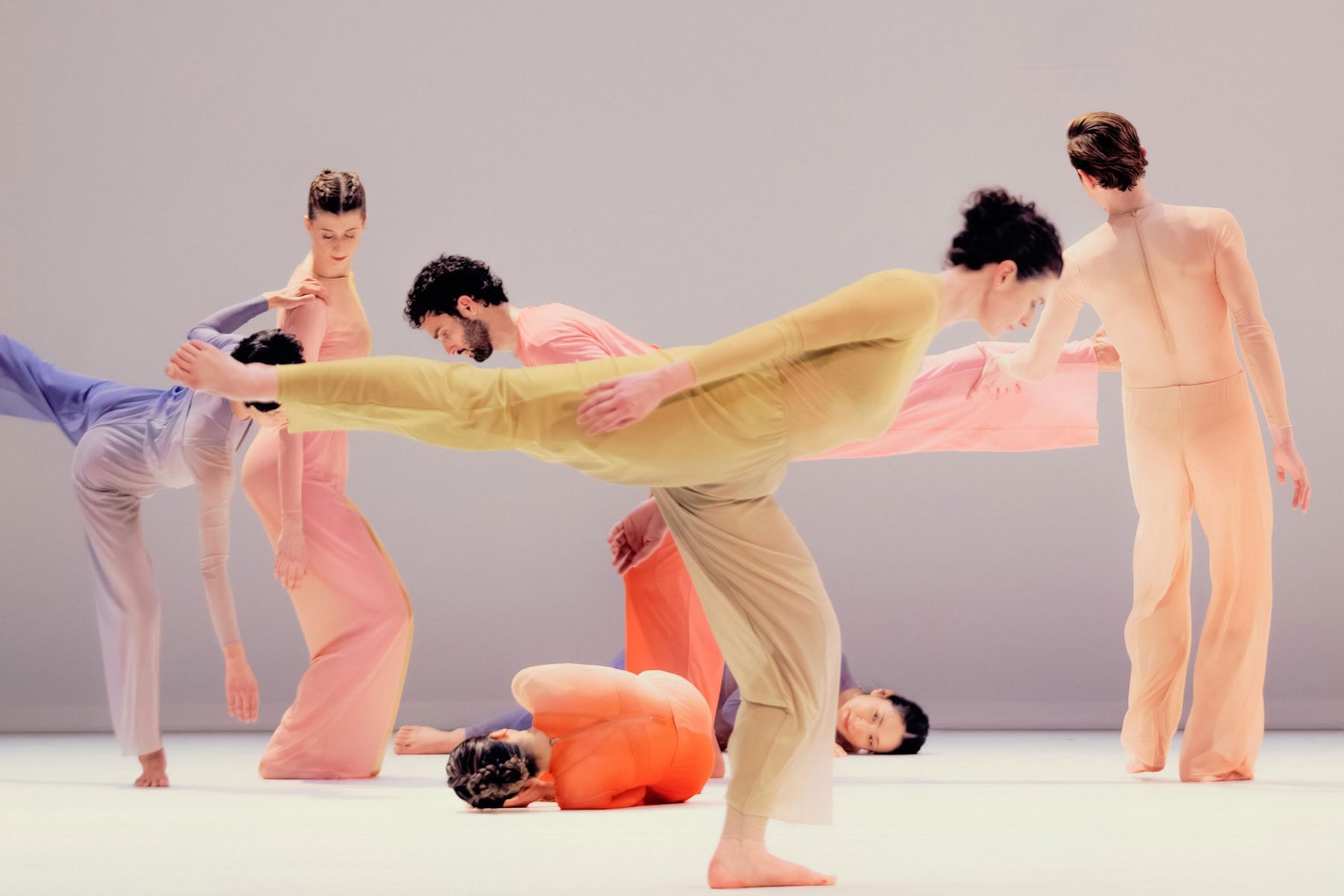
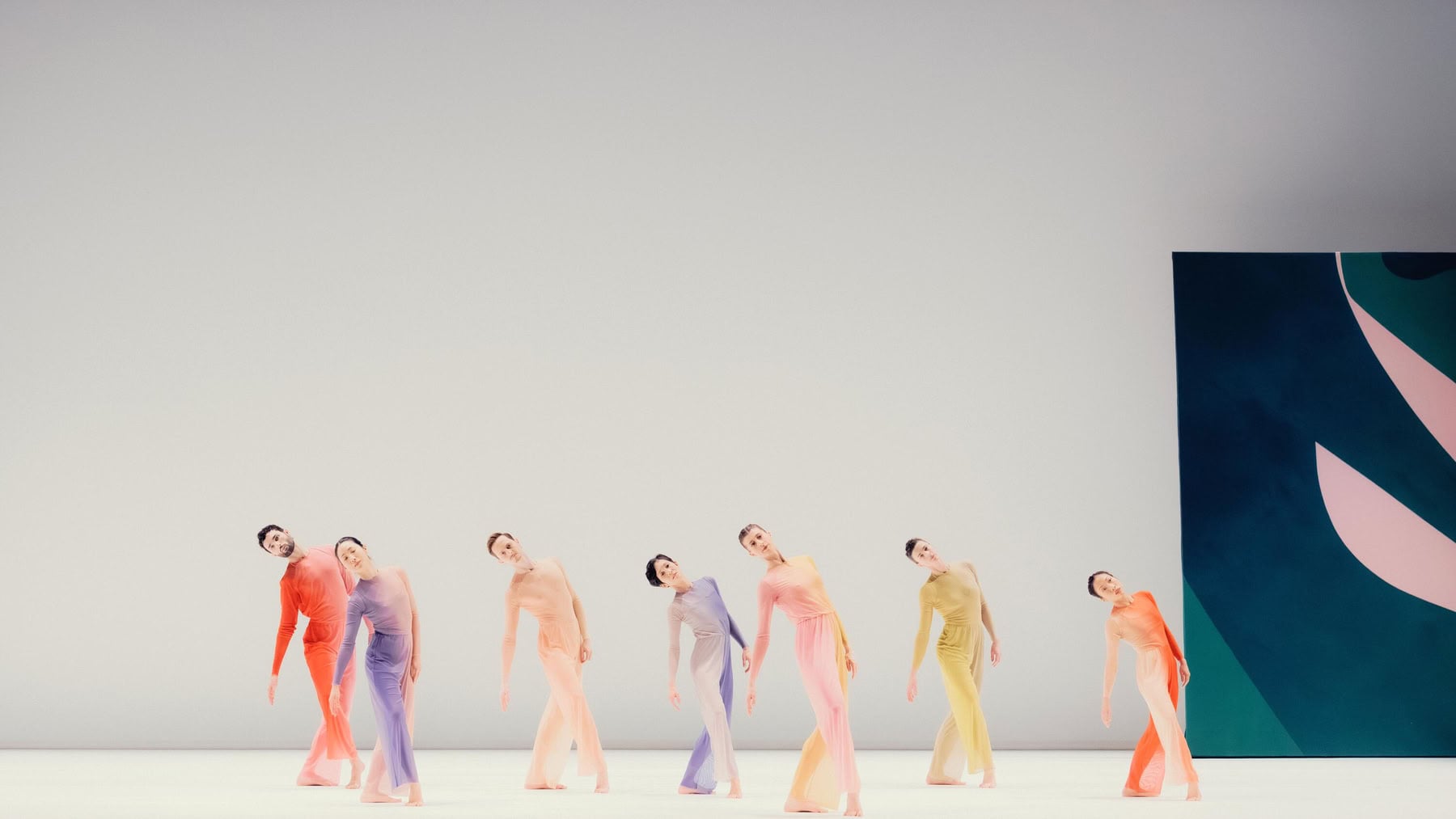
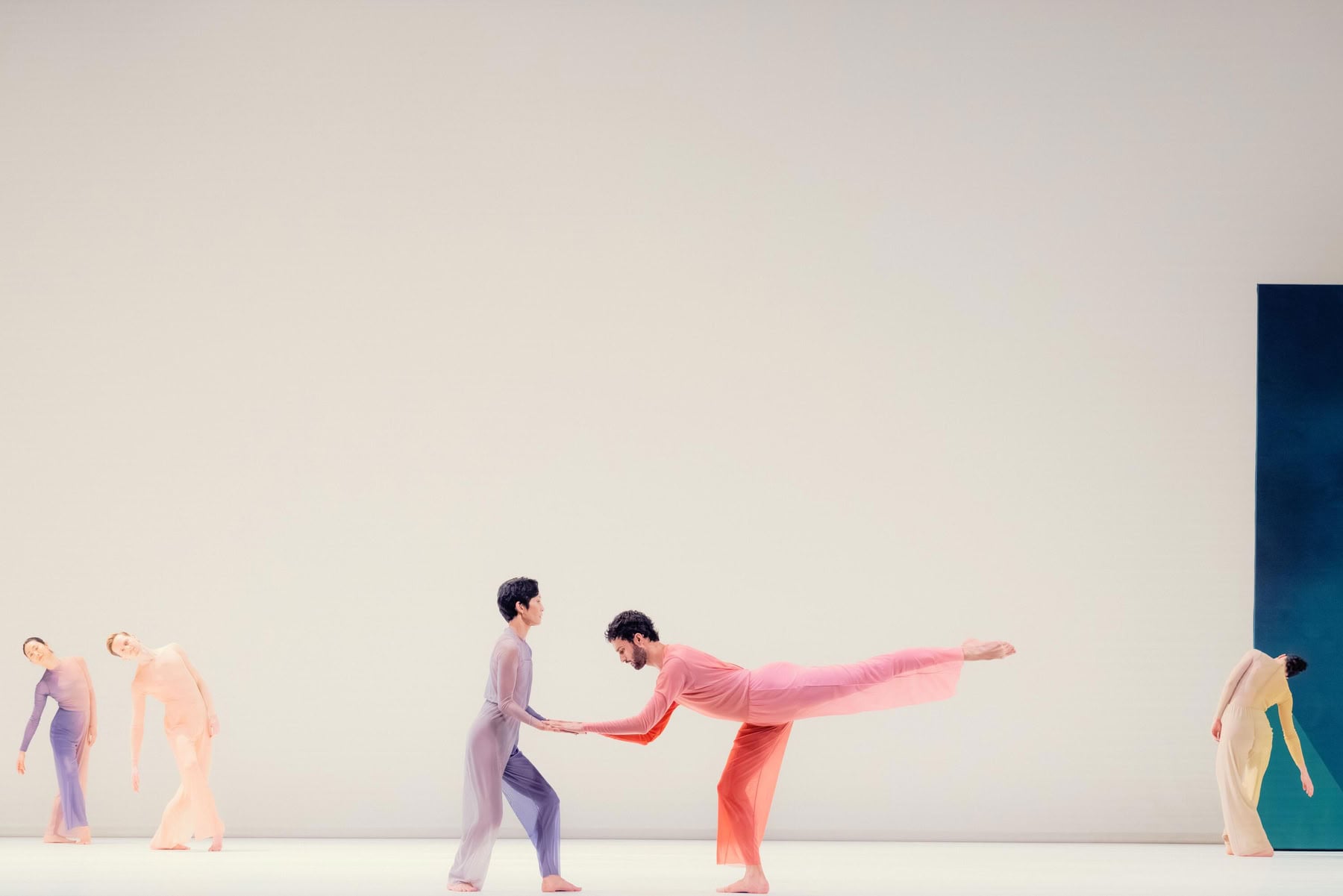
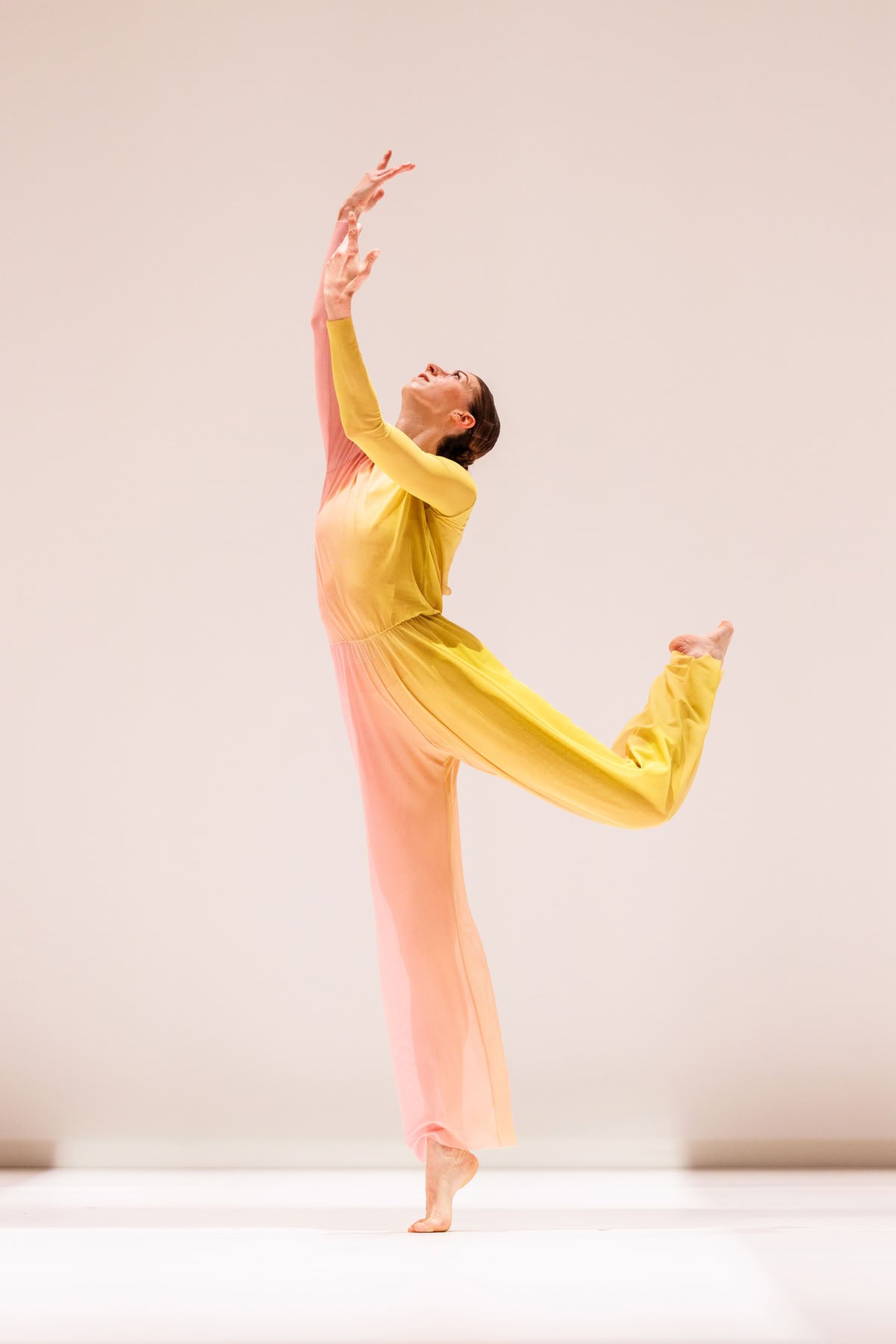
Within this sylvan stage picture, the seven excellent dancers – Marc Crousillat, Christine Flores, Lindsey Jones, Maile Okamura, Caitlin Scranton, Stephanie Terasaki and Anson Zwingelberg – inhabit the choreography with lissom poise. Often balancing on demi-pointe, or circling their arms like propellers, the dancing juxtaposes slow movements with sudden flurries of quick jumps and complicated sequences that are enthralling to watch. Bodies bend, twist and create remarkable shapes. Performed with expressionless faces, the dancers evoke images of idyllic pastoral scenes found in the great paintings of the past, as well as the dense concentration of steps that can be seen in the works of Cunningham. There is also a dexterous use of terre-à-terre footwork, delicious parallels with Bronislava Nijinska’s Les Biches, and even the visceral thrill of those astonishing old Soviet duets in which a woman leaps directly into the arms of a man. Tanowitz includes many allusions to the dances of the past, but in Pastoral they always seem entirely fresh, new and unique, delighting and surprising in equal measure. It was choreography to cherish.
I found it difficult not to love everything I saw and heard on the stage that night, and how often can one say that about a new contemporary dance work nowadays? With Pastoral, I believe Pam Tanowitz has given the world a major new dance creation that, in terms of its choreography, music and design, will surely rank amongst the very best.