
Review: National Ballet of Brno’s new production of Giselle with Ksenia Ovsyanick and Alejandro Virelles

Graham Watts sees Rodolfo Castellanos’ Giselle with the National Ballet of Brno – a production that stands among the very best.
| Title | Giselle |
| Company | National Ballet of Brno |
| Venue | Mahen Theatre, Brno, Czech Republic |
| Date | 8 May 2026 |
| Reviewer | Graham Watts |
A strong essence of Cuba visited the Czech city of Brno in this new production of the world’s most enduring Romantic ballet. Giselle is in the repertoire of virtually every ballet company and so any new interpretation has much to live up to.
Rodolfo Castellanos, a former principal of Ballet Nacional de Cuba who partnered Alicia Alonso, has gone back in time to produce a new version that is firmly rooted in Cuba’s choreographic heritage and ballet tradition. He was assisted by Yolanda Correa, another luminary of Cuban ballet who is now a lead principal with Norwegian National Ballet. Correa has danced the title role in Alonso’s Cuban production many times (as well as in versions by Cynthia Harvey and Patrice Bart). All their considerable experience has been brought to bear on creating this Giselle and coaching the dancers of the Brno ensemble.
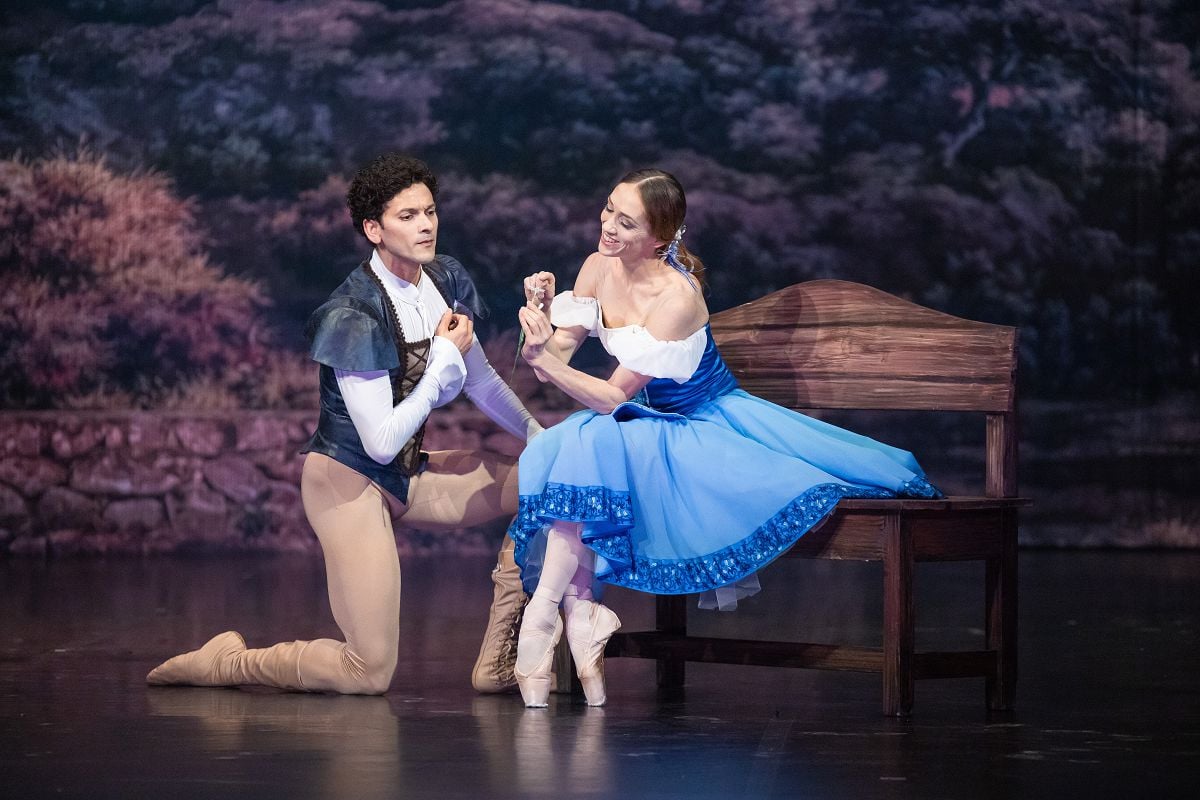
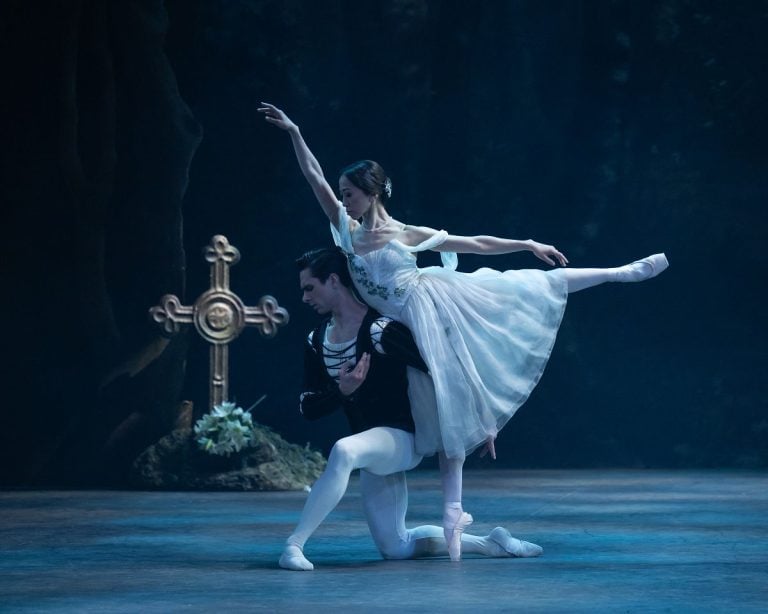
The Cuban influence also extended onto the stage with a superb performance by Alejandro Virelles as Albrecht, the aristocrat plighting his troth dishonestly to Giselle. Virelles brought an impetuous innocence to his portrayal, allowing empathy for his character’s duplicity, and his dancing was hallmarked by the clarity and smoothness of lucent technique and stylistic precision. His dancing is elegant rather than exuberant, noble rather than forceful, but virtuosic, nonetheless. As a double whammy, the second cast Albrecht was another Cuban, Yunior Palma.
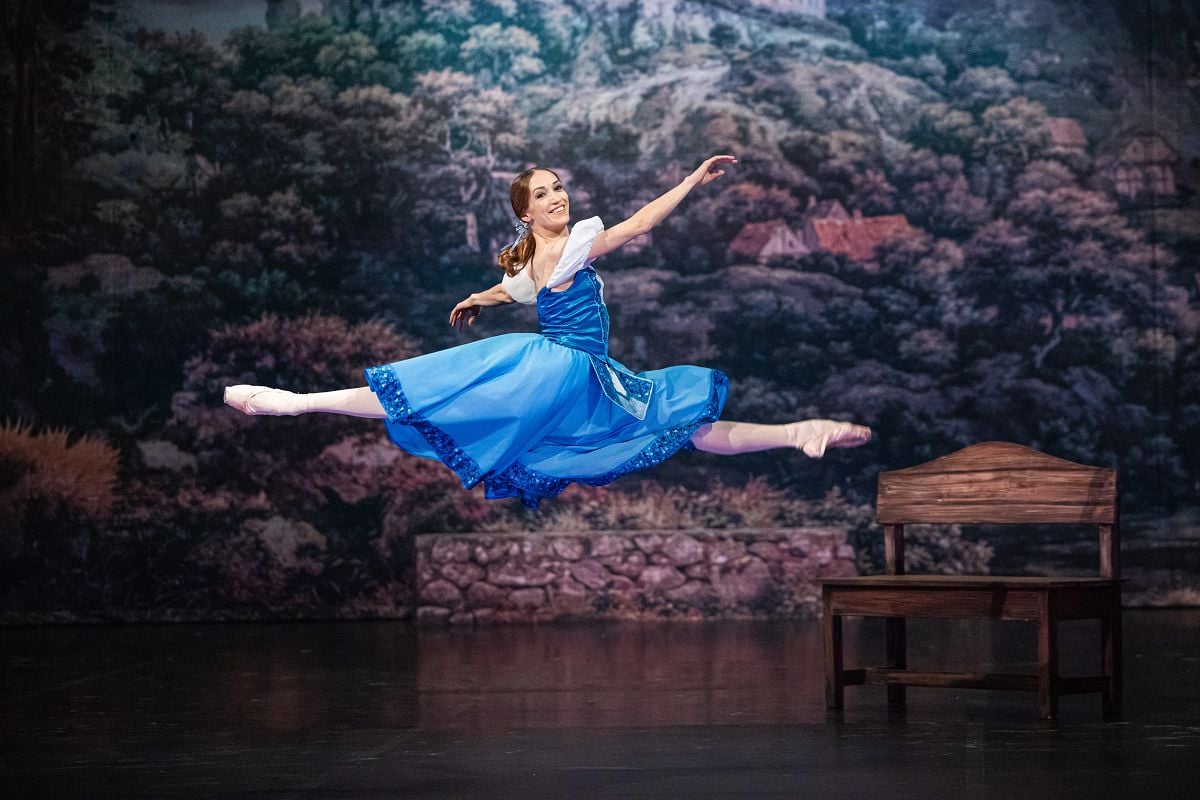
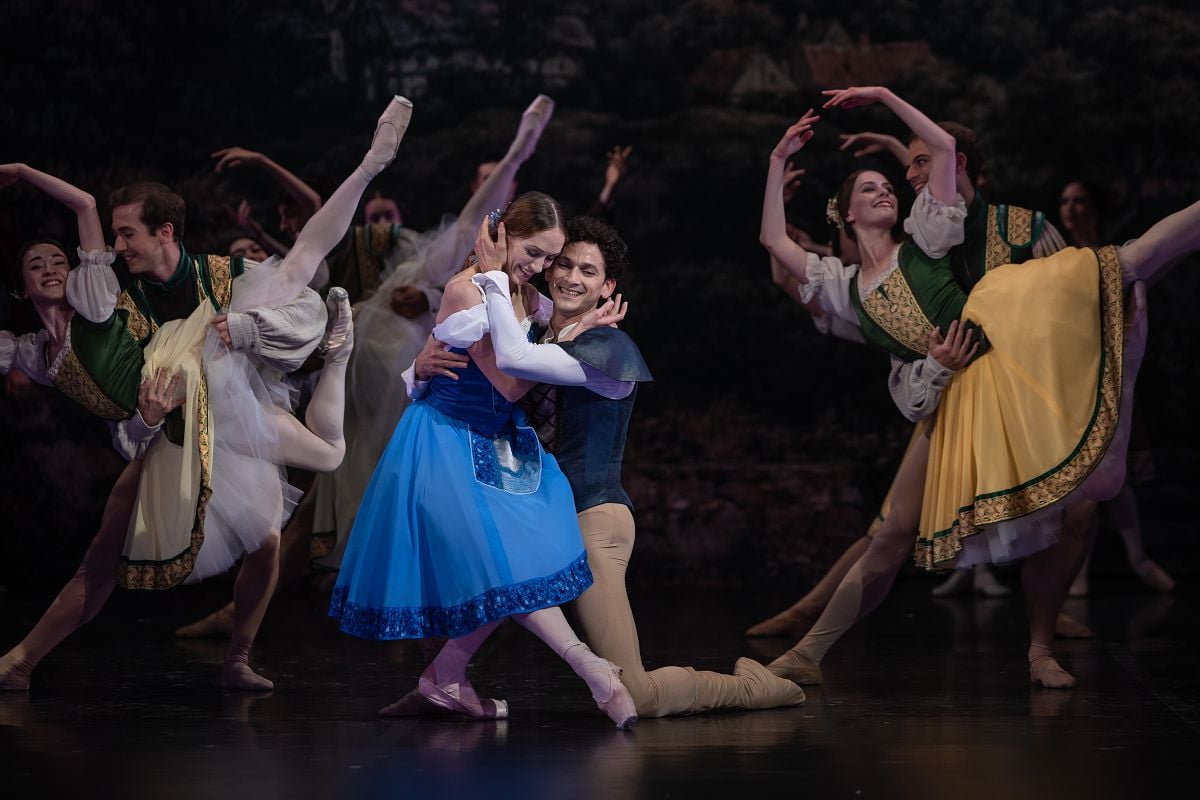
Ksenia Ovsyanick gave a mesmerising performance as Giselle, projecting her narrative with an intimate clarity of detail and dancing the second act with a filigree lightness that made her spiritual ethereality completely relatable. When Albrecht runs towards her ghostly form it really seems as if he runs through her. She comfortably relays the joy, shyness, wariness and excitement of first love, followed by the anguish of discovering Albrecht’s betrothal to Bathilde that leads to her death (by heart failure, not suicide) and then her emergence from beyond the grave with initial obedience to the Queen of the Wilis followed by her defiance of their dance-unto-death torture of Albrecht through the forgiveness of true love. Ovsyanick was compellingly convincing in every aspect of Giselle’s journey, dancing with serenity and sensitivity. Her partnership with Virelles was effervescent with chemistry in both the human and the supernatural acts.

I gave up noting down the details that Castellanos has invested into his production because there were so many, but these generally included a greater emphasis on dramatic clarity. So, for example, the character of Wilfried, Albrecht’s squire, is drawn more vividly, attempting unsuccessfully to deter Albrecht from his flirtation with Giselle. Wilfried was performed emphatically by Shoma Ogasawara; small compensation for being denied the role of Albrecht by an unfortunate knee injury.
It was notable also that when Hilarion, the local woodsman whose love for Giselle turns to fatal jealousy, confronts Albrecht, he is conditioned by his realisation of their differential status to still behave obsequiously, bowing as he backs away. Old habits die hard! Ilia Mironov was my first experience of a bald Hilarion, a characteristic that emphasised his strong, rustic physicality. Mironov was ideally cast in this difficult role, and unusually one felt Hilarion’s sense of guilt, rather than revenge, in the part he played in bringing about Giselle’s death.
Se Hyun An was also outstanding as Myrtha, Queen of the Wilis, dancing impeccably with a disdainful countenance, a hatred of all men occasioned by leading a spiritual community of the ghosts of jilted brides. And the Wilis themselves were superbly drilled in their delicate uniformity, dressed in beautiful ankle-length Romantic tutus that helped to give the suggestion of ethereal floating (costumes designed by Ľudmila Várossová). Nanaka Ogawa and Sarah Ronešová were Myrtha’s lead assistants. One sensed Correa’s influence in the stylistic efficiency of the second act.
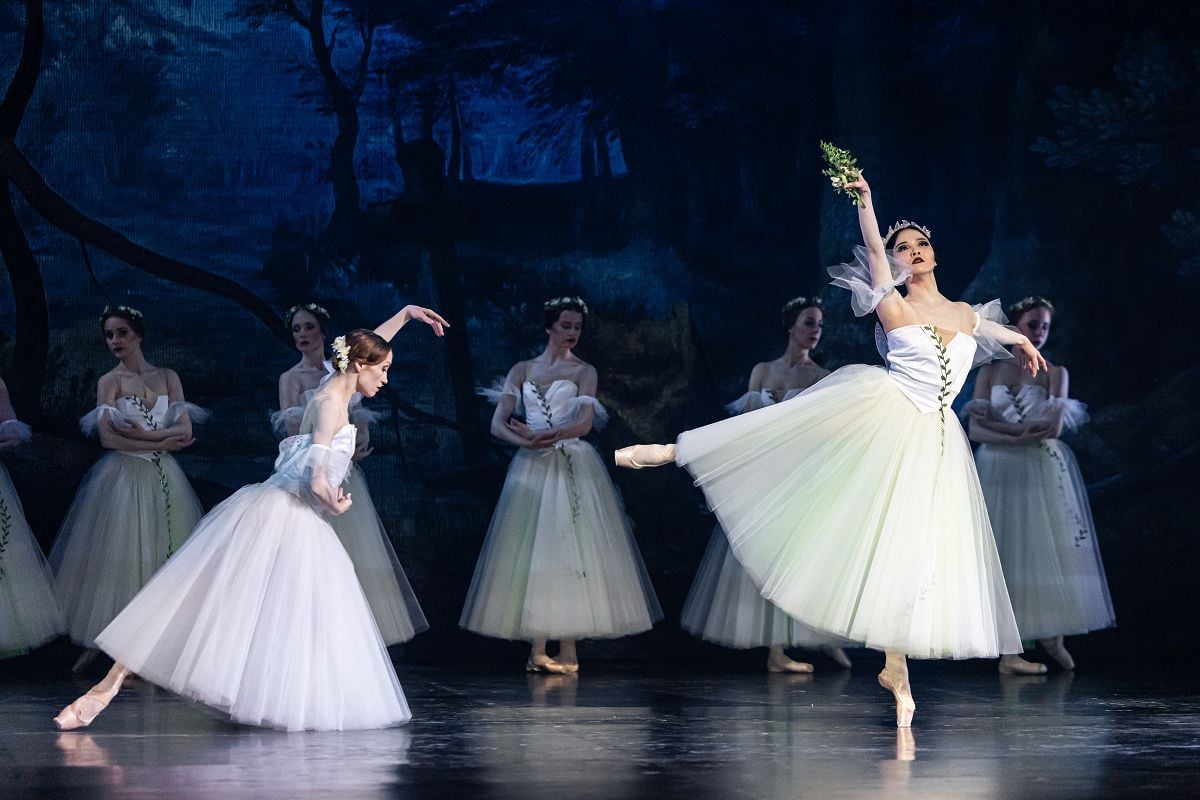
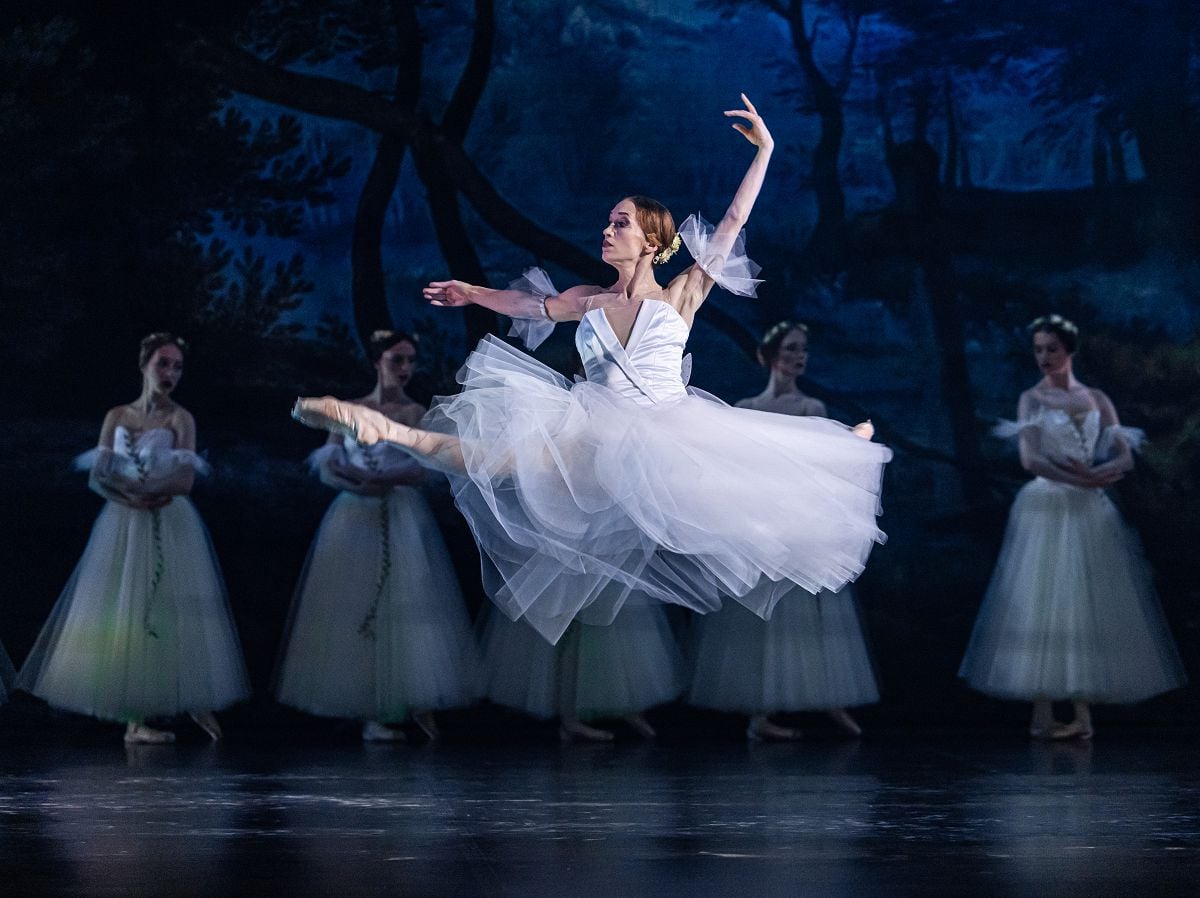
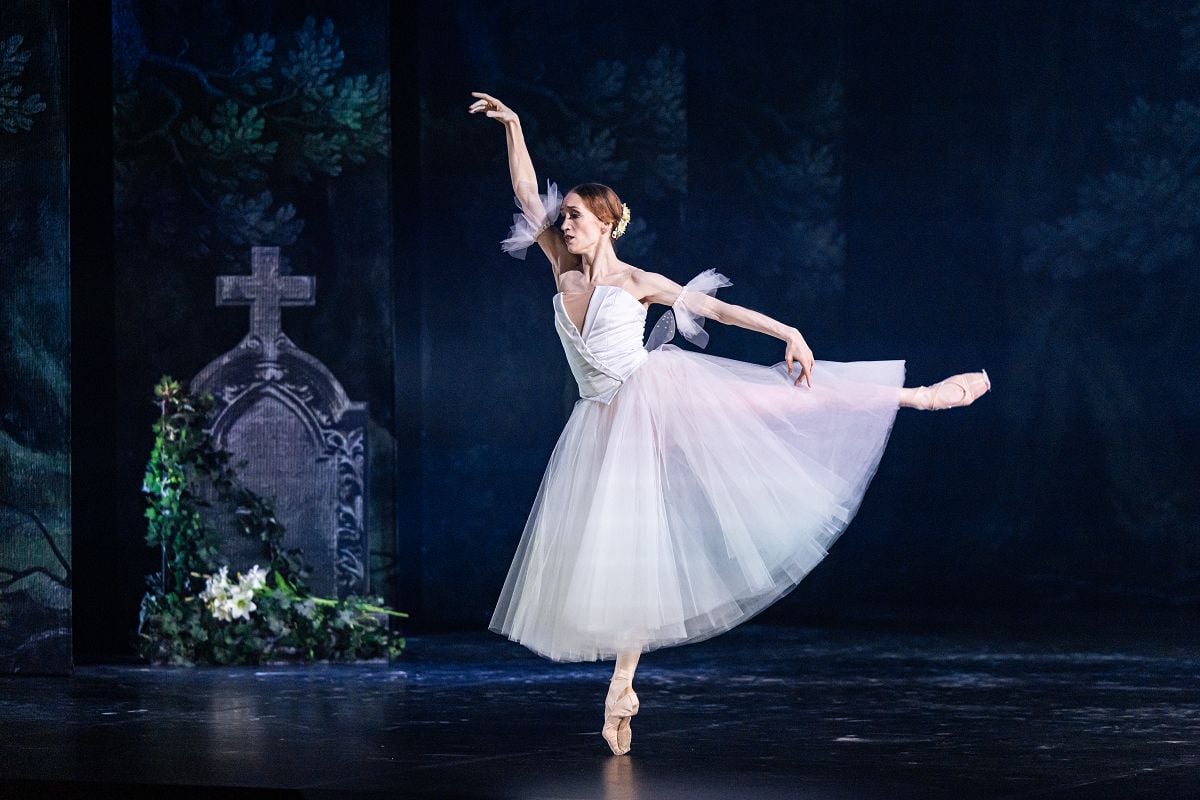
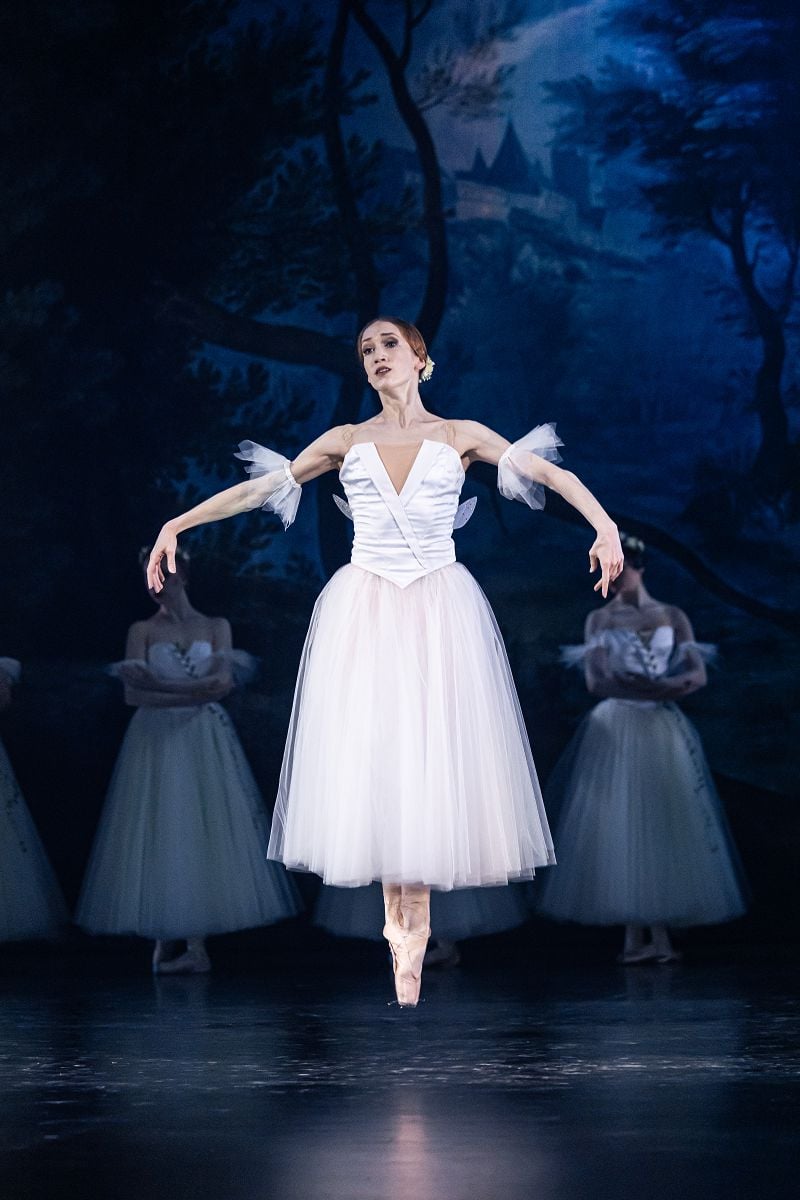
The character of Giselle’s mother, Bertha, here performed by Jelizaveta Šibajeva, appears later than usual in the first act, but her miming foretelling the dangers presented by the Wilis was crystal clear, and in this version Bertha is much more evident in trying to safeguard her daughter’s fragile health.
One of Castellanos’ innovations is to create a dance for four couples in place of the usual peasant pas de deux or pas de six. It’s a vibrant celebration of the wine harvest, preceding Giselle’s coronation as Harvest Queen, and the challenging choreography for the men was danced without holding back on elevation but still achieving harmony in timing and balon.
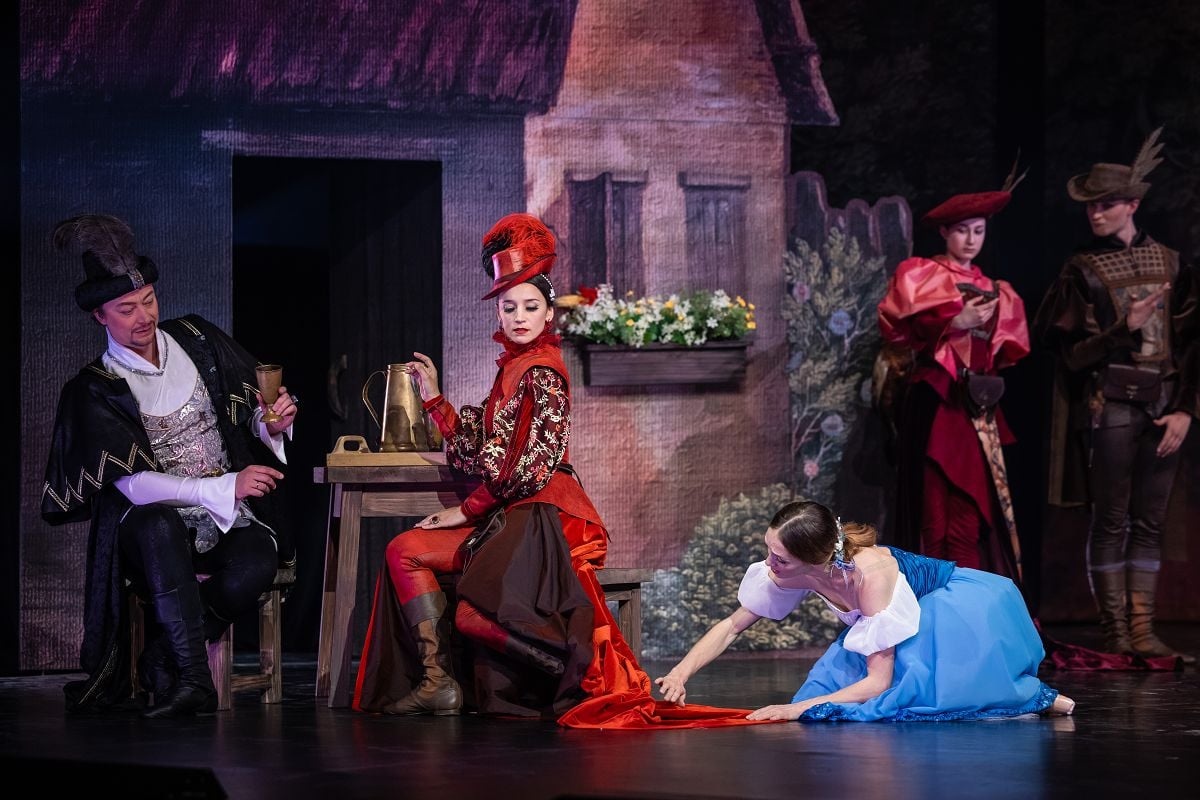
This production is set a couple of centuries prior to the norm, with the guards of the Duke of Courland (here upgraded to a Prince) clad in armour and wielding halberds. As the Prince, Ivan Popov was suitably imperious, although his hunting entourage was on the thin side. Nashua Mironova was contemptuously haughty as Bathilde, Albrecht’s betrothed, although her initial affection for Giselle was genuinely touching. I was surprised by her costume with a pattern of a knight and unicorn on a red dress that seemed to reveal rather more leg than the medieval period would have allowed.
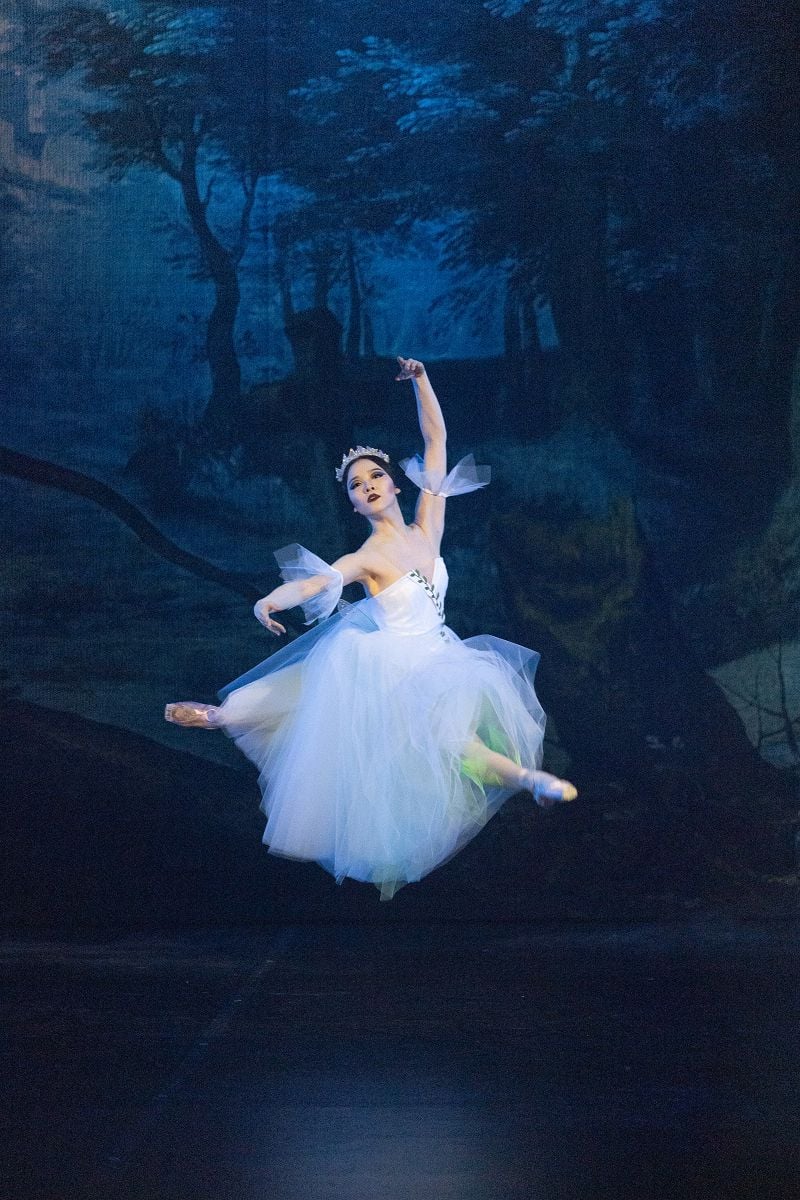
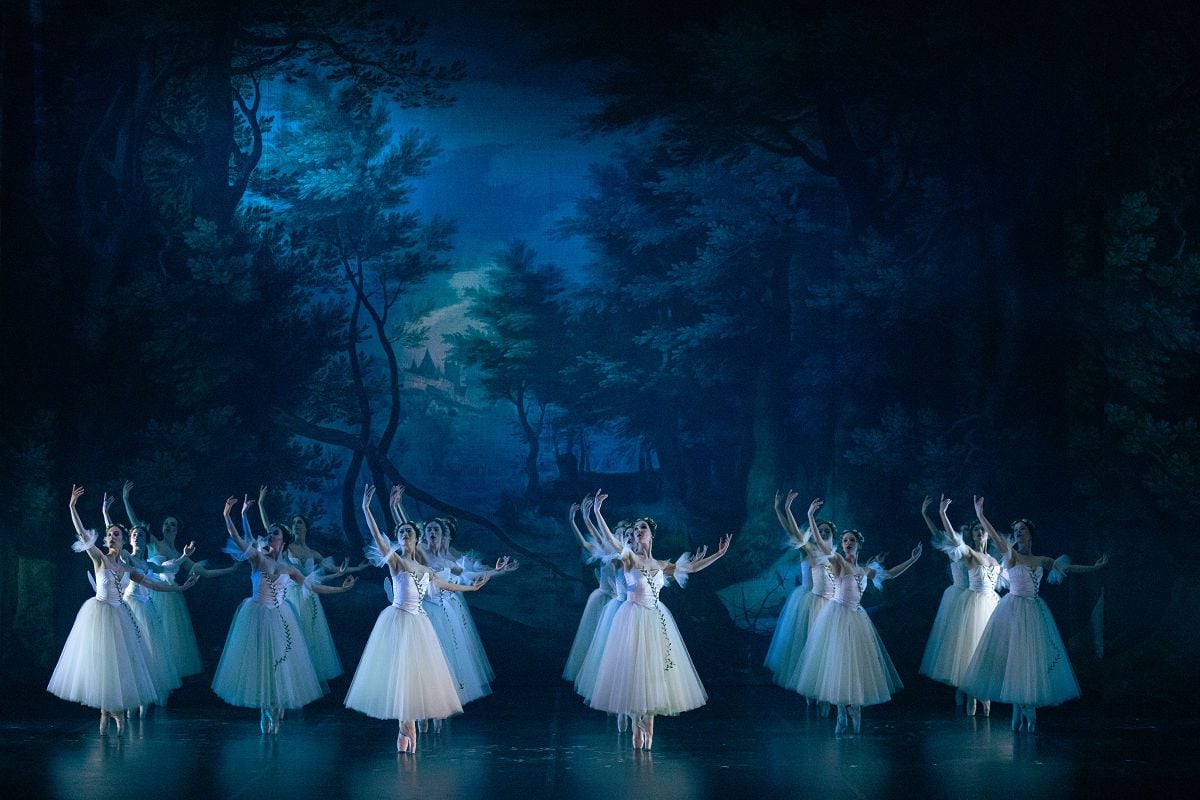
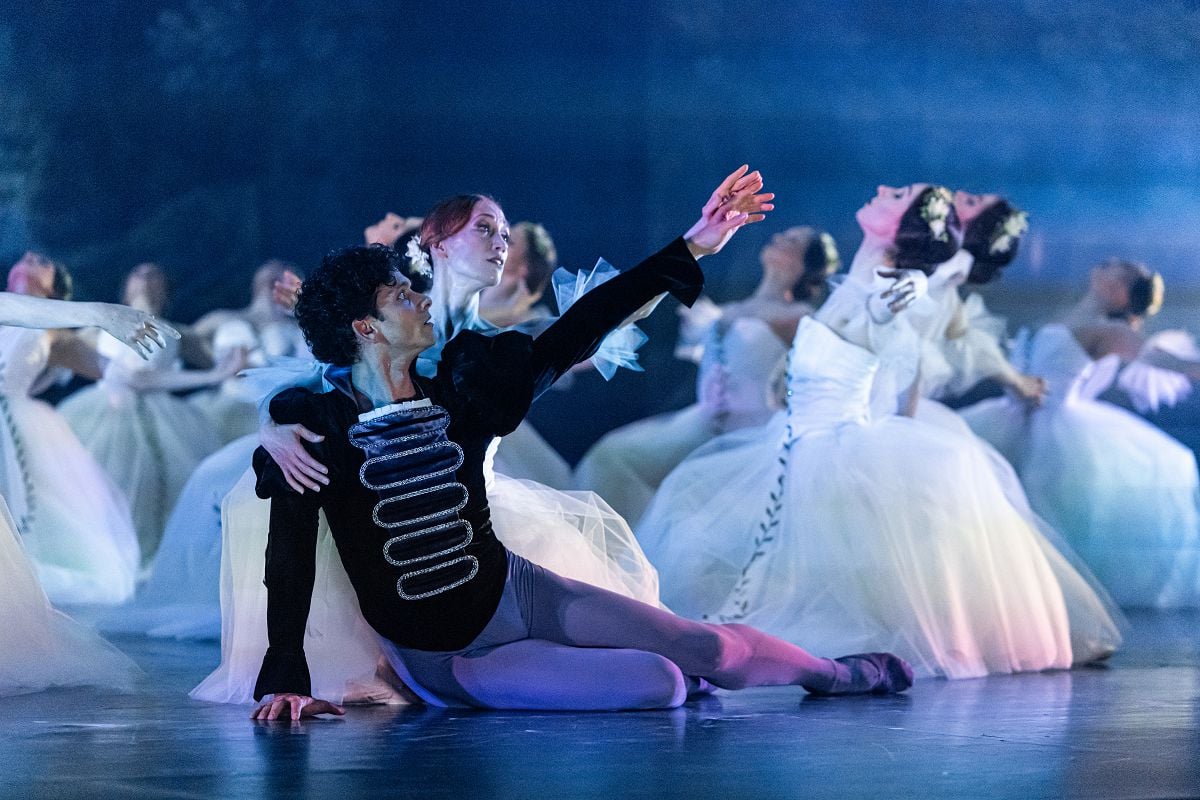
The beautiful Mahen Theatre has a relatively small stage and so Jaroslav Milfajt’s set design had to do justice to the scenography while allowing space for the dancers. This meant that Giselle’s cottage was just poking out of the wings, with its door at the very edge of the stage, exactly in the spot then taken by Giselle’s gravestone in the second act. Needs must, and Milfajt’s set did the job even if as a truncated version of the norm.
Conducted by Dominik Pernica, the orchestra of the National Theatre of Brno performed the Adolphe Adam score to great effect. It is one of the truly great ballet scores. The acoustics of the Mahen Theatre seemed perfect for the dreamlike atmosphere of the second act where the solo violin and harp tugged at more than just the instruments’ strings. Some aspects of the tempii seemed a little faster than I am used to, but the dancers were completely unfazed and so it seemed deliberately so.
Castellanos and his team have taken the traditional Giselle, handed down in Théophile Gautier’s libretto and the choreography of Jean Coralli, Jules Perrot, later revised by Marius Petipa, and given it a Cuban polish, releasing much fine detail, especially in mime, that had become lost over the decades. Further embellished by a clutch of stellar performances, it was a delight.
Although it hosted the world premiere of Prokofiev’s Romeo and Juliet (in December 1938), Brno didn’t stage its own Giselle until the 1960s, more than a century after the ballet was conceived. Now it has a homegrown production that stands among the very best.


Graham Watts is a freelance writer and dance critic. He writes for The Spectator, Tanz, Shinshokan Dance Magazine (Japan), Ballet Magazine (Romania), BachTrack and the Hong Kong International Arts Festival and has previously written for the Sunday Express, Dancing Times, Dance Europe, DanceTabs, London Dance, the Edinburgh International Festival and Pointe magazine (USA). He has also written the biography of Daria Klimentová (The Agony and the Ecstasy) and contributed chapters about the work of Akram Khan to the Oxford Handbook of Contemporary Ballet and on Shobana Jeyasingh for the third edition of Routledge’s Fifty Contemporary Choreographers.
He is Chairman of the Dance Section of The Critics’ Circle and of the UK National Dance Awards and regularly lectures on dance writing and criticism at The Royal Academy of Dance, The Place and (until the war) for Balletristic in Kyiv. He was a nominee for the Dance Writing Award in the 2018 One Dance UK Awards and was appointed OBE in 2008.
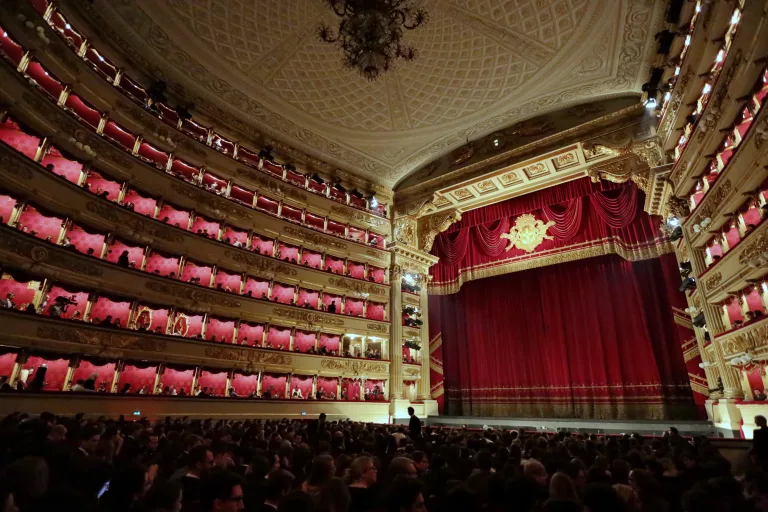


Interesting and well written article. I specifically enjoyed and appreciated the photos. They captured the facial expressions often missed as an audience member and the explosion of vibrant colors.