
Review: La Dame aux camélias at La Scala – Cojocaru, Coviello, Manni, Bolle

Graham Spicer sees John Neumeier’s La Dame aux camélias with wonderful performances from two casts but gets itchy for it to end.
| Title | La Dame aux camélias |
| Company | La Scala Theatre Ballet |
| Venue | Teatro alla Scala |
| Date | 4 & 16 October 2024 |
| Reviewer | Graham Spicer |
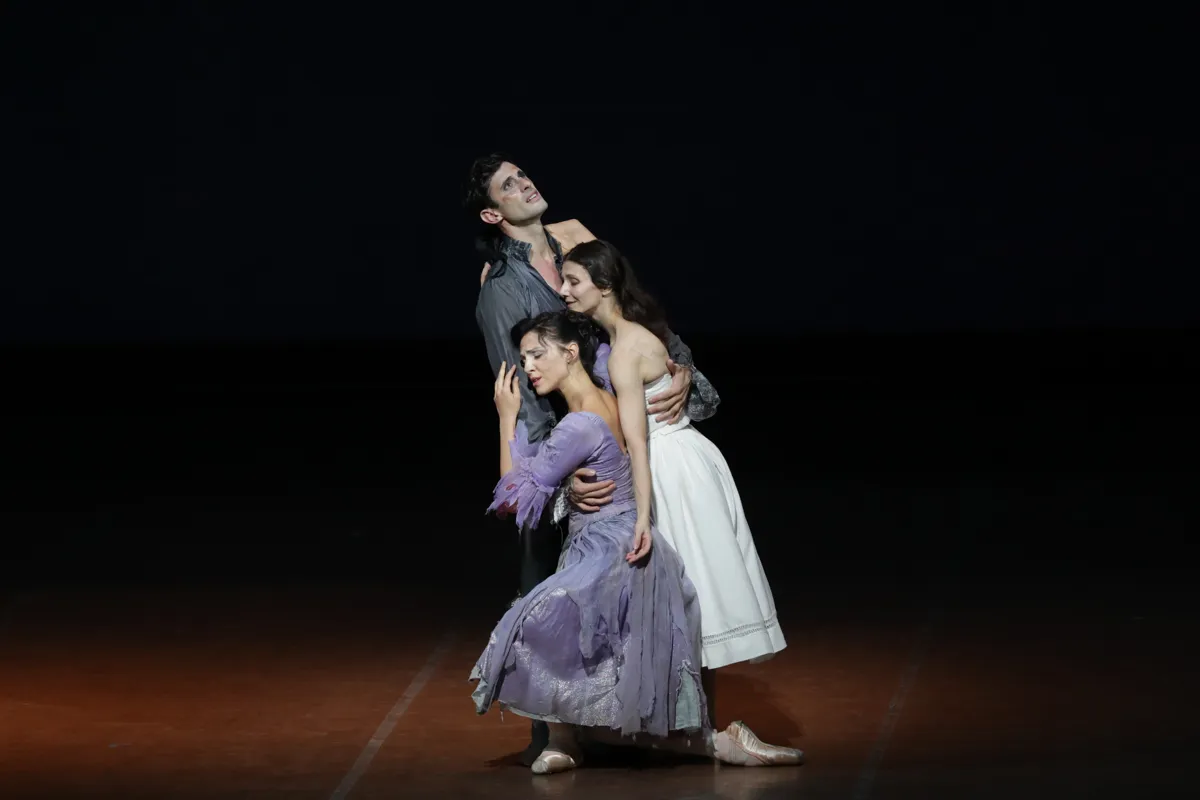
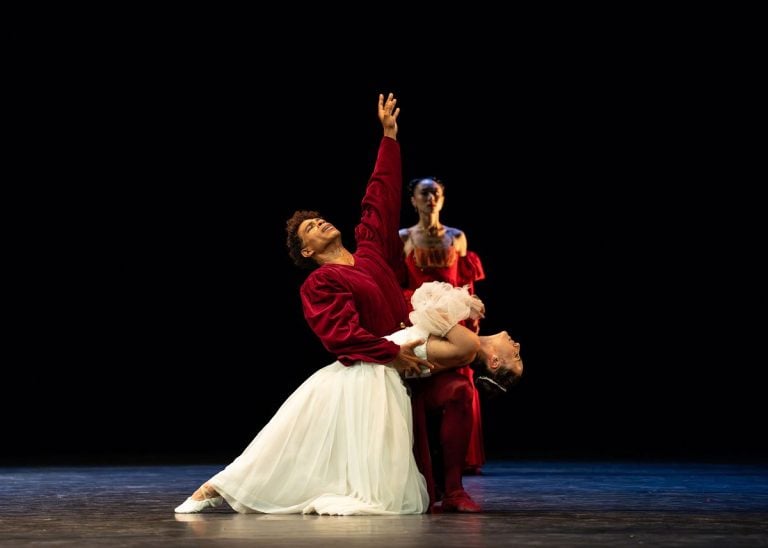
Gallery of photos with Nicoletta Manni, Roberto Bolle and cast, and Alina Cojocaru, Claudio Coviello and cast, below.
La Dame aux camélias is a story that caught the imagination of choreographer John Neumeier almost half a century ago. And why not? Alexandre Dumas fils’ novel has inspired numerous stage adaptations (with interpreters including Sarah Bernhardt, Eleonora Duse, and Lillian Gish), films (Greta Garbo’s Camille being the most famous, and Isabelle Adjani stars in a version with Carla Fracci as Marguerite Gauthier, who later danced the role in a ballet by Cuban choreographer Alberto Méndez), Verdi’s opera La traviata is one of the most performed operas in the world, and in addition to Neumeier’s telling of the story, there are many other dance versions including Frederick Ashton’s Marguerite and Armand and lesser known productions such as Derek Deane’s in Naples. Phew!
Neumeier’s take on the story is certainly one of the finest, though I continue to get itchy for it to end during the last twenty minutes.
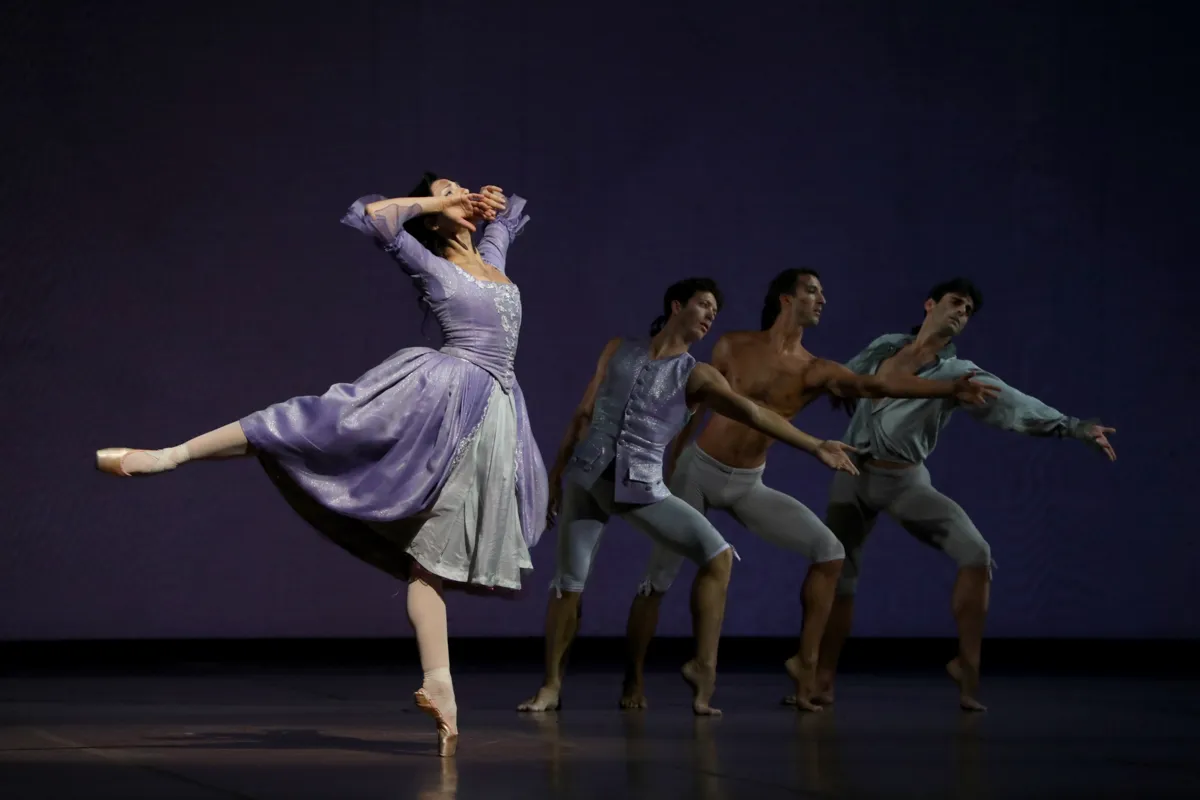
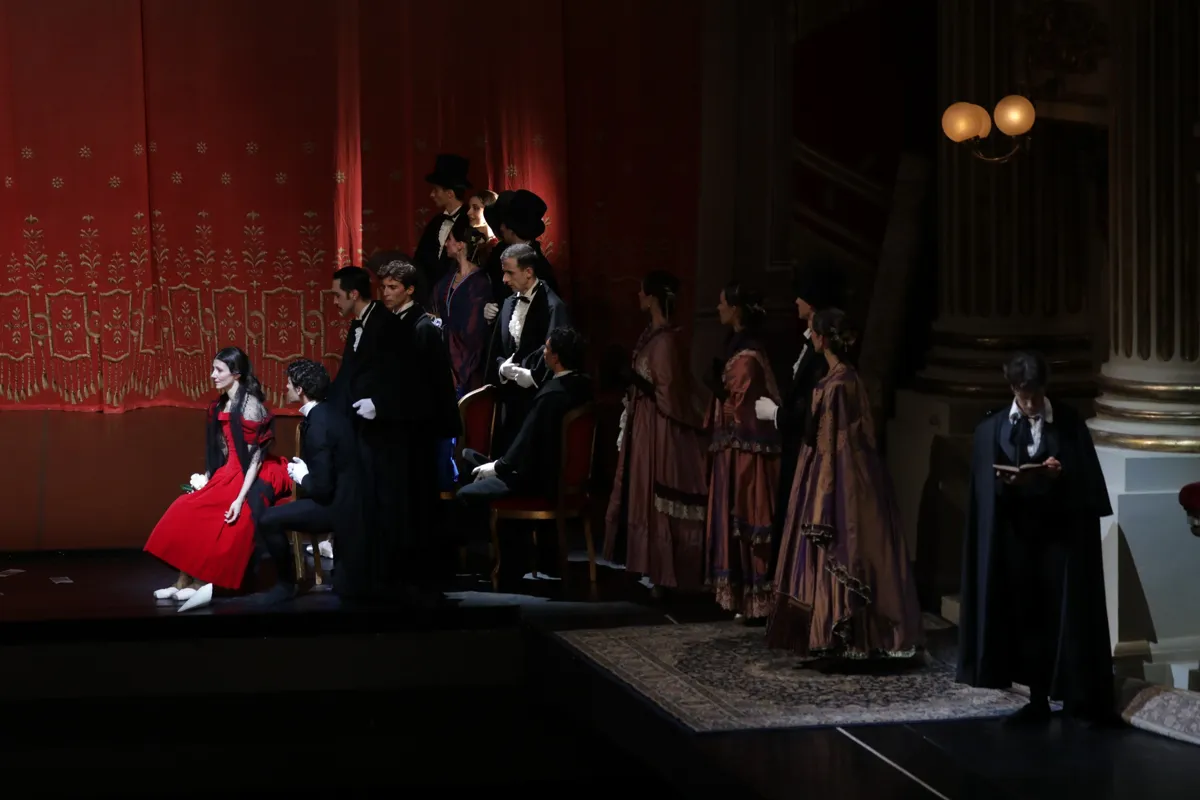
Neumeier incorporates the story of Manon Lescaut, as did Dumas in his novel. We see Manon for the first time when Marguerite attends a theatre performance, so we have a ballet-within-a-ballet. Manon reappears at various times during the ballet with her story paralleling that of Marguerite’s – once, twice… ok, please stop, I’ve got it.
The third, and longest, act has a wonderful reconciliation pas de deux with Marguerite and Armand – ten minutes of intense passion. But the ballet is far from over…
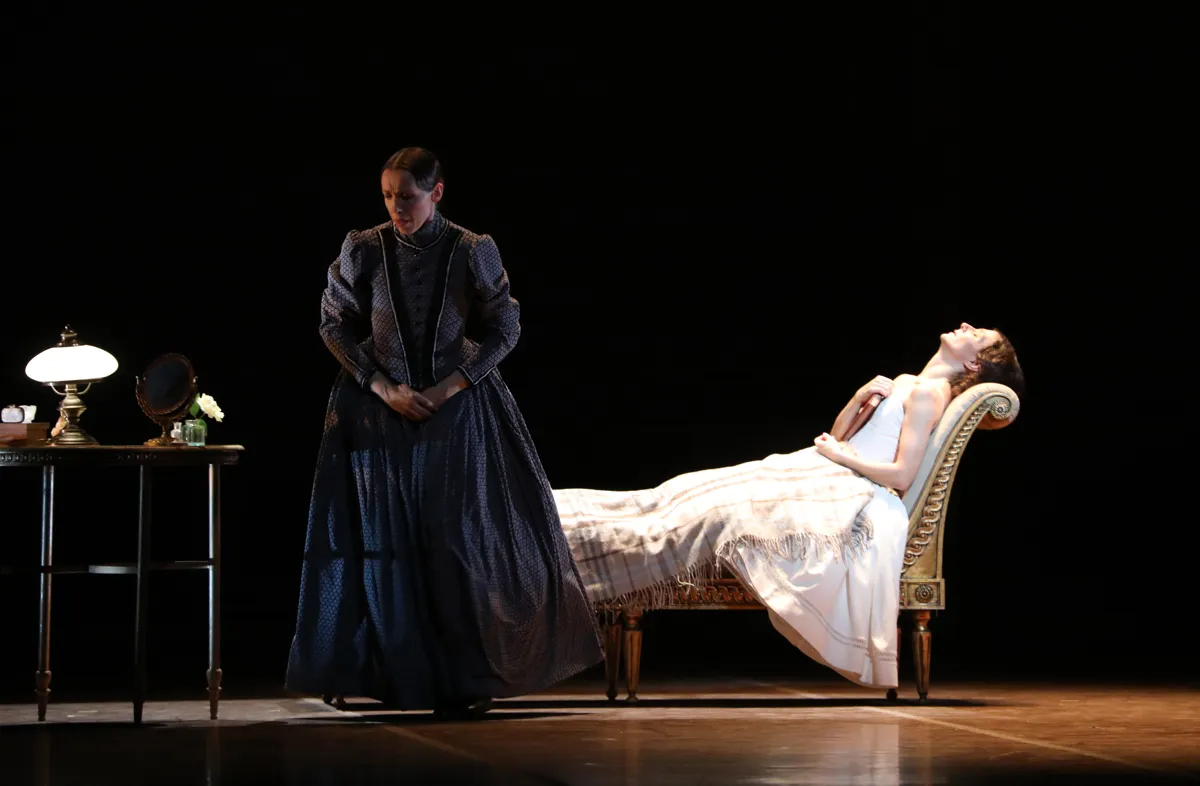
The figure of Manon is seen again with three of the men she has had sex with during the play/ballet. Marguerite identifies with her and is led away from a sleeping Armand, which is in contrast with her reaction on first seeing Manon when she disapproves of Manon’s infidelity. That’s rich, you might say. There is also the character of Des Grieux from Manon, who echoes Armand’s story, and he also appears for a variation in the third act. Then there’s a ball and the insult of Armand giving Marguerite money for services rendered as well as opportunities for other characters – Olympia, Prudence, Gaston – to dance some more. After Armand receives Marguerite’s diary describing her dying days, we see (as he reads) Marguerite’s return to the theatre where Manon (yep) is dying during the final scene and the curtain closes. But not for us. Marguerite coughs her way home and removes her makeup, then Manon and Des Grieux appear once more, and all three dance together. She lays down on her chaise (again) then is up on her feet to embrace an invisible Armand before collapsing, dead this time, as Armand, on the other side of the stage, closes her diary.
These scenes certainly tell the story in a more complete way, but are they needed? The dramatic climax of the pas de deux ends a whole half an hour before the final tabs. The reading of the diary is poetic, but all the extra variations, and pas de deux and trois, feel like padding. It spoils the power of the ballet because the first acts work so well.
Gripe over.
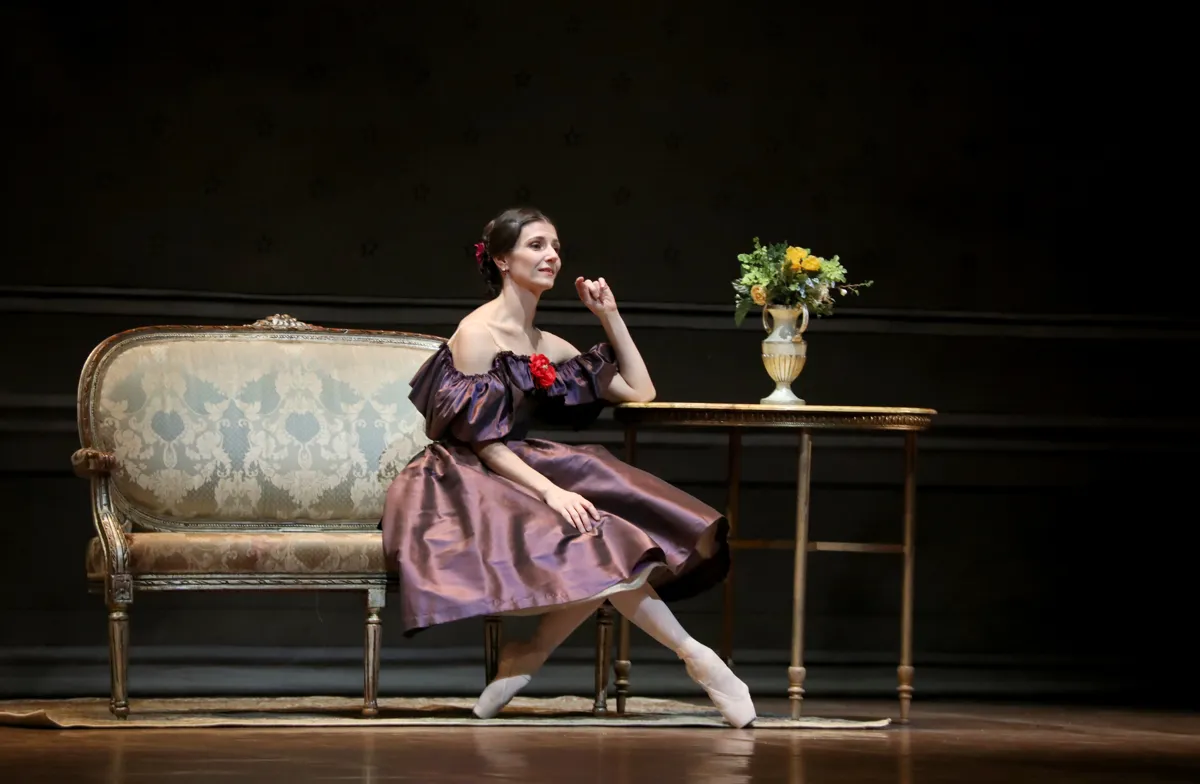
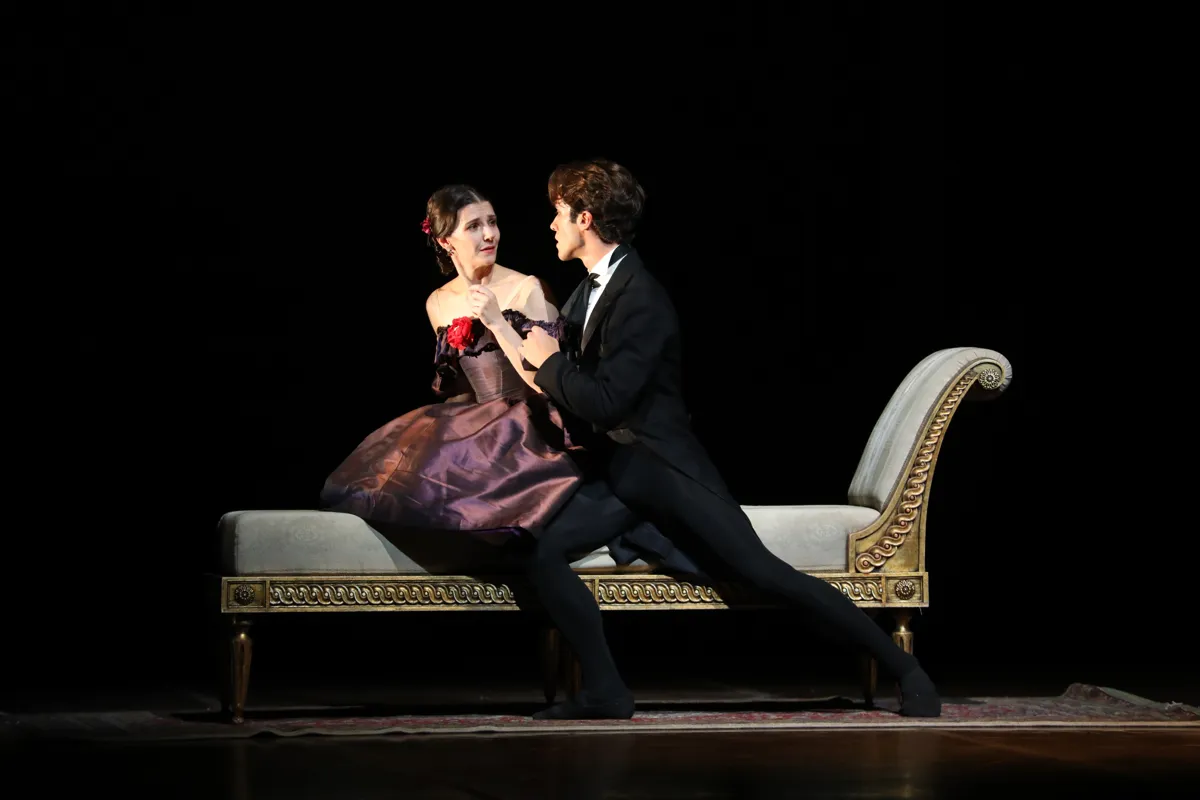
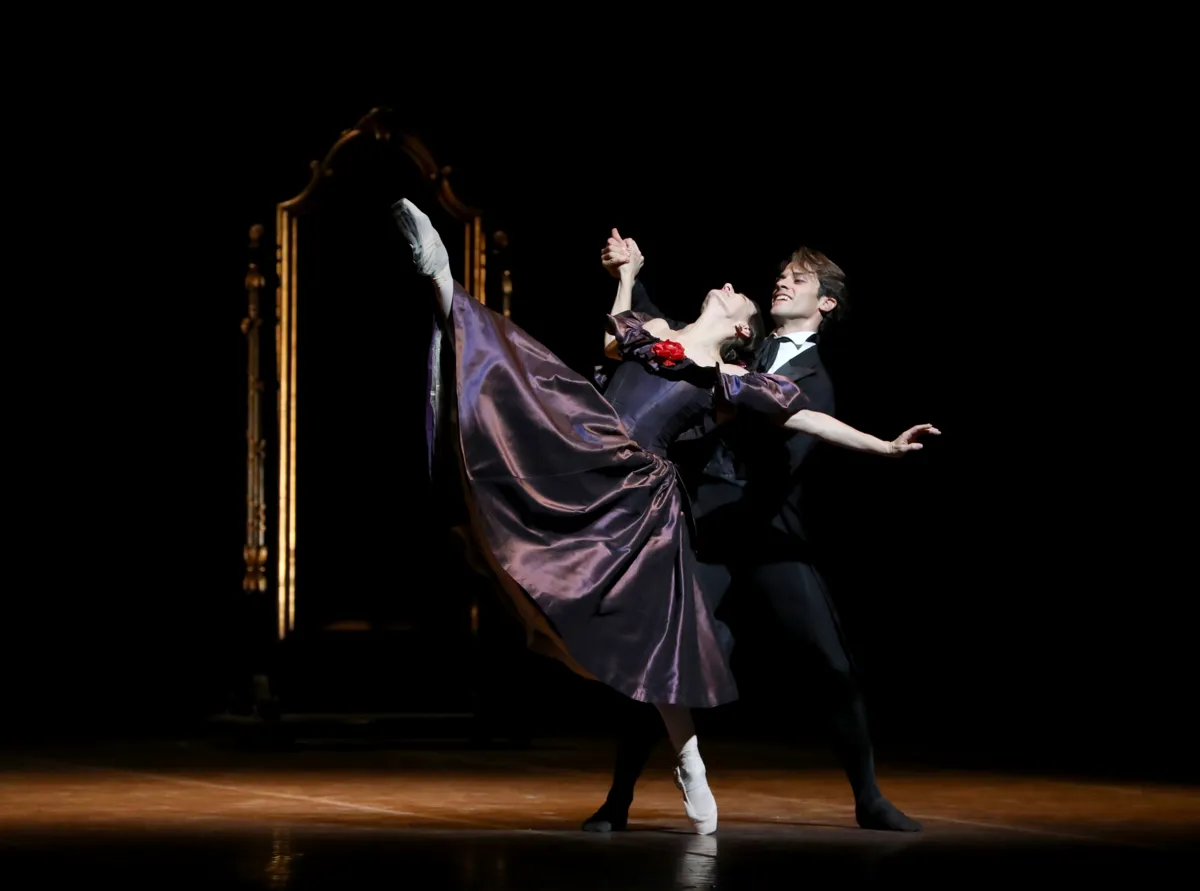
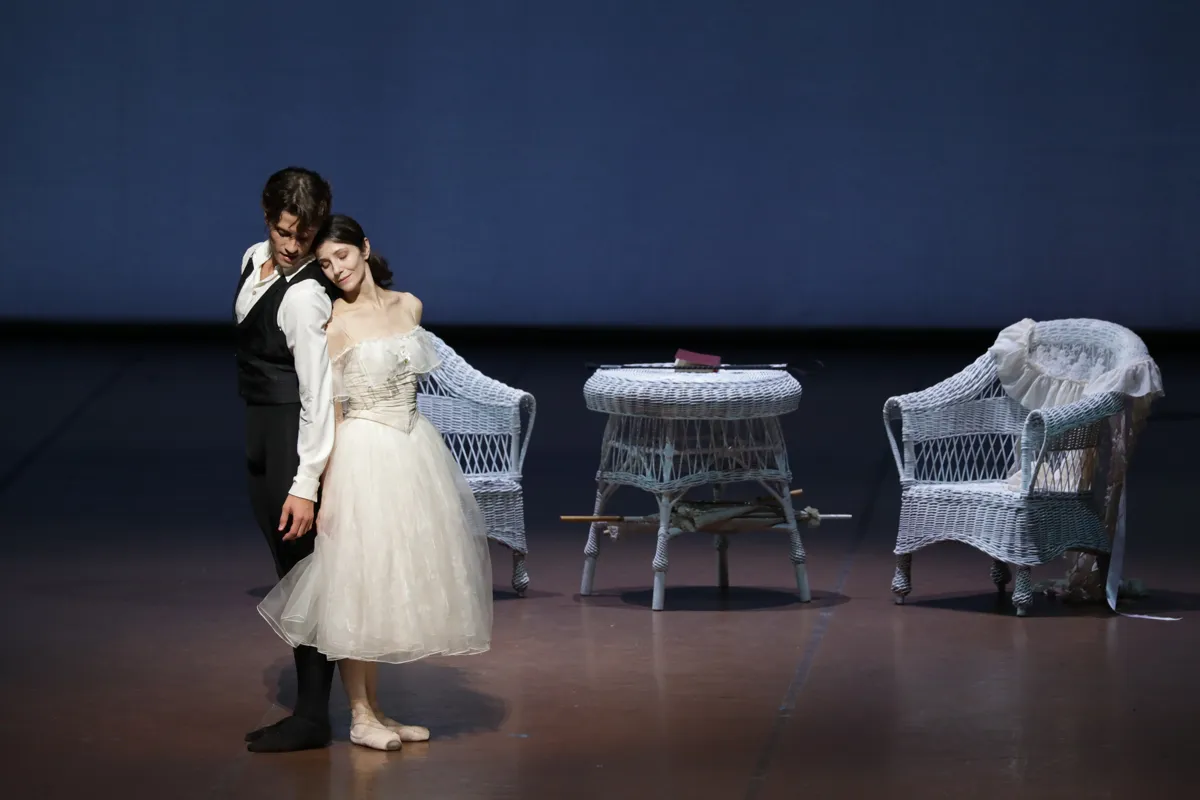
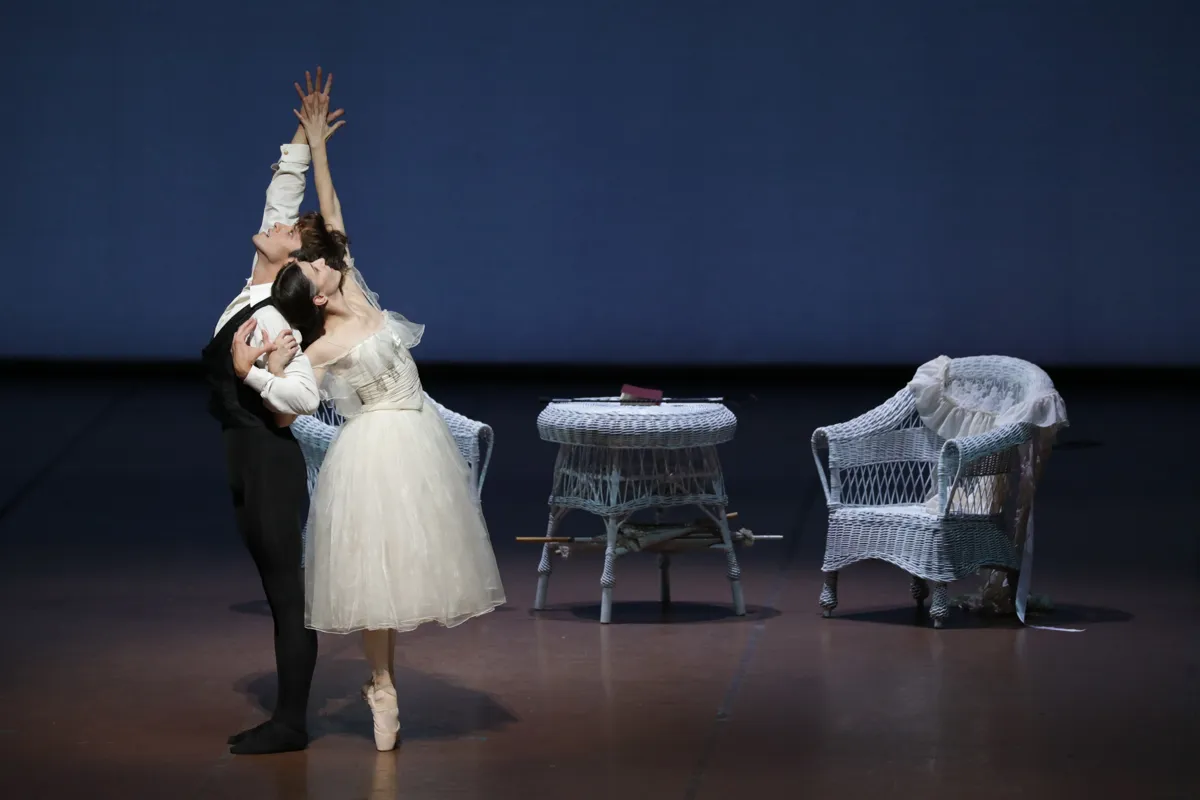
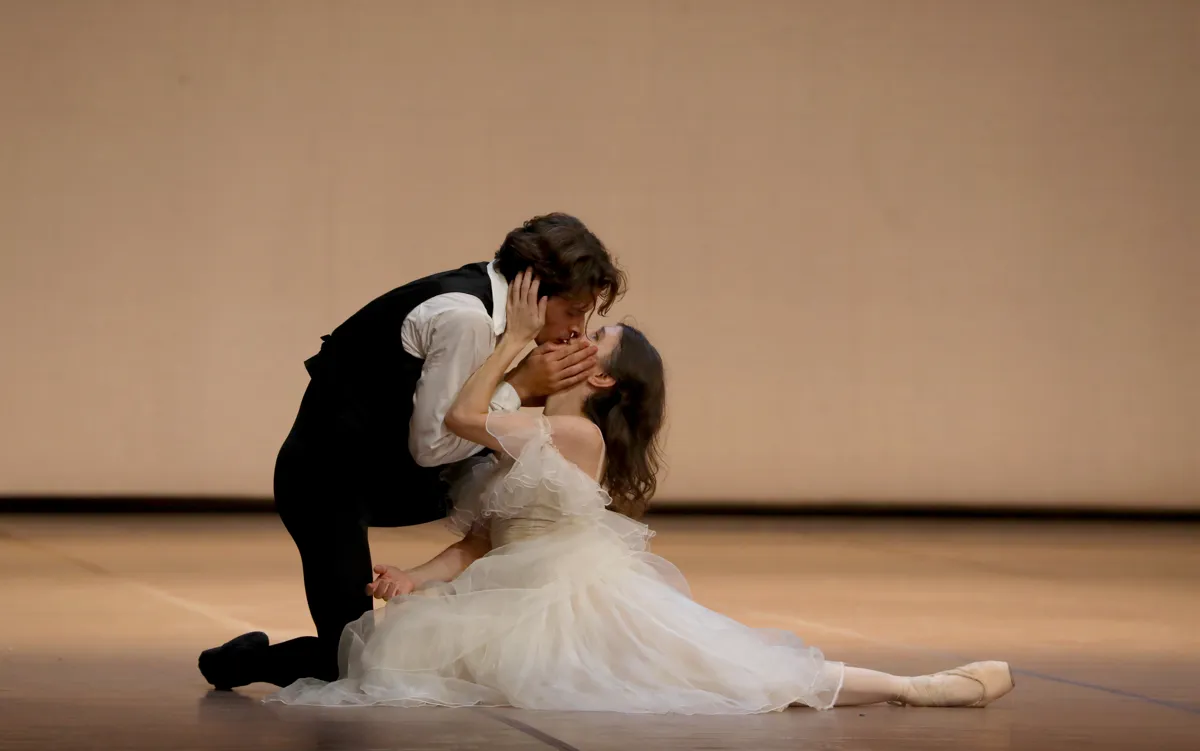
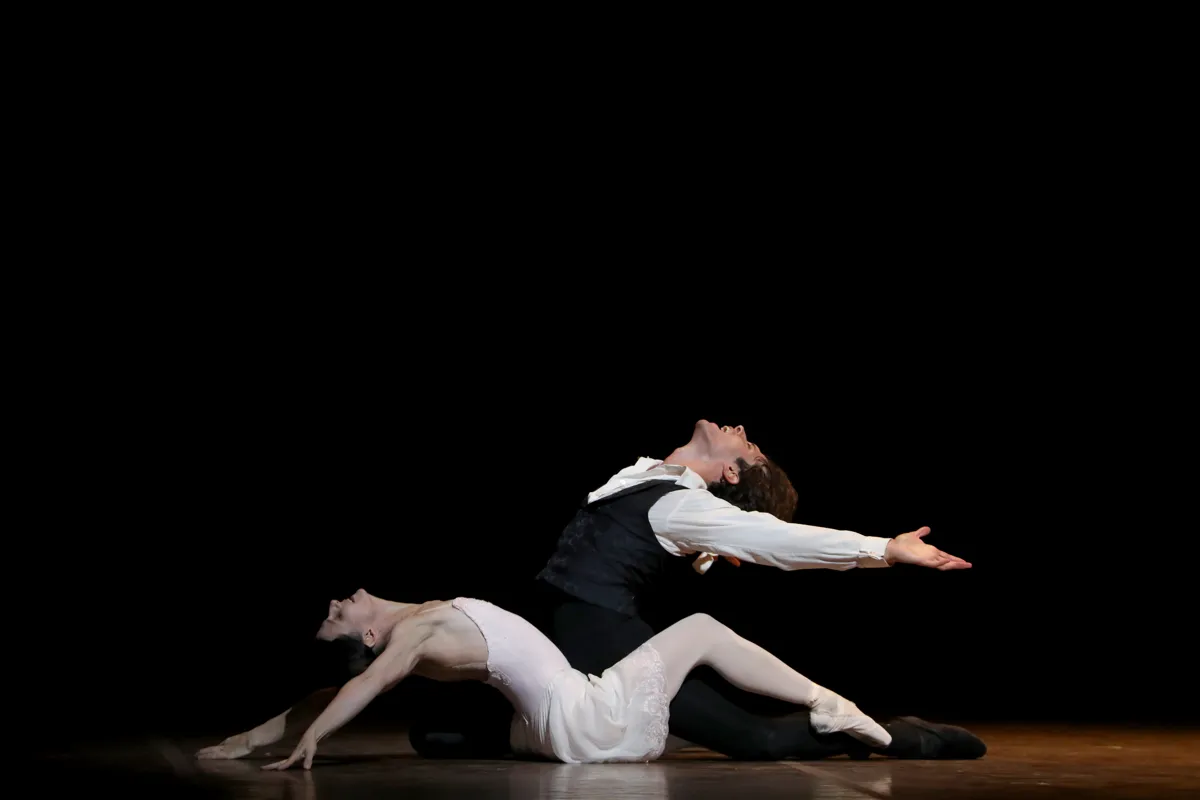
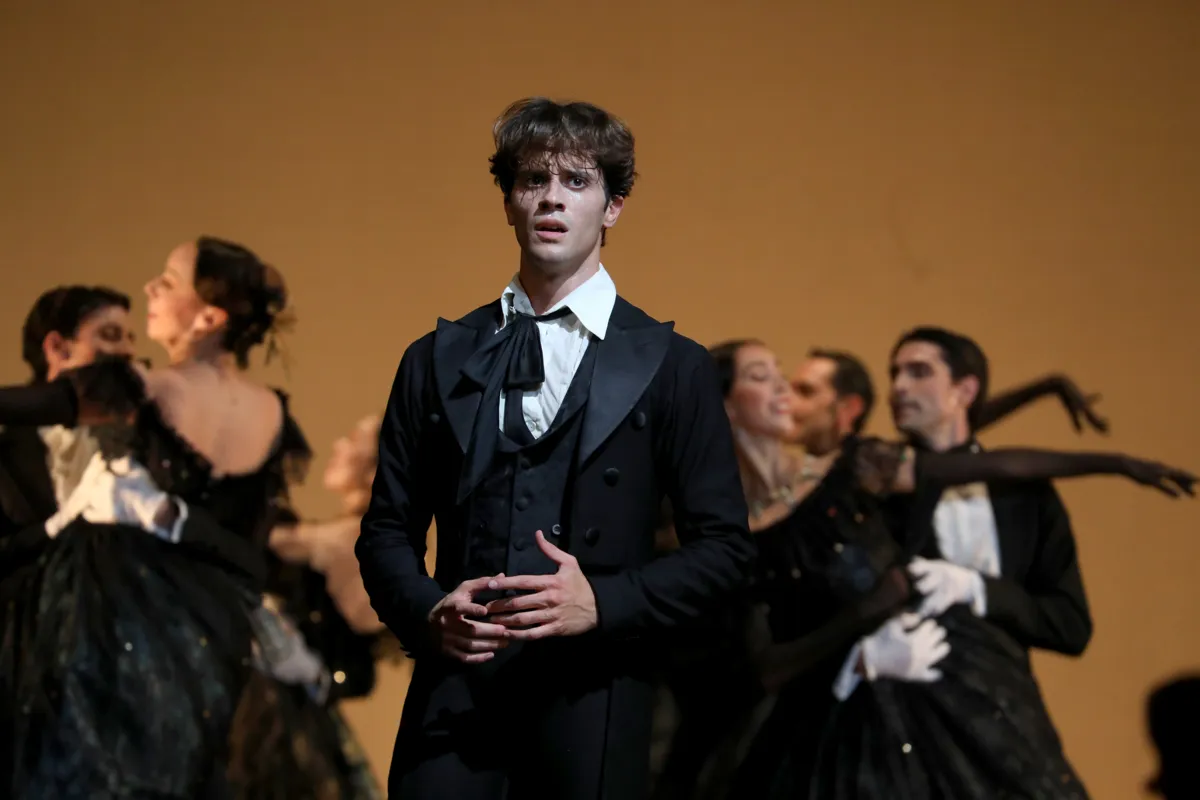
The performances were wonderful. The opening cast had Nicoletta Manni and Roberto Bolle in the leading roles, and a second cast featured guest Alina Cojocaru with Claudio Coviello (we reviewed a third cast here). Though away from Milan, the magic of La Scala’s televised relay let me see Manni and Bolle via internet, both in fine form and – this comment may get repetitive in the next few months – it must be noted that Bolle will be 50 next March. Chapeau! Outstanding were Martina Arduino and Nicola Del Freo as Manon and Des Grieux – he is technically dazzling and Arduino’s personality imbued Manon with a vivacious spark, slowly ebbing away as she reaches her pathetic end. She is maturing as a dancer quite delightfully. They repeated these roles in the Cojocaru/Coviello cast.

Cojocaru was captivating. So white as to be almost transparent, and otherworldly from the outset. Her attempts at being flirty or mocking were short-lived as from the coughing that we see from curtain up, she knows that she has ‘consumption’ and will die, and part of her mind is always elsewhere. Starting the ballet with the tragic undercurrents that most ballerinas find in the final act doesn’t make her performance monochromatic but gives her plenty of scope for minute shading – the position of her hands, shoulders, and the tilt of her head communicate volumes. In the air she floats like a wisp of mist, and melts from one pose to the next as though discovering the choreography for the first time. With Monsieur Duval (Armand’s father) she is so tender that he doesn’t doubt the purity of her love for Armand – confirmed by a dream sequence where Manon tries to persuade her that diamonds are a girl’s best friend, to no avail.
Manni showed her intelligence as an actress, seen in closeup with the camera’s eye, and Cojocaru too has reactions that are probably innate, but utterly convincing, When Armand arrives unexpectedly and touches her hand, she doesn’t turn immediately to look at his face, but instinctively looks down at her hand to see what had touched it. Many little things such as this add up to an immense performance.
Coviello is touching as Armand. His emotions make him vulnerable. His expressive, deep renversé moves in the second act pas de deux show the depth of his passion. After his father has convinced Marguerite that the best action for his son’s happiness is for her to give him up, his desperate runs across the stage as he follows her back to Paris are heartbreaking when on his arrival he finds her in the arms of her old lover.
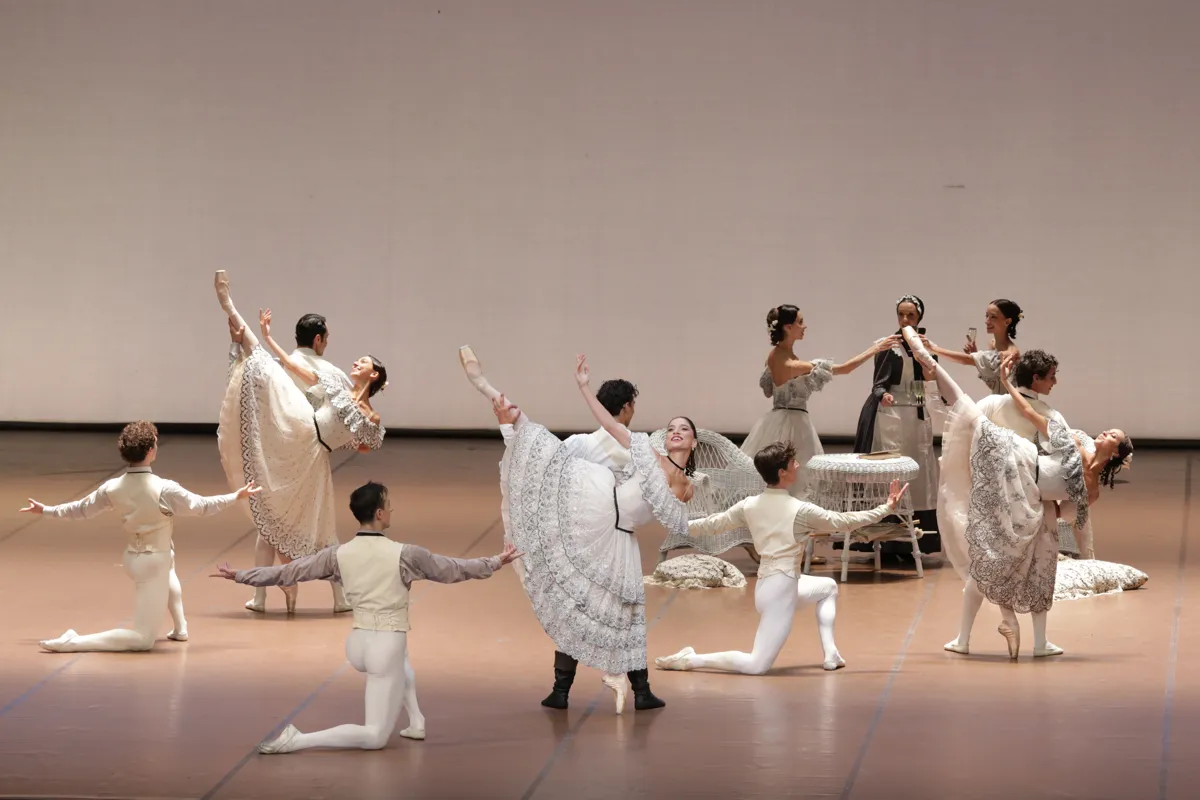
Fellow courtesan Prudence – the tart-with-a-heart who steals Marguerite’s cast-off diamond necklace but is her true friend, as seen in the third act – was danced by Alice Mariani who seems to have an easy knack for playing strong personalities with a mischievous twinkle in their eyes. Her fun and flirty party piece with Gaston Rieux (a marvellous Rinaldo Venuti) was a highlight of the second act scene set in the country, though unfortunately the corps de ballet was sometimes slightly sloppy (a rare occurrence under Manuel Legris’ direction). A mention too for the sparkling Agnese di Clemente as young, pert courtesan Olympia.
After 46 years, Neumeier is obviously too fond of all the sections that seem to bog the ballet down, but how I’d love to get rid of the director’s cut and get the studio cut out into the theatres.
La Dame aux camélias with Nicoletta Manni and Roberto Bolle


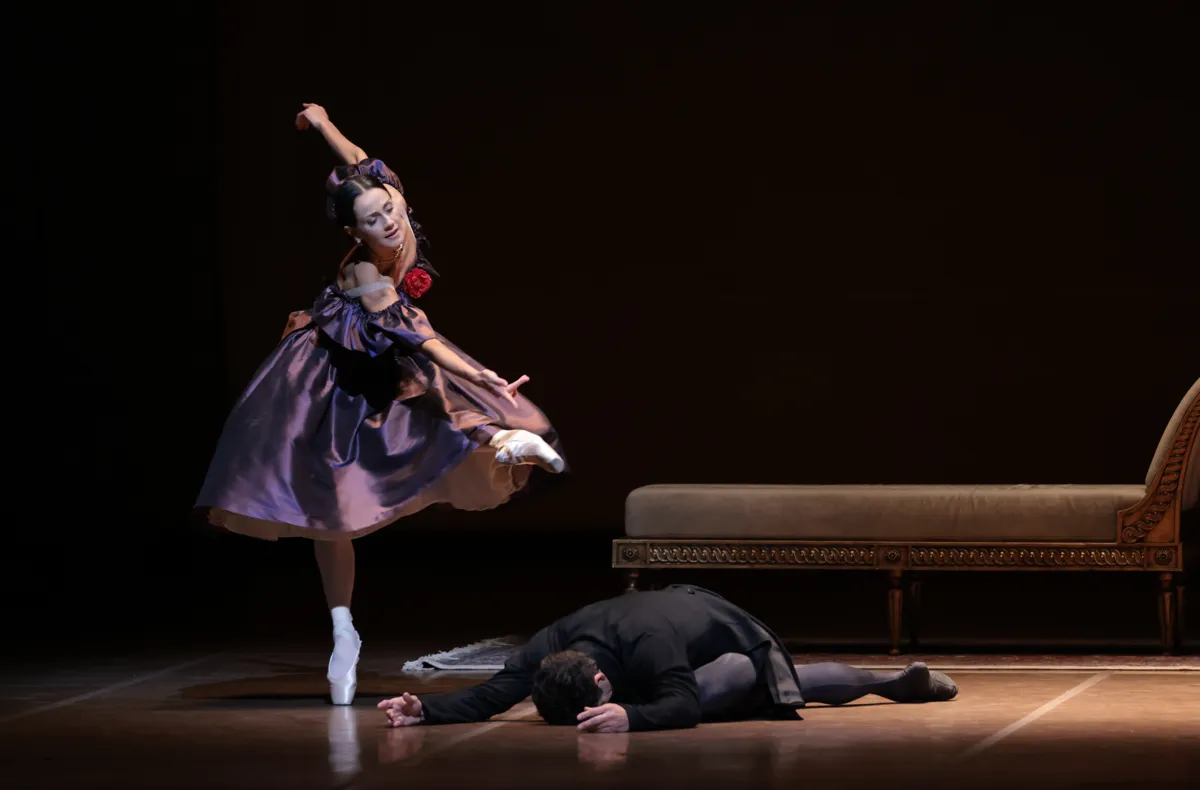


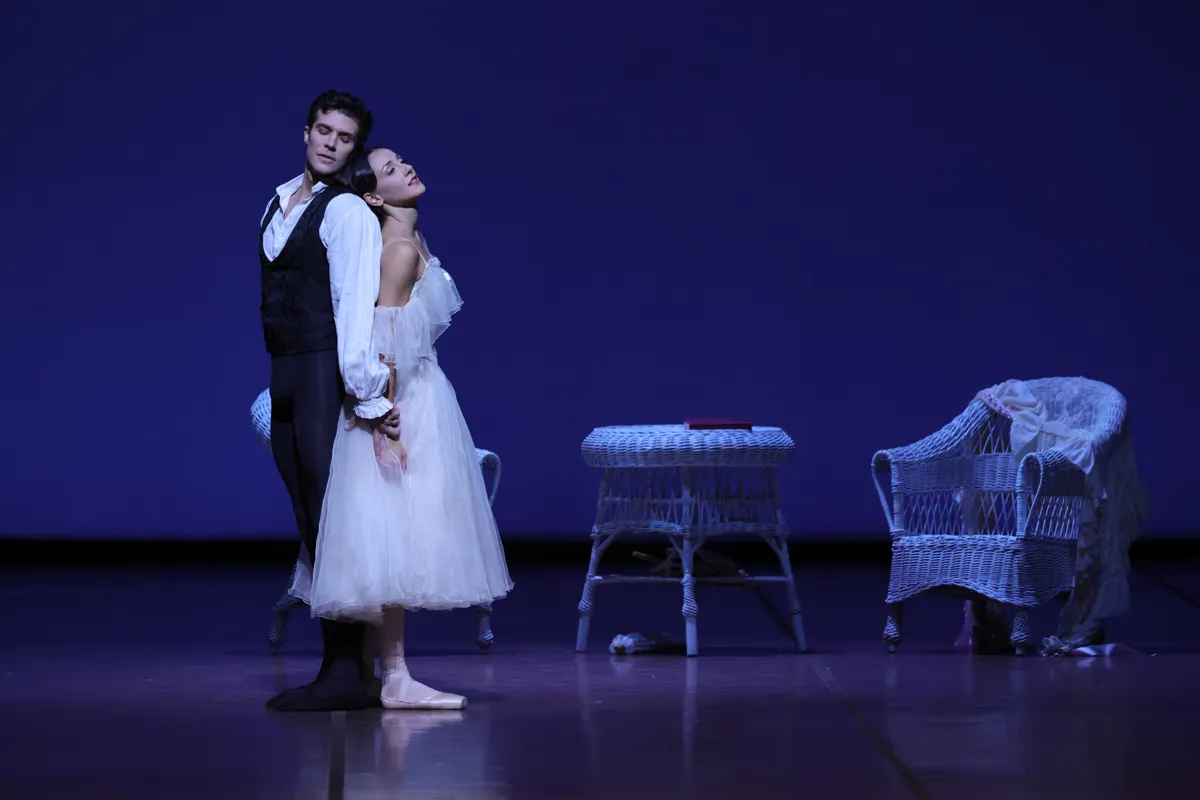

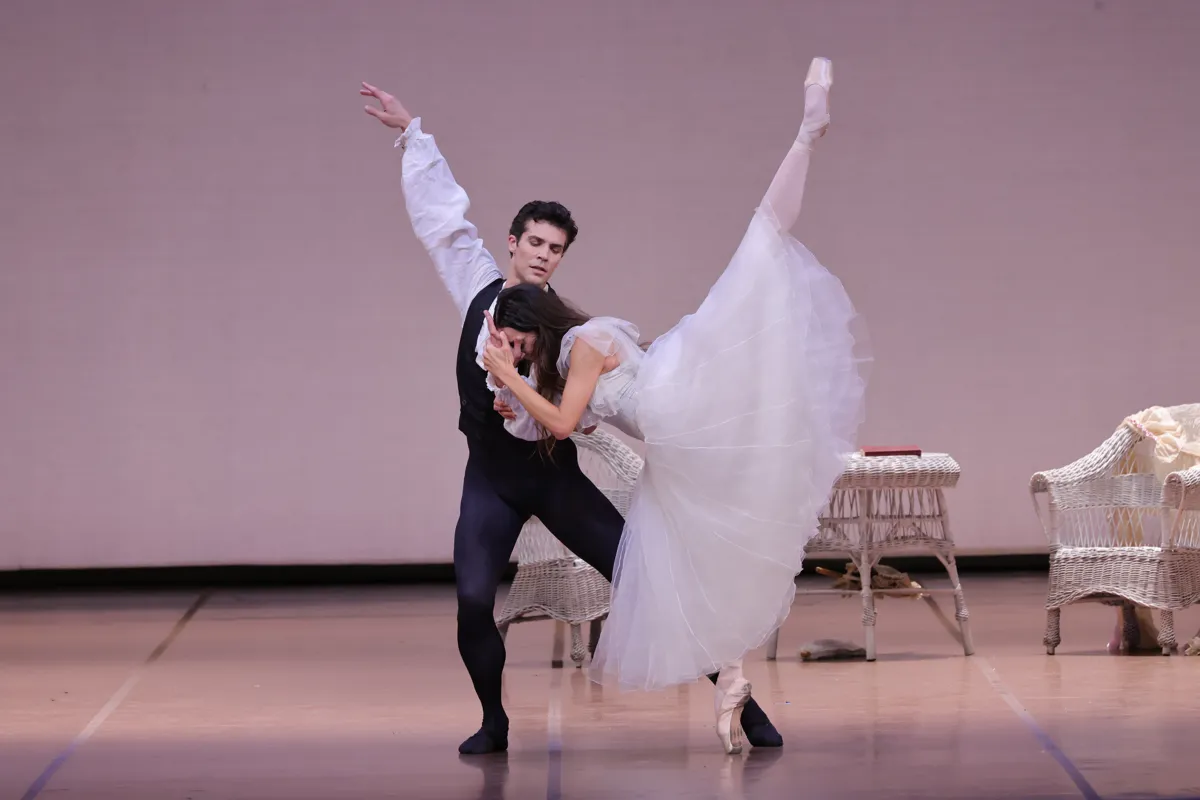


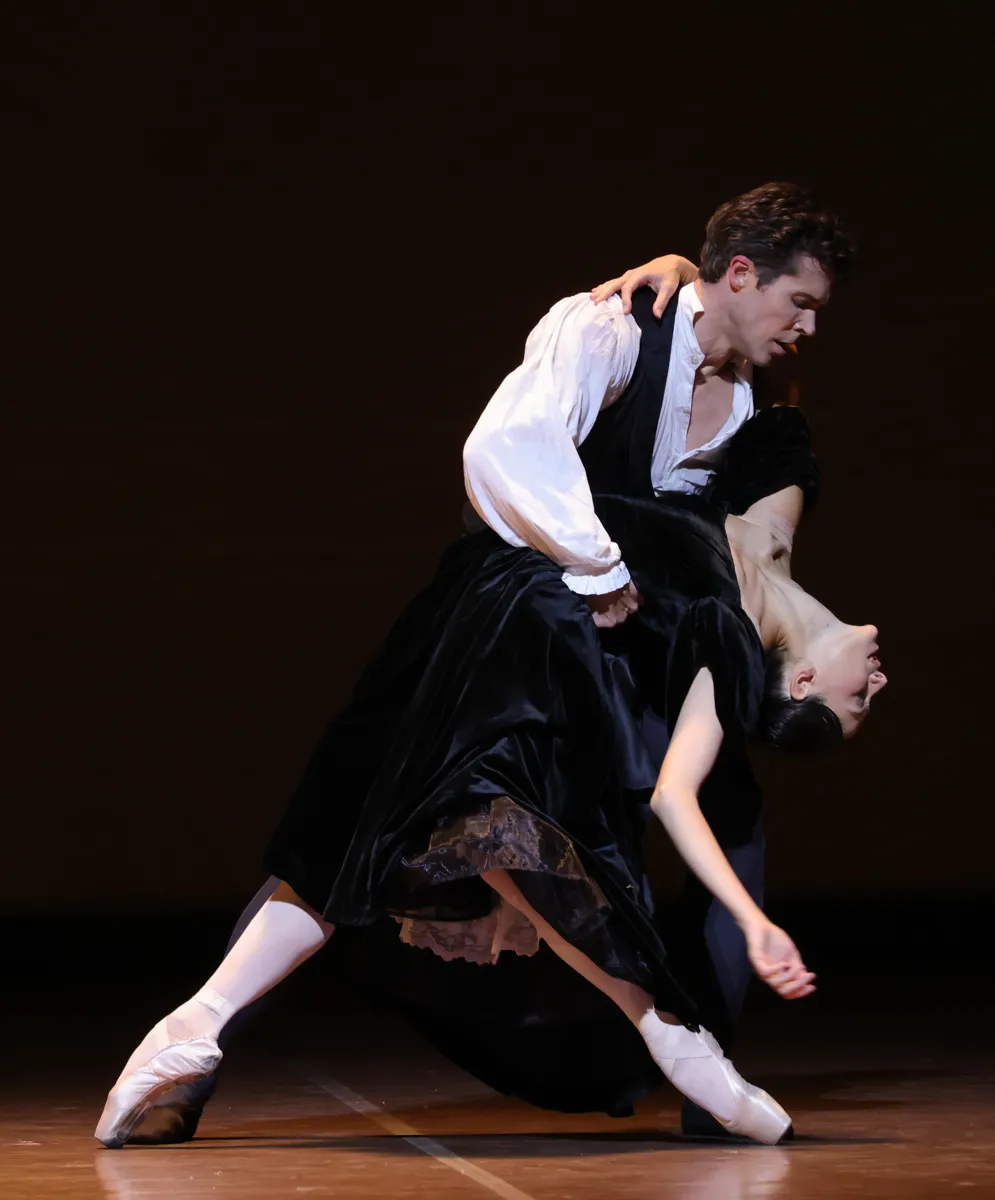


La Dame aux camélias with Alina Cojocaru and Claudio Coviello








Graham Spicer, aka ‘Gramilano’, is a writer, director and photographer based in Milan. He was a regular columnist for Opera Now magazine and wrote for the BBC until transferring to Italy. His articles have appeared in various publications from Woman’s Weekly to Gay Times, and he wrote the Danza in Italia column for Dancing Times magazine. Graham was the historical advisor on Codice Carla, the 2023 documentary on Italian ballerina Carla Fracci.
Graham also works as a dance photographer, and his photos have appeared in many books, theatre programmes, and magazines, including Dancing Times, Dance Spirit and Ballet2000, as well as all the major Italian newspapers.
He is a member of the Dance Section of The Critics’ Circle.



Agree! I love the story but this ballet stretches it to breaking point. We see it in Paris too. Giving lots of chances to lots of dancers to dance. Great. But remember the audience too.