Review: Debuts 1 – Sae Maeda and Matthew Ball in The Royal Ballet’s La Fille mal gardée

Graham Watts sees The Royal Ballet’s La Fille mal gardée with Sae Maeda making her debut as Lise with sunshine, smiles, soaring legs and coy naughtiness.
| Title | La Fille mal gardée |
| Company | The Royal Ballet |
| Venue | The Royal Opera House, London |
| Date | 30 May 2026 |
| Reviewer | Graham Watts |
Sir Frederick Ashton‘s La Fille mal gardée missed a turn due to the Covid lockdowns, so this season’s revival in November was the first in eight years, and so it certainly deserved this second run from late May. The quick return of the jolliest of all ballets was welcome for many reasons, not least for the opportunity of some important debuts.
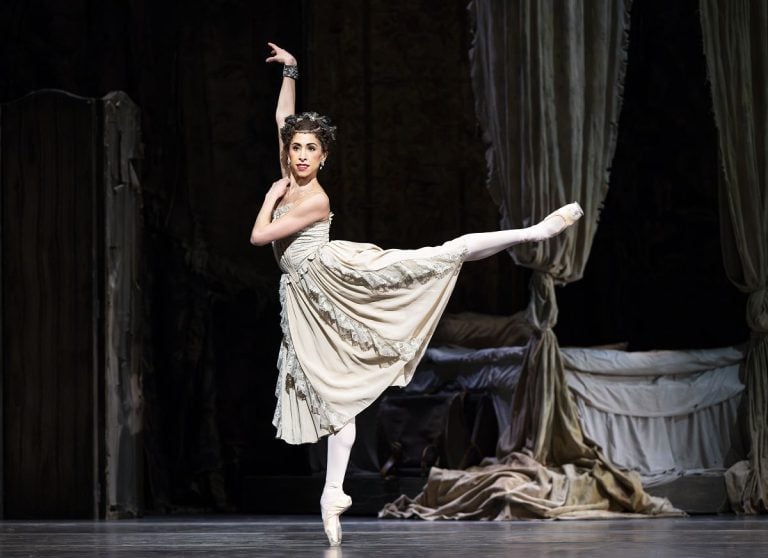
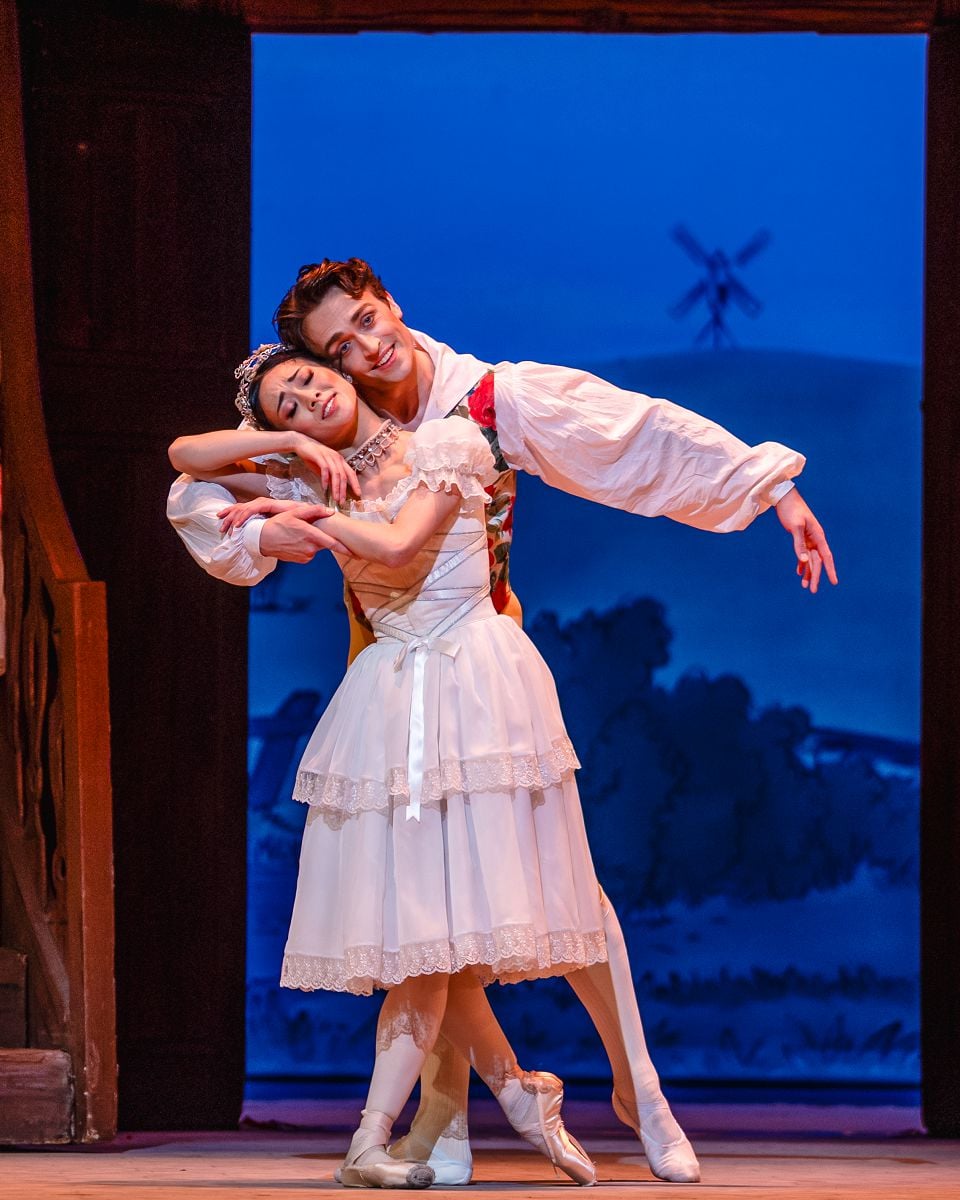
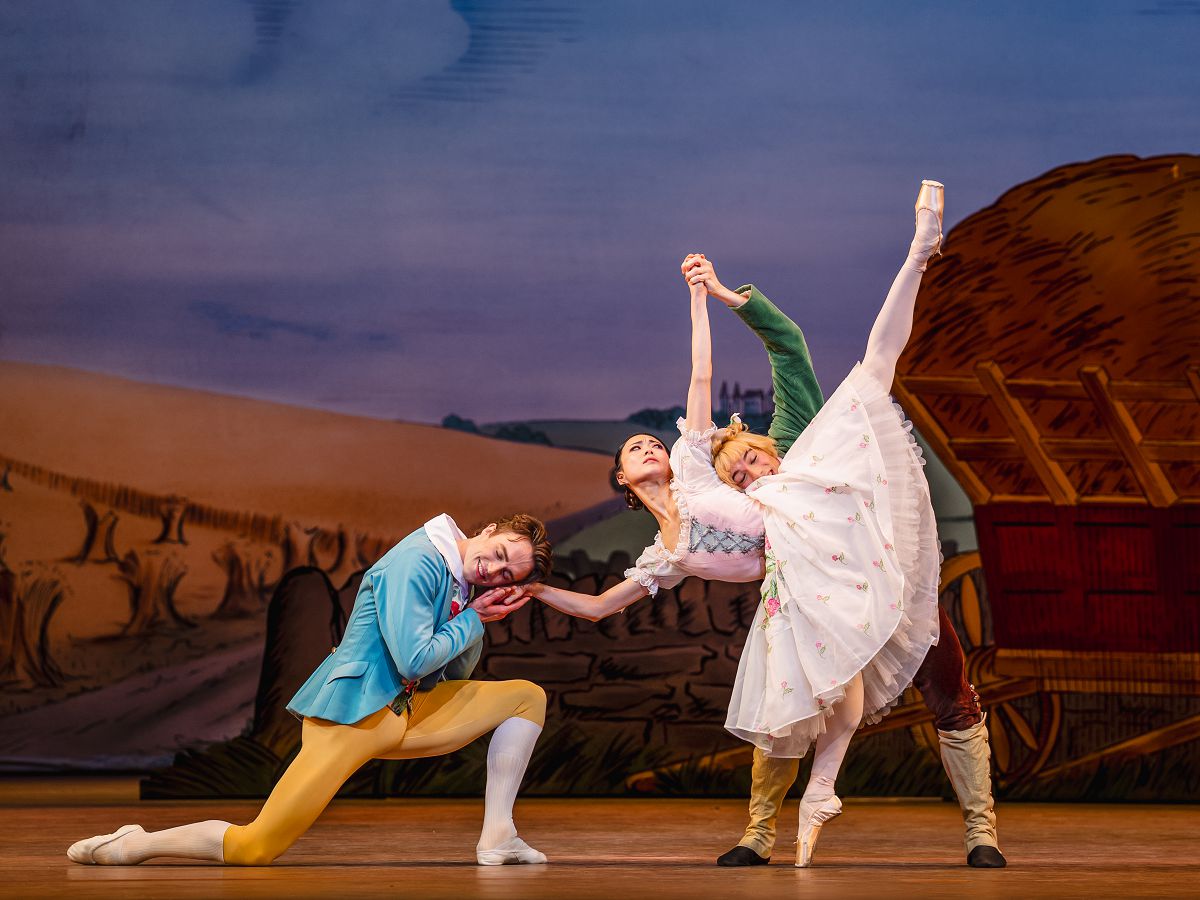
None was more deserved, nor grabbed with such alacrity, than that by Sae Maeda as Lise at this Saturday matinee performance. I had taken the opportunity to revisit the DVD record of Nadia Nerina and David Blair, lovingly captured on film by the BBC, two years after they had created the roles for Ashton in 1960, and Maeda projected all the sunshine, smiles, soaring legs and coy naughtiness of the ballerina that made the role. It was a superb debut in every way, made even more special by her enforced partnership with Matthew Ball, as Colas, necessitated by yet another injury to Cesar Corrales – one must feel his pain at all these lost opportunities.


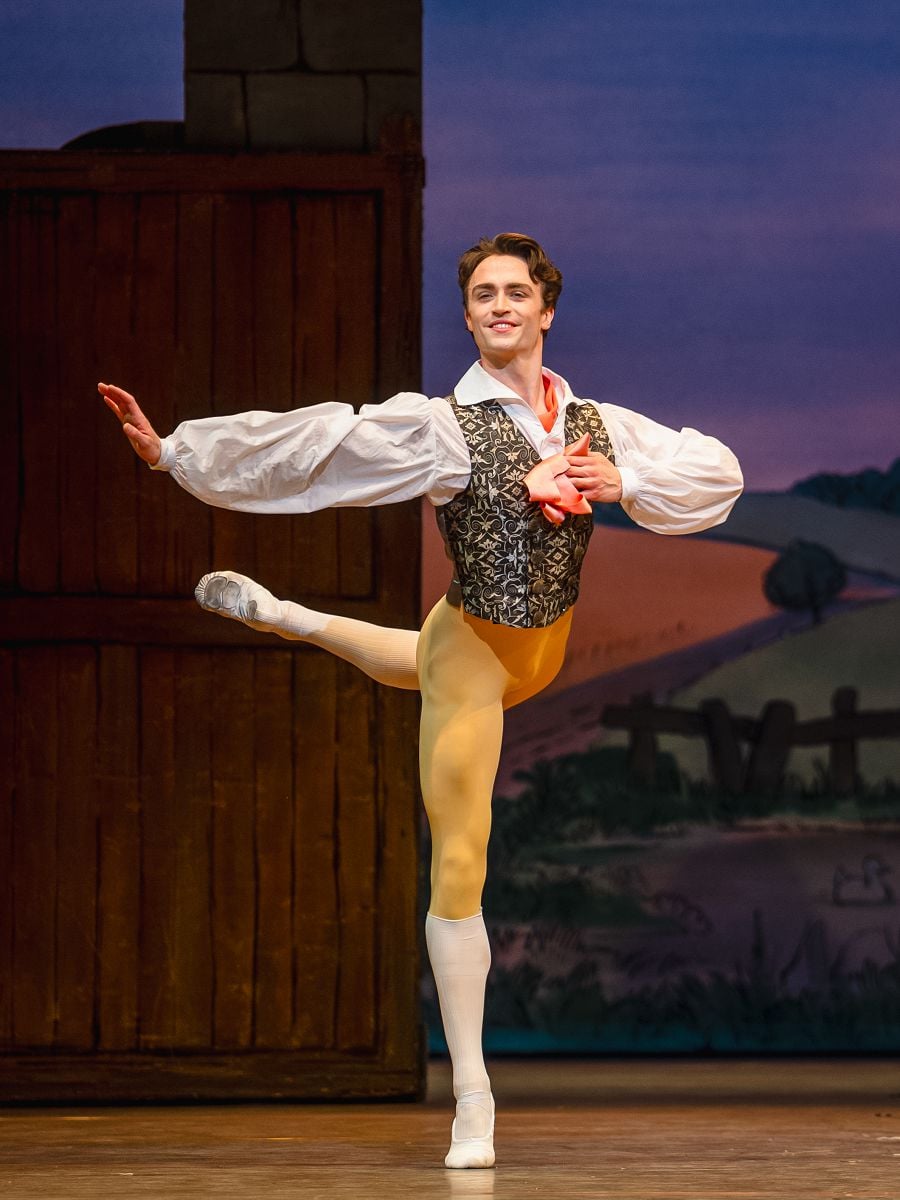
Ball is a natural Colas, exuding a carefree insouciance alongside his strong technical prowess, exemplified by flashing fouettés in the denouement pas de deux, which were dynamically centred and especially stunning. Ball is a dancer who works hard, is always in demand, and has strong physicality and matinee-idol handsomeness. Clearly, he is also up for extra shows, and, on this evidence, he is the experienced, secure and reliable partner who ticks every box for a debutant ballerina. They danced exquisitely in the second act Fanny Elssler pas de deux, one of the most unusual duets in the ballet repertoire, skirting satin ribbons held by the corps.
Watching the Blair/Nerina film evidenced how lovingly The Royal Ballet (and The Frederick Ashton Foundation) have preserved the ballet’s legacy. The comic-book caricature of Osbert Lancaster’s wonderful designs has been structurally and colourfully conserved, even after many remakes, and John Lanchbery’s arrangement of Ferdinand Herold’s joyous score is always a delight, this time conducted by an exuberant José Salazar. The original music (dating back to the early nineteenth century) was once presumed lost but was tracked down by ballet historian Ivor Guest and used by Lanchbery as the basis for Ashton’s ballet.


One major change was the substitution of a live pony with an animatronic replacement. Interestingly, the pony in that 1962 film was neither of the Shetland breed nor white, but in recent years we have become accustomed to the cute characters of the long-serving Peregrine and his successor Oscar and no robotic pony, however well designed, can possibly compensate.
Bennet Gartside has become the archetypal Widow Simone, giving a physical pantomime performance par excellence, and his clog dance was exactly the hilarious highlight that the ballet requires – I noted from the 1962 film that the reckless throwing of Simone’s daywear shoes over ‘her’ shoulder to be caught by villagers is a later digression since Stanley Holden (the original Simone) simply hands them to ‘her’ daughter. By the way, I was struck by the physical similarity of Holden in the original cast to the popular Old Mother Riley character, portrayed by Arthur Lucan until 1954, and I wonder to what extent this was an influence on Ashton.


Marco Masciari was excellent in exuding the simple charm of Alain, even overcoming the failure of his beloved red umbrella to open (a key moment, missed) when hiding on the floor between Father Thomas’ legs in the farmyard. Masciari covered the technical glitch in a way that would have meant most in the audience didn’t notice. Aiden O’Brien gave a typically ebullient portrayal of the rotund Father.
Ashton had a predilection for choreographing dance for animal pastiche (viz. The Tales of Beatrix Potter) and the dance for the cockerel (Taisuke Nakao) and his four hens (Madison Bailey, Sierra Glasheen, Bomin Kim and Marianna Tsembenhoi) to welcome the dawn is a hilarious curtain-raiser that sets the mood for the whole ballet to come. At this performance, Nakao did double-duty, returning in the final scene as the Clerk supporting James Large as the Notary, come to Simone’s farmhouse to finalise the ill-fated contract for Lise and Alain’s wedding.
La Fille mal gardée may not be my favourite Ashton ballet, but it’s definitely in the top one. It is now performed all over the world, and not necessarily to the same exacting standards of conformity as here on home territory, such that every international ballet season will see it danced in several countries. It needs to be performed more frequently in Covent Garden, hopefully becoming as ubiquitous to Ashton’s ideal of an eternal late spring as The Nutcracker is to Christmas.