Review: Rhythm Riot – Balanchine outshines two world premieres at English National Ballet
Matthew Paluch sees Micaela Taylor’s Bow Out and Jae Man Joo’s Auguries of Innocence which are superbly danced but fail to transport – while a Berlin-seasoned Ksenia Ovsyanick sets Symphony in Three Movements alight.
| Title | Rhythm Riot |
| Company | English National Ballet |
| Venue | Sadler’s Wells, London |
| Date | 25 September 2026 |
| Reviewer | Matthew Paluch |
Is there such a thing as a perfect triple bill? Whatever you offer won’t satisfy all one assumes…yet we soldier on!
English National Ballet open their new triple at Sadler’s Wells; Rhythm Riot. And the clue is in the name – helped no end by a fantastic sounding English National Ballet Philharmonic, and I mean fantastic!
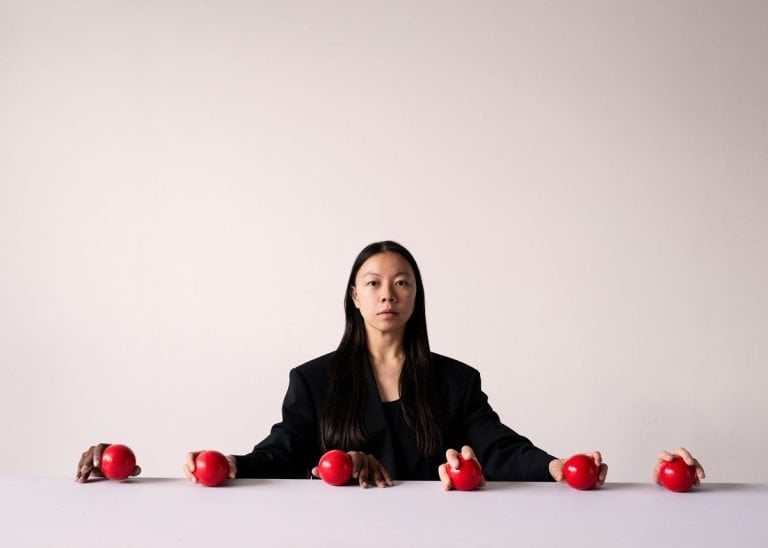
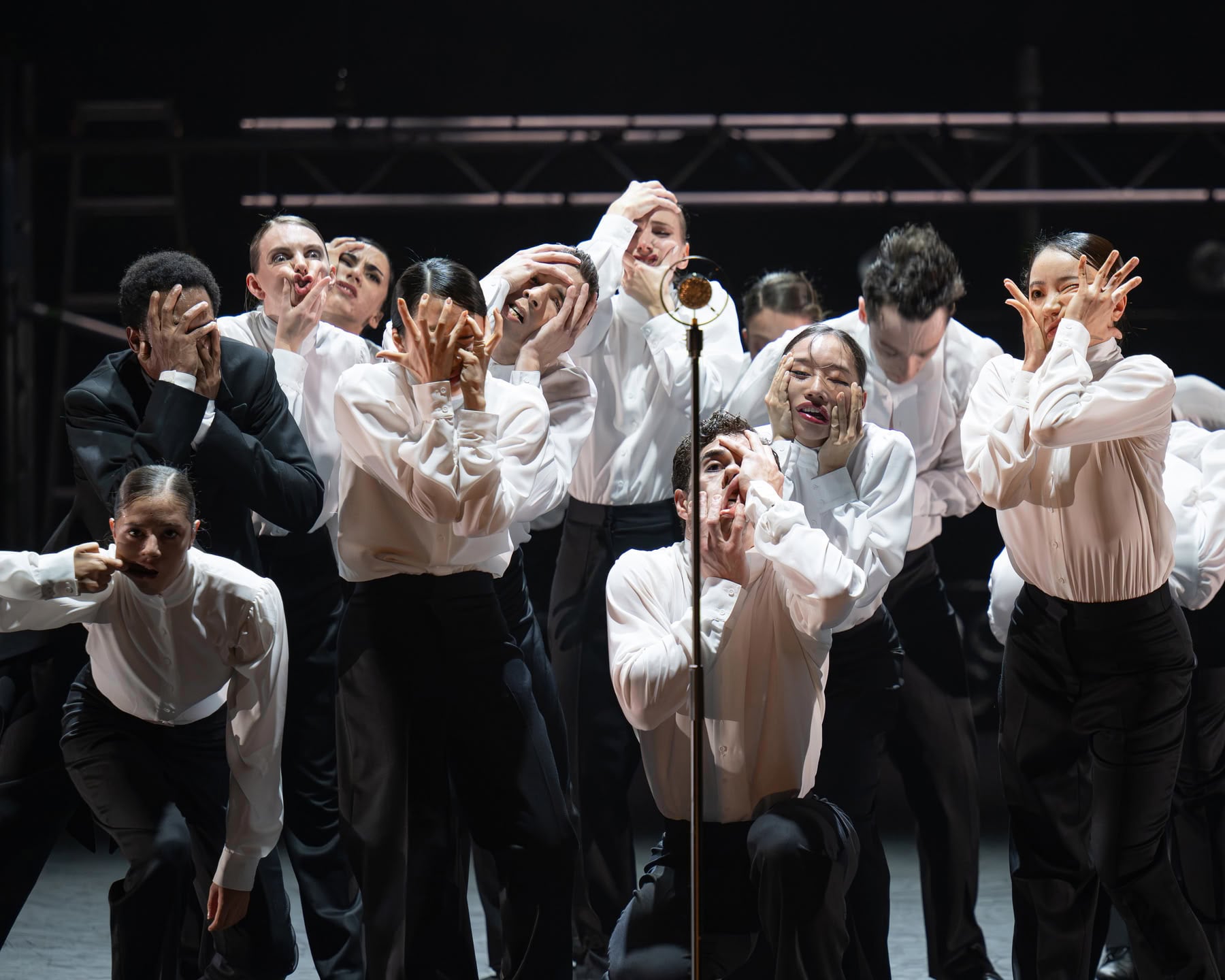
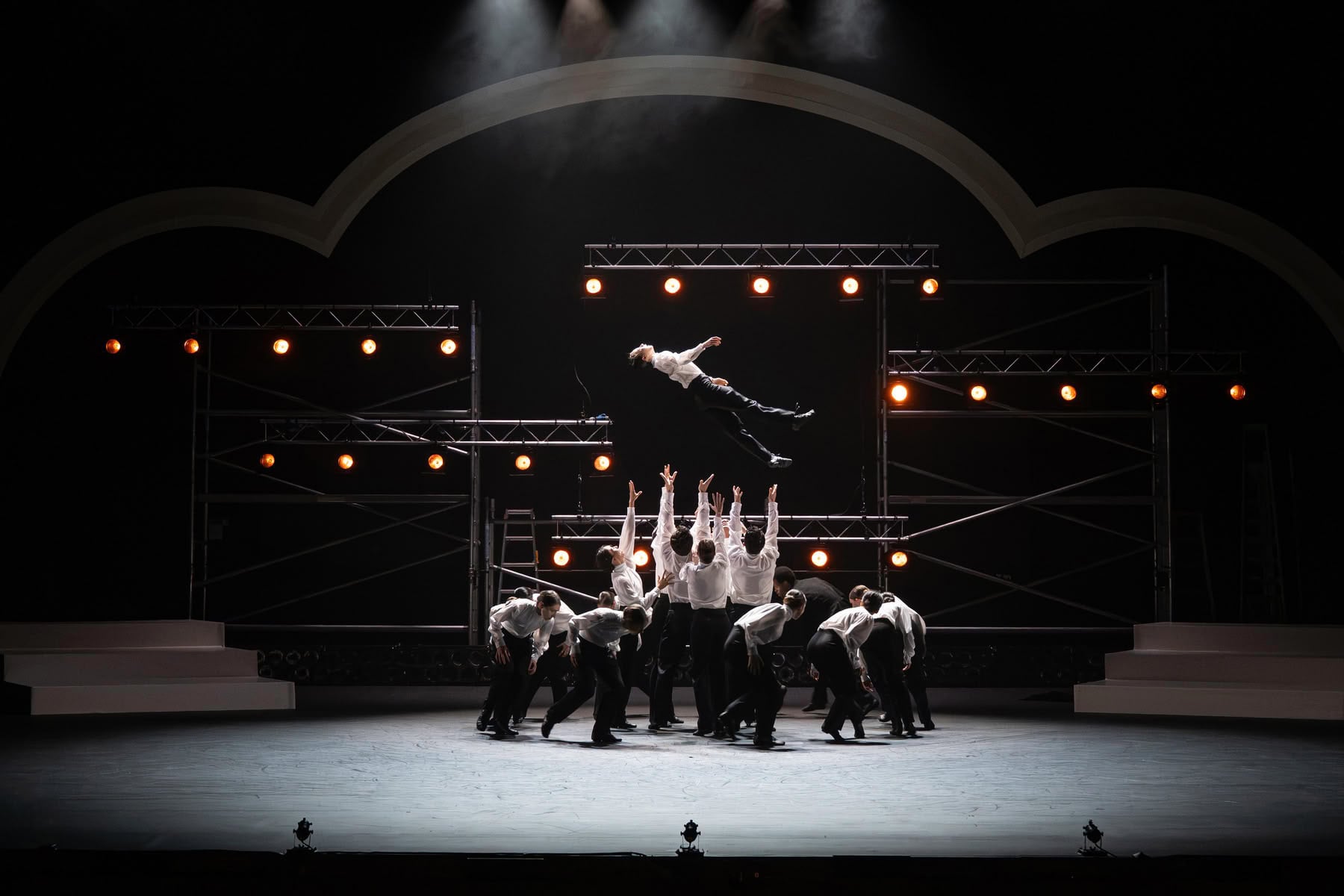
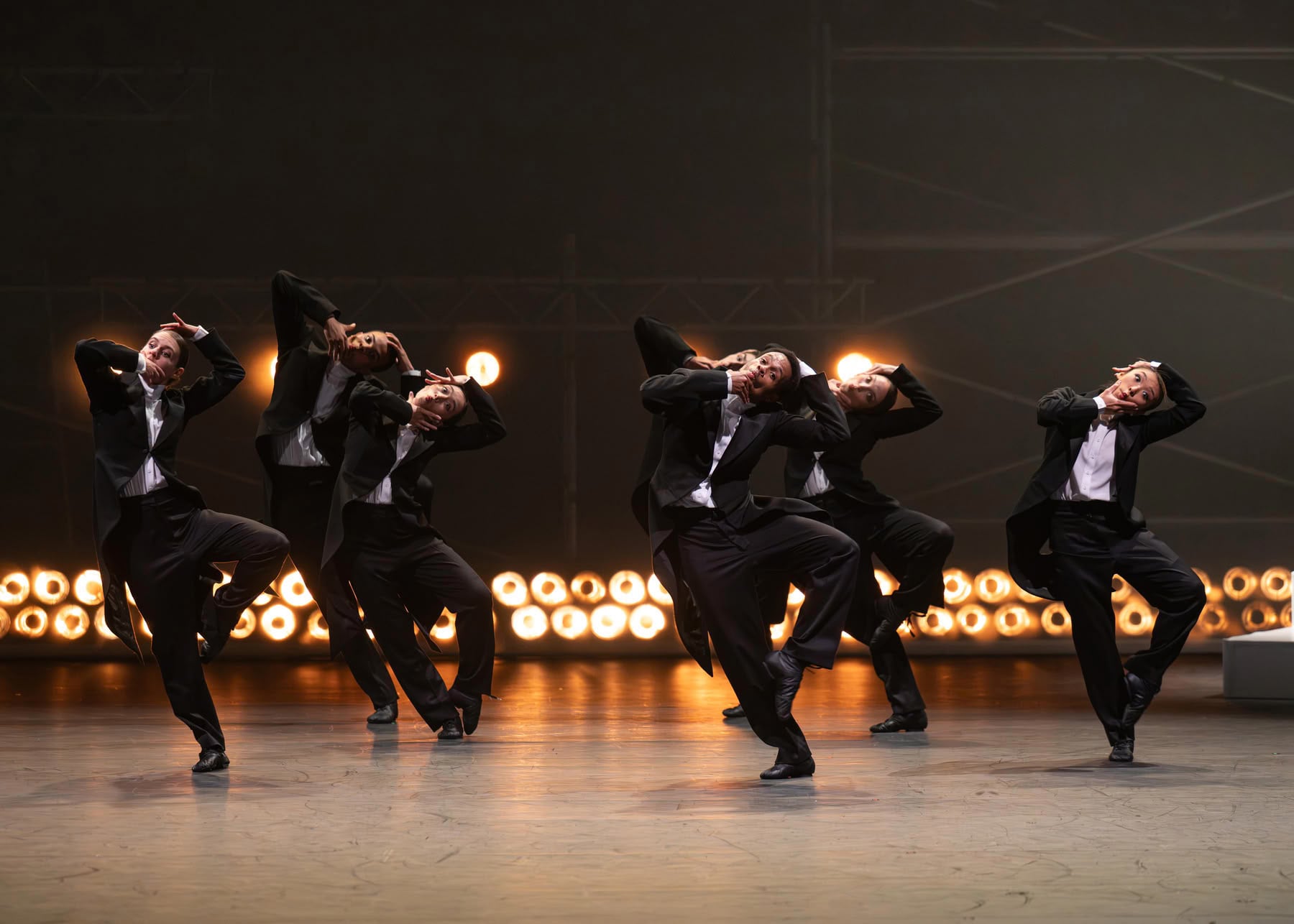
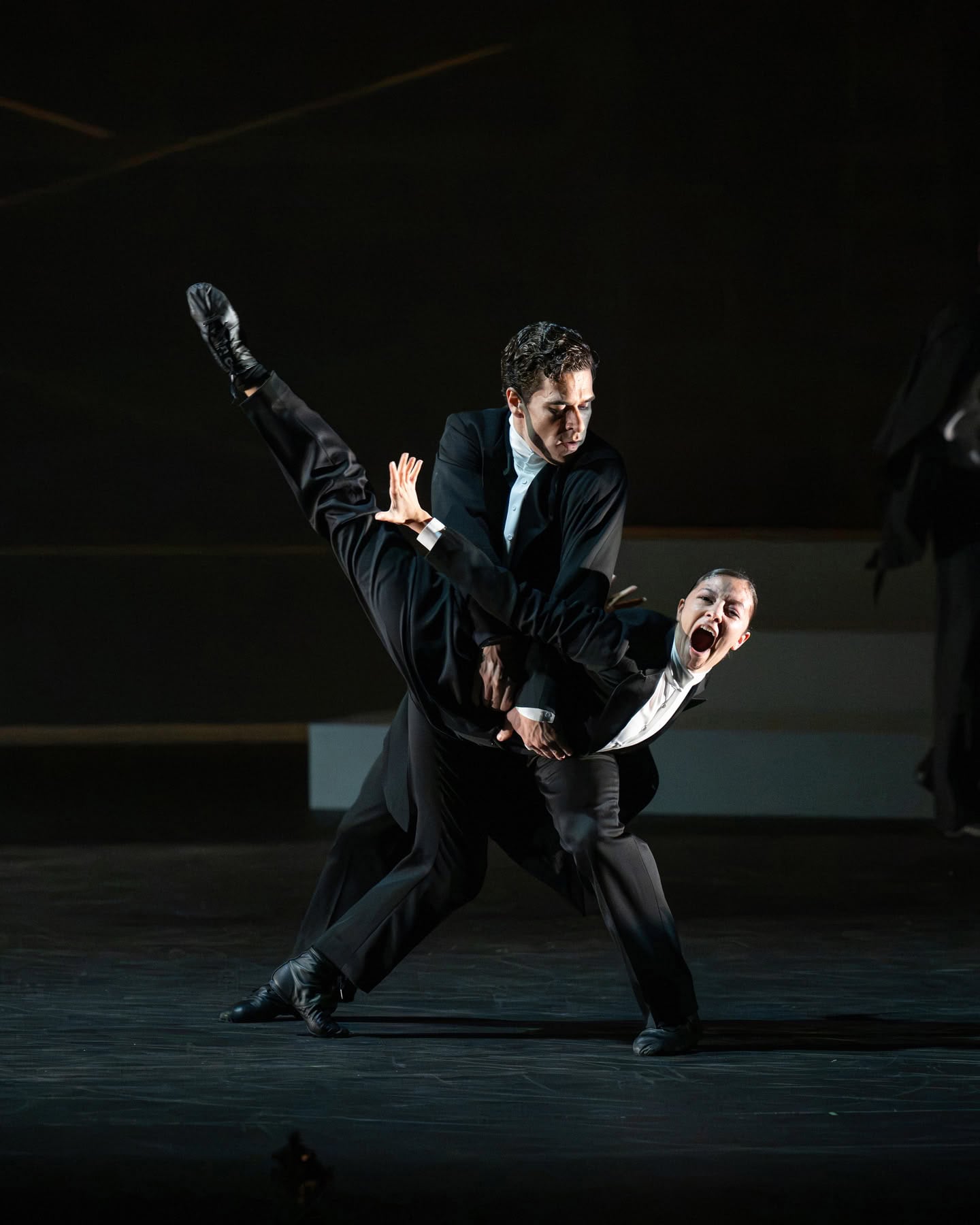
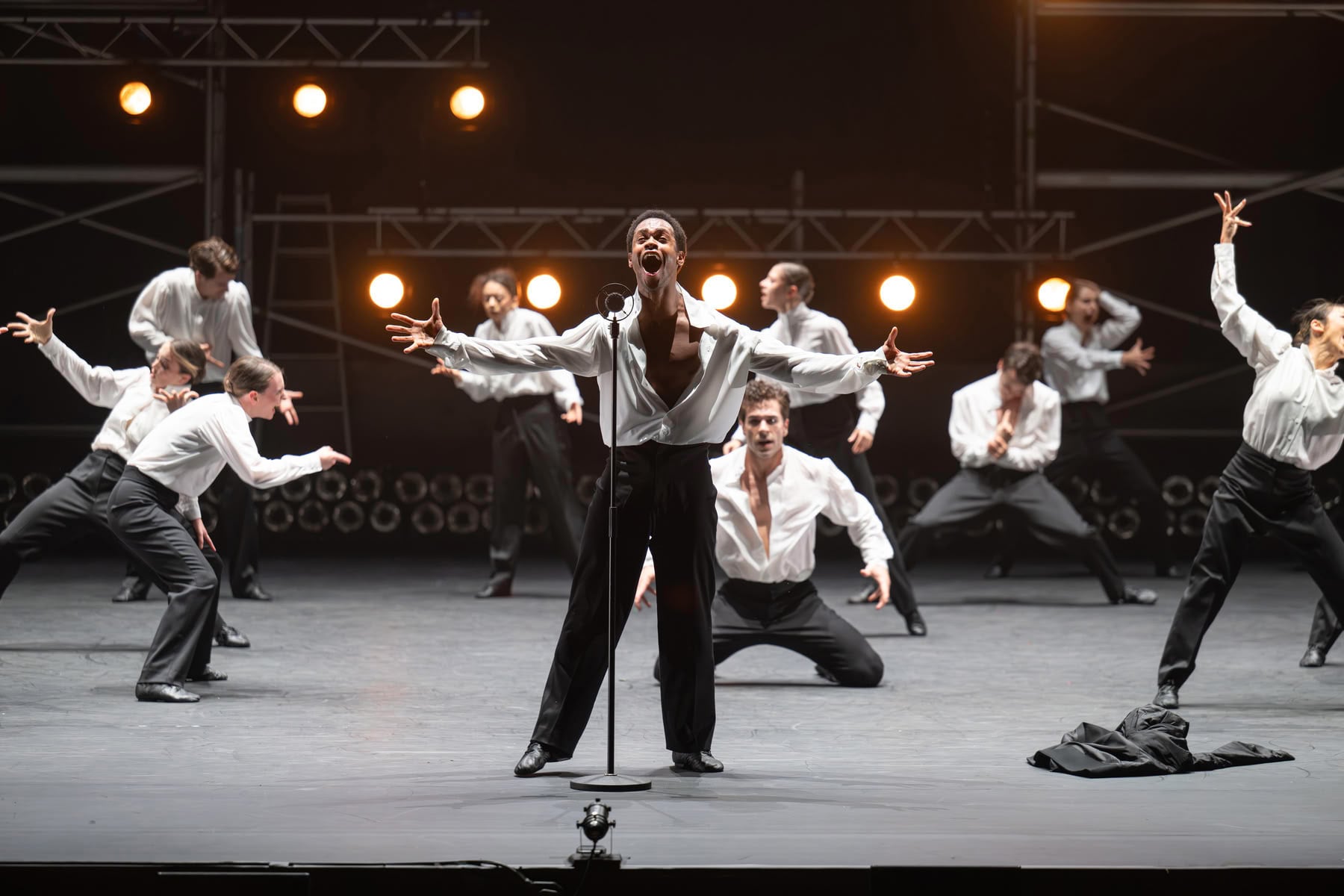
I’m going to save the best for last, so will start with the two world premieres. Bow Out by Micaela Taylor is a present day look at the tap legends of the 1930s. The music provided by Philip Patrick Harper Bucknor a.k.a Tru, is absolutely a riot of rhythm, and carries the dancers at a frenzied, perpetual pace.
Taylor’s language is tap/jazz infused, with seemingly limitless travel and OTT facial expressions. The dancers prove themselves more than capable of the energy and precision required, but as a whole, the piece didn’t transport me.
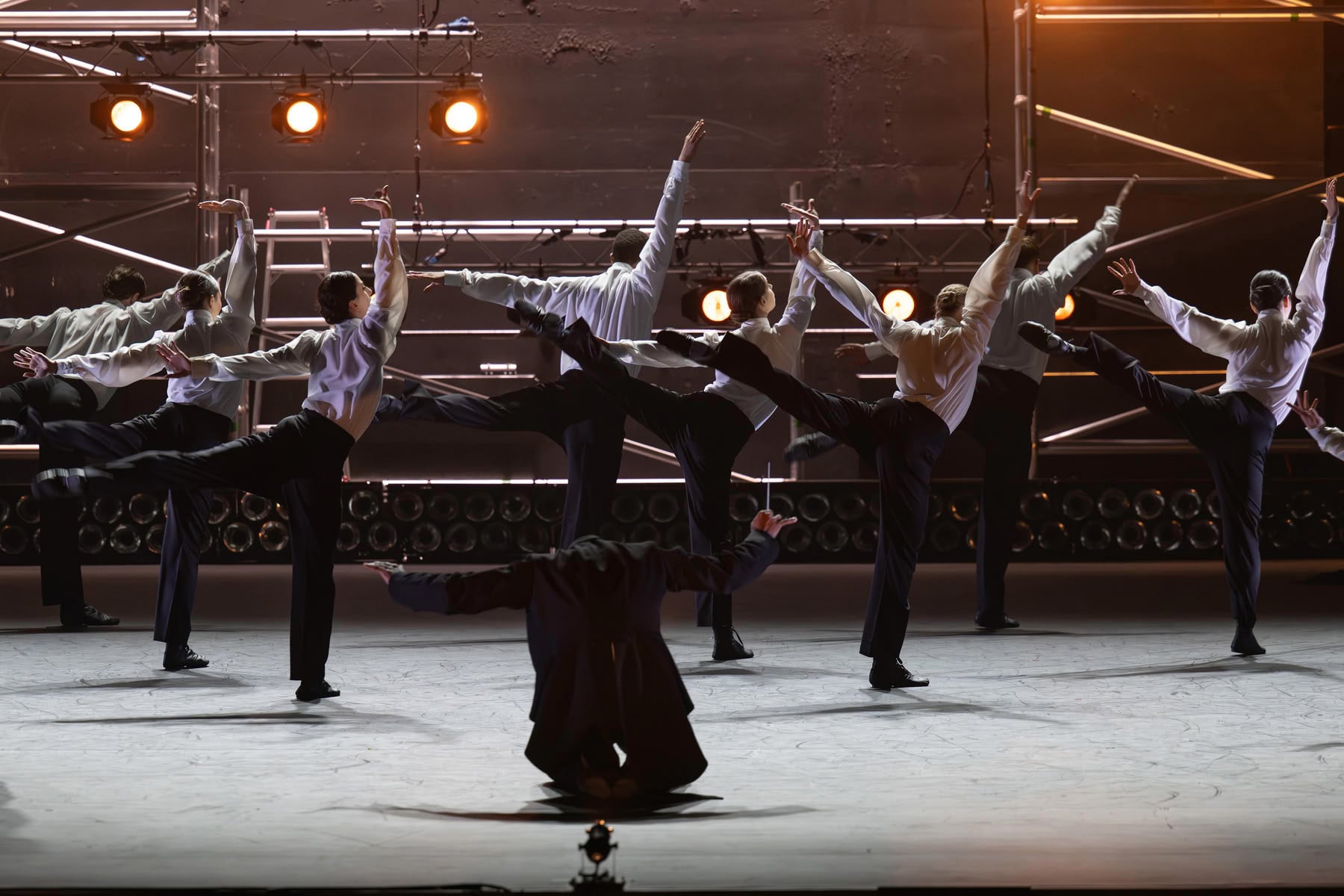
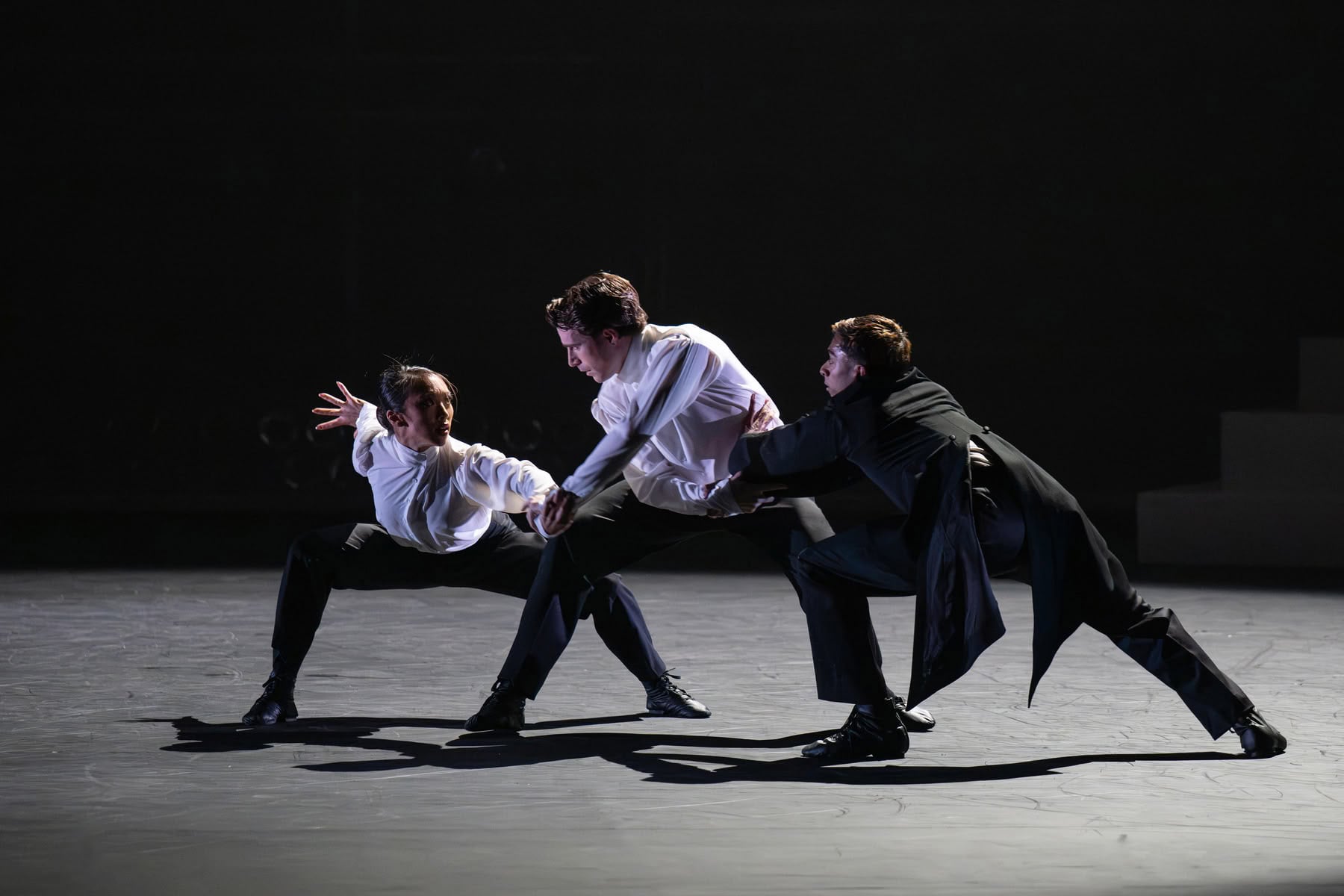
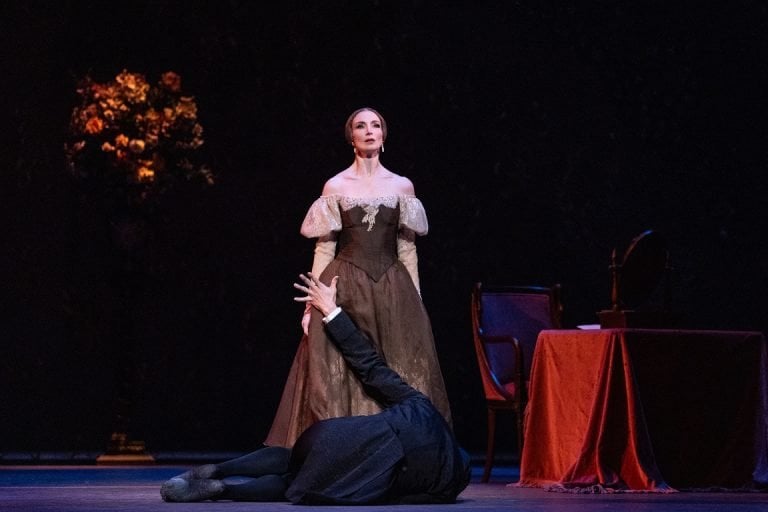
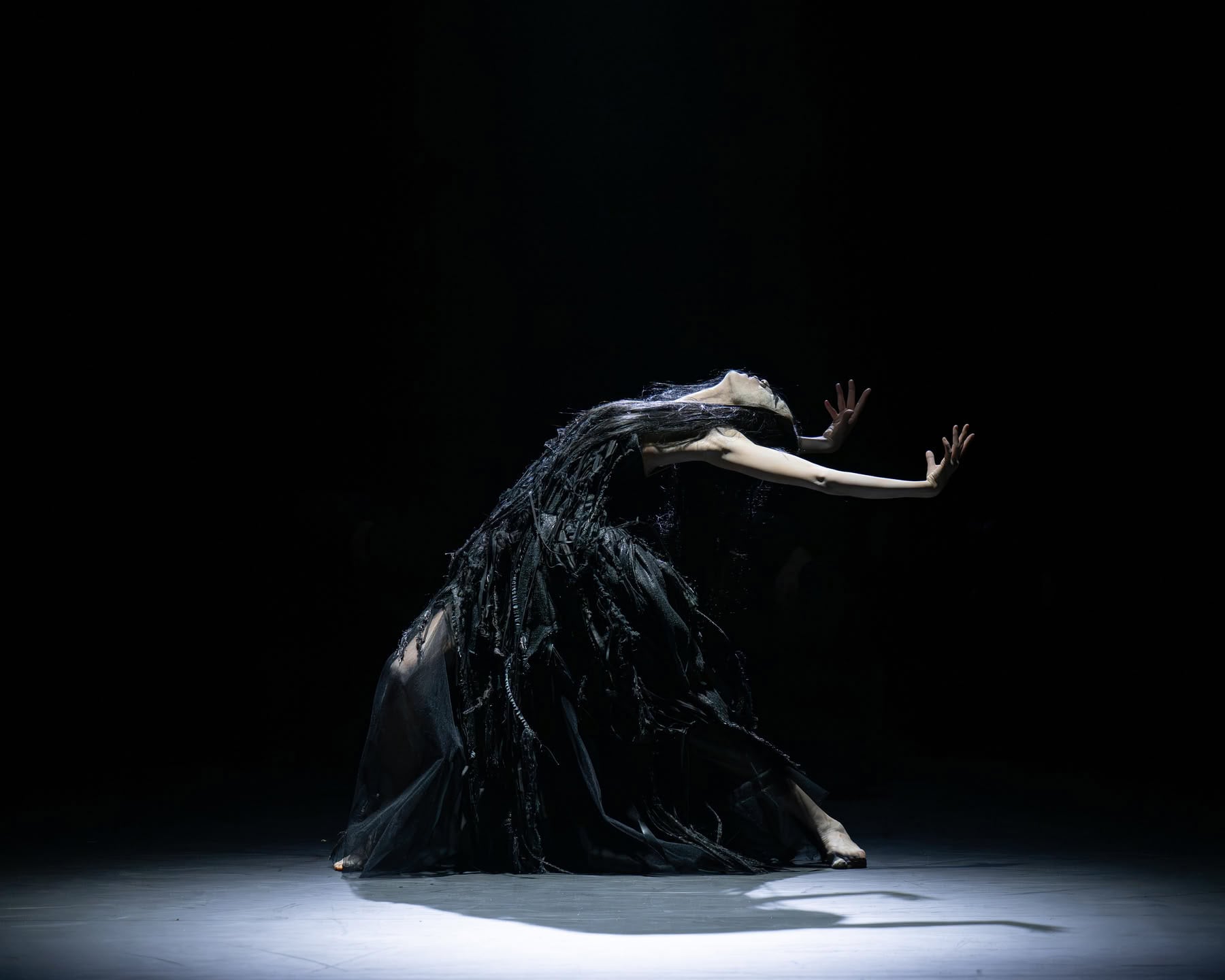
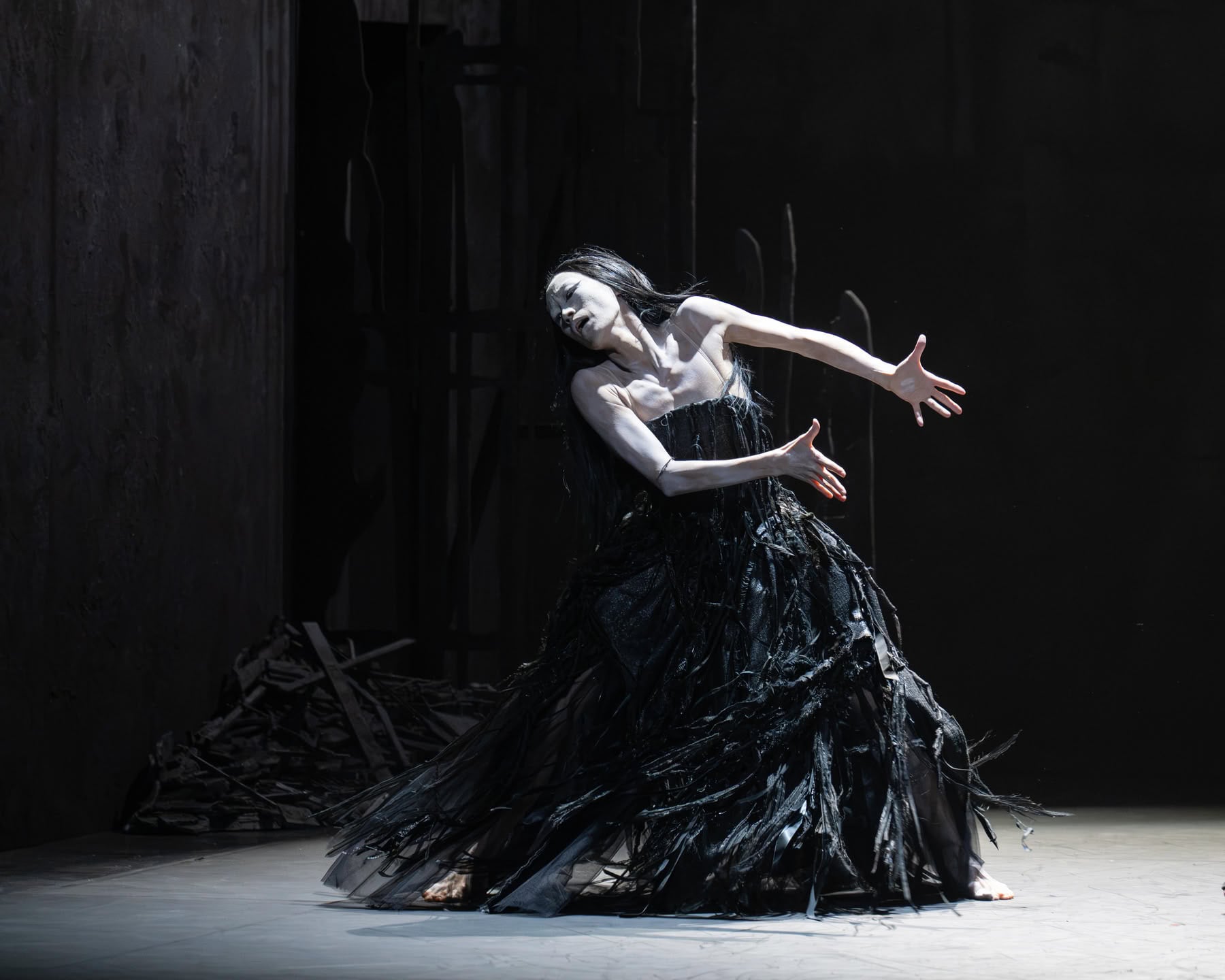
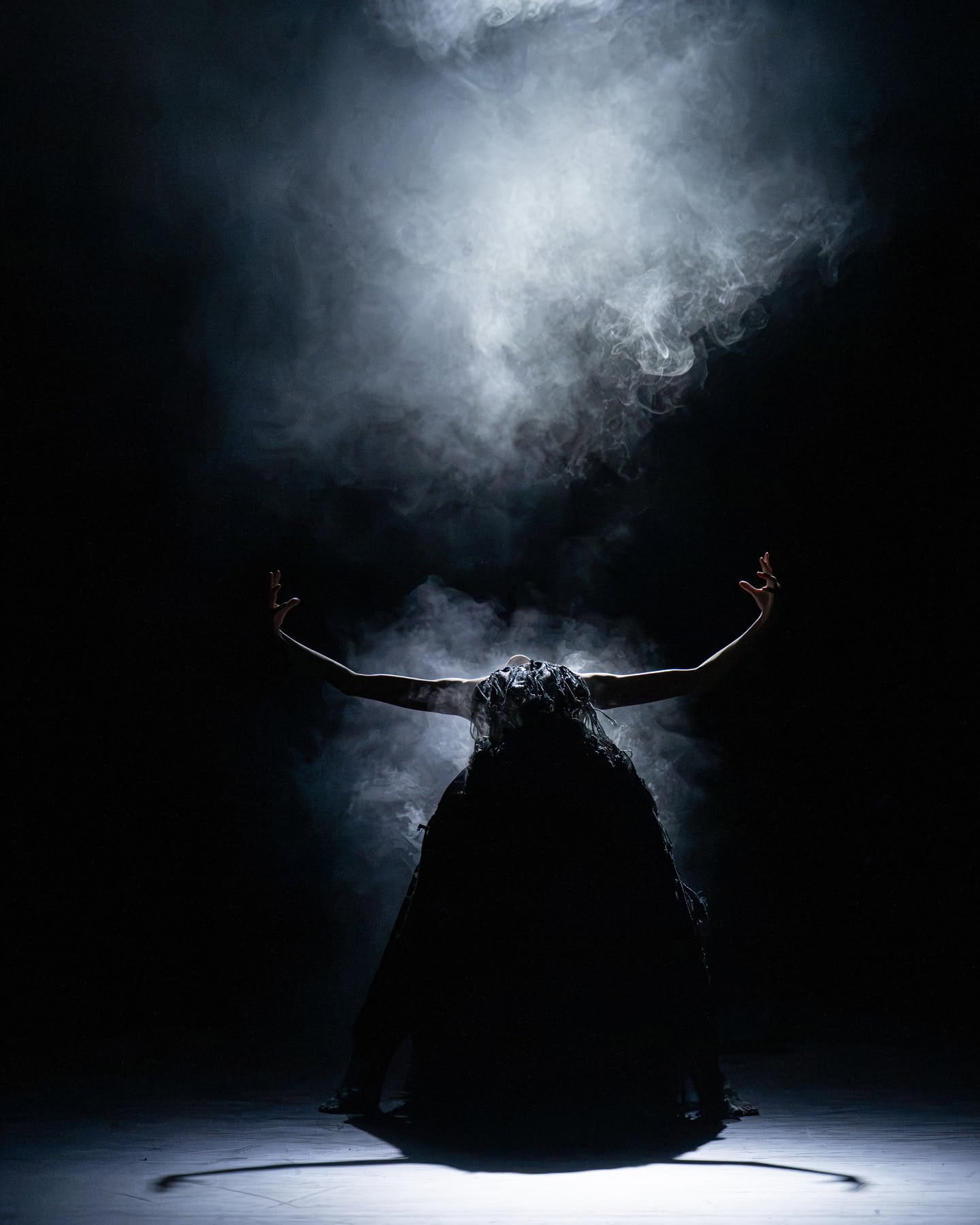
Closing the evening is Auguries of Innocence by Jae Man Joo. The blurb suggests “anguish, yearning and lyricism”, and the experience definitely veered heavily towards anguish. Joo was inspired by William Blake (hence the title), and both look at the juxtaposition between innocence and evil – a tale as old as time.
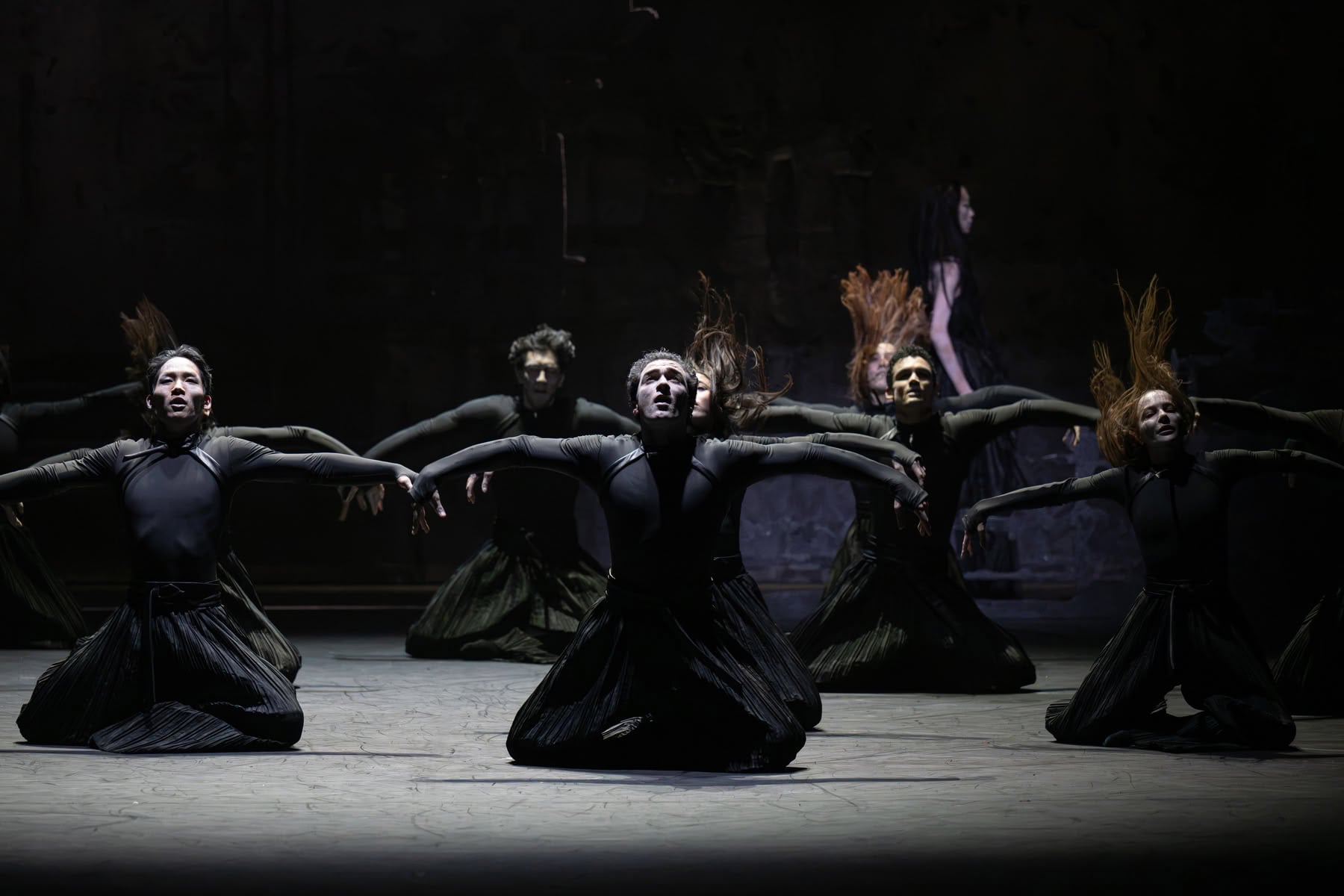
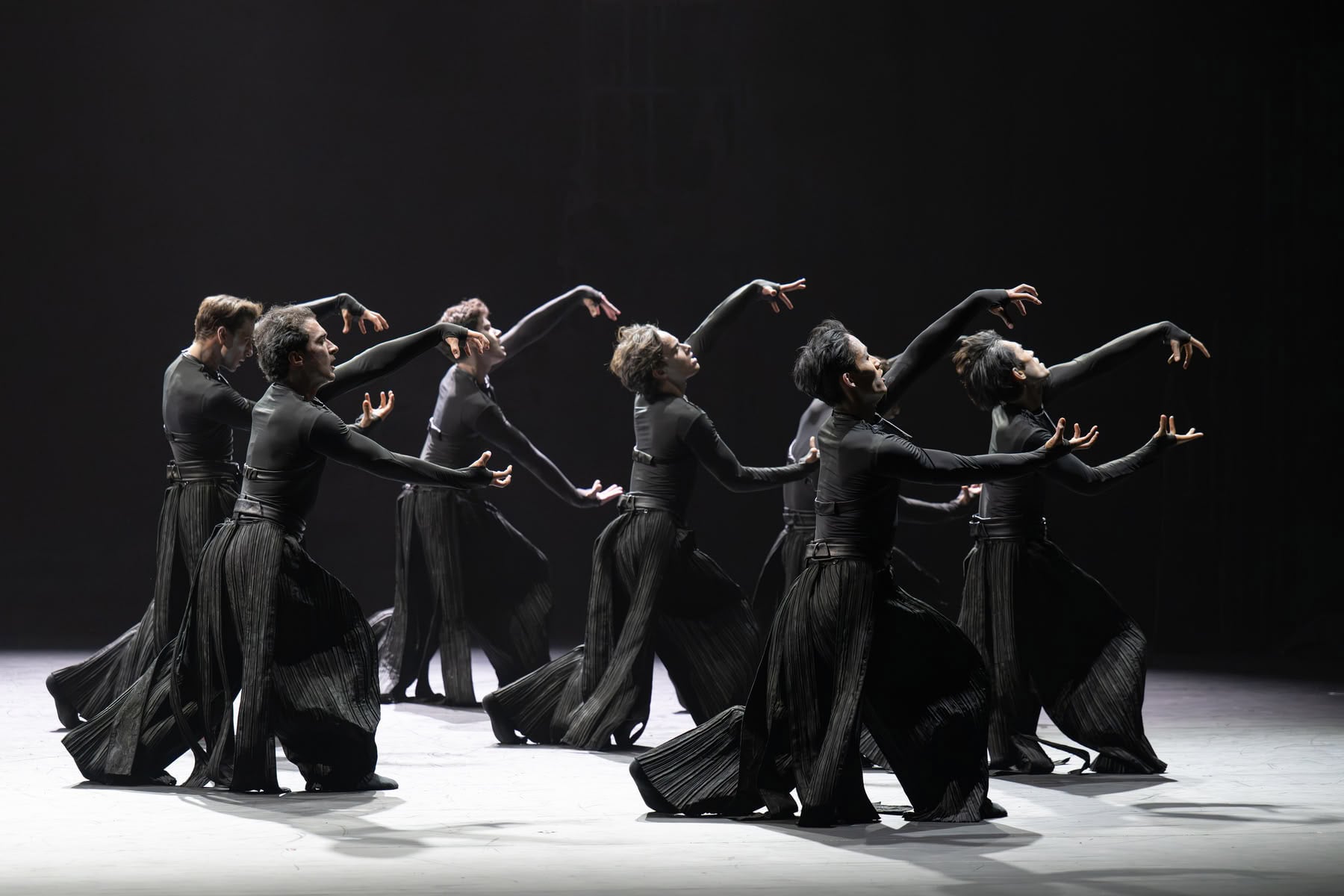
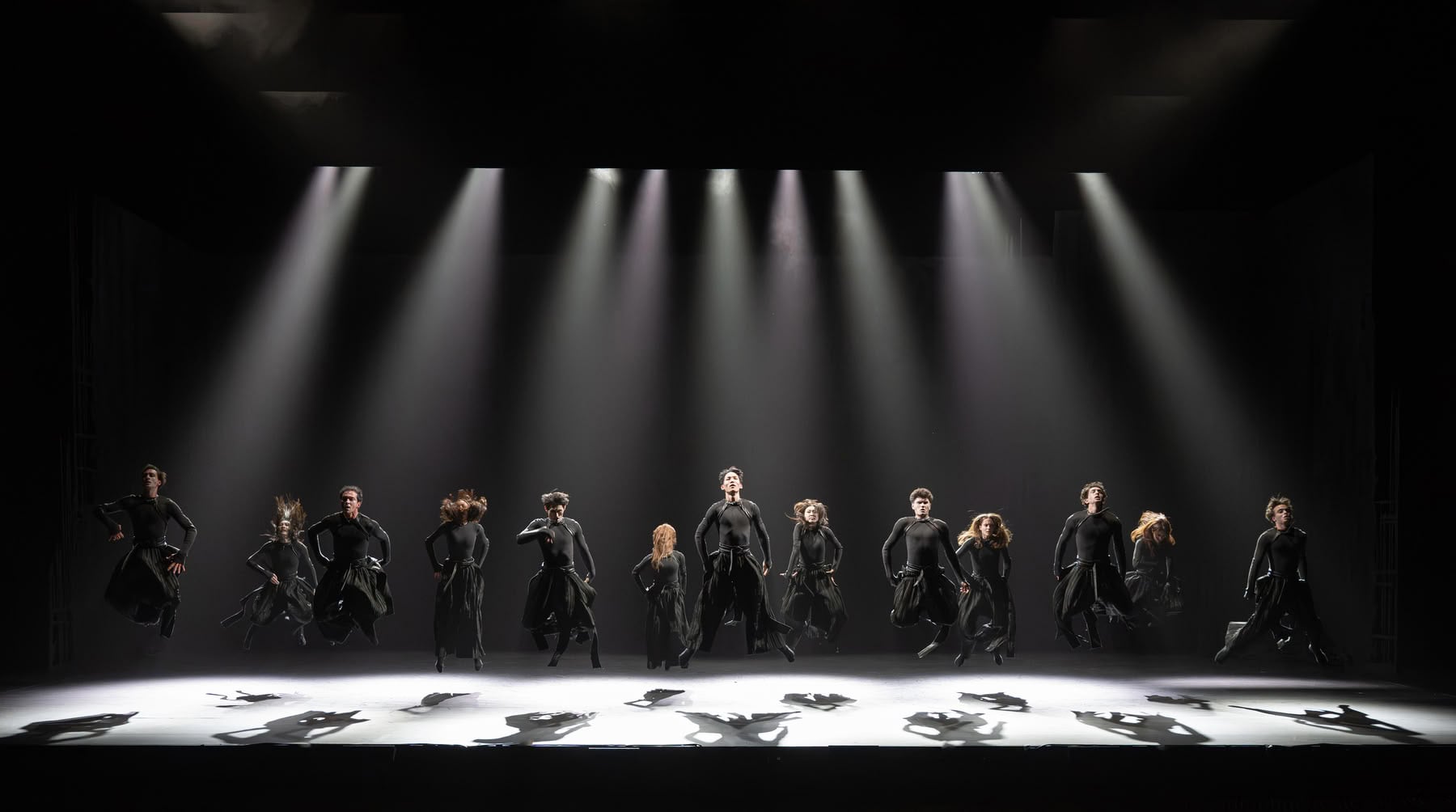
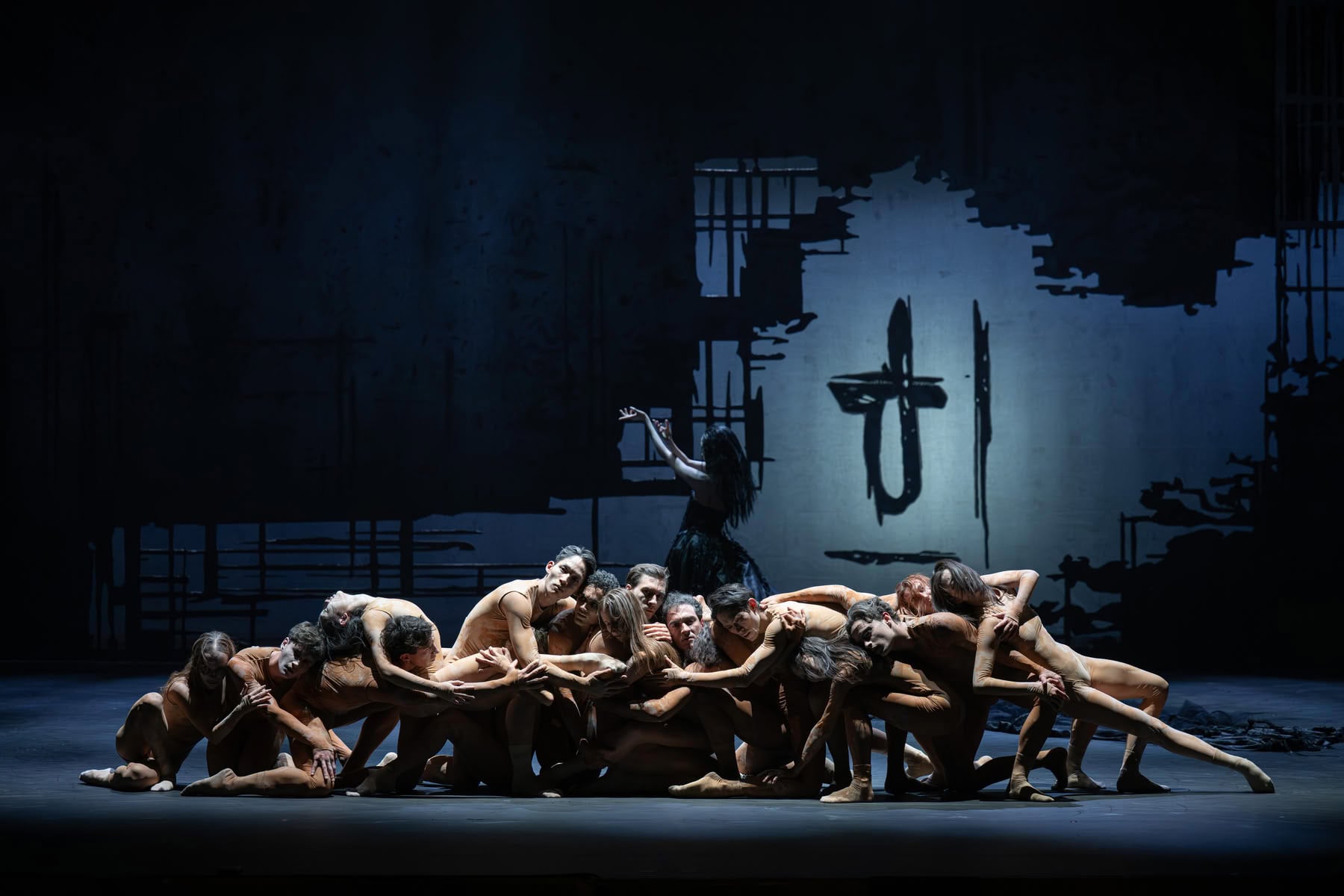
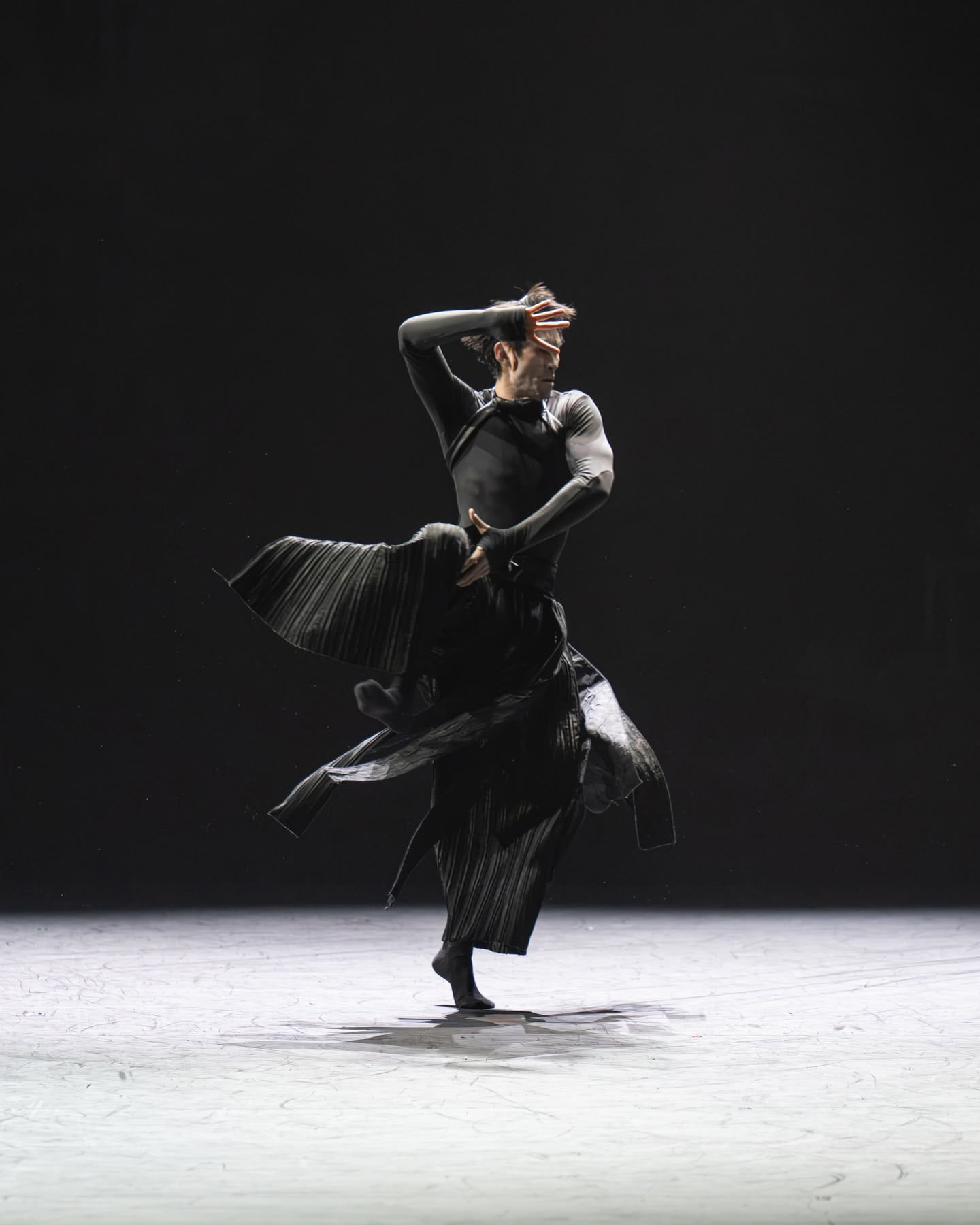
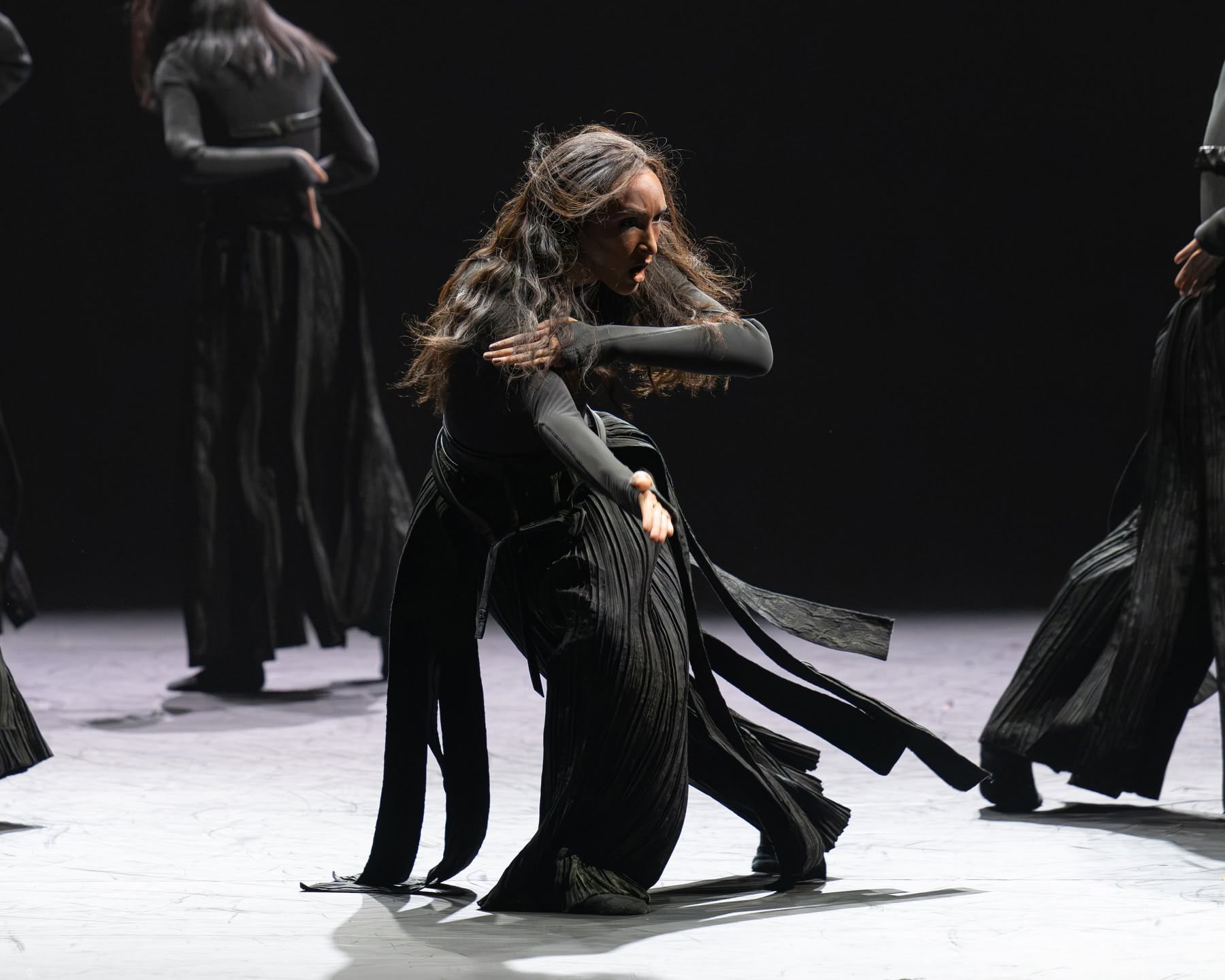
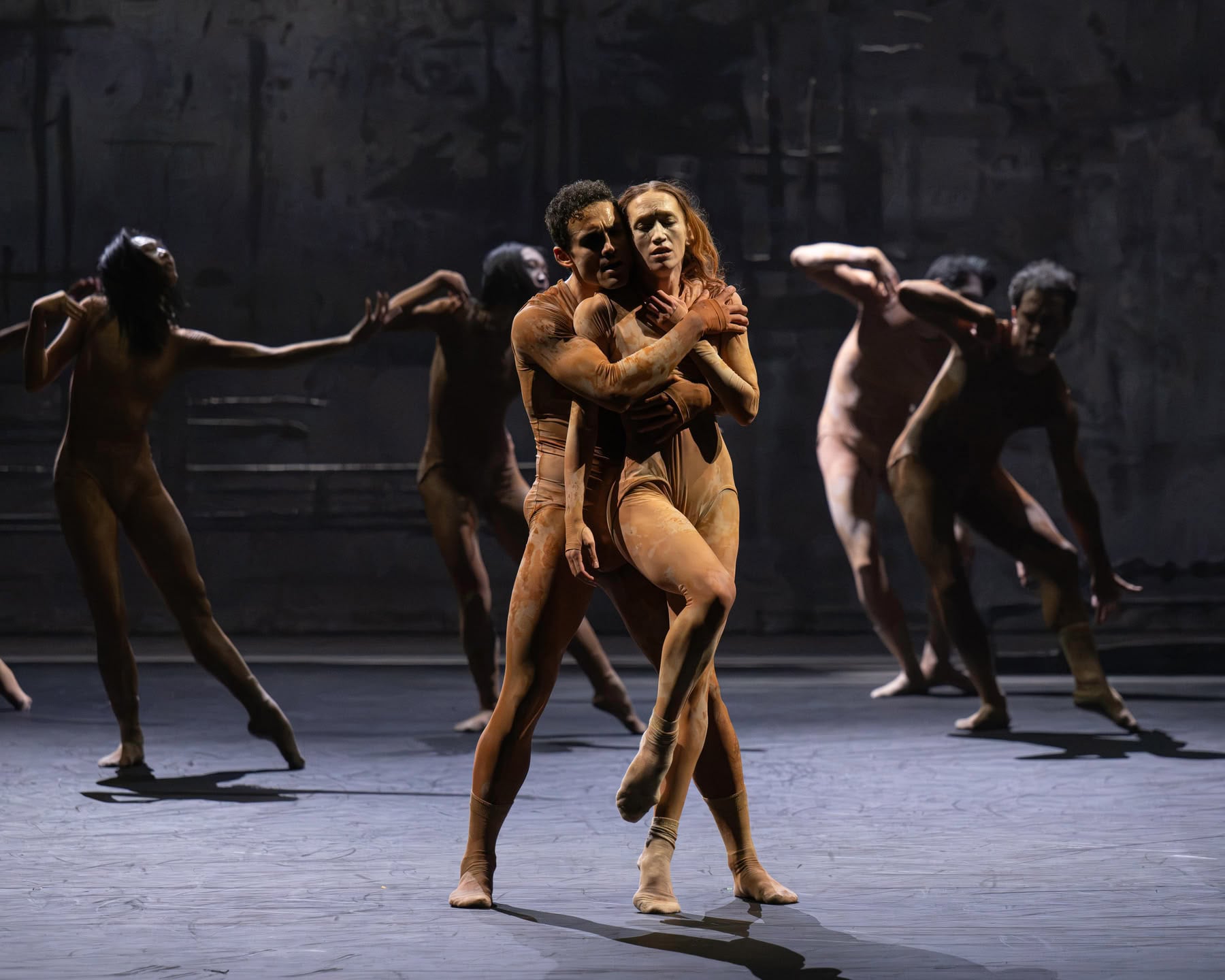
It’s visually impressive, reminiscent of an artistic horror franchise, but the language doesn’t feel like a fresh proposition. Extremely well delivered and evidently steeped in craft, yet lives in its own world. One can’t easily access (original) motif, phrasing, musical connection…so it ends up losing communication through transmission. Which is a shame – as intention is clearly part of the foundation.
The dancers are again brilliant throughout. Ksenia Ovsyanick and Daniel McCormick offer a highly emotive pas de deux, Minju Kang a fearless solo, and Sangeun Lee carries the whole work with her presence alone. But even still, I don’t feel desperate to see it again after a first viewing.
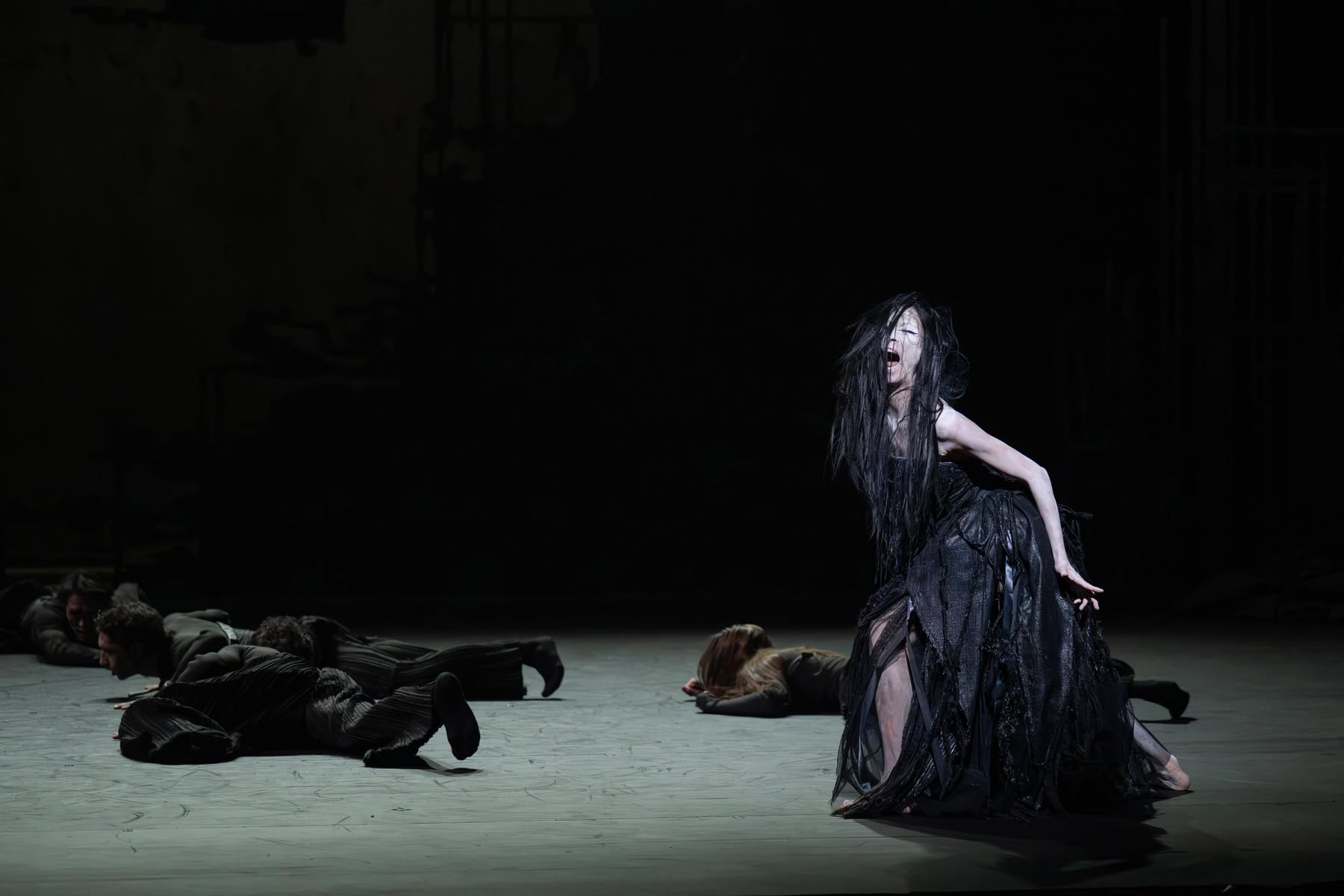
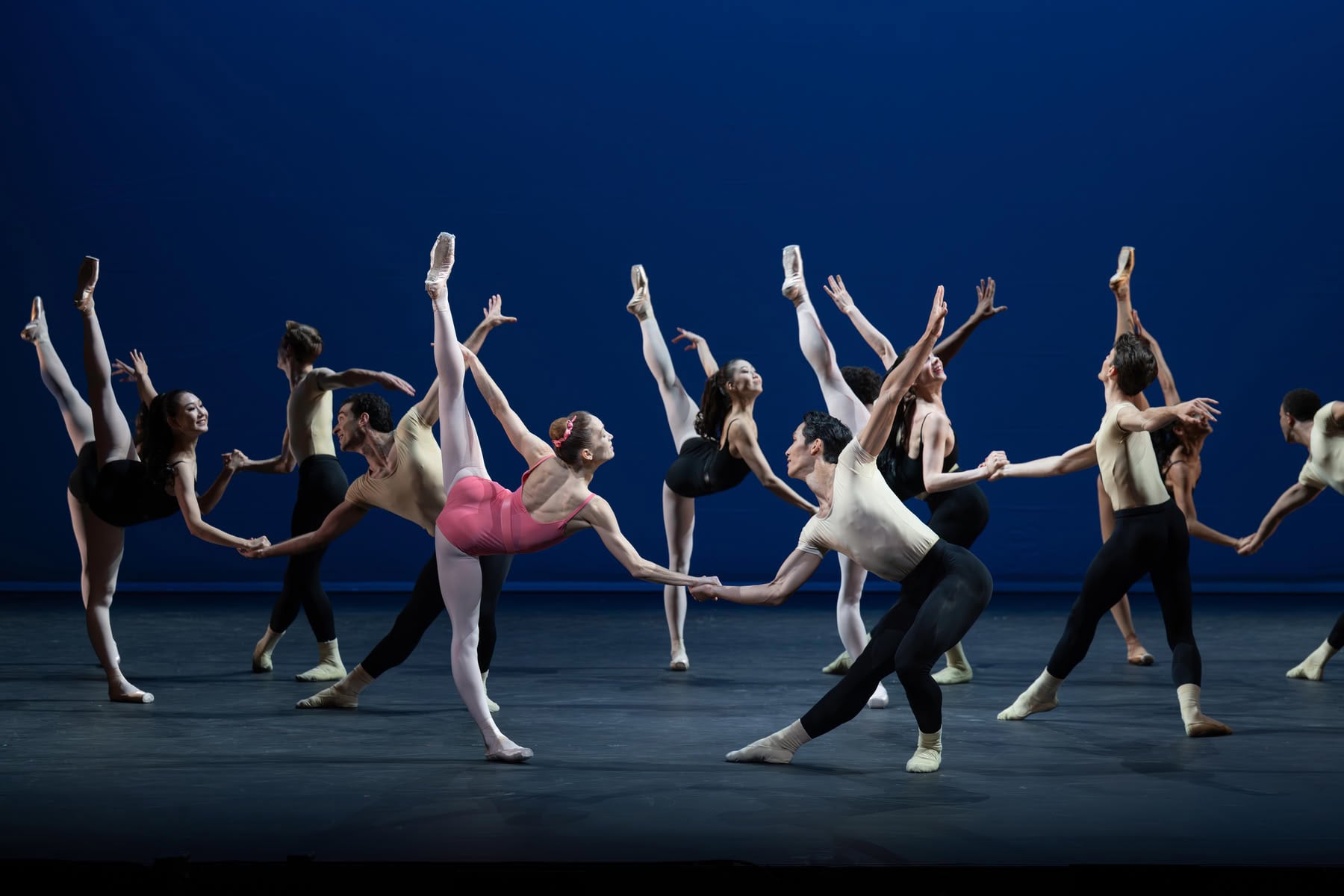
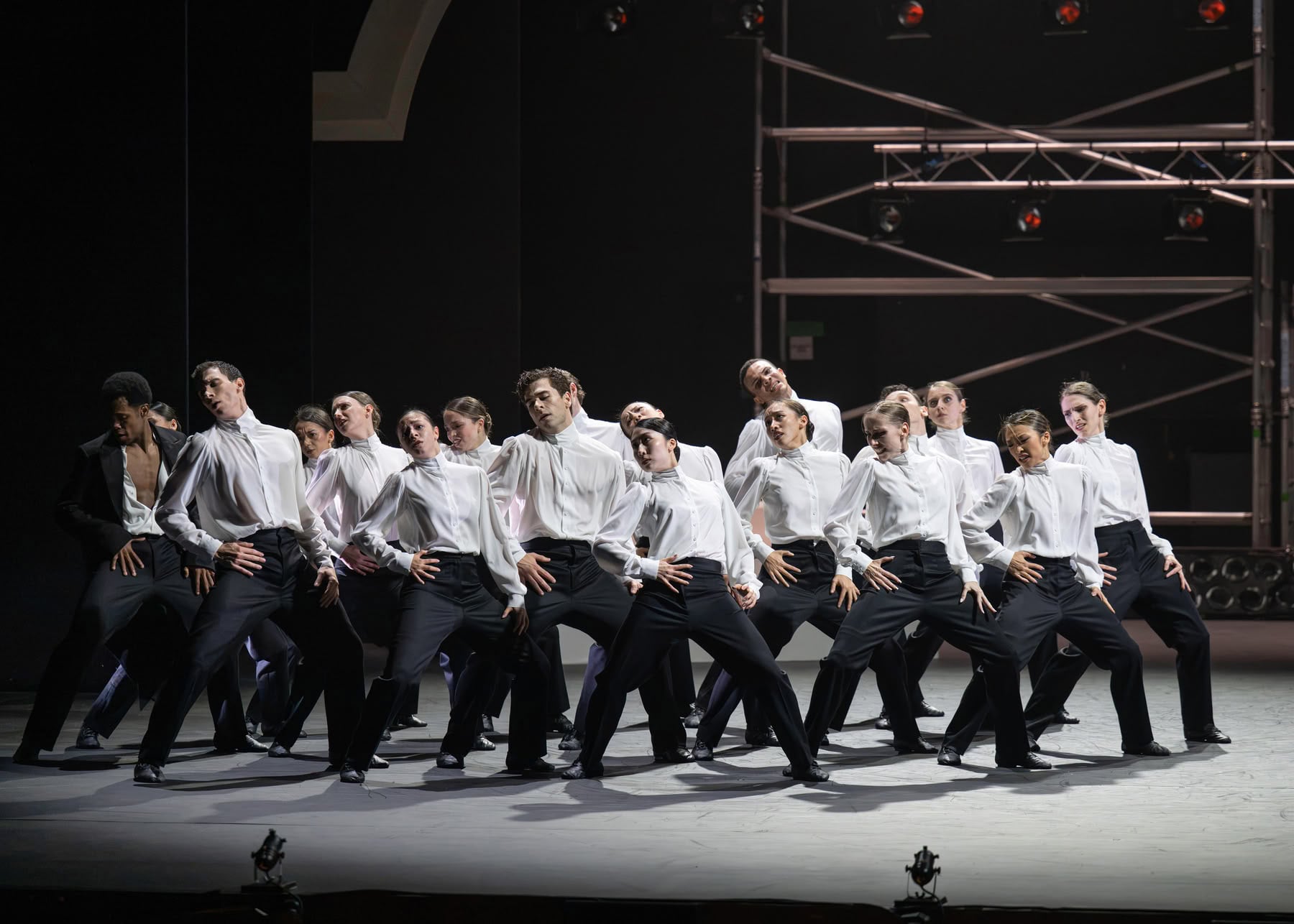
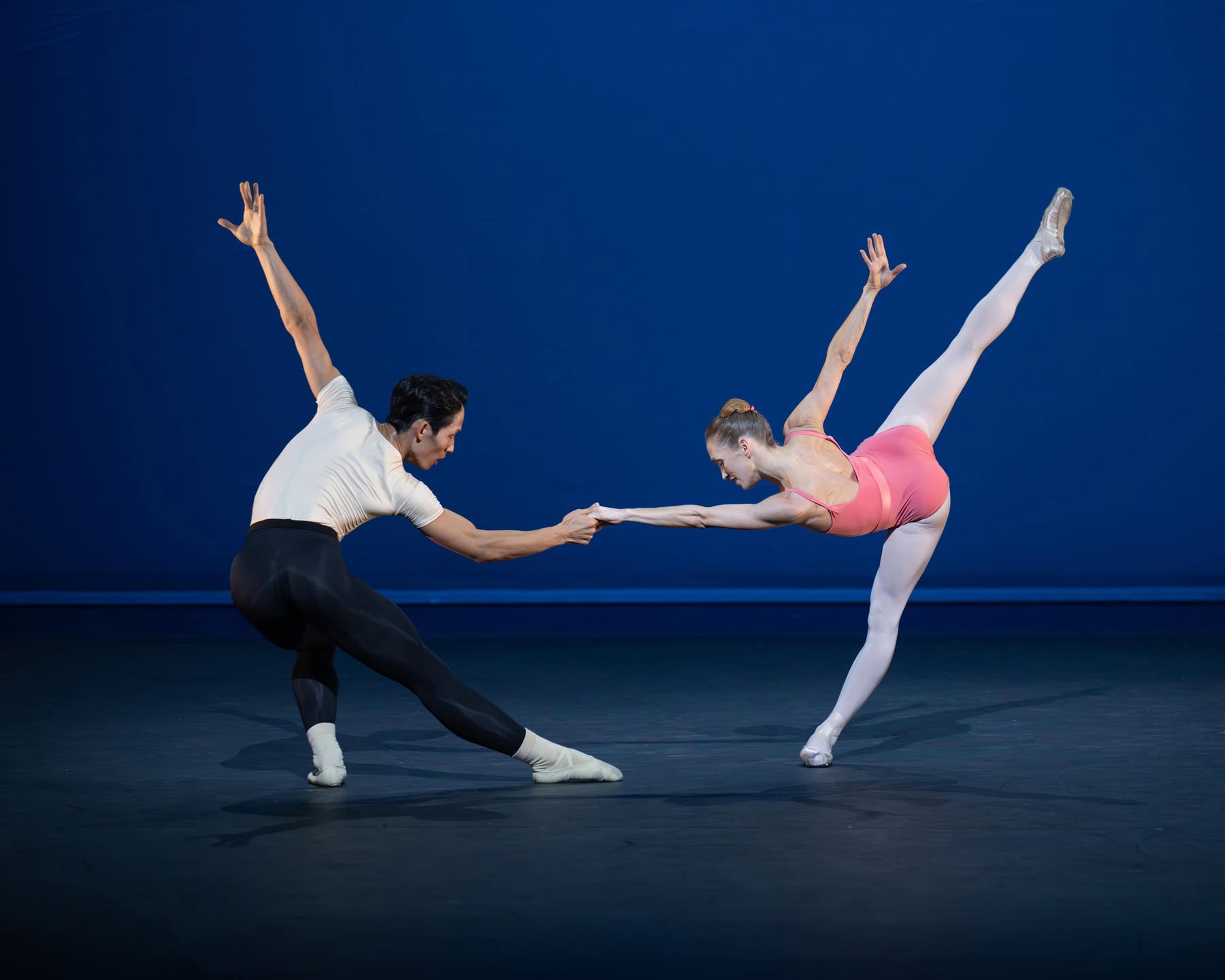
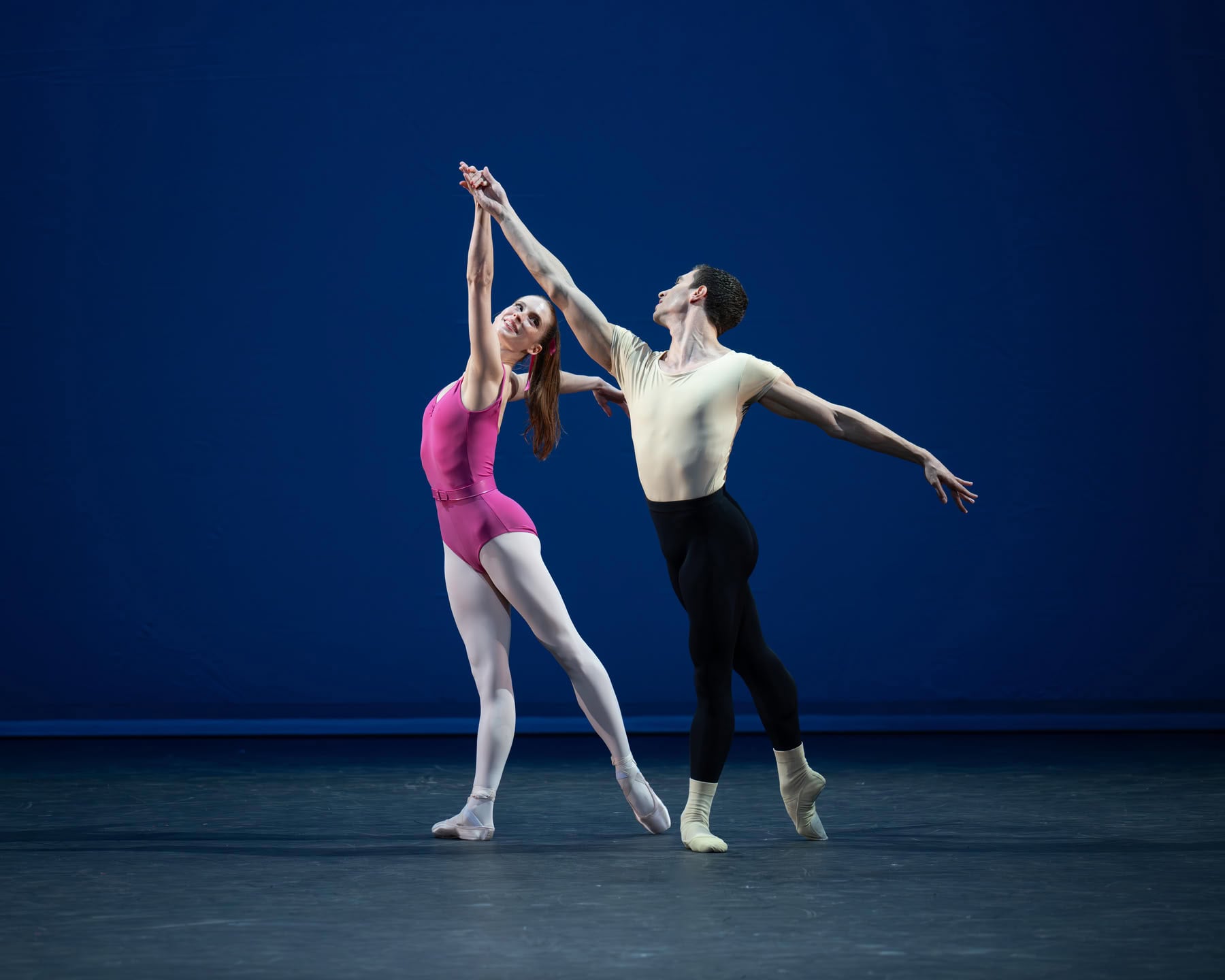
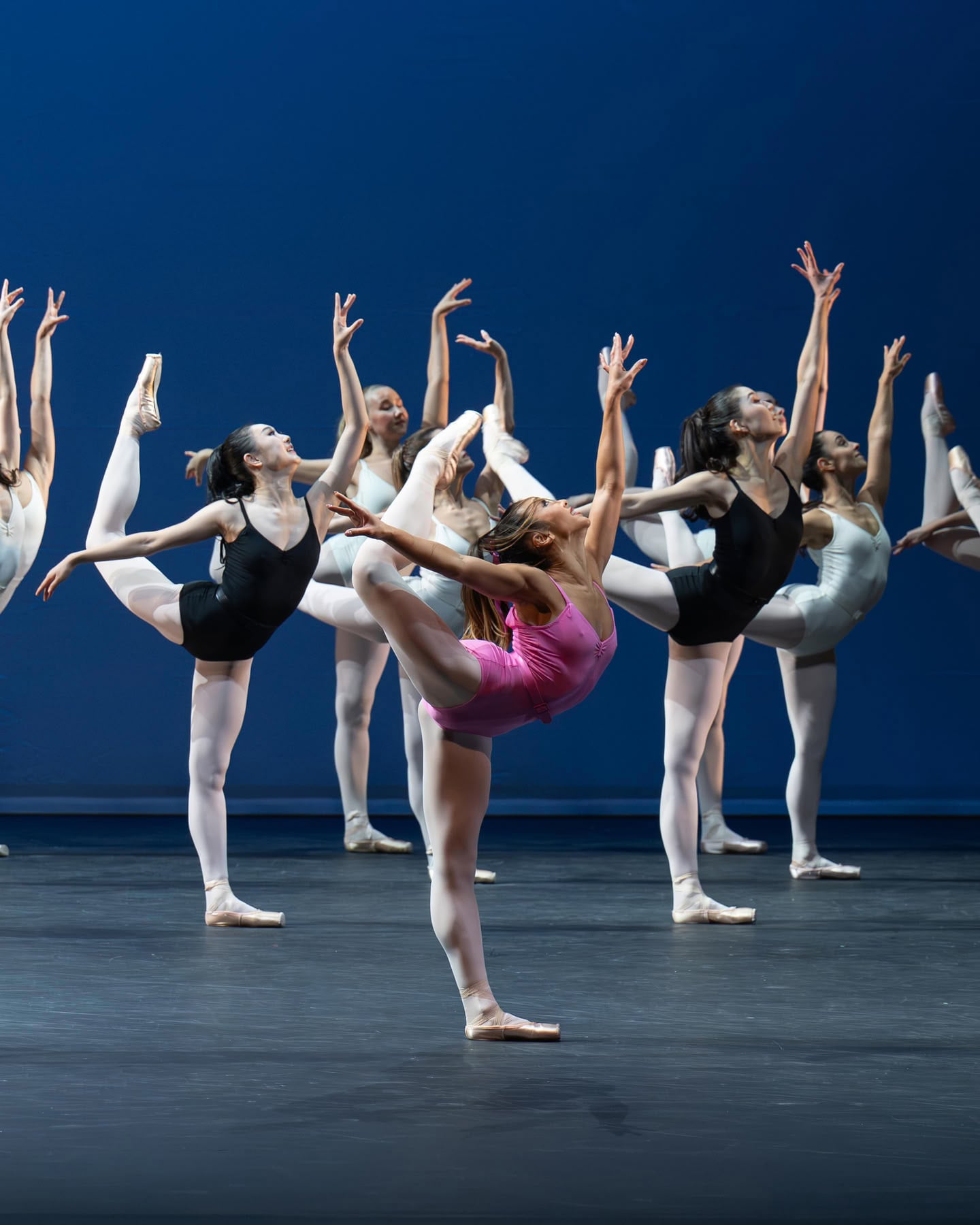
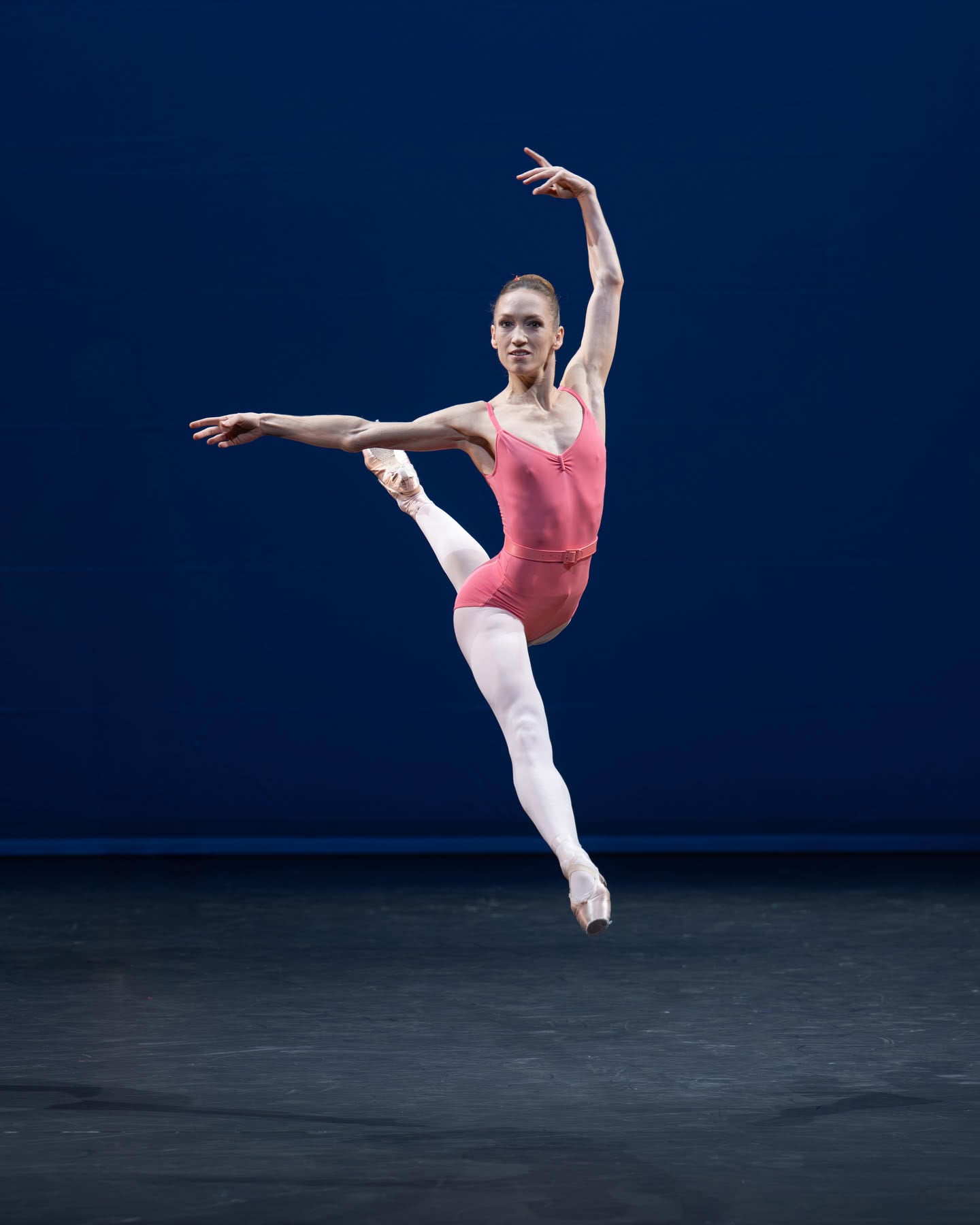
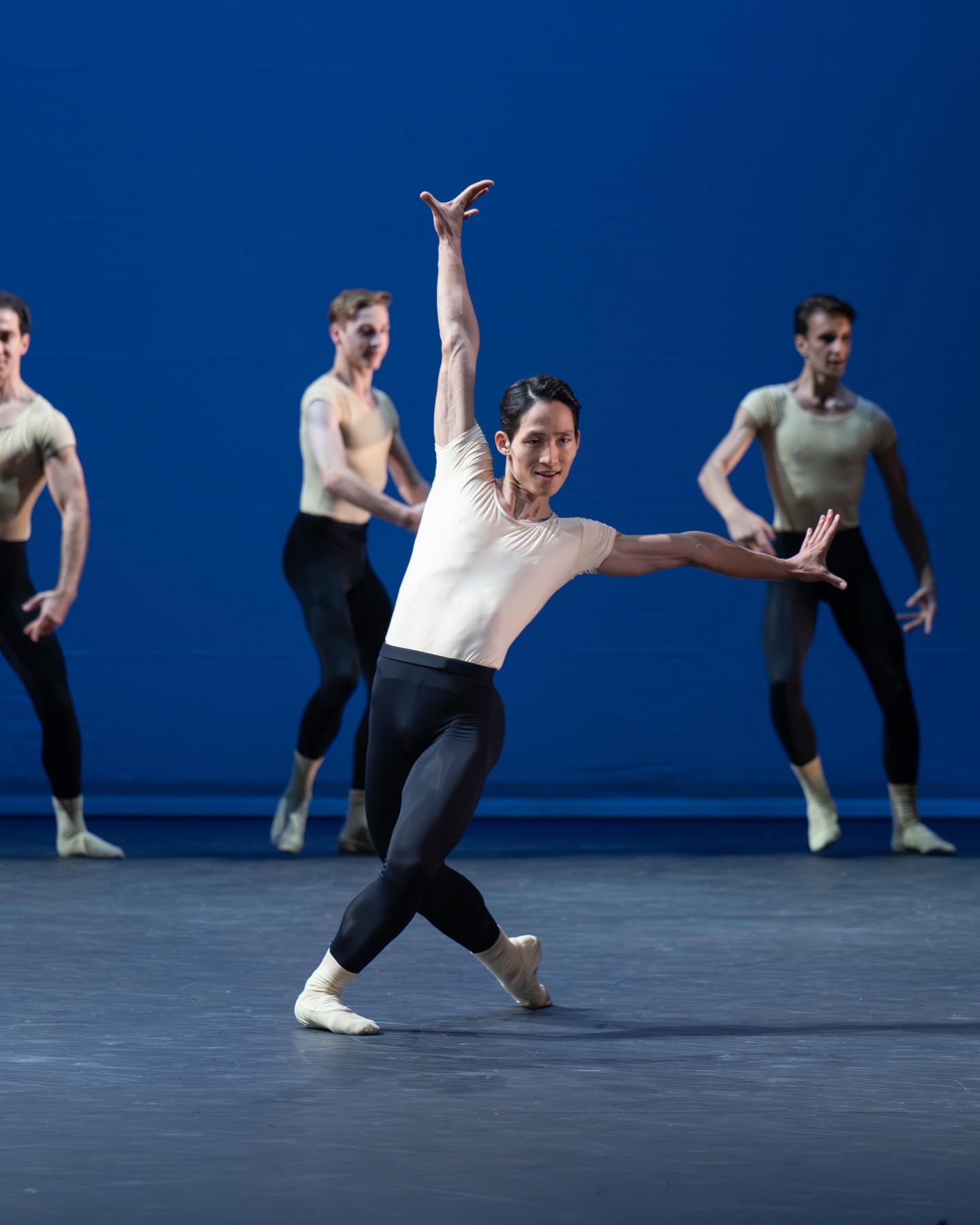
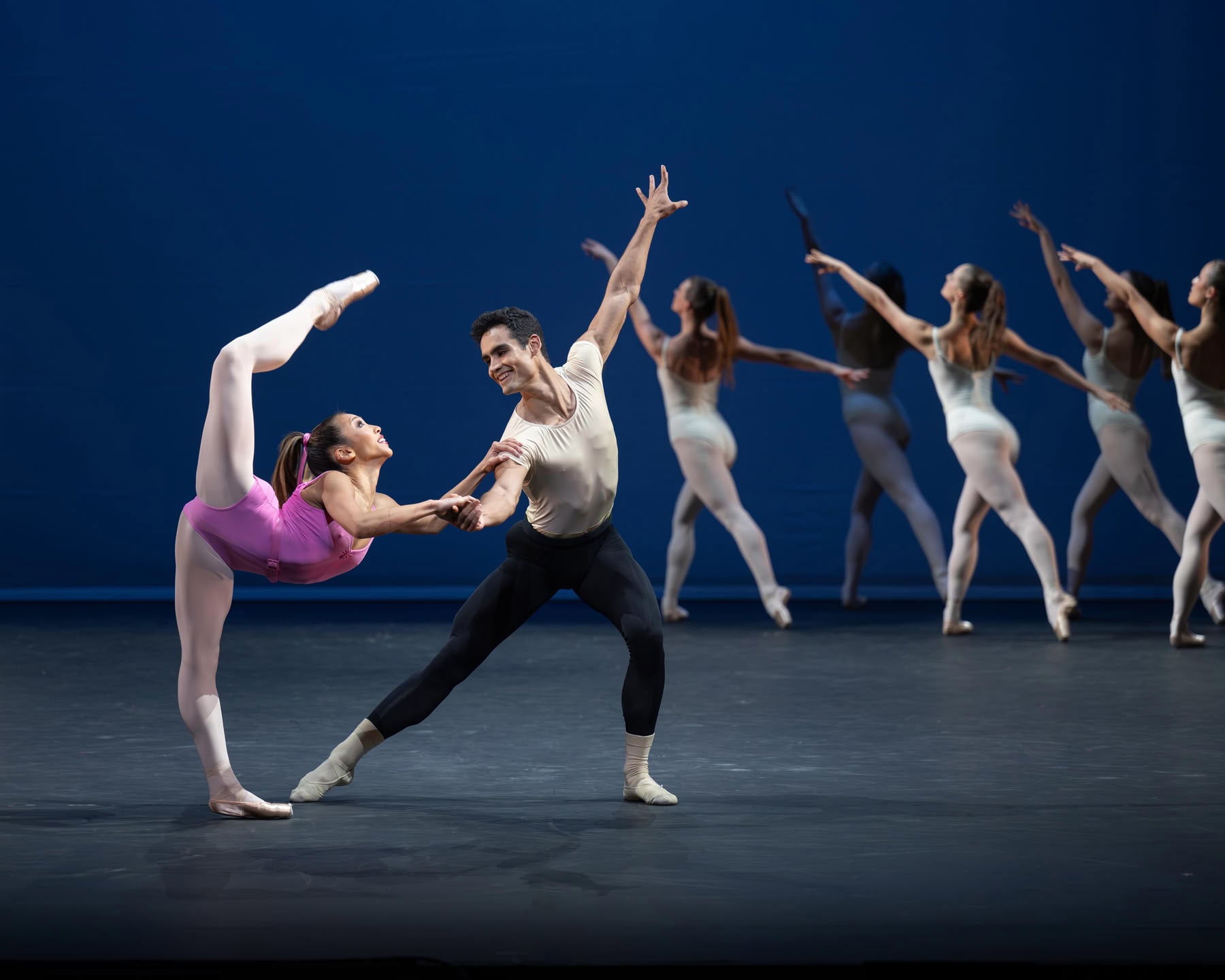
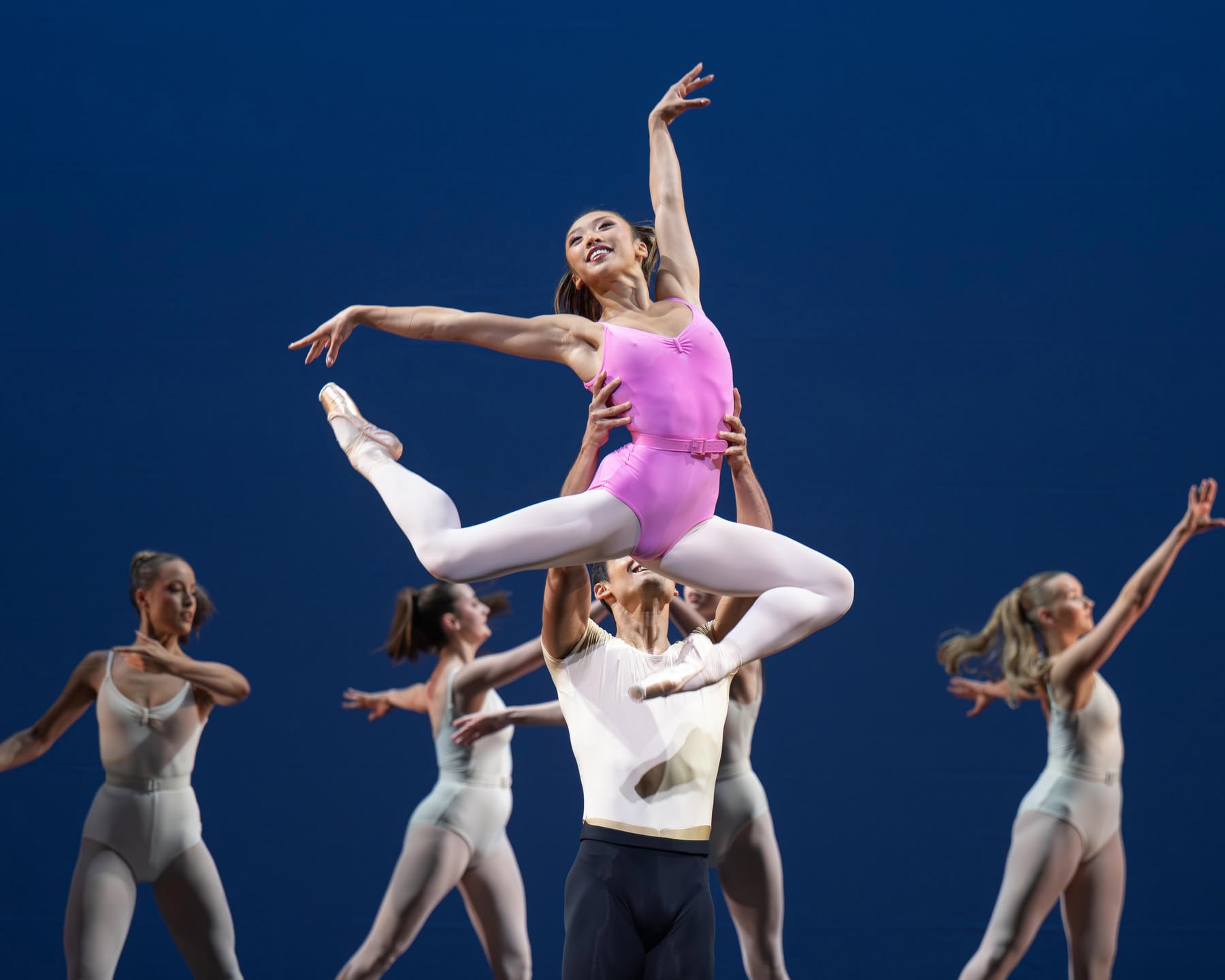
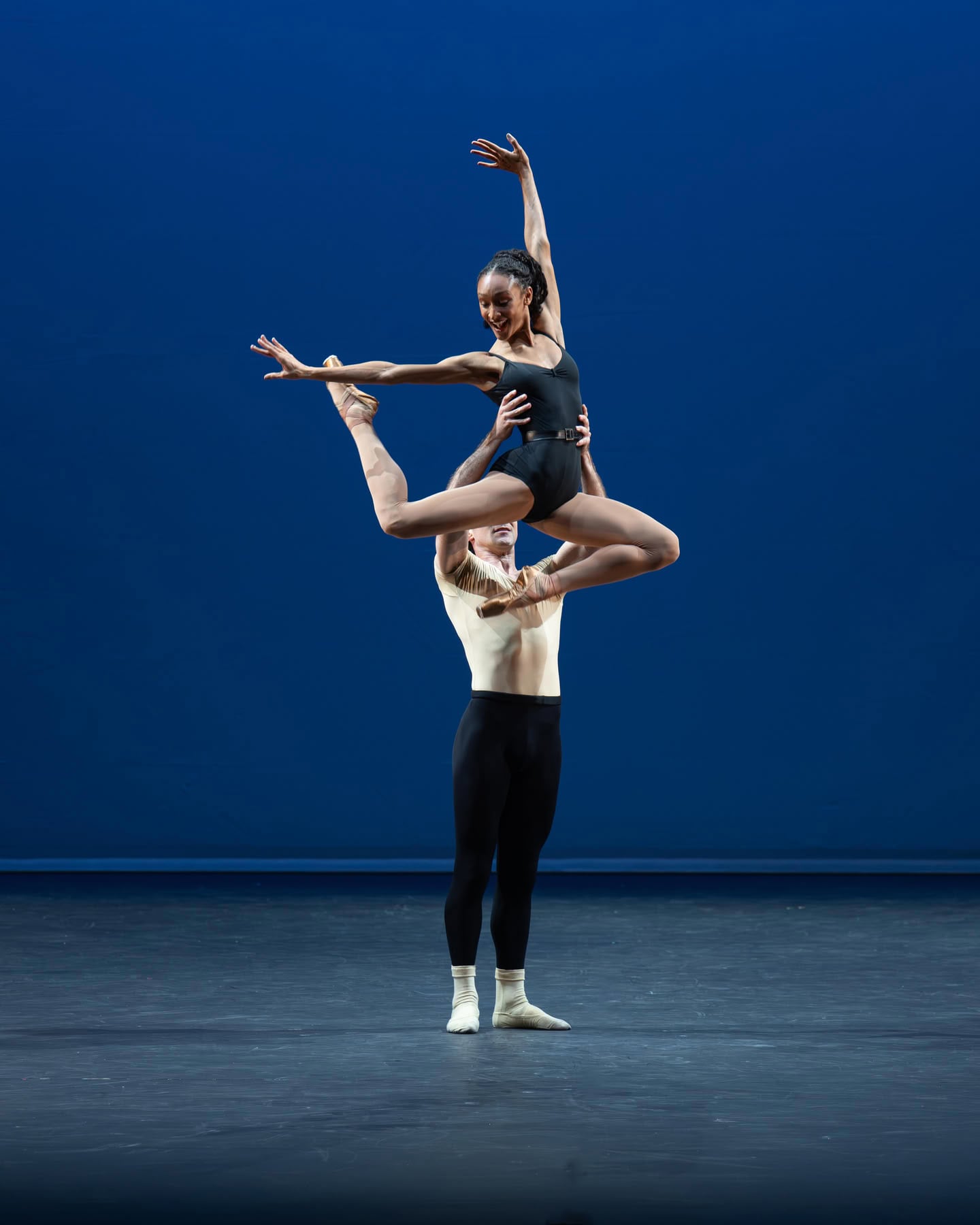
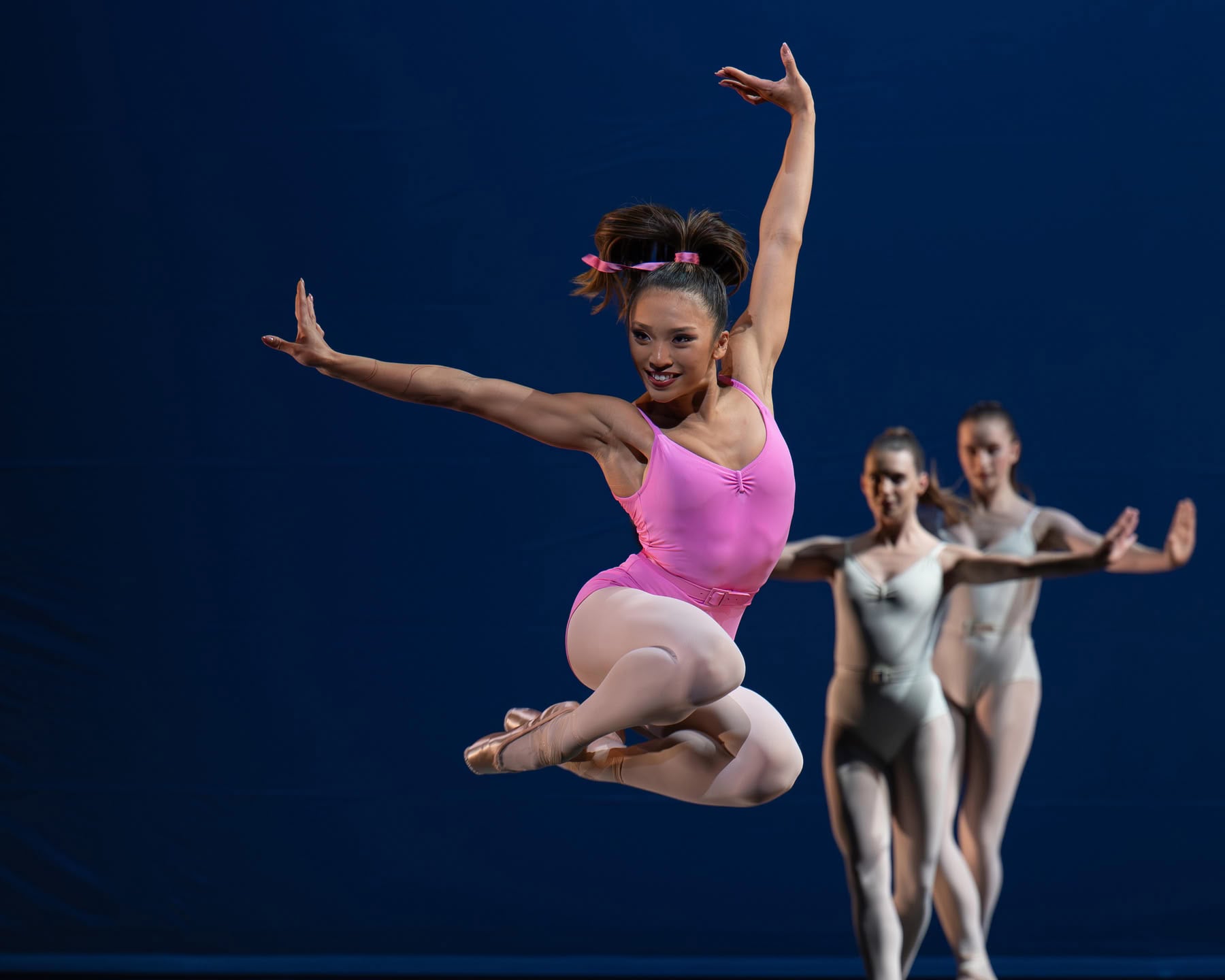
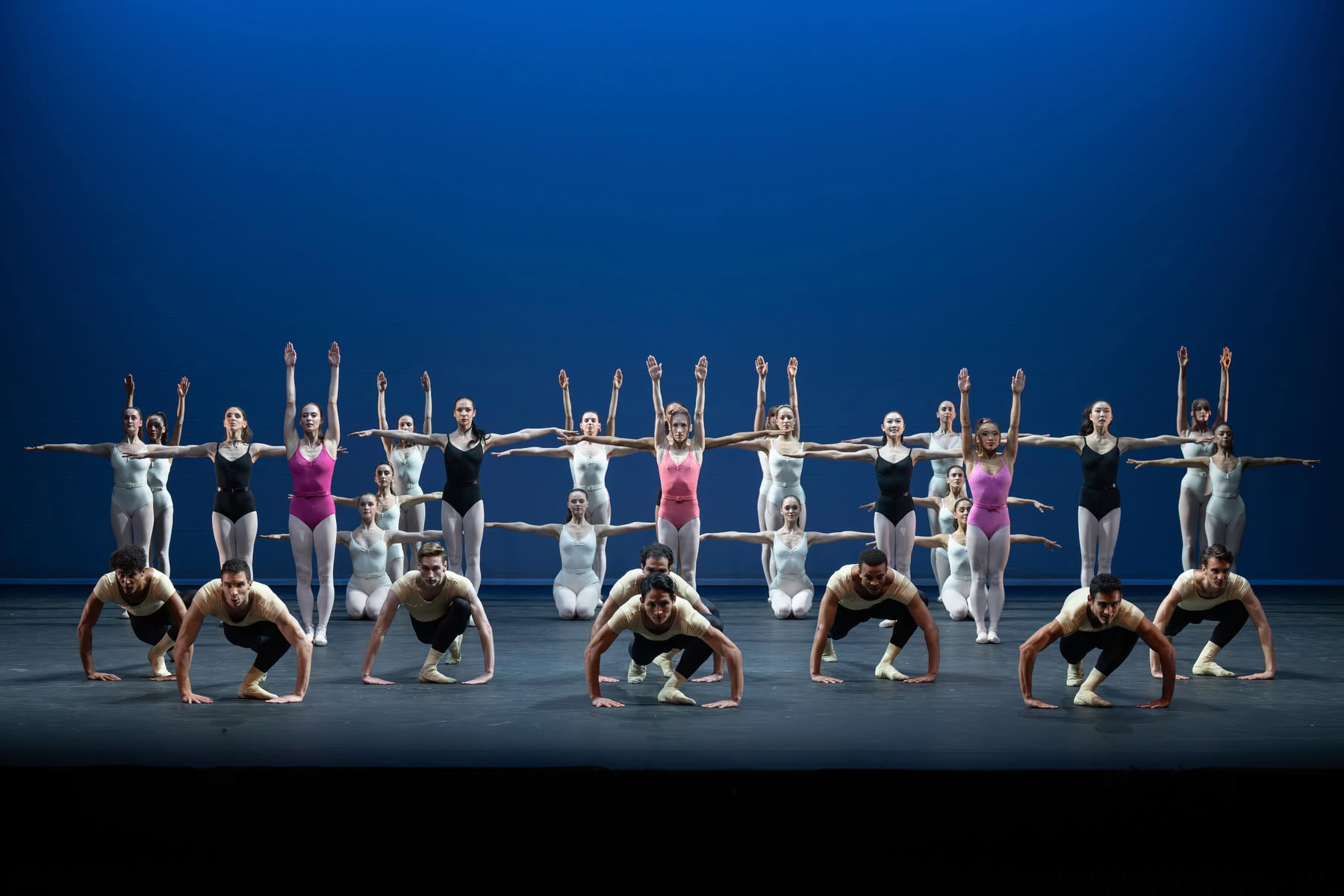
Opening the programme is George Balanchine‘s 1972 Symphony in Three Movements. And thank god. Created in just one week for the Stravinsky Festival it continues to feel as zeitgeist as ever and is such a welcome addition to ENB’s repertoire and the London dance scene.
How exciting to witness exciting ballet. The Stravinsky score is literally a riot, the dance is nonchalant athleticism, the Karinska costumes are ballet-core chic and it’s all topped off with swishing ponytails and balletic pheromones. You can’t watch this work without being intoxicated.
Apologies for sounding like a broken record, but the dancing was amazing again. Daniel McCormick was joy personified, and the only thing that stopped me from watching Ovsyanick was Rentaro Nakaaki’s abandon and flailing pelvis! The latter two delivering a stunning middle pas de deux; all conversational angles.
Ovsyanick began her professional career at ENB and then left for Berlin. Her departure was noted, as many in the industry thought she was the next generation of brilliant dancers. And that she became. Personally, I think you can tell when a dancer has danced ‘elsewhere’: experience and exposure to varied repertoire gives them an edge, and Ovsyanick has it in spades. From the moment she enters her dancing is impeccable; understated to arrogant, precise to wild, and all with a veritable presence somewhere between indifferent and penetrative. Woohoo!
Personally speaking it was a 1 /3 evening. That said I respect the two new works and artistic director Aaron S. Watkin‘s desire to explore and take risk. However, commissions define where a company is going artistically, and inevitably questions arise:
Why are ballet companies trying to become contemporary dance companies?
Are contemporary dance companies doing the same (in reverse)?
Audiences need educating. Is this educational commissioning?
Where are the neo-classical choreographic voices?
Where are the choreographic voices from within the company?
Food for thought perhaps…

Matthew Paluch was awarded a place at The Royal Ballet School in 1990 where he graduated in 1997. His first four years as a professional dancer were spent working with London City Ballet, Scottish Ballet, K-Ballet and English National Ballet, becoming a full-time member of ENB until leaving in 2006.
Matthew graduated from the Royal Academy of Dance, Professional Dancers’ Teaching Diploma in 2007, and was formerly on faculty at The Royal Ballet School. He completed his Masters in Ballet Studies at Roehampton University in 2011, has been a freelance writer since 2010 and currently works in the Law Sector.
He is a member of the Dance Section of The Critics’ Circle.