Review: Don Quixote at La Scala with Alice Mariani and Mattia Semperboni
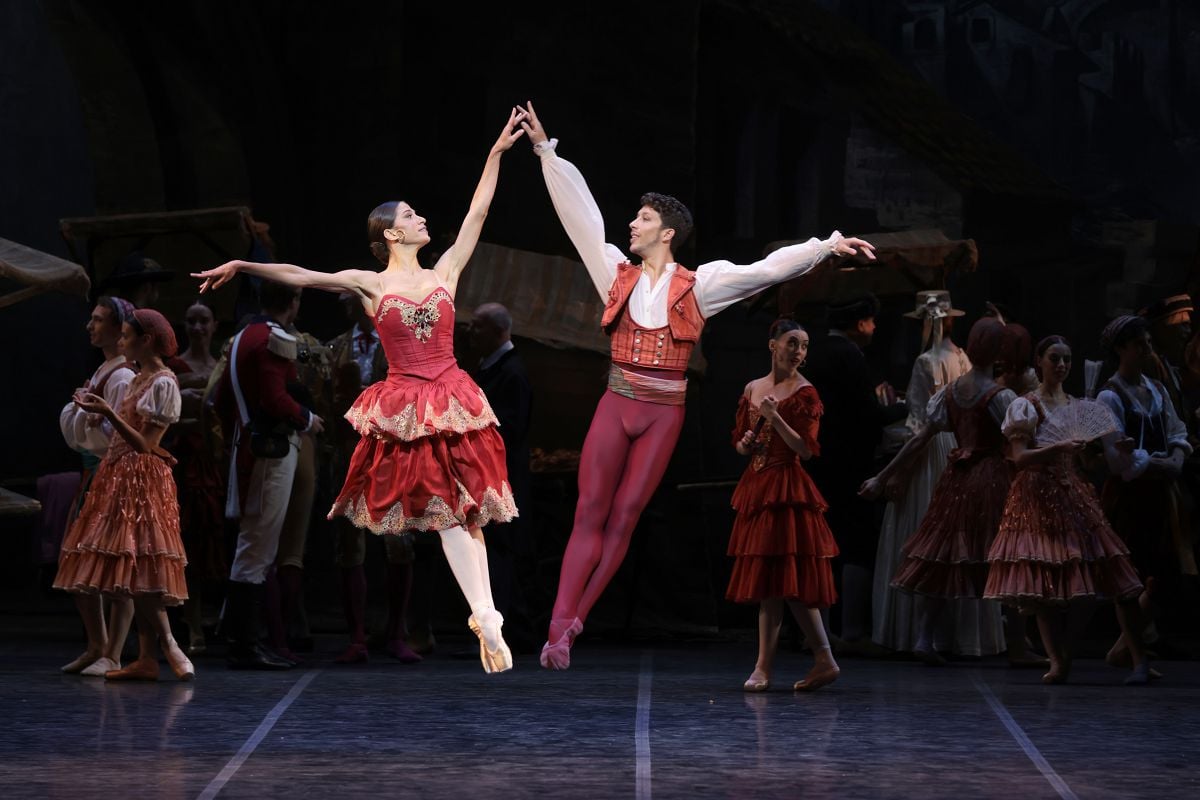
Graham Spicer sees La Scala Ballet in Nureyev’s production of Don Quixote featuring sparkling performances under the magical baton of Gavriel Heine.
| Title | Don Quixote |
| Company | La Scala Ballet |
| Venue | Teatro alla Scala, Milan |
| Date | 10 July 2026 |
| Reviewer | Graham Spicer |
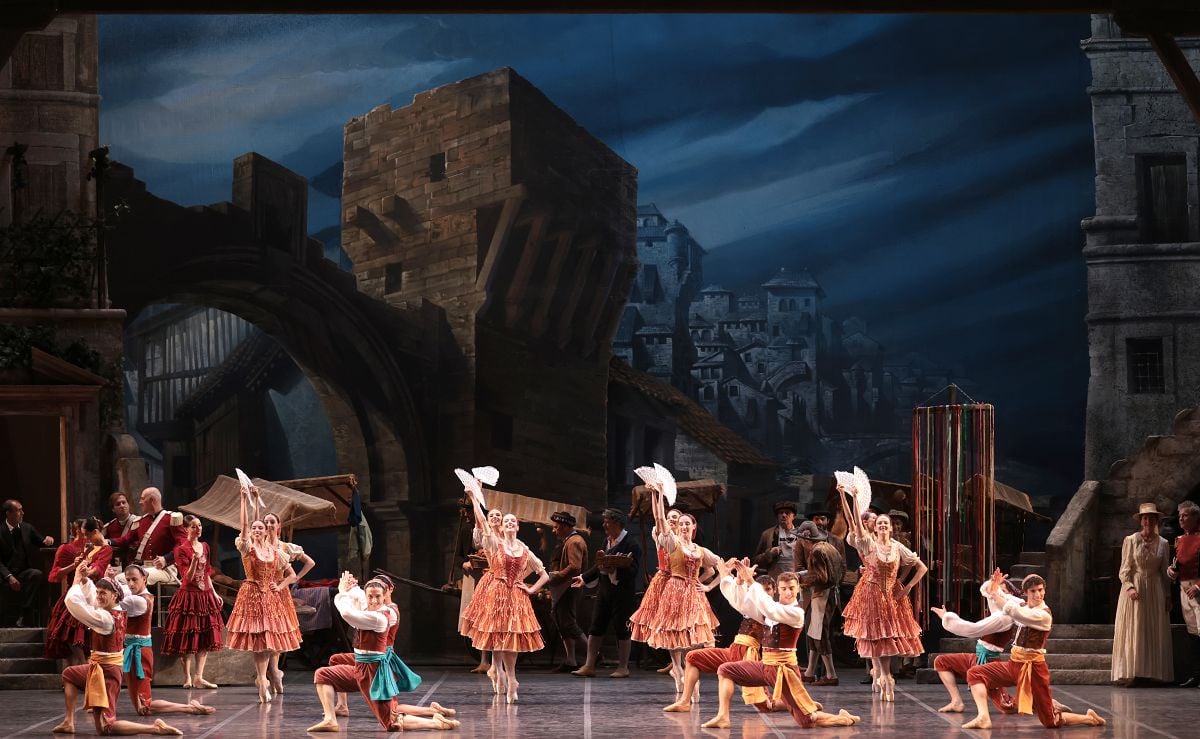
La Scala’s calling card ballet (together with its Giselle) is Rudolf Nureyev‘s Don Quixote – and deservedly so. It looks glorious, works dramatically, and (aside from some drawn-out business in the gypsy encampment) tumbles quickly through the scenes to its finish with the celebrated grand pas. Though in this version, Kitri and Basilio do not simply bow and exit after the pas de deux, but Nureyev propels them – and the entire company – into an exhausting, celebratory finale which continues even as the tabs close. It’s a very exciting production.
This was the ballet where La Scala’s audience first saw Alice Mariani, whom Manuel Legris had wooed from Semperoper Ballett in Dresden. She joined as a soloist and was paired with Mattia Semperboni, who had just been promoted to Soloist, where he still resides in the company’s ranking, even though Mariani is now a principal (apart from two Étoiles, La Scala has just three tiers: Corps de ballet, Soloists and Principals/Primi Ballerini).
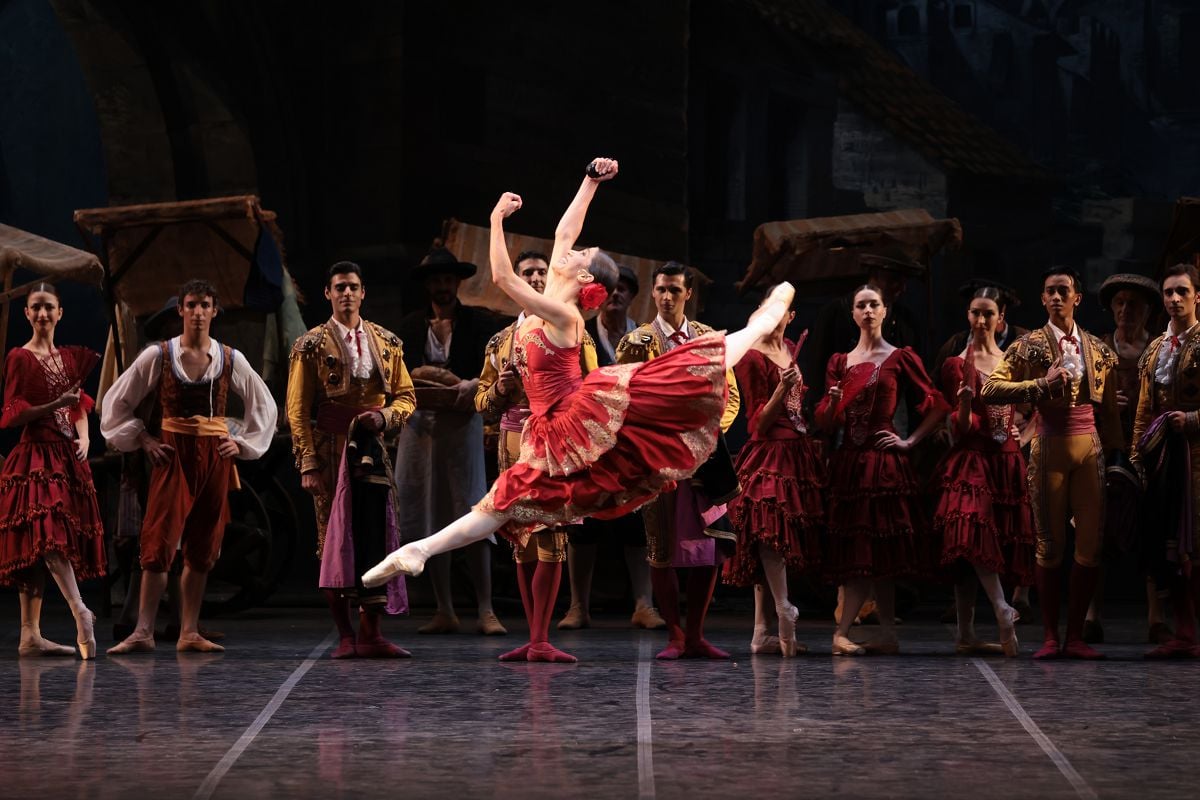
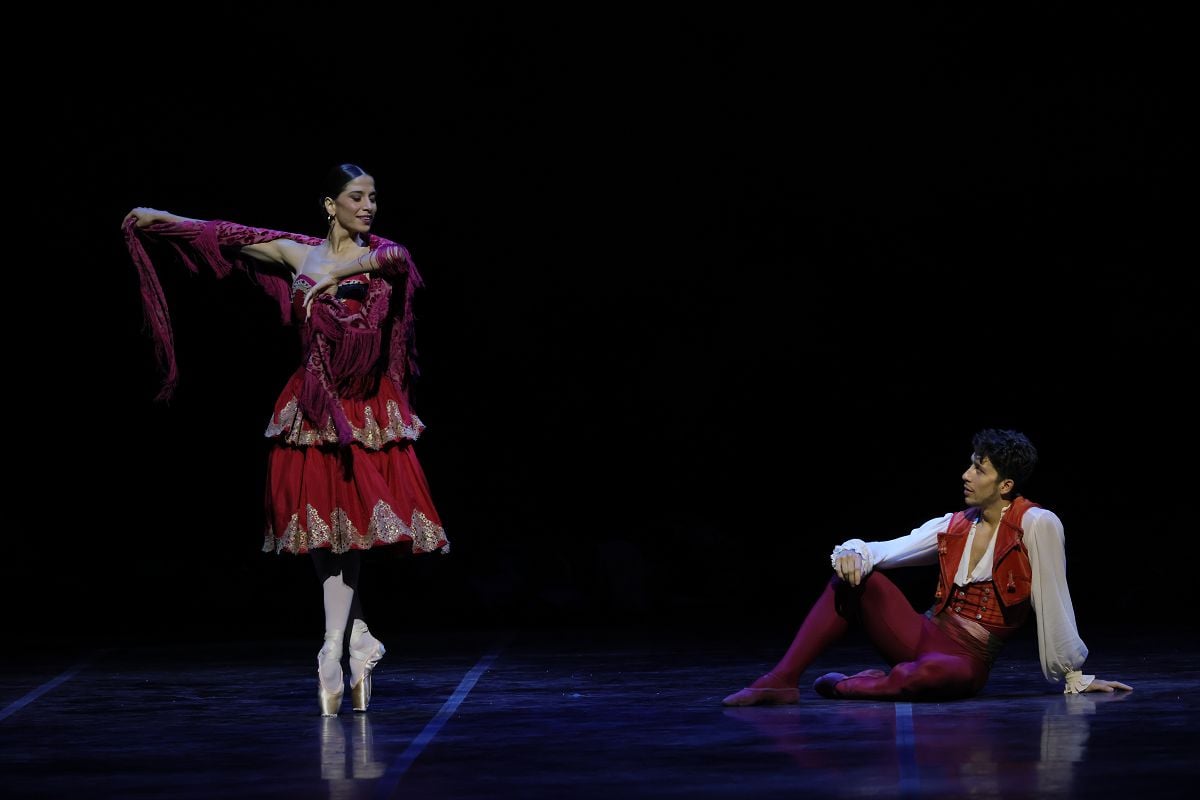
Mariani and Semperboni gave sparkling performances in 2021, and now, for the final ballet before the summer break, they were reunited in these roles. They didn’t disappoint.
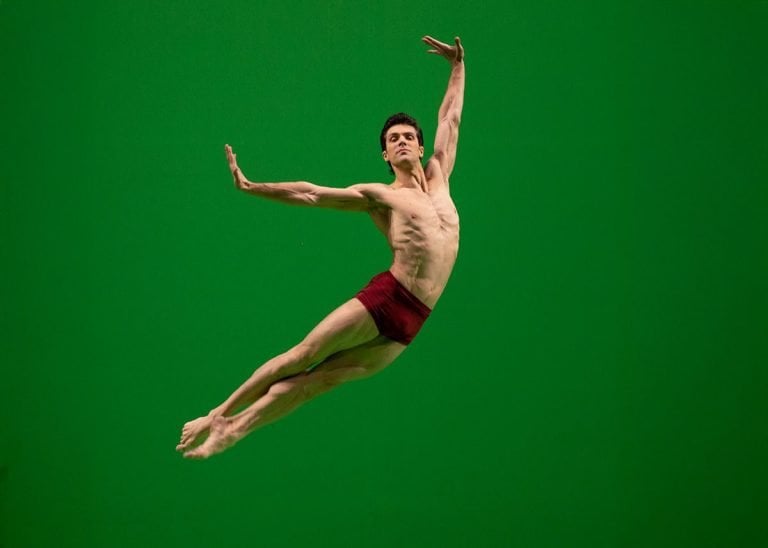
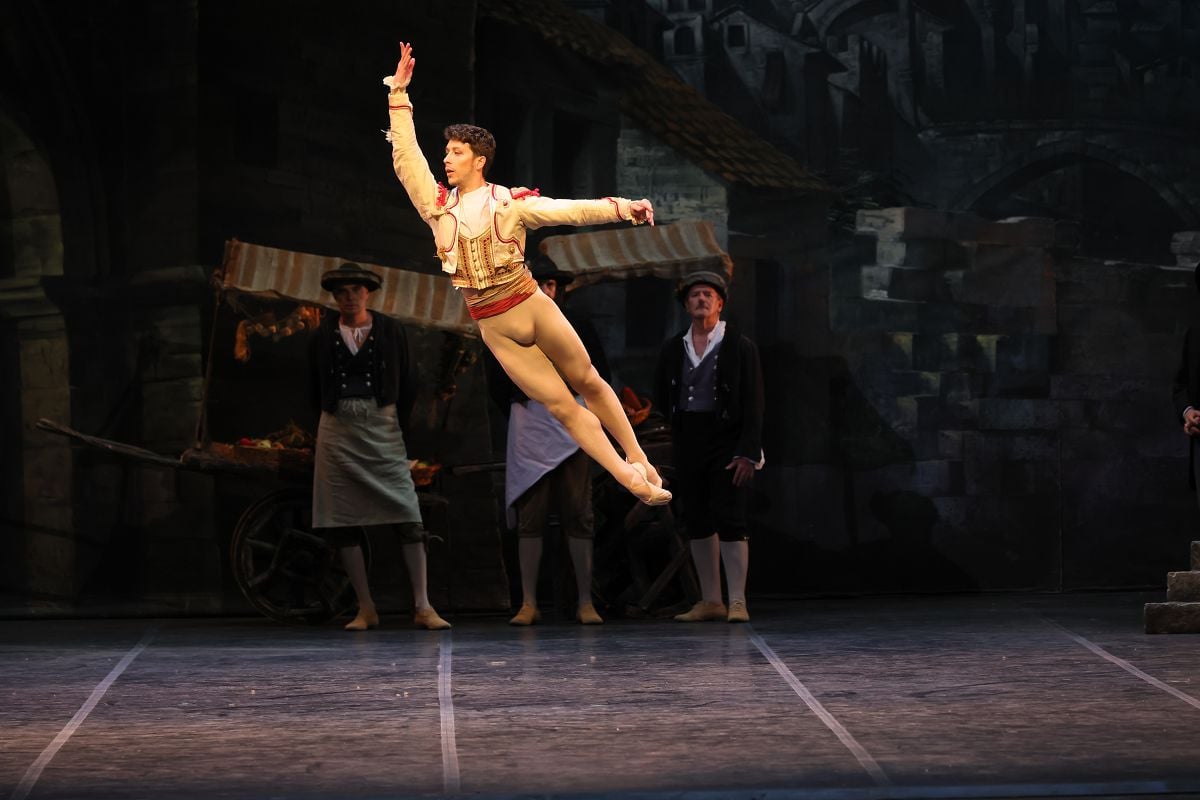
Mariani has the fortune of being born with strong features that amplify her lively expressions, lighting up the stage. Semperboni is the opposite, and if Nureyev were still around, he would surely have advised on makeup (and maybe even hair colour) to give him a bolder look. However, from the neck down, nothing needs amplifying. His technical feats are something he has brought to his roles since joining the company straight from La Scala’s ballet school. He’s a specialist in slowly decelerating turns (in music!), which are thrilling, especially when combined with the impossibly fast seconde turns he shows off in the third-act Don Q coda. However, there is now even more cheek and cockiness in his manner as he pulls these off, which suits Basilio perfectly.
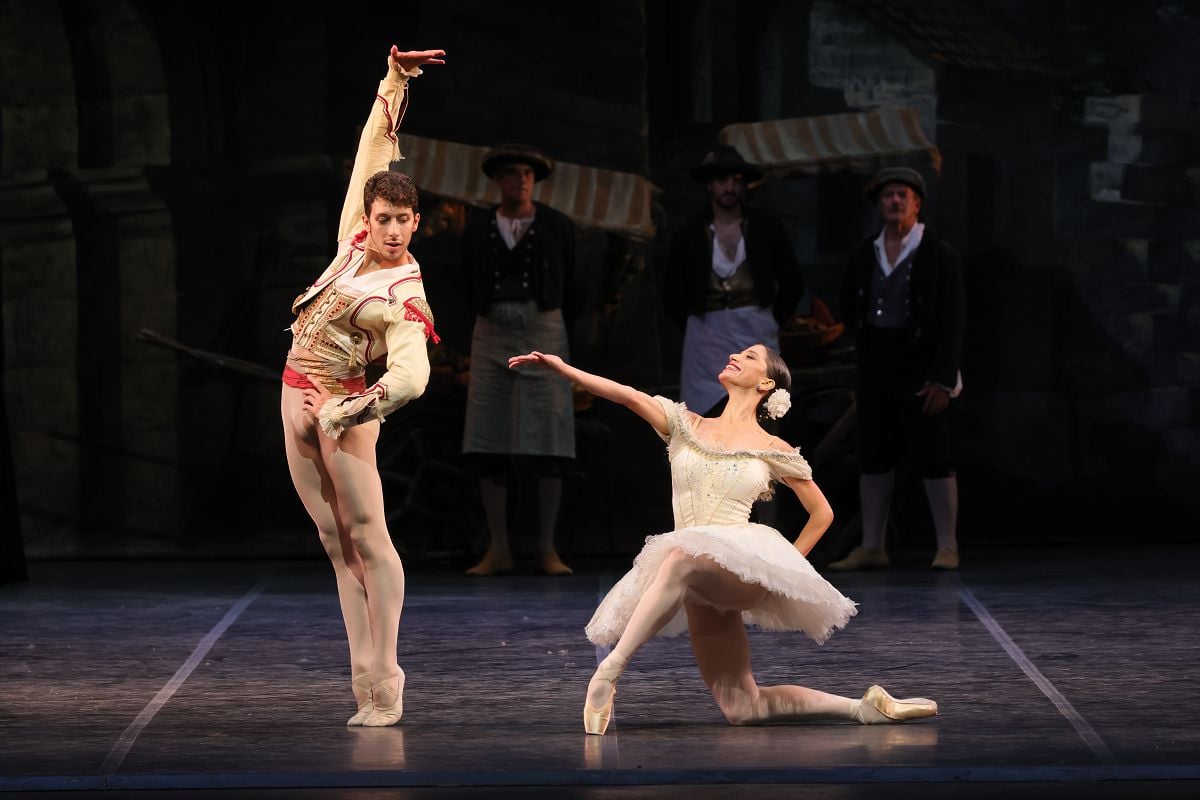
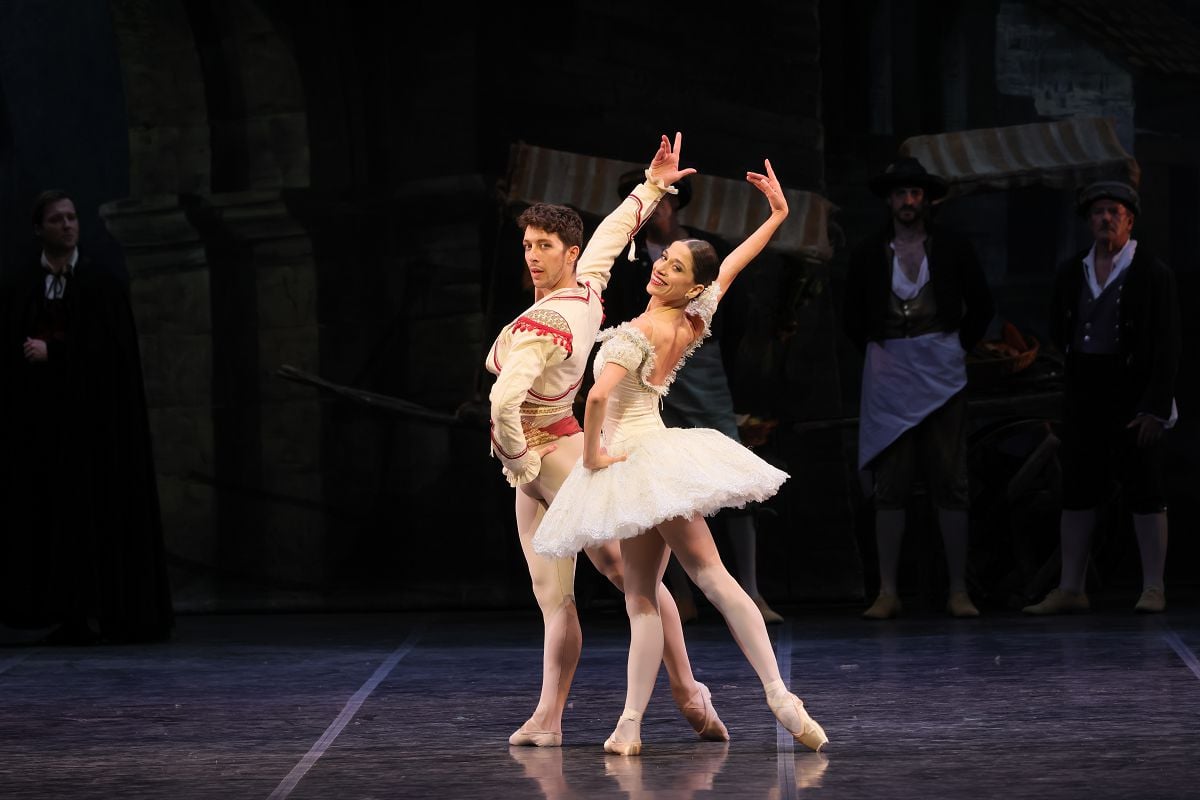
The comic timing with the guitar and fan gag in the first act between the two protagonists is spot on, and their competitive flirtation produces a genuine laugh. In contrast is the highly romantic, moonlit pas de deux before the gypsies arrive in Act II, which is tender and sensual, and justifies why they are fleeing. It is an important narrative bridge between the frenetic pacing of the first act, and Don Q’s windmill incident that is followed by his dream sequence with Kitri, when she is seen as Dulcinea.
A quick note: Don Quixote continues to be portrayed as a tall man staggering across the stage, legs spread as though he’s wearing a nappy, which makes him completely unbelievable. Grounding him with credible acting would help the audience care about all the characters, rather than the ballet being simply a dance-fest. But back to the Dryads…
As Dulcinea, Mariani was ethereal and assured, with a kindly face that enchants Don Quixote. In this production, Dulcinea has already been seen in the prologue set in his study, so she is further emphasised as the ideal woman of his dreams after he’s knocked unconscious by the windmill’s sails.
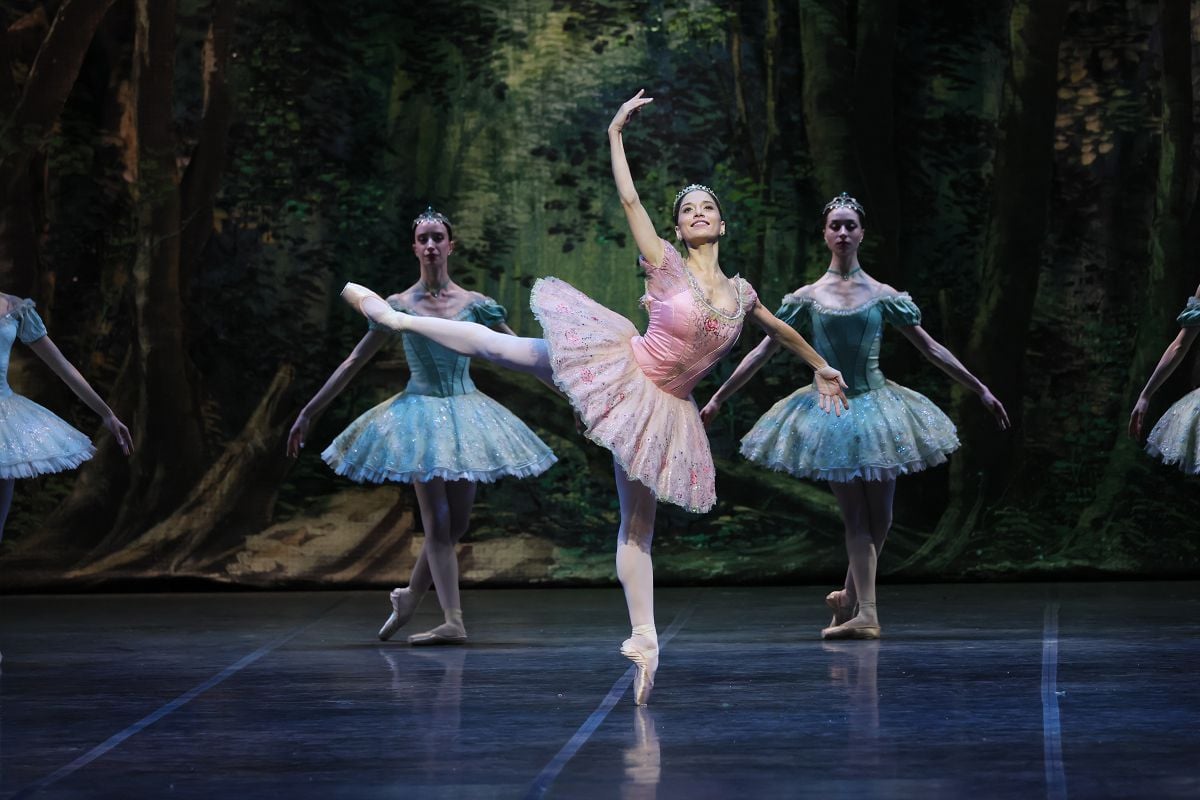
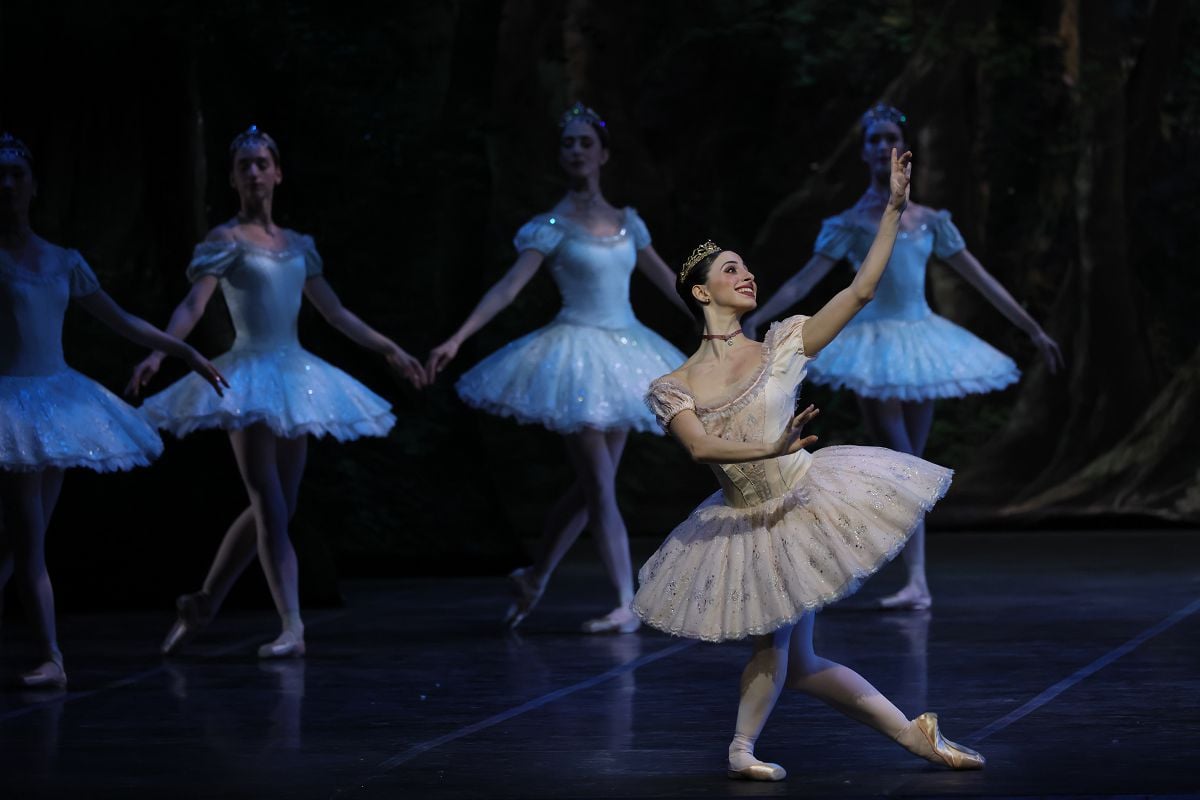
La Scala Ballet certainly excels in white acts, and here there was some exquisite dancing from the women of the corps, with Martina Valentini as the Queen of the Dryads and Linda Giubelli as Amour, both perfect in their roles. I will no longer be able to see this act without remembering a quote from a recent review of a performance by the Australian Ballet (where Nureyev created his version of the ballet in 1970). It stated that the scene “sometimes feels dangerously close to a geriatric sex fantasy”. I had innocently assumed that Dulcinea was on every knight-errant’s checklist of must-haves: his ‘lady’, inspired by one of the musty medieval romances in Quixote’s study. Her purpose was not romantic or erotic but to serve as a moral compass on his ‘quixotic’ quest. Heigh-ho.
Elsewhere, Maria Celeste Losa and Christian Fagetti were commanding as the Street Dancer and Espada, as well as being the soloists in the Fandango in the final act. Also, Marco Messina gave a well-judged performance as the absurdly vain and pompous Gamache.
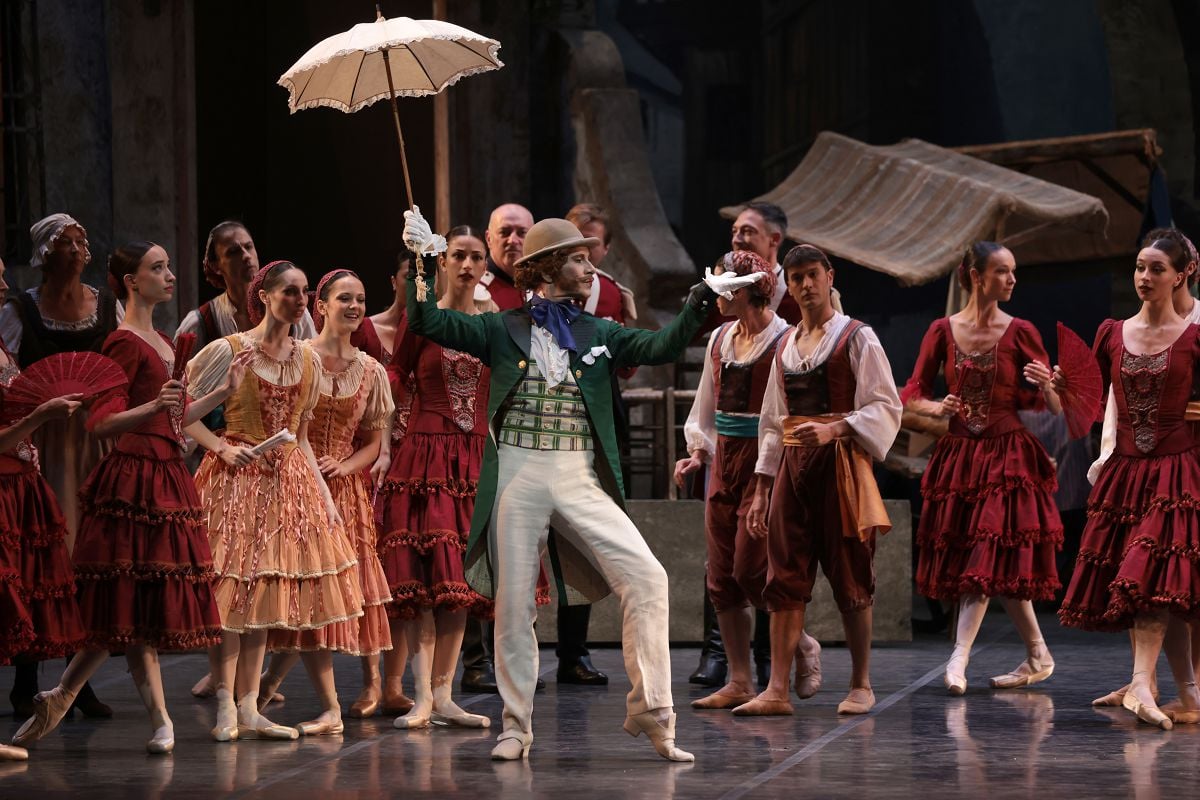
One of the most exciting aspects of this revival happened beneath the stage, under the magical baton of Gavriel Heine. This was the best musical performance of the score I’ve ever experienced. The orchestra played tightly, and Heine extracted rare musical colours, emphasising specific instruments to foster conversational exchanges within the orchestra, rather than providing bland washes of sound. Hopefully, his debut at La Scala will not be a one-time occurrence.